Argentina is one of the most visited countries in South American. The variety of landscapes and adventure destinations, the distinctive local culture of Buenos Aires, Patagonia, and Northern Argentina, as well as the incredible wildlife, spread all over the country, turns Argentina into a travelers’ favorite. But where is Argentina on the maps?
Known for its incredible geographic diversity, Argentina stretches from the tropical landscapes of the north to the glaciers and mountains of Patagonia in the south. Its vast territory includes world-famous destinations such as Buenos Aires, the Andes, the Iguazú Falls, the wine regions of Mendoza, and the remote landscapes of Tierra del Fuego.
Understanding where Argentina is located is the first step to planning a trip through one of the most diverse countries in South America. In this guide, you will find information about Argentina’s location, borders, regions, climate, time zone, and the best ways to get there.
Short answer: where is Argentina located?
Argentina is located in the southern part of South America, between the Andes Mountains to the west and the Atlantic Ocean to the east. The country is part of the Southern Hemisphere and shares borders with Chile, Bolivia, Paraguay, Brazil, and Uruguay.
The country shares international borders with five neighboring countries:
- Chile to the west, across the Andes Mountains.
- Bolivia to the north.
- Paraguay to the north and northeast.
- Brazil to the northeast.
- Uruguay to the east, across the Uruguay River and the Río de la Plata.
Argentina at a glance
| Category | Information |
| Continent | South America |
| Region | Southern Cone |
| Hemisphere | Southern Hemisphere |
| Capital city | Buenos Aires |
| Main ocean | Atlantic Ocean |
| Bordering countries | Chile, Bolivia, Paraguay, Brazil, Uruguay |
| Official language | Spanish |
Argentina is the second-largest country in South America and one of the largest countries in the world, which explains the incredible variety of landscapes found across its territory — from subtropical forests and colorful mountains in the north to glaciers and southern fjords in Patagonia.
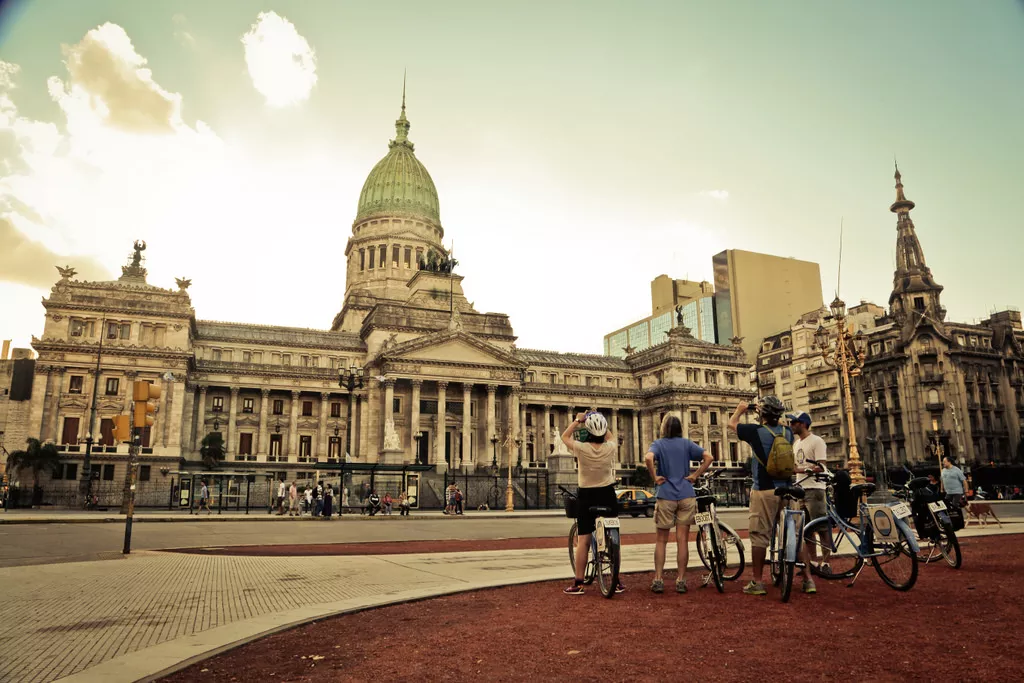
Which Countries Border Argentina?
Argentina shares borders with five countries in South America: Chile, Bolivia, Paraguay, Brazil, and Uruguay. Its location in the Southern Cone places it between the Andes Mountains, the Atlantic Ocean, and several neighboring nations with different landscapes, cultures, and travel connections.
The country’s borders stretch across more than 9,000 kilometers (5,600 miles), creating a wide variety of geographic regions and routes for travelers exploring the continent.
| Country | Location of the border | Highlights |
| Chile | West | Separated by the Andes Mountains; the main connection for trips combining Argentina and Chile, including Patagonia and the Lake District. |
| Bolivia | North | Gateway to the Andean landscapes of Jujuy and the Quebrada de Humahuaca region. |
| Paraguay | Northeast | Connected through the subtropical landscapes of the Gran Chaco and northern Argentina. |
| Brazil | Northeast | Shares a border near the Iguazú Falls region, one of the most famous natural attractions in South America. |
| Uruguay | East | Located across the Uruguay River and the Río de la Plata; connected by bridges and ferries from Buenos Aires. |
Argentina and Chile: A Key Travel Connection
Among all of Argentina’s borders, the one with Chile is especially important for travelers. The Andes Mountains form a dramatic natural barrier between both countries, but several crossings connect destinations such as Mendoza and Santiago, as well as Patagonia’s famous routes.
Many travelers combine both countries in one itinerary, exploring landscapes such as the Atacama Desert, the Lake District, and Patagonia on both sides of the Andes.
For inspiration on exploring this region, discover our Chile travel guide and Patagonia travel guide.
How Big Is Argentina?
Argentina is one of the largest countries in the world, covering approximately 2.8 million square kilometers (1.1 million square miles) of territory. It is the second-largest country in South America after Brazil and the eighth-largest country globally.
The country stretches for more than 3,700 kilometers (2,300 miles) from north to south, creating enormous differences in landscapes, climates, and regional cultures. From the subtropical forests and colorful mountains of the north to the glaciers, lakes, and windswept plains of Patagonia, Argentina’s size is one of the reasons for its incredible geographic diversity.
For travelers, understanding Argentina’s scale is essential when planning a trip. Distances between major destinations can be much greater than they appear on a map. For example, traveling from Buenos Aires to Patagonia involves crossing thousands of kilometers, which is why domestic flights are often the best option for connecting distant regions.
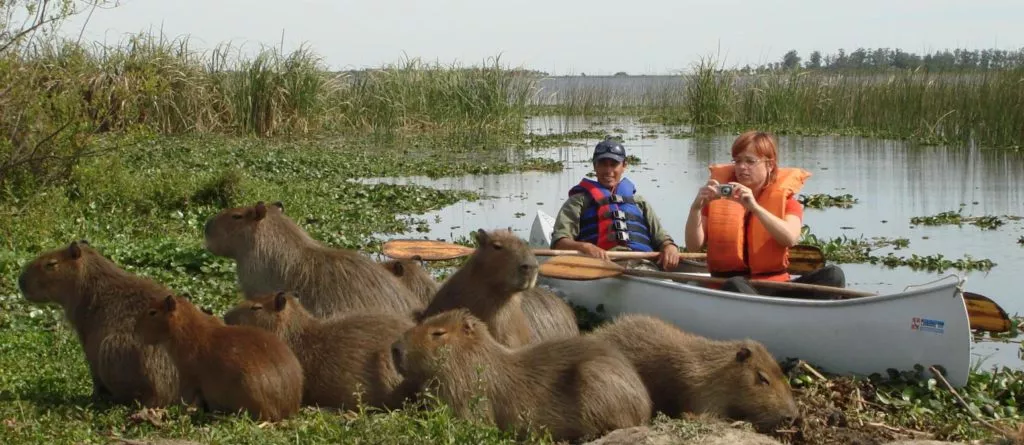
A trip that combines Buenos Aires, Iguazú Falls, Mendoza, and Patagonia usually requires careful planning to balance travel time with experiences. Rather than trying to cover the entire country at once, many travelers choose a few regions and explore them in greater depth.
Explore our Argentina travel guide to discover the main destinations and how to plan your route through the country.
Argentina’s Main Regions
Argentina’s size creates a remarkable variety of landscapes, climates, and cultures. From the colorful mountains of the northwest to the glaciers of Patagonia, each region offers a completely different perspective of the country.
For travelers, understanding Argentina’s main regions is one of the best ways to plan an itinerary and decide which destinations match their interests.
The North
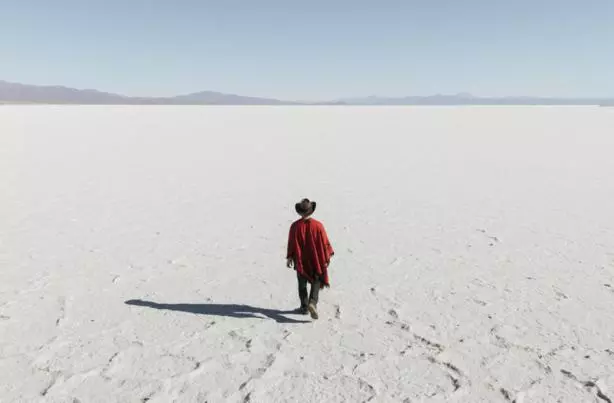
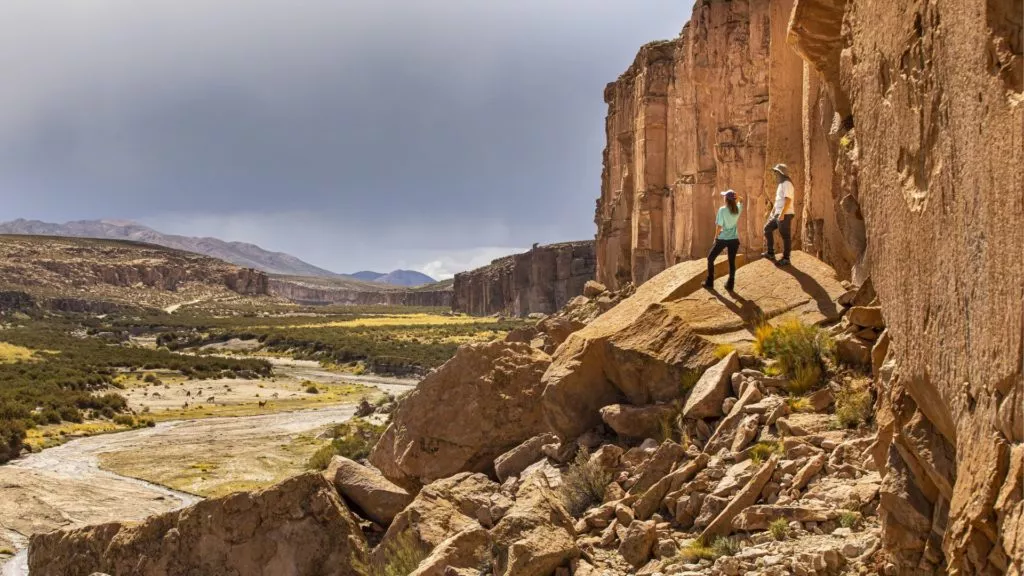
Northern Argentina is known for its dramatic landscapes, rich cultural heritage, and ancient traditions. The region includes destinations such as Salta, Jujuy, and the Quebrada de Humahuaca, where travelers can discover colorful mountains, high-altitude deserts, colonial towns, and Indigenous influences.
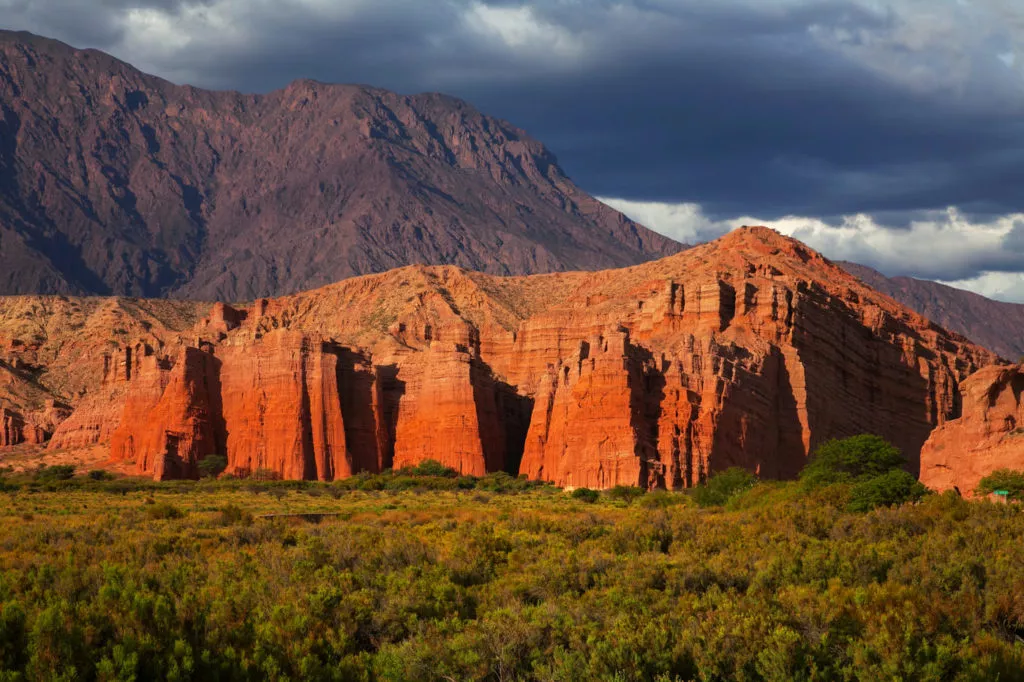
The north is also home to the Iguazú Falls, one of Argentina’s most famous natural wonders, surrounded by the lush rainforest of Misiones Province.
Highlights of Northern Argentina include:
- The colorful landscapes of the Quebrada de Humahuaca.
- Colonial cities such as Salta.
- Indigenous traditions and Andean culture.
- Iguazú Falls and subtropical rainforest scenery.
Cuyo & the Andes
Located in the west of Argentina, the Cuyo region is defined by the Andes Mountains, world-class wine production, and dramatic high-altitude landscapes.
Mendoza is the heart of this region and is internationally recognized for its vineyards, especially its Malbec wines. Beyond wine, Cuyo is also home to Aconcagua, the highest mountain in the Americas, making it a destination for adventure travelers and nature lovers.
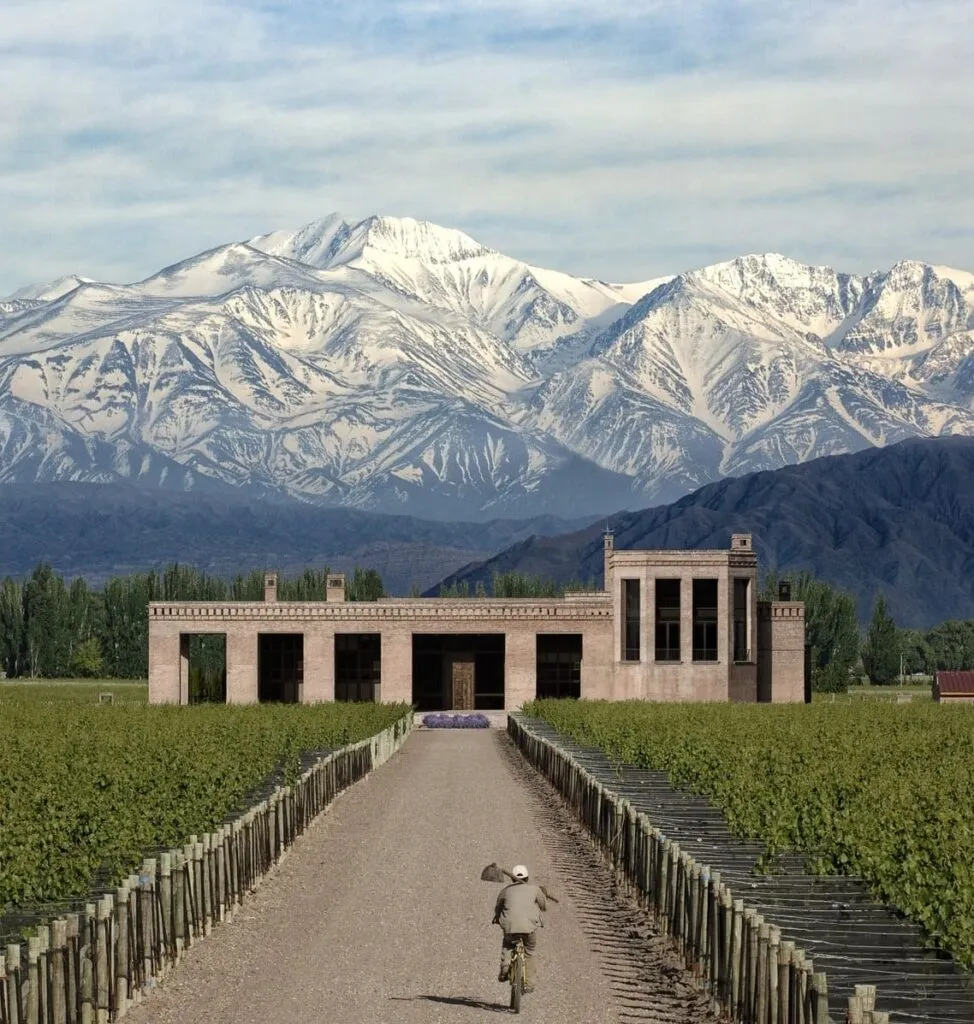
Highlights of Cuyo and the Andes include:
- Mendoza’s wine regions and wineries.
- Mountain landscapes along the Andes.
- Aconcagua Provincial Park.
- Outdoor activities such as hiking and rafting.
For travelers interested in this region, explore our Argentina travel guide.
The Pampas & Buenos Aires
The Pampas are the vast plains that surround Buenos Aires, representing one of the most traditional landscapes of Argentina. This region is closely connected to gaucho culture, agriculture, and rural life.
The capital city itself offers a completely different experience, combining European-style architecture, vibrant neighborhoods, tango, gastronomy, and cultural attractions.
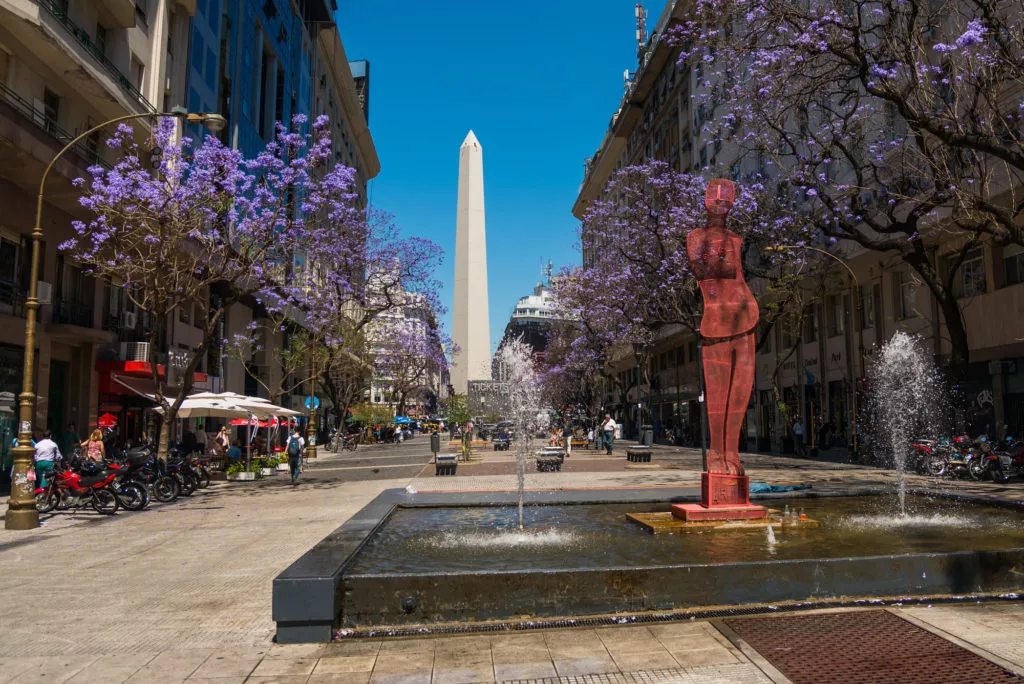
Highlights of the Pampas and Buenos Aires include:
- Buenos Aires’ neighborhoods, museums, and cultural experiences.
- Traditional estancias and gaucho experiences.
- Argentine cuisine and wine.
- Rural landscapes just outside the city.
Discover more about the capital and its surroundings in our Buenos Aires travel guide.
Patagonia
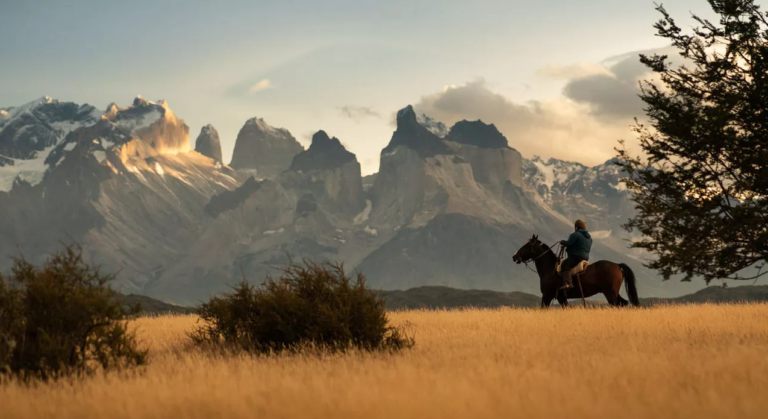
Patagonia occupies the southern part of Argentina and is one of the country’s most iconic regions. Known for its dramatic landscapes and remote wilderness, it stretches from the Andes Mountains to the Atlantic coast.
This region includes destinations such as Bariloche, El Calafate, El Chaltén, Puerto Madryn, and Ushuaia, each offering different ways to experience nature, from trekking and glaciers to wildlife encounters and scenic routes.
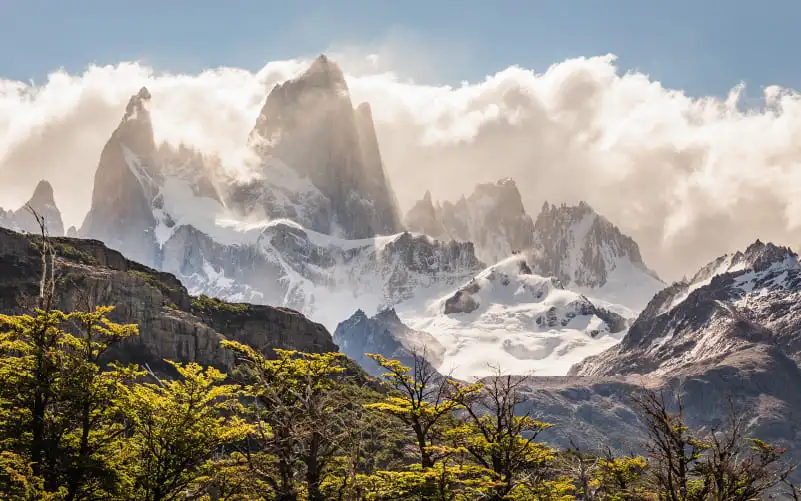
Highlights of Patagonia include:
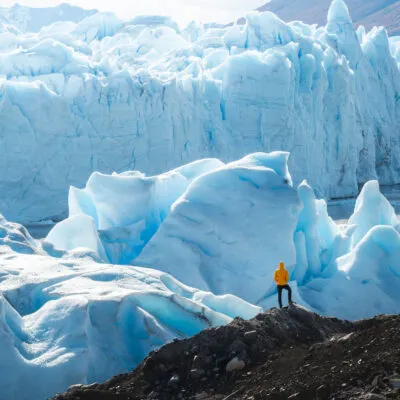
- Perito Moreno Glacier and Los Glaciares National Park.
- Trekking routes around El Chaltén.
- Lakes and mountains in the Argentine Lake District.
- Wildlife experiences along the Atlantic coast.
- Tierra del Fuego and Ushuaia, the southernmost city in the world.
For more information about this vast region, explore our Patagonia travel guide.
Climate & Seasons (Southern Hemisphere)
Argentina’s climate varies greatly depending on the region, mainly because of its enormous size and its extension from north to south. The country experiences the opposite seasons compared to the Northern Hemisphere, meaning that summer takes place from December to February and winter from June to August.
This seasonal difference is important for travelers planning a visit, as the best time to travel depends on the destinations and activities they want to experience. While Patagonia is ideal for hiking during the warmer months, the north can be enjoyed year-round, and winter offers excellent opportunities for skiing in the Andes.

Argentina’s Seasons at a Glance
- Summer (December to February): Ideal for exploring Patagonia, hiking in the Andes, and enjoying outdoor adventures. Temperatures are warmer in the south, although some northern areas can be very hot.
- Autumn (March to May): A great season for wine regions such as Mendoza, with pleasant temperatures and beautiful landscapes. Patagonia also offers colorful autumn scenery.
- Winter (June to August): The best time for skiing in the Andes and visiting some northern destinations with milder weather. Patagonia experiences colder conditions, with snow in many areas.
- Spring (September to November): One of the best seasons for nature and outdoor activities, with blooming landscapes and comfortable temperatures in many regions.
Because of these regional differences, there is no single “best time” to visit Argentina. A traveler visiting Buenos Aires, Mendoza, Iguazú, and Patagonia in the same itinerary may experience completely different weather conditions during the same trip.
For a deeper look at temperatures, rainfall, and destination-specific recommendations, explore our guide on weather in Argentina.
Time Zone
Argentina follows Argentina Time (ART), which corresponds to UTC-3. The entire country uses the same time zone, from Buenos Aires and the northern provinces to Patagonia and Tierra del Fuego.
Unlike many countries, Argentina does not currently observe daylight saving time, meaning clocks generally remain the same throughout the year. This makes planning flights, transfers, and activities easier for travelers moving between different regions.
For international visitors, it is useful to keep the time difference in mind when planning calls, flights, or connecting with family and friends back home. Depending on the season and the country you are traveling from, Argentina can be several hours behind or ahead.
Once in the country, there is no need to adjust your watch when traveling between destinations such as Buenos Aires, Mendoza, Iguazú Falls, El Calafate, or Ushuaia, as they all share the same time zone.
How to Get to Argentina
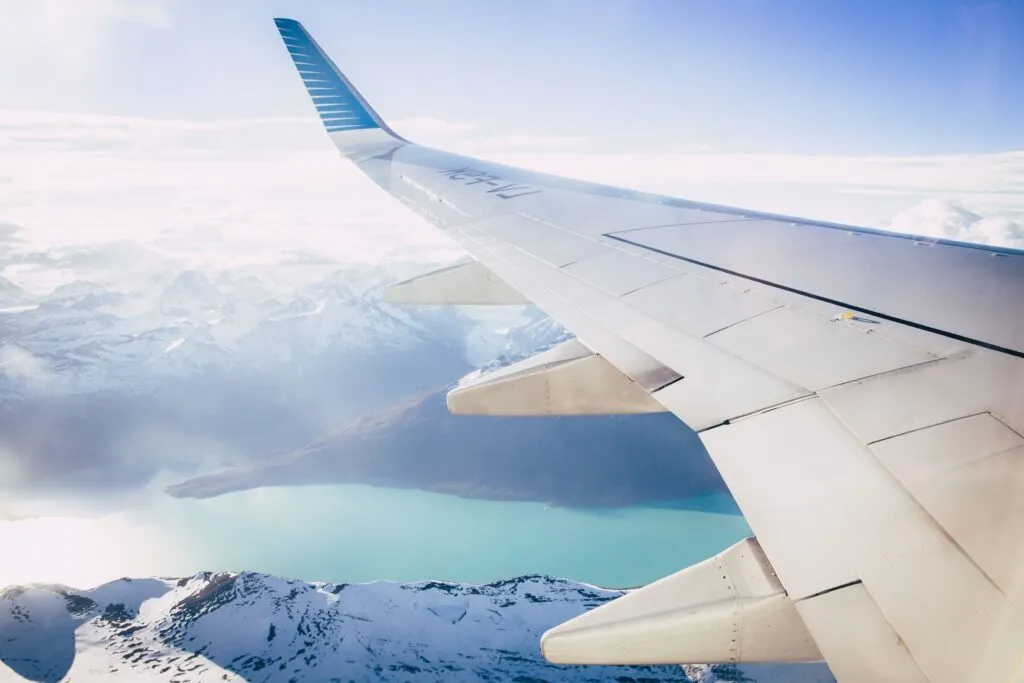
Argentina is well connected to the rest of the world through international flights, with Buenos Aires serving as the main gateway for most travelers. From the capital, visitors can connect with destinations across the country, including Patagonia, Iguazú Falls, Mendoza, and the northwest.
The best way to reach Argentina depends on where you are traveling from, but most international visitors arrive by air.
Arriving by Air
The main international airports are located in Buenos Aires:
- Ezeiza International Airport (EZE): The country’s main airport for international flights, located about 30 kilometers (19 miles) from downtown Buenos Aires.
- Aeroparque Jorge Newbery (AEP): Located closer to the city center and mainly used for domestic flights, but it also operates some regional international routes.
Many travelers flying from North America, Europe, and other parts of South America arrive in Buenos Aires before continuing to other regions of the country.
Connecting to Other Destinations in Argentina
Because Argentina is a very large country, domestic flights are often the most practical way to travel between distant regions.
From Buenos Aires, travelers can easily connect to destinations such as:
- Iguazú Falls in the northeast.
- Mendoza and the Andes in the west.
- Bariloche and the Lake District in Patagonia.
- El Calafate and El Chaltén for glaciers and trekking.
- Ushuaia in Tierra del Fuego.
When planning an itinerary, it is important to consider travel times between regions rather than only looking at distances on a map. A well-designed route allows visitors to experience more of Argentina without spending too much time in transit.
For inspiration and help planning your journey, explore our Argentina trips and discover different ways to explore the country.
Frequently Asked Questions
Where is Argentina located?
Argentina is located in the southern part of South America, between the Andes Mountains and the Atlantic Ocean. The country is part of the Southern Hemisphere and extends from the subtropical regions in the north to the southern landscapes of Patagonia and Tierra del Fuego.
What continent is Argentina in?
Argentina is located in South America. It is one of the continent’s largest countries and occupies much of the southern portion of the continent, forming part of the region known as the Southern Cone.
Which countries border Argentina?
Argentina shares borders with five countries: Chile, Bolivia, Paraguay, Brazil, and Uruguay. Chile is located along Argentina’s western border, separated by the Andes Mountains, while the other neighboring countries are located mainly to the north and northeast.
How big is Argentina?
Argentina covers approximately 2.8 million square kilometers (1.1 million square miles), making it the second-largest country in South America and one of the largest countries in the world. Its great north-to-south extension creates a wide variety of climates, landscapes, and travel experiences.
What is the capital of Argentina?
The capital of Argentina is Buenos Aires, located on the western shore of the Río de la Plata. It is the country’s largest city and its main cultural, political, and economic center, known for attractions such as tango, historic neighborhoods, museums, and world-renowned gastronomy.