You have booked the cruise of a lifetime — an expedition to Antarctica from Ushuaia, a voyage through the Chilean fjords, or a grand South America sailing between Buenos Aires and Santiago. You have also booked a very long flight to get there. And this is where many travelers make the same quiet mistake: they fly halfway around the world, step aboard, and sail away without seeing an inch of the extraordinary countries their cruise begins and ends in.
Argentina and Chile are not just departure lounges for a ship. They hold glaciers, granite peaks, the end-of-the-world light of Tierra del Fuego, the vineyards of Mendoza, the driest desert on earth, and two of the most characterful capitals in the Americas. A few days on either side of your cruise turns a single experience into a genuine journey.
There is a practical case, too. A pre-cruise buffer protects you against the flight delays that could otherwise make you miss embarkation entirely, and a post-cruise extension lets you unwind and go deeper with no deadline looming.
This guide walks through how to extend your stay: pre and post cruise ideas from the main gateways — Buenos Aires, Santiago and Ushuaia — and how to plan the extra days so they add to the trip rather than complicate it.

You crossed the world to board the ship — a few days on land before or after turns a cruise into a journey.
1. Why Add Days Before or After Your Cruise
The first reason is simple insurance. Cruises, and expedition cruises especially, leave on a fixed date and will not wait for a delayed passenger. Flying in the same day you embark is a gamble; a single missed connection from Europe or North America can cost you the whole voyage. Arriving a day or two early removes that risk entirely.
The second reason is recovery. These are long-haul journeys across many time zones, and boarding a ship jet-lagged is no way to begin. A short buffer lets you arrive rested and actually enjoy the first days at sea.
The third reason is the one that matters most once you are home: the land itself. The mainland wonders of Patagonia, the Andes and the great cities are not visible from a cruise deck, and reaching this corner of the world without seeing them is a missed opportunity you may not get again.
Put together, a pre-cruise buffer and a post-cruise extension turn a logistical necessity into the richest part of the trip.
2. Pre-Cruise or Post-Cruise? How to Decide
Both have their place, and many travelers do a little of each. A pre-cruise stay is primarily about protection and acclimatisation: one or two nights at or near the embarkation port, enough to absorb a flight delay, shake off the jet lag, and start the cruise relaxed. It is the non-negotiable part.
A post-cruise extension is where the real exploring happens. With the ship behind you and no embarkation deadline, you can travel at your own pace and go as deep as your time allows — days or weeks, flexible and unhurried.
The pattern we most often recommend is a short pre-cruise buffer followed by a longer post-cruise journey. You guarantee you make the ship, then reward yourself afterwards with the land adventure. How long to add depends on how far you want to roam, which is a planning question worth getting right.
Now you can choose your type of trip:
Type of trip
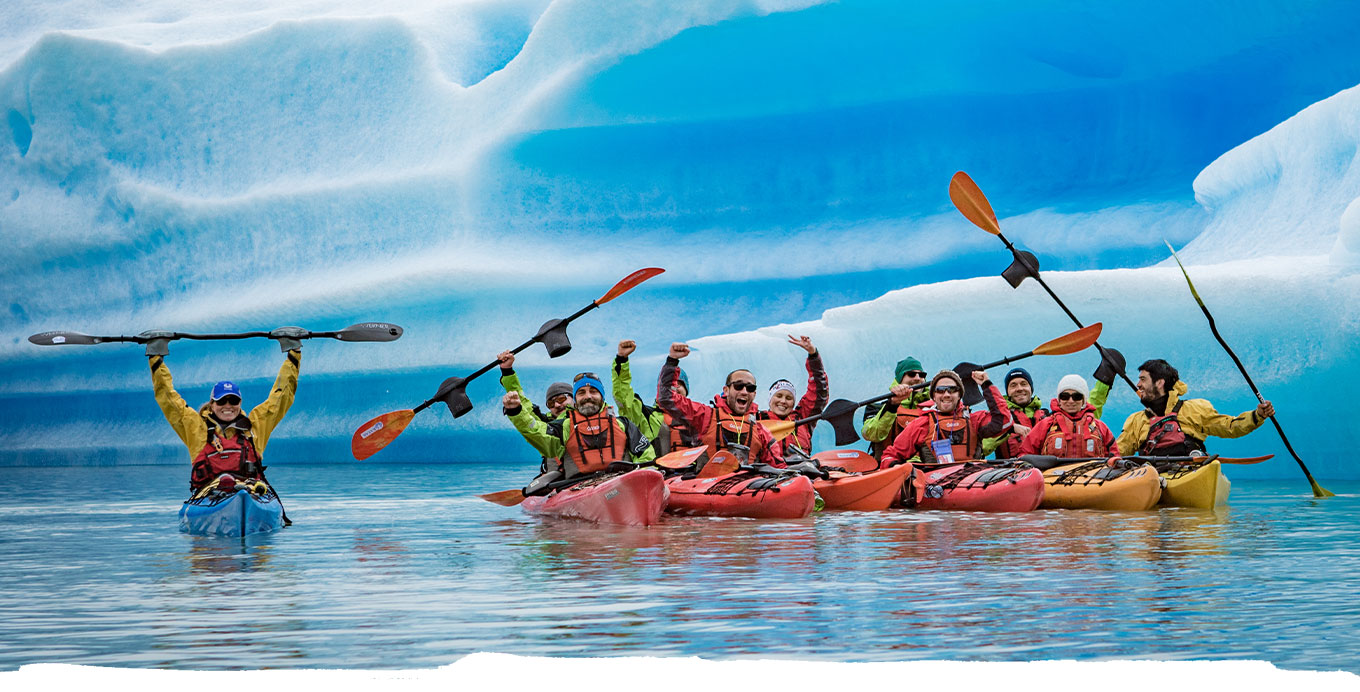


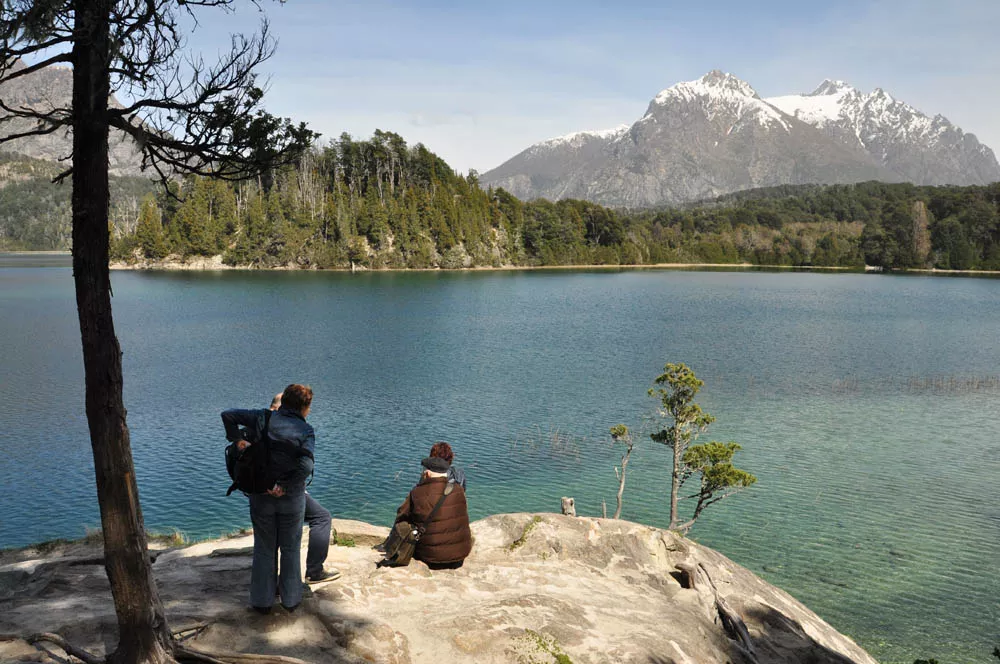

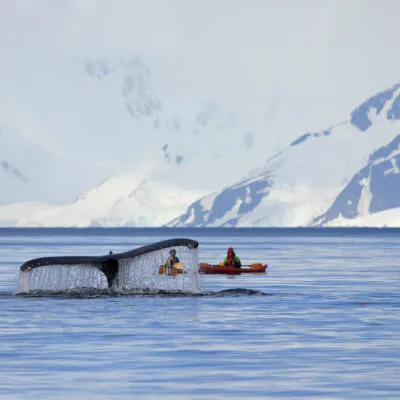




3. Extending from Buenos Aires
Many South America cruises and repositioning voyages begin or end in Buenos Aires, and several Antarctica travelers route through the city as well. It is a wonderful place to spend a few days: tango in San Telmo, legendary steak, the grand avenues and the leafy cafes of Palermo and Recoleta.
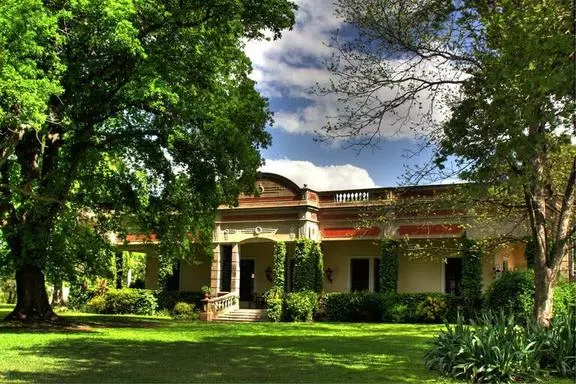
Buenos Aires is also a superb launchpad. A short domestic flight takes you to the thundering Iguazú Falls on the subtropical border, or west to Mendoza, Argentina’s high-altitude wine country at the foot of the Andes — either one an easy and rewarding pre or post-cruise add-on.
One logistical note worth planning for: Buenos Aires has two airports, with most domestic flights leaving from the city-side Aeroparque and long-haul arrivals landing at Ezeiza, so allow transfer time between them. Our Argentina tours fold the capital and these side trips neatly around a cruise date.

Many South America cruises begin or end in Buenos Aires — tango, steak and a launchpad to Iguazú or Mendoza.
4. Extending from Ushuaia and Antarctica Cruises
Ushuaia, the southernmost city in the world, is the main departure port for Antarctica expeditions, so for most polar travelers this is where the extension question is sharpest. It would be a shame to fly to the end of the world and see only the dock.
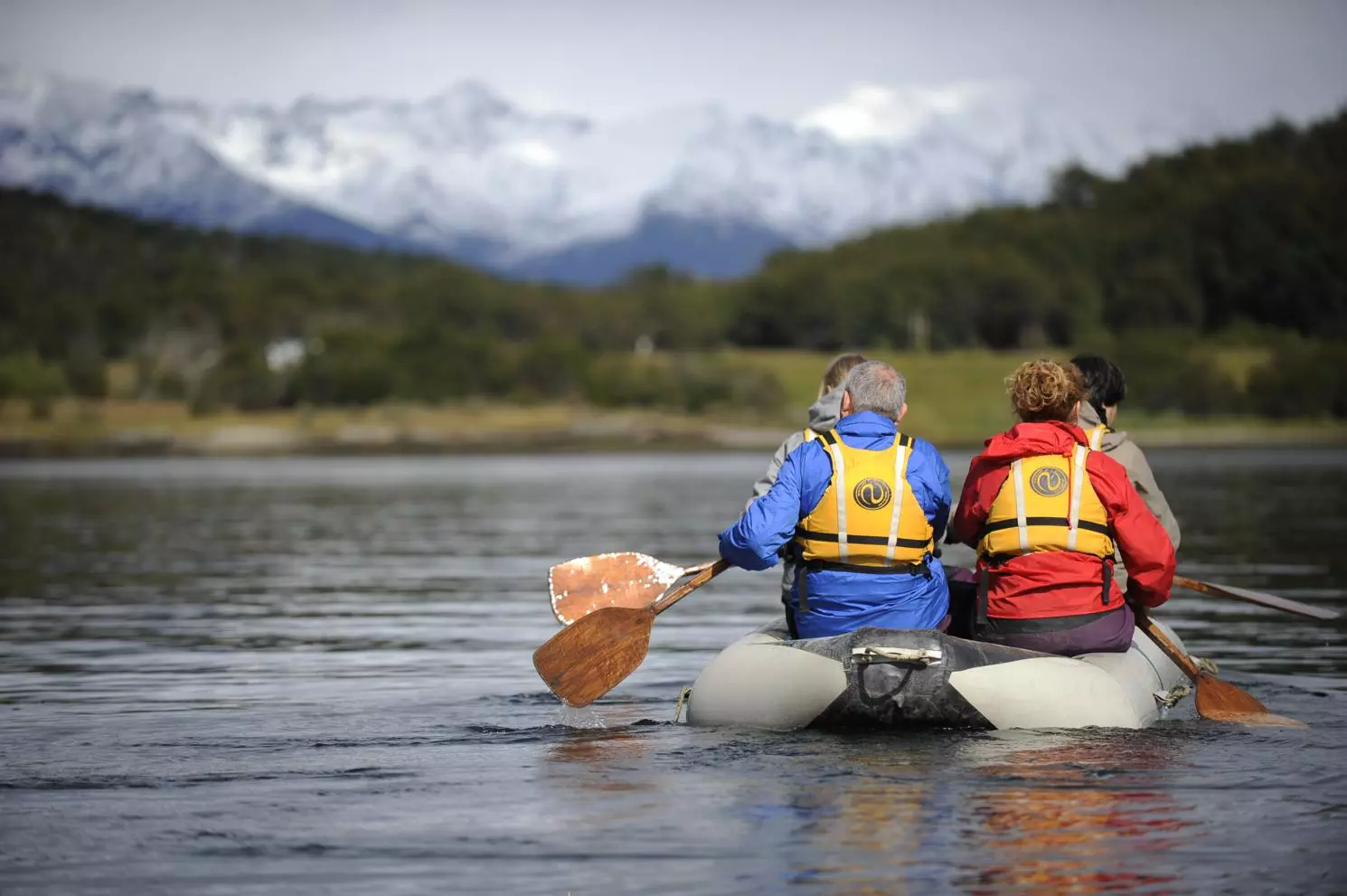
Before you sail, give yourself time to explore Ushuaia itself — the Beagle Channel, Tierra del Fuego National Park and the surrounding mountains make the pre-cruise buffer a pleasure rather than just insurance. Our guide to the things to do in Ushuaia is the ideal place to plan those days, and if you are still choosing a voyage, our overview of the best tours to Antarctica helps.
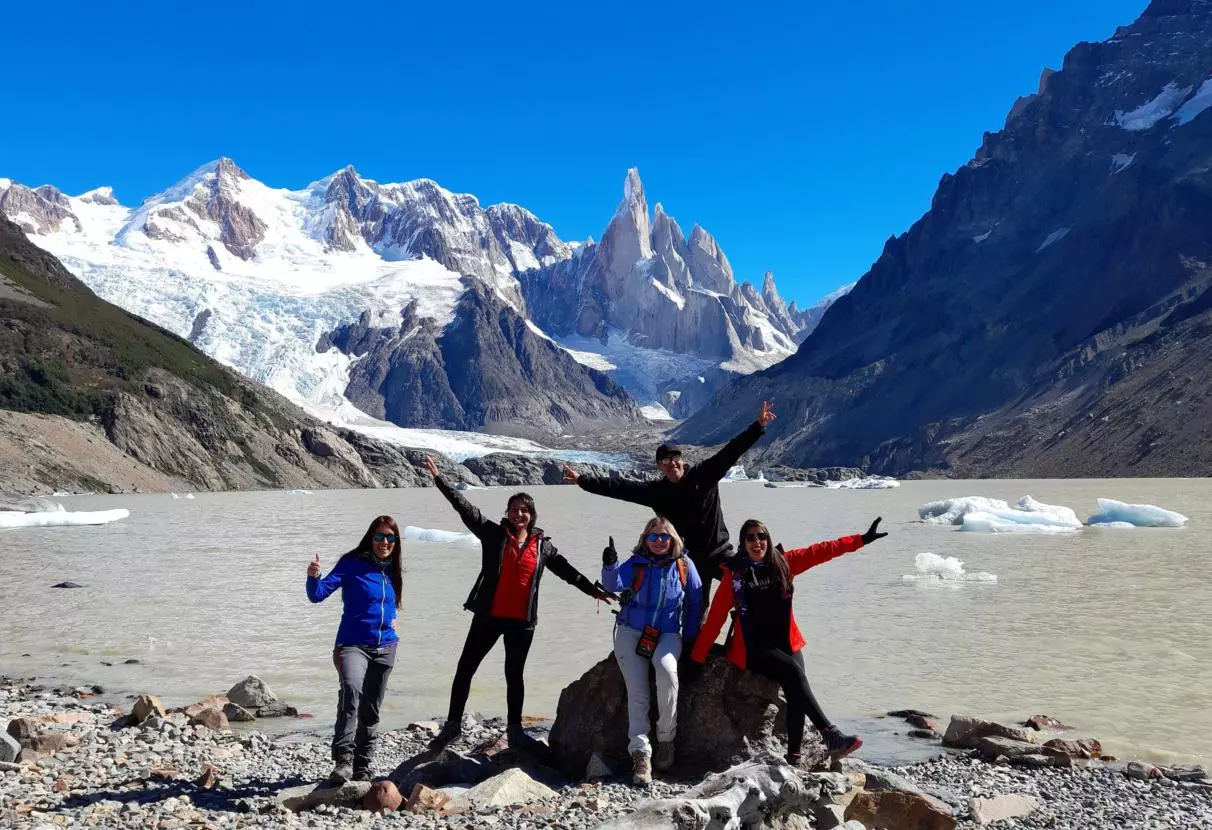
Afterwards, the whole of Patagonia opens up. A short flight reaches El Calafate and the astonishing Perito Moreno glacier — see our guide to choosing the best El Calafate tour — and from there El Chaltén or Torres del Paine are within reach. Our Patagonia tours build these legs around your cruise dates.
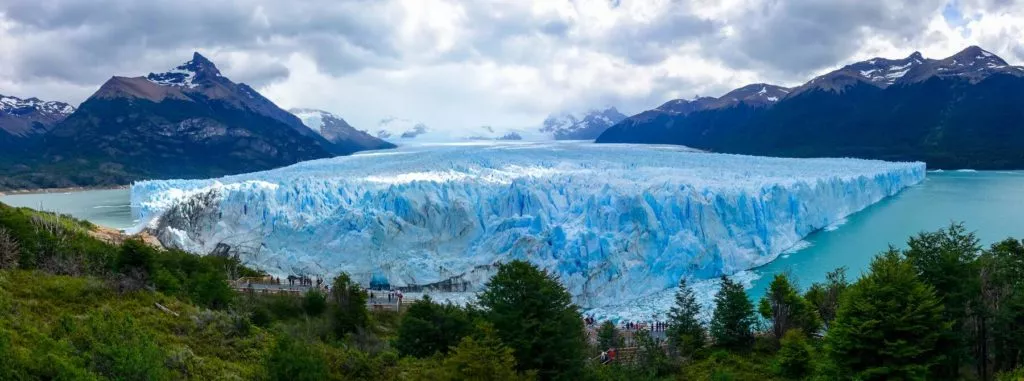
After an Antarctica cruise from Ushuaia, El Calafate and the Perito Moreno glacier are a natural next stop.
Extending from Santiago and Chilean Ports
On the Chilean side, several routes meet. Patagonian fjord cruises and some Antarctica fly-cruises depart from Punta Arenas, while grander South America voyages call at Valparaíso, the port of Santiago. Each opens a different extension.
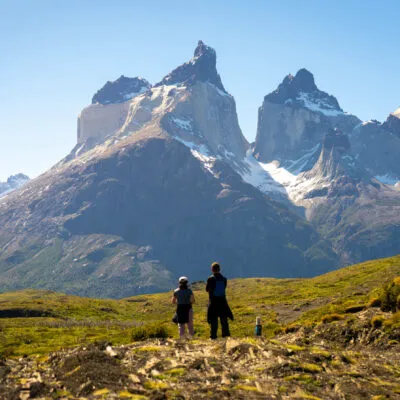
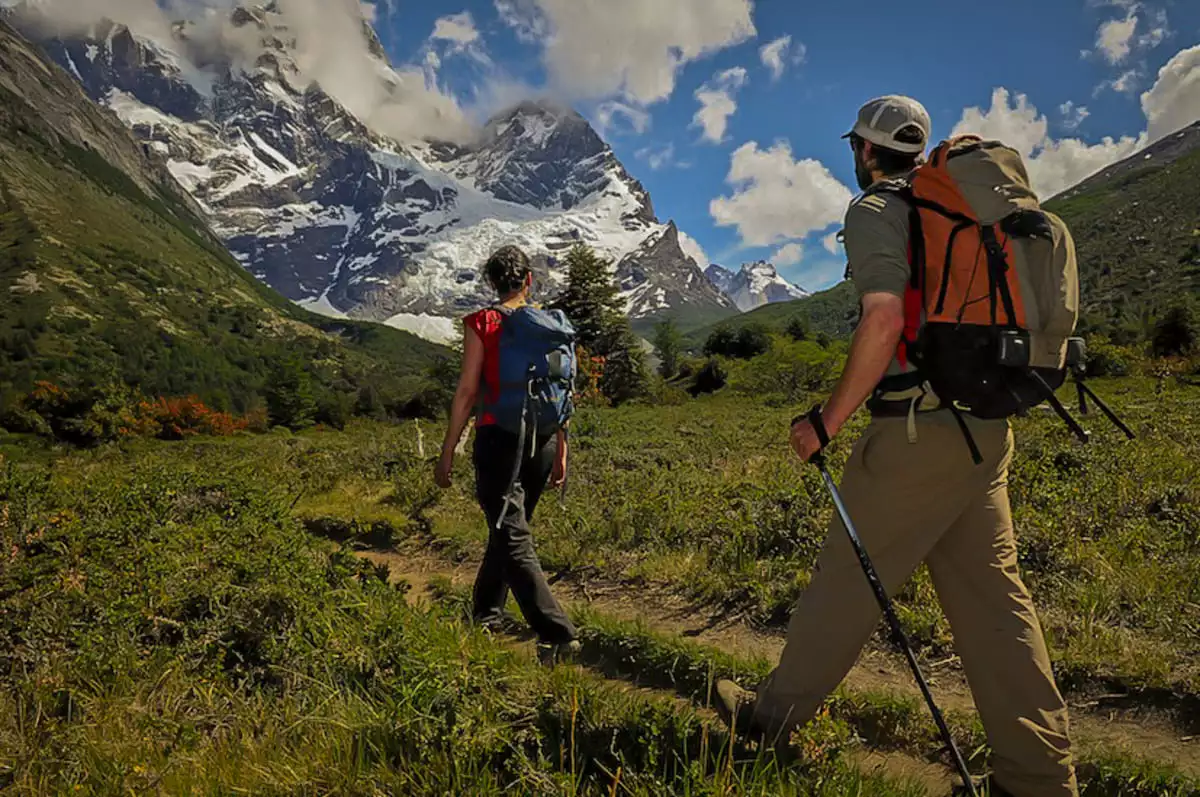
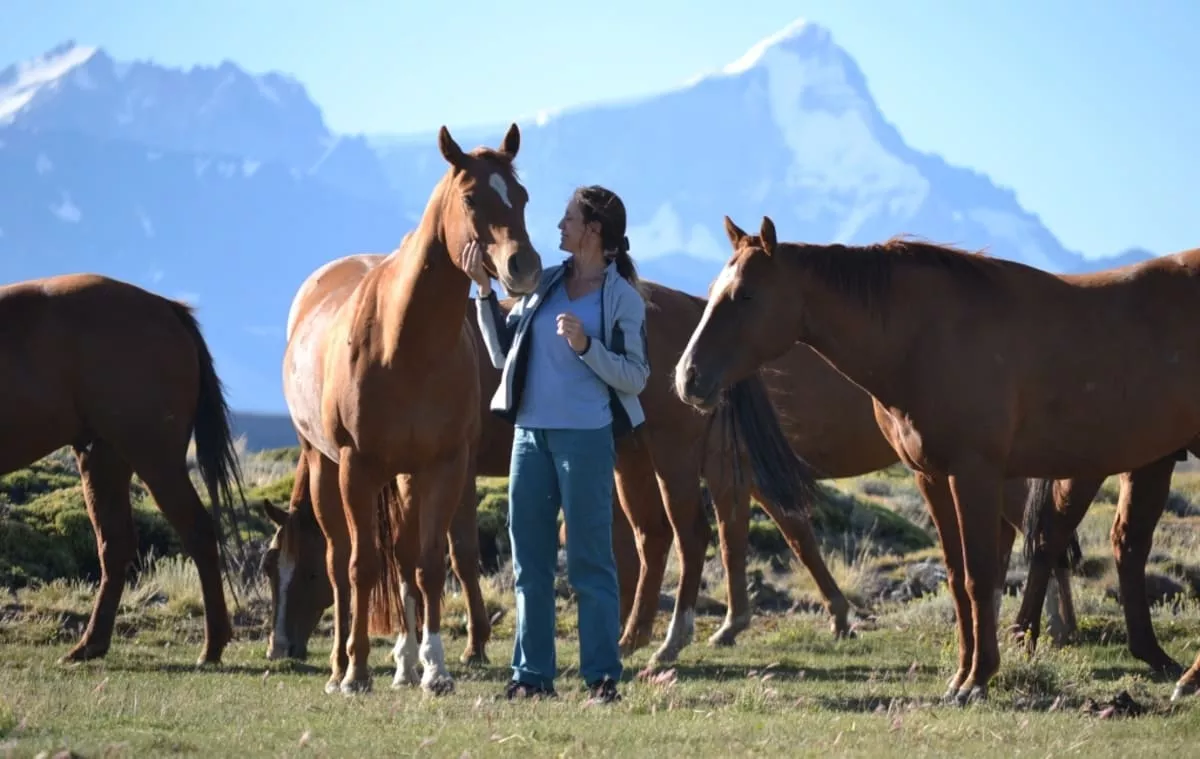
From Punta Arenas, Torres del Paine is close enough to be the obvious post-cruise reward, with its granite towers and the famous W route. From Santiago, you are within reach of the Atacama Desert in the north — the driest on earth, with its salt flats, geysers and star-filled skies — or the Casablanca and Maipo wine valleys on the city’s doorstep.
To plan the Chilean side well, our guide to Chile guided tours lays out the options, and if you are weighing the two sides of Patagonia, this comparison of Chilean and Argentine Patagonia helps you choose. Our Chilean Patagonia tours tie it all to your sailing.
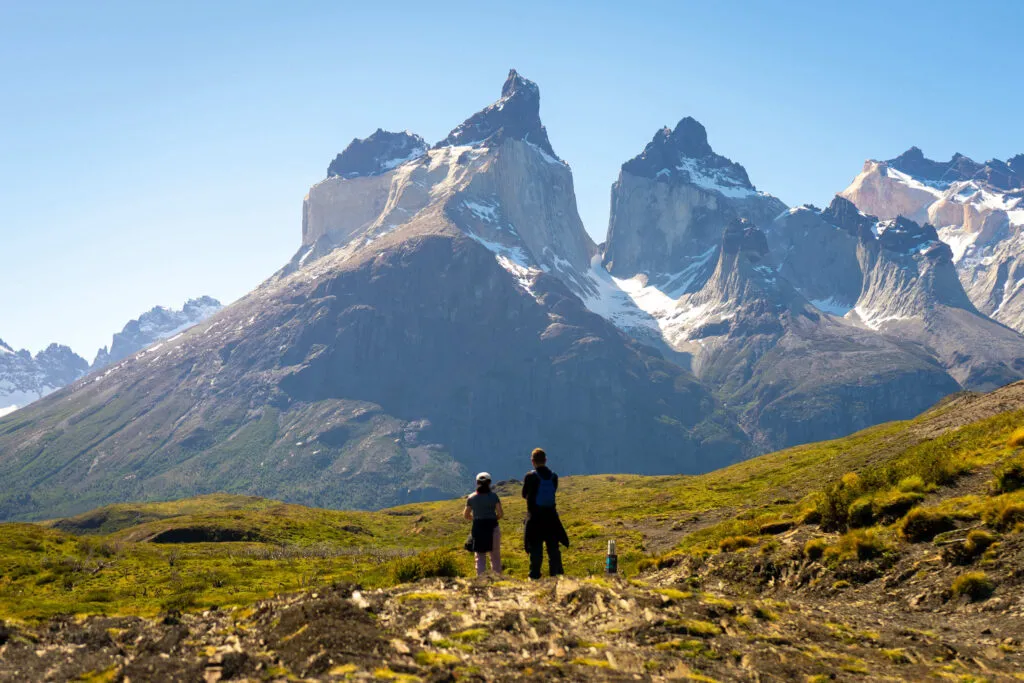
From the Chilean side, Torres del Paine, the Atacama Desert and the wine valleys are all within reach.
How Many Days to Add, and How to Plan
As a rule of thumb, add at least one or two nights before the cruise as a buffer, and three to seven days afterwards to actually explore. The pre-cruise part is about certainty; the post-cruise part is about depth, and how much you add depends on how far you want to travel.
The thing to watch is internal logistics. Patagonia’s distances are large and rely on domestic flights, and its weather can disrupt schedules, so a well-planned extension builds in a little slack rather than cutting connections fine. Our guide to how many days you need in Patagonia and the best Patagonia itinerary for first-time travelers both help you size the trip.
This is also where coordinating everything around a fixed sailing date earns its keep — matching flights, transfers and weather buffers to the ship is exactly what a specialist operator does. If you would like a hand, our specialists are happy to shape it with you; just get in touch.
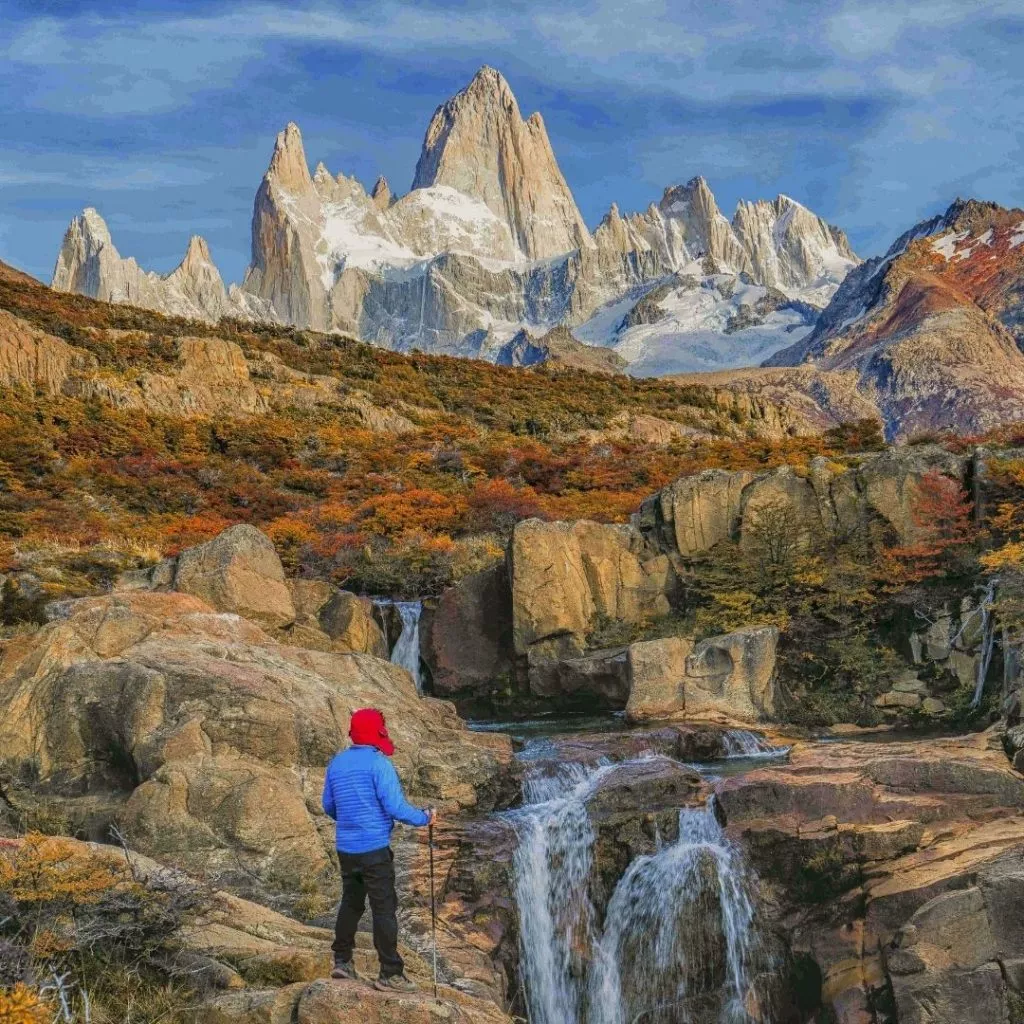
A sensible buffer before the ship and a few unhurried days after is the formula that works.
Cruise Extensions at a Glance
| Cruise gateway | Pre or post-cruise ideas | Suggested days to add |
| Buenos Aires | The city, plus Iguazú Falls or Mendoza wine country | 2–5 days |
| Ushuaia (Antarctica) | Ushuaia and Tierra del Fuego; then El Calafate, El Chaltén or Torres del Paine | 2–7 days |
| Santiago / Valparaíso | Atacama Desert, Santiago and the wine valleys | 3–6 days |
| Punta Arenas (Chile) | Torres del Paine and Chilean Patagonia | 3–5 days |
5. FAQs About Pre and Post Cruise Trips in Argentina and Chile: How to Extend Your Stay
Yes — it is one of the most important decisions you will make. Cruises, and expedition cruises in particular, leave on a fixed date and will not wait for delayed passengers, so flying in on the same day you embark is a real risk.
A single delayed or cancelled long-haul flight from Europe or North America can cause you to miss the ship entirely, with no refund and no way to catch up. Arriving one or two nights early removes that risk.
Beyond the insurance, an early arrival lets you shake off the jet lag from crossing many time zones, so you begin the cruise rested rather than exhausted. For a trip this significant, a pre-cruise buffer is simply good planning.
As a guide, add at least one or two nights before the cruise as a buffer against flight delays and jet lag, and three to seven days afterwards to explore properly.
The pre-cruise portion is about certainty, so a short, reliable buffer is enough. The post-cruise portion is about depth, and the right length depends on how far you want to travel — a couple of days for a single highlight like Perito Moreno, a week or more to combine several regions of Patagonia or add the Atacama.
Because Patagonia’s distances are large and rely on domestic flights, it is wise to build in a little slack rather than planning tight connections right up to your international flight home.
Ideally a little of both, but they serve different purposes. A pre-cruise stay is mainly protective — one or two nights to absorb any flight delay and arrive rested — and should be considered essential rather than optional.
A post-cruise extension is where the deeper exploring happens, since there is no embarkation deadline to work against and you can travel at your own pace for as long as your time allows.
The pattern we most often suggest is a short pre-cruise buffer to guarantee you make the ship, followed by a longer post-cruise journey through Patagonia, the Andes or the cities — the best of both certainty and adventure.
Plenty, on both ends. Before you sail, explore Ushuaia and its surroundings — the Beagle Channel, Tierra del Fuego National Park and the nearby mountains — which also serves as your weather and flight buffer before embarkation.
Afterwards, the rest of Patagonia is within easy reach by a short flight. El Calafate and the Perito Moreno glacier are the classic next stop, and from there you can continue to El Chaltén for the Fitz Roy trails or cross to Torres del Paine in Chile.
Because Ushuaia is so far from everywhere else, extending the trip makes the long journey south go much further, turning a polar voyage into a full Patagonian adventure.
Absolutely, and it is one of the most rewarding ways to travel this region. A cruise sees the coast, the fjords or Antarctica; a land extension reveals the glaciers, granite peaks and trails that a ship never reaches.
From Ushuaia you can fly to El Calafate and continue to El Chaltén or Torres del Paine; from Punta Arenas, Torres del Paine is right there; and from Buenos Aires or Santiago you can reach Patagonia with a domestic flight.
The key is coordinating the land itinerary around your fixed sailing date, including flights, transfers and weather buffers, which is exactly the kind of sequencing a specialist operator handles so the two halves of the trip fit together smoothly.