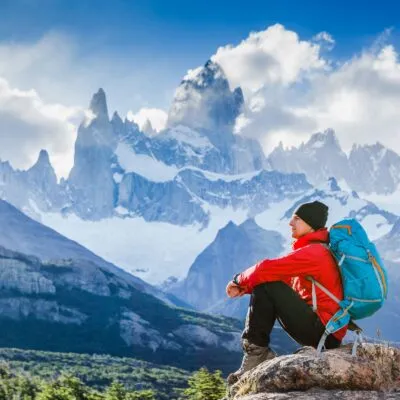
Patagonia is a region, not a country, and it is shared by Argentina and Chile. If you’re looking to visit for the first time, this information is crucial. And not many people give this fact the importance it deserves.
- 1. Patagonia 101: where it is and how it is divided
- 2. Argentine vs Chilean Patagonia, side by side
- 3. So which side should you choose?
- 4. How to cross between Argentina and Chile in Patagonia
- 5. The best combined Argentina + Chile itineraries
- Want to hike the W Trek?
- Why see Perito Moreno now, and how to visit responsibly
- 6. When to go
- 7. Frequently asked questions
- Plan your Patagonia trip
The highlights in an Argentine Patagonia trip are:
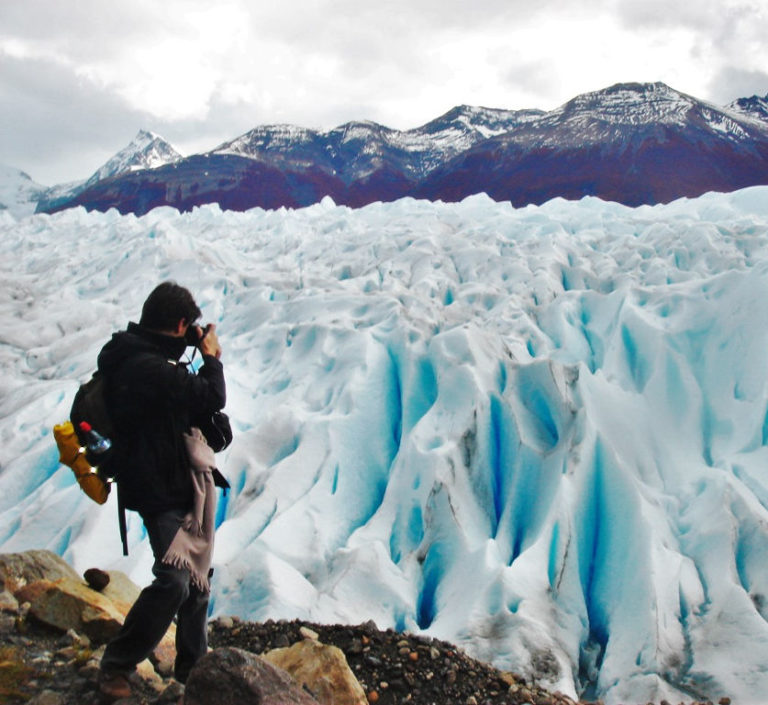
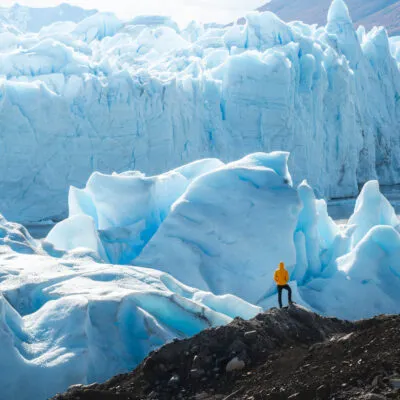
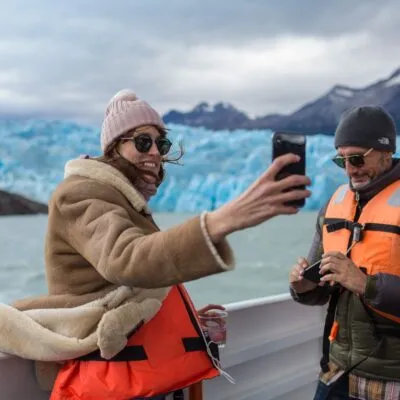
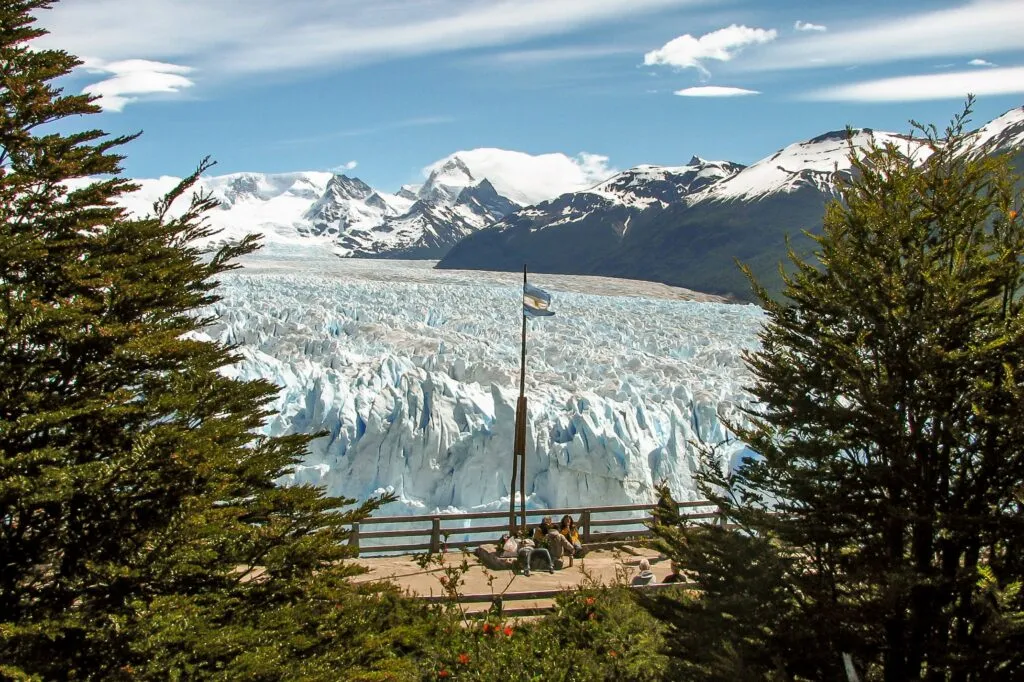
- The Perito Moreno Glacier near the town of El Calafate.
- The Lake District scenic road connecting Bariloche town to San Martín de los Andes in Parque Nacional Los Alerces.
- Península Valdés, a wildlife sanctuary and breeding ground for the Southern Right whale near the city of Puerto Madryn.
- The city of Ushuaia is popular as the place “At the end of the world” and the Tierra del Fuego National Park (both on Argentine land but crossing the Andes Mountain Range).
- The town of El Chaltén and the numerous hiking trails to different lookouts and mountain peaks.
In Chilean Patagonia you’ll find:
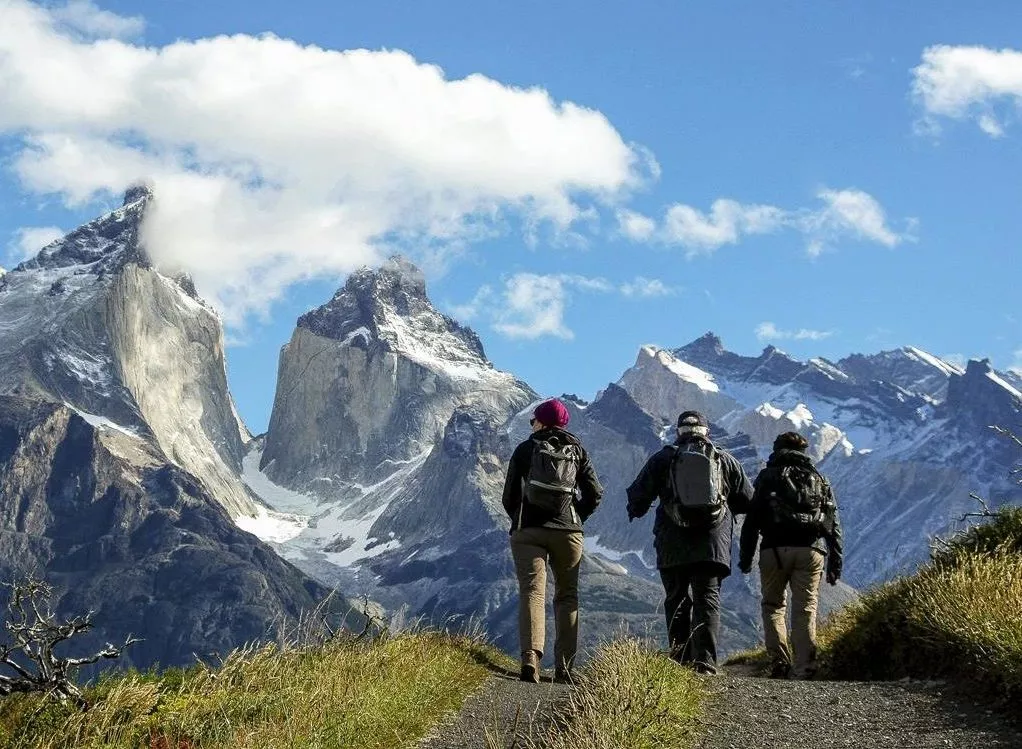
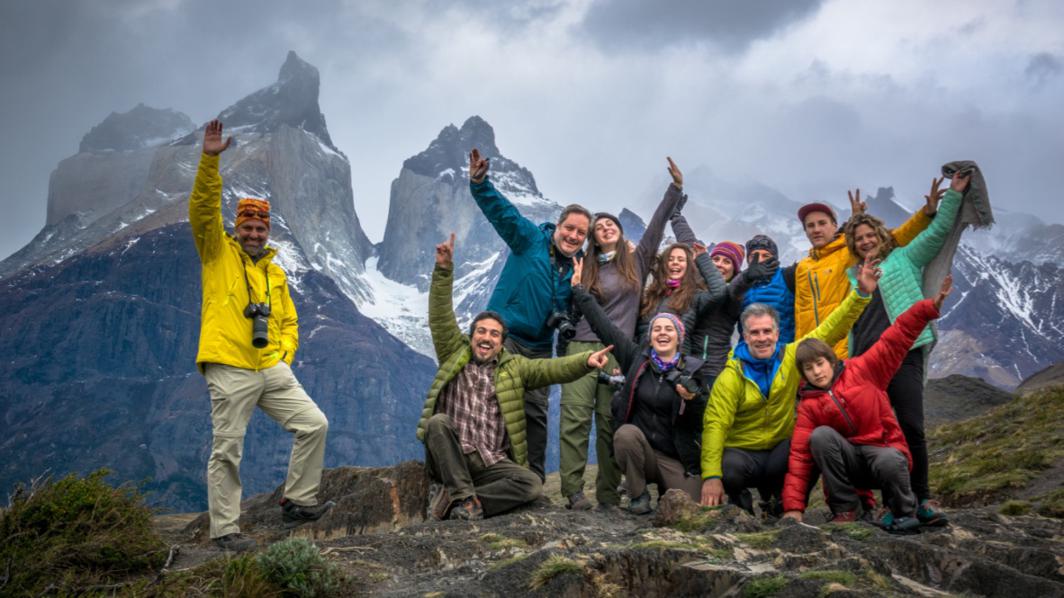
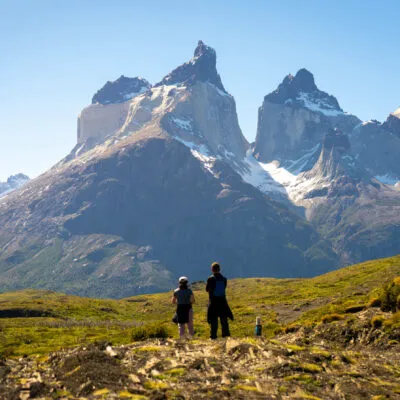
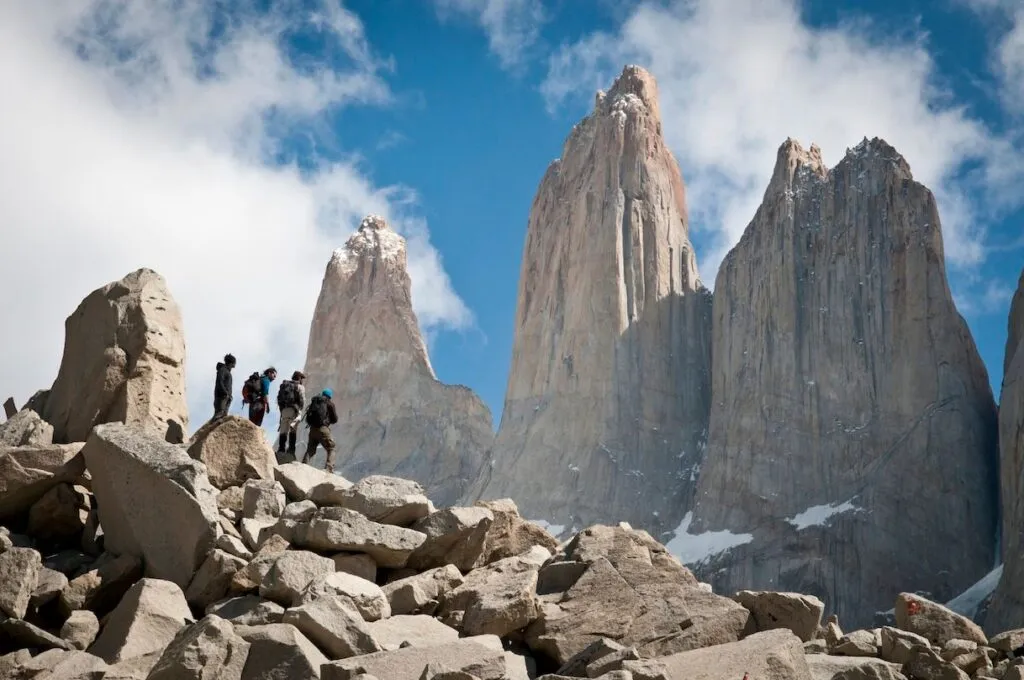
- The Torres del Paine National Park, an adventure destination in itself with the famous granite towers every hiker has heard about.
- The Aysen region, fabulous to make on a road trip through Carretera Austral, with amazing nature highlights like the Marvle Caves.
- Way into the southern region, not far from Ushuaia, you can sail through the Chilean Fjords.
Evidently, none of that achieves to wrap up all there is to discover on both sides of Argentine and Chilean Patagonia.
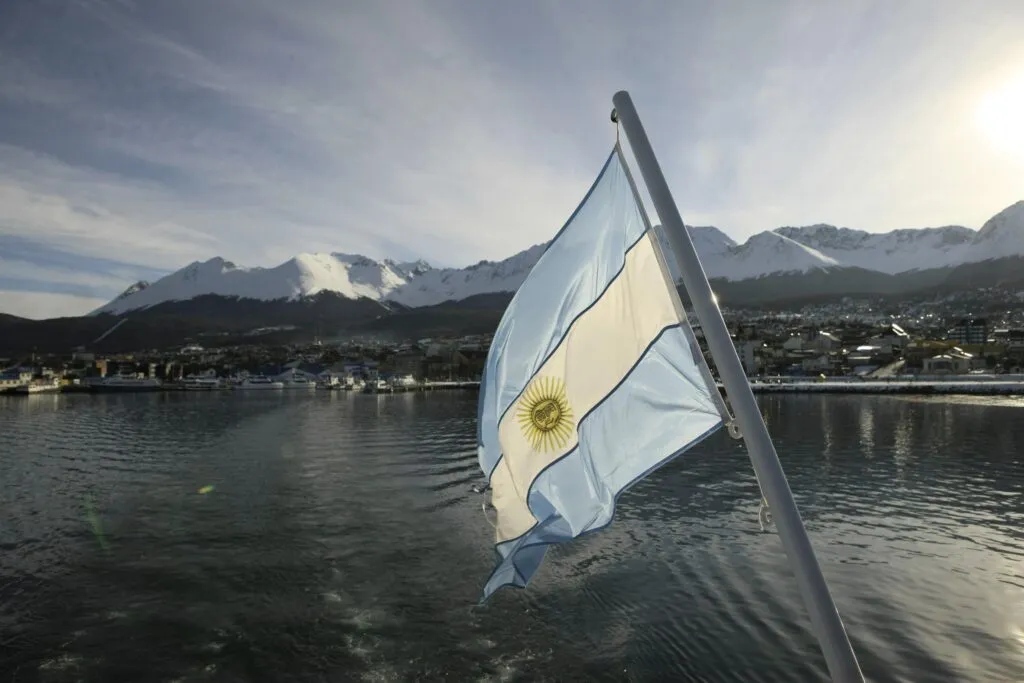
The best Patagonia trip is not one side or the other. It is both.
To help you navigate all the information there is about destinations, tips, and planning details, we prepared this Patagonia guide for beginners.
It compares the Argentine and Chilean sides, shows how to cross between them, and shares our favorite combined itineraries.
1. Patagonia 101: where it is and how it is divided
Patagonia covers the southern tip of South America. The Andes run down the middle and form most of the border.
The mountains split Patagonia into two very different worlds:
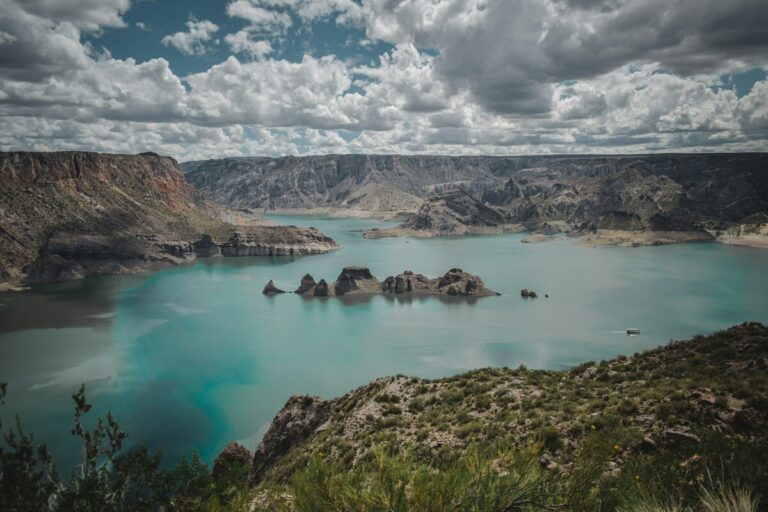
- Argentine Patagonia (east of the Andes) holds most of the land. It is dry, wide-open steppe, giant glacial lakes, and the eastern edge of the Southern Patagonian Ice Field. This is where you find Perito Moreno Glacier, Mount Fitz Roy, and the Atlantic coast.
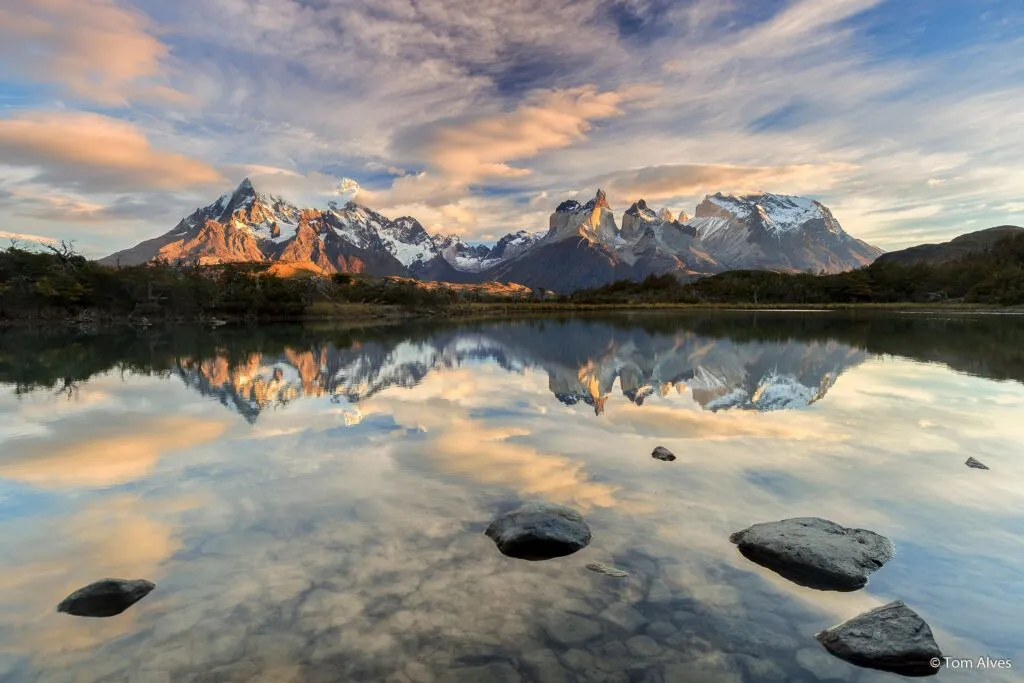
- Chilean Patagonia (west of the Andes) is a narrower strip of fjords, rainforest, islands, and rugged peaks. It catches the Pacific storms, so it is greener and wetter. This is where you find Torres del Paine and the Carretera Austral.
For trip planning, it helps to think of Patagonia in three zones that cross the border:
| Zone | Argentina | Chile | Known for |
| Southern Patagonia (the classic first trip) | El Calafate, El Chaltén | Puerto Natales, Torres del Paine, Punta Arenas | Glaciers, Fitz Roy, the W Trek |
| Lake District (northern Patagonia) | Bariloche, Villa La Angostura, San Martín de los Andes | Puerto Varas, Chiloé, Pucón | Lakes, volcanoes, forests, easy hiking |
| Tierra del Fuego (the far south) | Ushuaia | Punta Arenas, Porvenir | The Beagle Channel, Cape Horn, penguins |
Most first-time visitors start in Southern Patagonia, because it packs the most famous sights into the smallest area, on both sides of the border.
From El Calafate and El Chaltén, you can easily travel to Torres del Paine and vice versa.
2. Argentine vs Chilean Patagonia, side by side
Argentina gives you glaciers, Fitz Roy, and day hikes that start right in town; Chile gives you Torres del Paine, fjords, and multi-day treks that must be booked months ahead. Here is how the two sides compare on what first-time travelers ask us most.
| Argentine Patagonia | Chilean Patagonia | |
| Signature sights | Perito Moreno Glacier, Mount Fitz Roy, Upsala and Spegazzini glaciers, Beagle Channel, Tierra del Fuego. | Torres del Paine, Grey Glacier, fjords of Carretera Austral. |
| Landscape | Open steppe, huge turquoise lakes, ice field edges. | Fjords, temperate rainforest, granite massifs. |
| Best for | Glacier lovers, day hikers. If you’re flying to Buenos Aires. | Multi-day trekkers, wildlife watchers, photographers. If you’re flying to Santiago de Chile. |
| Hiking style | Day hikes straight from El Chaltén. More accommodation options. Possibility of- self-guided hikes (thus, for all levels and multigenerational travel). | Multi-day W and O circuits with booked refugios or campsites. |
| Wildlife | Guanacos, condors, Magellanic penguins, whales on the Atlantic coast, sealions, pumas in El Chaltén. | Guanacos, condors, pumas around Torres del Paine, king penguins in Tierra del Fuego. |
| Main gateways | El Calafate (FTE), Ushuaia (USH), Bariloche (BRC), Puerto Madryn (PMY). | Punta Arenas (PUQ), Puerto Natales (PNT), Puerto Montt (PMC). |
| Getting there from the US & other regions. | Only via Buenos Aires, with domestic flights. | Via Santiago, with domestic flights. |
| Park entry for foreign visitors | Los Glaciares: Yes, covering both Perito Moreno and El Chaltén | Torres del Paine: Yes, bought online only, in advance. |
| Advance booking pressure | High: Book glacier treks and hotels ahead in peak season. Shoulder season is becoming popular year after year (August, September, March and April). | High: refugios and campsites on the W often sell out months ahead. |
3. So which side should you choose?
- Choose Argentina first if glaciers are your top priority, you prefer day hikes with a hot shower and a good steak at night, or you want to add Buenos Aires, Iguazú, or Mendoza wine tours to the same trip.
- Choose Chile first if hiking the W Trek is the reason you are going, or you want to add the Atacama Desert or Easter Island.
- Choose both if this is your first time in Patagonia and you have at least 8 days in the south. The border crossing between El Calafate and Puerto Natales is a single day on the road, and it lets you see both icons in one trip.
In our experience, the third option is the one most first-time travelers end up choosing once they see how close everything is.
4. How to cross between Argentina and Chile in Patagonia
The practical links between the two sides are by road, by boat, or by ship, and each one is a day of travel. Plan it as part of the experience, not as dead time.
These are the four crossings that matter for a first trip:
| Route | How | Travel time | Why take it |
El Calafate ↔ Puerto Natales | Scheduled bus or private transfer via the Cerro Castillo border (Paso Río Don Guillermo) | 5–7 hours, depending on the border | The classic link between Perito Moreno Glacier and Torres del Paine National Park. |
El Chaltén ↔ Puerto Natales | Bus to El Calafate, then the route above. | A full day; there is no direct bus. | Connects Fitz Roy hikes in El Chaltén with the W Trek. |
Bariloche ↔ Puerto Varas | Cruce Andino: three lake crossings linked by short bus rides. | About 12 hours, year-round | Turns a border crossing into one of the most scenic days of the trip. |
Ushuaia ↔ Punta Arenas | Take a cruise through the fjords of Tierra del Fuego, or a full-day bus. | 4 nights by ship (September to April); one long day by bus | Cape Horn and glacier landings on the ship; budget-friendly by bus. |
A few tips we share with every traveler:
- Carry your passport on travel day. You exit one country and enter the other at separate posts, a few minutes apart.
- Don’t pack fresh food. Chile strictly controls fruit, vegetables, meat, dairy, honey, and seeds, and bags are scanned. Eat your snacks before the border.
- Rental cars need a cross-border permit. Rental companies must arrange it in advance, and it adds a fee. Many travelers simply take the bus or a private transfer.
- Two countries, two currencies. Argentina uses the Argentine peso and Chile the Chilean peso. Cards work widely in both, but keep some cash for small purchases and in case ATM’s don’t work or the internet connection is weak.
- Leave a buffer. Wind and weather can delay boats and border posts. Avoid tight same-day flight connections after a crossing. In Patagonia, weather is almost always unpredictable, and local operators often reschedule tours because of bad weather.
5. The best combined Argentina + Chile itineraries
These four routes cover both sides of Patagonia for 9 to 21 days, not counting your arrival city. Each one flies into one country and out of the other, so you never backtrack. Book an open-jaw ticket, for example, into Buenos Aires and home from Santiago.
| Days in Patagonia | Route | Border crossings | Best for | Related trip |
| 9 | El Calafate → El Chaltén → Puerto Natales → Punta Arenas | 1 | First-timers with about two weeks of vacation, including Buenos Aires | Guided Group Tour: Patagonia Essentials – March 2027 |
| 12 – 13 | El Calafate → El Chaltén → Torres del Paine → Ushuaia | 2 | Seeing glaciers, mountains, and the “End of the World” in one go | Buenos Aires to Southern Patagonia Adventure |
| 14 | Bariloche → Cruce Andino → Puerto Varas → Torres del Paine → El Calafate | 2 | Lakes and volcanoes plus the southern icons; honeymooners and families | Argentina & Chile Gems |
| 18 – 21 | El Chaltén → El Calafate → W Trek → Australis cruise → Ushuaia | 2 | Hikers who want the full W Trek and Cape Horn | El Chaltén to Ushuaia: Hiking in Patagonia |
Route 1: Southern Patagonia, both sides in 9 days
This is the route we recommend most often for a first visit. It covers Perito Moreno, Fitz Roy, and Torres del Paine with only one border crossing.
| Day | Where | What you do |
| 1 | El Calafate | Fly from Buenos Aires; evening on the shores of Lago Argentino |
| 2 | Perito Moreno Glacier | Walk the balconies facing the ice wall; add a boat ride or a mini-trek on the glacier. |
| 3 | El Chaltén | Three-hour drive north on Route 40, with Fitz Roy ahead of you the whole way. |
| 4 | El Chaltén | Hike to Laguna de los Tres at the foot of Fitz Roy, or the easier Laguna Torre. |
| 5 | El Chaltén | A second hike or a weather buffer, which you will be glad to have. |
| 6 | El Calafate | Return south; free afternoon or a visit to the Glaciarium |
| 7 | Puerto Natales (Chile) | Cross the border at Cerro Castillo |
| 8 | Torres del Paine | Full-day guided tour: Salto Grande, Lago Pehoé, Grey Glacier views, and guanacos everywhere |
| 9 | Punta Arenas | Transfer to the airport and fly to Santiago |
Route 3: Lakes and glaciers in 14 days
This route adds northern Patagonia’s lakes and volcanoes and crosses the Andes twice, once by boat.
| Day | Where | Highlights |
| 1 – 3 | Bariloche | Circuito Chico, Cerro Campanario, Nahuel Huapi National Park. |
| 4 | Cruce Andino | Full day across three lakes into Chile. |
| 5 – 6 | Puerto Varas | Osorno Volcano, Petrohué Falls, Lake Llanquihue. |
| 7 | Puerto Natales | Fly Puerto Montt to Punta Arenas, then drive north. |
| 8 – 10 | Torres del Paine | One or two full days in the park, or a short W section. |
| 11 | El Calafate | Cross back into Argentina. |
| 12 – 13 | El Calafate | Cross the border at Cerro Castillo |
| 14 | Buenos Aires | Fly north. |
Want to hike the W Trek?
A day tour shows you Torres del Paine. The W Trek lets you live in it. Add 3 to 4 nights to any route above to walk the W on a guided or self-guided basis, sleeping in refugios or campsites. Book early: lodging on the W opens in waves and peak dates sell out months ahead.
Why see Perito Moreno now, and how to visit responsibly
For decades, Perito Moreno was famous as one of the few stable glaciers in Patagonia. That has changed: its front retreated a record 385 meters (about 1,260 feet) in 2025, and more than 800 meters since 2019, according to satellite studies. Seeing it is still awe-inspiring, and the way you visit matters. Stay on marked trails, carry out everything you bring in, choose operators with conservation commitments, and favor longer stays over rushed day trips. The parks on both sides depend on it.
6. When to go
The best time to visit both sides of Patagonia is October to April, the southern spring, summer, and fall. That is the North American winter, so a Patagonia hiking trip doubles as an escape from the cold.
| Months | What to expect | Our take |
| October – November | Spring: long days, wildflowers, fewer people, strong winds. | Great value; some W Trek lodges open in stages from September to November. Read: Hiking in Patagonia in November: Weather, Trails and Crowds |
| December – February | Peak summer: up to 17 hours of daylight, warmest days, busiest trails. | Book 6 to 9 months ahead, especially for Torres del Paine. Read: Patagonia in February: Is It the Best Month for Trekking? And: Is December a Good Time to Visit Patagonia? |
| March – April | Fall: red and gold beech forests, calmer winds, thinner crowds. | Our favorite window for photographers and couples. Read: Patagonia in April: What to Know About the End of the Season. |
| May – September | Winter: snow, short days, limited services. | Torres del Paine requires a certified guide and winter gear on high-difficulty routes; best for Ushuaia and ski areas. |
How many days do you need?
To see both sides of Southern Patagonia without rushing, plan at least 8 to 9 days in Patagonia itself, plus 2 to 3 days in Buenos Aires or Santiago. Here is how long we suggest for each stop:
| Stop | Minimum | Ideal | Why |
| El Calafate | 2 nights | 3 nights | One full day for Perito Moreno, one for a lake cruise. |
| El Chaltén | 2 nights | 3 nights | Weather on Fitz Roy changes fast; a spare day saves the view. |
| Puerto Natales / Torres del Paine | 2 nights | 3 nights (5 nights for the W trek) | The park is large, and roads are slow. |
| Ushuaia | 2 nights | 3 nights | Beagle Channel and Tierra del Fuego National Park. |
| Bariloche | 3 nights | 4 nights | Lakes, short hikes, and day trips along the Seven Lakes Road. |
| Puerto Varas | 2 nights | 2 nights | Osorno Volcano and the lakes. |
7. Frequently asked questions
Is Patagonia in Chile or Argentina?
Both. Patagonia is a geographic region at the southern tip of South America, shared by Argentina and Chile, with the Andes forming most of the border between them.
Is Argentine or Chilean Patagonia better?
Neither is better; they are different. Argentina is best for glaciers and day hikes from town, Chile for Torres del Paine and multi-day treks. Most first-time visitors combine them.
Can you visit Perito Moreno and Torres del Paine on the same trip?
Yes. Their gateway towns, El Calafate and Puerto Natales, are about five to seven hours apart by road, including the border crossing.
Do I need a visa?
US and Canadian citizens currently don’t need a tourist visa for short stays in Argentina or Chile. Check your government’s travel advisory before you go, and travel with medical insurance.
What is the minimum time for a combined trip?
Eight to nine days in Patagonia covers El Calafate, El Chaltén, and Torres del Paine. With fewer days, focus on one side.
Is it better to travel with a guide or on my own?
You can travel independently, but transfers, border crossings, park tickets, and W Trek lodging all have to line up. A travel designer handles that logistics so your days go to the views.
Plan your Patagonia trip
We specialize in trips that combine Argentina and Chile. Tell us how many days you have and what you want to see, and our travel designers will build your route on both sides of the Andes.
Prefer to travel with a small group and a guide? See our dated departures for this season: Patagonia guided group departures