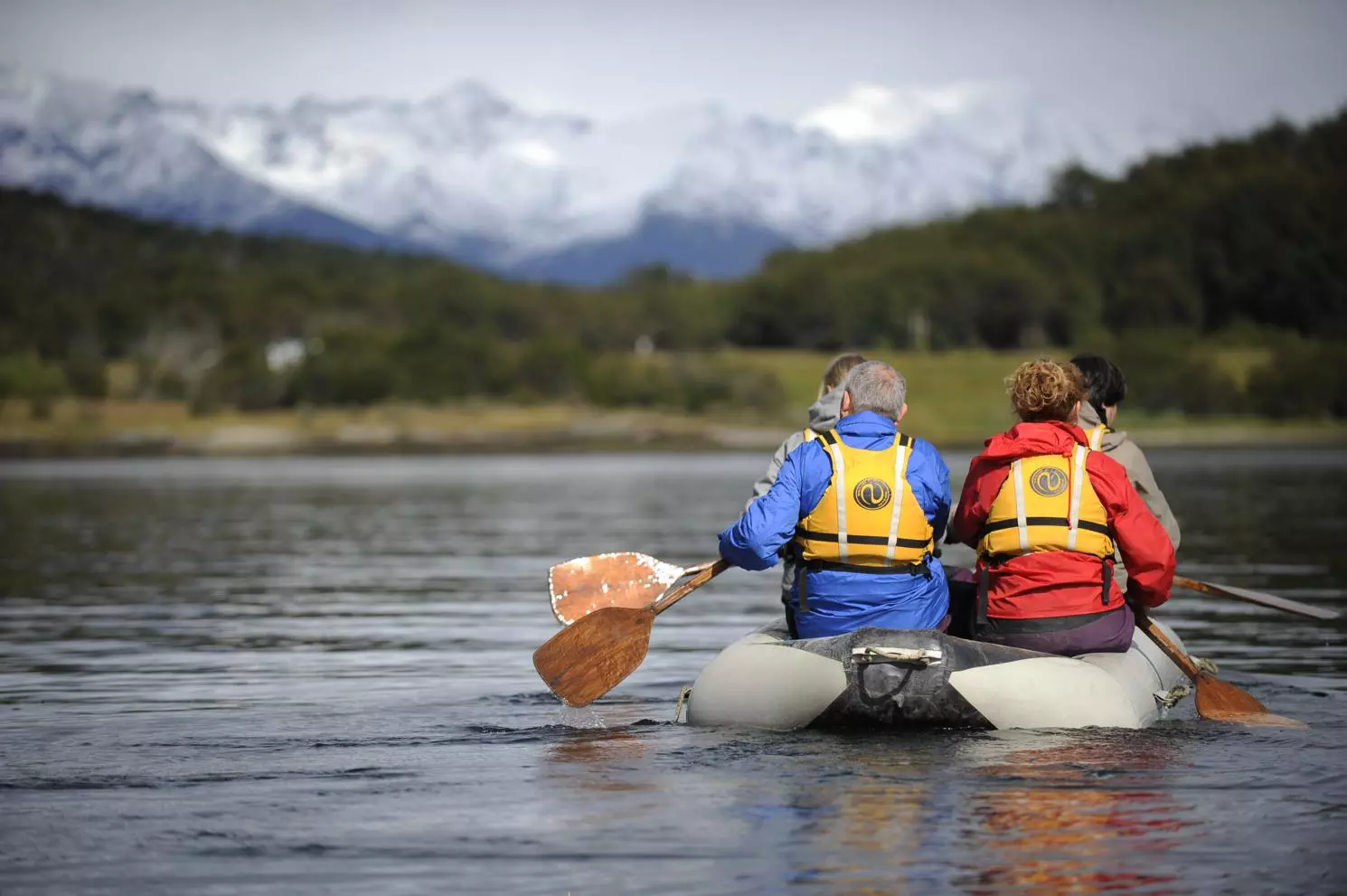
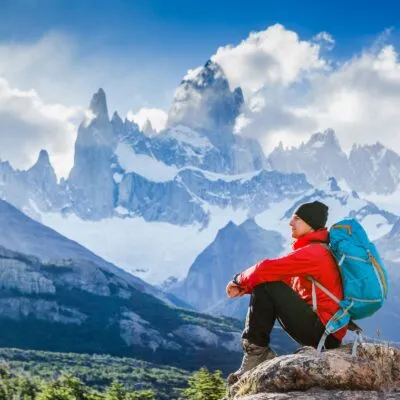
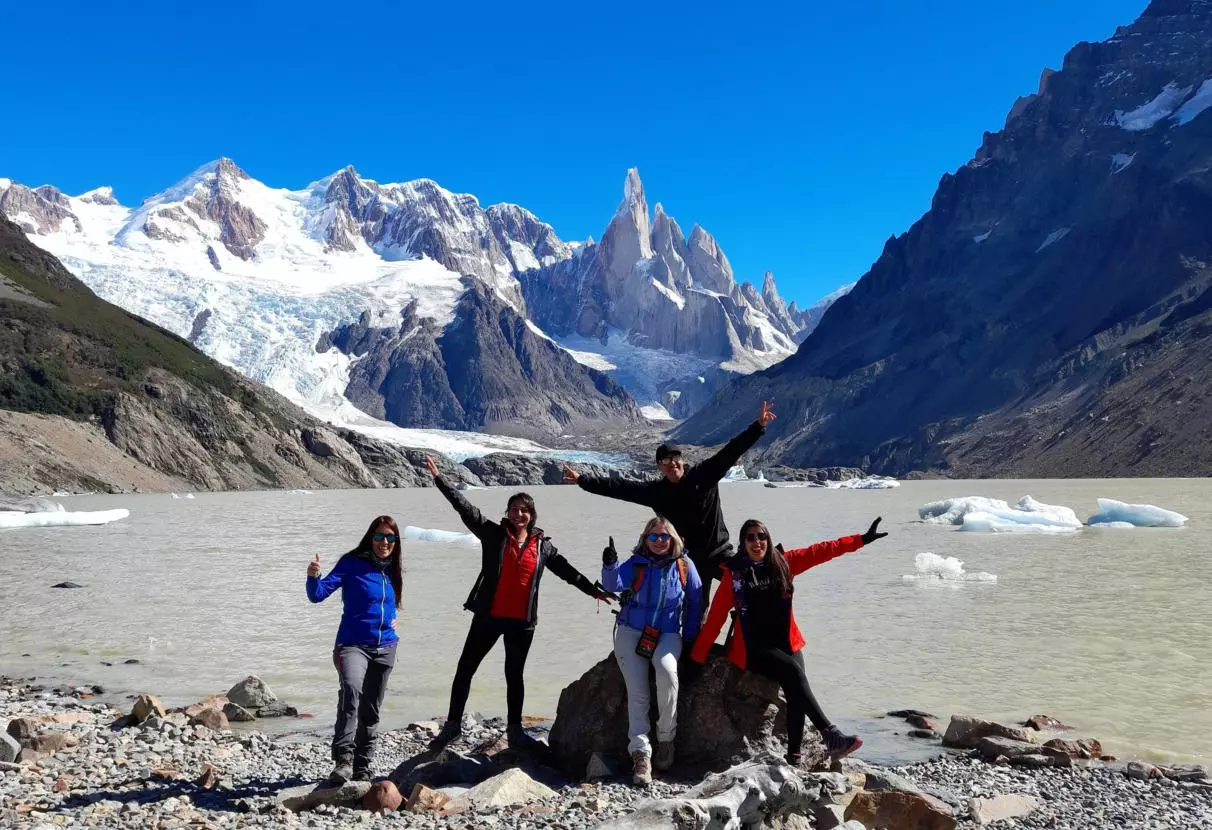
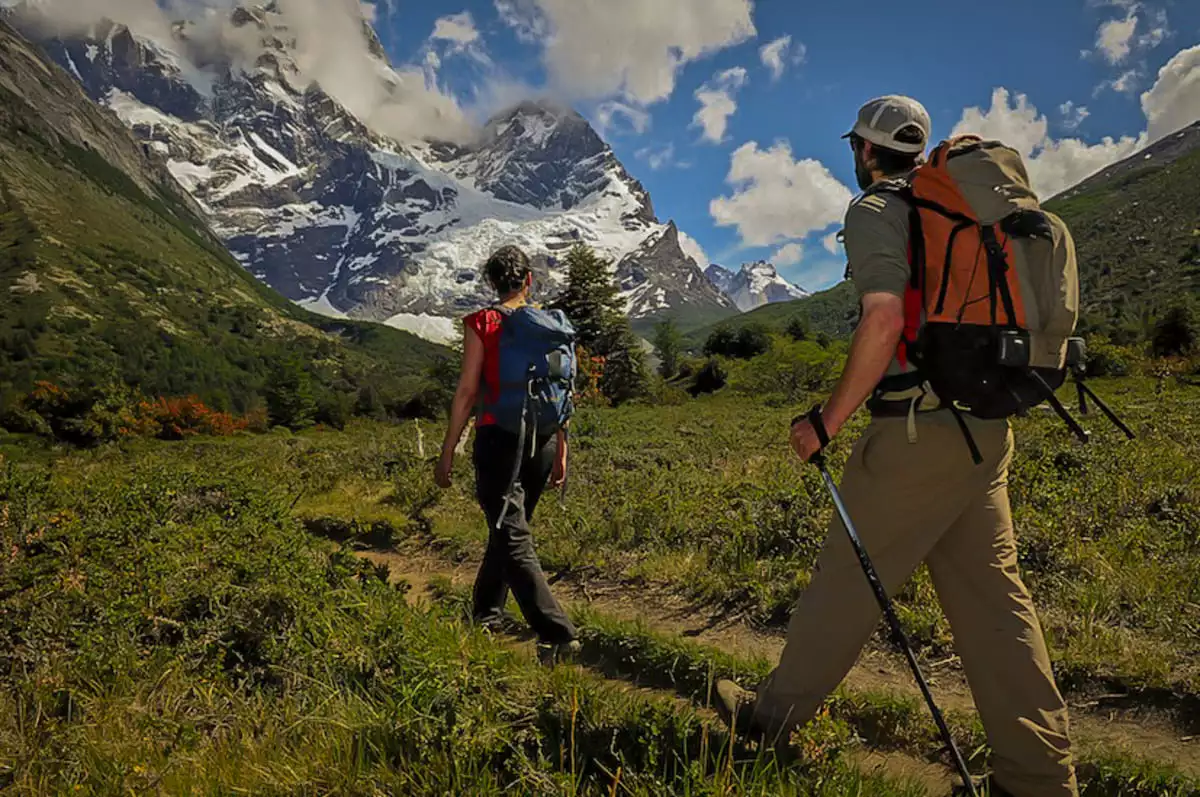
April is Patagonia’s closing act, and there is a particular beauty in catching a place as it prepares to rest. The last of the autumn colour clings to the forests in early April, the light turns soft and low, the crowds have all but vanished, and the whole region takes on a hushed, end-of-season stillness.
This is the tail of the high season, the final window before the deep southern winter closes much of Patagonia down. The conditions are cooler and the days shorter, and crucially, some services begin to wind down through the month — which makes April a month to plan carefully rather than loosely.
For the right traveler, though, it is a quiet gift: dramatic, moody landscapes, near-empty trails, lower prices, and a sense of having the great wilderness almost to yourself. You simply need to know what is still running and what is not.
This guide covers what to expect from Patagonia in April — the cooling weather, the shortening days, the services that start to close, and how to plan a trip around the end of the season so you catch the best of its quiet beauty.
April is Patagonia’s closing act — quiet, moody and beautiful, with some services beginning to shut for winter.
1. The Weather in Patagonia in April
April is firmly autumn, turning toward winter. Daytime highs ease to around 8 to 12°C (46 to 54°F), the nights grow cold with regular frosts, and the first snowfalls of the season become increasingly likely, especially later in the month and at altitude.
The wind, as in March, is often calmer than the high-summer peak, which can make the cooler days feel more settled and pleasant for walking. But the weather is also less predictable, and cold, wet spells and early snow become more common as April progresses.
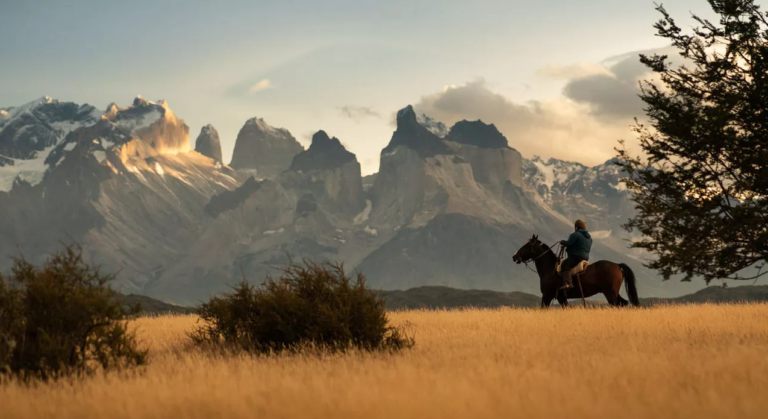
The flip side of the chill is atmosphere. Patagonia April weather brings brooding skies, fresh snow dusting the peaks, and a dramatic, moody light that photographers prize. It is a different beauty from the summer brightness — quieter and more elemental.
Daylight shortens to around eleven hours and falling, so days on the trail are shorter and need more careful timing. Warm layers become more important than at any point since early spring.
Now you can choose your type of trip:
Type of trip
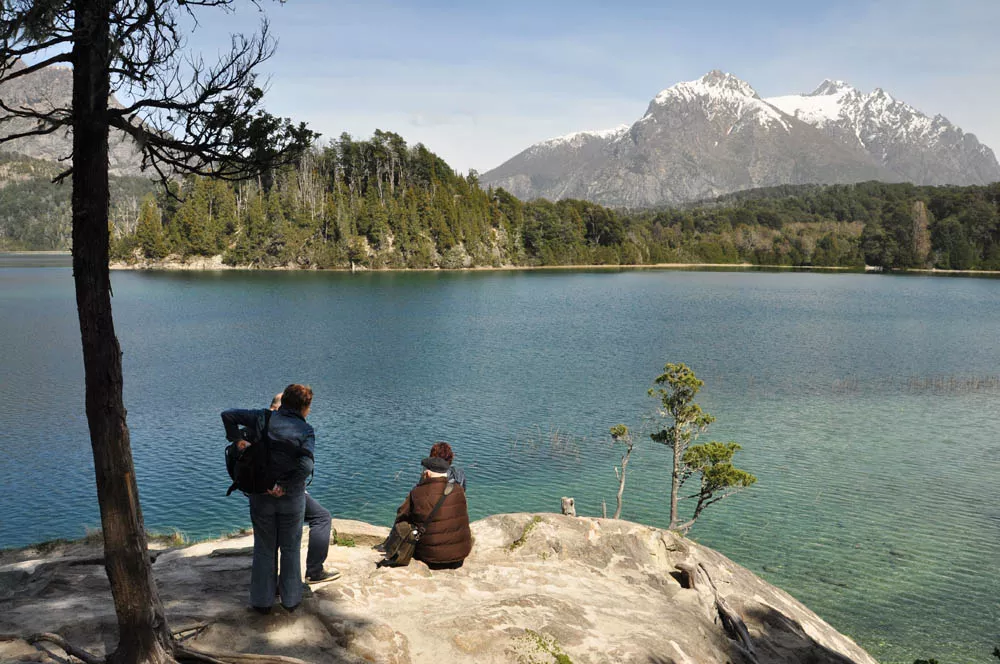
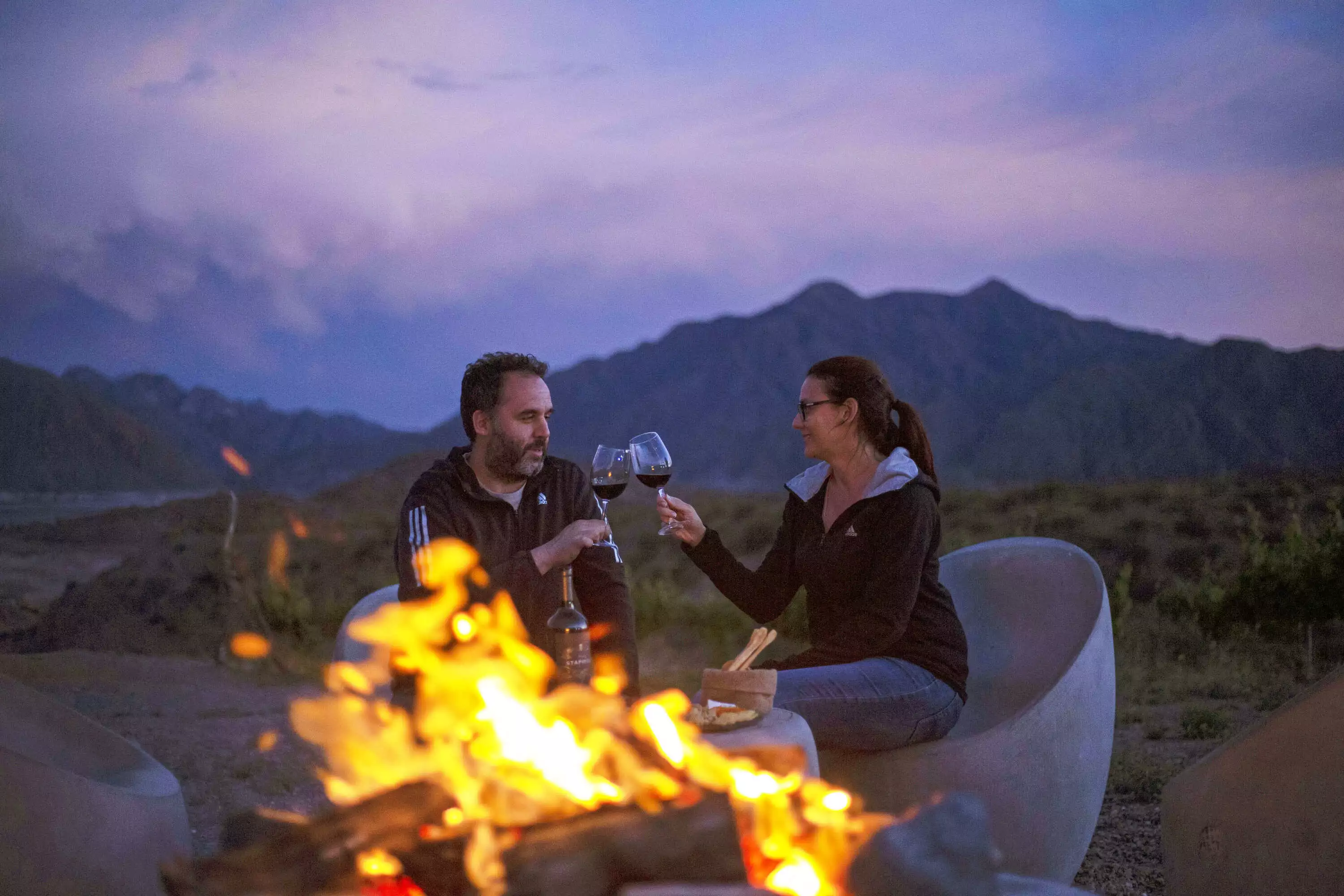
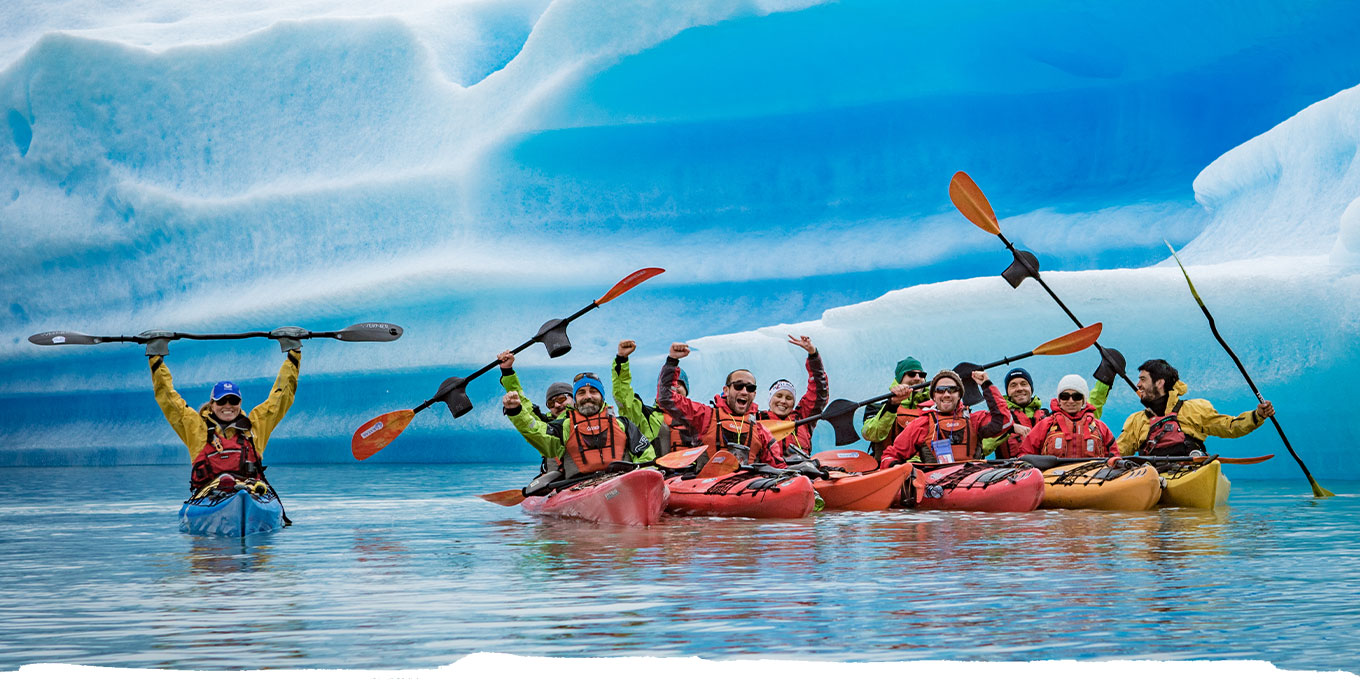


2. The End of the Season: What Starts to Close
The defining feature of April is that the season is ending, and services wind down through the month. This is the single most important thing to understand before planning an April trip.
The remote refuges and campsites that make the Torres del Paine circuits possible begin to close, typically reducing through April, which means the long multi-day treks like the full W and O circuits become harder or impossible to complete as the month goes on. Some boat services, remote lodges and seasonal activities also start to shut down.
Early April is far more open than late April. In the first half of the month you can often still walk the main trails and catch the last autumn colour, while by the end of April much of the remote, trek-dependent infrastructure has closed for winter.
This is why April, more than any other month, rewards careful, well-informed planning. Our Patagonia tours are built around what is genuinely still operating when you travel, so an end-of-season trip focuses on the experiences that remain fully open.
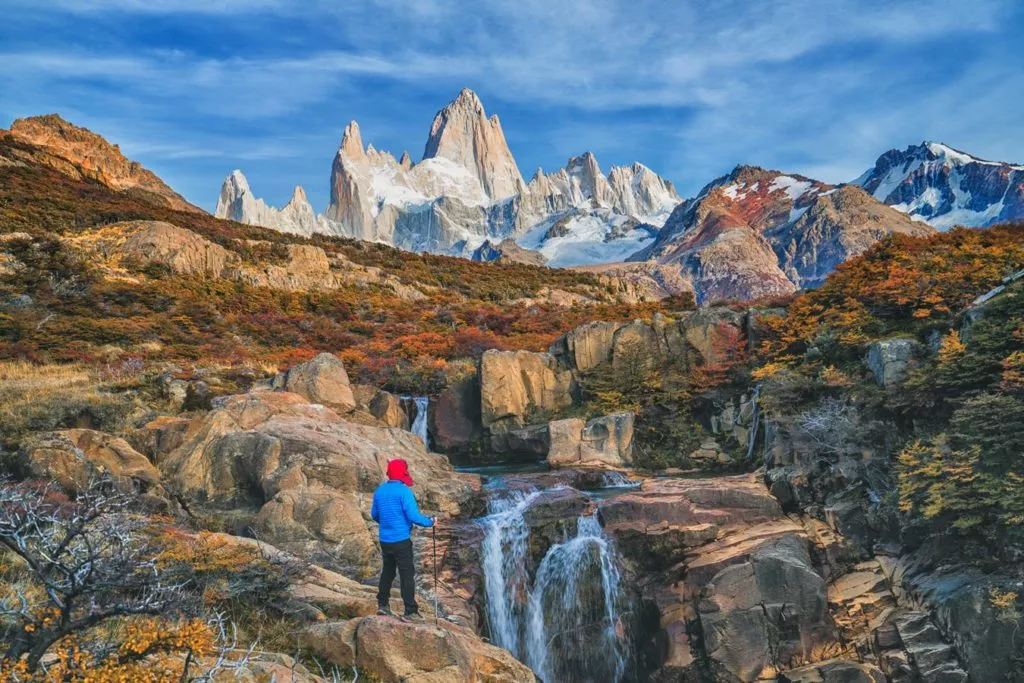
Early April still holds the last autumn colour, but remote refuges and services begin closing as the month goes on.
3. What Still Works Well in April
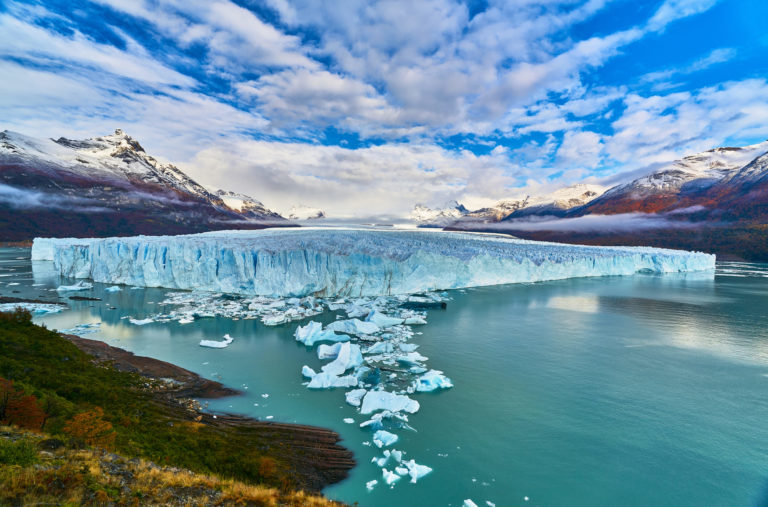
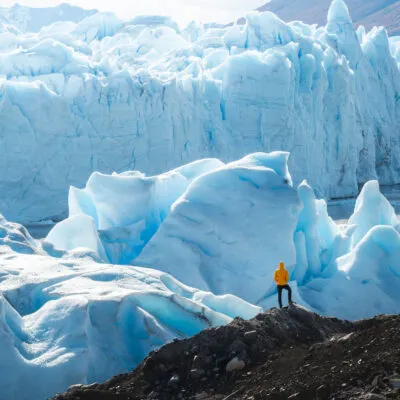
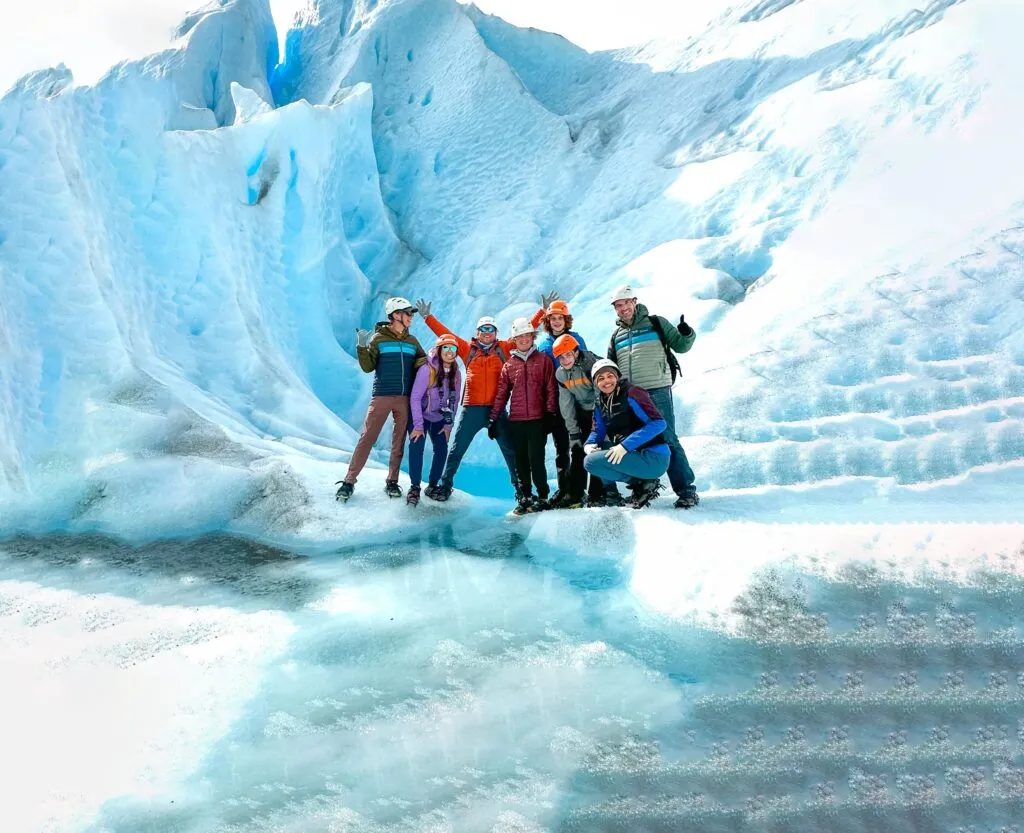
Plenty of Patagonia remains rewarding in April, especially the experiences that do not depend on remote, seasonal infrastructure. El Calafate and the Perito Moreno glacier are a reliable anchor, with the glacier walkways open year-round and the autumn steppe beautifully coloured.
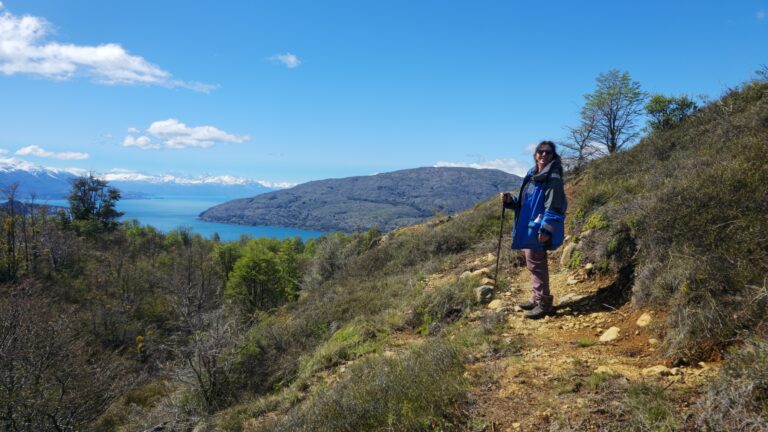
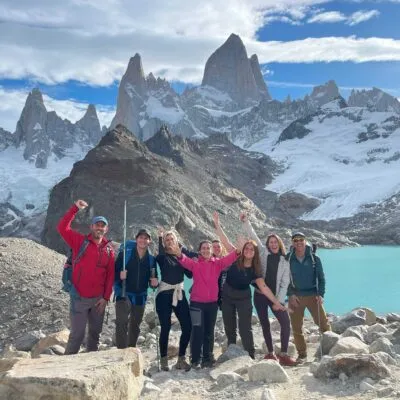
The day hikes around El Chaltén are generally still walkable in April, particularly earlier in the month, offering the last of the autumn forests framing Fitz Roy without the crowds. Lower-altitude trails and viewpoint walks tend to stay accessible longest.
Because the trip leans on day hikes and glacier experiences rather than multi-day circuits, April suits a different shape of itinerary. Our guide to how many days you should plan for Patagonia helps you build a route that makes the most of what the end of the season still offers.
With the crowds gone, the places that remain open feel wonderfully peaceful. April can deliver the iconic sights — the glacier, the granite peaks, the autumn forests — with a serenity that the peak months simply cannot match.
Crowds, Prices and Where to Stay
April is among the quietest months of the active season. The crowds have gone, the trails and towns are calm, and you can experience the headline sights with real tranquillity — one of the month’s genuine pleasures.
Prices soften accordingly, and the accommodation and guides that remain open are easier to secure. For budget-conscious travelers who do not need the long multi-day circuits, April can offer excellent value alongside the solitude.
Because some lodges and refuges close for the season, choosing accommodation that is confirmed open for your dates matters more than usual. Our guide to the Comfort, Inn or Superior Patagonia accommodation tiers helps you understand the options and choose a base that suits an end-of-season trip.
The practical message is to confirm, rather than assume, what is running — and then enjoy a version of Patagonia that very few travelers ever see, stripped back to its quiet, elemental self.

With the crowds gone, the sights that stay open in April feel wonderfully peaceful.
Who April Suits Best
April suits travelers who prize solitude, atmosphere and value, and who are happy to shape a trip around day hikes and glacier experiences rather than long multi-day treks. If empty trails and brooding autumn light appeal, this is a rewarding month.
It is a favourite of photographers drawn to dramatic skies and the last autumn colour, and of independent-minded travelers who do not mind cooler weather and shorter days in exchange for having the place almost to themselves.
Who should choose another month? Anyone set on completing the full W or O circuits, or on having every remote service running, should travel earlier in the season — December through February for the peak, or March for autumn colour with the circuits still open. For quiet, end-of-season beauty, April is special. An end-of-season route fits naturally into our Argentine Patagonia tours.
April in Patagonia at a Glance
| What to expect | In April |
| Season | End of the high season |
| Daytime temperatures | Roughly 8–12°C (46–54°F) |
| Daylight | Around 11 hours and shortening |
| Wind | Often calmer than high summer |
| Crowds | Very low — among the quietest months |
| Trails | Day hikes open early on; multi-day circuits closing |
| Best for | Solitude, value, photography, day hikes and glaciers |
4. FAQs About Patagonia in April: What to Know About the End of the Season
April can be a rewarding time to visit Patagonia for the right traveler. It is the end of the high season, so the crowds have gone, prices soften, and the quiet, moody autumn landscapes are beautiful, with the last colour in the forests and fresh snow on the peaks.
The key caveat is that services wind down through the month: remote refuges, some lodges and boat services begin to close, and the long multi-day circuits become harder or impossible to complete, especially later in April.
If you are happy to focus on day hikes and glacier experiences and to plan around what is still open, April offers solitude and value. Travelers wanting the full trekking circuits should come earlier in the season.
Yes, especially earlier in the month and on the day hikes. The trails around El Chaltén and the viewpoint walks near El Calafate are generally still accessible in April, offering the last of the autumn colour without the crowds.
The important limitation is the multi-day circuits. The remote refuges that make the Torres del Paine W and O routes possible begin closing through April, so those long treks become difficult or impossible to complete as the month goes on.
Hiking Patagonia in April works best as a trip built around day hikes and glacier experiences rather than long circuits. With cooler weather and shorter days, it rewards careful planning around what is confirmed open for your dates.
Torres del Paine itself remains accessible in April, and the park is beautifully quiet, but the infrastructure that supports the long treks winds down through the month. The remote refuges on the W and O circuits typically begin closing, making those multi-day routes difficult or impossible to complete, especially late in April.
Day visits, shorter walks and the main viewpoints can still be enjoyed earlier in the month, set against dramatic autumn and early-winter scenery with almost no crowds.
If Torres del Paine is central to your trip and you want to trek the full circuits, it is better to travel earlier in the season. For a quiet visit focused on shorter walks and the park’s end-of-season atmosphere, April can still be rewarding with careful planning.
April brings cool autumn weather turning toward winter. Daytime highs ease to around 8 to 12°C (46 to 54°F), nights are cold with regular frosts, and the first snowfalls become increasingly likely, especially later in the month and at altitude.
The wind is often calmer than in high summer, which can make the cooler days feel settled, but the weather is less predictable, and cold, wet spells and early snow grow more common as the month progresses.
Daylight shortens to around eleven hours. The payoff for the chill is atmosphere: brooding skies, snow-dusted peaks and dramatic light. Warm layers and a waterproof, windproof shell are essential for Patagonia April weather.
As the high season ends in April, a range of seasonal services begins to wind down. The remote refuges and campsites on the Torres del Paine circuits typically close through the month, which is what makes the full W and O treks hard to complete late in April.
Some remote lodges, boat services and seasonal activities also start to shut for the winter, and the exact timing varies year to year and from one operator to another.
Year-round experiences, such as the Perito Moreno glacier walkways near El Calafate, generally stay open. The key is to confirm what is operating for your specific dates rather than assume, which is why an end-of-season trip benefits from up-to-date local planning.