- 1. Why El Chaltén Is Different from Everywhere Else
- 2. The Classic Trails, Ranked by Effort
- 3. Beyond the Trails: Ice, Water and Horses
- 4. What to Do If You Don’t Hike
- 5. How Many Days You Need in El Chaltén
- 6. When to Go, and Reading the Weather
- 7. Guided or Independent in El Chaltén?
- 8. Frequently Asked Questions
El Chaltén is a strange and wonderful place: a village of a few hundred people at the foot of the Fitz Roy massif, founded by Argentina for the express purpose of hiking, and surrounded by some of the best trails on the continent.
What makes it unique isn’t just the scenery — it’s that the trails start at the edge of town. There’s no park gate, no shuttle, no logistics. You finish breakfast, walk to the end of the street, and you’re on a world-class trail.
That accessibility is also why so many travelers under-use it. They arrive thinking of one famous hike, do it, and leave — missing the range of what El Chaltén actually offers, from gentle valley walks to glacier treks to days that ask nothing of your legs at all.
So this is a guide to the best tours and activities for El Chaltén travelers: the trails worth your time, the experiences beyond the famous ones, and how to build a few days here so nobody in your group is either bored or broken.
It’s written for the traveler who has El Chaltén on the itinerary and wants to know what to actually do there — and for the one wondering whether it’s worth more than a single day. It is.
Here’s what to do in El Chaltén — from the famous day tours to the quiet corners — matched to how hard you want to work for it.
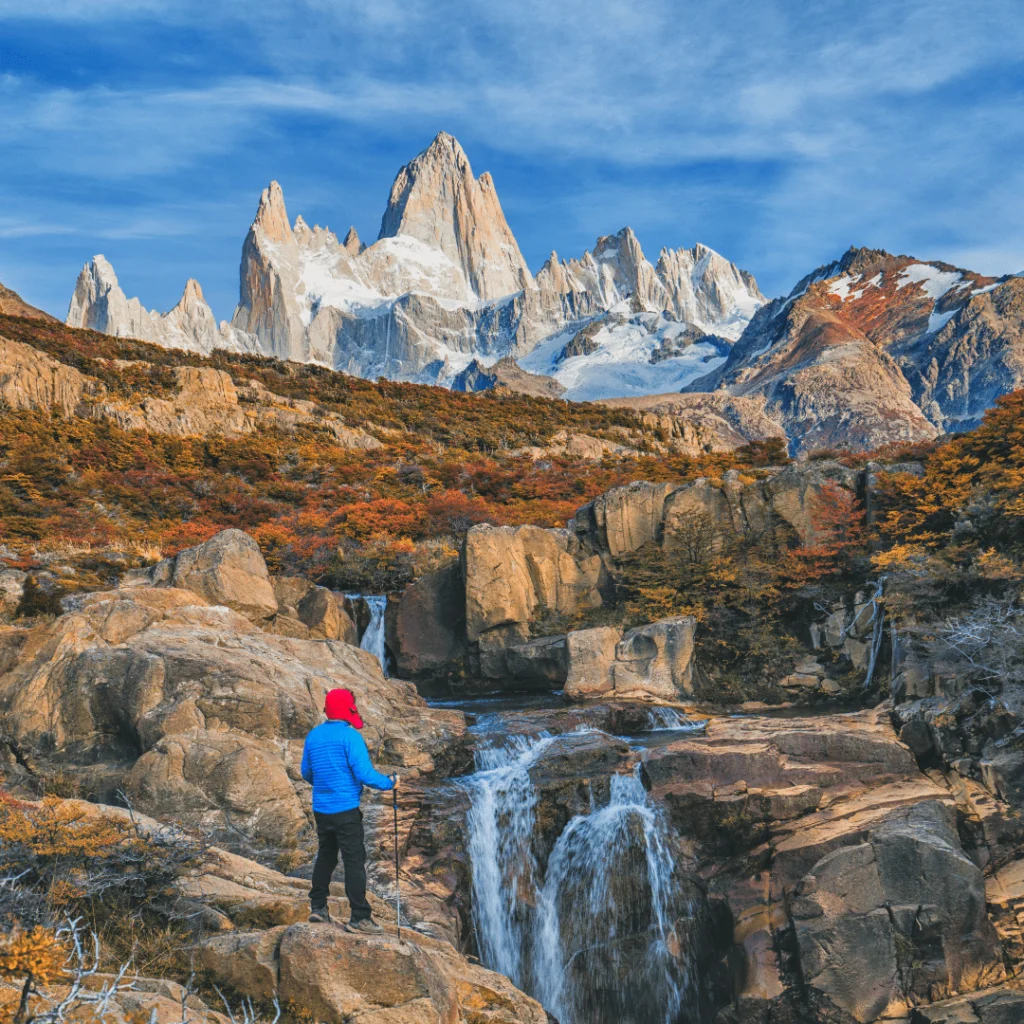
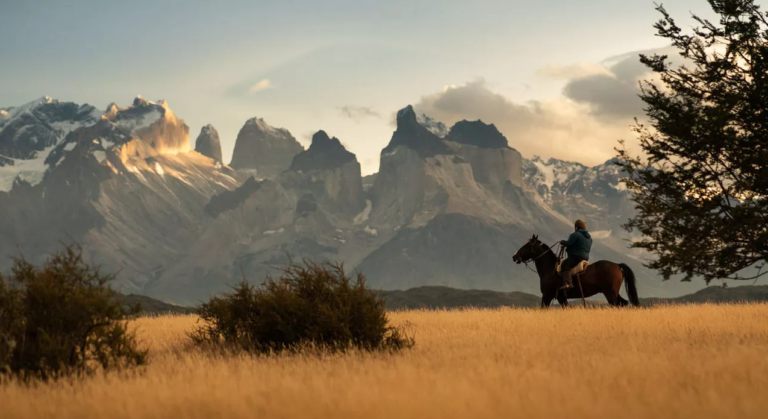
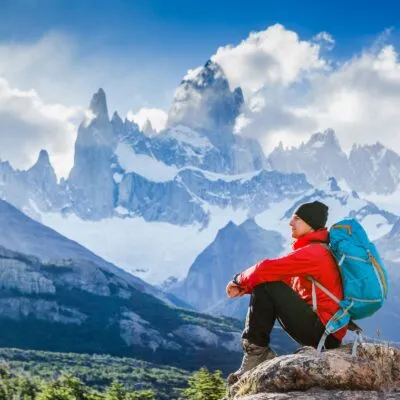
El Chaltén is Argentina’s trekking capital — and its trails begin right at the edge of the village.
1. Why El Chaltén Is Different from Everywhere Else
Argentina officially founded El Chaltén as its national trekking capital, and the title is earned rather than marketed.
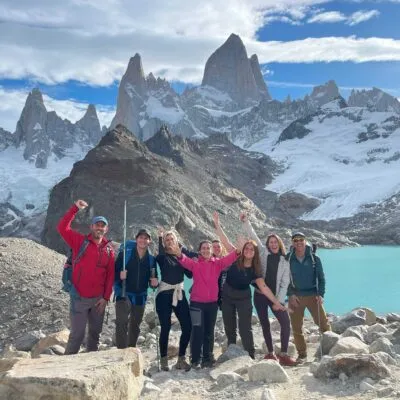
The defining feature is that the trails start at the edge of town. Unlike Torres del Paine, where you book refugios months ahead, or El Calafate, where the glacier is an organised excursion, El Chaltén’s greatest hikes are free, unbooked, and reached on foot from your hotel.
That means no reservations required for the day hikes, no entrance gate, and total flexibility — you can wake up, read the weather, and choose your walk that morning. In Patagonia, that freedom is rare and valuable.
The trails also come in every length, from an hour to a full day, which makes the village unusually good for mixed groups. Everyone leaves from the same street and returns to the same table, having each had the day they wanted.
It pairs naturally with El Calafate three hours south, and the two are almost always done together — the glacier and the mountains, as we cover in how to choose the best El Calafate tour.
2. The Classic Trails, Ranked by Effort
El Chaltén’s trails range from a gentle stroll to a demanding full day, and knowing which is which lets you plan your energy — and your group — properly.
At the easy end, Chorrillo del Salto is about an hour, essentially flat, to a waterfall, and the Mirador de los Cóndores is a similar short climb to a viewpoint over the whole valley and the village below.
In the middle, Laguna Torre is a three-to-four-hour walk each way through forest to a glacial lake beneath Cerro Torre, one of the most dramatic spires on earth — moderate, rewarding, and manageable for most reasonably fit walkers.
At the hard end, Laguna de los Tres is the headline: eight to ten hours to the classic view of Fitz Roy reflected in a lake, with a brutal final kilometre of steep, loose rock. It’s the trail everyone photographs and the one people most underestimate.
The beauty of it is that all four leave from town. A group can split at eight in the morning — the strong to Fitz Roy, the gentle to the waterfall — and share dinner having each had a real day.
| Trail | Time (round trip) | Who it suits |
| Chorrillo del Salto | ~1 hour, flat | Everyone, including families and non-hikers |
| Mirador de los Cóndores | ~1–2 hours | A short climb for a big valley view |
| Laguna Torre | ~6–7 hours | Reasonably fit walkers; moderate |
| Laguna de los Tres (Fitz Roy) | ~8–10 hours | Experienced, fit hikers; the classic |
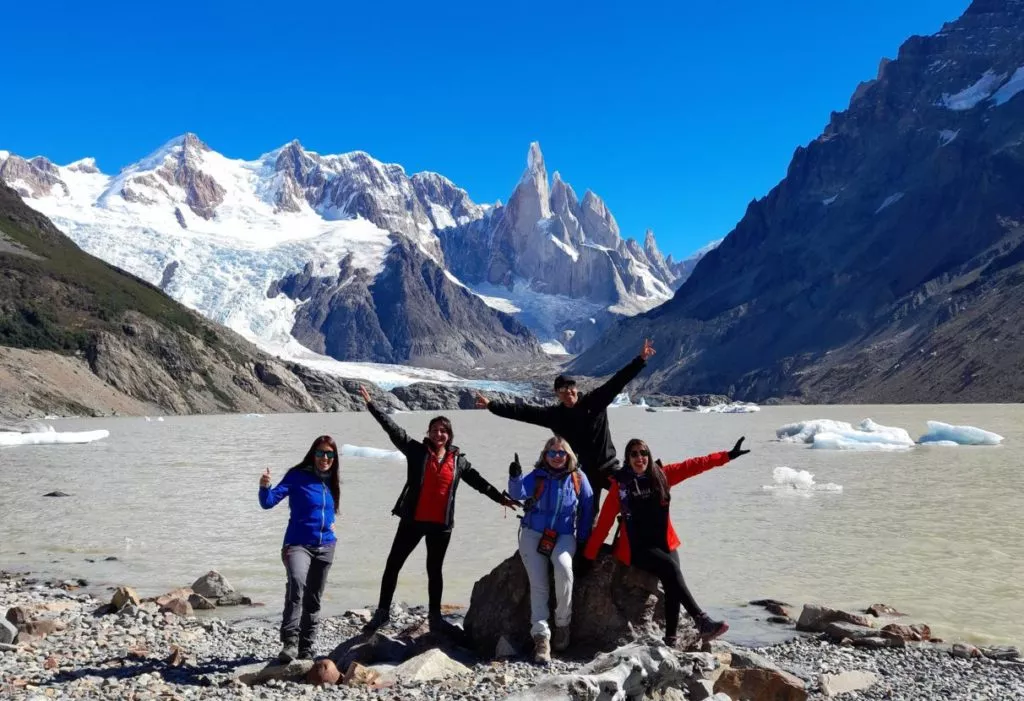
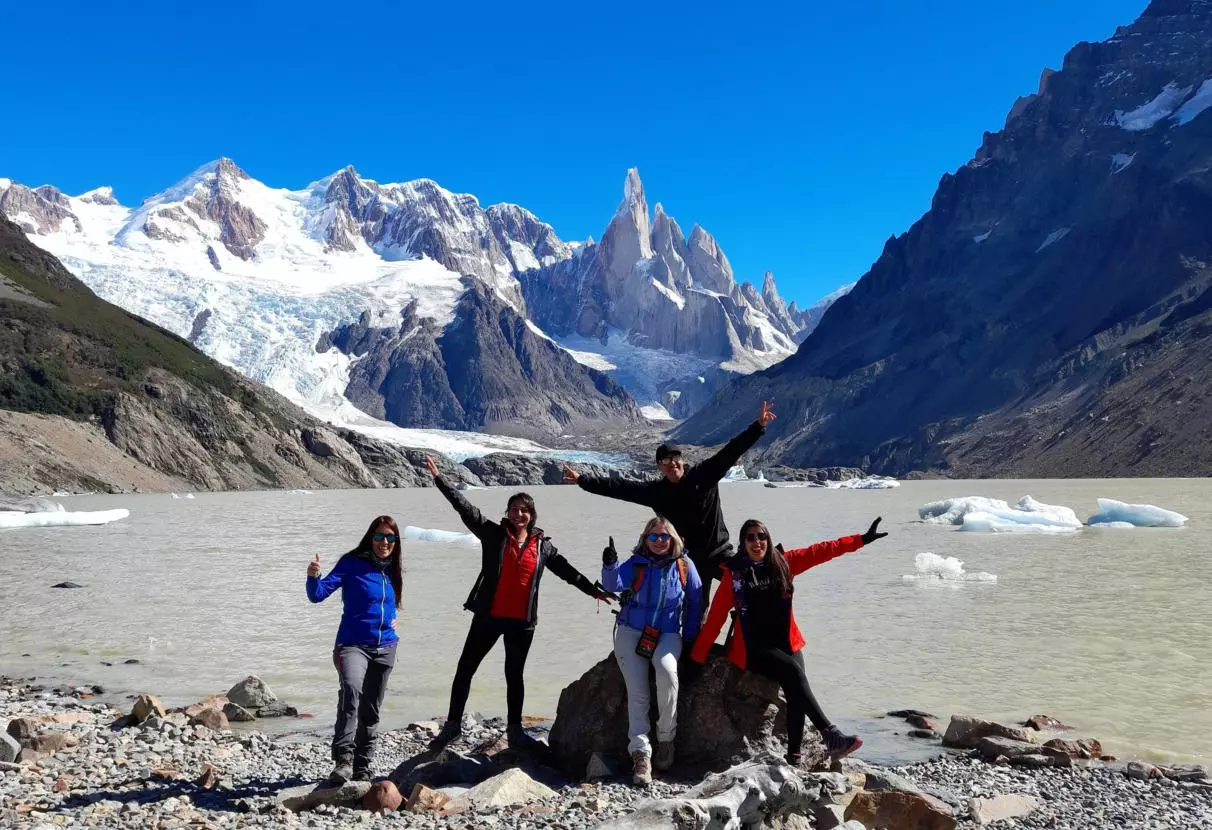
El Chaltén’s trails range from a flat hour to a demanding ten — all from the edge of the village.
3. Beyond the Trails: Ice, Water and Horses
El Chaltén is not only for hardcore hikers, and the activities beyond the famous trails are where it surprises people.
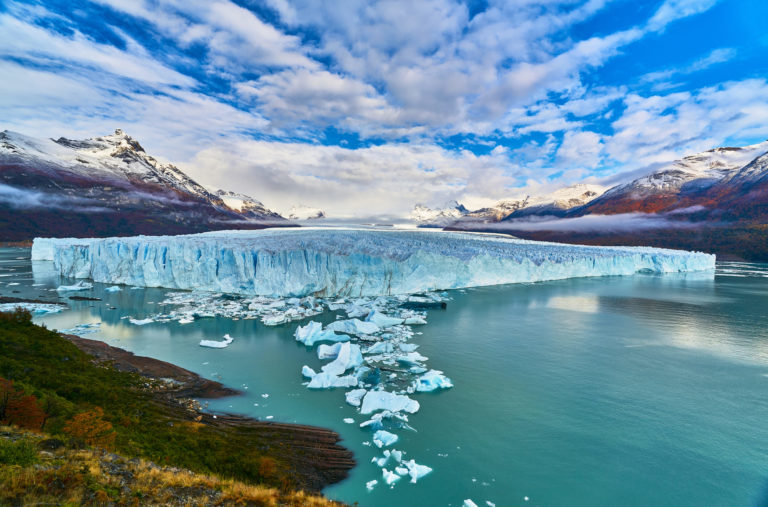
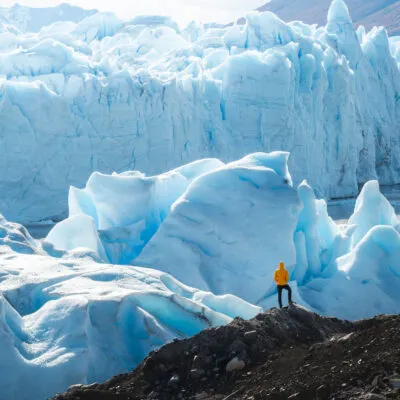
Ice trekking on the Viedma Glacier — the largest in Argentina — puts crampons on your feet and takes you onto the ice itself, into a world of blue crevasses and meltwater, usually finishing with a boat trip across Lake Viedma to reach it.
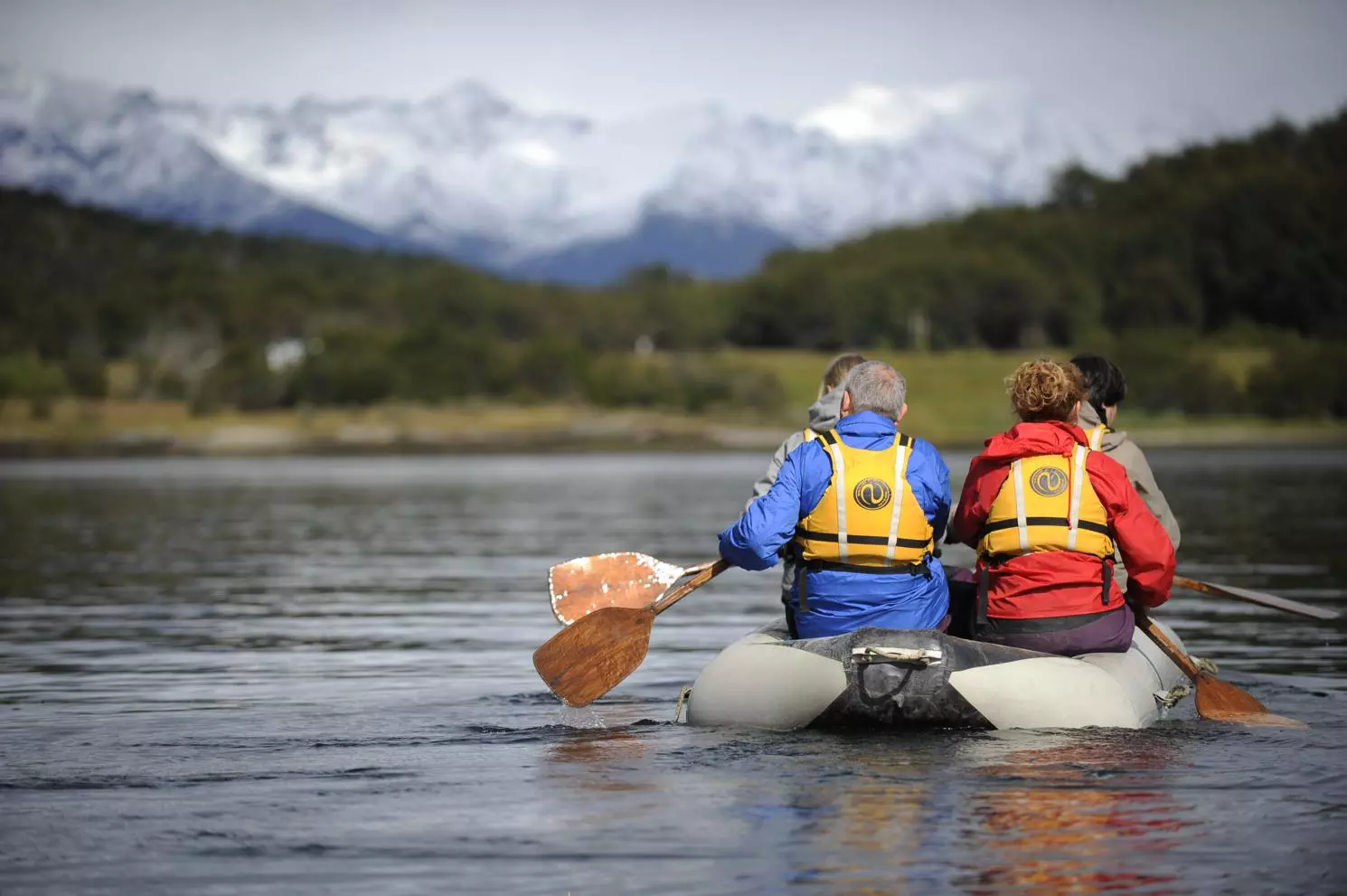
Kayaking on the glacial rivers and lakes offers a different perspective entirely, at the waterline among icebergs, and it asks little in the way of fitness or experience.
Horseback riding with local baqueanos follows the old routes into the valleys, scaled to any level from a gentle couple of hours to a full day, and it’s one of the more authentic ways to experience the landscape.
For the serious, El Chaltén is also a world capital of technical climbing, though that’s a specialist pursuit. For everyone else, the ice trek and the kayak are the standout non-hiking experiences.
4. What to Do If You Don’t Hike
It’s a common worry: is El Chaltén worth it if you’re not a serious hiker? The answer is yes, with a little planning.
The short viewpoints — Chorrillo del Salto and the Mirador de los Cóndores — deliver a real sense of the place in an hour or two of easy walking, with Fitz Roy in view.
The Viedma Glacier boat-and-ice excursions do the hard travel for you, reaching the ice by water rather than a long trek, and the kayaking and gentle horseback rides ask nothing of your legs.
And El Chaltén rewards simply being there. It’s a place to sit with a coffee and watch the light change on Fitz Roy, to eat well in a village that takes its food seriously, and to feel the scale of Patagonia without earning it on a ten-hour climb.
For travelers who want the region’s adventure without the trekking, our guide to the best Patagonia tours for adventure lovers covers the ice, water and wildlife experiences that don’t require a summit.
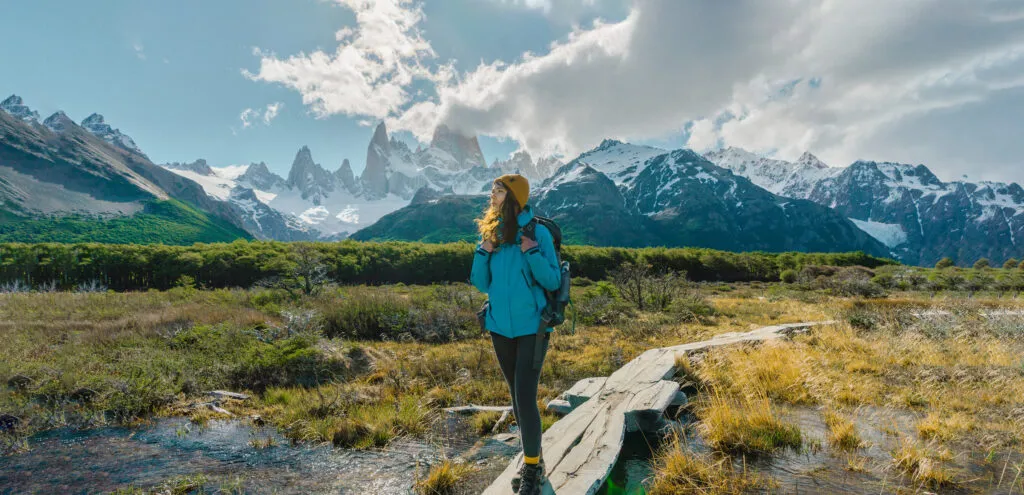
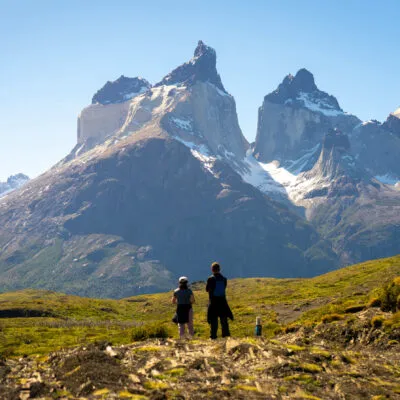
Even non-hikers find plenty in El Chaltén — short viewpoints, a boat to a glacier, a slow afternoon under Fitz Roy.
5. How Many Days You Need in El Chaltén
The most common El Chaltén mistake is giving it a single day, usually as a rushed excursion from El Calafate. It deserves more.
Two days is the sensible minimum: one for a major trail like Laguna de los Tres or Laguna Torre, and one for a shorter walk or a non-hiking activity, with a little slack for the weather.
Three full days is better still, and it’s what we’d recommend for anyone who came to hike. It lets you do both major trails, add an ice trek or a rest day, and — crucially — wait out a bad-weather day for a clear view of Fitz Roy, which is far from guaranteed.
That weather buffer is the real argument for staying longer. Fitz Roy is frequently in cloud, and travelers on a single day either get lucky or leave without the view. An extra day dramatically improves your odds.
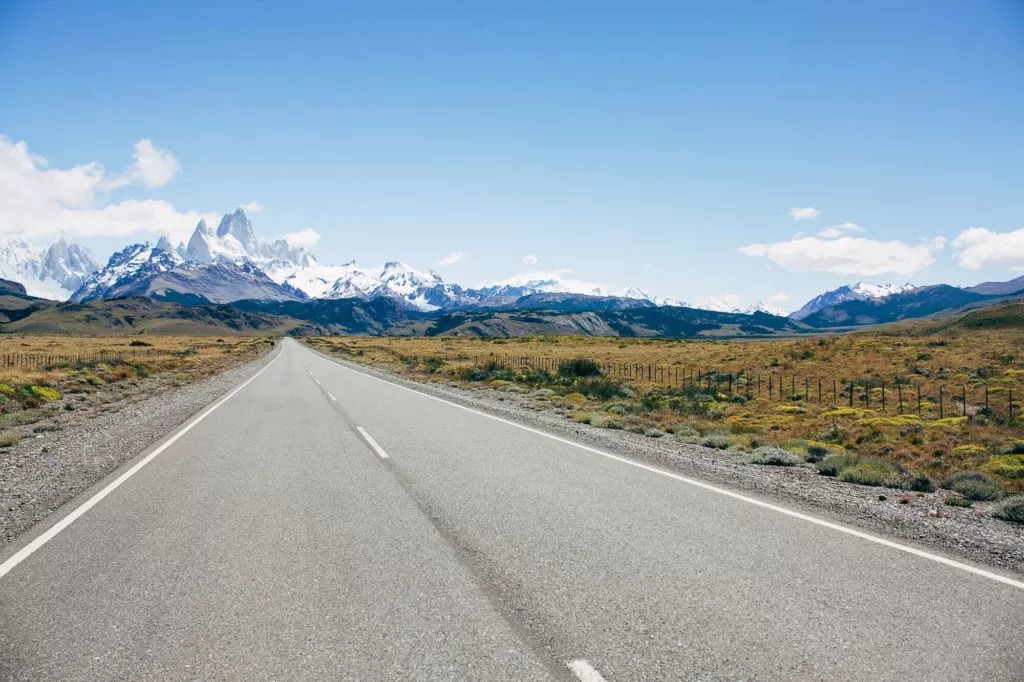
El Chaltén is usually reached by road from El Calafate — build it into the route rather than a single rushed day.
How El Chaltén fits into the wider Patagonia itinerary — and why it pairs with El Calafate rather than standing alone — is something we lay out in how long you should plan for Patagonia.
6. When to Go, and Reading the Weather
El Chaltén’s season and its notorious weather shape what you can actually do, so both are worth understanding before you book.
The trekking season runs from roughly October to April. December to February brings the longest days and the most reliable trails, along with the biggest crowds. November and March are quieter and often more beautiful, with the trade-off of less predictable conditions.
Whenever you go, the weather decides your days here more than your plans do. Fitz Roy makes its own weather, and a clear morning can close in by afternoon. The practical response is to start early — mornings are typically calmer and clearer — and to stay flexible about which trail you walk on which day.
This is exactly why a couple of extra days pays off: with flexibility built in, you can move your big hike to the day the mountain is actually visible, rather than accepting whatever the single day you allotted happens to offer.
The general packing and weather preparation for Patagonia applies fully here — layers, a windproof shell, and sun protection — as covered in how to prepare for a trip.
7. Guided or Independent in El Chaltén?
El Chaltén is one of the few Patagonia destinations where independent exploration is genuinely easy, so the guiding question comes down to which activities you choose.
The day hikes are well marked and busy enough to walk without a guide — this is the great appeal of the village, and most travelers do the classic trails independently.
Where a guide adds real value is the ice: the Viedma Glacier ice trek, technical climbing, and any off-trail or early-season objective require expertise and equipment you shouldn’t improvise. Kayaking and horseback riding are run as guided activities by definition.
A sensible pattern is independent day hikes combined with a guided ice trek or excursion — you keep the freedom El Chaltén is famous for while getting expert support where it matters.
For travelers who’d rather have the whole thing arranged, our El Chaltén trips and broader Argentine Patagonia tours build the village into a wider route, and our travel specialists can match the activities to your group.
Travelling with others of mixed ability? Our guide to the best places for a group trip to Patagonia explains why El Chaltén is one of the finest group destinations in the region.
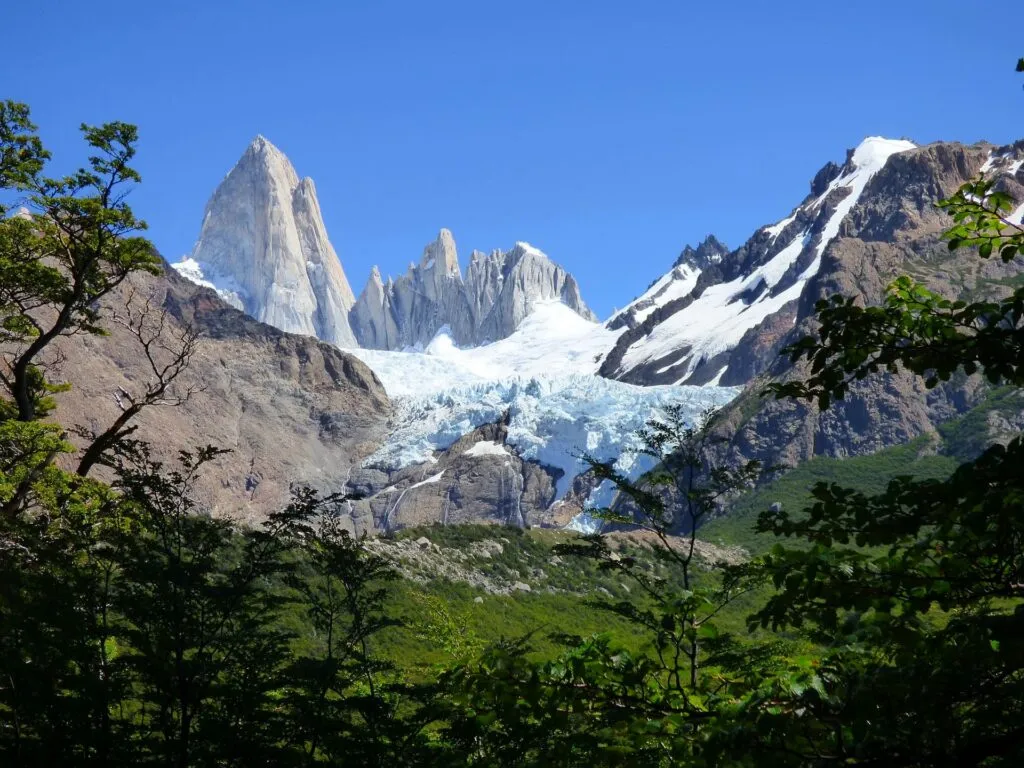
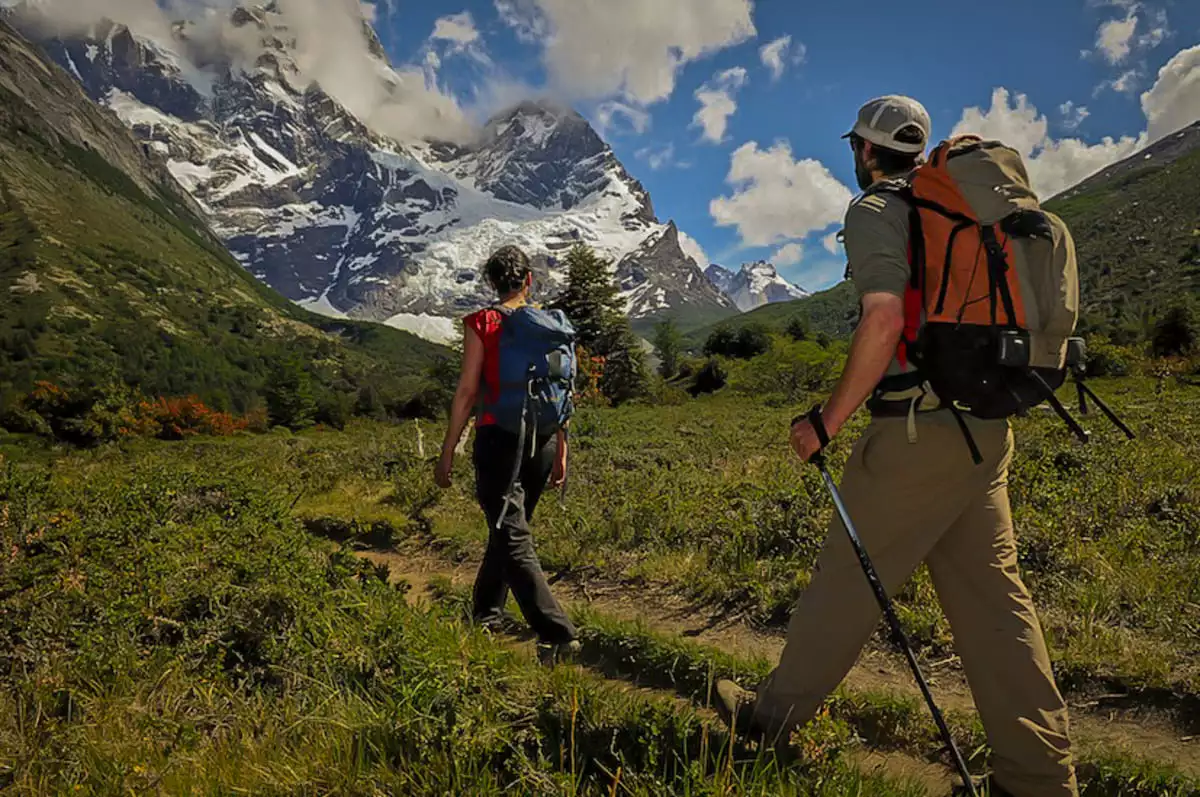
The day hikes are easily done alone; the ice treks and glaciers are where a guide adds the most.
8. Frequently Asked Questions
What are the best things to do in El Chaltén?
The headline is the trekking, and it’s exceptional. The classic trails are Laguna de los Tres for the iconic Fitz Roy view (a demanding eight-to-ten-hour day) and Laguna Torre beneath Cerro Torre (a more moderate six to seven hours), both starting right from the village.
Beyond hiking, ice trekking on the Viedma Glacier, kayaking among icebergs, and horseback riding with local baqueanos are the standout activities.
For shorter options, Chorrillo del Salto and the Mirador de los Cóndores deliver real views in an hour or two. El Chaltén’s range means there’s something for every level, from non-hikers to serious trekkers.
How many days should I spend in El Chaltén?
At least two, and ideally three. One day is enough only for a single trail, and it’s usually a rushed excursion from El Calafate that under-uses the village.
Two days lets you do a major trail like Laguna de los Tres plus a shorter walk or a non-hiking activity. Three full days lets you do both major trails, add an ice trek, and keep a buffer for the weather.
That buffer is the real reason to stay longer: Fitz Roy is frequently in cloud, and an extra day dramatically improves your odds of a clear view rather than leaving it to a single day’s luck.
Do you need a guide to hike in El Chaltén?
For the classic day hikes, no. The trails are well marked, start straight from town, and are busy enough that most travelers walk them independently — this ease is exactly what makes El Chaltén special.
Where a guide is genuinely needed is the ice and the technical objectives: the Viedma Glacier ice trek, climbing, and any off-trail or early-season route require expertise and equipment you shouldn’t improvise.
A common approach is to hike the marked trails independently and add a guided ice trek or excursion, keeping the freedom the village is known for while getting expert support where it counts.
Is El Chaltén worth visiting if you don’t hike?
Yes, with a little planning. The short viewpoints — Chorrillo del Salto and the Mirador de los Cóndores — give a real sense of the place in an hour or two of easy walking, with Fitz Roy in view.
The Viedma Glacier boat-and-ice excursions reach the ice by water rather than a long trek, and kayaking and gentle horseback rides ask nothing of your legs.
El Chaltén also rewards simply being there — watching the light change on Fitz Roy over a coffee, eating well in a village that takes its food seriously, and feeling the scale of Patagonia without a ten-hour climb.
What is the best time to visit El Chaltén?
The trekking season runs from roughly October to April. December to February brings the longest days and most reliable trails, along with the biggest crowds; November and March are quieter and often more beautiful, with less predictable weather.
Whenever you go, the weather decides your days — Fitz Roy makes its own, and a clear morning can close in by afternoon.
Start early, since mornings are typically calmer and clearer, and stay flexible about which trail you walk on which day. Building in a spare day lets you move your big hike to the day the mountain is actually visible.
How do I get to El Chaltén?
Most travelers reach El Chaltén by road from El Calafate, about three hours to the south, which is itself served by flights from Buenos Aires. The two are almost always visited together — the glacier and the mountains.
There’s no airport at El Chaltén itself, and no park gate or shuttle once you arrive, because the trails begin at the edge of the village.
Scheduled buses and private transfers connect El Calafate and El Chaltén, and the leg is usually built into a wider Patagonia itinerary rather than done as a standalone day trip, which doesn’t do the village justice.