Patagonia is a land of endless adventure, where glaciers, mountains, forests, and remote landscapes invite you to explore beyond the classic hiking trails. Discover unforgettable experiences for adventure lovers, from kayaking and horseback riding to wildlife encounters and off-the-beaten-path journeys.
- Why “Beyond the Trails” is the Real Patagonia
- Walking on Ice: The Perito Moreno Glacier Trek
- Kayaking among Icebergs and Glaciers
- Horseback Riding with the Gauchos
- Ice Climbing and Camping in the Wild
- Sailing the Fjords to Cape Horn
- Wildlife Adventures: Whales, Penguins and Orcas
- The Ultimate Road Trip: Chile’s Carretera Austral
- Matching the Adventure to You
- Do you have to Be a Hiker? (No.)
- When to Go, and How to Combine It All
- Frequently Asked Questions
- What are the best Patagonia tours for adventure lovers beyond hiking?
- Can you experience Patagonia without hiking?
- What extreme adventures are available in Patagonia?
- Is the Perito Moreno ice trek difficult?
- When is the best time for adventure travel in Patagonia?
- How do I combine several Patagonia adventures in one trip?
Patagonia has a marketing problem, and it’s a strange one for a place this wild: it’s become synonymous with a single activity.
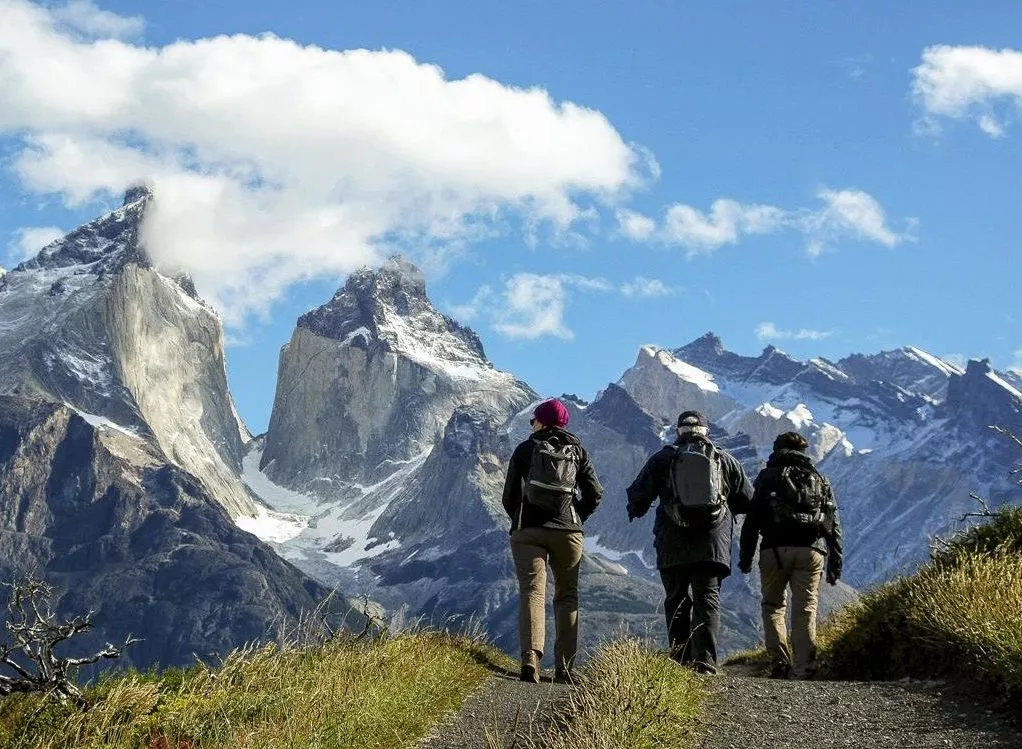
Search the region and you get hiking. Endless hiking. The W Trek, Fitz Roy, the Laguna de los Tres, boots and trekking poles as far as the eye can see.
The trails are extraordinary and deserve the attention. But treating Patagonia as one long walk badly undersells what the place actually offers the traveler who wants their pulse up.
Because beyond the trails is a region that lets you strap crampons to your feet and walk on a glacier, kayak between icebergs, ride with gauchos across open steppe, sail to Cape Horn, and sleep in a dome under the most uncrowded night sky left on earth.
So this is a guide to the best Patagonia tours for adventure lovers that go beyond the hiking trails — the ice, the water, the horses, the wildlife, and the genuinely remote.
It’s written for the traveler who wants more than a viewpoint at the end of a walk — the one searching for extreme Patagonia tours with a non-hiking focus, who reads “moderate trek” and thinks, fine, but what else is there?
Plenty, as it turns out. And some of the best of it doesn’t require you to be a hiker at all — which is the part worth knowing before you assume Patagonia isn’t for you.
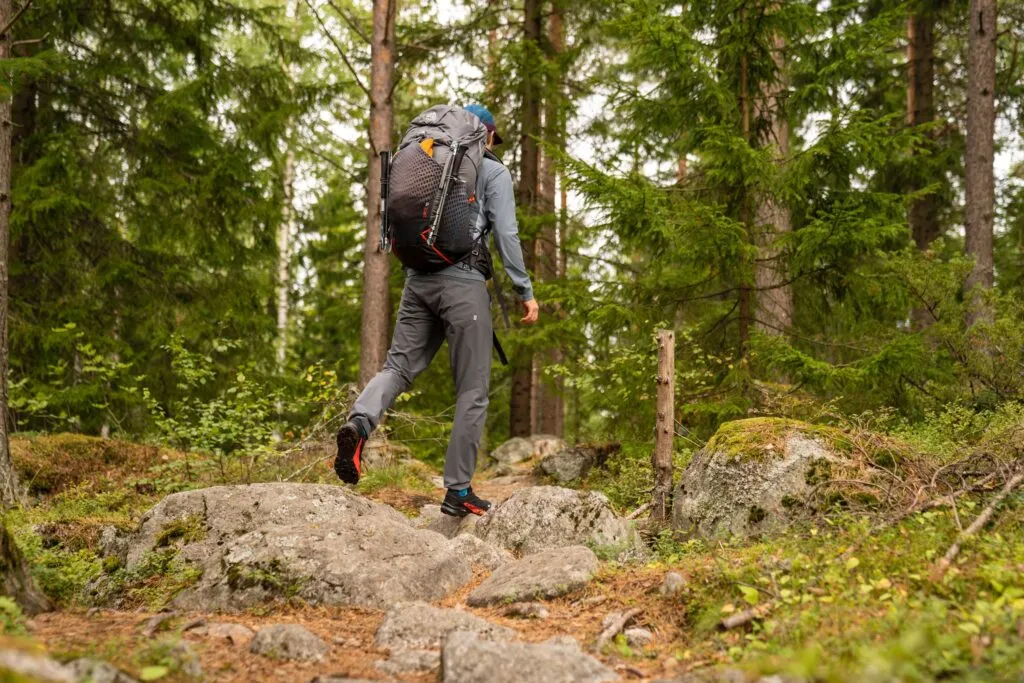
Why “Beyond the Trails” is the Real Patagonia
Hiking dominates the conversation for a simple reason: it’s accessible, photogenic, and free. Anyone can walk, the pictures are spectacular, and the trails cost nothing to promote.
But that accessibility flattens the region into a single texture. Patagonia becomes a place you look at from the end of a path, rather than one you get inside.
The adventures that go beyond the trails change the relationship. On a glacier, you’re not photographing the ice — you’re standing on it, listening to it move under you.
In a kayak, you’re at the waterline among icebergs the size of buildings. On a horse, you’re covering ground the way the region was actually settled.
These aren’t upgrades to hiking. They’re different ways of being in the landscape, and several of them deliver the region’s biggest moments with far fewer people around.
It’s why our Patagonia adventure tours are built around activity rather than around a checklist of viewpoints — the point is to be in it, not beside it.
Walking on Ice: The Perito Moreno Glacier Trek
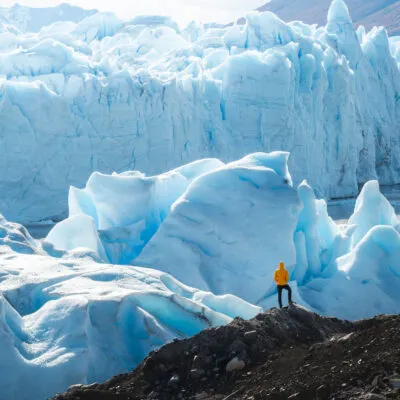
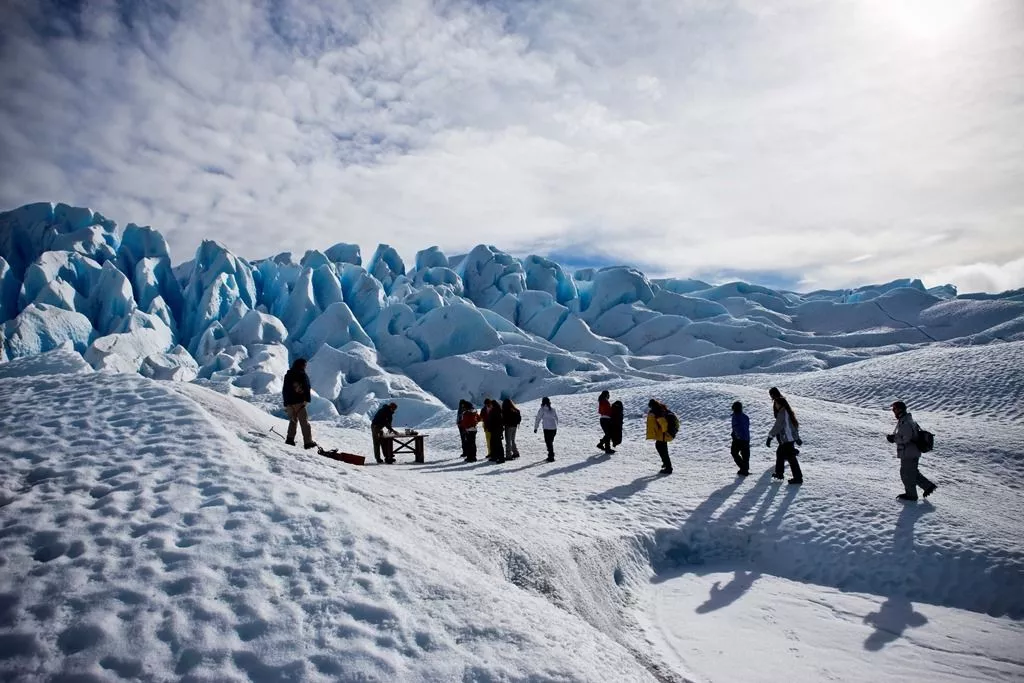
If there is one adventure that everyone can do and nobody forgets, it’s this: strapping crampons to your boots and walking out onto the Perito Moreno Glacier itself.
Most visitors see Perito Moreno from the boardwalks opposite — which is genuinely magnificent, and entirely passive. The ice trek is the active version, and it’s a different experience altogether.
Guided in small groups, you cross a surface of blue ridges, deep crevasses, and small meltwater streams running electric turquoise. The classic version finishes with a whisky poured over glacial ice, which is exactly as good as it sounds.
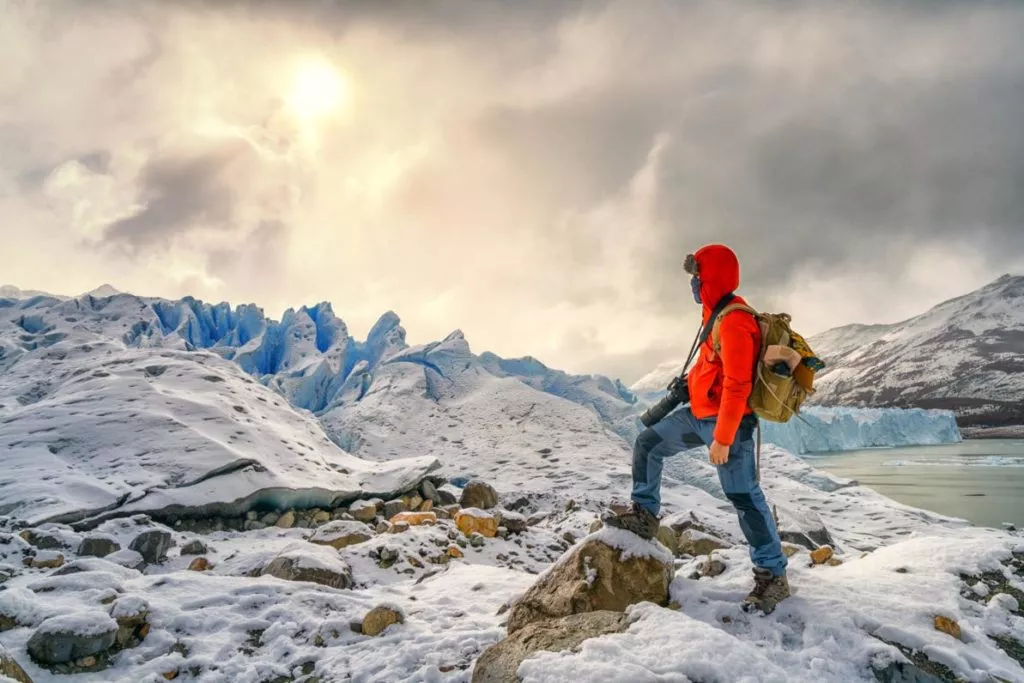
The remarkable thing is how little it asks of you. There’s no serious hiking involved — a short approach, then the ice — so it’s within reach of most reasonably fit travelers, including those who’d never call themselves adventurers.
It’s the clearest example of the whole premise of this guide: a genuine, crampons-on adventure that isn’t a trek, delivering one of Patagonia’s peak experiences.
Our El Calafate tours build the ice trek in as the centrepiece rather than an add-on, because it’s the thing people remember longest.
Kayaking among Icebergs and Glaciers
Water changes your sense of scale in Patagonia, and nothing does it faster than sitting in a kayak at the foot of a glacier.
From the boardwalks, an iceberg is a distant white shape. From the waterline, it’s a translucent blue mass three times your height, close enough to hear it fizz as ancient trapped air escapes.
Kayaking is available in several parts of the region — on the glacial lakes around El Calafate, on the rivers near El Chaltén, and among the fjords further south — and the water is calmer than its dramatic setting suggests.
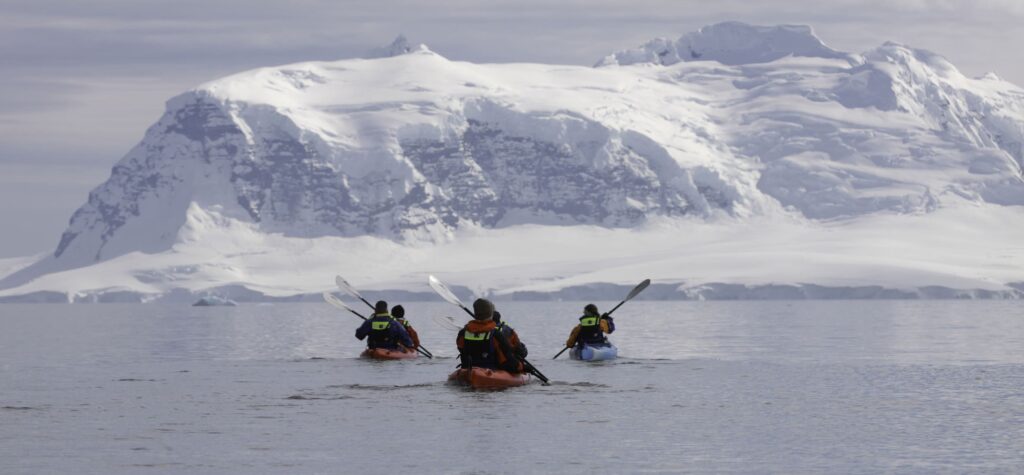
It’s beginner-friendly in most of its forms. You don’t need experience, just a willingness to be cold and slightly awed, and a guide handles the rest.
What you get in return is silence and proximity. No engine, no crowd, just the drip of the paddle and a wall of ice that predates every city on earth.
For travelers who find hiking repetitive, this is often the moment the trip turns — the point where Patagonia stops being scenery and becomes something you’re physically inside.
Horseback Riding with the Gauchos
Long before there were trails, there were horses, and riding remains the most authentic way to cover Patagonian ground.
The gaucho — the South American cowboy — is not a tourist invention. Riding out with one across the steppe or through lenga forest is how the region was worked for over a century, and it still is.
Rides are scaled to ability, from a gentle few hours for absolute beginners to full days for confident riders, and the horses are Criollos, bred tough for exactly this terrain.
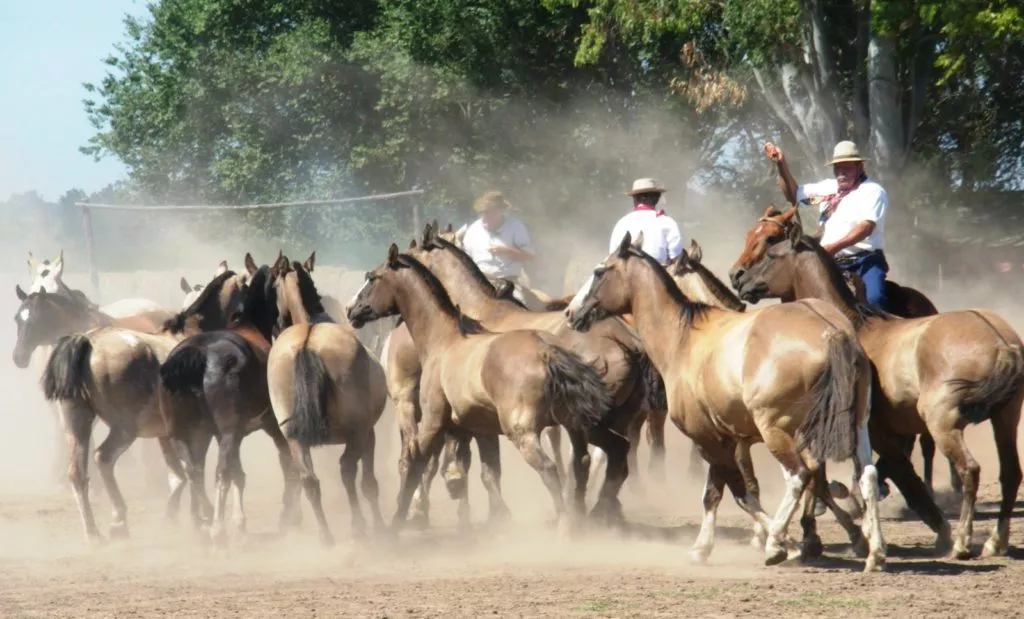
The setting is usually an estancia — a working ranch — which wraps the riding in something larger: the asado over open flame, the shearing sheds, an evening with no signal and nowhere else to be.
It’s adventure of a quieter kind. Not adrenaline, but immersion — a way of touching the culture of Patagonia rather than only its landscape.
Our Patagonian estancia adventures are built around exactly that, and they tend to be the days travelers describe most vividly afterwards.
Ice Climbing and Camping in the Wild
For travelers who want the serious end of the spectrum, Patagonia delivers, and it delivers inside Los Glaciares National Park.
Ice climbing here is the real thing — axes, crampons, vertical walls of glacial ice — and it can be done as a genuine first experience under expert guiding, or pushed harder if you already have the skills.
Combine it with camping inside the park and you have something few itineraries offer: nights spent in the wilderness rather than commuting to it, waking up already where the adventure is.
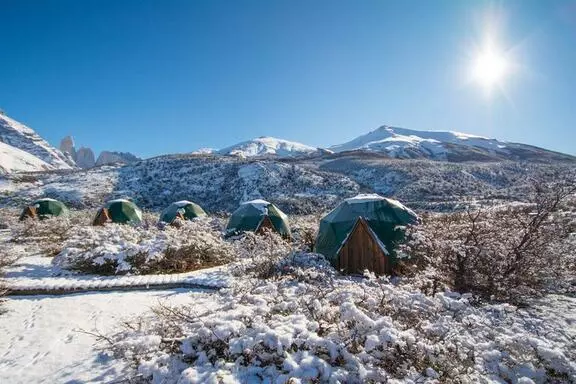
The eco-dome model has made this dramatically more comfortable than traditional camping without softening the wildness — you’re still deep in the park, just sleeping better.
This is for the traveler who wants to earn the landscape rather than photograph it, and who’d rather spend a night under canvas at the foot of a glacier than in a hotel an hour away.
Our climb-and-camp eco-dome adventure runs nine days around El Calafate, Los Glaciares and a working ranch, and it’s about as far from a bus tour as Patagonia gets.
Sailing the Fjords to Cape Horn
Some of Patagonia’s greatest adventures are only reachable by water, and the far south is where sea and expedition meet.
A small-ship cruise through the fjords of Tierra del Fuego threads past glaciers that calve directly into the sea, colonies of Magellanic penguins, and channels first charted by the explorers whose names they still carry.
The prize is Cape Horn — the legendary southern tip where the Atlantic and Pacific collide, a place that meant terror to sailors for centuries and means awe to travelers now.
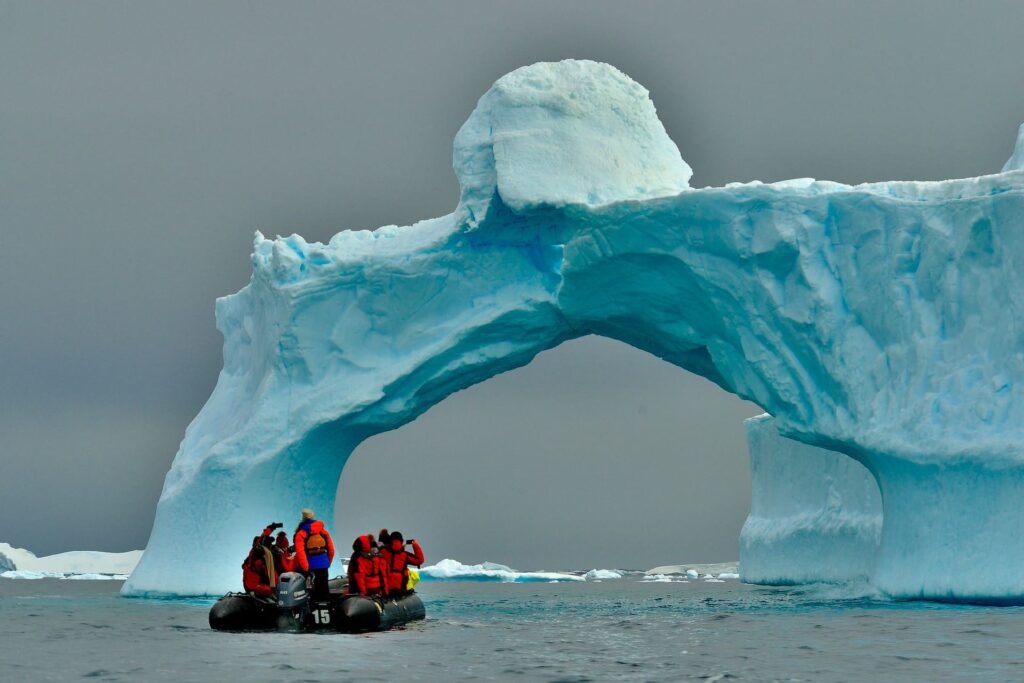
This is expedition rather than luxury cruising, though the two increasingly overlap. Zodiac landings, naturalist guides, and weather that reminds you exactly how far south you are.
It asks little physically and rewards enormously, which makes it a rare adventure that works for mixed-ability groups and older travelers who still want the wild.
Our Patagonia cruise with Australis sails five days between Punta Arenas and Ushuaia, taking in Cape Horn and the biosphere reserve — the end of the continent, seen from its own waters.
Wildlife Adventures: Whales, Penguins and Orcas
Wildlife is the adventure that requires nothing of your legs and delivers to everyone equally, and Patagonia’s Atlantic coast is where it concentrates.
Península Valdés, a UNESCO World Heritage site, is one of the great marine wildlife stages on earth: southern right whales, Magellanic penguins, sea lions, elephant seals, and the famous orcas that beach themselves to hunt.
Whale watching here is close and active — small boats, whales surfacing metres away — rather than a distant scan of the horizon. A right whale breaching beside the hull is an adventure by any honest definition.
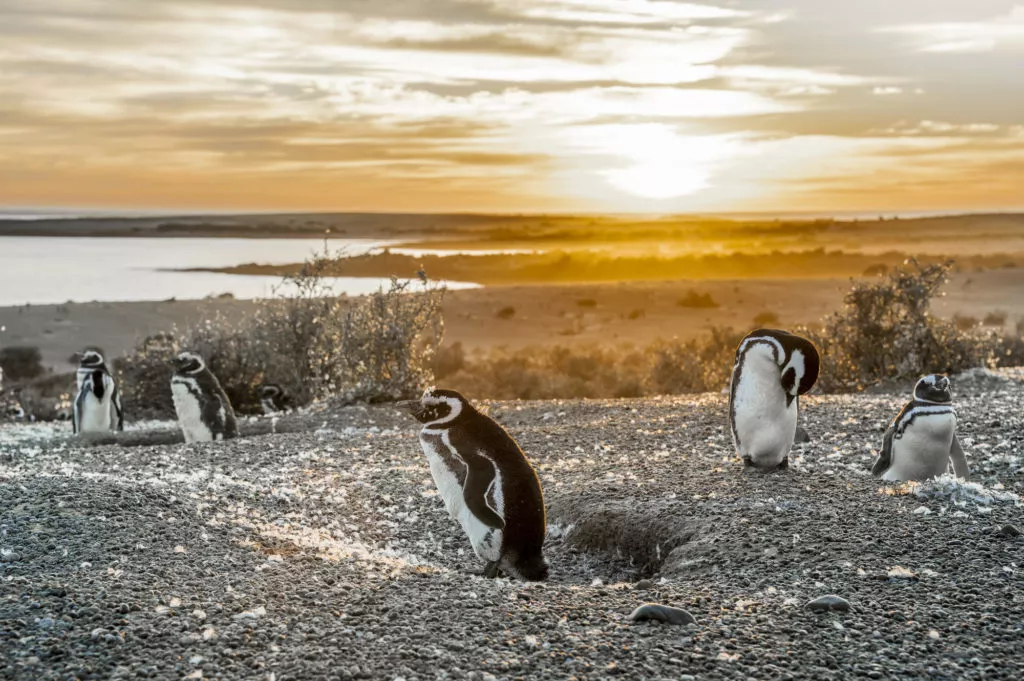
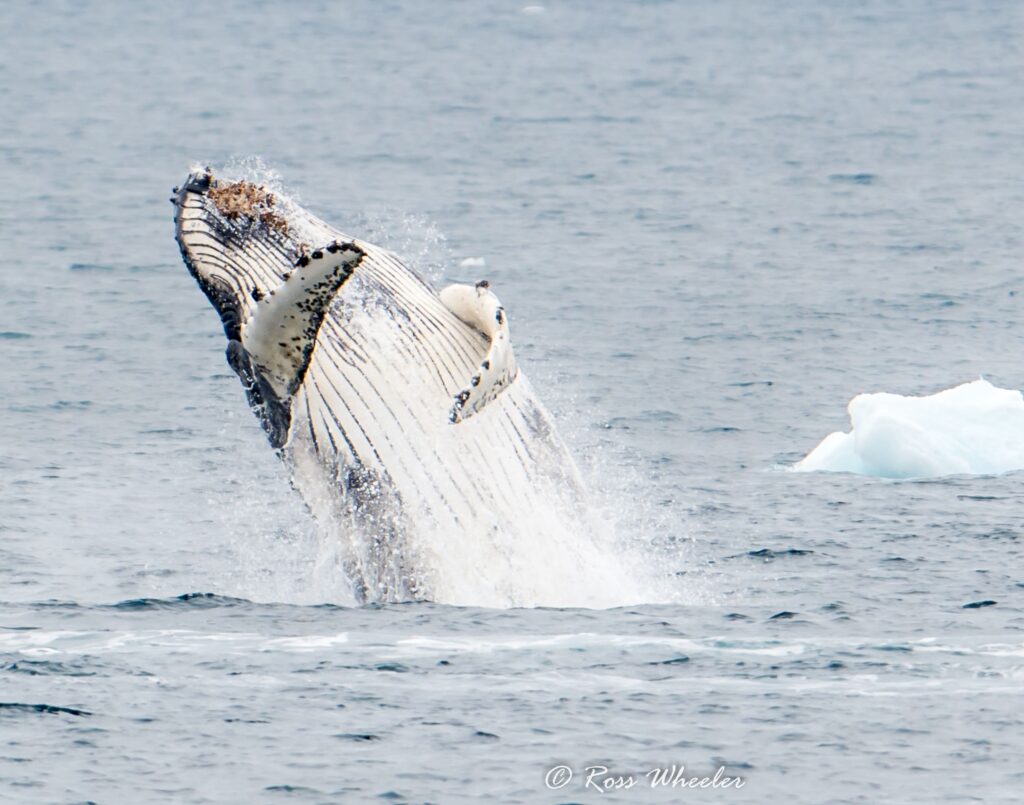
The timing is specific and worth getting right. Whales run from June to mid-December, while the orca hunting spectacle at Punta Norte peaks from February to April.
It’s the perfect counterweight to the ice and the trails — an adventure of patience and proximity rather than exertion.
Our Península Valdés wildlife trips are built around those seasons, and they combine unusually well with the glaciers further south for travelers who want range in one trip.
The Ultimate Road Trip: Chile’s Carretera Austral
For the self-sufficient adventurer, Patagonia has a route that most itineraries never touch, and it’s one of the great drives on the planet.
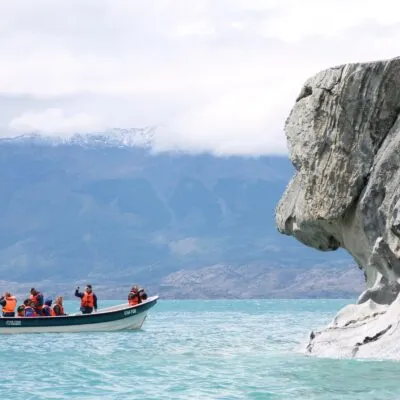
Chile’s Carretera Austral runs south through temperate rainforest, past hanging glaciers, to the Marble Caves on Lake General Carrera — chambers the water has carved into swirling blue-veined stone, reachable only by small boat.
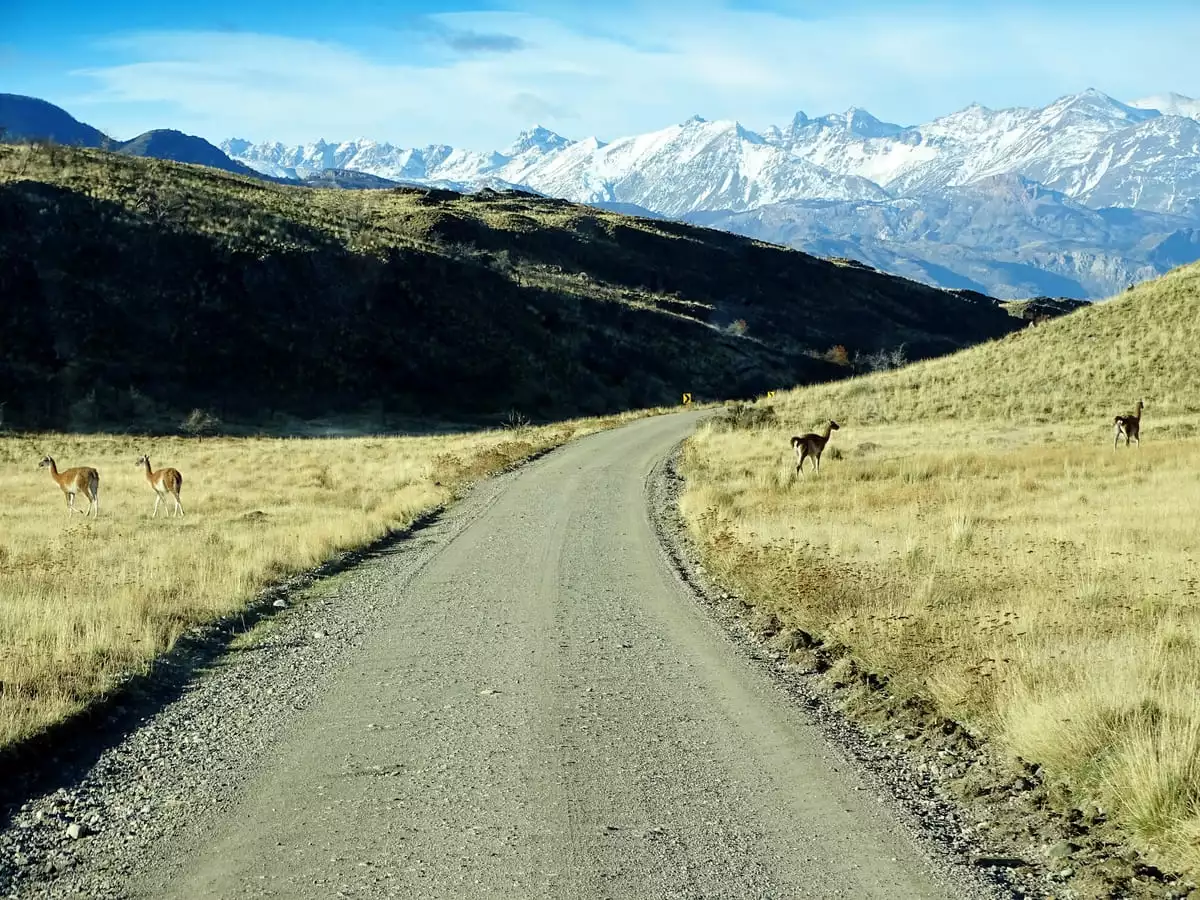
Cerro Castillo throws up a jagged skyline to rival Torres del Paine, with a fraction of the visitors. The whole road feels like Patagonia before it was discovered.
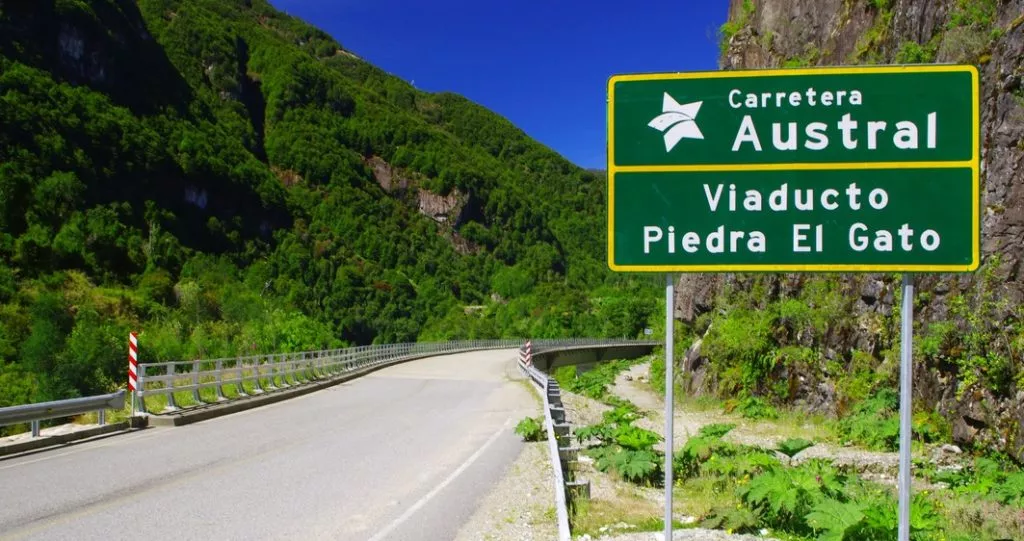
The adventure here is autonomy. Long stretches of gravel, thin infrastructure, and stops decided by you rather than by a schedule — the freedom to stay another night wherever the place demands it.
It’s not for everyone, and we’d be honest about that. It suits travelers who genuinely enjoy driving and don’t need a concierge at every stop.
Our self-drive Carretera Austral hands you the route, the vehicle and the road book, and then gets out of your way — which is the entire appeal.
Matching the Adventure to You
“Adventure” isn’t one thing, and the best trip depends on which kind of intensity you’re actually after.
Some travelers want adrenaline. Others want immersion, or remoteness, or simply a way into the landscape that doesn’t involve a full-day climb. Patagonia serves all of them, but not with the same tour.
The table below sorts the options by the kind of adventurer you are, which is a more useful filter than difficulty alone.
If you want… | The adventure | How demanding |
| A peak moment, low effort | Perito Moreno ice trek | Easy — most fitness levels |
| Silence and proximity | Kayaking among icebergs | Easy to moderate, beginner-friendly |
| Culture and immersion | Horseback riding at an estancia | Scalable, beginners welcome |
| Serious challenge | Ice climbing and camping | Hard, but guided for first-timers |
| Expedition without exertion | Fjord cruise to Cape Horn | Low — suits mixed groups |
| Wildlife over walking | Península Valdés by boat | Easy — all ages |
| Total freedom | Carretera Austral self-drive | Moderate; you own the logistics |
The point is that Patagonia rewards being honest with yourself about what you actually enjoy, rather than defaulting to the walk everyone else booked.
Do you have to Be a Hiker? (No.)
Here’s the assumption worth dismantling, because it stops people from coming: the belief that Patagonia is only for the very fit.
It isn’t. Several of the region’s biggest experiences ask almost nothing of your legs.
The ice trek involves a short approach and then flat glacier walking. Kayaking is done sitting down. Wildlife watching happens from a boat. The fjord cruise is a ship.
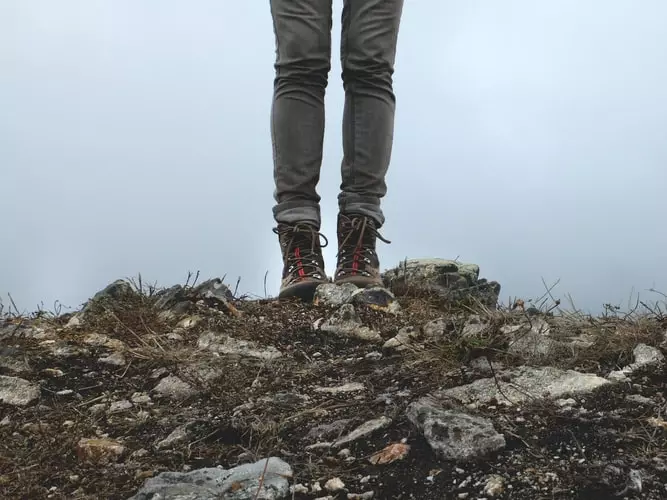
Horseback riding replaces walking entirely, and an estancia stay can be as gentle as you like. None of these are consolation prizes — several are the best days of the whole trip.
So if you’ve been quietly assuming Patagonia isn’t for you because you don’t hike eight hours a day, that assumption is simply wrong.
A trip can be built entirely from non-hiking adventures, and our active Patagonia tours can be shaped that way from the start — extreme in setting, gentle in the demands they make of you.
When to Go, and How to Combine It All
Adventure in Patagonia is seasonal, and the different activities don’t all peak at once, which shapes how you plan.
The broad window is late October to March. Ice treks, kayaking, climbing, and the trails all run through it, with the most reliable conditions from December to February.
Wildlife bends the calendar. Whales at Península Valdés run June to mid-December, so combining whales with the summer adventures south only works in a narrow late-October-to-mid-December overlap.
The fjord cruises and the Carretera Austral run through the warmer months, with the road at its best from November onward once the winter weather has cleared.
You cannot do all of it in one trip — the distances forbid it — so the art is choosing two or three adventures that share a season and a geography, rather than sprinting between all of them.
A well-built adventure itinerary usually pairs the ice around El Calafate with either the fjords in the far south or the wildlife on the Atlantic coast. Our travel specialists can tell you quickly which combination your dates actually allow.
The one rule that holds: pick the adventures that excite you most, then build the trip around them — not the other way around.
Frequently Asked Questions
What are the best Patagonia tours for adventure lovers beyond hiking?
The standout non-hiking adventures are the Perito Moreno ice trek, kayaking among icebergs, horseback riding with gauchos at an estancia, ice climbing and camping inside Los Glaciares National Park, and sailing the fjords to Cape Horn.
Wildlife adventures on the Atlantic coast — whales, penguins and orcas at Península Valdés — and the self-drive Carretera Austral round out the list.
Each puts you inside the landscape rather than beside it, and several deliver Patagonia’s biggest moments with far fewer people around than the famous trails.
Can you experience Patagonia without hiking?
Absolutely, and several of the region’s best experiences require almost no walking at all. The Perito Moreno ice trek involves a short approach and then flat glacier walking; kayaking is done sitting down; wildlife watching happens from a boat.
Horseback riding replaces walking entirely, and a fjord cruise to Cape Horn is a ship-based expedition suited to mixed-ability groups and older travelers.
None of these are lesser experiences — for many travelers they’re the highlight of the trip. The idea that Patagonia is only for serious hikers is simply a myth worth ignoring.
What extreme adventures are available in Patagonia?
At the serious end, ice climbing inside Los Glaciares National Park is the real thing — axes, crampons and vertical glacial ice — available both as a guided first experience and as a harder climb for those with skills.
Multi-day treks like the Torres del Paine circuits, expedition kayaking among the fjords, and the remote self-drive Carretera Austral all push into genuinely adventurous territory.
Even the fjord crossing to Cape Horn qualifies as an expedition, with Zodiac landings and the wild weather of the far south. Patagonia scales from gentle to extreme depending on how hard you want to go.
Is the Perito Moreno ice trek difficult?
Not especially, which is part of why it’s so beloved. There’s a short approach walk to reach the glacier, and then you’re on the ice itself, which is largely flat walking in crampons a guide fits and teaches you to use.
It’s within reach of most reasonably fit travelers, including those who’d never describe themselves as adventurous. There are longer, harder versions for those who want more time on the ice.
It’s the clearest example of a genuine crampons-on adventure that isn’t a strenuous trek — one of Patagonia’s peak experiences, accessible to almost everyone.
When is the best time for adventure travel in Patagonia?
The main season runs from late October to March, when ice treks, kayaking, climbing and the trails all operate, with the most reliable conditions from December to February.
Wildlife shifts the calendar: southern right whales at Península Valdés run from June to mid-December, so combining whales with the summer adventures further south only works in a narrow window from late October to mid-December.
The fjord cruises and the Carretera Austral are best from November onward. Because the activities peak at different times, choosing adventures that share a season is the key to a smooth itinerary.
How do I combine several Patagonia adventures in one trip?
Choose two or three that share a season and a geography rather than trying to do everything, because the region’s distances make a sprint self-defeating.
A common and effective pairing is the ice around El Calafate — the Perito Moreno trek and kayaking — combined with either the far-southern fjords or the Atlantic-coast wildlife.
Ice climbing and estancia riding slot naturally into an El Calafate base, while the Carretera Austral works best as its own focused trip. A specialist can tell you which combinations your specific dates allow.