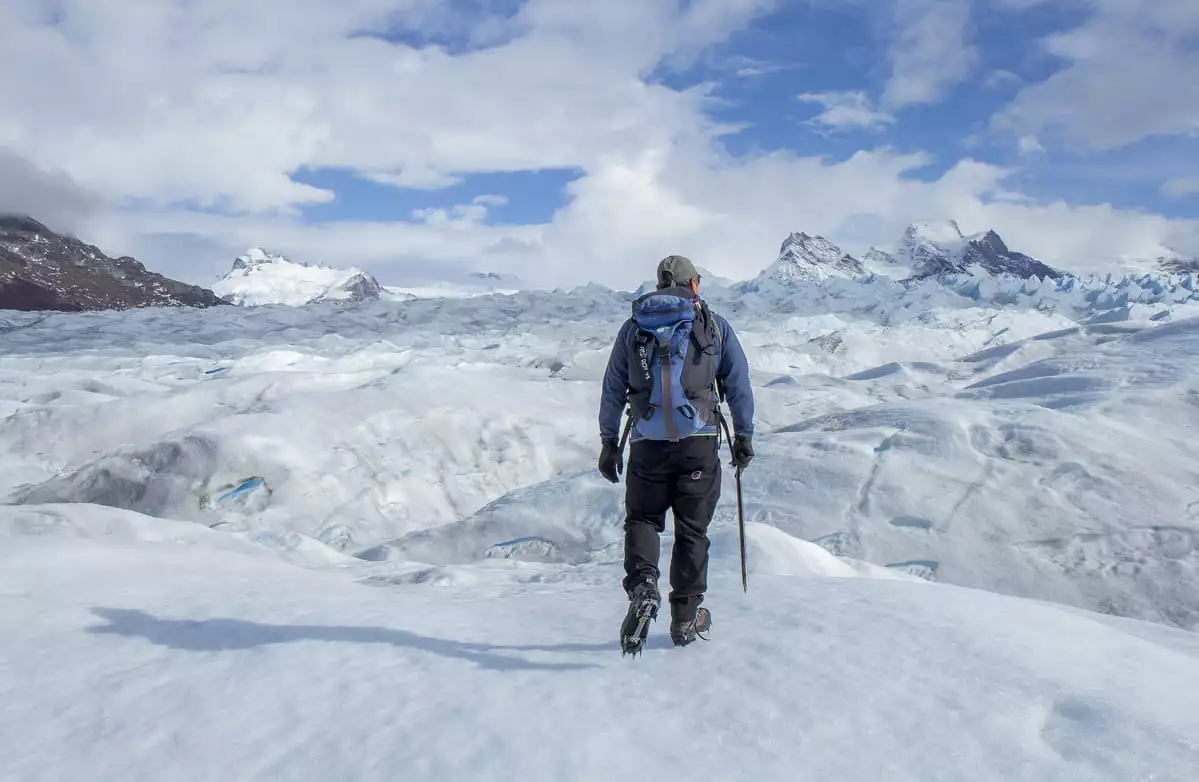
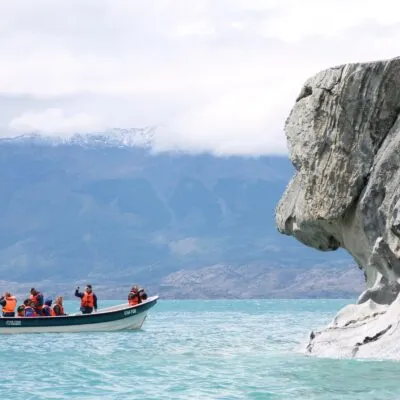
Patagonia is one of the great family adventures: glaciers you can walk toward, wildlife on the steppe, boat rides past icebergs, and horizons that make a child feel small in the best way. It is also a place where a family trip can go wrong quietly — too much driving, hikes pitched for adults, a pace that leaves everyone frayed by day three.
From a website, every company offering a family Patagonia trip looks equally capable — the same glaciers, the same smiling families. The differences that matter are invisible until you’re there: whether the days are actually built for a range of ages, whether there’s a fallback when the weather turns, and whether someone is reachable when a child is tired and a plan needs to change.
So this is an honest look at the best companies for a family trip to Patagonia, and how to compare them. Transparency first: Say Hueque is one of the companies below, and this is our blog. Rather than pose as a neutral referee, we’ve described each company accurately and said who it genuinely suits.
We’ll cover what actually matters for a family trip, then look at three companies that approach it differently — a Patagonia specialist operator, a family-travel specialist, and a continent-wide custom operator.
The aim is to match the kind of company to the trip you want — whether that turns out to be us or not.
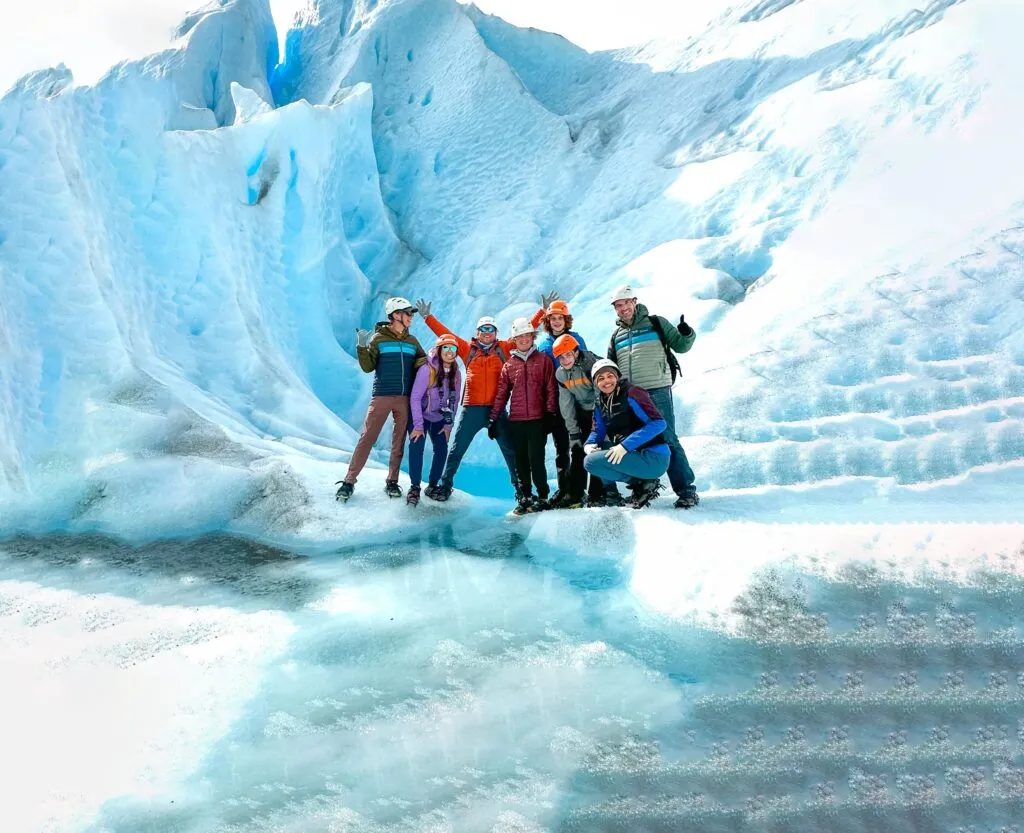
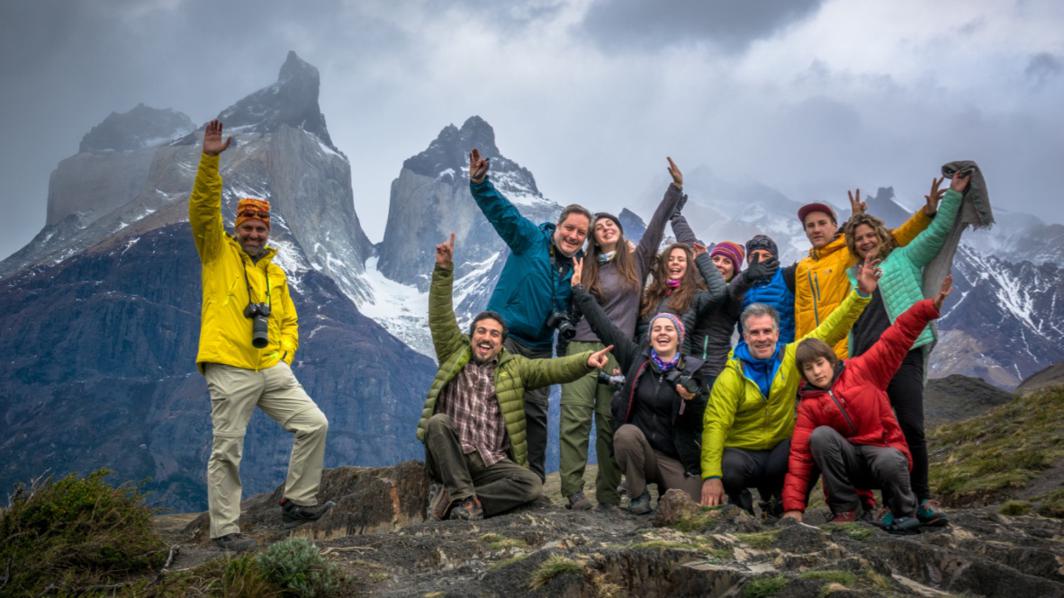
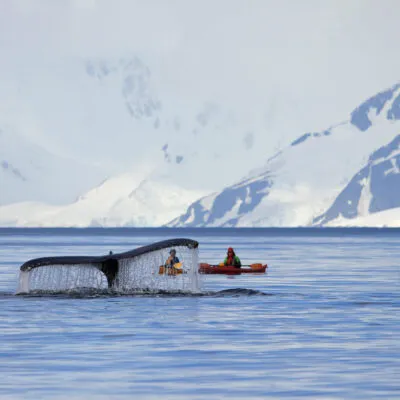
Patagonia rewards families — if the trip is paced for a range of ages rather than the fittest walker.
1. What Matters When Choosing a Company for a Family Trip
Travelling as a family raises a few things above everything else.
The first is pacing for a range of ages. A trip that works for a family moves at the speed of its youngest or oldest member, with shorter walks, built-in downtime and activities that engage children rather than just tolerate them. A good company designs for that, not against it.
The second is a weather fallback. Patagonian weather cancels boats and closes trails, and with children that’s not an inconvenience but a day to rescue — so having a company with people on the ground who can produce a plan B by breakfast matters enormously.
The third is logistics that protect the family. The right lodging, private transfers instead of long public journeys, and flexibility to change a tired day — these are what keep a family adventure from becoming an ordeal.
These are the same instincts we set out in our checklist for choosing a travel agency, applied to a trip where comfort and pacing carry extra weight.
2. Say Hueque — The Patagonia Specialist
We’ll go first and try to earn it. Say Hueque has specialised in Argentine and Chilean Patagonia for more than two decades, with its own teams on the ground rather than partners it doesn’t control — which is exactly what a family trip, with its need for flexibility, rewards.
That in-country presence is what makes a plan B possible when the weather cancels a boat, and what puts a real person within reach when a day needs to change for a tired child. The company knows which walks suit which ages, and which glaciers, boat rides and wildlife outings genuinely engage children.
Everything is tailor-made and paced for the family, so a trip is built around your children’s ages and energy, with private transfers, the right lodges and downtime left in. Our Patagonia tours and family trips are built on that logic, and pair El Calafate’s glaciers with Bariloche’s lakes or Torres del Paine.
For families weighing a group departure over a private trip, our guide to the best places for a group trip to Patagonia is a useful companion. The honest limit: if your family trip ranges well beyond Patagonia across several countries, a broader operator may fit.
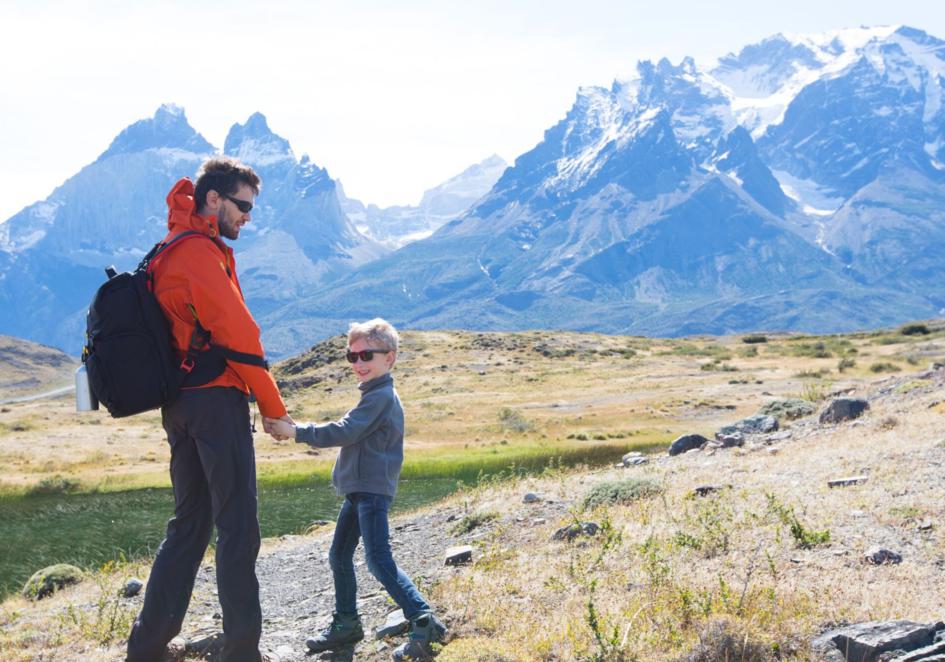
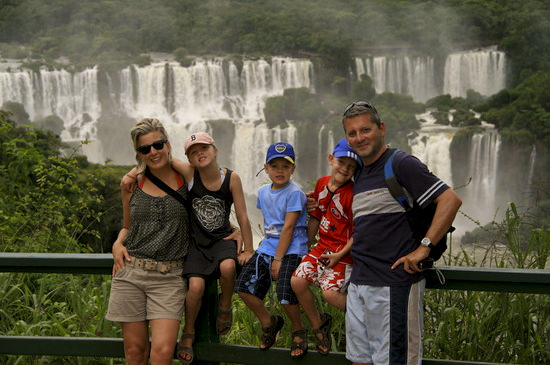
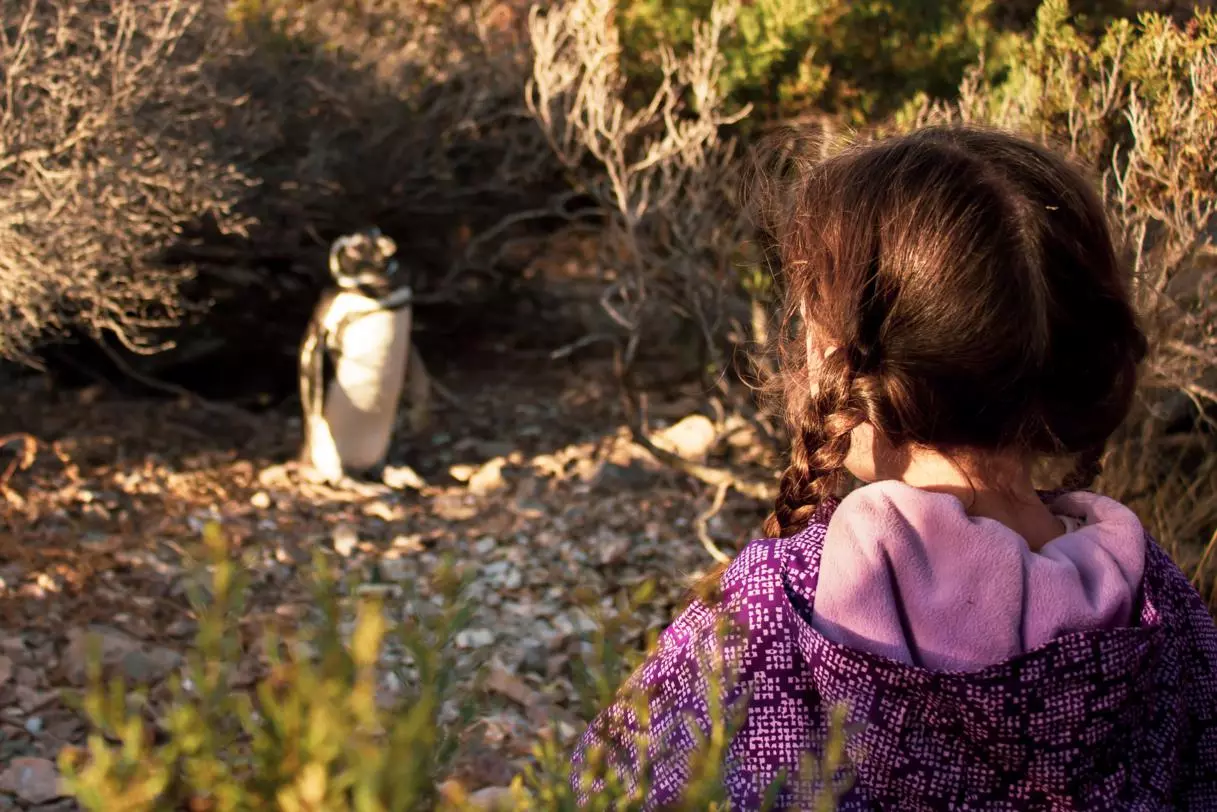
Shorter walks, boat rides and built-in downtime — a family trip moves at the speed of its youngest member.
3. Argentina Family Travel — The Family Specialist
Argentina Family Travel approaches Patagonia through a single, focused lens: family trips in Argentina.
As its name signals, the company concentrates specifically on travelling with children, which means itineraries shaped around family pacing, age-appropriate activities and the practicalities parents care about. For a family staying within Argentina, that focus is a genuine signal.
Where a Patagonia specialist concentrates on the region across all travellers, Argentina Family Travel concentrates on families across the country — a different axis of expertise, useful for parents who want a company built entirely around travelling with kids. You can see their approach at argentinafamily.travel.
It suits families who want a company whose whole identity is family travel, and whose trip stays within Argentina rather than crossing into Chilean Patagonia or beyond.
Now you can choose your type of trip:
Type of trip



4. South America Adventures — The Continent-Wide Operator
South America Adventures rounds out the three with a continent-wide custom model.
The company designs custom itineraries across South America, with the stated aim of knowing every corner of the continent. For a family whose Patagonia leg is part of a wider journey — adding Peru or Brazil, say — that breadth removes a coordination problem.
As with any continent-wide operator, the strength is reach rather than the concentrated, region-specific knowledge a Patagonia specialist keeps, or the family-specific focus of a dedicated family company. You can explore their range at southamericaadventures.travel.
The real choice, again, is breadth versus depth, and it depends on whether Patagonia is the heart of the family trip or one leg of a longer one.
How the Three Compare
None is objectively best; they’re built differently, and the right one depends on the shape of your trip.
| Company | Model | Strongest for |
| Say Hueque | Direct operator, own teams in Patagonia | A family Patagonia trip, both Argentine and Chilean sides |
| Argentina Family Travel | Family-travel specialist, Argentina | A family whose whole trip stays within Argentina |
| South America Adventures | Continent-wide custom operator | Patagonia as one leg of a wider family journey |
In short: for Patagonia itself — the weather fallback, the right walks, both sides of the border — the regional specialist fits; for an all-Argentina family trip, the family specialist; and for a multi-country family journey, the continent-wide operator.
Where to Take the Family, and How to Choose
Whichever company you choose, pick the parts of Patagonia that suit your children’s ages. El Calafate, with the Perito Moreno glacier reachable on easy walkways and boat rides, tends to work for all ages; Bariloche adds lakes and gentler activities; a full trek in Torres del Paine suits older children and teens more than young ones.
Ten days to two weeks lets a family combine two regions without long, tiring travel days between them. A good company builds in downtime and private transfers rather than filling every hour.
Ask any company the same questions: how do you pace a day for my children’s ages, what happens when the weather cancels a plan, and will transfers be private? The answers reveal who designs for families rather than retrofitting an adult trip.
If you’d like to run them past us, our travel specialists answer them before anyone mentions a price, and the Family travel guide helps you picture the region before you commit.
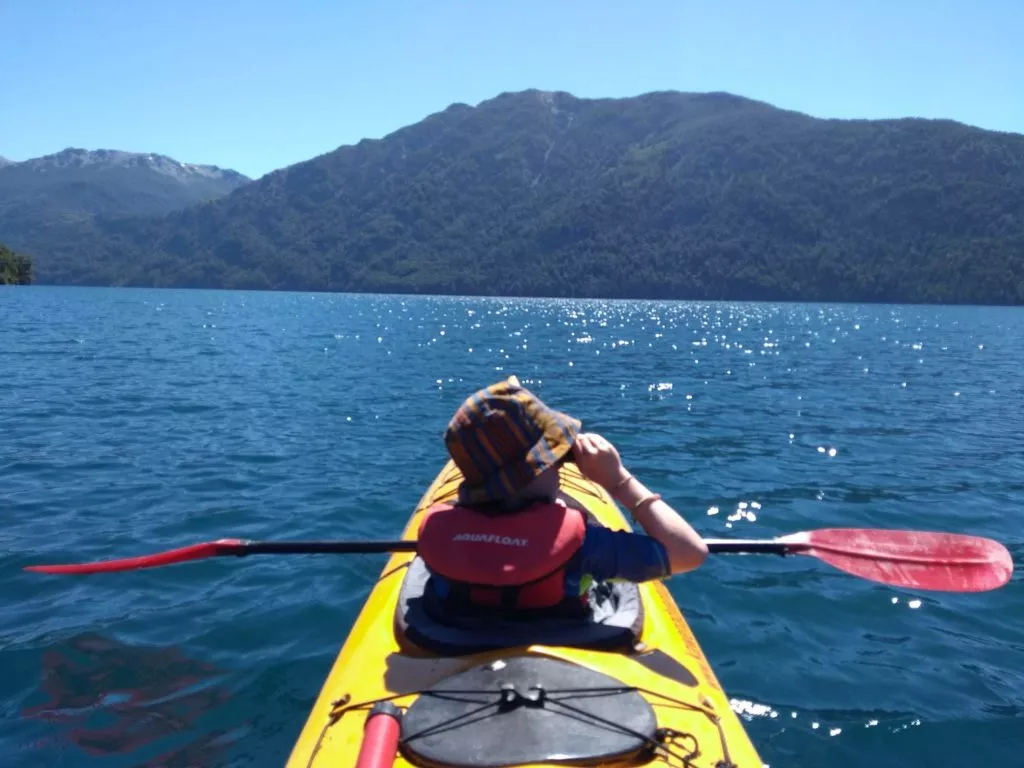
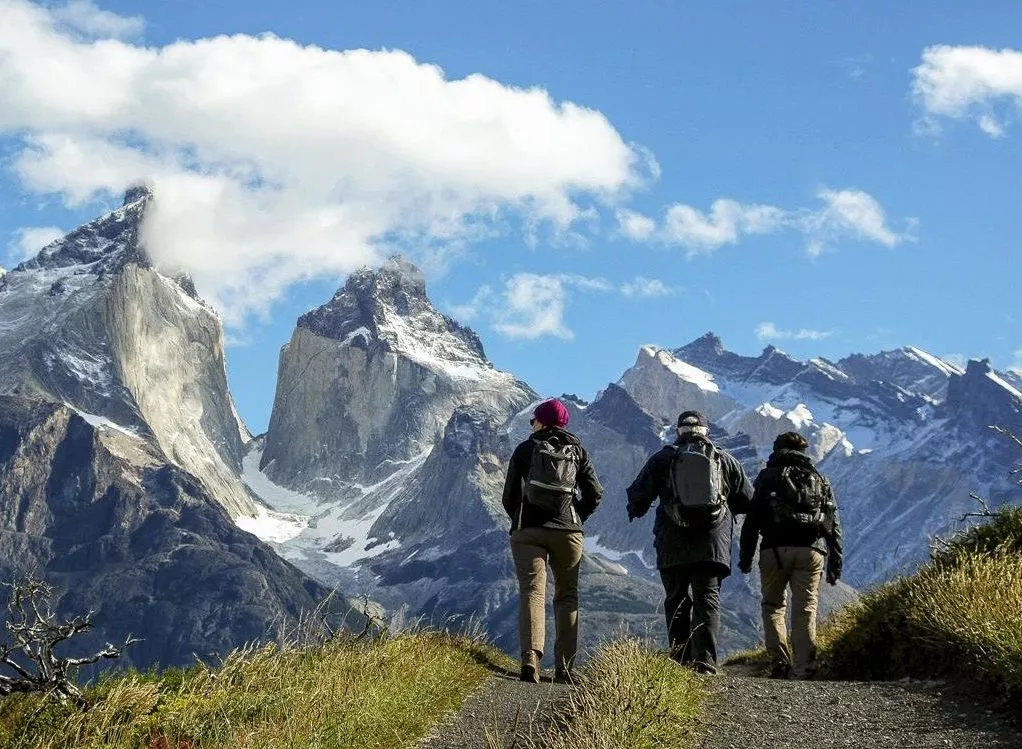
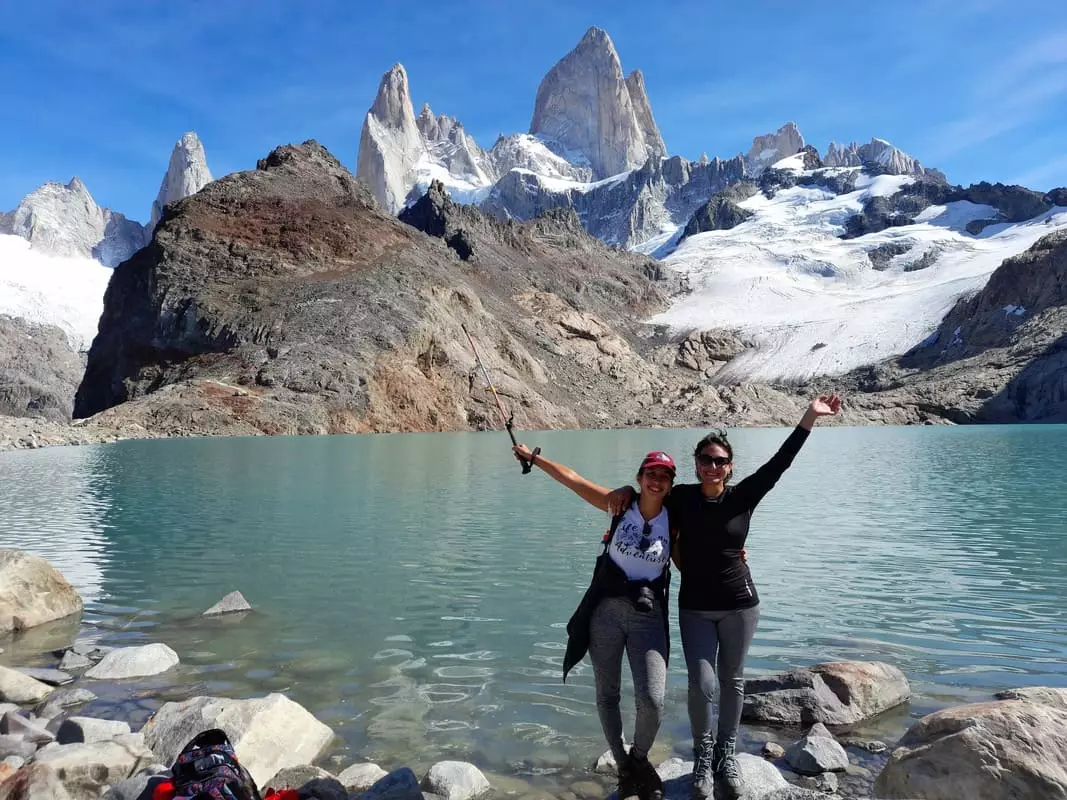
El Calafate’s glaciers and Bariloche’s lakes suit families better than a hard trek — the pace is the whole game.
5. FAQs About The Best Companies for a Family Trip to Patagonia
There’s no single best company — only the best for your family. For Patagonia itself, with its weather that cancels plans and its need for careful pacing across both the Argentine and Chilean sides, a regional specialist with its own teams on the ground, such as Say Hueque, offers the strongest support.
For a family trip staying within Argentina, a dedicated family specialist like Argentina Family Travel fits, while a family adding other countries may lean toward a continent-wide operator like South America Adventures.
The key is a company that paces the days for a range of ages and can produce a plan B when the weather turns.
There’s no single right age, but the experience shifts with it. Younger children do best with the gentle, high-impact sights — the Perito Moreno glacier, boat rides, wildlife — and plenty of downtime, while older children and teenagers can take on longer walks and even parts of a trek.
Families with a wide age range are the norm, and the trick is a route that gives everyone something rather than pitching the whole trip at one age.
A good company designs around your children specifically, which is more important here than any general age guideline.
The family window is roughly October to April, with the summer months of December to February bringing the warmest weather, the longest days and the fullest range of activities — ideal when children are out of school.
The shoulder months of November and March are quieter and often calmer, which some families prefer for the smaller crowds.
Outside that season many services close and the weather turns harsh, so a good company will steer a family toward the dates that actually work and secure the family-friendly lodging early.
It’s a rewarding family destination when the trip is chosen well. Glaciers reachable on easy walkways, boat rides past icebergs, wildlife on the steppe and open horizons genuinely engage children, and much of it needs no hard hiking.
The caveat is pacing and distances: Patagonia is vast, the weather is changeable, and a trip pitched at adult trekkers will exhaust younger children.
Chosen for their ages — easy glacier walks over multi-day treks, private transfers over long public journeys — the region works beautifully, which is why the company’s design matters.
Ten days to two weeks suits most families. That allows two regions — commonly El Calafate for the glaciers and Bariloche for the lakes, or a stretch into Torres del Paine for older children — without long, tiring travel days stacked together.
A shorter trip of about a week can focus on a single region, which reduces the internal flights and the strain on younger children.
Because Patagonia’s distances are large, a good company protects the family by pacing the route and using private transfers rather than cramming in destinations.