- 1. Discovering Chile’s Diversity Through a Structured Itinerary
- 2. Patagonia in Chile: Why Guided Tours Make a Difference
- 3. Multi-Country Patagonia: Expanding Beyond Borders
- 4. The Atacama Desert: Remote Landscapes with Expert Interpretation
- 5. Santiago & Valparaíso: Culture, Wine, and Urban Energy
- 6. What Makes Chile Guided Tours Recommended by Experienced Travelers?
- 7. Frequently Asked Questions
Chile stretches over 2,600 miles from north to south. It is a country of extremes — desert, glaciers, fjords, volcanoes, vineyards, and coastal cities — all connected by dramatic geography.
Because of this scale and diversity, many travelers quickly realize that independent travel only scratches the surface. The real depth of the country often emerges when exploring Chile with a tour designed around logistics, regional expertise, and seasonal timing.
If you’re searching for chile guided tours recommended by experienced planners, the answer depends on how you want to experience the country: active trekking, cultural immersion, or multi-region exploration.
Here’s how to approach it.
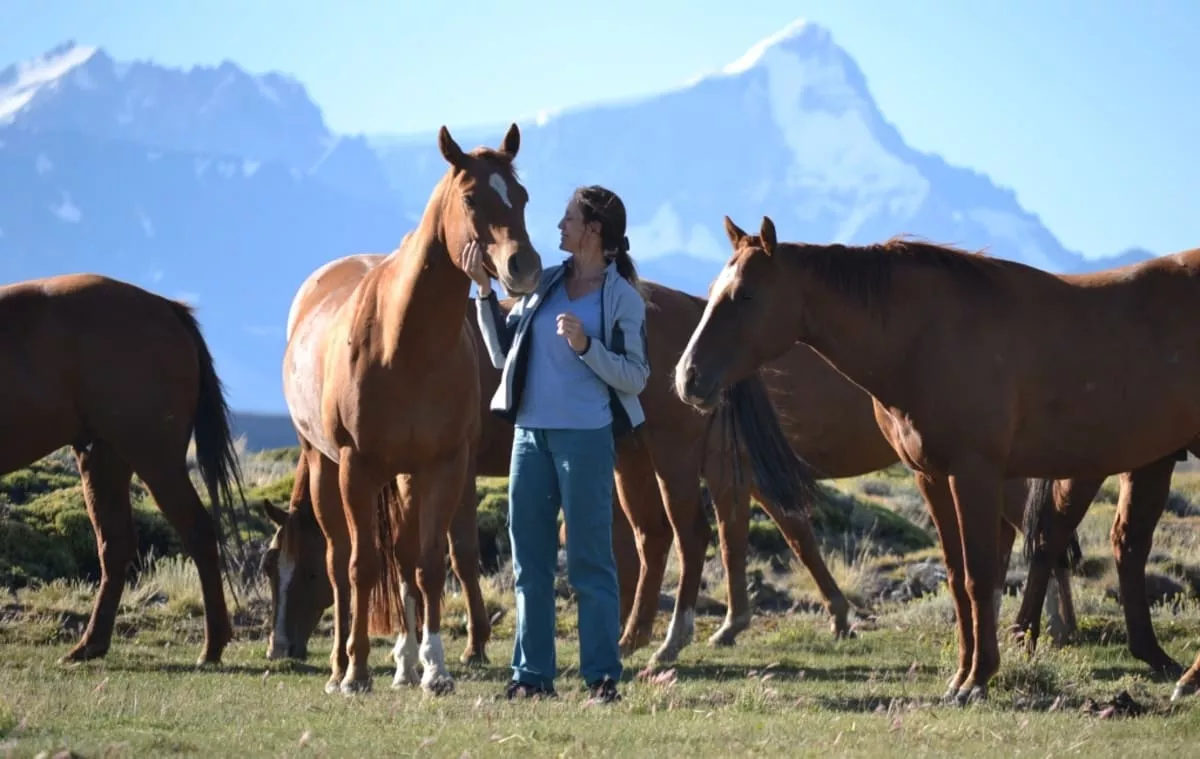
1. Discovering Chile’s Diversity Through a Structured Itinerary
One of the best ways to explore Chile with a tour is to think beyond a single region.
Chile is not just Patagonia. It’s also:
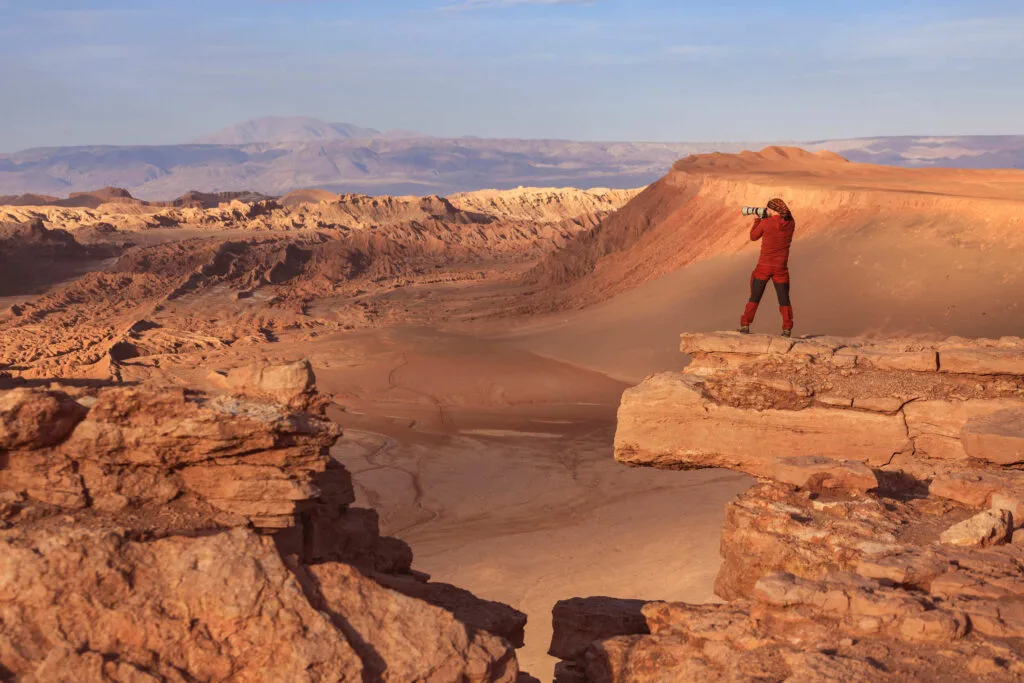
- The Atacama Desert in the north.
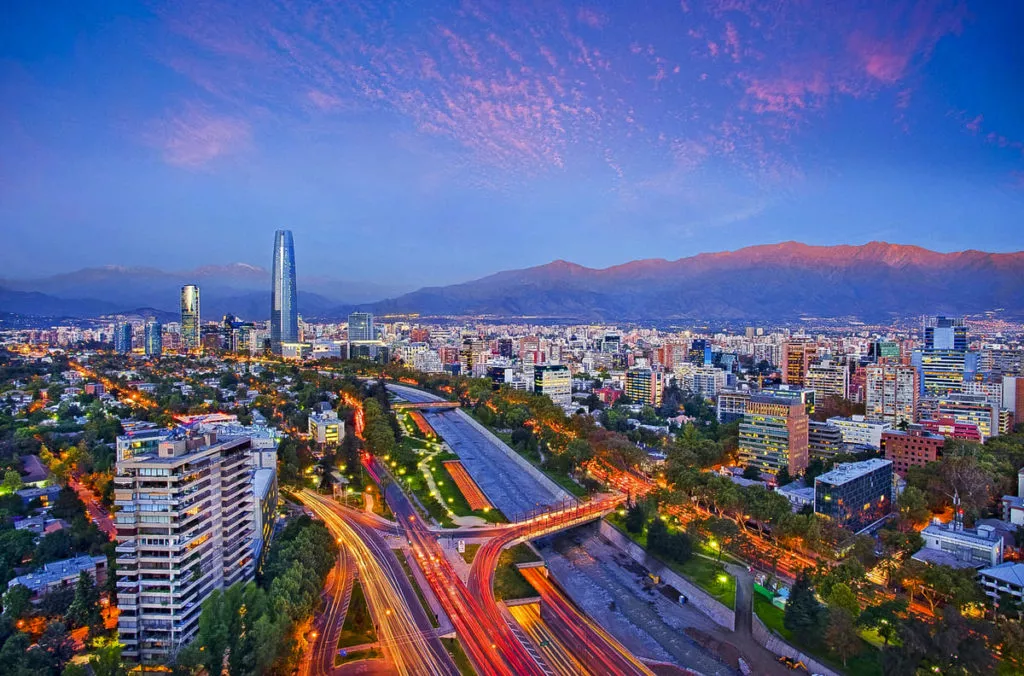
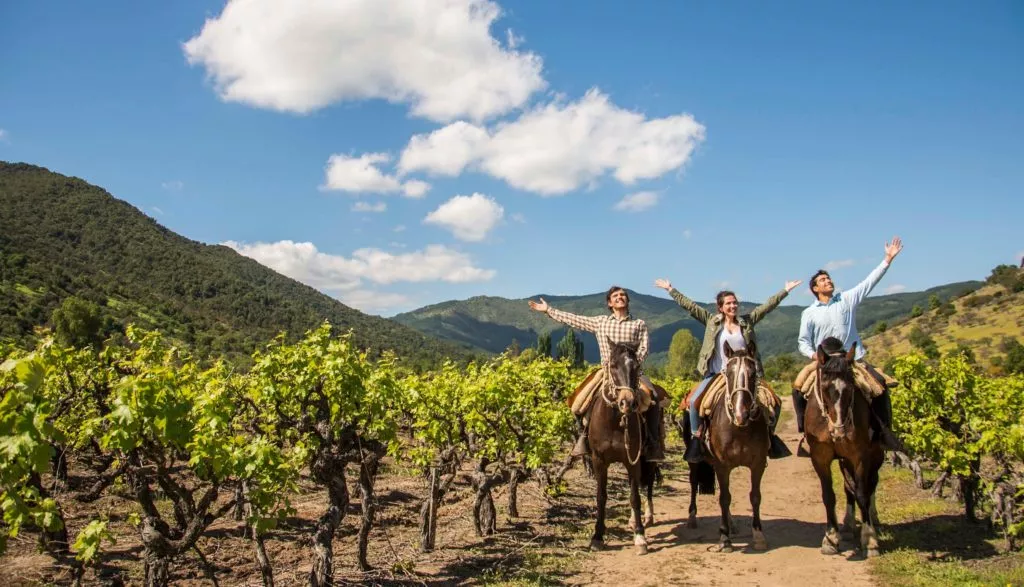
- The wine valleys near Santiago.
- The colorful port city of Valparaíso.
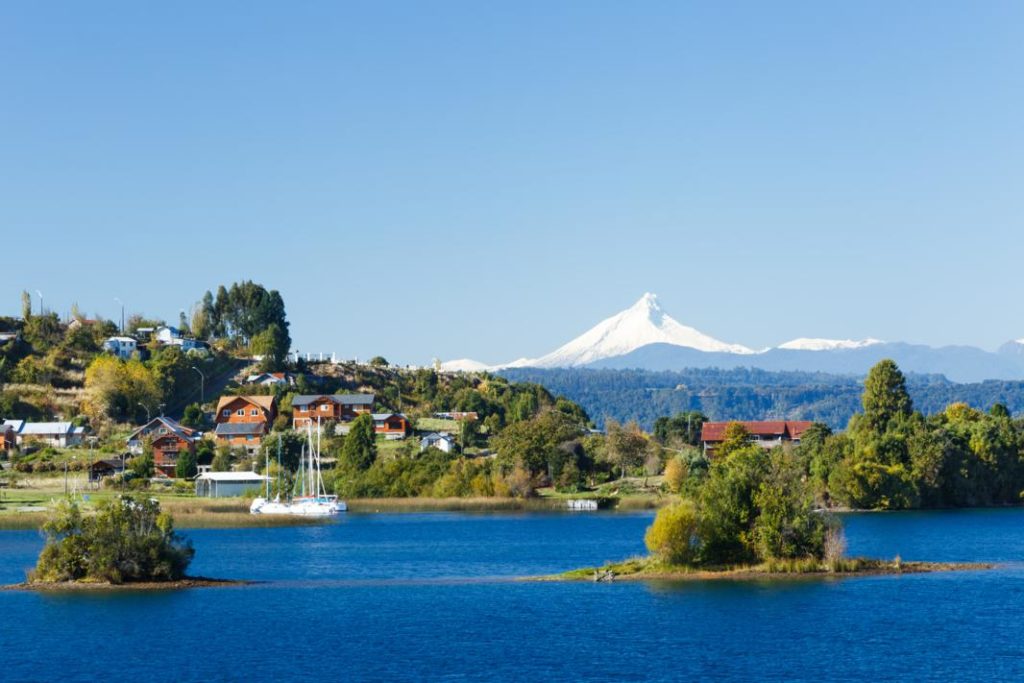
- The Lake District with volcanoes and forests.
For travelers who want a comprehensive overview, a route such as the Best itinerary to discover Chile connects Santiago, the Atacama Desert, and southern Patagonia into a coherent journey.
What makes this approach effective is sequencing. You move from desert stillness to glacial drama without unnecessary backtracking. Flights and transfers are optimized. The pacing respects geography.
For first-time visitors, this style of structured program is often among the most recommended Chile guided tours because it balances variety with realism.

2. Patagonia in Chile: Why Guided Tours Make a Difference
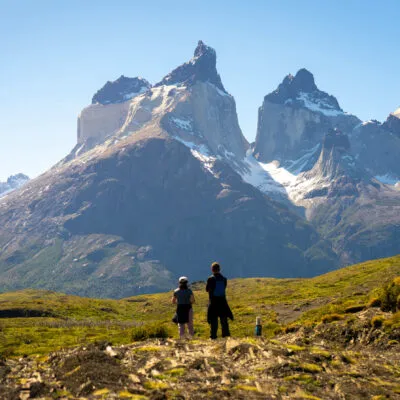
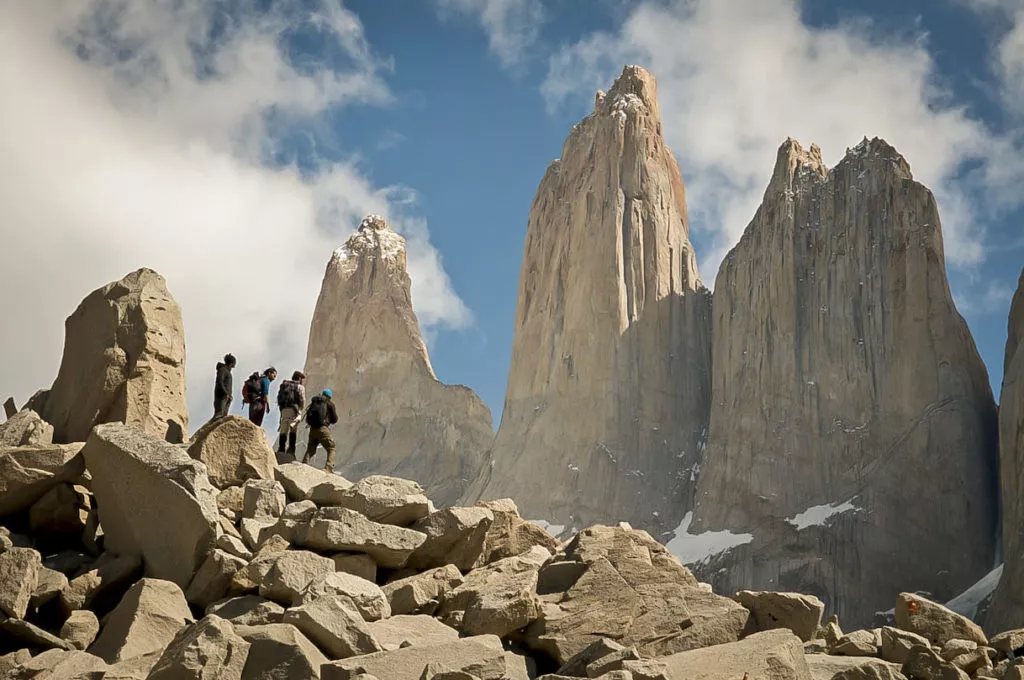
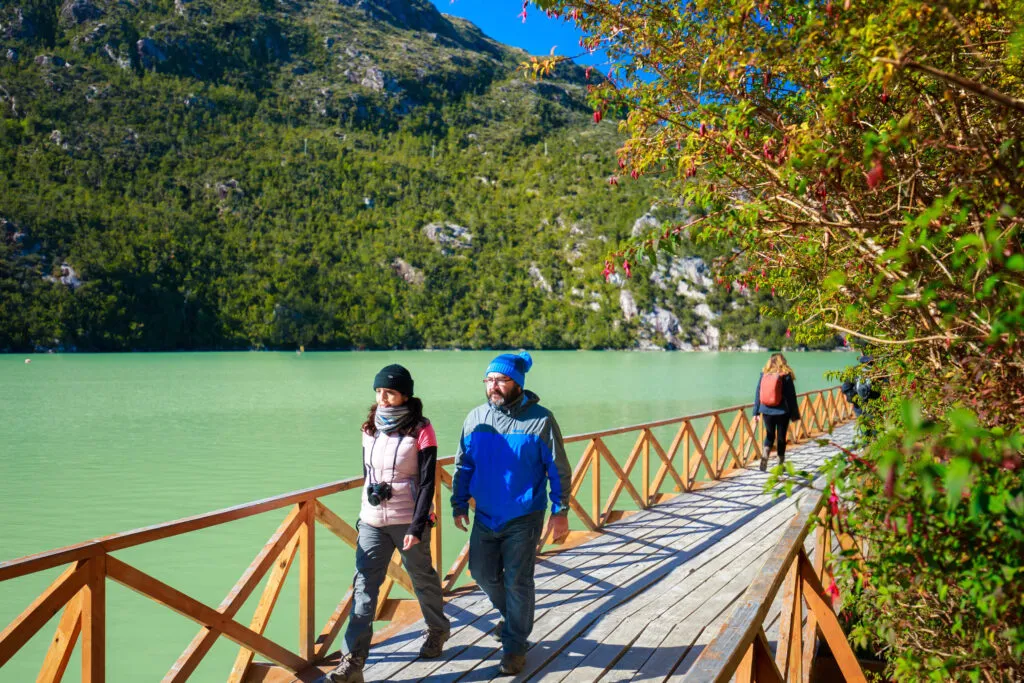
If your primary goal is Torres del Paine National Park, guided travel becomes even more valuable.
Patagonia’s weather can shift rapidly. Trails require navigation. Accommodations inside the park are limited and must be secured in advance. Transportation logistics between Puerto Natales and the park require coordination.
Active travelers often choose experiences like the Trekking Torres del Paine W Circuit, which provides:
- Structured hiking routes.
- Reserved refugios or lodges.
- Clear daily pacing.
- Professional support.
Exploring Chile with a tour in Patagonia ensures you focus on landscapes rather than logistics. Early departures, weather adjustments, and permit coordination are handled professionally.
For those seeking dramatic scenery without operational stress, Patagonia consistently ranks among the top chile guided tours recommended by experienced travelers.
3. Multi-Country Patagonia: Expanding Beyond Borders
Chile’s southern landscapes connect seamlessly with Argentine Patagonia.
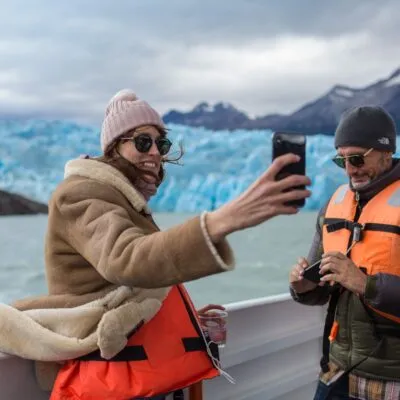
Many travelers find that combining Torres del Paine with El Calafate and El Chaltén creates a more complete Patagonian perspective. Programs like Travel Argentine & Chilean Patagonia illustrate how cross-border planning enhances the experience.
Why combine both?
- Argentina offers accessible glacier experiences.
- Chile offers dramatic vertical granite towers.
- The Andes become a unifying feature rather than a dividing line.
When exploring Chile with a tour that integrates Argentina, logistics become more complex — border crossings, transfer coordination, and timing between regions. Guided planning eliminates friction and creates continuity.
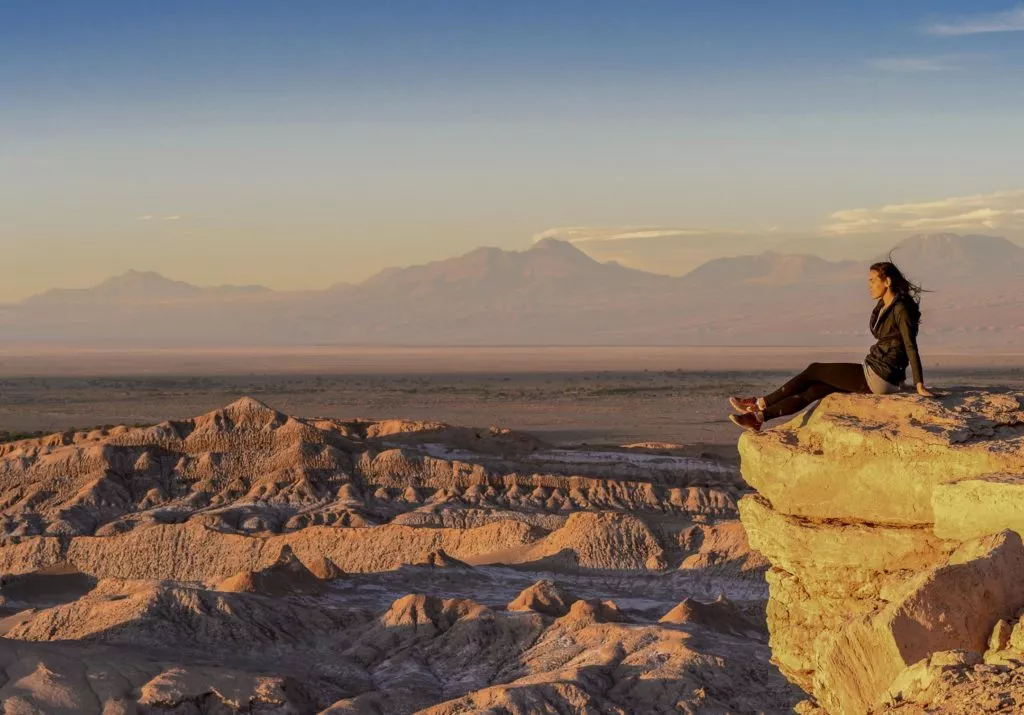
4. The Atacama Desert: Remote Landscapes with Expert Interpretation
Northern Chile presents a completely different environment.
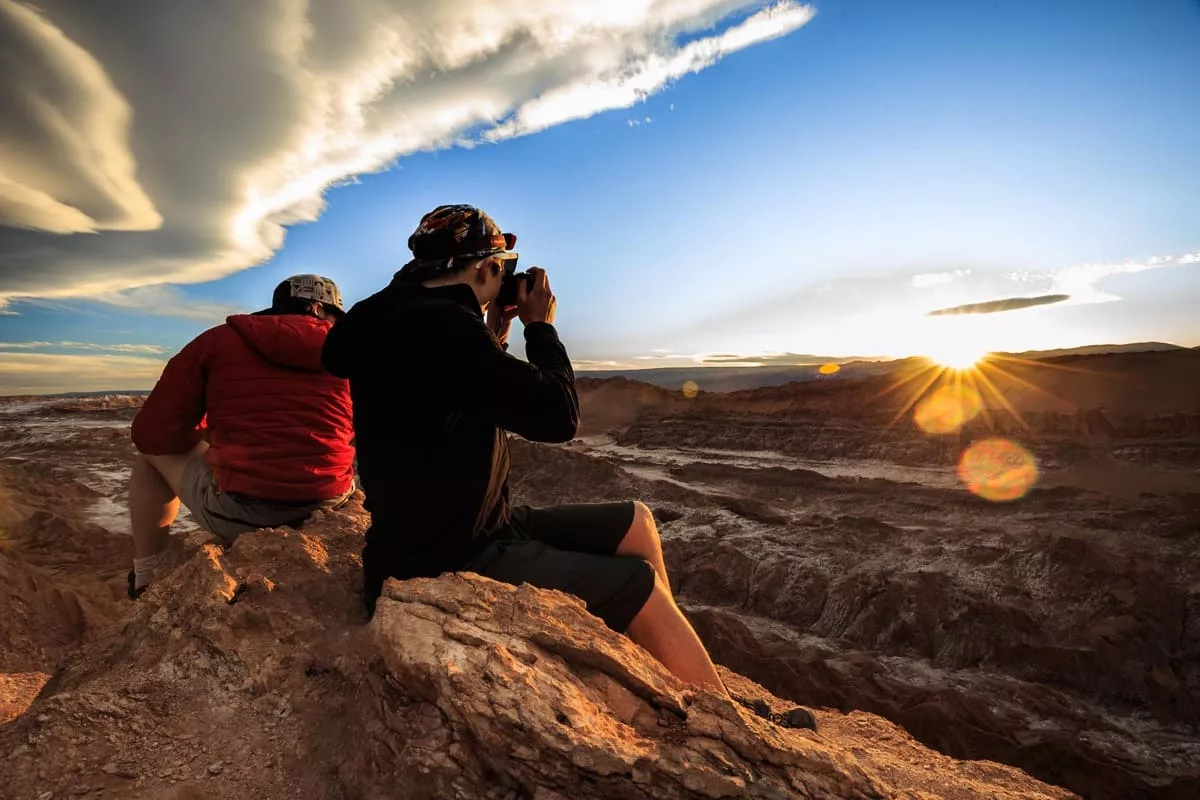
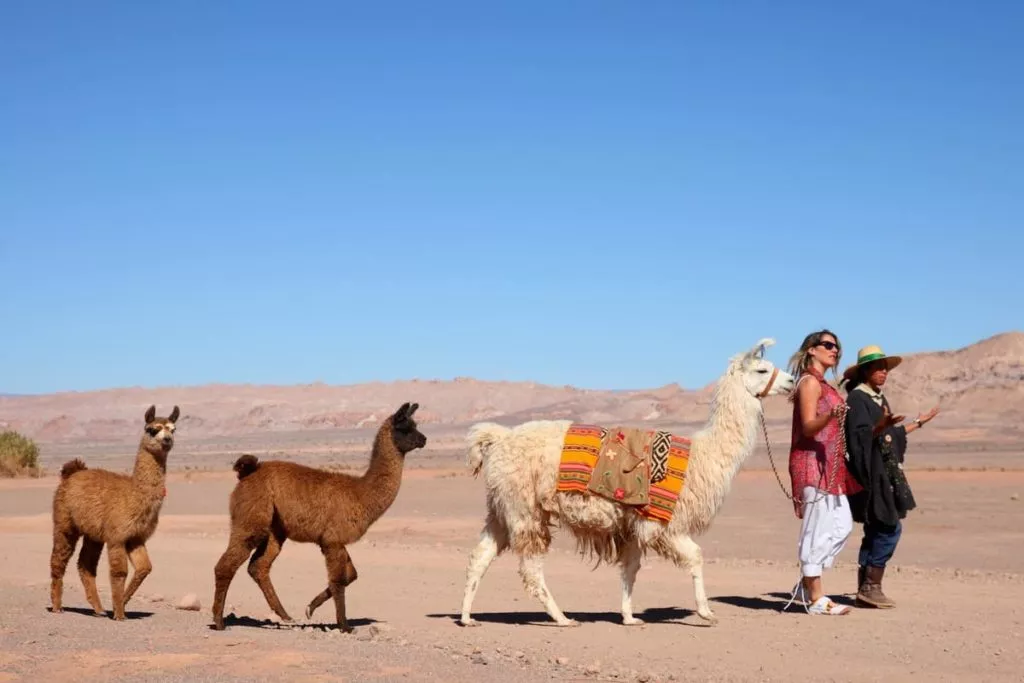
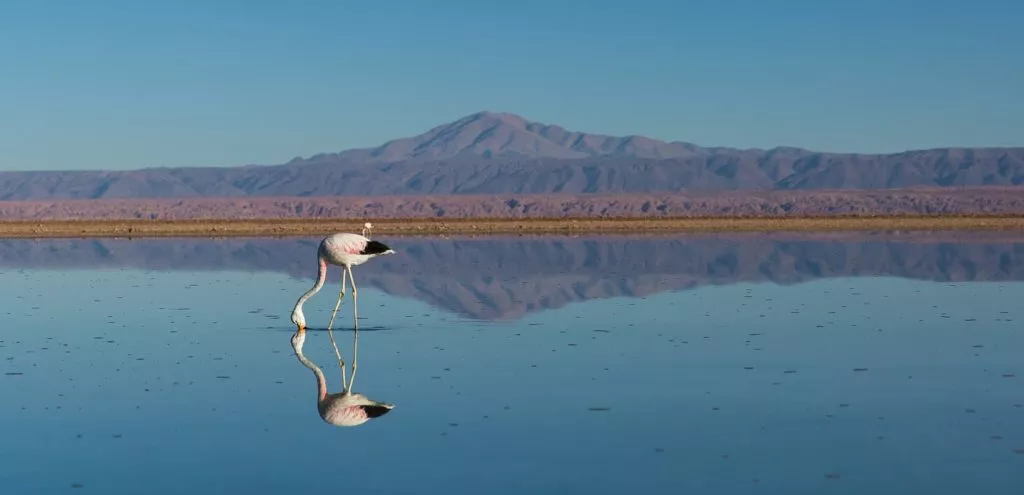
The Atacama Desert is one of the driest places on Earth. It offers:
- Salt flats.
- Geyser fields.
- High-altitude lagoons.
- Astronomical observatories.
Because of altitude, remote access, and environmental sensitivity, guided exploration enhances safety and depth of understanding.
Professional guides provide geological and cultural context that transforms scenic stops into layered experiences.
For travelers who value interpretation as much as scenery, Atacama is a strong candidate among chile guided tours recommended for immersive learning.
5. Santiago & Valparaíso: Culture, Wine, and Urban Energy
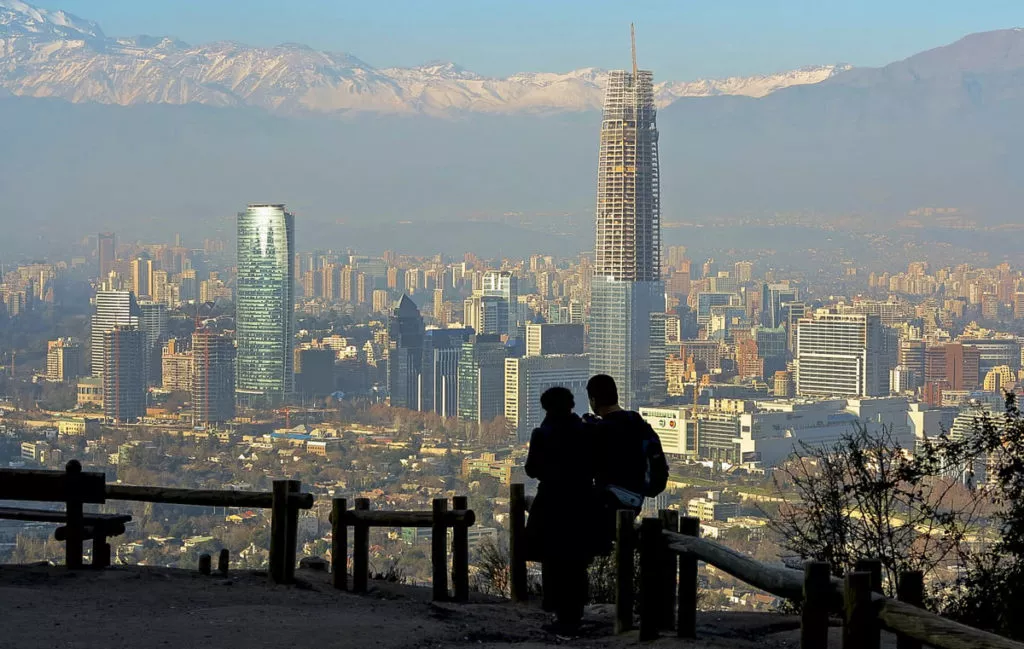
Chile’s capital and nearby coastal regions offer a softer entry into the country.
Guided city exploration can include:
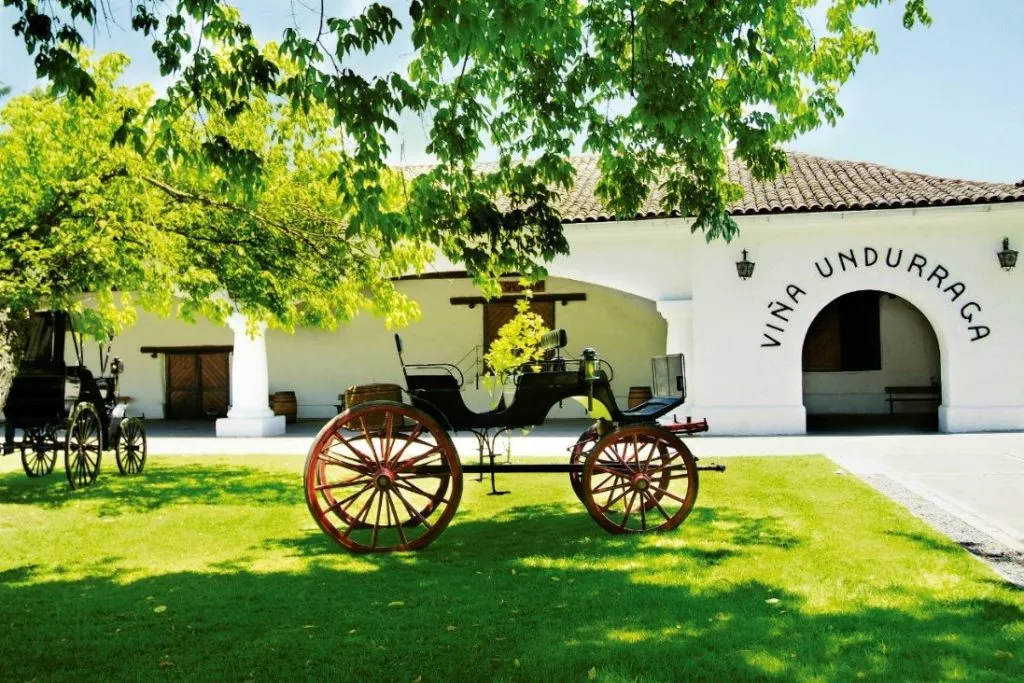
- Private wine tastings in Casablanca Valley.
- Architectural walks through Santiago.
- Street art tours in Valparaíso.
- Culinary experiences rooted in regional traditions.
Exploring Chile with a tour at the beginning of your journey often provides helpful orientation before heading to remote regions.
It also balances physically demanding segments like Patagonia trekking with cultural immersion.
6. What Makes Chile Guided Tours Recommended by Experienced Travelers?
Not all guided tours are equal.
The most highly recommended Chile guided tours share certain characteristics:
- Logical geographic sequencing.
- Experienced local guides.
- Seasonal awareness.
- Flexible pacing.
- Strong coordination between regions.
Chile’s elongated geography means small inefficiencies quickly multiply. Experienced planners minimize those inefficiencies, allowing travelers to focus on experience rather than movement.
The difference often lies in subtle details — departure timing, accommodation placement, and route design.
7. Frequently Asked Questions
What are the best ways to explore Chile with a tour?
The best way to explore Chile with a tour is to choose a program structured around regional clusters — for example, combining Santiago, Atacama, and Patagonia in logical sequence.
In Patagonia specifically, guided trekking programs enhance safety and logistics.
Are guided tours necessary in Chile?
Guided tours are not mandatory, but in remote regions like Torres del Paine and the Atacama Desert, professional coordination significantly improves the experience.
For urban regions like Santiago, independent exploration is easier, though guided experiences add cultural depth.
How many days do you need for a Chile guided tour?
For a single region (Patagonia or Atacama), 5–7 days is sufficient.
For a multi-region itinerary covering north and south, 10–14 days is recommended.
Can I combine Chile and Argentina in one tour?
Yes. Many programs integrate Chilean Patagonia with Argentine Patagonia, creating a seamless cross-border journey.
Proper planning ensures smooth border transitions and balanced pacing.
When is the best time for Chile guided tours?
- Patagonia: October–April.
- Atacama: Year-round, though spring and fall offer mild temperatures.
- Santiago & wine regions: Year-round.
Seasonal timing influences landscape conditions and activity availability.