If October is the season clearing its throat, November is Patagonia finding its voice. The spring has settled into something steadier, the days stretch longer with each week, and the trails that were only half-awake a month ago are now firmly open. Yet the great wave of summer travelers has not arrived. For many, this is the sweet spot.
November belongs to the early high season, and it strikes a balance that is hard to find at any other time of year. The conditions have improved markedly since the start of spring, more routes and services are running, and the landscape is at its freshest — green, flowering, and busy with new life.
It is also, quietly, one of the smartest months to go. You get much of what makes the peak season great without the peak-season pressure on bookings, trails and prices. The experience feels generous rather than hurried.
This guide covers what hiking Patagonia in November actually looks like — the weather, the state of the trails, the crowd levels, and why this warming, uncrowded month is such a clever time to visit.
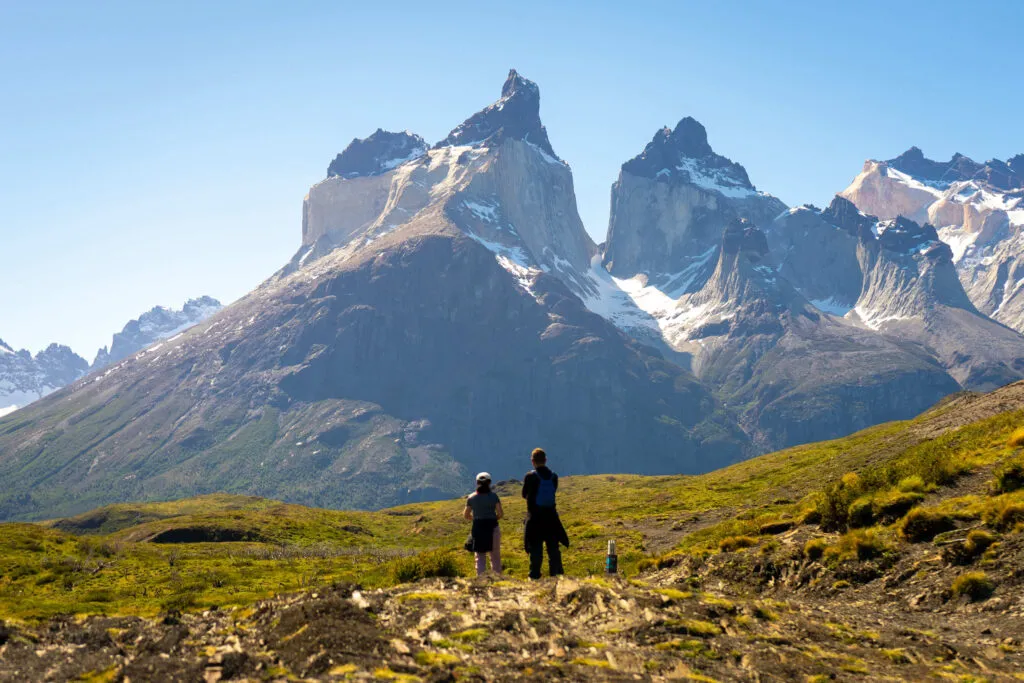
November is spring in full stride — more trails open, more daylight, and the crowds of summer still weeks away.
1. The Weather in Patagonia in November
November weather is a clear step up from early spring. Daytime highs climb to around 14 to 17°C (57 to 63°F), nights are milder though still cool, and settled, sunny spells become more frequent and more reliable.
The catch, and it is the famous one, is wind. As the season warms, the Patagonian wind begins to build toward its summer strength, and exposed ridges and lake shores can be genuinely blustery. It is part of the character of the place rather than a flaw.
What makes Patagonia November weather so workable is the daylight. With around fifteen to sixteen hours of light, you have long, forgiving days to plan around the wind and the occasional shower, choosing the calmer morning hours for the most exposed sections.
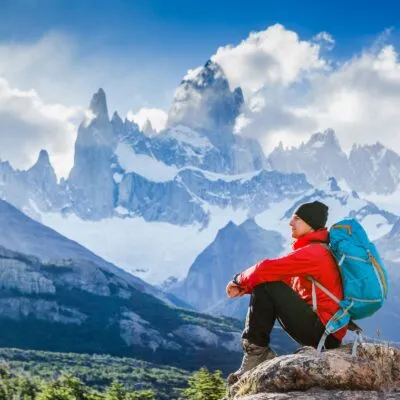
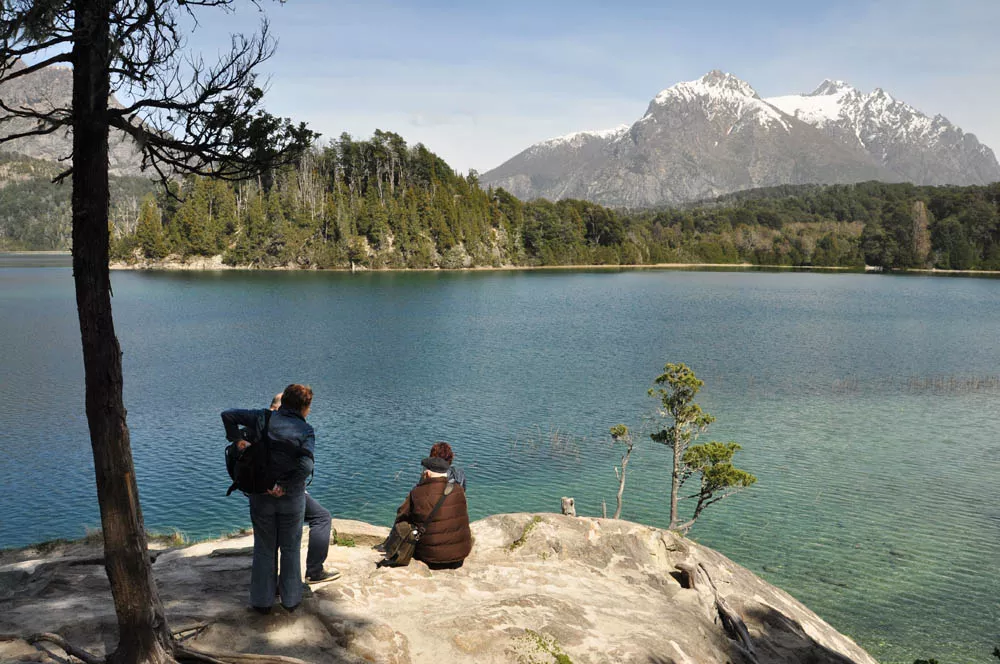
Snow lingers on the high peaks, keeping the scenery dramatic, while the valleys and lower trails are green and dry enough for comfortable walking. It is a flattering month for both the hiker and the camera.
Now you can choose your type of trip:
Type of trip


2. Trail Conditions and What’s Open
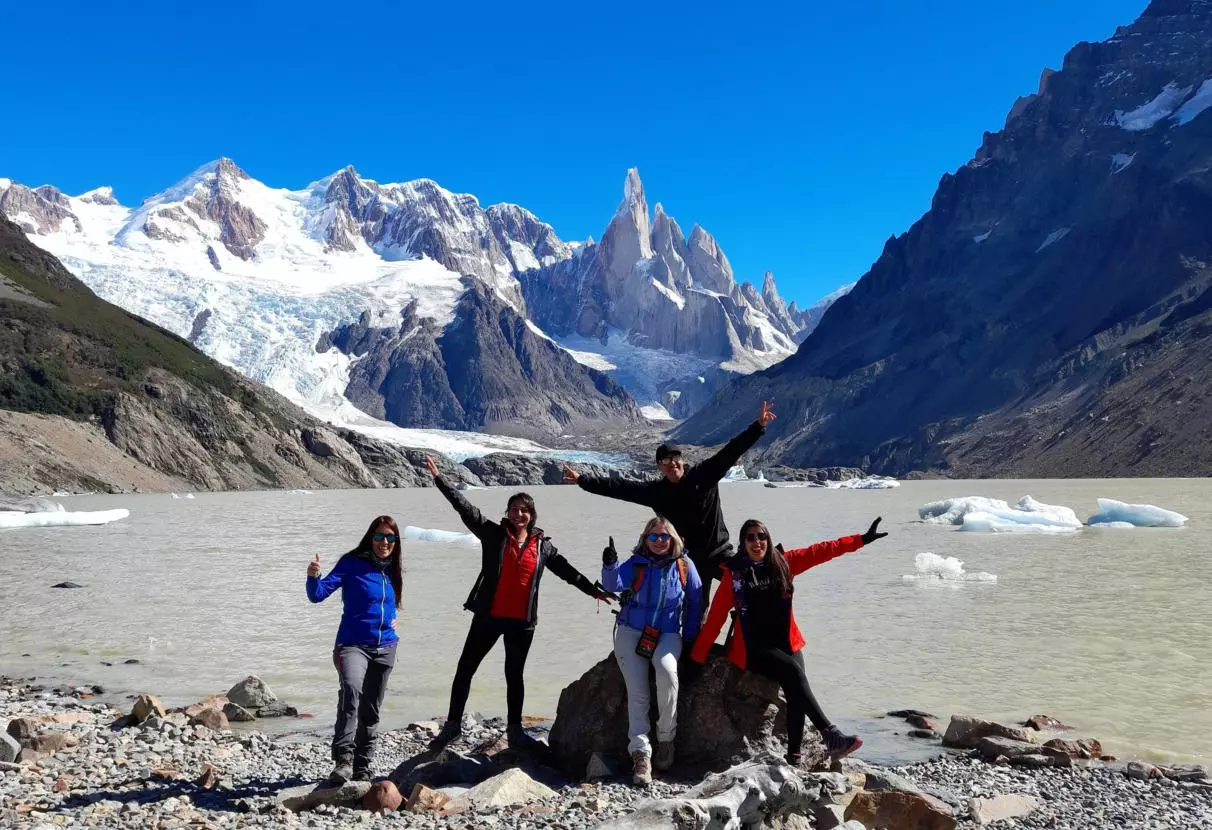
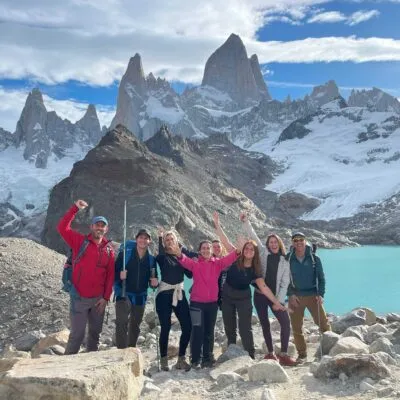
By November the great majority of the classic trails are open and in good shape. The day hikes around El Chaltén to Fitz Roy and Cerro Torre are reliably walkable, and in Torres del Paine the full W route is generally accessible to trekkers.
The longer and higher routes continue to firm up through the month. The O circuit in Torres del Paine typically opens for the season around now, and the high passes that may have held snow in October are increasingly clear, though late snow is never impossible.
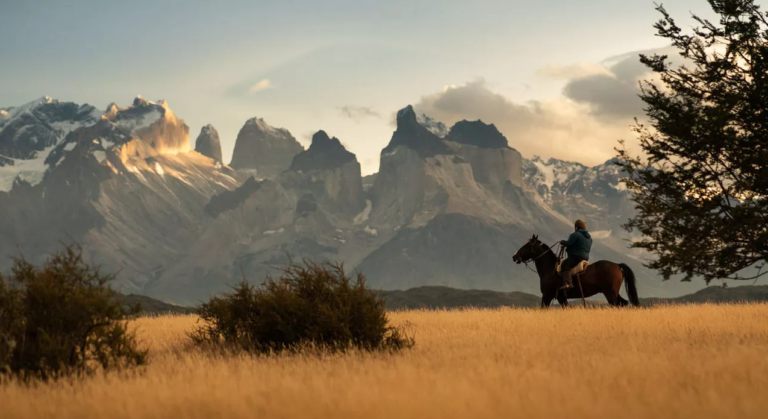
Torres del Paine in November is a particular highlight: the park is in excellent condition and far calmer than it will be at Christmas. The W route, the base of the towers and the Grey Glacier sector are all firmly in play.
As always, the exact state of the highest terrain varies year to year, which is why our hiking tours in Patagonia are shaped around current conditions rather than a rigid itinerary, making the most of a month when almost everything is open.
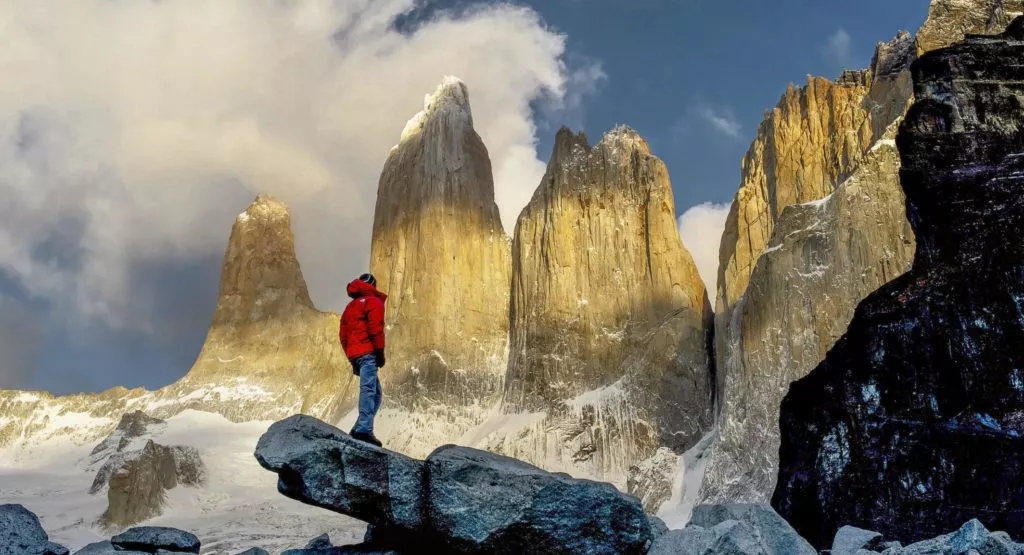
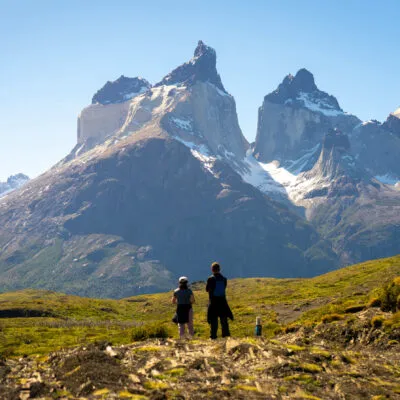
By November the base of the towers and most of the W route are reliably open to trekkers.
3. Crowds, Prices and Wildlife
November’s great advantage is timing. The trails and refuges are running well, but the summer crowds are still weeks away, so the famous viewpoints feel spacious and the booking pressure is far gentler than in December and January.
Prices and availability follow suit. It is considerably easier to secure the lodges, guides and refuge spots you want, and costs generally sit below the deep-summer peak. For travelers who want peak-season quality at a calmer pace, that is a compelling combination.
There is a seasonal bonus, too: wildlife. Spring is calving season on the steppe, so guanacos with their young are a common sight, the birdlife is active and vocal, and the chance of spotting a puma in Torres del Paine is at its best in the shoulder months.
The flora joins in. November brings wildflowers across the steppe and the valleys, including the vivid orange of the native firebush, giving the landscape a freshness that the drier height of summer slowly fades.
4. Where to Go in Patagonia in November
El Chaltén is at its best in November. The trekking town is lively but not crowded, and its full menu of day hikes is open, making it the natural heart of an Argentine Patagonia trip. Our guide to the best tours and activities for El Chaltén travelers is the ideal place to start planning your days there.
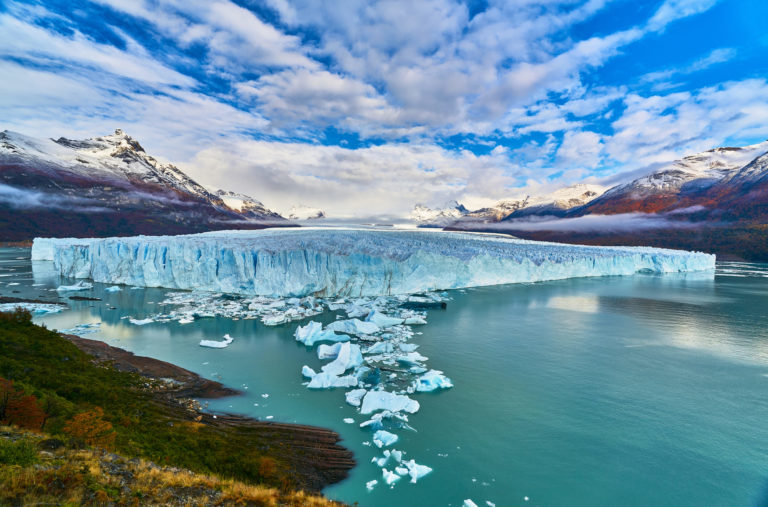
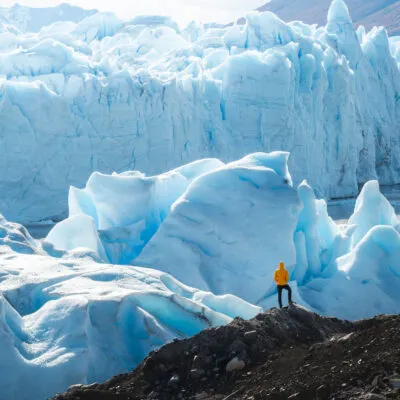
El Calafate and the Perito Moreno glacier remain a reliable anchor, and with longer days you can comfortably pair the glacier with trekking without feeling rushed. The spring steppe around the town is especially green this month.
On the Chilean side, Torres del Paine is in prime early-season form, and November is a fine month to commit to the W route while the park is still relatively quiet. The long daylight makes combining both countries especially rewarding.
Because so much is open and the days are long, November is one of the easiest months to build a well-rounded trip. Our broader Patagonia tours make the most of that range, linking the Argentine and Chilean highlights at an unhurried pace.
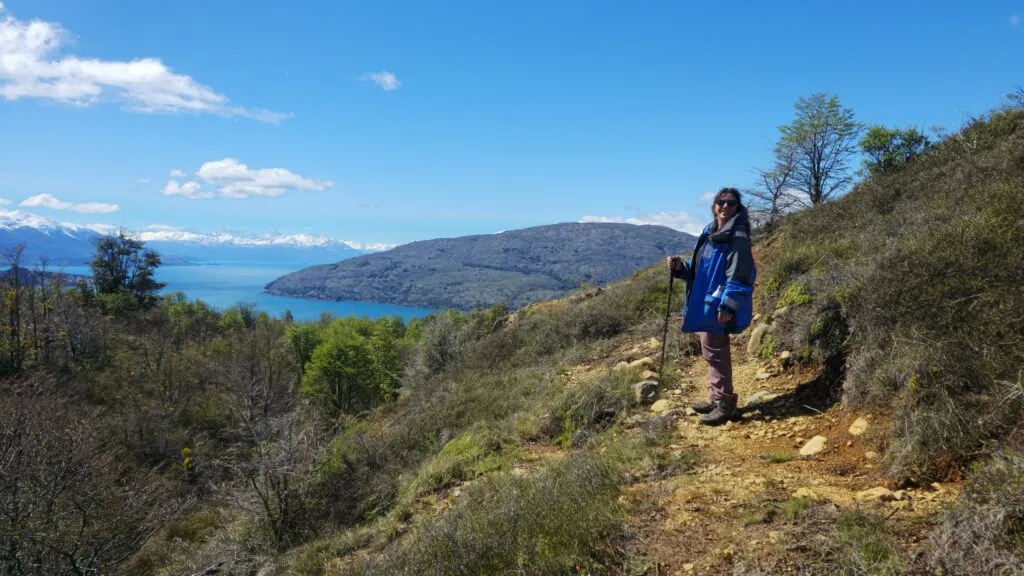
With long days and open trails, November is ideal for combining Argentine and Chilean Patagonia.
Who November Suits Best
November is for the traveler who wants the best of both worlds: reliable, improving weather and fully open trails, without the crowds and premium prices of the peak. If that balance appeals, this is arguably the shrewdest month of the season.
It is especially rewarding for wildlife lovers and photographers, thanks to the calving season, the active birdlife, the wildflowers and the fresh green of spring. Hikers keen on the full W or O routes will find the park open and uncrowded.
Who might look elsewhere? Travelers who specifically want the longest possible days and the very warmest temperatures may prefer December through February, and those chasing autumn colors will want March. For most hikers, though, November is hard to fault.
November in Patagonia at a Glance
| What to expect | In November |
| Season | Early high season |
| Daytime temperatures | Roughly 14–17°C (57–63°F) |
| Daylight | Very long — around 15–16 hours |
| Wind | Building toward summer strength |
| Crowds | Still low to moderate |
| Trails | Most open, including the W; O circuit opening |
| Best for | Balance seekers, wildlife, value, full trekking |
5. FAQs About Hiking in Patagonia in November: Weather, Trails and Crowds
November is one of the best times to hike in Patagonia. The weather has improved markedly from early spring, the days are very long, and almost all the classic trails are open, including the full W route in Torres del Paine.
Crucially, the summer crowds have not yet arrived, so you get peak-season trail conditions with far more space, easier bookings and lower prices than in December and January.
Add the spring wildlife and wildflowers, and November becomes a genuinely smart choice. It suits hikers who want fully open routes and reliable conditions without the pressure and premium of the high-summer peak.
Yes. Torres del Paine in November is in excellent early-season condition and far quieter than at the summer peak. The full W route, the base of the towers and the Grey Glacier sector are generally all accessible.
The longer O circuit typically opens for the season around November, and the high passes that may have held snow earlier are increasingly clear, though late snow is never entirely ruled out.
The park is green, the wildlife is active, and puma sightings are at their most likely in the shoulder season. For trekkers who want the classic routes open without the Christmas crowds, Torres del Paine in November is a standout choice.
Pack for changeable spring conditions with a strong emphasis on wind protection. The core kit is warm, breathable layers, a reliable waterproof and windproof jacket, a warm hat and gloves, and sturdy, broken-in hiking boots.
Even as temperatures climb, mornings and exposed sections can be cold and blustery, so bring a warm mid-layer and always carry rain gear. Strong sun protection — sunglasses, hat and sunscreen — is important, as the southern sun is intense.
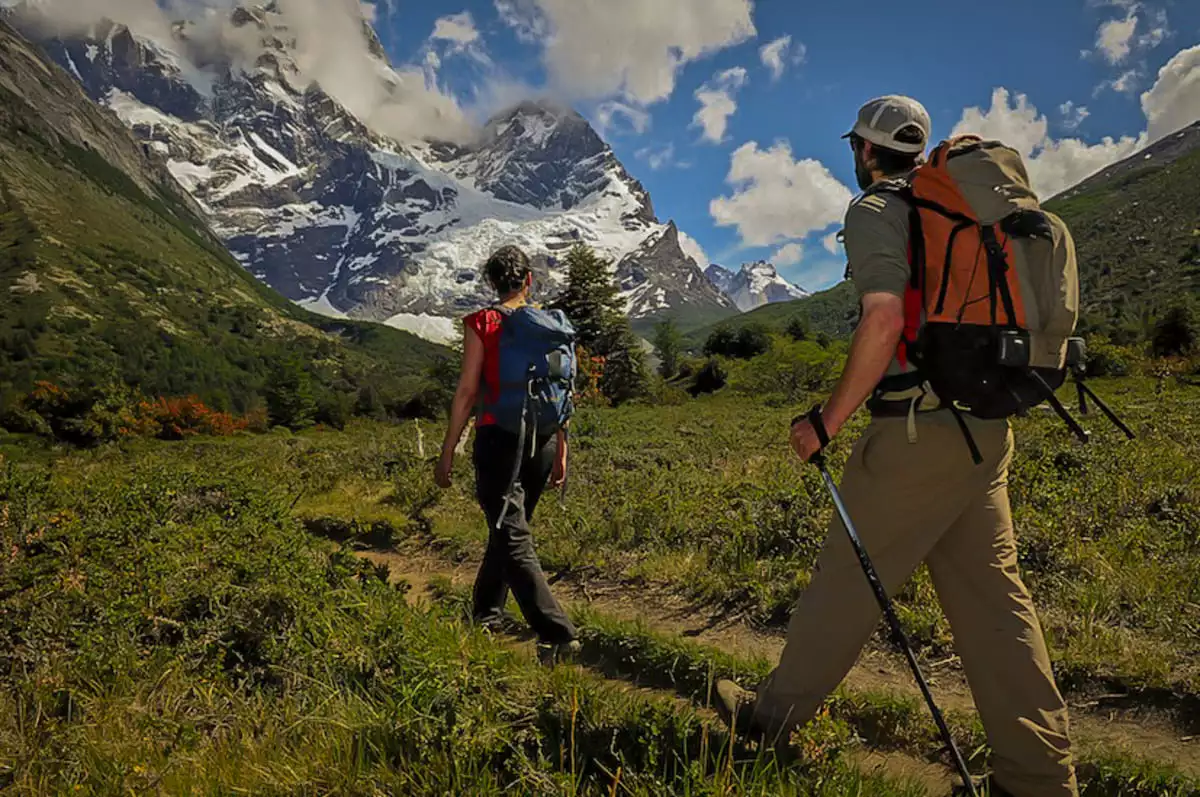
Trekking poles help on uneven and occasionally muddy terrain, and a light daypack for layers, water and snacks completes the setup. Flexibility to adjust clothing through the long day is the key to comfortable November hiking.
November brings warmer, more settled spring weather. Daytime highs reach around 14 to 17°C (57 to 63°F), nights are cool but milder than in October, and sunny spells are more frequent and dependable.
The main feature to plan around is wind, which builds toward its summer strength and can be strong on exposed ridges and lake shores. Passing showers are still possible, and the high peaks keep their snow.
With around fifteen to sixteen hours of daylight, you have long, flexible days to work around the wind and weather. Layers and a windproof shell remain essential for hiking Patagonia in November.
Not really, and that is part of the appeal. November falls in the early high season, so while the trails and services are running well, the large summer crowds of December through February have not yet arrived.
The famous viewpoints feel spacious, refuges and lodges are easier to book, and the overall pace is calmer. Prices also tend to sit below the deep-summer peak.
You will share the main trails with other hikers, of course, but nothing like the numbers of the high summer. For travelers who want open routes and good weather with room to breathe, November’s crowd levels are close to ideal.