- 1. Understanding Patagonia’s Geography Before You Build Your Route
- 2. Is a Patagonia Itinerary 10 Days Enough?
- 3. El Calafate: Glaciers as Your Introduction to Scale
- 4. El Chaltén: Movement and Mountain Energy
- 5. Torres del Paine: Patagonia at Its Most Dramatic
- 6. Should You Include Ushuaia on Your First Trip?
- 7. Why First-Time Travelers Benefit from Custom Planning
- 8. Frequently Asked Questions
Planning Patagonia for the first time is a paradox.
You want to see everything — glaciers, jagged peaks, turquoise lakes, penguins, maybe even the “End of the World.” But you also sense that this isn’t a place meant to be rushed.
The challenge isn’t choosing what’s beautiful. Almost everything is.
The real question is: how do you structure the best Patagonia itinerary so that your first experience feels immersive rather than exhausting?
For first-time travelers, Patagonia requires two things: geographic logic and realistic pacing. Without both, even the most stunning landscapes can start to feel fragmented.
Let’s break it down properly.

1. Understanding Patagonia’s Geography Before You Build Your Route
Patagonia spans across southern Argentina and Chile — a region larger than many European countries combined.
On the Argentine side, most first-time visitors focus on:
- El Calafate (gateway to Perito Moreno Glacier)
- El Chaltén (trekking capital near Mount Fitz Roy)
- Ushuaia (the southernmost city in the world)
On the Chilean side, the centerpiece is:
- Torres del Paine National Park, accessed from Puerto Natales.
What maps don’t show clearly is how much time is spent moving between these places.
For example:
- El Calafate to El Chaltén: ~3 hours by road.
- El Calafate to Torres del Paine: 5–6 hours including border crossing.
- Buenos Aires to El Calafate: 3-hour domestic flight.
- Ushuaia to El Calafate: flight required (no direct road access).
The best Patagonia itinerary doesn’t simply stack destinations — it respects these transitions.
For first-time travelers, trying to cover too many regions in too few days is the most common mistake. Patagonia feels bigger than it looks. Your itinerary should acknowledge that.

2. Is a Patagonia Itinerary 10 Days Enough?
A patagonia itinerary 10 days is one of the most searched structures for first-time travelers — and for good reason.
Ten days is often the maximum amount of vacation time travelers can allocate. The question isn’t whether it’s possible. It’s whether it’s smart.
With 10 days, you can realistically combine:
- 3 nights in El Calafate
- 3 nights in El Chaltén
- 3–4 nights in Torres del Paine
But only if:
- You avoid unnecessary backtracking.
- Border crossings are coordinated smoothly.
- Lodging availability is secured early.
- Transfers are timed realistically.
A structured route such as the Self Drive Classic Patagonia works well because it follows a geographic arc instead of jumping across the region.
However, if your schedule allows 12–13 days, the experience improves dramatically. Those extra days provide breathing room — and Patagonia is a place that benefits from space.
Ten days is efficient. Twelve days is balanced. Fourteen days begins to feel immersive.
3. El Calafate: Glaciers as Your Introduction to Scale
Starting your itinerary in El Calafate offers something psychologically important: immediate impact.
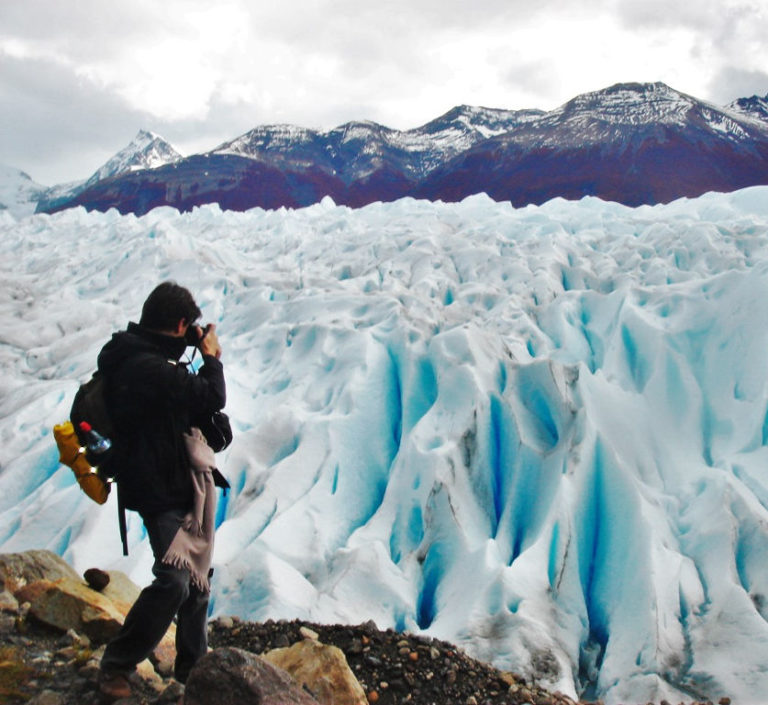
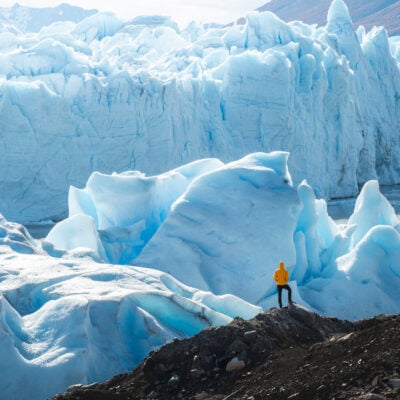
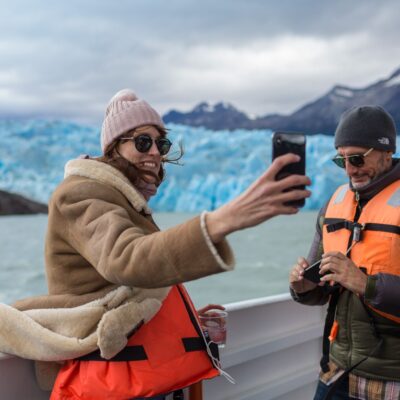
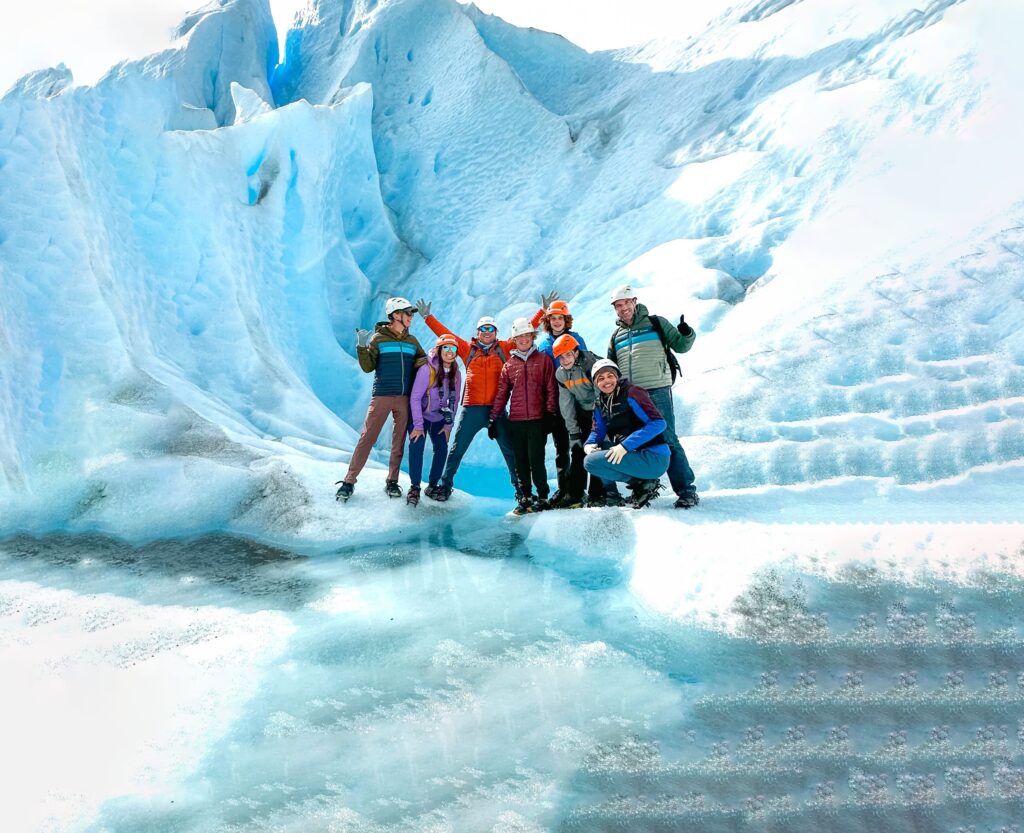
The Perito Moreno Glacier is not subtle. It cracks, shifts, and calves into Lake Argentino in real time. Boardwalks allow close viewing without strenuous hiking, making it an ideal first encounter with Patagonian landscapes.
But there’s more than just the glacier itself.
Boat excursions offer different angles. Ice trekking provides physical engagement. Estancia visits reveal rural Patagonian culture. Even simple lakeside walks begin to adjust your internal rhythm.
For first-time travelers, El Calafate provides a gentle but powerful introduction to what Patagonia is about: scale, silence, and movement shaped by nature.


4. El Chaltén: Movement and Mountain Energy
If El Calafate is about observation, El Chaltén is about participation.
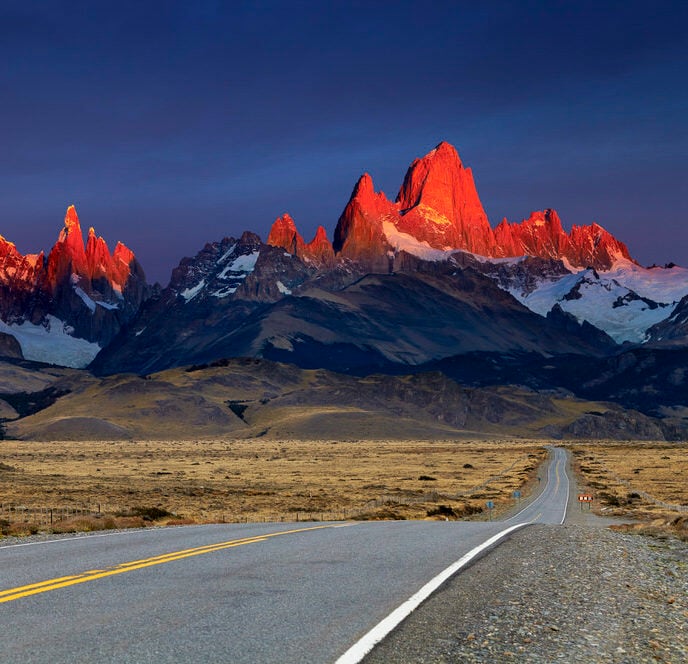
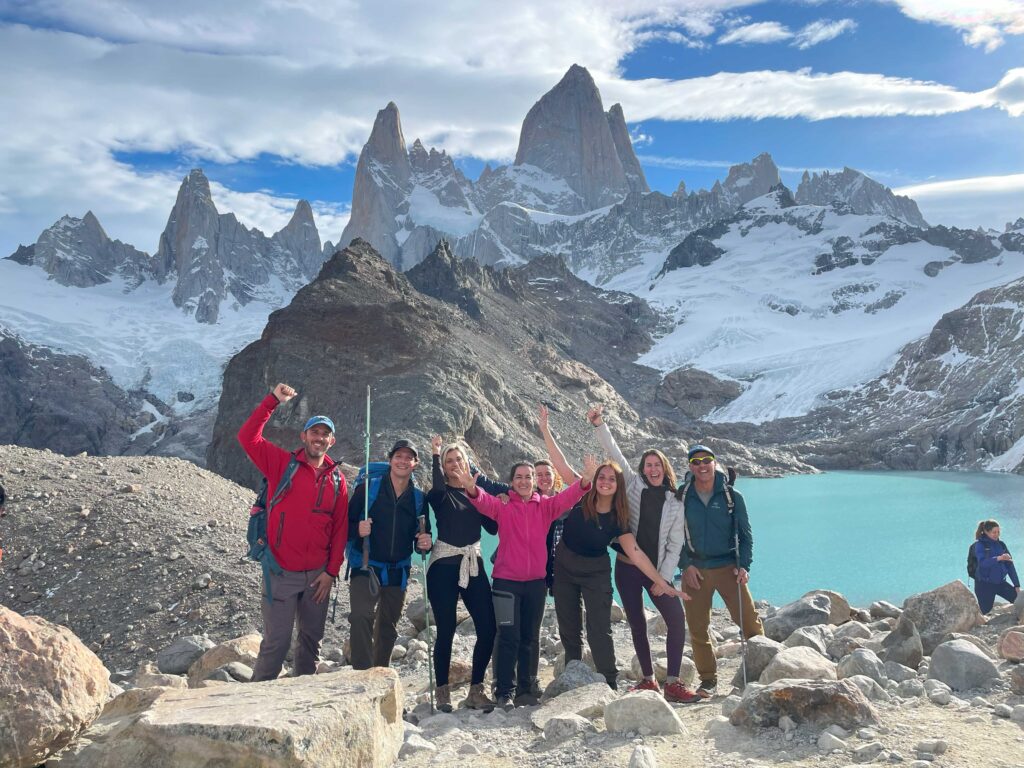
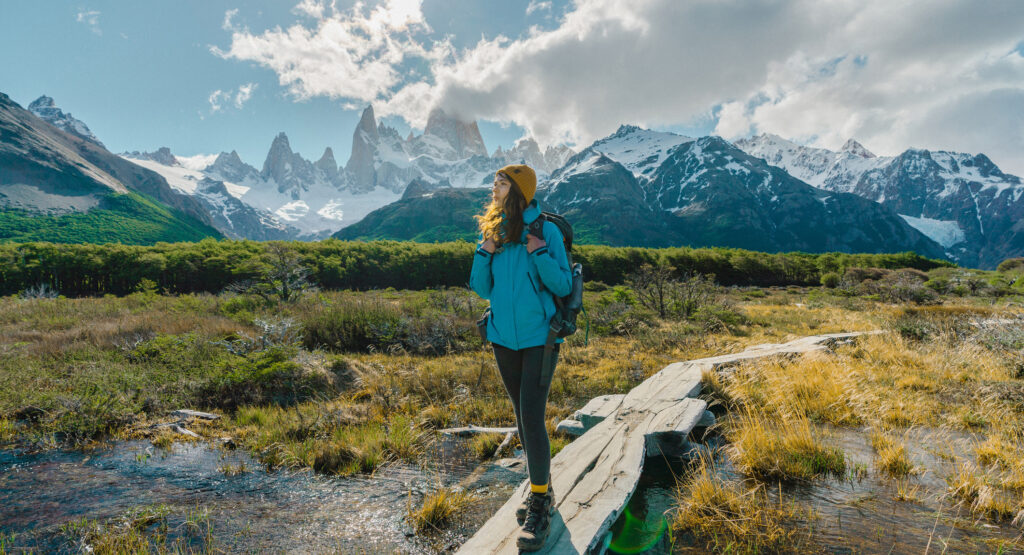
Known as Argentina’s trekking capital, this small mountain town sits beneath Mount Fitz Roy and Cerro Torre. Trails begin directly from town, making hiking accessible without complex logistics.
A strong best Patagonia itinerary includes at least two full hiking days here.
Popular routes include:
- Laguna Capri (moderate, iconic views)
- Laguna de los Tres (more demanding but unforgettable)
- Short scenic walks for less strenuous days
Weather plays a significant role. Clouds can obscure peaks entirely, then clear within hours. First-time visitors benefit from flexible scheduling — something experienced planners anticipate.
El Chaltén brings intimacy to Patagonia. You are not just looking at the landscape — you’re moving through it.
5. Torres del Paine: Patagonia at Its Most Dramatic
Crossing into Chile shifts the atmosphere again.
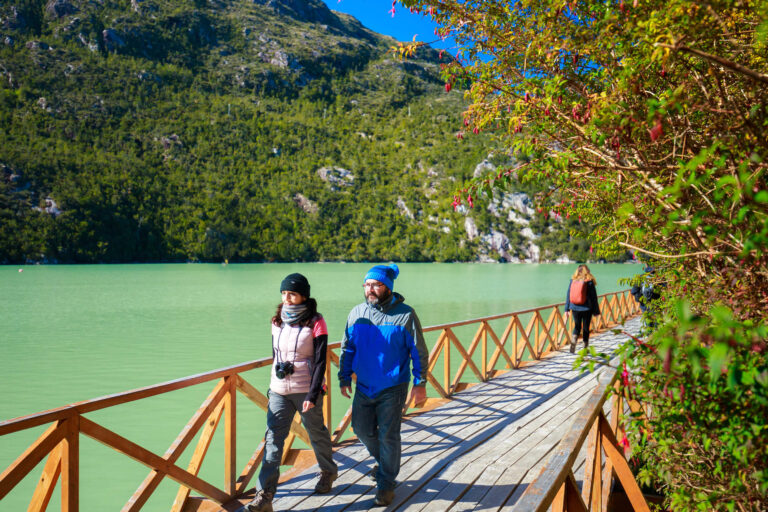
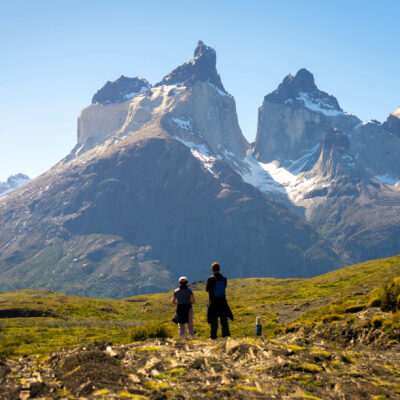
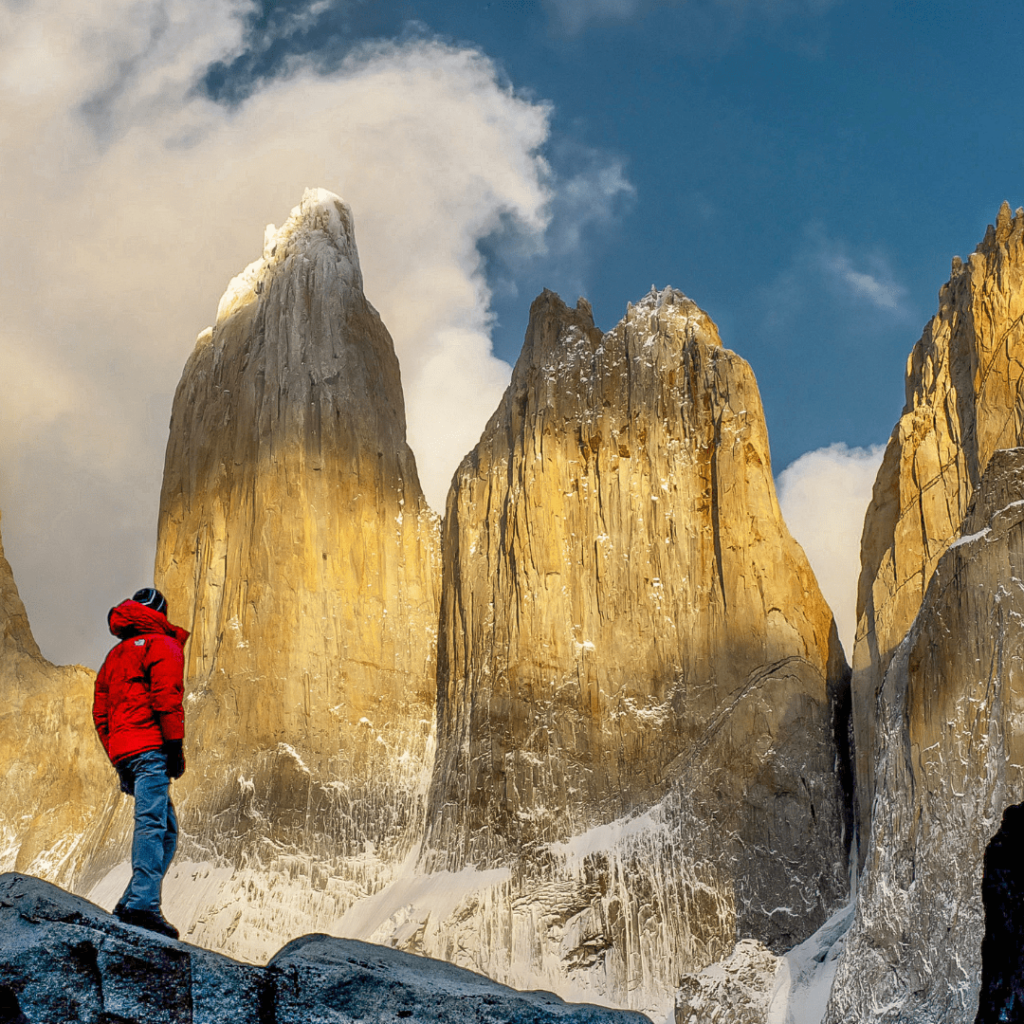
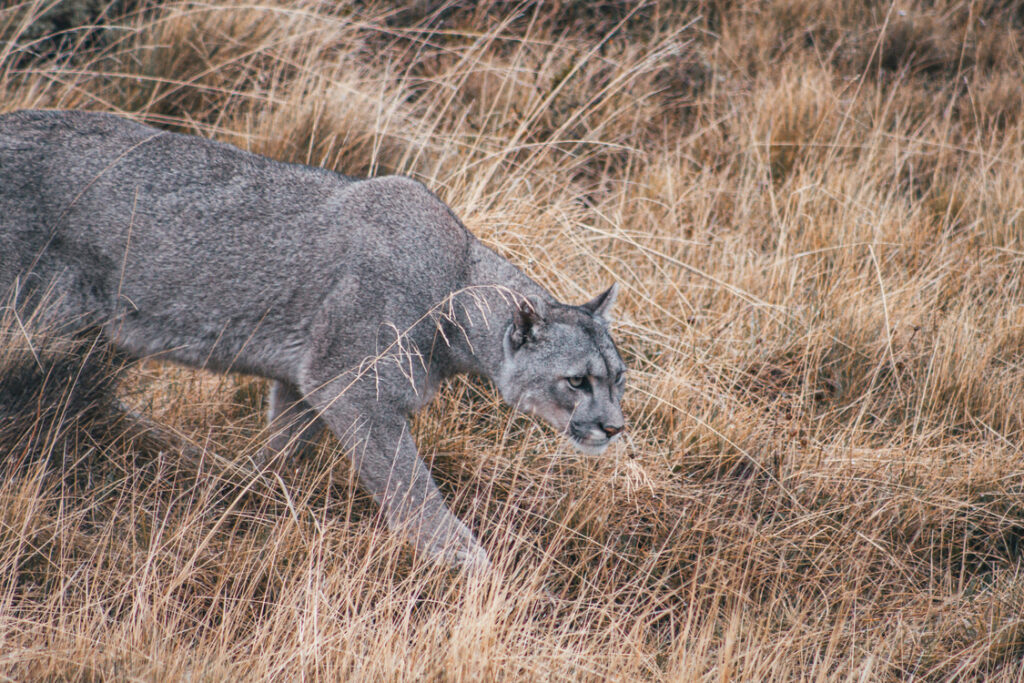
Torres del Paine feels more vertical, more sculpted, more exposed. The granite towers dominate the skyline. Glacial lakes glow in surreal shades of blue.
For active travelers, structured trekking such as the Trekking Torres del Paine W Circuit allows deeper immersion inside the park’s interior.
However, not everyone needs a multi-day trek. Lodge-based exploration works beautifully for first-time visitors who prefer day hikes and scenic drives.
The key is alignment. The best Patagonia itinerary doesn’t assume all travelers want the same level of exertion.
What matters most in Torres del Paine is pacing. Weather can shift dramatically within hours. Early starts may be necessary. Accommodations inside the park are limited and book far in advance.
Expert planning becomes particularly valuable here.

6. Should You Include Ushuaia on Your First Trip?
Ushuaia adds a distinct flavor to a Patagonia journey.
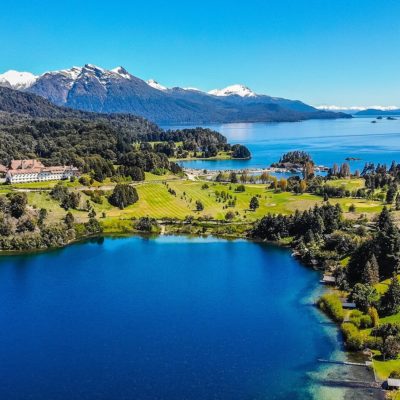
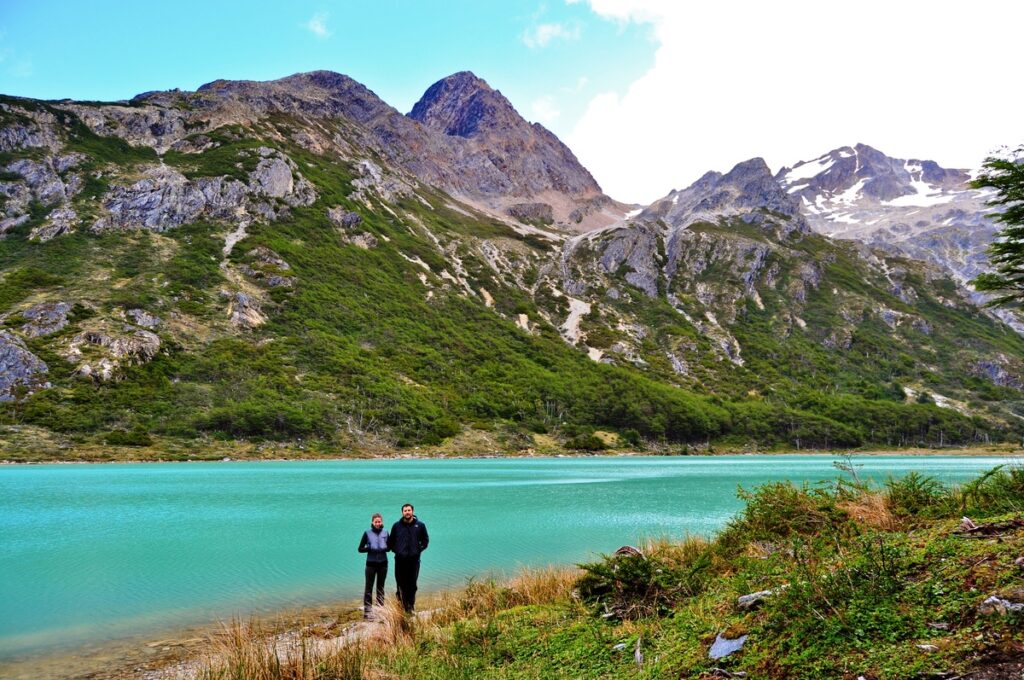
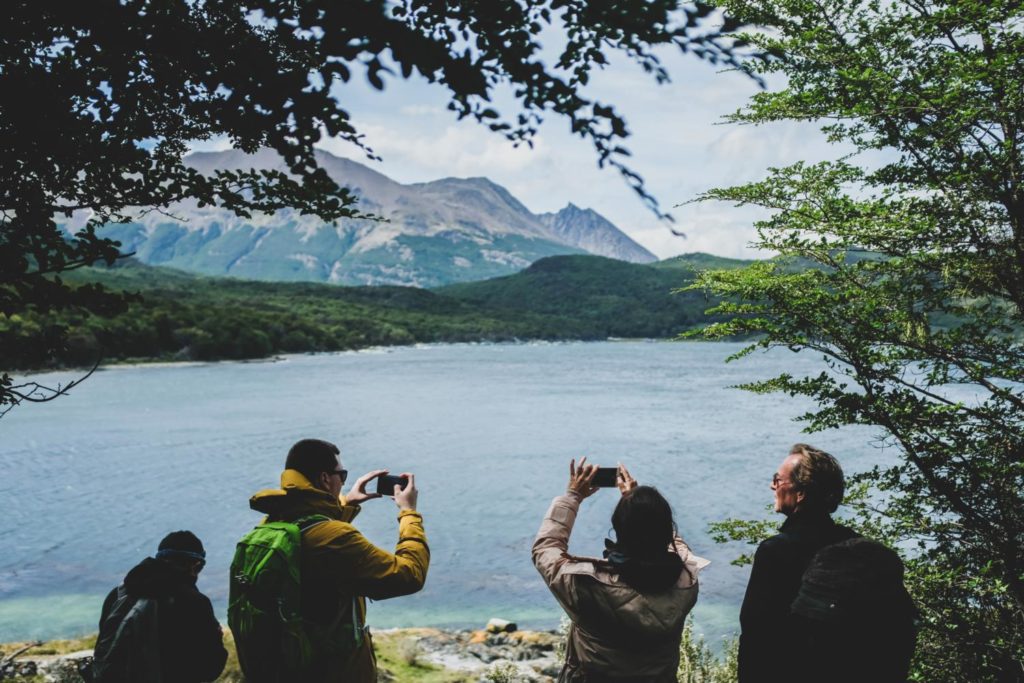
Located on the Beagle Channel, surrounded by the Martial Mountains, it carries maritime history and a sense of geographical finality.
A program such as Ushuaia – The End of the World offers wildlife navigation, penguin encounters, and access to Tierra del Fuego National Park.
For travelers with 14 days or more, Ushuaia complements glacier and trekking regions with a different atmosphere — quieter, windier, more remote.
For those limited to 10 days, it may be better reserved for a future return.
The best Patagonia itinerary is not about completeness. It’s about cohesion.


7. Why First-Time Travelers Benefit from Custom Planning
Patagonia rewards thoughtful design.
Flights into El Calafate and Puerto Natales are limited. Lodges inside Torres del Paine fill months in advance. Border crossings require coordination. Weather requires contingency.
First-time travelers often underestimate how interconnected these factors are.
The best agencies for custom travel planning in Argentina and Chile understand how to:
- Sequence regions logically.
- Match activity level to traveler profile.
- Anticipate seasonal constraints.
- Integrate buffer time intelligently.
- Adjust plans in real time if conditions change.
A well-designed best Patagonia itinerary feels smooth. A poorly structured one feels rushed.
That difference lies in experience.
8. Frequently Asked Questions
What is the best Patagonia itinerary for first-time travelers?
The best Patagonia itinerary for first-time travelers typically combines El Calafate, El Chaltén, and Torres del Paine over 10–13 days. This structure balances glaciers, hiking, and dramatic mountain landscapes while minimizing excessive backtracking.
For shorter trips (around 10 days), focus on glacier and trekking regions. For longer trips (12–14 days), consider adding Ushuaia for geographic contrast.
Is 10 days enough for a Patagonia itinerary?
Yes — a patagonia itinerary 10 days can work very well if planned carefully. However, it requires efficient routing and limited destination changes.
Ten days allows you to see highlights but with less flexibility. Adding 2–3 extra days significantly improves pacing and resilience to weather changes.
Should I visit Argentina or Chile for my first Patagonia trip?
Ideally, both.
Argentina offers accessible glacier experiences and mountain hiking in El Chaltén. Chile delivers the dramatic vertical landscapes of Torres del Paine.
A combined itinerary provides contrast and depth, making it the strongest option for first-time travelers with sufficient time.
When is the best time to follow a Patagonia itinerary?
The main season runs from October through April.
- December–February: warmer temperatures and longer daylight.
- November and March: fewer visitors, dramatic skies.
- Winter (June–August): limited accessibility but possible in certain areas.
Your ideal season depends on hiking priorities, photography interests, and comfort with variable weather.
How far in advance should I book a Patagonia trip?
For peak season (December–February), booking 6–9 months in advance is strongly recommended. Lodging inside Torres del Paine and boutique properties in El Chaltén fill quickly.
For shoulder season travel, 4–6 months is typically sufficient.
Is Patagonia difficult to plan independently?
It is possible to plan independently, but first-time travelers often underestimate distances, seasonal factors, and border coordination.
Working with experienced planners familiar with both Argentina and Chile reduces logistical stress and ensures the itinerary flows naturally.