“Custom travel,” “tailor-made,” “bespoke itinerary” — the phrases get used a lot, and they can sound vague or expensive. So here’s an honest, jargon-free explanation of how custom travel services actually work in South America: what you get, who does what, how pricing works, and why — for a region this large and logistically complex — it’s often the sensible way to travel.
At its simplest, a custom trip is one designed around you rather than sold off a shelf. You share your interests, dates, pace and budget; a travel specialist designs an itinerary to match; and local teams run it on the ground. It’s the difference between a tour that moves everyone on the same schedule and a journey shaped to your own.
This guide demystifies the process, from first conversation to the support you get while travelling, so you can decide whether it’s right for your trip.
No mystery, no hard sell — just how it works.
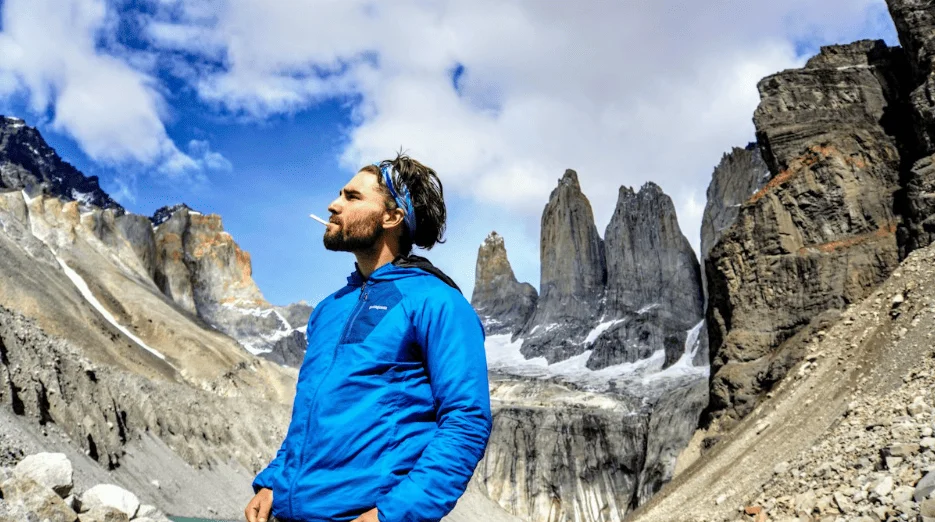
Custom travel isn’t a mystery or a luxury add-on — it’s simply a trip designed around you and run by people on the ground.
1. What “Custom Travel” Actually Means
A custom, or tailor-made, trip is built from scratch around your preferences, as opposed to a fixed group tour with set dates, a set route and a set pace. You decide the shape — the regions, the style, how hard you want to walk, how much downtime you want — and the itinerary is designed to fit.
That doesn’t mean reinventing the wheel each time; specialists draw on tried-and-tested routes and trusted suppliers. But the sequence, the pace and the choices are yours, and the trip is private rather than shared with strangers.
For a region like South America, where distances are continental and logistics are involved, that flexibility matters. Our Argentina tours and Patagonia tours are all built this way — as starting points to shape, not fixed departures.
Travelers said:




2. Who Does What: Operators, DMCs and Agents
It helps to know the players. A travel agent sells trips, often reselling someone else’s product. A tour operator or DMC (destination management company) actually designs and runs trips in a specific region, usually with its own teams on the ground.
The distinction matters because the company with people on the ground is the one that delivers the local touches, reacts when a flight slips, and solves problems in real time. A reseller, by contrast, is a middleman passing you along.
This is the heart of why the choice of company matters, a theme we explore in why booking with an Argentina travel agency makes a difference. The best custom experiences come from specialists who both design and operate the trip.
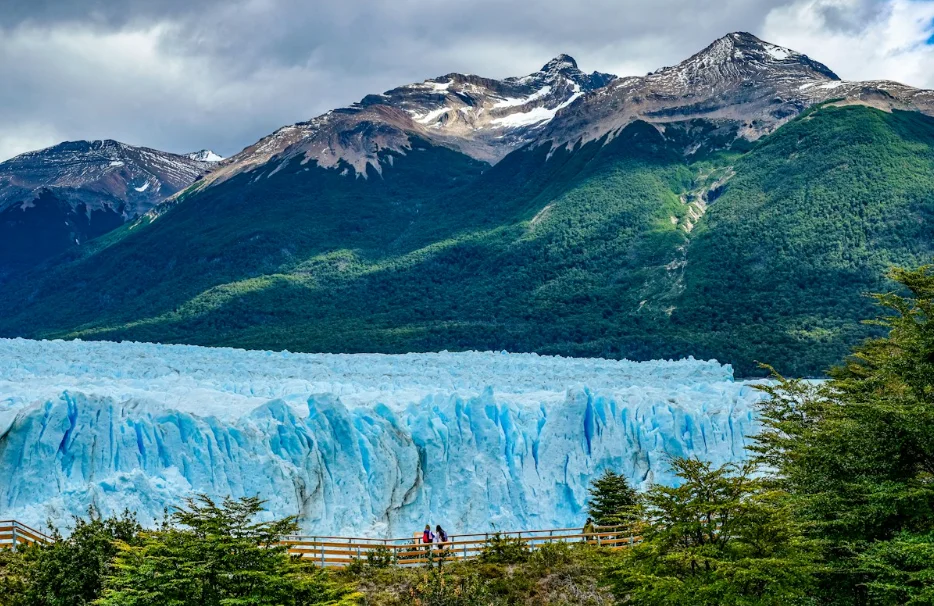
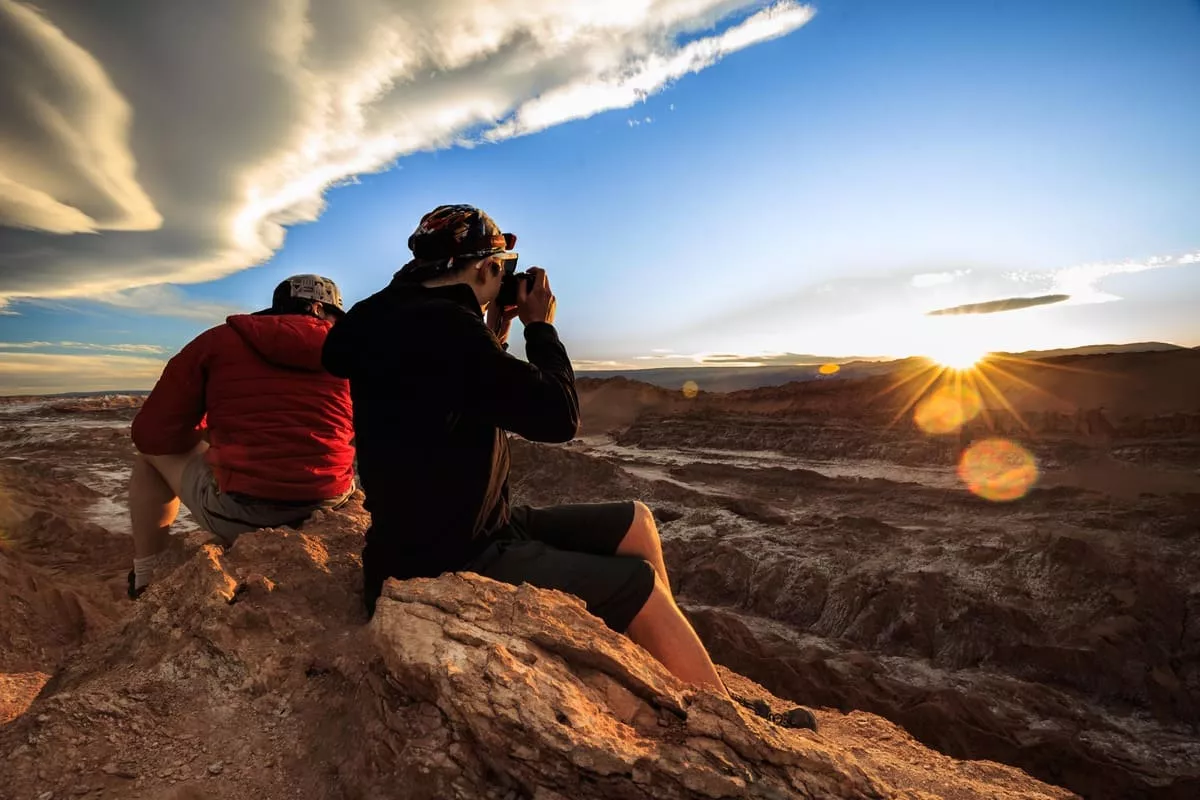
The real value of a local operator shows on the ground — at the glacier, the border, the moment a flight slips.
3. The Process, Step by Step
The process is more human than most people expect. It usually starts with a conversation — by email, call or form — where you share your interests, dates, group, pace and rough budget. There’s no obligation and, with reputable operators, no pressure.
A specialist then designs a draft itinerary and sends it to you with pricing. You refine it together — add a day here, swap a lodge there, adjust the pace — until it fits. Only then do you confirm and the operator secures the bookings.
From there, the operator handles the logistics: flights, transfers, guides, accommodation and permits. Our guide to how many days you need in Patagonia and the itinerary for first-time travelers are the kinds of resources a specialist draws on to shape your draft.
Now you can choose your type of trip:
Type of trip









4. How Pricing Works — Honestly
The most common worry is cost, so let’s be straight about it. A custom trip’s price bundles everything — accommodation, internal flights, transfers, guides, activities and support — plus the design and coordination work behind it. It is not simply a marked-up version of booking things yourself.
Because operators hold relationships and negotiated rates with lodges and suppliers, the gap between a well-built custom trip and a self-booked one is usually smaller than people assume, and you gain the time saved, the local access, and the on-the-ground support.
Good operators are transparent: you see what’s included before you commit, and you can adjust the itinerary to suit your budget. The value isn’t luxury for its own sake — it’s a designed, supported trip in a complex region.
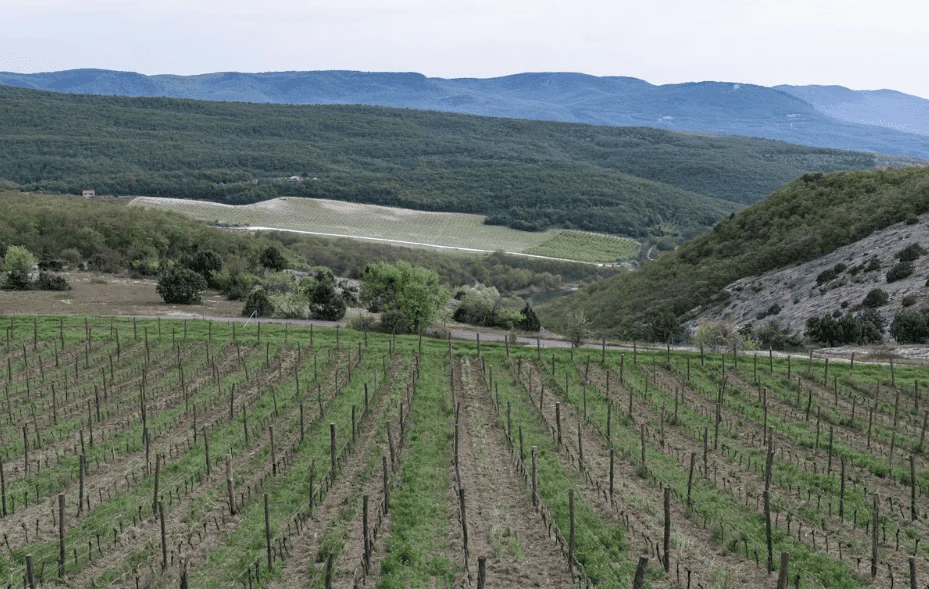
A custom price bundles flights, lodges, guides and support — and the design work behind the trip.
Custom Travel at a Glance
| Element | How it works |
| What it is | A private trip designed around you, not a fixed group tour |
| Who runs it | An operator or DMC with its own teams on the ground |
| The process | Conversation → draft itinerary → refine → confirm → travel |
| Pricing | All-inclusive bundle plus design and support; transparent before you commit |
| Best for | Complex, multi-region trips where logistics and local access matter |
5. FAQs About How Do Custom Travel Services Work in South America? An Honest Explanation
A custom travel service designs and runs a trip built around you, rather than selling a fixed group tour. You share your interests, dates, pace and budget, and a specialist creates a tailored itinerary to match.
Beyond the design, the operator handles all the logistics — internal flights, transfers, guides, accommodation and permits — and, if it has teams on the ground, delivers local touches and support while you travel.
In short, it turns the complex job of planning and running a multi-region trip into one coordinated service. For a region as large and logistically involved as South America, that coordination is the core value.
A travel agent generally sells trips, often reselling a product created by someone else, acting as a middleman between you and the actual provider.
A tour operator or DMC (destination management company) designs and runs trips in a specific region, usually with its own teams on the ground. That means it delivers the experience directly, handles the logistics, and can react in real time when plans change.
The distinction matters because the company operating on the ground is the one that solves problems and provides local access. For custom travel, the strongest experiences come from specialists who both design and operate the trip.
For most travelers, yes — because South America’s scale and logistics make independent planning genuinely demanding. Distances are continental, internal flights and transfers are involved, and some bookings are scarce and time-sensitive.
A custom service sequences the regions so you never backtrack, secures the right accommodation, and provides support when a connection slips or the weather turns. It also tailors the trip to your interests and pace.
Independent travel is certainly possible, but for complex, multi-region journeys, the coordination and local access of a custom operator usually save time, reduce stress and improve the experience.
Usually less of a difference than people expect. A custom trip bundles everything — accommodation, flights, transfers, guides and support — plus the design work, and operators often hold negotiated rates with lodges and suppliers.
So while there is a cost for the expertise and coordination, it isn’t simply a markup on self-booking. You also gain the time saved, the local access, and real support if something goes wrong.
Reputable operators are transparent about what’s included before you commit, and you can shape the itinerary to fit your budget. For complex trips, many travelers find the value clearly worth it.
Now you can choose your type of trip:It starts with a no-obligation conversation where you share your interests, dates, group, pace and rough budget. A specialist then designs a draft itinerary with pricing and sends it to you.
From there you refine it together — adding days, swapping lodges, adjusting the pace — until it fits. Once you’re happy, you confirm and the operator secures all the bookings and handles the logistics.
While you travel, a good operator provides support on the ground. The whole process is collaborative and transparent, designed to shape a trip around you rather than fit you into a fixed package.