March is when Patagonia changes colour. The southern autumn arrives, and the great forests of lenga and ñire that blanket the mountain valleys turn from green to fiery red, burnt orange and gold. The crowds of high summer thin out, the air takes on a crisp clarity, and the whole region settles into a quieter, more contemplative mood.
For many travelers, this is the most beautiful month of all. The dramatic peaks of Fitz Roy and Torres del Paine, framed by blazing autumn foliage, offer a version of Patagonia that the deep-summer visitor never sees. And with fewer people on the trails, you have more of it to yourself.
March belongs to the late high season. The conditions are still good, the main trails are still open, and the weather is often pleasantly stable — but the season is beginning its graceful wind-down, which is precisely what gives the month its calm.
This guide covers what hiking Patagonia in March is really like — the autumn weather, the turning colours, the thinning crowds, and the wildlife — so you can decide whether this quieter, more colourful Patagonia is the one for you.
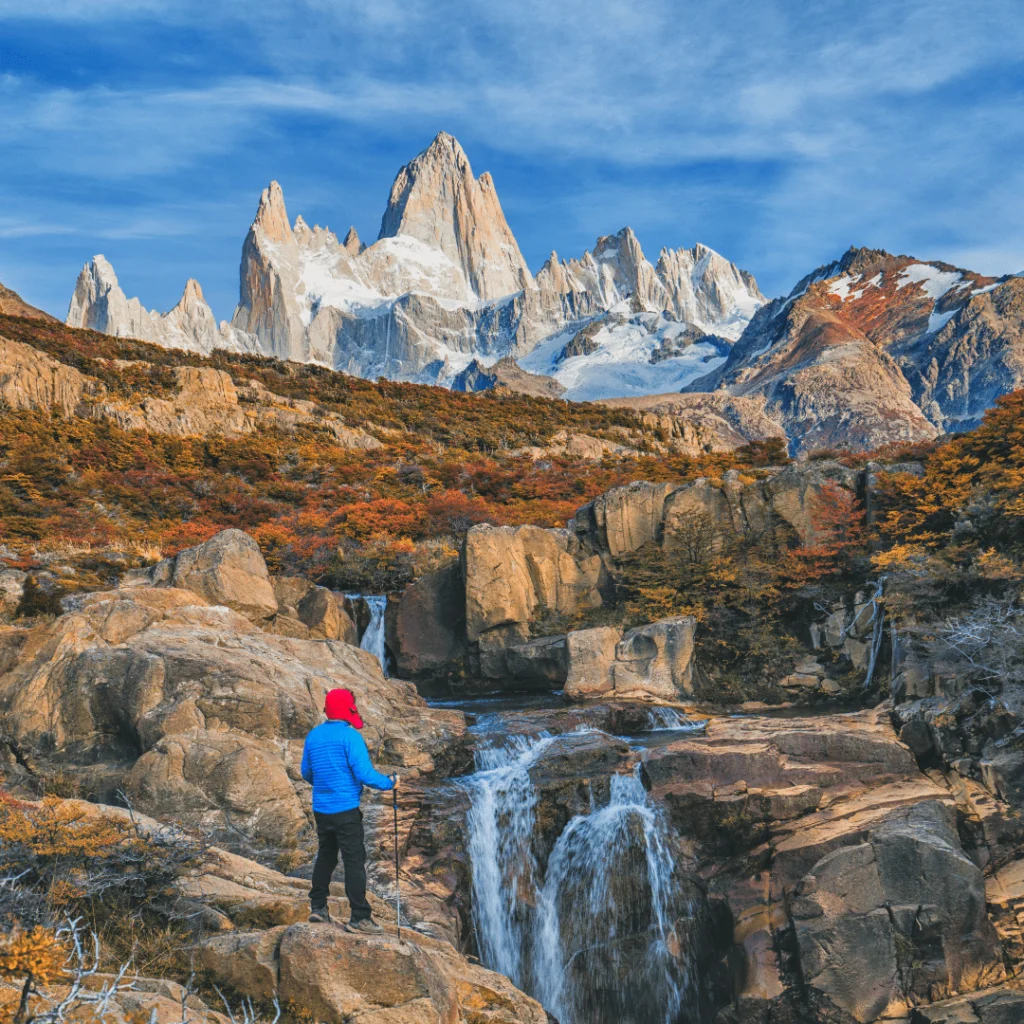
March turns the Patagonian forests to red and gold, with calmer trails and some of the season’s most stable weather.
1. The Weather in Patagonia in March
March brings the first cool breath of autumn, though it remains comfortable for hiking. Daytime highs settle to around 12 to 15°C (54 to 59°F), the nights turn noticeably cooler, and the first touches of frost begin to appear toward the end of the month.
There is a welcome trade in March: as temperatures ease, so, often, does the wind. While it never disappears, the ferocious gusts of high summer tend to settle, and many visitors find March among the calmer, more stable months for walking.
The weather can still turn, of course, and the chance of a cold, wet spell rises as the month goes on. But the overall pattern — cooler, calmer, often clear — makes Patagonia March weather a favourite for those who find the summer wind wearing.
Daylight is shortening back to around twelve to thirteen hours, still ample for full days on the trail, with the lower autumn sun casting a warm, golden light that flatters the turning forests.
Now you can choose your type of trip:
Type of trip


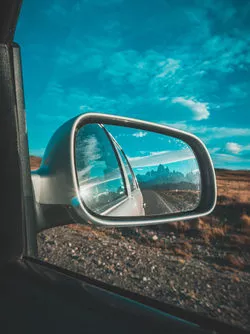
2. Autumn Colors: Patagonia’s Quiet Spectacle
The headline of March is the colour. The native lenga and ñire forests that cloak the slopes of the Andes turn vivid shades of red, orange and gold, transforming familiar trails into something altogether new.
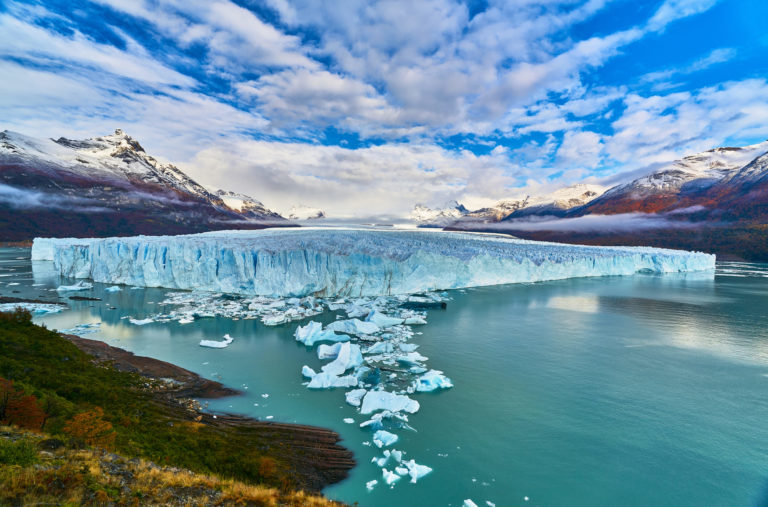
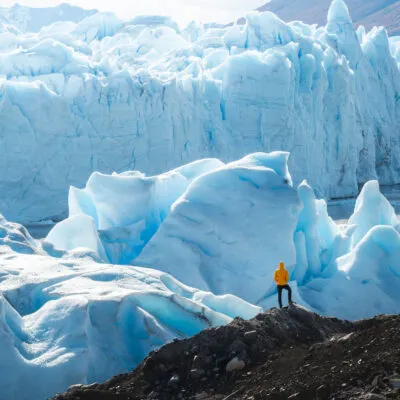
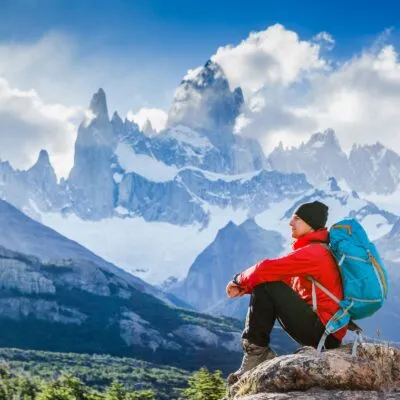
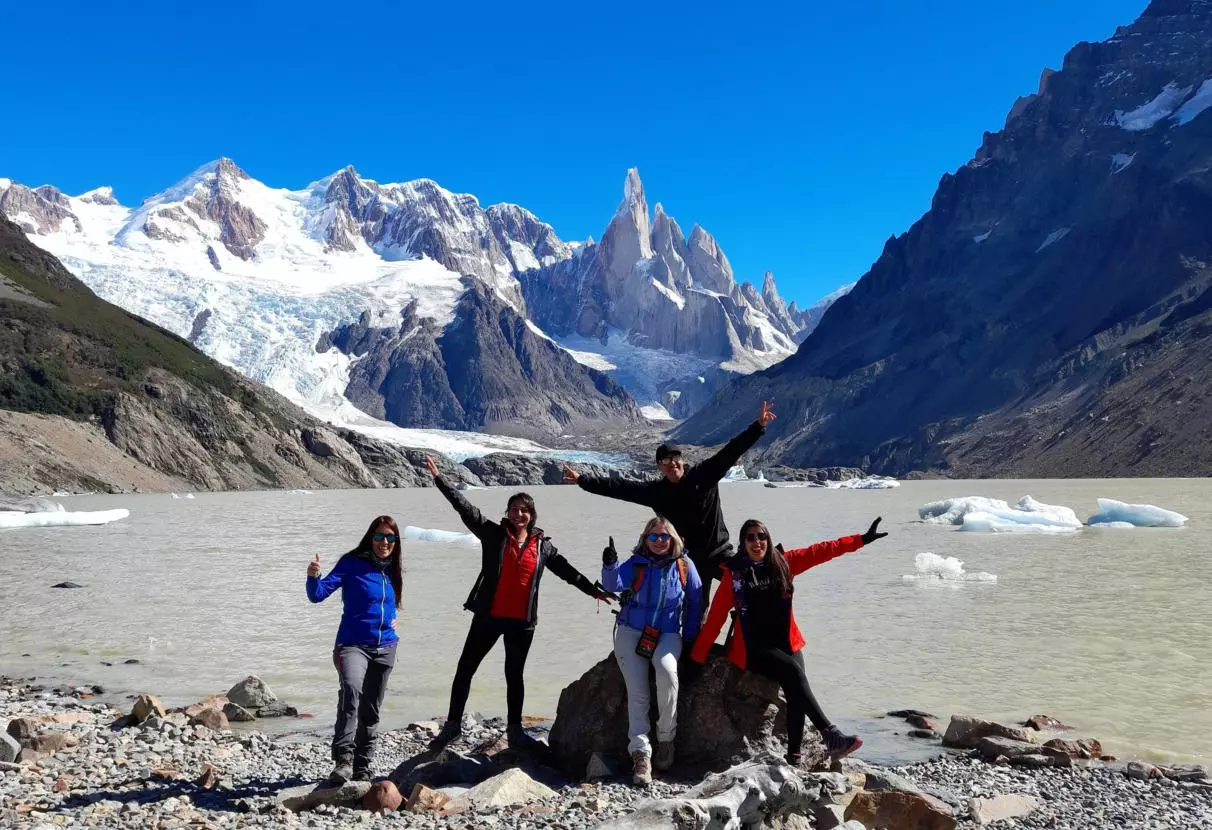
The effect is at its most spectacular around El Chaltén, where the autumn forests frame the granite spires of Fitz Roy and Cerro Torre, and in the valleys of Torres del Paine. The contrast of fiery foliage against snow-capped peaks and turquoise lakes is unforgettable.
El Chaltén is the natural base for chasing these colours, with its network of day hikes leading straight into the turning forests. Our guide to the best tours and activities for El Chaltén travelers is the ideal starting point for an autumn trip there.
Because the colours peak within a relatively short window, usually across the month of March, timing matters. A well-planned trip aims for the heart of the display, which a local operator can help you target year to year.
2. Fewer Crowds on the Trails
By March, the high-summer rush is firmly over. The holiday and January peak has passed, the southern school holidays are done, and the trails, viewpoints and towns are markedly quieter than just weeks before.
This thinning of the crowds is one of March’s great pleasures. The famous viewpoints that heaved with people in January can be enjoyed in relative peace, and the overall pace of a trip feels calmer and more personal.
Logistics ease too. Accommodation, guides and refuges are generally easier to secure than in the peak, and prices often soften from the summer high. For travelers who value space and quiet, March offers a compelling combination with the scenery at its most beautiful.
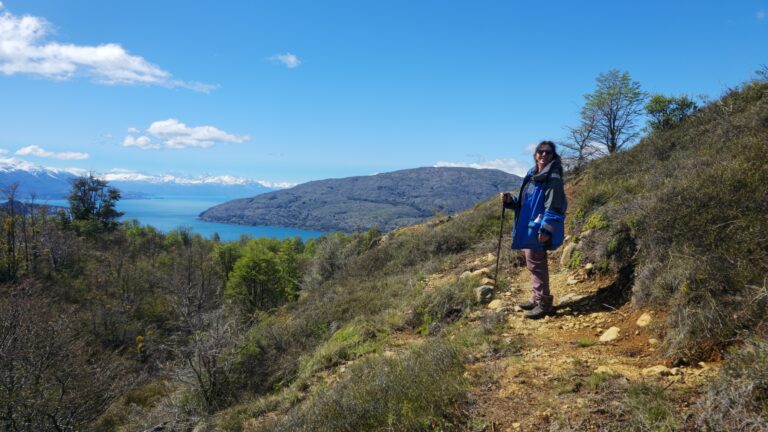
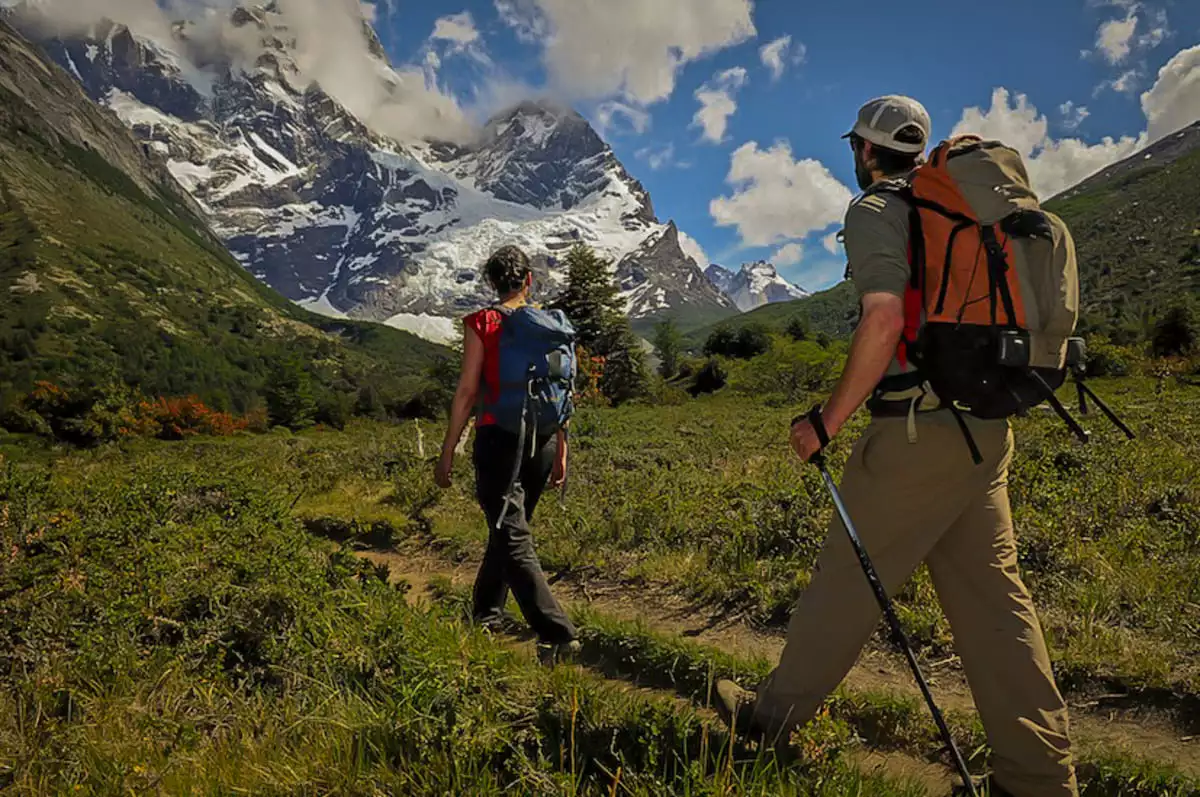
The main routes remain open through March, so you can still walk the classic trails — just with far more room to breathe. Our Patagonia hiking trips make the most of this calmer, colourful window, pairing the open trails with the peak of the autumn display.
3. Wildlife in the Patagonian Autumn
Autumn is a rewarding time for wildlife in Patagonia. The cooler temperatures and quieter trails make for excellent watching, and the animals are active as they prepare for the coming winter.
Guanacos remain a common sight on the steppe, the condors ride the autumn thermals, and the shoulder season continues to offer some of the better chances of spotting a puma in Torres del Paine, where the big cats are most active away from the summer crowds.
The autumn light, low and golden, is a gift for wildlife photographers as much as for landscape lovers. The combination of turning forests, active animals and soft light gives March a special richness.
If wildlife is a priority for your trip, our guide to the best Patagonia wildlife tours explains which animals you can expect and when, helping you plan an autumn trip around the sightings that matter most to you.
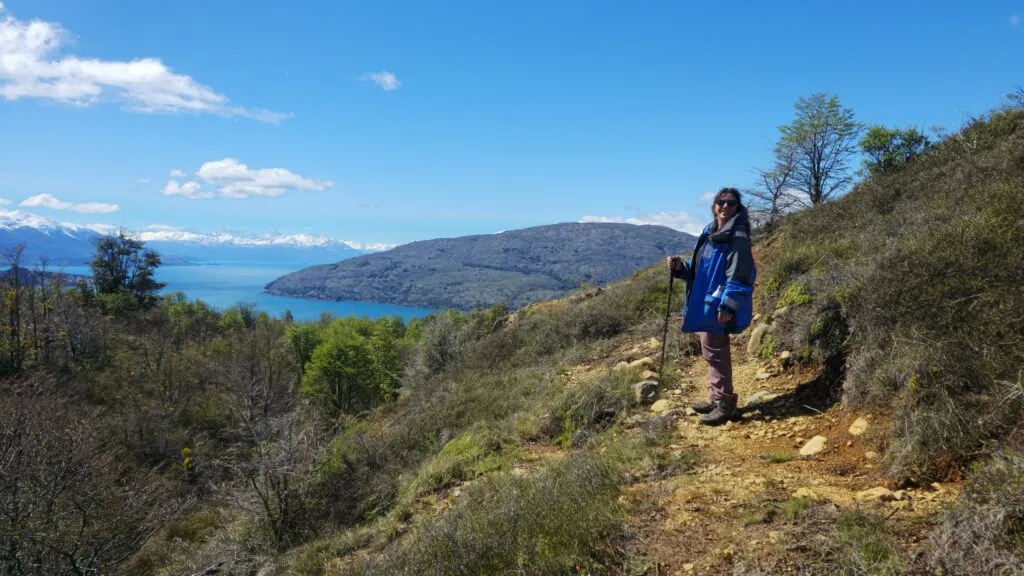
Cooler, calmer autumn days and quieter trails make March a rewarding month for wildlife watching.
Who March Suits Best
March is for travelers who want beauty and calm over guaranteed peak warmth. If the idea of fiery autumn forests, quiet trails and stable, cooler weather appeals more than the bustle and heat of high summer, this is your month.
It is a favourite of photographers, of those who dislike crowds, and of travelers seeking better value and easier logistics while the main routes are still open. The gentler wind is a bonus for many.
Who might choose another month? Those set on the very warmest weather, the longest days, or guaranteed access to every remote service running at full capacity may prefer December through February, since March begins the season’s wind-down. But for colour and calm, March is unmatched. A trip through the autumn highlights fits naturally into our Argentine Patagonia tours.
March in Patagonia at a Glance
| What to expect | In March |
| Season | Late high season, autumn arriving |
| Daytime temperatures | Roughly 12–15°C (54–59°F) |
| Daylight | Around 12–13 hours and shortening |
| Wind | Often calmer than high summer |
| Crowds | Markedly thinner than the peak |
| Trails | Main routes still open; autumn colours peak |
| Best for | Autumn colours, photography, quiet, value, wildlife |
5. FAQs About Hiking in Patagonia in March: Autumn Colors and Fewer Crowds
March is a wonderful time to hike in Patagonia for travelers who value scenery and calm. The southern autumn turns the forests red and gold, the high-summer crowds have gone, and the weather is often stable, with the fierce summer wind frequently easing.
The main trails remain open, so you can still walk the classic routes around El Chaltén and in Torres del Paine, but with far more space and often lower prices than at the peak.
The trade-off is cooler temperatures, shorter days and the start of the season’s wind-down. For those who want autumn colours, quiet trails and gentler conditions, hiking Patagonia in March is a superb choice.
The autumn colours in Patagonia typically appear through the month of March, as the native lenga and ñire forests turn from green to vivid red, orange and gold. The exact peak varies slightly from year to year with the weather.
The display is at its most spectacular around El Chaltén, where the turning forests frame Fitz Roy and Cerro Torre, and in the valleys of Torres del Paine, where fiery foliage contrasts with snow-capped peaks and turquoise lakes.
Because the colours peak within a relatively short window, timing a trip for the heart of the display matters. Early to mid-autumn is generally the sweet spot, and local guidance helps you target the best of the Patagonia autumn each year.
Yes. The main trails in Torres del Paine, including the W route, remain open and walkable through March, and the park is far quieter than at the summer peak, with autumn colours adding to the drama.
Conditions are cooler and the days shorter, and as the season winds down later in the month some remote services begin to reduce, so a little more care with timing and planning helps.
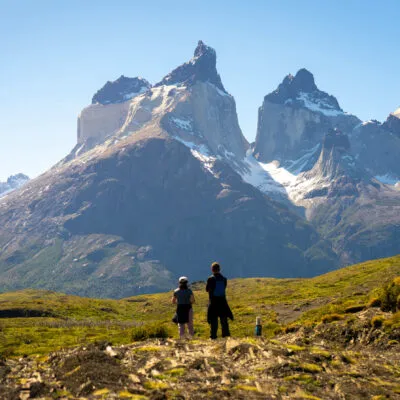
The autumn setting — fiery forests against the granite towers and blue lakes — makes March a visually stunning time in the park. With the main routes open and the crowds thinned, Torres del Paine in March rewards travelers who want beauty and space together.
March brings early autumn weather to Patagonia: cooler but still comfortable for hiking. Daytime highs settle to around 12 to 15°C (54 to 59°F), nights turn noticeably colder, and the first frosts appear toward the end of the month.
A welcome feature is that the wind often eases from its high-summer ferocity, making March one of the calmer, more stable months for walking, though conditions can still turn and the chance of a cold, wet spell rises later in the month.
Daylight shortens to around twelve to thirteen hours, still ample for full days, with a low, golden autumn sun. Layers and a windproof, waterproof shell remain essential for Patagonia March weather.
Yes, noticeably so. By March the high-summer rush is firmly over: the holiday and January peak has passed, the southern school holidays are done, and the trails, viewpoints and towns are much quieter than just weeks earlier.
The famous viewpoints that were crowded in January can be enjoyed in relative peace, and the overall pace of a trip feels calmer. Accommodation, guides and refuges are generally easier to secure, and prices often soften from the summer high.
The main routes remain open, so you can still hike the classic trails with far more room to breathe. For travelers who want the great scenery with fewer people, March offers one of the best crowd-to-beauty ratios of the season.