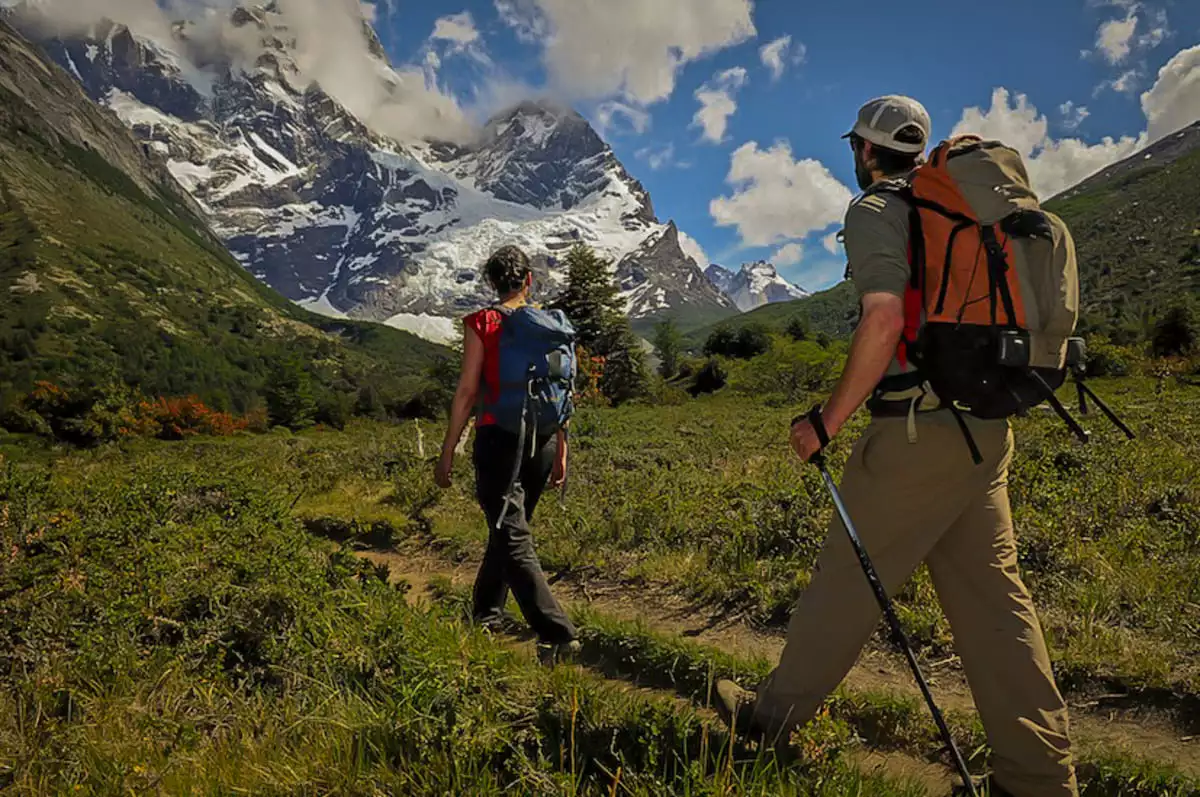
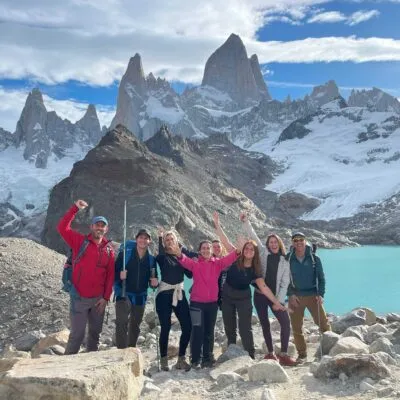
There is a particular feeling to arriving in Patagonia in October. The light is stretching out again after the long southern winter, the first trekkers are lacing up their boots, and the great trails — the ones that will be shoulder-to-shoulder in January — are still wonderfully quiet. This is the season opening its eyes, and it rewards the traveler who likes a place before the crowd finds it.
October sits at the very start of Patagonia’s high season, which runs roughly from now until April. That means the long days and the open trails are arriving, but not everything is fully awake yet. Some mountain refuges are only just unlocking their doors, a few remote routes still hold late snow, and the weather can swing from a calm, golden morning to sideways rain by lunch.
None of that is a reason to stay away. For many travelers it is precisely the appeal: raw, uncrowded, and alive with the energy of a landscape waking up. You simply need to come with the right expectations and a flexible plan.
This guide walks through what October is actually like on the ground — the weather, the trail conditions, the crowds, and who this early-season month suits best — so you can decide whether the start of the season is your kind of Patagonia.
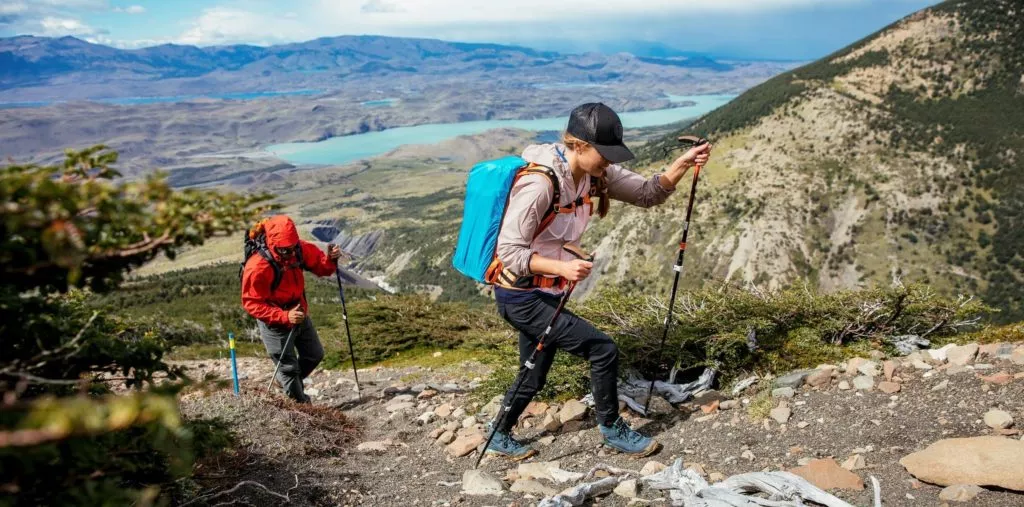
October is the first breath of the Patagonian season — emptier trails, longer light, and weather that keeps you guessing.
1. The Weather in Patagonia in October
October is spring in the far south, and spring here means variety within a single day. Expect daytime highs of roughly 11 to 14°C (52 to 57°F) and chilly nights that can still drop close to freezing, especially around El Chaltén and Torres del Paine.
The defining feature is change. A still, sunlit morning can give way to cloud, wind and a cold shower within hours, then clear again by evening. The famous Patagonian wind is present but has not yet reached the full force it builds to in the height of summer.
What this really means for a hiker is layers and patience. The reward for accepting variable Patagonia October weather is light: the days are already long, often fourteen hours or more, giving you generous windows to walk, wait out a squall, and still reach a viewpoint in good conditions.
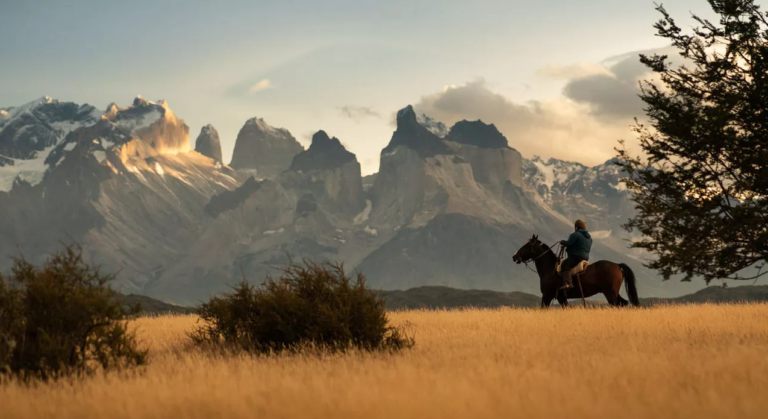
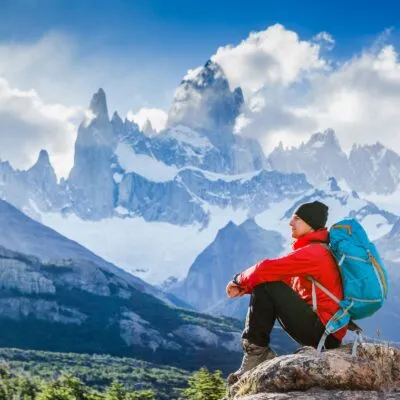
Fresh snow on the peaks is common and, honestly, beautiful — the towers and Fitz Roy wear a crisp white cap that the deep summer often melts away. It is a photographer’s month as much as a hiker’s.
2. Trail Conditions at the Start of the Season
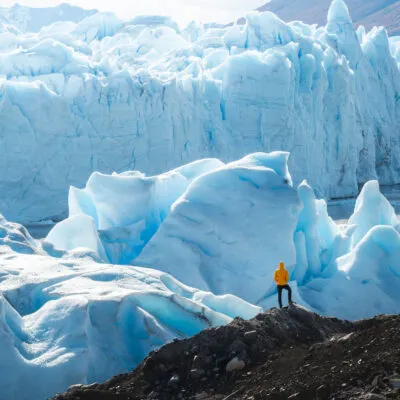
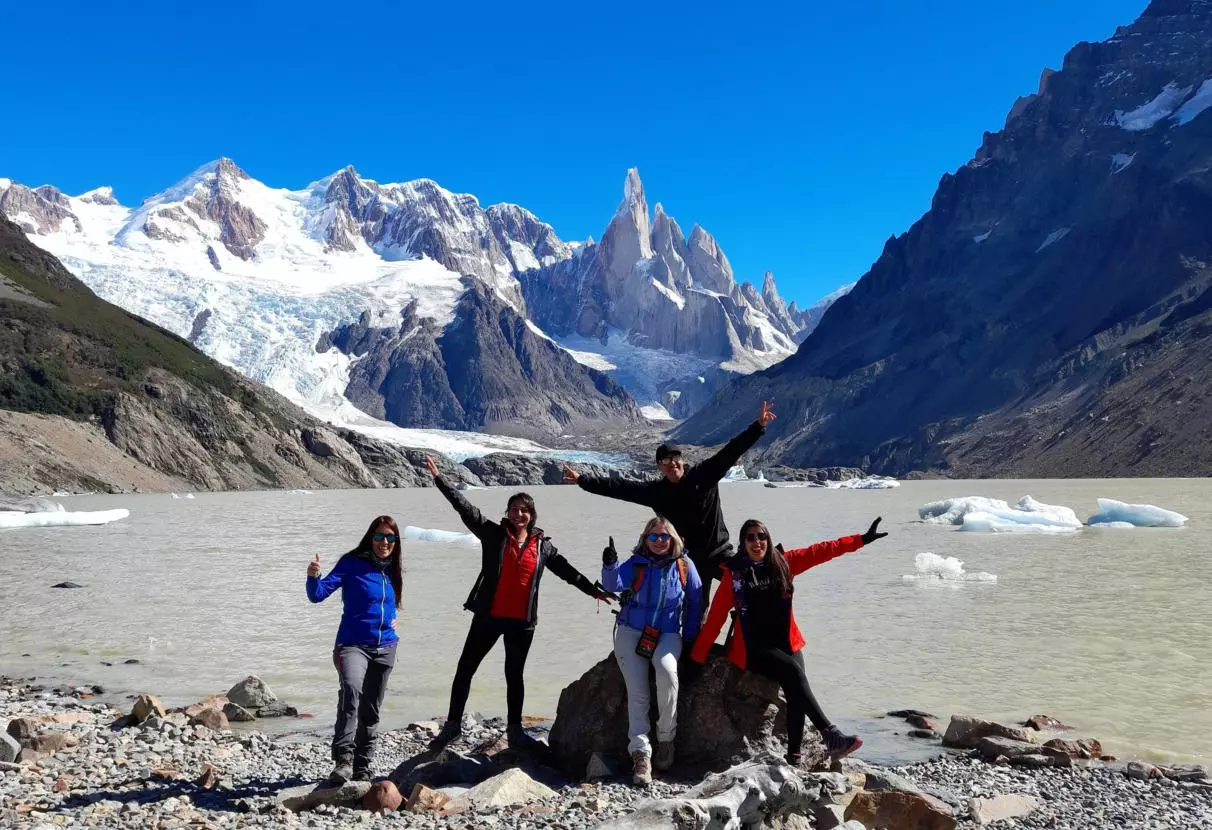
Most of the classic day hikes are open and walkable in October, particularly the lower and mid-altitude routes around El Chaltén and El Calafate. The trails to the main viewpoints of Fitz Roy and Cerro Torre are generally accessible, though the final, steepest sections can still be icy early in the month.
The higher and more exposed routes are the ones to watch. Some mountain passes on the longer Torres del Paine circuits, and the uppermost approaches, may still hold snow and open a little later or require extra care and the right footwear.
This is exactly where a local operator earns its place. Conditions in October shift week to week, and knowing which trails are genuinely ready — and which to save for later — is the difference between a frustrating day and a glorious one. Our Patagonia hiking tours are built around what is actually open and safe when you arrive, not a fixed script.
If you are weighing how the trails fit into a wider route, our guide to the best Patagonia itinerary for first-time travelers is a useful companion for an October trip.
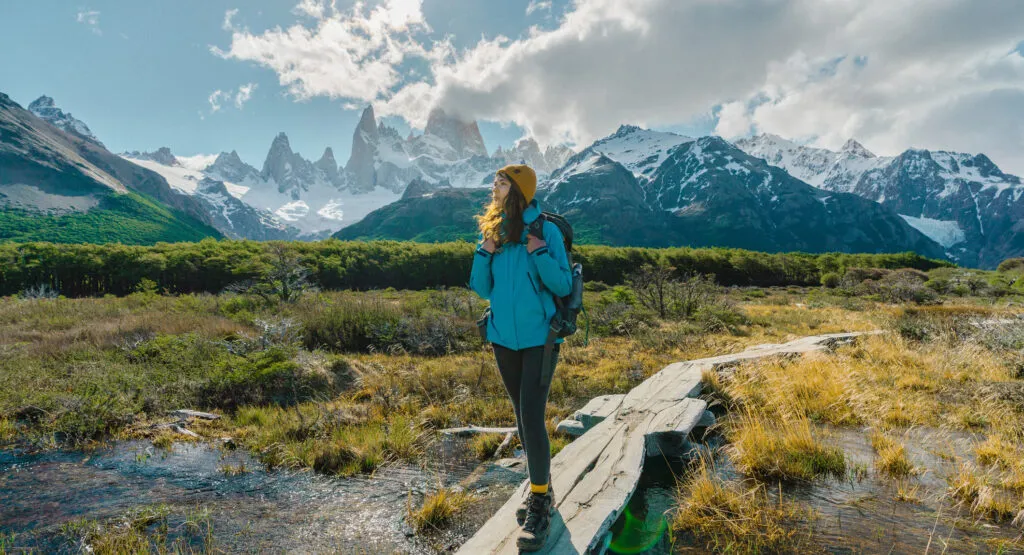
Lower trails near El Chaltén open first; the highest passes may still hold late-season snow in October.
Crowds, Prices and Availability
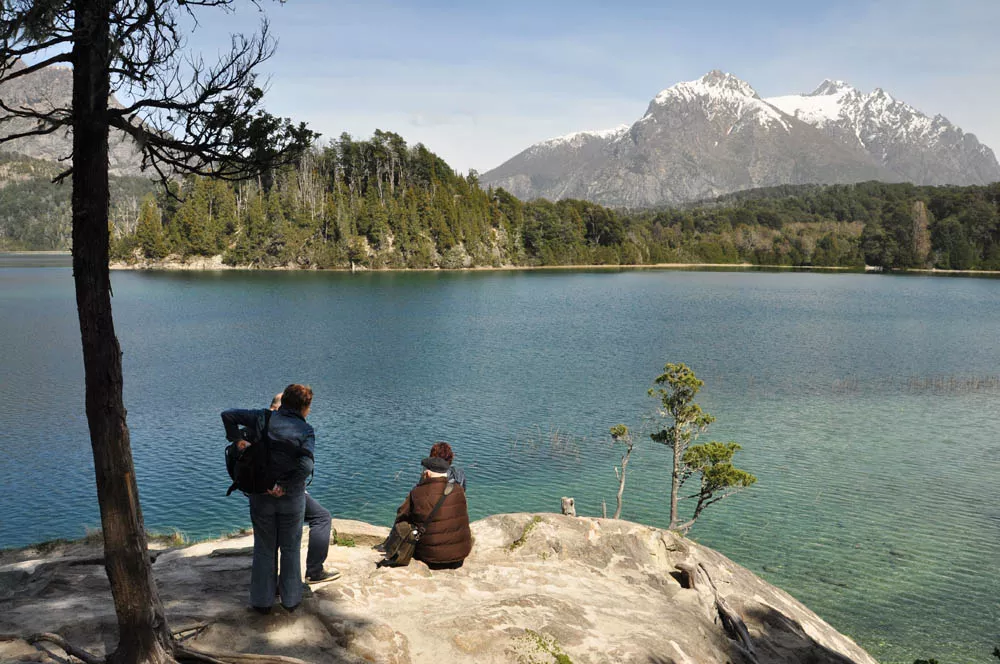
Here is October’s quiet superpower: you get high-season landscapes without high-season crowds. The trails that fill up from December onward are still peaceful, and the great viewpoints can be yours with only a handful of other walkers.
That calm extends to logistics. Accommodation and guides are far easier to secure at short notice than in the peak months, and prices tend to sit below the January and February ceiling. For travelers who value space and value for money, that combination is hard to beat.
The trade-off is that the season’s full machinery is not yet running. Some remote lodges, refuges and boat services start later in the month or in November, so a few specific experiences may not be available on the earliest October dates.
The practical takeaway: October is excellent for flexibility and value, as long as you build the itinerary around what is genuinely open. That, again, is a planning question more than a weather one.
Now you can choose your type of trip:
Type of trip



3. Where to Go in Patagonia in October
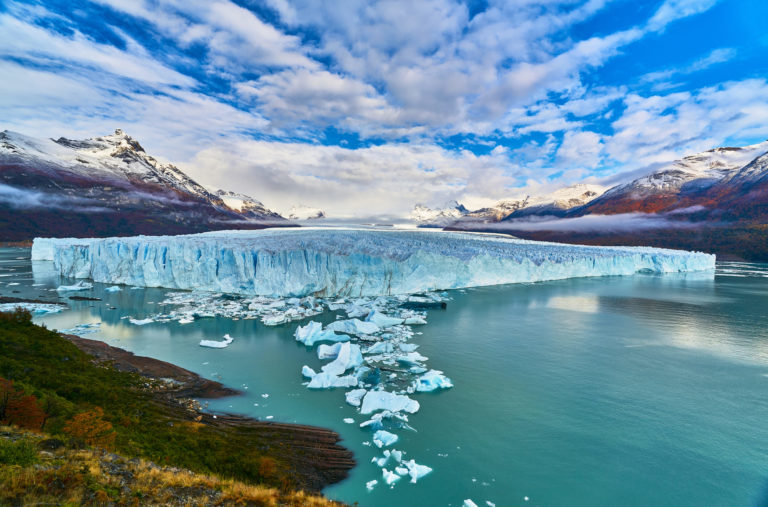
El Calafate and the Perito Moreno glacier are a safe, spectacular bet in October. The glacier does not care what month it is, the walkways are open year-round, and the surrounding steppe is at its greenest after the winter melt.
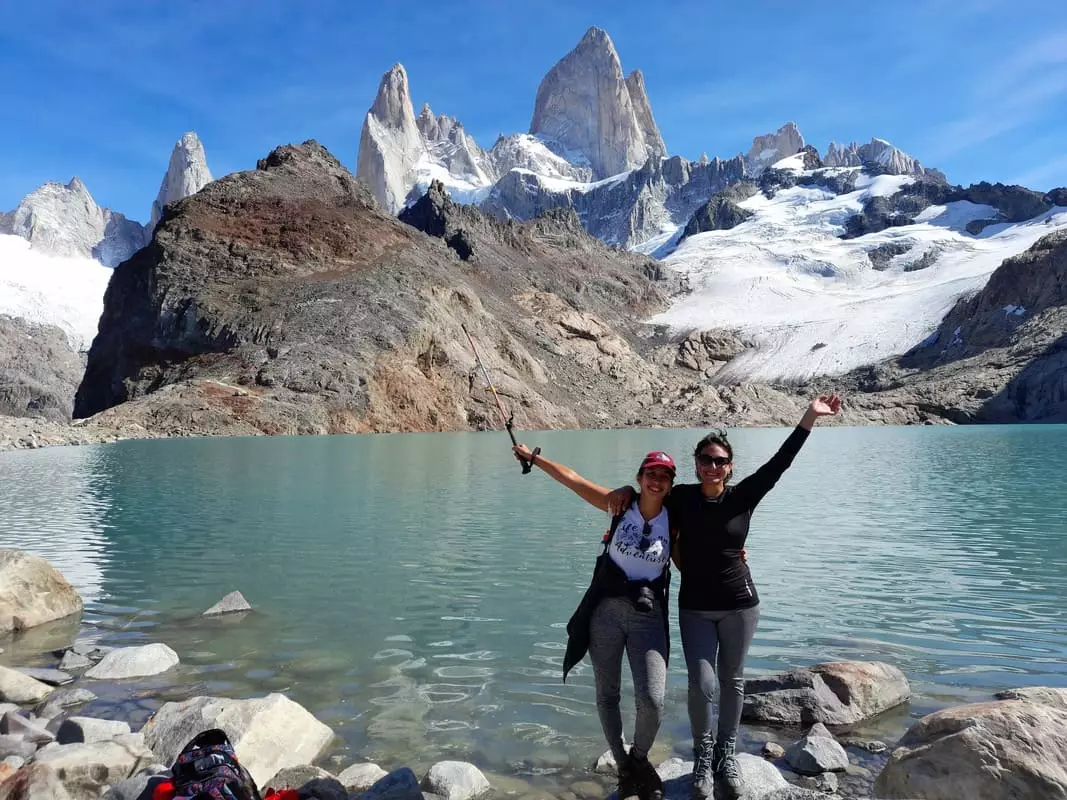
El Chaltén, the trekking capital, is a natural base this month. Its day hikes to the feet of Fitz Roy and Cerro Torre are mostly accessible, and the town is calm before the summer rush. This is classic Argentine Patagonia at its most serene.
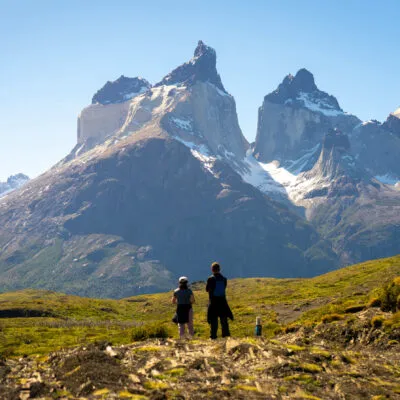
On the Chilean side, Torres del Paine is opening up, with the lower sections of the W route and the key viewpoints generally reachable. The full multi-day circuits are best approached with care and local advice early in the season.
Across all of these, an unhurried, well-sequenced plan matters more in October than in any other month. Our Argentine Patagonia tours lean into exactly this early-season rhythm, pairing the reliable highlights with the trails that are ready.

El Calafate and the Perito Moreno glacier are reliably spectacular from the very start of the season.
4. Who the Start of the Season Suits Best
October is made for the traveler who prizes solitude and atmosphere over guaranteed sunshine. If an empty trail and a snow-dusted peak thrill you more than a predictable forecast, this is your month.
It also suits the flexible and the unhurried — those happy to adjust a day around the weather, and to trade a few not-yet-open experiences for lower prices and real quiet. Photographers, in particular, love the dramatic light and the fresh snow on the summits.
Who might wait? Travelers set on a specific long-distance circuit, or those who want every lodge, boat and remote route running at full capacity, may find late December through February a surer fit. The full picture of timing is laid out in our overview of when is the best time to visit Patagonia.
And if your question is really how many days to give it, our guide to how many days you should plan for Patagonia will help you shape the trip before you commit.
October in Patagonia at a Glance
| What to expect | In October |
| Season | Start of the high season |
| Daytime temperatures | Roughly 11–14°C (52–57°F) |
| Daylight | Long — around 14 hours and growing |
| Wind | Present but milder than mid-summer |
| Crowds | Low — trails still quiet |
| Trails | Lower routes open; some high passes still snowy |
| Best for | Solitude, value, photography, flexible travelers |
5. FAQs About Hiking in Patagonia in October: What to Expect at the Start of the Season
Yes, with the right expectations. October is a good time to visit Patagonia if you value quiet trails, lower prices and dramatic, snow-dusted scenery over guaranteed warm, settled weather.
It is the start of the high season, so the days are long and the main viewpoints are largely accessible, but some remote routes, lodges and boat services open later in the month.
For travelers who are flexible and happy to plan around conditions, October offers some of the best value and solitude of the entire season. Those set on a specific long circuit with everything fully running may prefer the peak summer months.
You can, and many travelers love it. Most of the classic day hikes around El Chaltén and El Calafate are open and walkable, and the key viewpoints of Fitz Roy, Cerro Torre and the Torres del Paine W route are generally accessible.
The caveat is the higher, more exposed terrain: some passes on the longer Torres del Paine circuits may still hold late snow and open a little later in the season.
Because conditions change week to week early in the season, hiking Patagonia in October is best done with local guidance on which trails are genuinely ready, so your plan matches what is actually open and safe.
Pack for four seasons in one day. The essentials are warm, breathable layers, a genuinely waterproof and windproof outer shell, a warm hat and gloves, and sturdy, broken-in hiking boots with good grip for occasional icy or muddy sections.
Because October nights can dip near freezing, bring a warm mid-layer and a hat even if the forecast looks mild, and always carry rain gear regardless of the morning sky.
Sun protection matters too — the southern sun is strong even when the air is cool. The guiding principle for an October trip is flexibility: dress so you can add or shed layers quickly as the weather turns through the day.
October brings spring weather to Patagonia: changeable, cool and often beautiful. Daytime highs sit around 11 to 14°C (52 to 57°F), with nights near freezing, and conditions can shift several times in a single day.
Expect a mix of sun, cloud, wind and passing showers, with fresh snow common on the higher peaks. The wind is present but has not yet reached its full summer strength.
The days are already long, often fourteen hours or more, which gives you plenty of time to walk and to wait out any brief bad spell. Layered clothing and a flexible plan are essential for hiking Patagonia in October.
Yes, Torres del Paine is open in October, and it is a rewarding time to visit, with the park far quieter than in peak summer. The lower sections of the famous W route and the main viewpoints are generally reachable.
The full multi-day circuits, including the longer O circuit, are best approached with care early in the season, as some higher passes may still hold snow and certain refuges open later.
Staying inside the park and planning the days around current conditions makes the difference, so early-season Torres del Paine rewards travelers who go with good local advice rather than a rigid, fixed schedule.