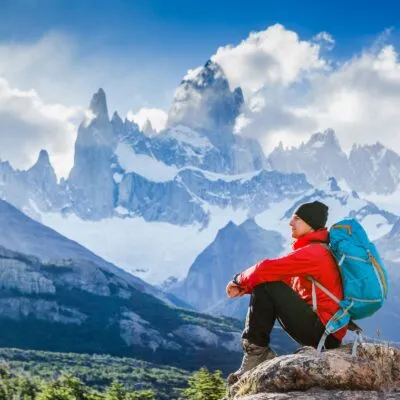
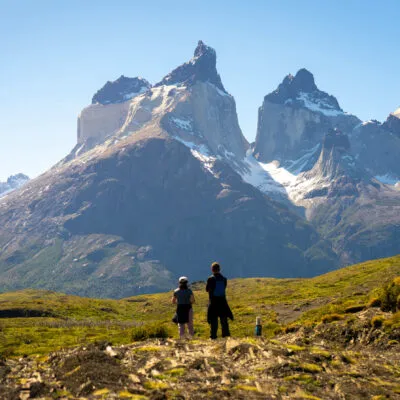
January is Patagonia at the top of its game and the top of its lungs. This is high summer in the far south, the absolute peak of the season, when the weather is at its warmest, every classic trail is open, and travelers from all over the world converge on the same legendary viewpoints. It is the month the whole calendar builds toward.
Hiking Patagonia in January means trading a little solitude for near-certainty. The conditions are as warm and settled as the region offers, the daylight is still generous, and nothing is closed for the season. If you want the surest shot at classic summer trekking, this is it.
The flip side is equally honest: January is the busiest and priciest month, the famous wind is at its strongest, and the scarcest resources — refuge beds, prime lodges, guided departures — are booked out far in advance. Peak season rewards preparation, not improvisation.
This guide covers what Patagonia in January is really like — the weather, the wind, the full-open trails, and the high-season crowds — and how to plan so you enjoy the peak at its best rather than getting caught in its rush.
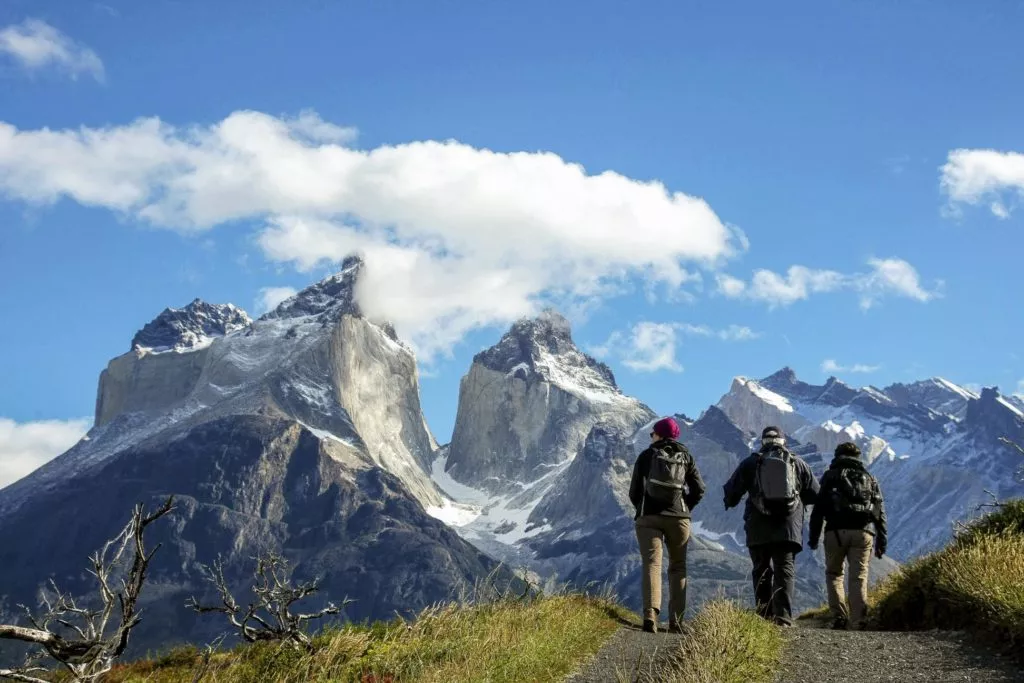
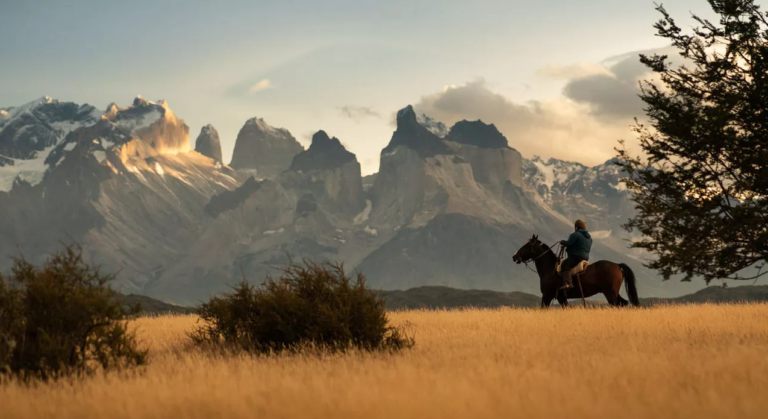
January is Patagonia at full volume — warmest weather, every trail open, and the busiest trails of the year.
1. The Weather in Patagonia in January
January is the warmest month of the Patagonian year. Daytime highs typically reach around 17 to 20°C (63 to 68°F), and on calm, sunny days it can feel genuinely summery, with mild evenings stretching late into the night.
The defining force, more than ever, is wind. January sits at the heart of the windy season, and gusts on exposed ridges, passes and lake crossings can be fierce — strong enough to knock you off balance in the most exposed spots. It is the signature of Patagonian summer.
Rain is less frequent and usually briefer than in spring, and the overall pattern is warm, bright and dry by regional standards. Patagonia January weather is the most summer-like of the year, but it is never fully predictable, and the wind demands respect.
The long days help enormously. With daylight still around sixteen to seventeen hours, you have ample time to time your walking around the calmer windows and make the most of the warmth.
2. Trails at the Peak of the Season
In January, everything is open. The full range of classic routes is accessible and in prime condition: the El Chaltén day hikes to Fitz Roy and Cerro Torre, the complete W route, and the longer O circuit in Torres del Paine are all firmly in season.
Dry trails, warm temperatures and long daylight make for excellent walking conditions. This is the month to attempt the most ambitious multi-day treks, because neither snow on the passes nor seasonal closures stand in the way.
The catch is capacity rather than conditions. The refuges and campsites that make the W and O circuits possible have limited space, and in January that space is in fierce demand, so a continuous, booked-up route must be assembled well in advance.
This is where a specialist earns its keep. Our Patagonia hiking tours hold the refuge relationships and lock in the booking chain early, which in a month this busy is the difference between hiking the route you want and not hiking it at all.

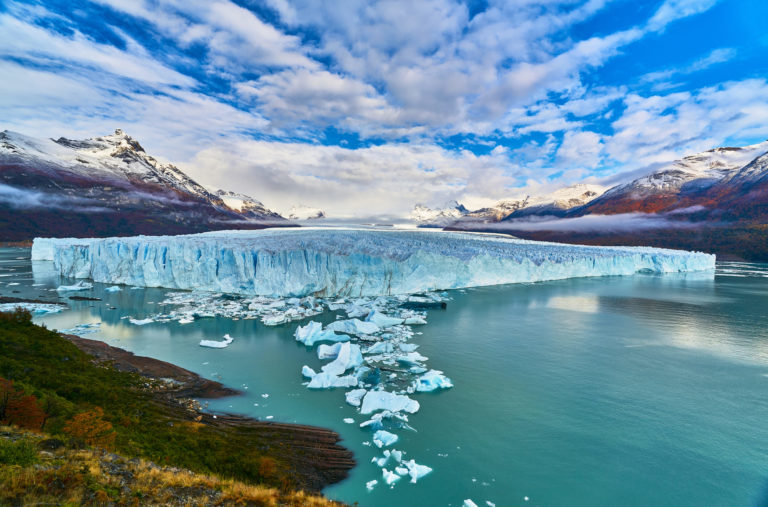
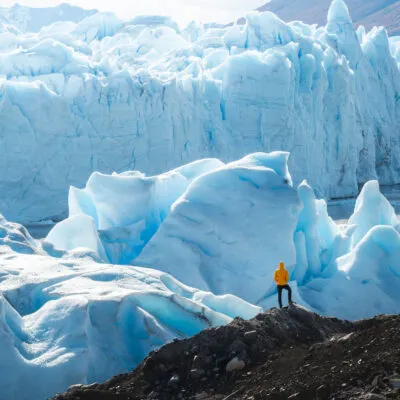
Everything is open in January, from the Grey Glacier sector to the full W and O circuits in Torres del Paine.
Crowds, Wind and How to Enjoy the Peak
There is no sugar-coating it: January brings the biggest crowds of the year. The headline viewpoints, the main trails and the gateway towns are all at their busiest, and popular departure times can feel genuinely crowded.
The good news is that crowds in Patagonia are very manageable with smart planning. Starting early, timing the famous viewpoints for the quieter hours, and choosing where you sleep carefully can transform the experience, giving you the great sights with far fewer people around them.
Wind management matters just as much. Planning the most exposed sections for the calmer morning hours, and keeping the itinerary flexible, turns the peak-season wind from an obstacle into a manageable feature of the day.
Patagonia high season crowds are real, but they are concentrated in predictable places and times. A well-designed January trip works around them rather than into them, which is largely a matter of timing and local knowledge.
Now you can choose your type of trip:
Type of trip
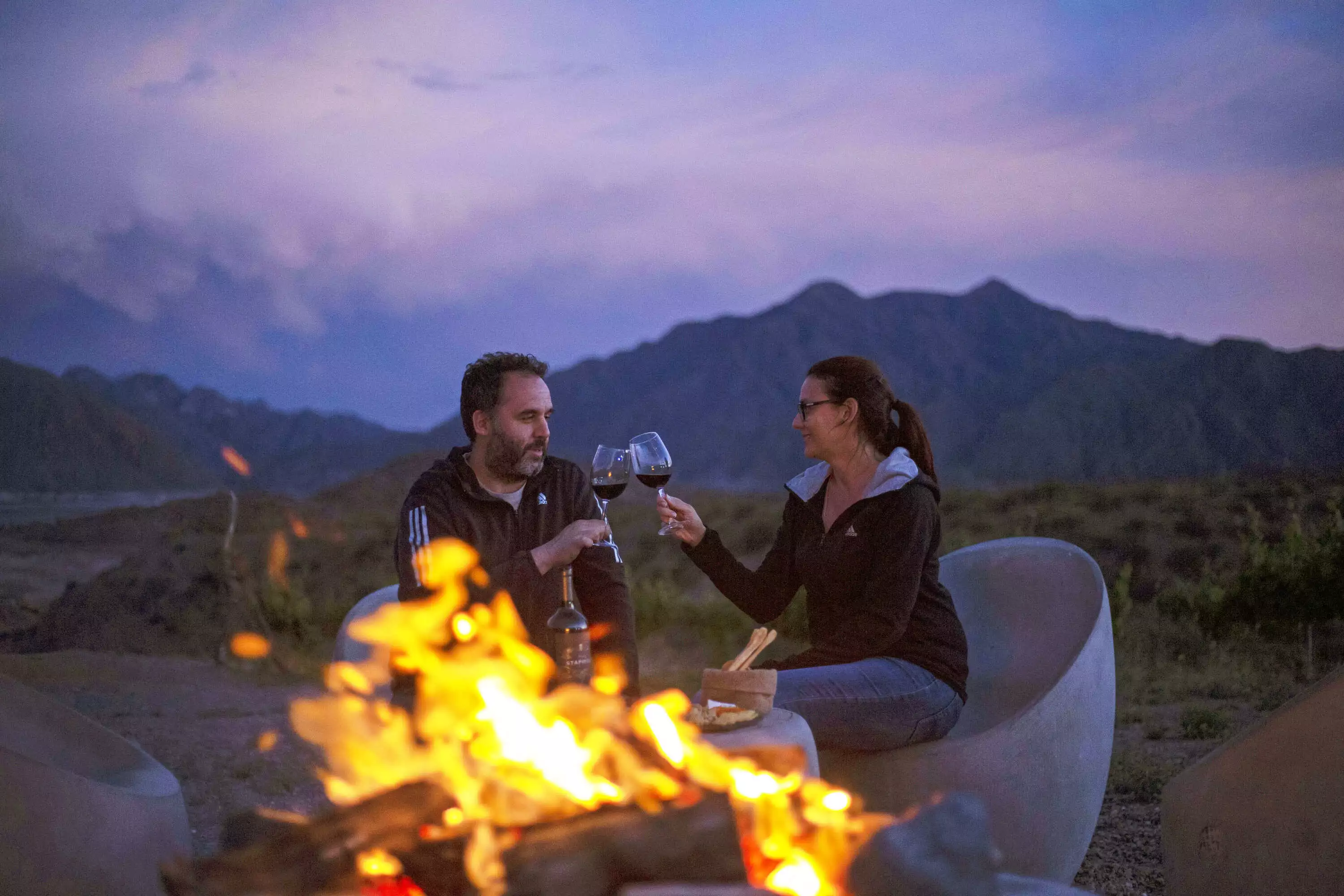
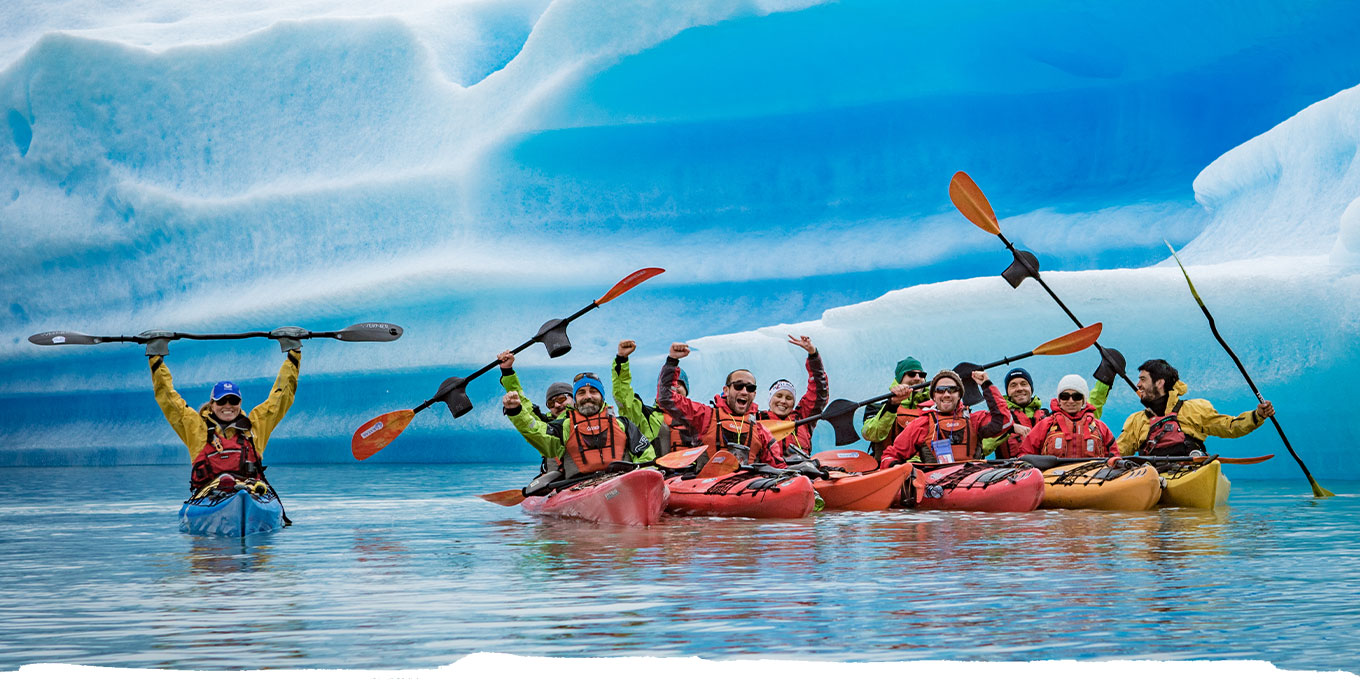


3. Where You Sleep Matters Most in January
In January, your choice of base shapes the whole trip. Staying inside Torres del Paine, rather than commuting in from Puerto Natales, means you are on the trail before the day visitors arrive and still there after they leave — priceless in peak season.
The same logic applies across Patagonia: the right location, booked early, buys you quiet mornings at the great sights. In the busiest month of the year, position often matters more than the category or polish of the accommodation itself.
Understanding the options helps, because lodging in Patagonia ranges from simple, well-placed refuges to comfortable lodges. Our guide to the Comfort, Inn or Superior Patagonia accommodation tiers explains what each level offers so you can choose well for a January trip.
Because the best-located beds sell out first, January is the month where booking early pays the clearest dividends. The traveler who secures the right base, in the right spot, enjoys a fundamentally calmer peak season.
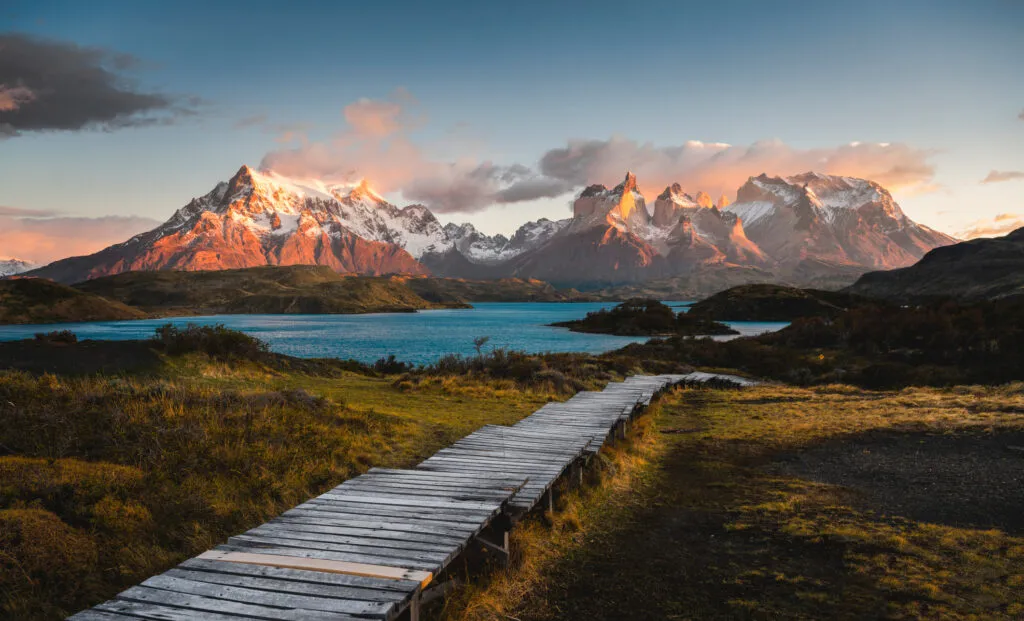
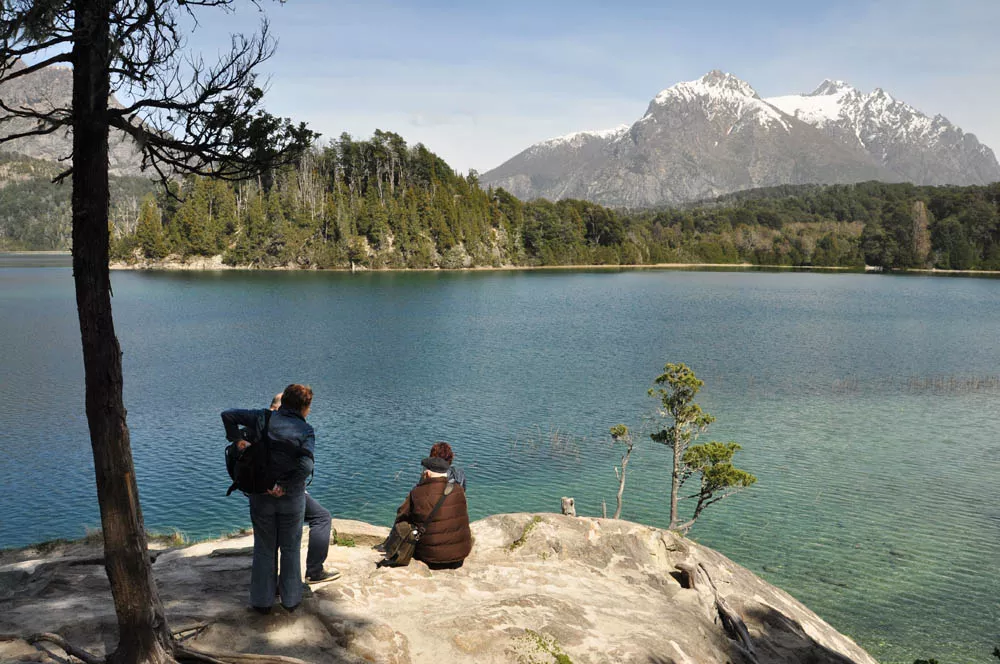
In peak season, sleeping inside the park buys you the great viewpoints before the day crowds arrive.
4. Who January Suits Best
January suits travelers who want the warmest weather and the surest conditions, and who value certainty over solitude. If you have a fixed window — school holidays, for instance — and want everything open and running, the peak season delivers.
It is ideal for ambitious trekkers set on the full W or O circuits, and for first-time visitors who want the classic summer Patagonia experience with every option available. The trade is accepting crowds and higher prices.
Who might choose another month? Travelers who prize quiet trails, lower costs or gentler wind will likely prefer the shoulder months — November and December’s early weeks before the trails fill, or February’s later half and March as the crowds thin. But for peak summer certainty, January is the benchmark.
January in Patagonia at a Glance
| What to expect | In January |
| Season | Peak of the high season |
| Daytime temperatures | Roughly 17–20°C (63–68°F), the warmest of the year |
| Daylight | Long — around 16–17 hours |
| Wind | Strongest of the year |
| Crowds | Highest of the year |
| Trails | Fully open and in prime condition |
| Best for | Warmth, certainty, ambitious treks, fixed-date travelers |
5. FAQs About Patagonia in January: Hiking at the Peak of the Season
January is an excellent time to hike in Patagonia if you want the warmest weather and the most certain conditions. It is the peak of the season: temperatures are at their highest, the days are long, and every classic trail is open and in prime condition.
The trade-offs are crowds, cost and wind. January is the busiest and most expensive month, and the famous Patagonian wind is at its strongest, so exposed sections require care.
With early booking and smart timing, January rewards hikers handsomely, especially those set on the full W or O circuits. Travelers who prefer quiet trails and lower prices may favour the shoulder months of November or March instead.
January is the busiest month in Patagonia. As the peak of the high season, it draws the largest numbers to the main trails, viewpoints and gateway towns, and popular spots can feel genuinely crowded at peak hours.
That said, Patagonia high season crowds are concentrated in predictable places and times. Starting early, timing the famous viewpoints for quieter hours, and staying in well-placed accommodation can give you the great sights with far fewer people around.
Refuges and lodges are heavily booked, so securing the right base early is essential. A well-planned January trip works around the crowds rather than into them, which makes the peak season far more enjoyable than the raw visitor numbers might suggest.
Absolutely, provided you plan ahead. In January, Torres del Paine is at its most accessible, with the full W route, the O circuit, the base of the towers and the Grey Glacier sector all open and in prime condition under the warmest weather of the year.
The downside is that it is also at its busiest, and the wind is strong. The key to enjoying it is where and when: staying inside the park lets you reach the great viewpoints before the day crowds arrive, and timing exposed sections for calmer morning hours makes a real difference.
With the right base booked early and a flexible, well-timed plan, Torres del Paine in January offers the classic peak-season experience with the crowds largely managed around you.
January is the warmest month in Patagonia, with daytime highs around 17 to 20°C (63 to 68°F), mild evenings and frequent sunny, summer-like days.
Wind is the dominant feature, as January sits at the heart of the windy season. Gusts on ridges, passes and lake crossings can be very strong, occasionally fierce in the most exposed spots. Rain is less frequent and usually brief.
Daylight remains long, at around sixteen to seventeen hours, giving plenty of time to plan around the wind. Patagonia January weather is the most summer-like of the year, but it stays changeable, so layers and a solid windproof shell are still essential.
Yes, very much so. January is the peak of the season, and the scarcest resources — refuge beds on the Torres del Paine circuits, prime lodges, guided departures and even flights — book out months in advance.
Because the W and O circuits depend on a continuous chain of reserved refuges or campsites, a single unavailable night can break the whole route, which makes early booking especially critical in January.
Aim to plan several months ahead, and ideally six months to a year for the best-located accommodation. Working with an operator that holds the refuge relationships and secures the booking chain early is the surest way to hike the route you want in this in-demand month.