- 1. Start With the Question Almost Every Traveler Skips
- 2. The Four Kinds of Patagonia Package, and Who Each One Suits
- 3. How Many Days Should Your Package Be?
- 4. Argentine Patagonia, Chilean Patagonia, or Both?
- 5. Trekking or Comfort? Be Honest About Your Pace
- 6. What the Season Does to the Package
- 7. Reading a Patagonia Tour Package Comparison Honestly
- 8. Group Departures or Tailor-Made? The Real Trade-Off
- 9. The Red Flags Worth Noticing
- 10. Matching the Package to the Traveler
- 11. What to Ask Before You Book
- 12. Frequently Asked Questions
- How do I choose the right Patagonia Argentina tour package?
- How many days do I need for a Patagonia tour package?
- Should my package include both Argentine and Chilean Patagonia?
- What’s usually not included in a Patagonia tour package?
- Is a guided group or a tailor-made package better for Patagonia?
- When should I book a Patagonia package?
Most people don’t struggle to decide whether to visit Patagonia. They struggle to decide which version of it to buy.
Search once, and the options multiply: nine-day packages, sixteen-day expeditions, guided groups, self-drive routes, all-inclusive lodges, and tailor-made itineraries with no fixed price at all.
They look broadly similar; they are priced very differently, and almost none of them explain what actually separates one from the next.
That opacity is the real barrier. It isn’t that Patagonia is expensive — it’s that it’s hard to tell what you’re paying for until you’re already committed.
So this guide is not a pitch for a particular route. It’s a framework for how to choose a Patagonia Argentina tour package that fits the trip you actually want, rather than the one that happened to rank first.
We’ll work through the four kinds of packages on the market, how long yours should be, whether to cross into Chile, what the season does to both the experience and the cost, and how to read a Patagonia tour package comparison without being misled by it.
The through-line is simple. In a region this remote, a package is not a product you buy. It’s a set of decisions someone else made on your behalf.
The only question that matters is whether they made them for a traveler like you. Get that right, and Patagonia feels effortless. Get it wrong, and you’ll spend the best week of your year in a van.
Below is what to consider when choosing a Patagonia tour, in the order that actually matters.
1. Start With the Question Almost Every Traveler Skips
The instinct is to compare packages first. That’s backwards, and it’s why so many people end up with an itinerary that technically includes everything they asked for and still doesn’t feel right.
Before you look at a single route, answer one question honestly: what do you want to be doing at four in the afternoon on day five?
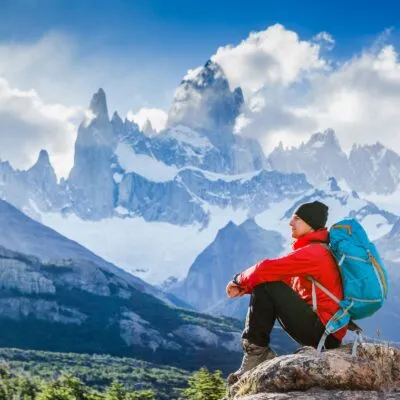
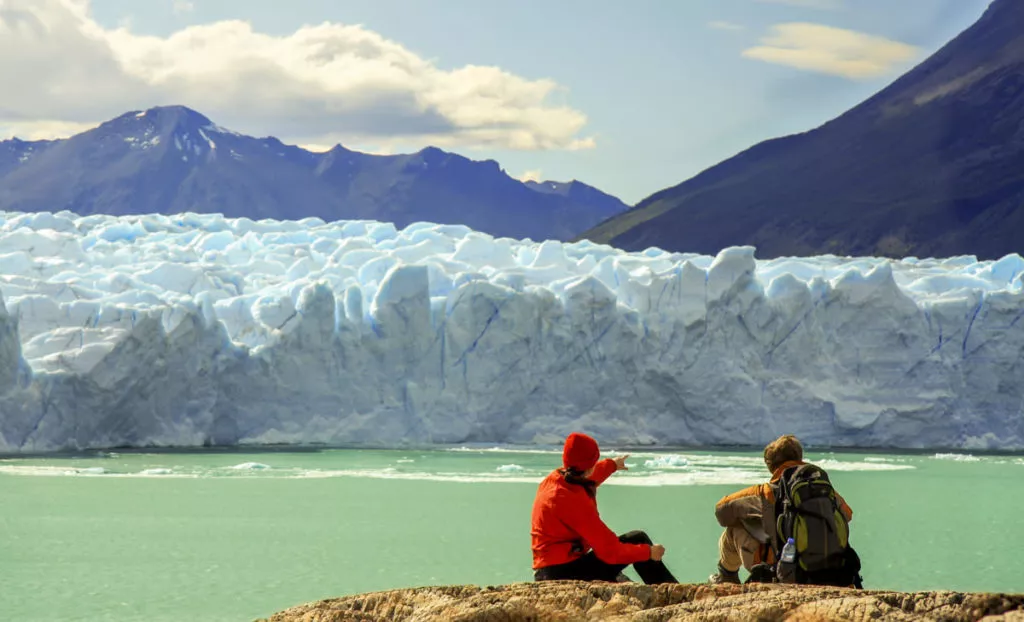
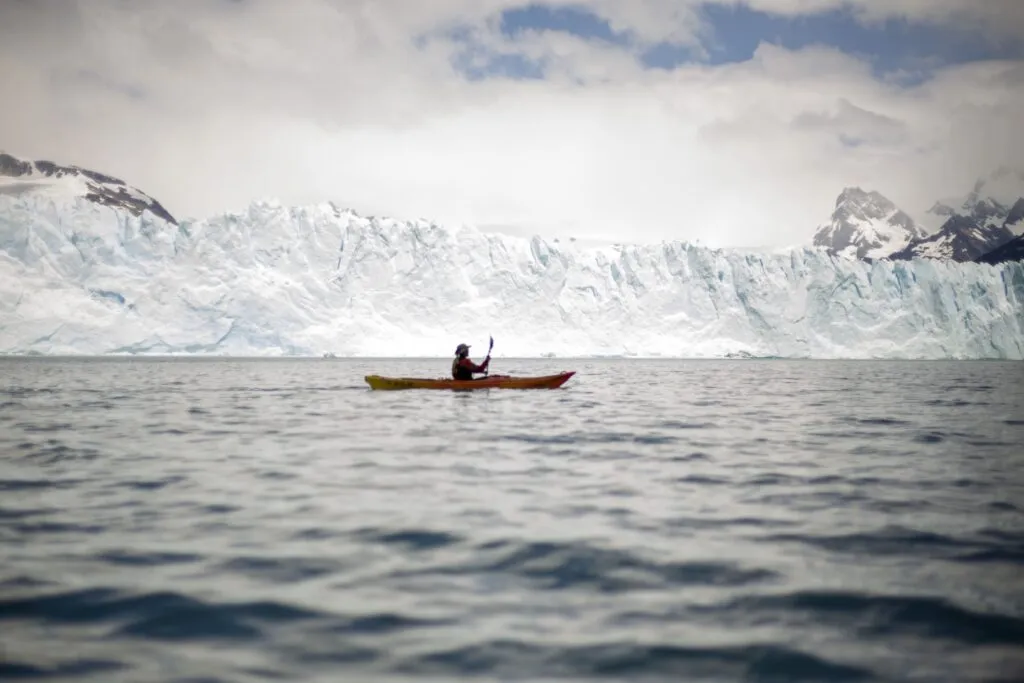
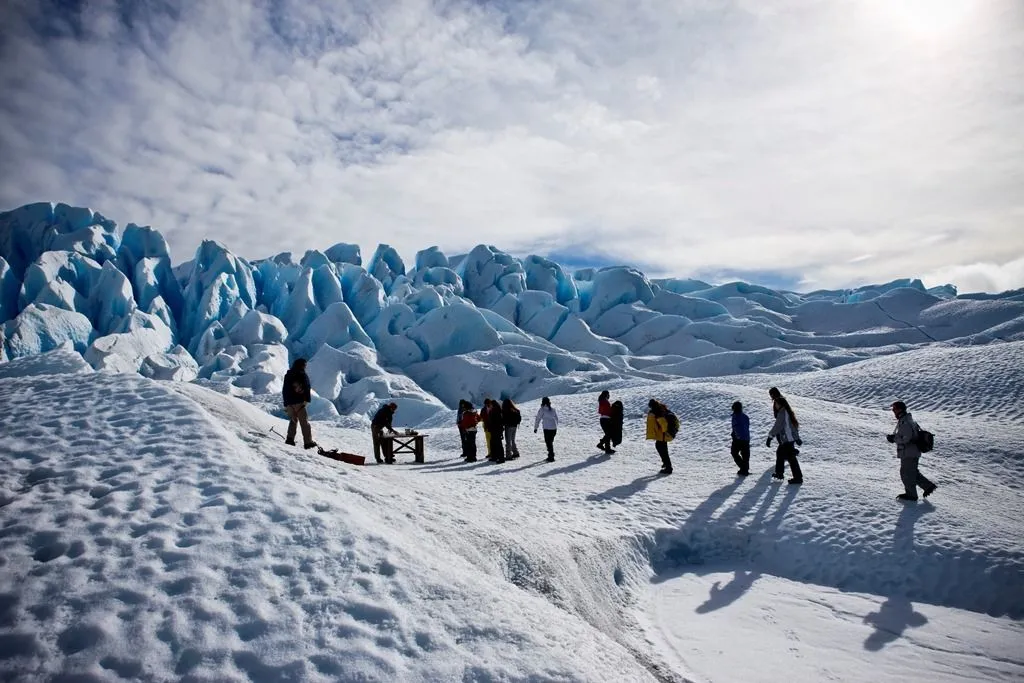
Some people picture themselves two hours into a climb, legs burning, with a glacier opening up below. Others picture a window seat, a glass of something, and the same glacier at a distance.
Both are legitimate Patagonia trips. They are not the same package, and no amount of feature-matching will reconcile them.
The second question is who you’re travelling with. A couple’s pace is not a family’s pace, and a group of friends will happily absorb a six o’clock departure that a multigenerational trip will quietly resent.
The third is your tolerance for friction. Patagonia involves long transfers, unpredictable weather, and border crossings. Some travelers find that part of the adventure; others want it made invisible.
Everything else — days, destinations, price — follows from those three answers. Our range of Argentine Patagonia tours is deliberately broad for exactly that reason: the same region supports very different trips.
2. The Four Kinds of Patagonia Package, and Who Each One Suits
Strip away the branding and almost every Patagonia Argentina tour package falls into one of four categories.
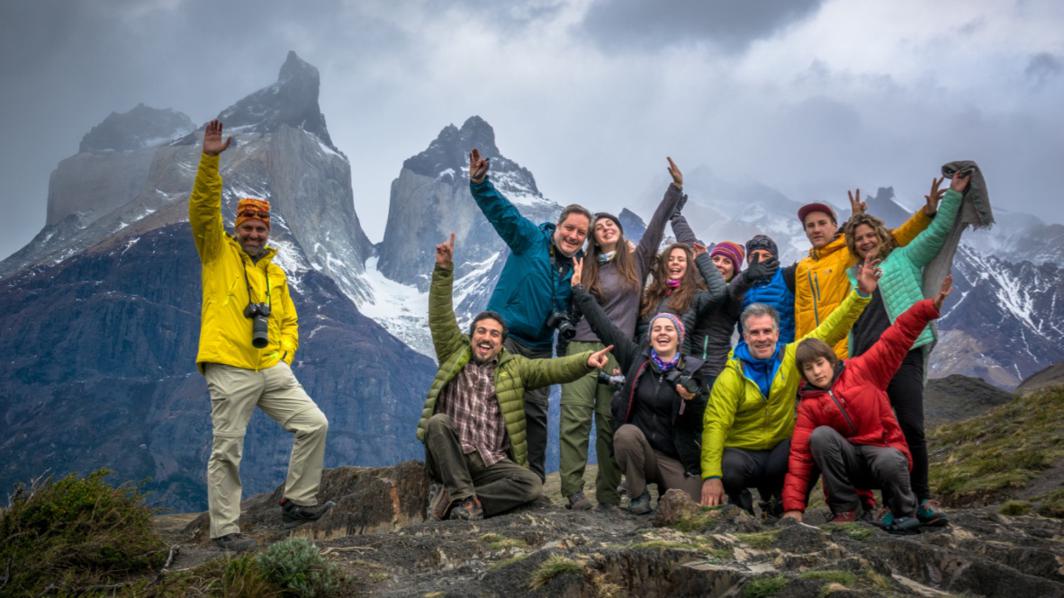
Guided group departures run on fixed dates with a set itinerary and a shared guide. They’re the most economical way to travel well here, and the trade-off is pace: you move when the group moves.
Private tailor-made itineraries are built around you — your dates, your rhythm, your interests — with private guides and transfers. The most expensive per day, and the most likely to feel like your trip rather than a trip.
Self-drive packages hand you a vehicle, a route, pre-booked lodging, and a detailed road book. Enormous freedom, considerably lower cost, and total responsibility for the driving and the weather.
Lodge-based all-inclusive packages anchor you at a single property, most often in or near Torres del Paine, with guided excursions included every day. Simple, comfortable, and geographically narrow by design.
The mistake is treating these as price tiers. They aren’t. They’re four different travel philosophies that happen to cost different amounts.
| Package type | What it’s really for | The trade-off |
| Guided group | Travelling well at a sensible cost, with company built in | You move at the group’s pace |
| Private tailor-made | A trip shaped entirely around you | Highest cost per day |
| Self-drive | Freedom, spontaneity and lower cost | You own the driving and the weather |
| Lodge-based all-inclusive | Simplicity and comfort in one place | Narrow geography |
In practice, our guided group departures in Patagonia and our self-drive Patagonia routes attract almost entirely different travelers — and both are the right answer for the person who chose them.
3. How Many Days Should Your Package Be?
This is where most Patagonia trips are won or lost, and where the temptation to over-buy is strongest.
The distances are deceptive. Two headline sights can sit a full day’s travel apart, and a package promising six destinations in nine days is really promising you a lot of vehicles.
Seven to nine days is enough for one side done properly — usually El Calafate and El Chaltén, with the glaciers and Fitz Roy at a civilised pace.
Nine to eleven adds a genuine crossing into Chile, or Ushuaia at the end of the road, without the itinerary starting to sprint.
Twelve to sixteen is the comprehensive version: both countries, the estancias, the fjords, and enough slack to lose a day to weather without losing the trip.
Beyond sixteen you’re either adding Antarctica or slowing down. Both are good reasons.
Our nine-day Best of Patagonia and thirteen-day Best of Patagonia itineraries exist precisely to mark those two natural lengths.
The honest rule: if you’re choosing between adding a destination and adding two nights where you already are, add the nights. Nobody has ever come home from Patagonia wishing they had driven more.
4. Argentine Patagonia, Chilean Patagonia, or Both?
Almost every package makes this decision for you, and it’s rarely explained.
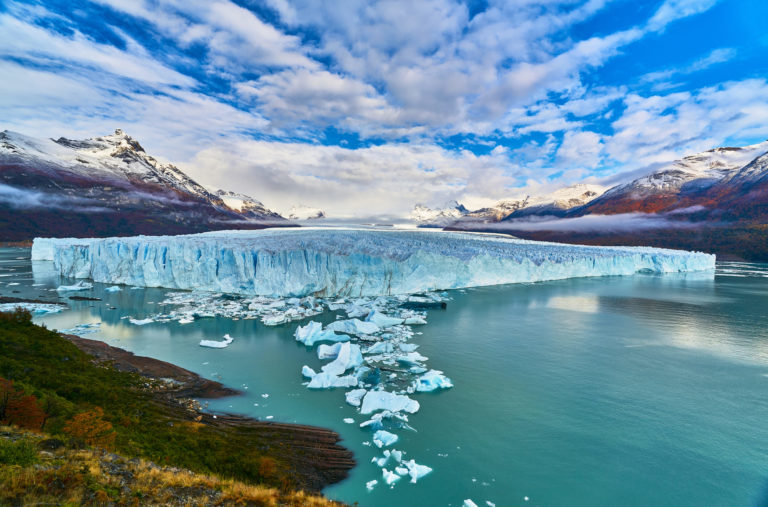
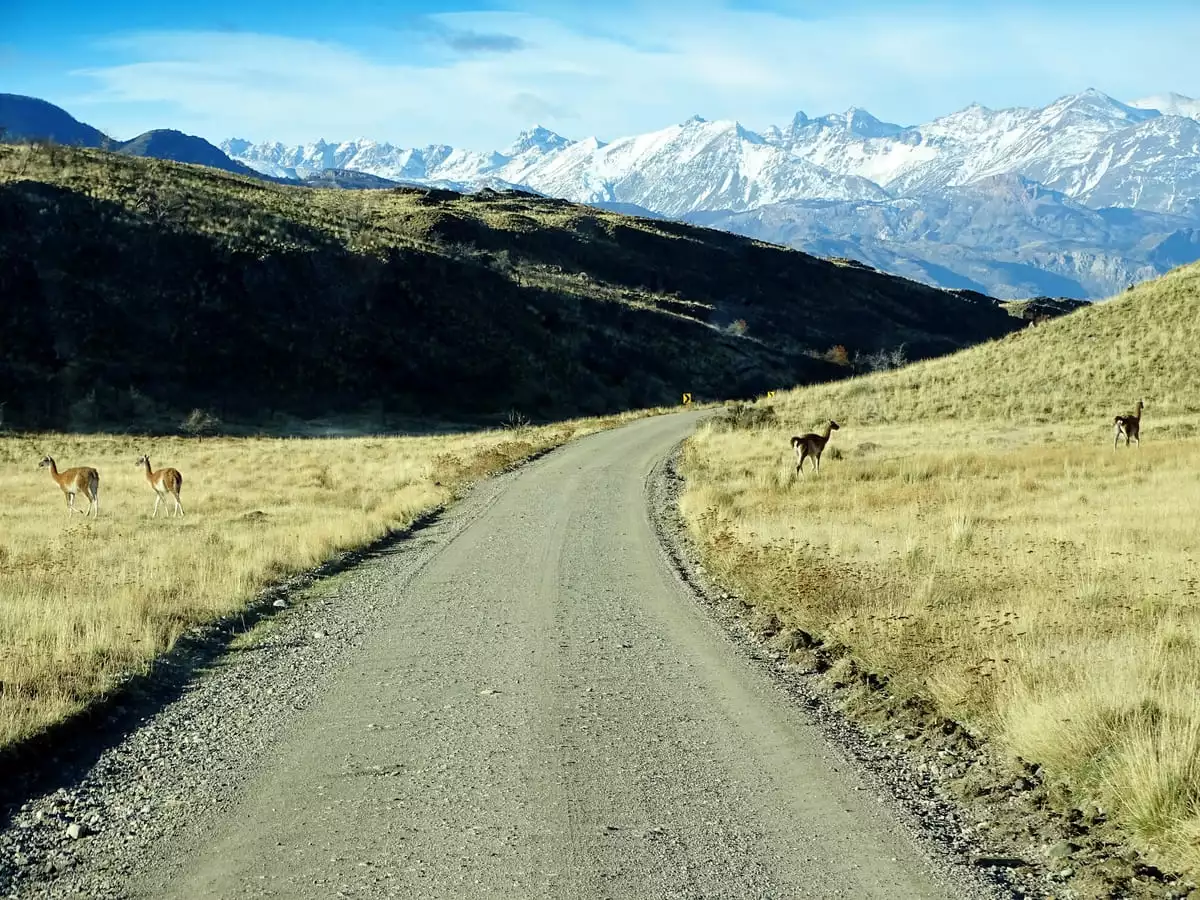
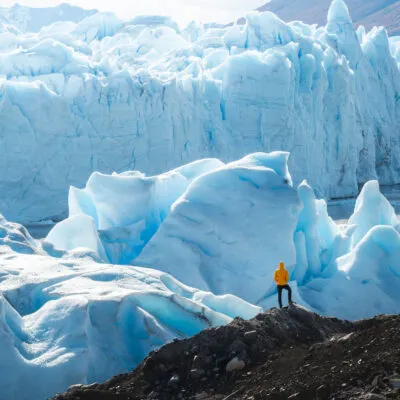
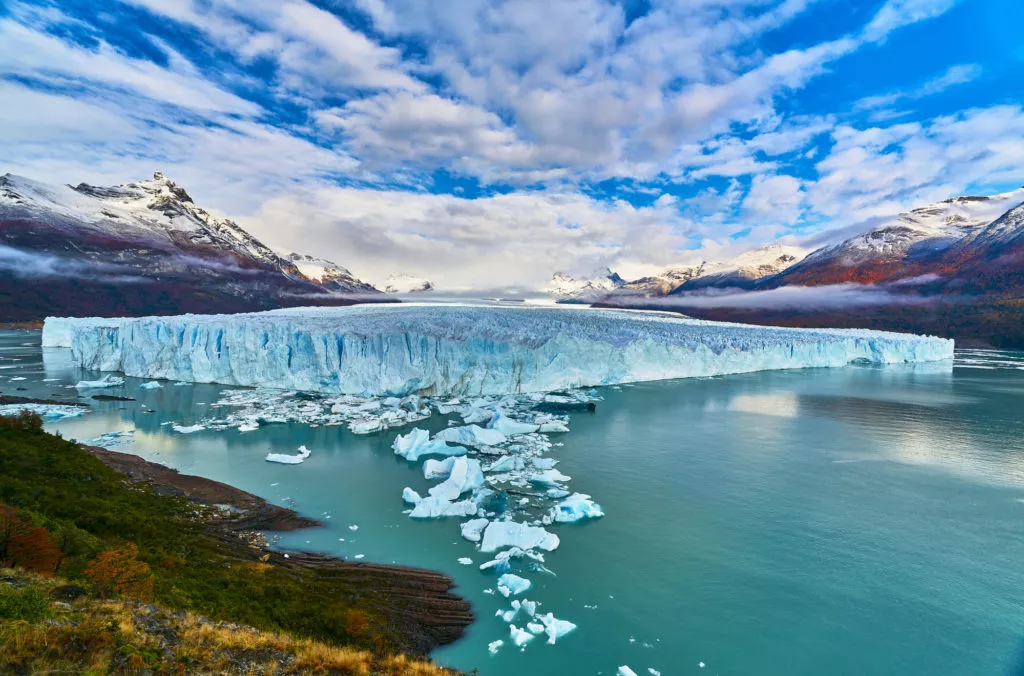
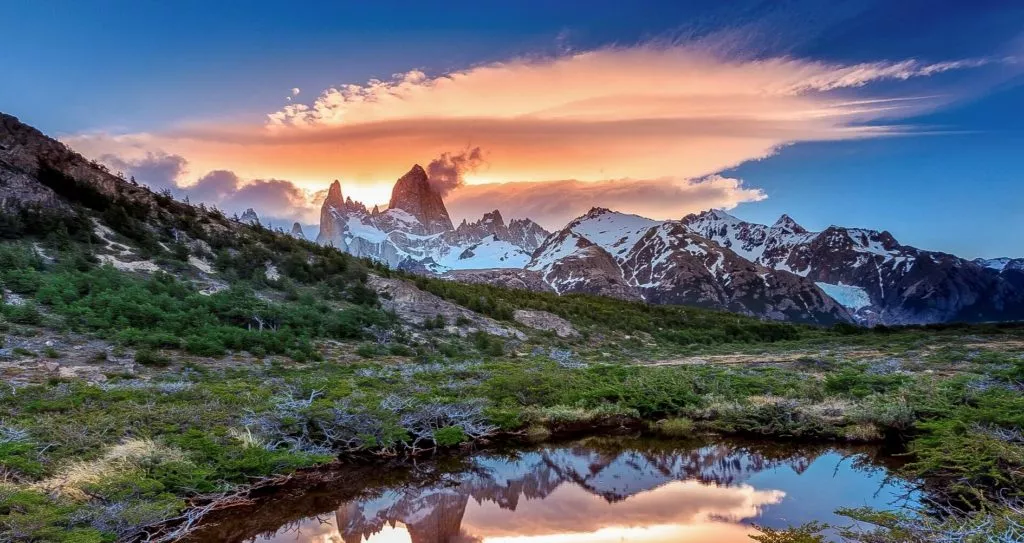
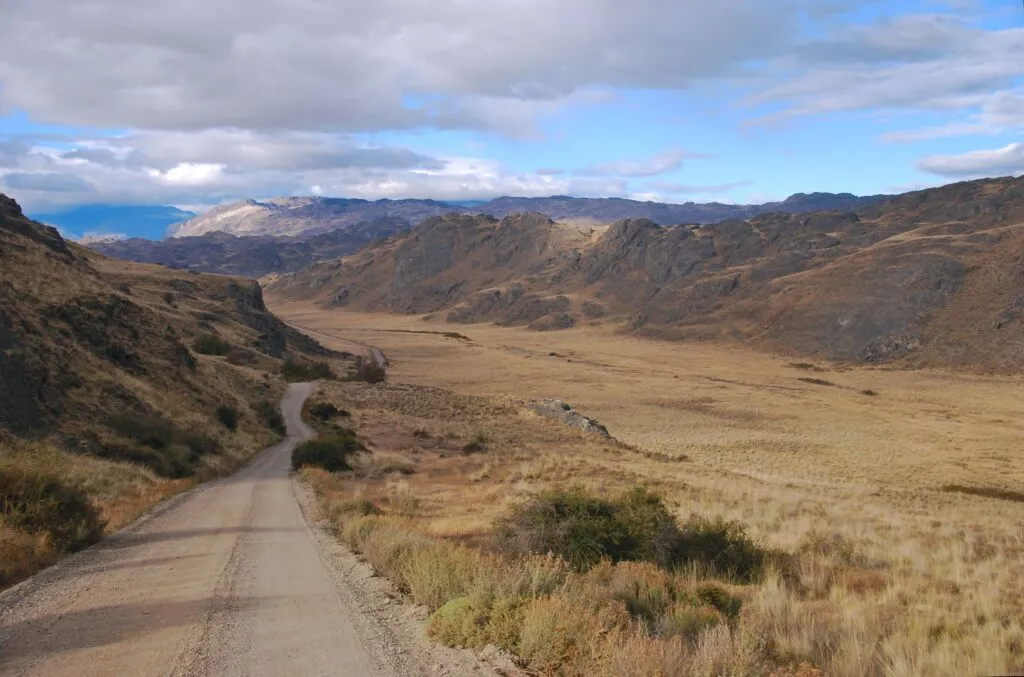
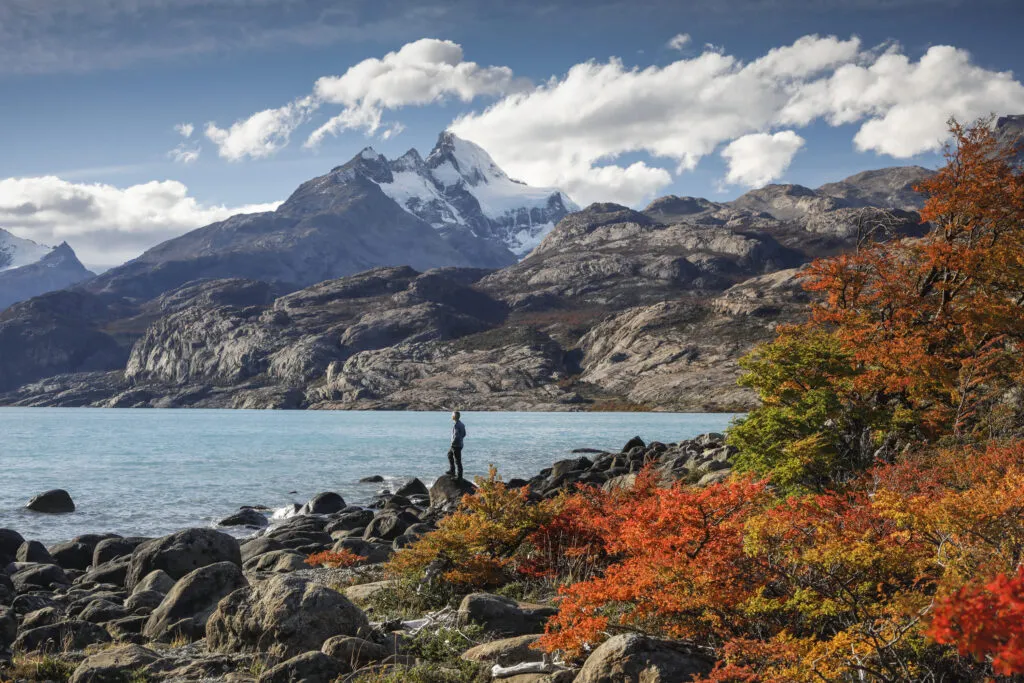
Argentine Patagonia is the land of ice and granite: the Perito Moreno Glacier at El Calafate, the Fitz Roy massif at El Chaltén, the open steppe, the estancias, and Ushuaia at the very end.
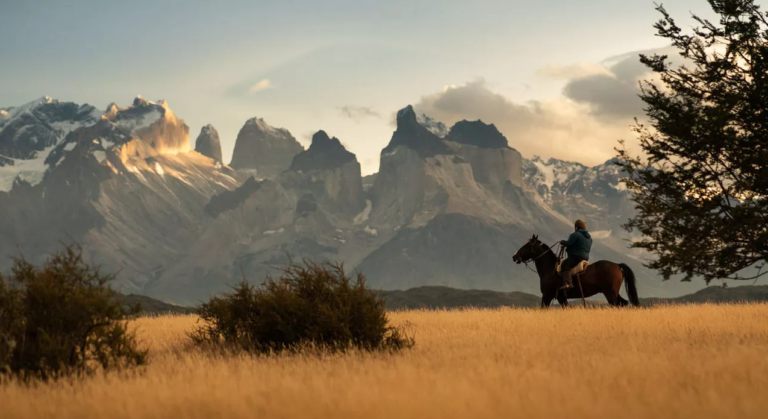
Chilean Patagonia is more concentrated. Torres del Paine delivers an extraordinary amount of drama in a small area, which is why the all-inclusive lodge model thrives there and barely exists on the Argentine side.
The two sit close together on a map and are separated by a border with limited crossings and rigid timing.
That’s the catch. A package including both isn’t simply “more” — it’s a package that has spent some of your days on logistics.
Done well, the crossing is seamless, and the contrast is the entire point: granite, then ice, then fjord. Done badly, it’s an afternoon lost at a checkpoint.
If you have nine days or fewer, choose one side and go deep. If you have twelve or more, our Chilean Patagonia tours are usually worth combining with the Argentine side, and the Patagonia travel guide shows how the geography actually fits together.
5. Trekking or Comfort? Be Honest About Your Pace
Patagonia has a marketing problem: the photographs are all taken at the top of something.
A great many packages are quietly built for people who hike six hours a day, and a great many buyers are not those people. This is the most common mismatch there is.
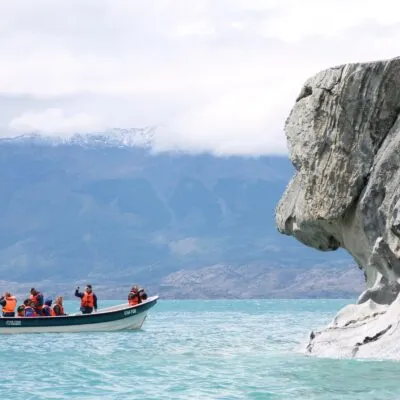
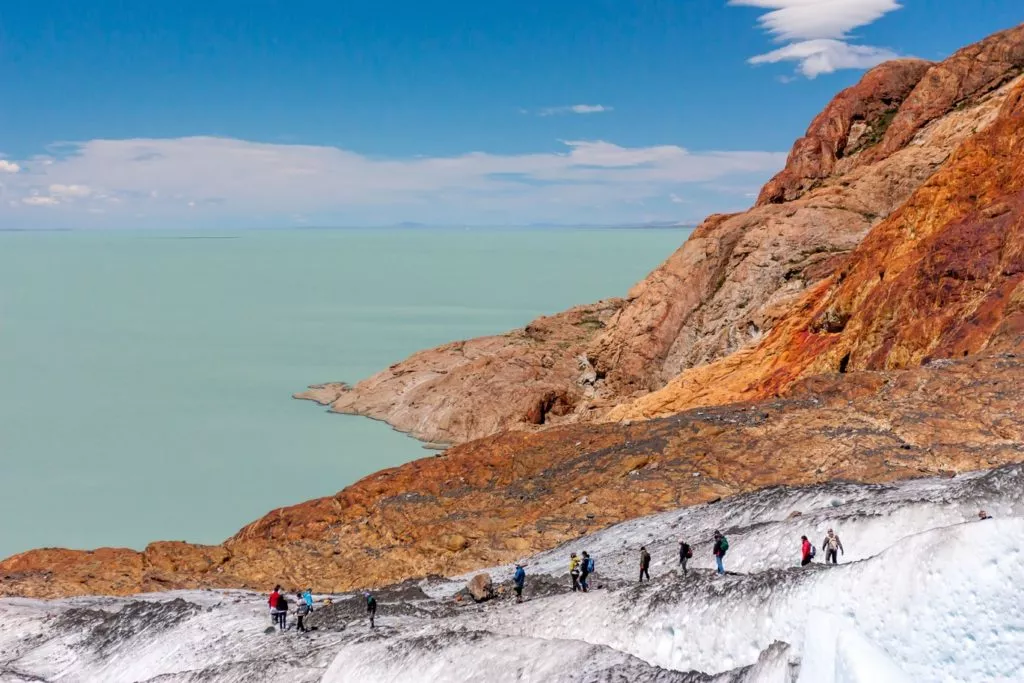
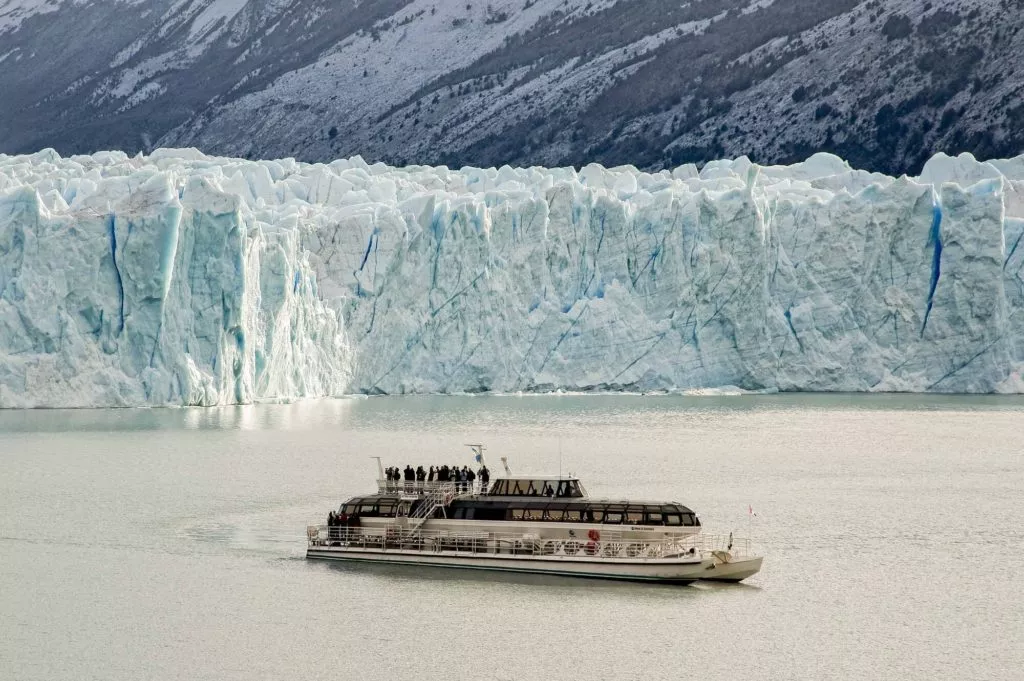
The good news is that Patagonia is unusually generous to non-hikers. The Perito Moreno boardwalks, Torres del Paine by vehicle and boat, the estancia days, the fjord cruises — none of them require a summit.
The bad news is that a package’s difficulty is often buried in a single word: “moderate”.
Moderate in Patagonia can mean an eight-hour round trip with 800 metres of ascent, in wind that pushes back.
So read the daily distances, not the adjective. And if the truth is that you’d rather see Fitz Roy than climb toward it, say so early — it changes the entire shape of the package.
Our Patagonia hiking trips are explicit about what each day asks of you, while the luxury Patagonia journeys deliver the same landscapes with the effort dialled down.
6. What the Season Does to the Package
Season isn’t only a weather question in Patagonia. It changes what’s open, what’s possible, and what you’ll pay.
The window runs from roughly late October to March. Outside it, many lodges close, some trails and passes shut, and the daylight collapses.
December to February is high summer: the longest days, the most reliable trails, the largest crowds, and the highest prices.
November and March are the shoulder — thinner crowds, softer light, better wildlife, and genuinely better value, with the trade-off that the weather is less predictable.
Late October and early April belong to travelers who prioritise emptiness over certainty.
Here is the part packages rarely say out loud: the same itinerary in March can cost meaningfully less than in January and, for many travelers, be the better trip.
The wind, incidentally, is not seasonal in the way people hope. Patagonia is windy. Plan around it rather than for its absence.
If your dates are flexible, ask what shifting a fortnight would do to both the price and the crowds. The answer is often larger than you would expect.
7. Reading a Patagonia Tour Package Comparison Honestly
Two packages, same destinations, same number of nights, and one is forty per cent more expensive. This is the moment most people give up and pick the cheaper one.
Usually the gap is real, and it’s hiding in four places.
Inclusions, first. Internal flights, park entrance fees, transfers, and meals are wildly inconsistent between operators. A package that excludes three internal flights isn’t cheaper — it’s incomplete.
Guiding, second. A shared guide across sixteen people and a private naturalist both appear as “a guide” on a feature list.
Lodging, third — and not just the category. In Patagonia, location is worth more than stars. A four-star inside the park beats a five-star ninety minutes away, every single time.
Group size, fourth. It is the least advertised number and one of the most consequential: it determines the pace, the vehicle, and how often you stand around waiting.
So an honest Patagonia tour package comparison isn’t a price comparison. It’s a comparison of what has been left out.
Line the two up and ask what the cheaper one doesn’t mention. There is almost always an answer.
8. Group Departures or Tailor-Made? The Real Trade-Off
This is the choice people agonise over, usually for the wrong reasons.
The assumption is that group travel is the compromise and private travel is the upgrade. That isn’t quite it.
A guided group departure buys you a fixed, well-tested route at a lower cost, with company built in — which many solo travelers and couples genuinely want in a region this empty.
What it costs you is control. You leave when the group leaves, you eat when the group eats, and when the weather turns, the itinerary adapts for sixteen people rather than for you.
A tailor-made itinerary buys that control back. Your dates, your pace, and a guide who reads the forecast and quietly reorders your week over breakfast.
It costs more per day, and it’s worth more in direct proportion to how particular you are.
Our Patagonia group departures run on set dates for that reason, while our tailor-made Patagonia trips exist for travelers whose trip won’t survive being averaged.
Neither is better. They answer different questions.
9. The Red Flags Worth Noticing
A few patterns reliably signal a package that will disappoint, and they’re easy to spot once you know them.
Too many destinations for the days. If a nine-day package lists five towns, the sixth stop is a road.
Vague inclusions. “Selected meals” and “transfers where applicable” are doing an enormous amount of work in those sentences.
No named lodging. If a package won’t tell you where you’re sleeping until after you book, it’s usually because the answer varies.
No local presence. An operator with no team on the ground cannot rebuild your day when a flight cancels — and in Patagonia, flights cancel.
A price with no conversation. Patagonia has almost no fixed inventory, so any package priced to the dollar before your dates are known has made assumptions you haven’t seen.
And the quiet one: no questions. If nobody asked what you want to be doing at four in the afternoon on day five, then nobody designed this for you.
10. Matching the Package to the Traveler
Most of this decision collapses the moment you’re honest about which traveler you are.
The table below is a shortcut, not a rule. But it resolves the majority of cases before a single price is compared.
| If you are… | The package that fits | Why |
| A first-timer with 7–9 days | Guided group, or a compact private route on one side only | Depth beats coverage at this length |
| A couple wanting comfort | Lodge-based or tailor-made with private guiding | Pace and privacy are the whole point |
| A serious hiker | Trekking-focused: El Chaltén and Torres del Paine | The trails are the itinerary |
| A family | Tailor-made with deliberately flexible days | Children set the pace, not the route |
| A returning traveler | Self-drive or off-the-beaten-path routes | You already have the highlights |
If you’re travelling with children, our family trips are built around that reality rather than adapted to it after the fact.
11. What to Ask Before You Book
Five questions separate a package you’ll be glad you bought from one you’ll merely tolerate.
- What exactly is not included? Ask for it as a list, not a paragraph.
- Who is the guide, and how many people will they have? Names and numbers, not job titles.
- Where am I sleeping, by name, and how far is it from the park gate?
- What happens if the weather closes the trail on day four? A good answer is specific. A bad answer is merely reassuring.
And finally: how many days of this itinerary are travel days? Count them yourself if you have to.
If an operator answers all five without hedging, the price is probably an honest one. Our travel specialists answer them before you’re asked to commit to anything, because the alternative is selling someone the wrong trip.
That’s the whole test. A Patagonia package is a set of decisions. Buy the ones made by people who asked about you first.
12. Frequently Asked Questions
How do I choose the right Patagonia Argentina tour package?
Start with how you want to spend your days rather than with the itineraries themselves. Decide whether you want to hike hard or see the same landscapes at a gentler pace, who you’re travelling with, and how much friction you’ll tolerate.
Those three answers eliminate most of the market immediately, because they determine whether a guided group, a self-drive route, a lodge stay, or a tailor-made itinerary is even appropriate.
Only then compare specific packages — and compare them on inclusions, guiding, lodging location, and group size rather than on headline price.
How many days do I need for a Patagonia tour package?
Seven to nine days covers one side of Patagonia properly, usually El Calafate and El Chaltén, at a pace that doesn’t feel rushed.
Nine to eleven lets you add a crossing into Chile or a stretch down to Ushuaia. Twelve to sixteen is the comprehensive version, with enough slack to absorb a weather day without derailing the trip.
The common mistake is buying destinations instead of nights. If you’re torn between adding a town and adding two nights where you already are, the nights almost always deliver the better trip.
Should my package include both Argentine and Chilean Patagonia?
Only if you have the days for it. The two sides sit close together but are separated by a border with limited crossings and inflexible timing, so combining them spends part of your itinerary on logistics.
With nine days or fewer, choose one side and go deep — you’ll see more and travel less. With twelve or more, combining them is usually worth it, and the contrast between Argentine ice and Chilean granite is genuinely the point.
What matters most is that the crossing is sequenced by someone who does it routinely. Done well, it’s invisible; done badly, it costs you an afternoon.
What’s usually not included in a Patagonia tour package?
Internal flights are the big one, and they’re a substantial cost in a region this size. Park entrance fees, most lunches and dinners, travel insurance, tips, and international flights are also commonly excluded.
The inconsistency between operators is the real problem: two packages can look identical and differ by thousands once the exclusions are added back.
Always ask for the exclusions as an explicit list before comparing prices. A package that excludes three internal flights isn’t cheaper — it’s simply incomplete.
Is a guided group or a tailor-made package better for Patagonia?
Neither is objectively better; they answer different questions. A guided group departure gives you a well-tested route at a lower cost with company built in, which suits solo travelers and sociable couples.
The cost is control: you travel at the group’s pace, and when the weather turns, the itinerary adapts for everyone rather than for you.
A tailor-made trip buys that control back — your dates, your pace, and a guide who can reorder the week around a forecast. It costs more per day, and it’s worth more the more particular you are.
When should I book a Patagonia package?
Eight to twelve months ahead for peak dates between December and February, and earlier still if you want specific lodges or a particular guide.
Patagonia has very little inventory. The properties worth staying in are small, and the best guides are reserved before the rooms are, so late bookings tend to mean compromise rather than savings.
If your dates are flexible, ask what moving them by a fortnight does to both price and crowds. Shifting from January to March frequently improves the trip and reduces the cost at the same time.