Discover the best Patagonia cruise routes through Chile and Argentina, from the remote fjords and glaciers of the south to the legendary waters around Cape Horn. Learn what to expect, when to go, and how to choose the right expedition cruise for your journey to the End of the World.
Patagonia cruises offer a unique way to explore one of the most remote and spectacular regions of South America. Instead of following traditional land routes, these small-ship expeditions navigate through the fjords, glaciers, islands, and channels of southern Chile and Argentina, reaching landscapes that are often inaccessible by road.
From the dramatic waterways of the Chilean fjords to the legendary Cape Horn and the route between Ushuaia and Punta Arenas, Patagonia cruises combine nature, adventure, and comfort. Along the way, travelers can discover glaciers, spot marine wildlife, explore remote shorelines, and learn about the history and ecosystems of the southern tip of the continent.
In this guide, you will discover the main Patagonia cruise routes, what to expect onboard, the best time to travel, and how to choose the right expedition for your Patagonia itinerary.

What Is a Patagonia Cruise Like?
A Patagonia cruise is an expedition-style journey designed to explore the remote waterways of southern Chile and Argentina. Unlike traditional ocean cruises focused on onboard entertainment and large ports, these smaller vessels are built around nature, exploration, and immersive experiences in some of the most isolated landscapes on Earth.
During a Patagonia cruise, travelers navigate through a network of fjords, channels, glaciers, and islands, often reaching areas that are difficult or impossible to access by land. Days are shaped by the surrounding environment, with opportunities to observe wildlife, explore remote shorelines, and learn about the region’s history and ecosystems from expert guides.
Life Onboard
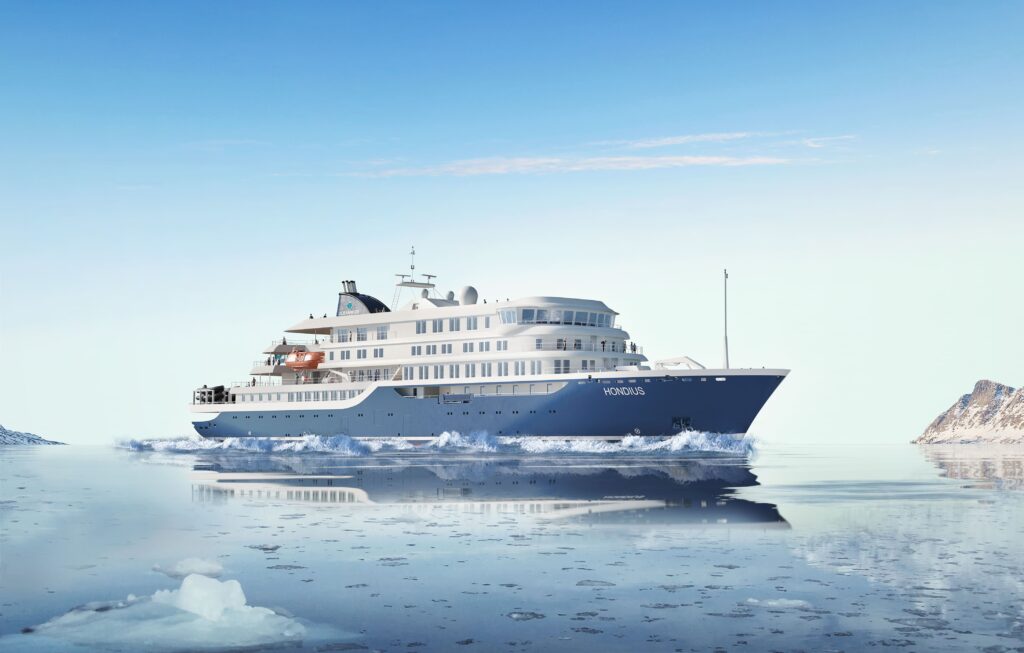
Patagonia expedition cruises offer a comfortable but adventurous atmosphere. Ships usually have smaller capacities, allowing them to access narrow channels and remote areas while providing a more personalized experience.
Onboard, travelers can enjoy:
- Scenic navigation through Patagonia’s waterways.
- Lectures and presentations about local wildlife, geography, and history.
- Observation areas to enjoy landscapes from the ship.
- Comfortable cabins, meals, and shared spaces.
The focus is not on luxury resort-style amenities, but on creating a closer connection with the natural environment.

What You Can See and Experience
One of the main reasons travelers choose a Patagonia cruise is the opportunity to experience landscapes and wildlife from a unique perspective.
Depending on the route and season, you may discover:
- Glaciers and ice fields surrounded by mountains and forests.
- Patagonian fjords and channels shaped by thousands of years of geological change.
- Marine wildlife, including sea lions, dolphins, penguins, and seabirds.
- Remote areas of Tierra del Fuego, Cape Horn, and southern Chile.
Many itineraries also include guided shore excursions, where passengers can walk through forests, visit viewpoints, or explore historical sites with specialized guides.
A Patagonia cruise is ideal for travelers who want to experience the wildest side of the region while combining adventure with comfort. It is also a great complement to a broader itinerary that includes destinations such as Ushuaia, Torres del Paine, or other Patagonia highlights.
Discover more ways to explore the region with our Patagonia tours.
Main Patagonia Cruise Routes
Patagonia cruises follow different routes through the southern waterways of Chile and Argentina, each offering a unique way to experience the region. Some focus on remote fjords and glaciers, while others connect iconic destinations such as Ushuaia and Punta Arenas or venture toward the legendary Cape Horn.
Choosing the right route depends on your travel plans, the landscapes you want to see, and how you want to combine your cruise with the rest of your Patagonia itinerary.
Chilean Fjords Cruise
A Chilean fjords cruise explores one of the most remote and untouched areas of southern Chile. The route navigates through a maze of channels, islands, and fjords surrounded by mountains, forests, and glaciers.
These waterways are part of one of the most dramatic landscapes in Patagonia, where steep mountains meet the sea and many areas remain inaccessible by road.
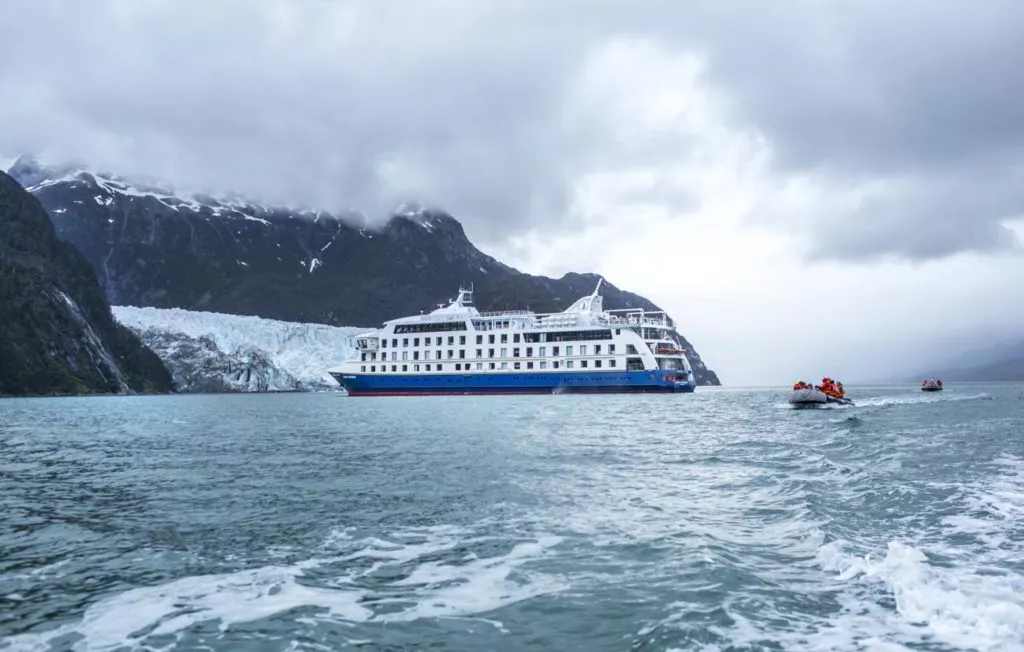
Highlights of a Chilean fjords cruise may include:
- Navigation through narrow fjords and channels.
- Views of glaciers descending from the Southern Ice Fields.
- Remote landscapes far from traditional tourist routes.
- Opportunities to observe marine wildlife and seabirds.
- Guided shore excursions in pristine natural environments.
This type of cruise is ideal for travelers looking for a deeper exploration of Patagonia’s wilderness and a slower-paced connection with nature.
Ushuaia–Punta Arenas Cruise
The Ushuaia to Punta Arenas cruise is one of the most iconic Patagonia cruise routes, connecting Argentina and Chile through the remote waterways of Tierra del Fuego and southern Patagonia.
Departing from Ushuaia, the southernmost city in Argentina, and arriving in Punta Arenas, Chile, this route explores landscapes shaped by glaciers, wind, and the sea.
During the journey, travelers can experience:
- The legendary Beagle Channel.
- The remote fjords of Tierra del Fuego.
- The Cordillera Darwin, one of the most spectacular mountain ranges in the region.
- Glaciers such as those found along the southern Chilean channels.
- Wildlife including sea lions, penguins, and marine birds.
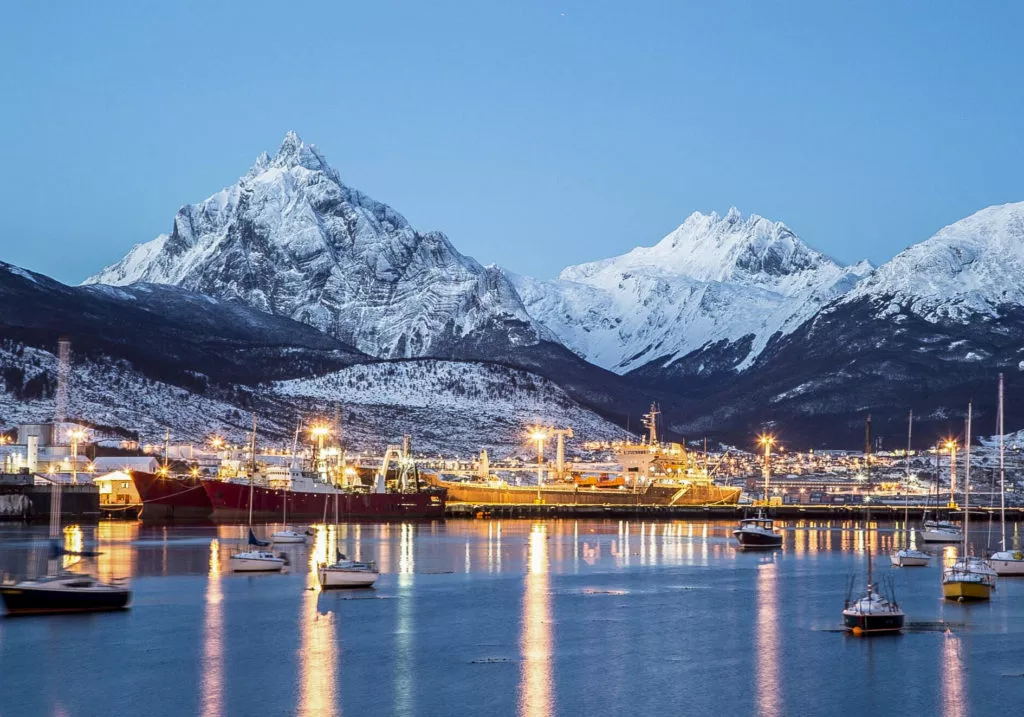
This route is especially popular because it combines two important Patagonia gateways. Many travelers extend their journey by adding experiences in Ushuaia, Torres del Paine, or El Calafate before or after the cruise.
Explore our Ushuaia tours and Torres del Paine tours to combine your cruise with more of southern Patagonia.
Cape Horn Cruise
A Cape Horn cruise takes travelers to one of the most legendary maritime locations in the world: the southern tip of South America, where the Atlantic and Pacific Oceans meet.
Known for its challenging history among sailors and explorers, Cape Horn represents the remote and dramatic character that defines Patagonia.
Highlights of this route include:
- Visiting or navigating near Cape Horn, depending on weather conditions.
- Learning about the history of explorers and maritime routes.
- Experiencing some of the most isolated landscapes in the Southern Hemisphere.
- Sailing through channels and islands at the edge of the continent.
Because weather conditions in this area can be unpredictable, itineraries are flexible and designed around safety and the best possible experience.
A Cape Horn cruise is ideal for travelers who are drawn to exploration, history, and the feeling of reaching one of the world’s most remote places.
Best Time to Cruise Patagonia
The best time for a Patagonia cruise is generally during the Patagonian spring, summer, and early autumn, from October to April. During these months, expedition cruises operate regularly, daylight hours are longer, weather conditions are more favorable, and travelers have better opportunities to enjoy shore excursions and wildlife encounters.
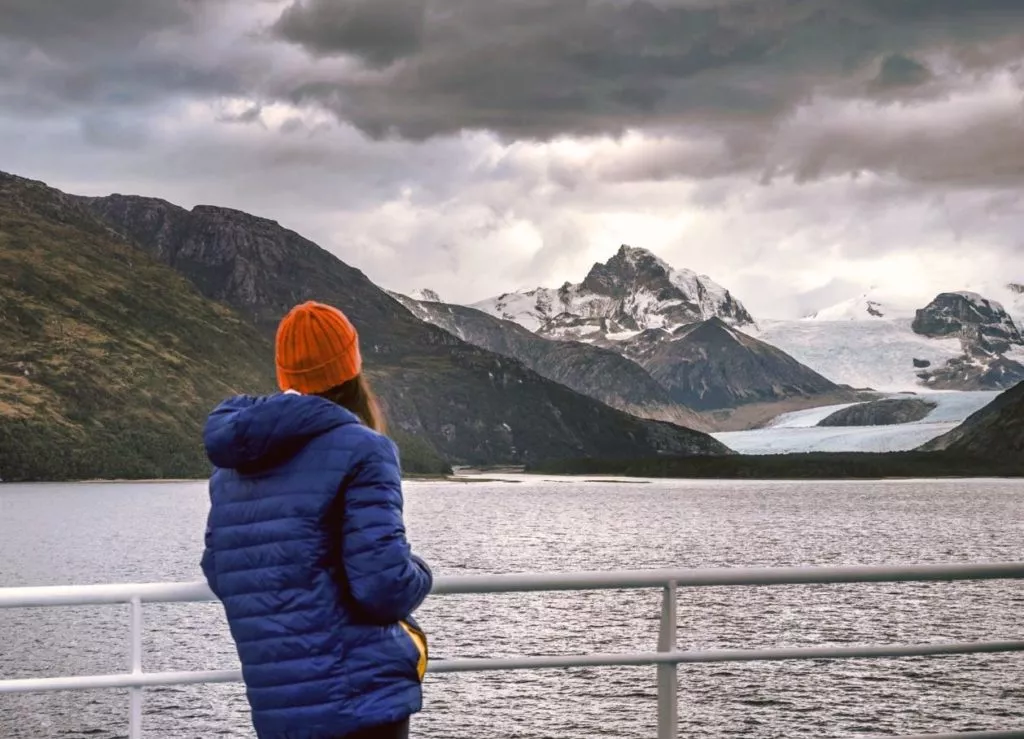
Because Patagonia’s weather can change quickly at any time of year, cruises are designed with flexible itineraries that adapt to local conditions. Wind, sea conditions, and safety always determine the final route and activities.
October to November: Spring Landscapes and Fewer Travelers
Spring is a great time for travelers looking for a quieter experience.
Highlights include:
- Longer daylight hours compared with winter.
- Fresh landscapes as nature begins to awaken.
- Fewer visitors compared with peak summer months.
- Active wildlife season, including many seabirds and marine animals.
This period is ideal for travelers who prefer a more peaceful atmosphere while still enjoying Patagonia’s dramatic scenery.
December to February: The Most Popular Season
Summer is the peak season for Patagonia cruises and offers some of the best conditions for exploration.
Advantages include:
- The longest daylight hours of the year.
- More comfortable temperatures for shore excursions.
- Better conditions for hiking and outdoor activities.
- Excellent opportunities for photography.
This is also the busiest period, so travelers planning a cruise during summer should book well in advance.
March to April: Autumn Colors and Fewer Crowds
Early autumn offers a different perspective of southern Patagonia.
During these months, travelers can enjoy:
- Beautiful autumn tones in forests and landscapes.
- Cooler temperatures and fewer passengers.
- A quieter atmosphere onboard and during excursions.
For many travelers, this season combines comfortable conditions with a more intimate experience.

What About Winter?
Winter is generally not the main season for most Patagonia cruises. The combination of shorter daylight hours, harsher weather, and challenging navigation conditions means that many routes operate primarily between spring and autumn.
For the best experience, consider your priorities:
- Best weather and longer days: December to February.
- Fewer travelers: October, November, March, and April.
- Wildlife and outdoor activities: Spring and summer.
Explore more ways to combine your cruise with a larger southern journey through our Patagonia tours.
How to Choose the Right Cruise
Choosing the right Patagonia cruise depends on your travel style, the landscapes you want to experience, and how you plan to combine it with the rest of your itinerary. While all routes offer incredible scenery, each cruise provides a different perspective of southern Patagonia.
Before booking, consider these key factors:
Choose the Route That Matches Your Interests
Each Patagonia cruise route has its own highlights:
- Chilean fjords cruises are ideal for travelers looking for remote landscapes, glaciers, and untouched wilderness.
- Ushuaia–Punta Arenas cruises are a great choice for first-time visitors who want to explore the iconic waterways between Argentina and Chile.
- Cape Horn cruises are perfect for travelers interested in history, exploration, and reaching one of the most legendary points at the end of the continent.
Consider which landscapes matter most to you: glaciers, wildlife, dramatic coastlines, or the feeling of reaching a remote corner of the world.
Consider the Duration of Your Trip
Patagonia cruises vary in length, from shorter expeditions focused on specific areas to longer journeys that allow more time for exploration.
Shorter cruises can be a good option for travelers with limited time, while longer itineraries often include more navigation through remote channels and more opportunities for shore excursions.
Remember to leave enough time before and after the cruise to account for flights, transfers, and possible weather-related changes.
Think About Your Starting Point
Your departure city can influence how easily the cruise fits into your Patagonia itinerary.
Ushuaia is the main gateway for many southern cruises and can be combined with:
- Tierra del Fuego National Park.
- Beagle Channel experiences.
- Antarctica expeditions.
Punta Arenas is an excellent starting point for combining a cruise with:
- Torres del Paine National Park.
- Chilean Patagonia.
- Other destinations in southern Chile.
Decide What Type of Experience You Want
Patagonia expedition cruises are designed for travelers who want to connect with nature, but different ships and itineraries may offer different experiences.
Consider:
- How much time is spent exploring on land.
- The size and atmosphere of the vessel.
- The type of guided activities available.
- Whether you prefer more navigation or more outdoor excursions.
Combine Your Cruise with a Patagonia Itinerary
Many travelers include a cruise as part of a larger Patagonia journey rather than as a standalone experience. Combining different destinations allows you to experience both the maritime landscapes of southern Patagonia and the iconic highlights accessible by land.
Popular combinations include:
- Cruise + Ushuaia.
- Cruise + Torres del Paine.
- Cruise + El Calafate and glacier experiences.
Frequently Asked Questions
How long is a Patagonia cruise?
The length of a Patagonia cruise depends on the route and itinerary. Most expedition cruises last between 4 and 8 days, although some longer journeys combine additional destinations and experiences. The ideal duration depends on how much time you want to spend exploring remote fjords, glaciers, and shore excursions.
What is the best Patagonia cruise?
The best Patagonia cruise depends on your travel interests and itinerary. The Ushuaia–Punta Arenas route is one of the most popular choices for first-time visitors because it combines iconic landscapes from both Argentina and Chile, including Tierra del Fuego, glaciers, fjords, and wildlife. Travelers looking for more remote scenery may prefer a Chilean fjords cruise, while those interested in exploration and maritime history may choose a Cape Horn cruise.
When is the best time for a Patagonia cruise?
The best time for a Patagonia cruise is generally between October and April, when most routes operate and conditions are more suitable for outdoor activities. December to February offers the longest daylight hours and is the most popular season, while spring and early autumn provide fewer crowds and beautiful seasonal landscapes.
Do Patagonia cruises go to Cape Horn?
Yes, some Patagonia cruises include Cape Horn as part of their itinerary. Located at the southern tip of South America, Cape Horn is one of the most iconic points of the region and a symbol of maritime exploration. However, weather conditions can affect landings and routes, so itineraries are always adapted according to safety and navigation conditions.