- 1. Where Chilean Patagonia Actually Is
- 2. The Border: Crossing from Argentina into Chile
- 3. When to Go: Seasons in Chilean Patagonia
- 4. Packing: It’s About Layers and Wind, Not Temperature
- 5. Money: Currencies, Cards and the VAT Detail
- 6. Getting Around: Distances Are Deceptive
- 7. Health, Safety and Connectivity
- 8. How Long You Need, and How to Combine It
- 9. The Rules Nobody Tells You, in One Place
- 10. Frequently Asked Questions
Chilean Patagonia is one of those places that quietly rearranges your sense of scale — the granite towers, the ice fields, the wind that seems to come from another century. It is also, for a first-time visitor, deceptively easy to get wrong in small, avoidable ways.
Most of what trips people up in Patagonia Chile isn’t the landscape. It’s the practical layer nobody explains before you go: the border formalities, the tax slip worth real money, the baggage rules, the season that closes trails, and the wind that turns a light jacket into a mistake.
So this is what to know before a trip to Patagonia Chile — the preparation that separates a smooth first day from a frustrating one, written the way we’d brief a traveler on the phone.
It’s for the person who has decided to go and now wants the unglamorous details right: when to travel, what to pack, how the border works, and the handful of rules that catch nearly everyone.
Because Chile is a separate country with its own rules, and a Patagonia trip that crosses from Argentina — as most do — has to account for two of everything: two entries, two currencies, two sets of expectations.
Get these right and Chilean Patagonia is as effortless as it is spectacular. Get them wrong and you’ll spend the best week of your year fixing things that were entirely preventable.
Preparing for a Patagonia Chile visit properly is mostly a matter of knowing this practical layer in advance. Here are the Patagonia Chile first-time tips that actually matter.
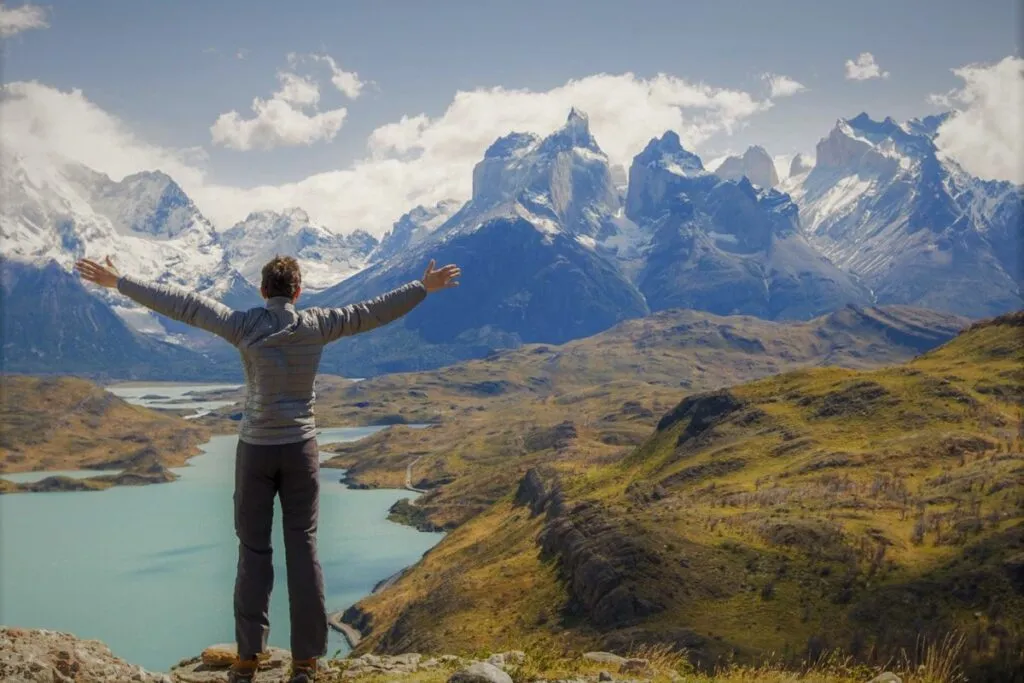
Chilean Patagonia rewards preparation more than almost any destination — starting with a few rules nobody explains.
1. Where Chilean Patagonia Actually Is
First, a little geography, because “Patagonia Chile” covers an enormous, thinly connected region and the logistics depend entirely on which part you mean.
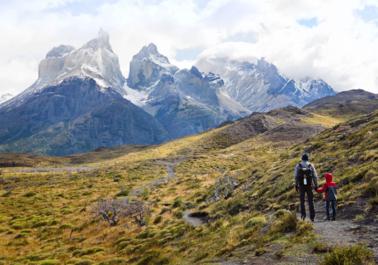
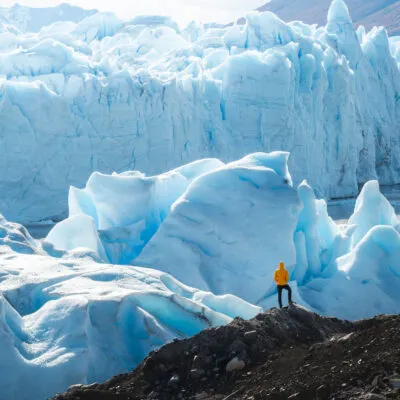
For most travelers, Chilean Patagonia means Torres del Paine — the national park of granite towers, glaciers and turquoise lakes reached through the town of Puerto Natales, itself reached via Punta Arenas in the deep south.
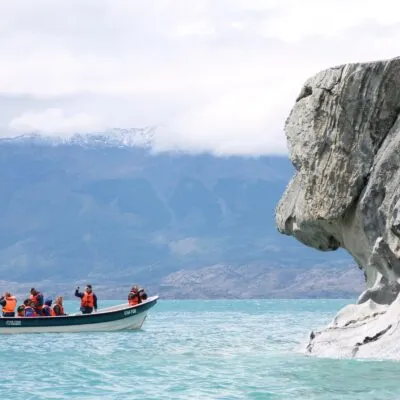
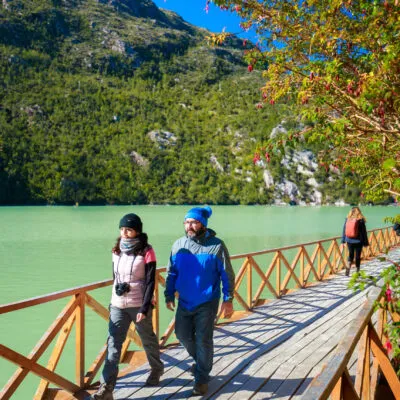
Further north lies a wilder, less-visited Patagonia: the Carretera Austral, a remote road through temperate rainforest, hanging glaciers and the Marble Caves, for travelers with time and a taste for self-reliance.
And to reach any of it, most itineraries route through Santiago, the capital, far to the north — Chile is a long, thin country, and its Patagonia is a flight, not a drive, from the centre.
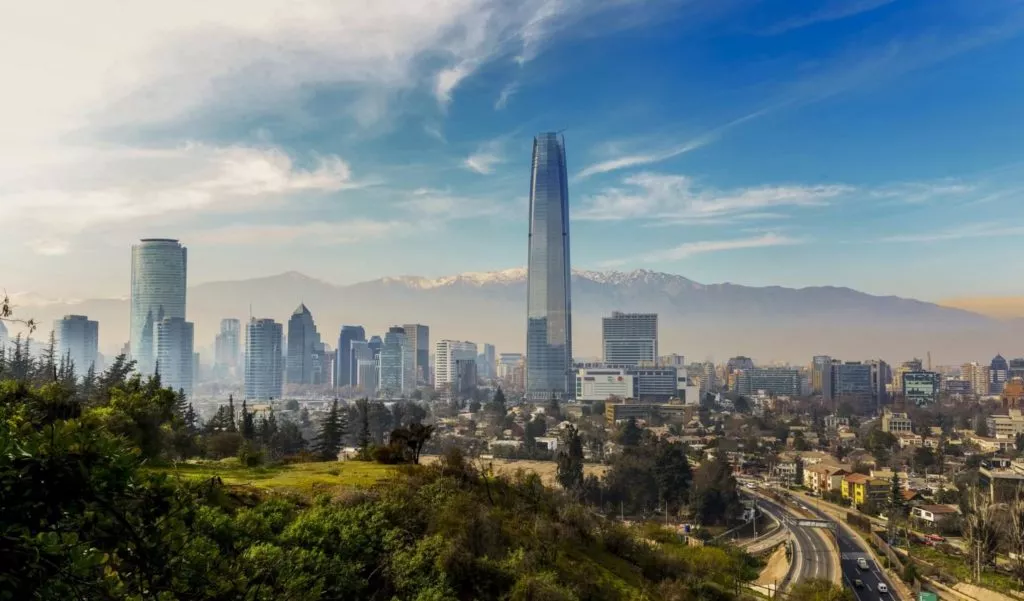
Most trips route through Santiago — Chilean Patagonia is a flight, not a drive, from the capital.
Because the distances are large and the connections thin, the length of your trip determines how much is even possible, which is exactly the kind of planning we lay out in how long you should plan for Patagonia.
2. The Border: Crossing from Argentina into Chile
Most Patagonia trips take in both countries, and the crossing from Argentina into Chile is a land border with rigid timing and two details that catch travelers out.
The first is mandatory: Chile requires an agricultural declaration, completed online up to seventy-two hours before you enter. It’s free and takes a few minutes, and it exists because Chile is serious about not importing pests.
Do not carry fresh fruit, meat, seeds or plants across the border. Declare honestly and the crossing is painless; get caught with an undeclared apple and it isn’t.
The second detail is worth actual money. On entry, the immigration police hand you a small paper slip — the Tarjeta Única Migratoria, or tourism card. It looks like a receipt and it looks disposable. It is neither.
That slip exempts foreign visitors from Chile’s nineteen per cent VAT on hotel accommodation, provided you pay in US dollars and can present it at check-in. Across several nights in a Patagonian lodge, that is a significant sum.
Put it with your passport the moment you receive it and keep it until you leave the country. Travelers lose this every single season by leaving it in a pocket.
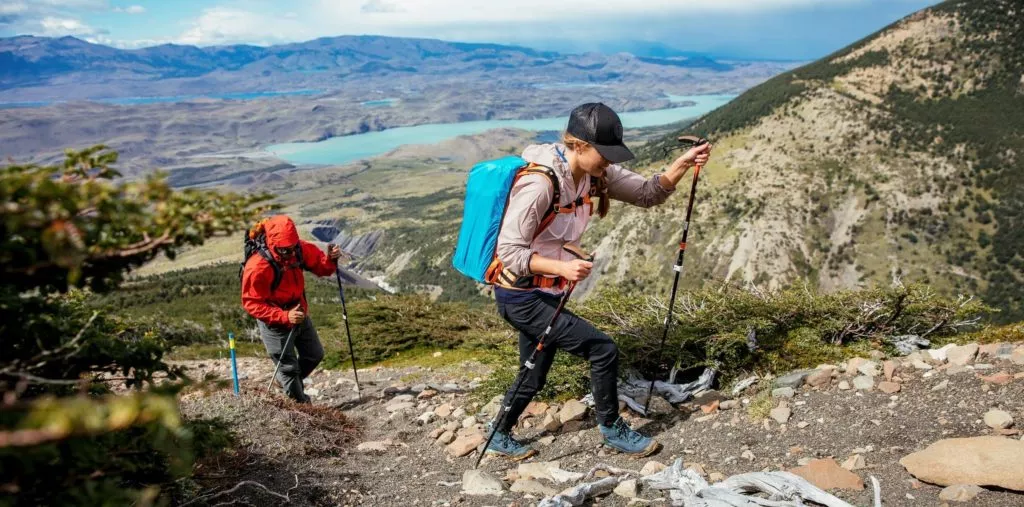
Most Patagonia trips cross a land border into Chile — with two formalities worth knowing in advance.
3. When to Go: Seasons in Chilean Patagonia
Timing shapes a Chilean Patagonia trip more than almost any other decision, because the season determines what is open, not just how warm it is.
The main window runs from November to March — the Southern Hemisphere’s spring and summer — when the trails are open, the days stretch long, and the refugios and lodges are operating.
December to February is peak: the longest days, the most reliable trails, the largest crowds, and, counter-intuitively, the strongest winds of the year. November and March are the shoulder — thinner crowds, softer light, better value, and less predictable weather.
One hard rule matters if you’re trekking the full Paine Circuit, the O: it is open only from 1 November to 31 March. Outside that window the remote back section is closed, without exception.
Outside the main season, most of Chilean Patagonia’s trails and lodges close entirely, and the daylight collapses. For most travelers, the question is which month within the window, not whether to risk the edges.
4. Packing: It’s About Layers and Wind, Not Temperature
The single biggest packing mistake in Chilean Patagonia is dressing for the temperature rather than for the conditions.
The rule here is layers and wind. A day can move from sunshine to horizontal sleet inside an hour, and the wind — Patagonia’s defining feature — makes twelve degrees feel far colder on an exposed ridge.
The non-negotiable item is a genuinely waterproof and windproof outer shell with a hood that cinches properly, because wind-driven rain arrives sideways and finds every gap. A water-resistant softshell that serves you well elsewhere is not enough here.
Add a warm mid-layer, broken-in walking shoes with good grip, a hat and gloves even in summer, and sunglasses and strong sunscreen — the sun is harsher than the temperature suggests, and people burn in a headwind at twelve degrees.
The broader packing and preparation logic is the same one we cover in how to prepare for a trip, which is worth a read before the suitcase comes out.
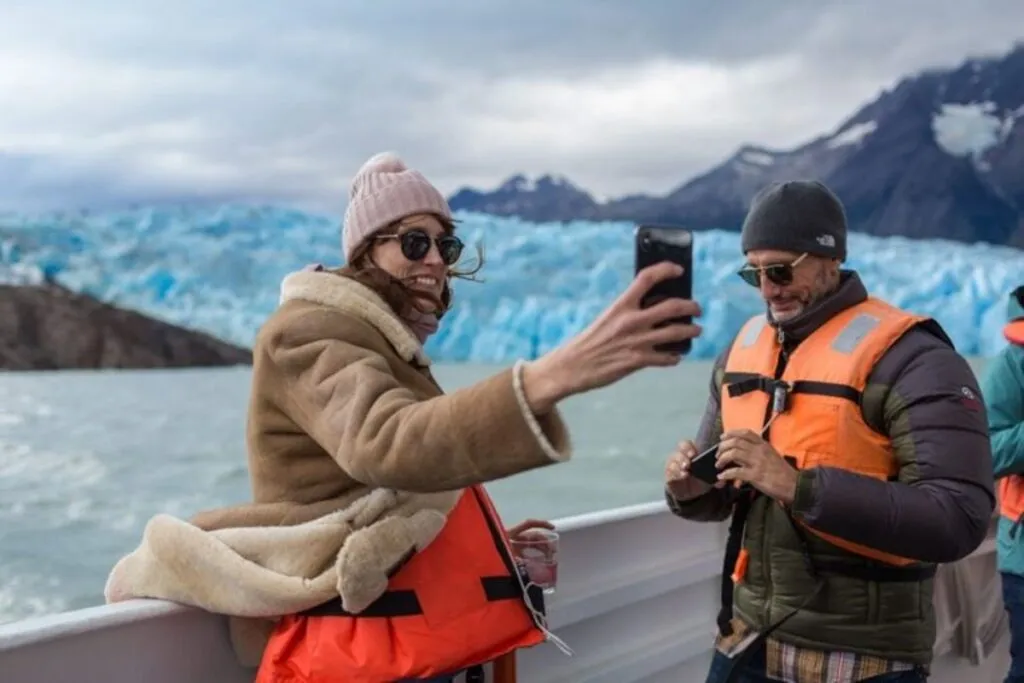
In Patagonia the rule is layers and wind, not temperature — a warm day can turn in an hour.
5. Money: Currencies, Cards and the VAT Detail
Chile uses the Chilean peso, and if your trip crosses from Argentina you’ll be juggling two currencies, which is worth planning for rather than sorting out at the border.
Credit cards are widely accepted in the towns and lodges, but a Patagonia trip involves remote stretches where a card machine simply won’t work — often because the connection goes down with the weather — so carry some cash for small purchases and tips.
US dollars are useful throughout, and there’s one specific reason to have them: the hotel VAT exemption on the tourism card only applies when you pay your accommodation in US dollars. It’s the one case where dollars save you real money.
ATMs exist in the towns but charge high fees and have low withdrawal limits, so treat them as a fallback rather than your main source of cash.
What your trip price already covers — and what it doesn’t, like park fees payable in cash — is worth checking against our guide to what’s included in a Patagonia tour.
6. Getting Around: Distances Are Deceptive
Chilean Patagonia is vast and thinly connected, and the distances are larger than the map suggests — this is the thing that most often derails a first itinerary.
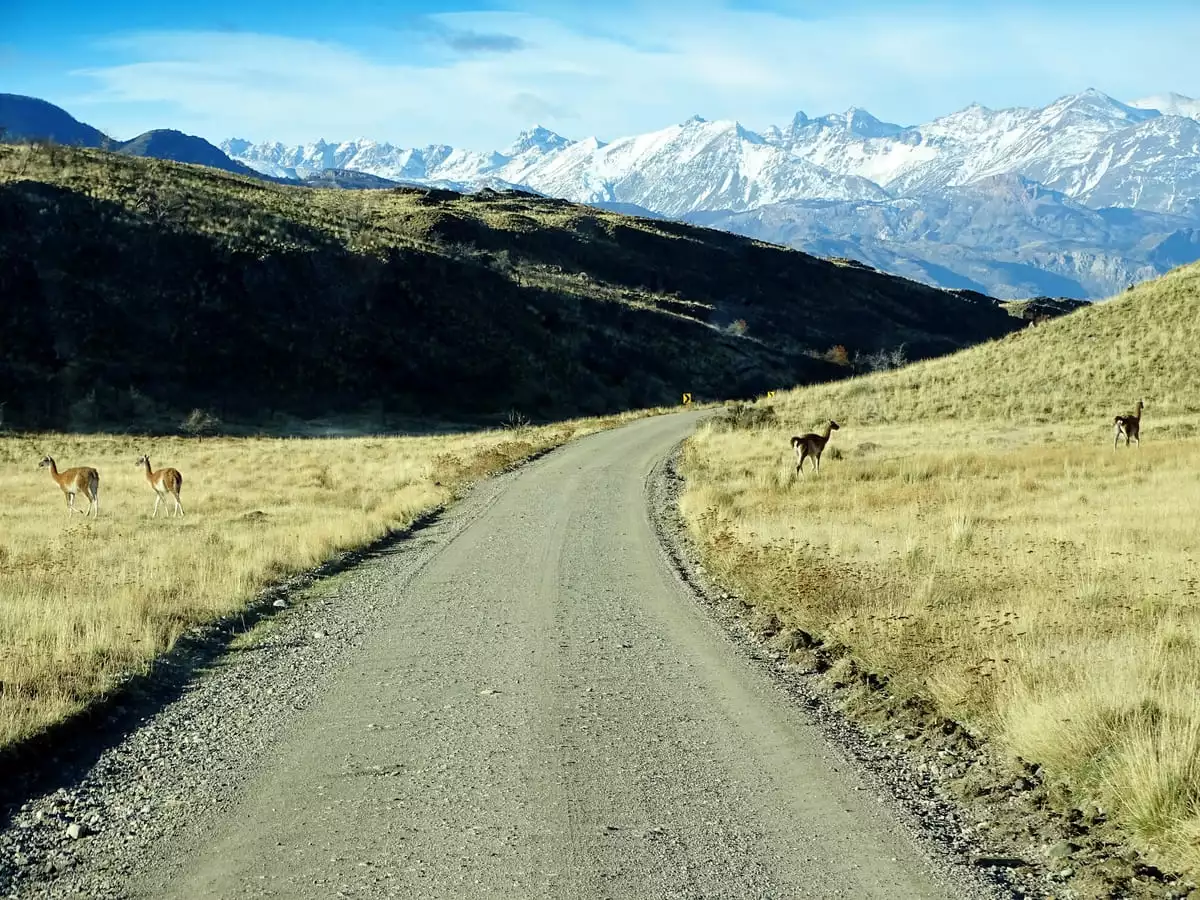
You’ll likely fly into Punta Arenas, transfer to Puerto Natales (around three hours), and continue into Torres del Paine from there. Inside the park, a catamaran across Lake Pehoé and shuttle connections move you between the trailheads.
Public transport exists between the main towns and is safe and comfortable, but it’s infrequent, so a missed connection can cost a day. Distances between the highlights are measured in hours, not minutes.
If you’re combining Chile with Argentine Patagonia, the border crossing itself is most of a day, and it needs to be sequenced deliberately rather than improvised.
Build buffer time around every connection, and don’t rely on a mobile signal you haven’t confirmed — large parts of the region simply have none.
7. Health, Safety and Connectivity
Chilean Patagonia is an easy region healthwise and one of the safer places in South America, with a few practical points worth handling in advance.
No vaccinations are required for entry. The real risks are environmental rather than medical: the weather, the sun, and the remoteness. Travel insurance with genuine medical evacuation cover matters here, because you can be hours from a hospital.
Check that your insurance doesn’t exclude the activities you’ve booked — many standard policies quietly exclude trekking above a certain altitude or ice trekking, which is to say the reason you came.
Connectivity is good in the towns and patchy exactly where the scenery is best. Buy an eSIM before you arrive, and download offline maps and any documents you might need, because parts of the park have no signal at all.
Carry your own basic first-aid supplies — blister plasters, painkillers, sunscreen — since pharmacies are excellent in the towns and absent on the trails.
8. How Long You Need, and How to Combine It
Chilean Patagonia rewards more time than most travelers give it, and under-planning the days is the most common way to compromise the trip.
For Torres del Paine done well as part of a wider trip, plan on four to five days in and around the park. To combine it meaningfully with the Argentine side — El Calafate and El Chaltén — you’ll want twelve to sixteen days in total once the border crossing and a weather buffer are accounted for.
The Carretera Austral is a different, more ambitious trip that deserves its own week or more, best suited to travelers who genuinely enjoy remote self-driving.
Most first-time visitors combine Chilean and Argentine Patagonia, and our Chilean Patagonia tours and Torres del Paine trips are built to sequence the two sides so the crossing is a formality rather than a lost day.
For travelers drawn to the more active side of the region, our guide to the best Patagonia tours for adventure lovers is a useful companion, and the broader Patagonia travel guide helps you picture the geography first.
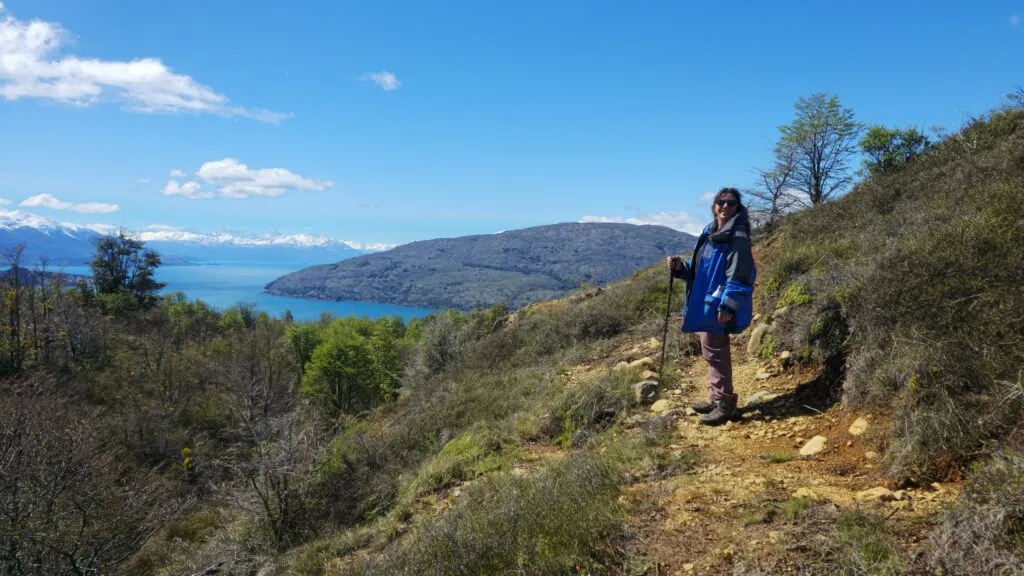
Beyond Torres del Paine, the Carretera Austral offers a wilder Chilean Patagonia for travelers with time
9. The Rules Nobody Tells You, in One Place
Everything above, compressed into the details that catch first-timers out.
| Before you go / on arrival | Why it matters |
| Complete Chile’s agricultural declaration within 72 hours of entry | Mandatory and free; no fresh food across the border |
| Keep the Tarjeta Única Migratoria with your passport | Waives 19% hotel VAT when you pay in US dollars |
| Travel Nov–Mar; the O Circuit only 1 Nov–31 Mar | Outside this, trails and lodges close |
| Pack a windproof, waterproof shell and layers | Weather turns in an hour; the wind is the story |
| Carry US dollars plus some pesos | Cards fail in remote spots; dollars unlock the VAT exemption |
| Buy an eSIM and download offline maps | Large areas have no signal at all |
| Book early — eight to twelve months for peak dates | Inventory is tiny and fills fast |
If you’d like the details checked against your own dates and route, our travel specialists brief every traveler on exactly this before departure.
10. Frequently Asked Questions
What do I need to know before travelling to Patagonia Chile?
The practical layer matters more than the landscape. If you’re crossing from Argentina, complete Chile’s free agricultural declaration within 72 hours of entry, and never carry fresh fruit, meat, seeds or plants across the border.
On arrival you’ll be handed a small tourism card, the Tarjeta Única Migratoria — keep it with your passport, because it waives Chile’s 19% hotel VAT when you pay in US dollars.
Beyond that: travel between November and March, pack for wind and rain rather than temperature, carry US dollars plus some pesos, and book early, since Patagonia’s inventory is tiny and fills months ahead.
When is the best time to visit Chilean Patagonia?
The main season runs from November to March, when the trails are open, the days are long, and the refugios and lodges are operating. December to February is peak, with the most reliable weather but also the biggest crowds and the strongest winds.
November and March are the shoulder months — thinner crowds, softer light and better value, at the cost of less predictable weather.
One firm rule: the full Paine Circuit, the O, is open only from 1 November to 31 March. Outside the main season, most trails and lodges close and the daylight collapses.
What is the Tarjeta Única Migratoria and why does it matter?
It’s the small paper tourism card that Chilean immigration police hand you when you enter the country by land. It looks like a receipt, which is why so many travelers throw it away or lose it.
Its value is financial: it exempts foreign visitors from Chile’s 19% VAT on hotel accommodation, provided you pay in US dollars and present the card at check-in.
Across several nights in a Patagonian lodge, that adds up to a meaningful sum. Keep it with your passport from the moment you receive it until you leave the country.
What should I pack for Patagonia Chile?
Pack for wind and rain rather than temperature. The essential item is a genuinely waterproof and windproof outer shell with a cinching hood, because wind-driven rain arrives sideways and finds every gap.
Add a warm mid-layer, broken-in walking shoes with good grip, a hat and gloves even in summer, and strong sunscreen and sunglasses — the sun is harsher than the temperature suggests.
The weather can shift from sunshine to sleet within an hour, so layers you can add and remove matter more than any single heavy garment. Leave behind anything that catches the wind.
Do I need a visa for Chilean Patagonia?
Most travelers from the United States, Canada, the United Kingdom and the European Union do not need a tourist visa for Chile — you receive an entry stamp on arrival.
What Chile does require is the agricultural declaration, completed online within 72 hours of entry, and it’s worth confirming your own nationality against current rules, which can change.
If your trip also includes Argentina, check that country separately, and remember that each border crossing is its own formality. Keep your Chilean tourism card safe, since it’s tied to the hotel VAT exemption.
How many days do I need for Chilean Patagonia?
For Torres del Paine done properly as part of a wider trip, plan on four to five days in and around the park. That allows the main viewpoints without rushing between trailheads.
To combine Chilean Patagonia with the Argentine side — El Calafate and El Chaltén — you’ll want twelve to sixteen days in total, once the border crossing and a weather buffer are accounted for.
The Carretera Austral, in the north, is a more ambitious trip that deserves its own week or more. Whatever the route, build in a buffer day, because Patagonian weather will break at least one plan.