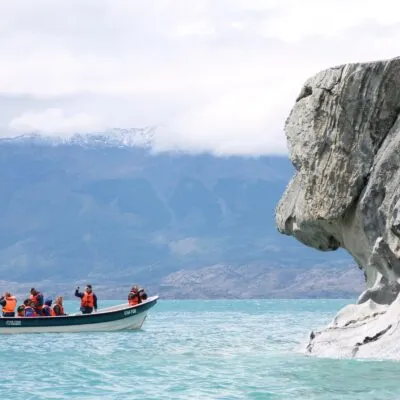
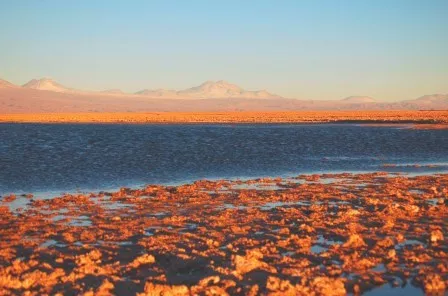
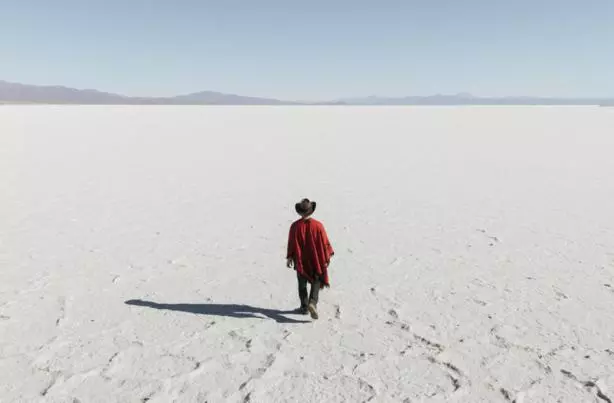
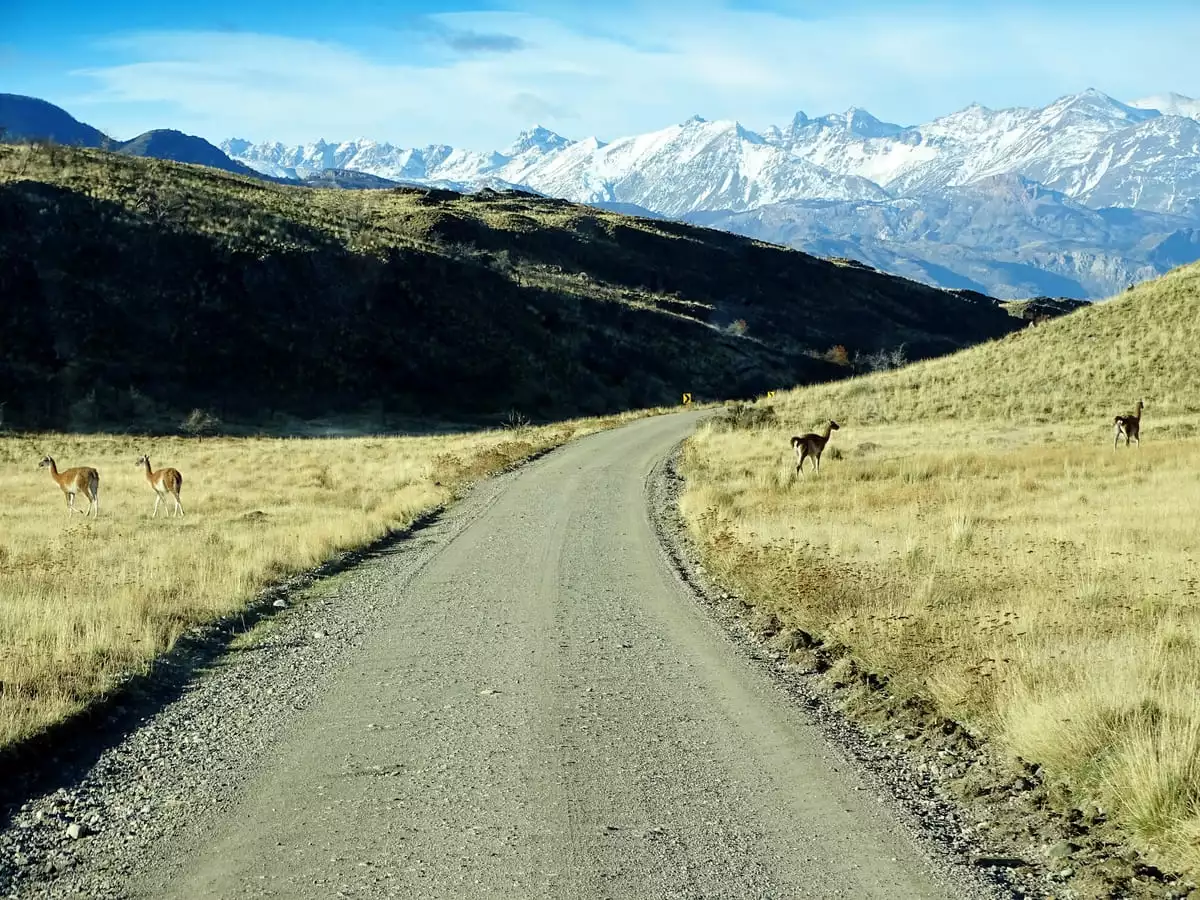
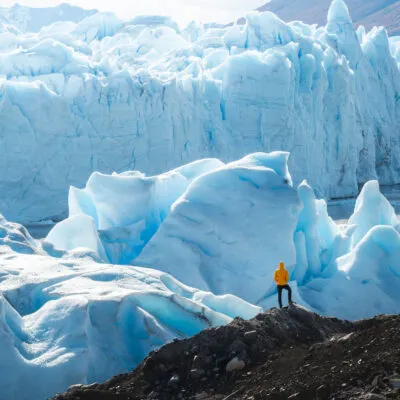
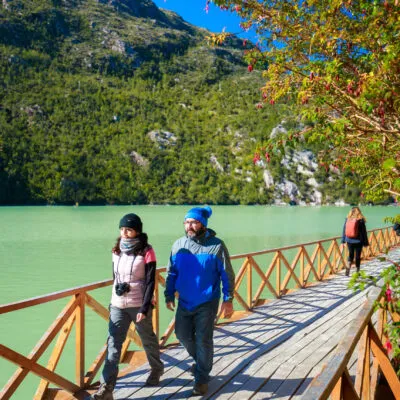
Chile is one of the strangest-shaped countries on earth: a ribbon more than 4,000 kilometres long and rarely more than 200 wide, running from the driest desert on the planet in the north to the glaciers and fjords of Patagonia in the south. Seeing more than one slice of it means flying long distances and sequencing carefully — which is exactly where the choice of tour company starts to matter.
From a homepage, the companies selling Chile look interchangeable. The real differences show up in the logistics: how a company connects the Atacama to Torres del Paine through Santiago, how it handles the border if you cross from Argentina, and whether it has people on the ground when a flight in a country this long goes wrong.
So this is an honest look at the best tour companies for traveling to Chile, and how to tell them apart. Transparency first: Say Hueque is one of the companies below, and this is our blog. Rather than pretend to be neutral, we’ve described each company accurately and said who it genuinely suits.
We’ll cover what actually matters when choosing a company for a country this long, then look at three that approach it differently — a direct specialist operator and two continent-wide custom operators.
The aim is to match the kind of company to the trip you want, from a focused Patagonia journey to a desert-to-ice grand tour — whether that turns out to be us or not.

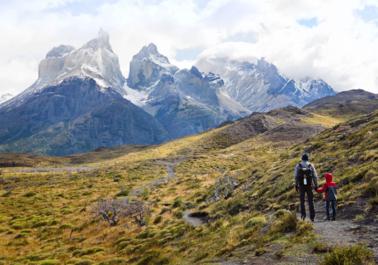
Chile runs from the Atacama Desert to the ice of Patagonia — a span that makes the choice of company matter.
1. What Matters When Choosing a Company for Chile
Chile’s shape makes a few things matter more than they would in a compact country.
The first is sequencing across huge distances. The Atacama and Torres del Paine are separated by the length of a continent, connected by flights through Santiago, and the order you visit them in determines how much of your trip is spent in the air.
The second is on-the-ground support. In a country this long, a cancelled domestic flight or a weather day in Patagonia needs someone local to rebuild your itinerary in real time, not an email to a partner in another time zone.
The third is the border, if your Chile trip pairs with Argentina — as many do, crossing between the two sides of Patagonia. That crossing has rigid timing and formalities that reward a company that runs it routinely.
These are the same tests we set out in our checklist for choosing a travel agency, and they bite hardest in a country stretched this thin.
2. Say Hueque — The Argentina and Chile Specialist
We’ll go first and try to earn it. Say Hueque has spent more than two decades specialising in Argentina and Chile, with Patagonia at its centre of gravity and its own teams on the ground in both countries rather than partners it doesn’t control.
That in-country presence is the point in a country this long: when a domestic flight cancels or the Patagonian weather closes a trail, someone local rebuilds the day. Everything is tailor-made, so a Chile trip is sequenced around real flight and border constraints rather than a fixed template.
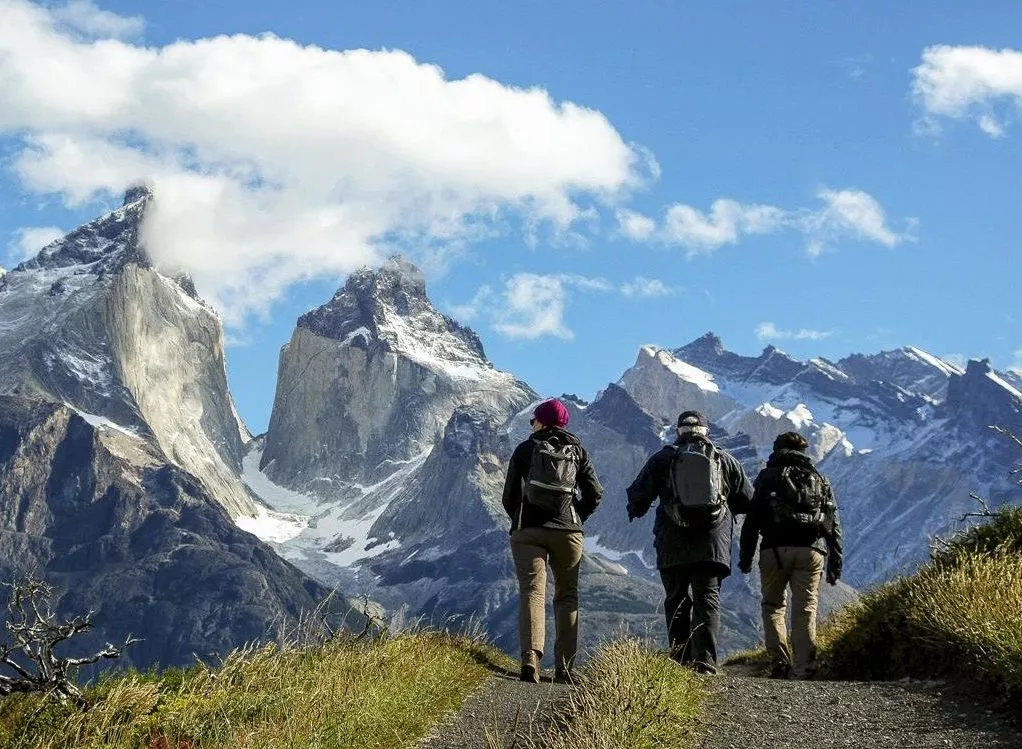
The range spans the country from the desert to the ice, and our Chilean Patagonia tours, Torres del Paine tours and Atacama Desert trips are built to connect into one coherent journey — and, crucially, to sequence the crossing when a trip pairs Chilean and Argentine Patagonia.
The practical rules of a Chile trip — the border formalities, the tax slip that saves you money — are laid out in our guide to what to know before a trip to Patagonia Chile. The honest limit: for a trip whose core sits far outside the Southern Cone, a broader operator may fit better.
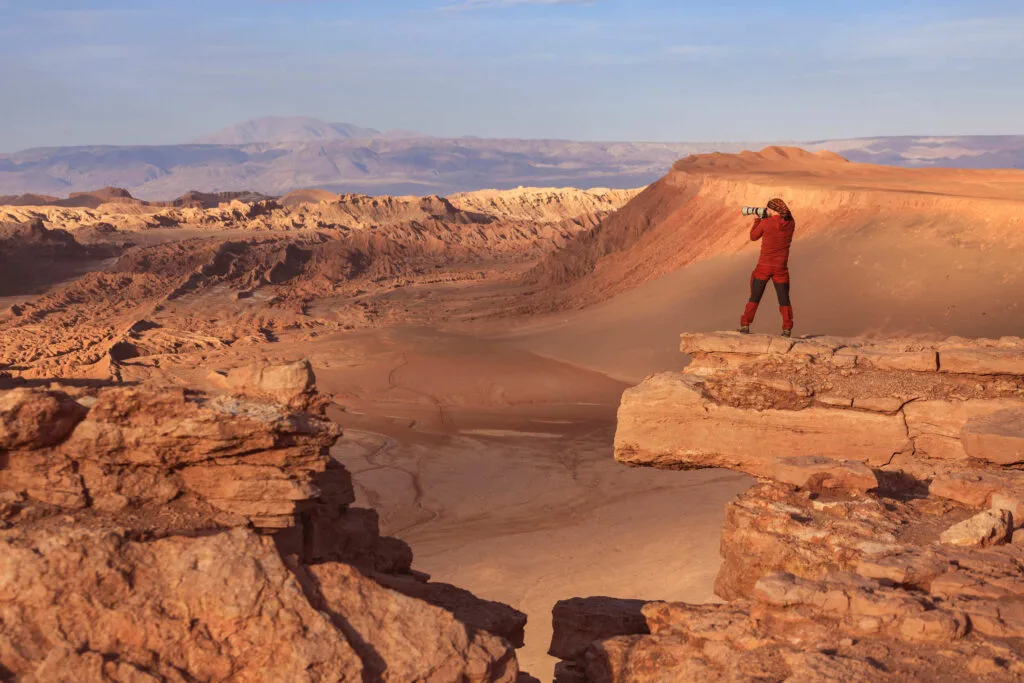
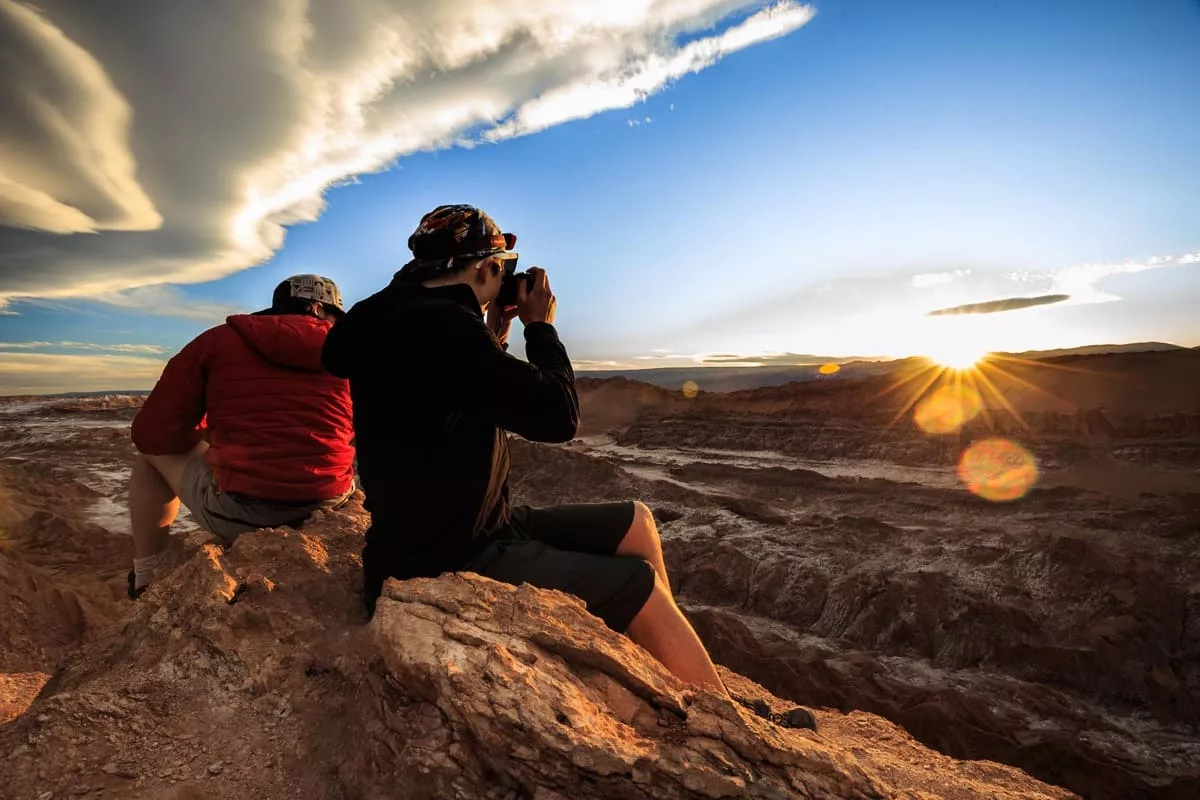
From the Atacama’s Valle de la Luna to Patagonia, a specialist operator sequences the flights and the border for you.
3. South America Adventures — The Continent-Wide Operator
South America Adventures approaches Chile as one country within a whole-continent remit.
The company designs custom itineraries across South America, with the stated aim of knowing every corner of the continent. For a traveler whose Chile trip is part of a wider South American journey — pairing the Atacama with Bolivia’s salt flats, say, or Patagonia with Peru — that breadth is a real advantage.
Where a specialist concentrates its teams and relationships in a few countries, a continent-wide operator spreads them across many. You can explore their range at southamericaadventures.travel.
Whether breadth or depth serves you better depends on the shape of your trip rather than the company, a theme we develop in our guide to the best companies for multi-country tours in South America.
Now you can choose your type of trip:
Type of trip





4. South America Travel — The Established Custom Operator
South America Travel rounds out the three: a US-based tailor-made operator that has been building custom trips across the continent for more than twenty-five years.
Its distinguishing feature is reach and longevity. Where most specialists concentrate on a region, this operator covers essentially all of South America, from Chile through Bolivia, Peru and Brazil, with a long track record of continent-spanning itineraries.
For a traveler who wants a single operator across four countries including Chile, that breadth removes a coordination problem. The trade-off, as always, is that a company covering a dozen countries is less concentrated in any one of them than a specialist. You can see their approach at southamerica.travel.
For a Chile trip that spans the continent, coverage is worth more than depth; for one that lives between the Atacama and Patagonia, the reverse is often true.
How the Three Compare
None is objectively best; they’re built differently, and the right one depends on the shape of your trip.
| Company | Model | Strongest for |
| Say Hueque | Direct operator, own teams in Argentina and Chile | Chile and Patagonia, including the Argentina crossing |
| South America Adventures | Continent-wide custom operator | Chile as part of a wider South America trip |
| South America Travel | Established continent-wide operator (25+ years) | A single operator across several countries |
The short version: if your trip runs between the Atacama and Patagonia, or pairs the two sides of Patagonia, a specialist with teams in both Chile and Argentina fits; if Chile is one leg of a continental journey, a continent-wide operator may serve you better.
How Long You Need, and How to Choose
Whichever company you choose, Chile’s length shapes the trip. To combine the Atacama and Patagonia meaningfully, plan on around two weeks, since each region deserves several days and the flights between them eat time.
If your trip pairs Chilean with Argentine Patagonia, budget a day for the border crossing and let a company that runs it routinely handle the sequencing.
Ask any company the same questions: do you have your own team in Chile, how do you sequence the flights across the country, and what happens if a domestic leg is cancelled? The answers separate the operators from the intermediaries.
If you have questions, our travel specialists are happy to talk them through with you before discussing prices. You can also explore the Chile travel guide to get a feel for how the different parts of a trip through Chile fit together.
5. FAQs About The Best Tour Companies for Traveling to Chile
There’s no single best company — only the best for the shape of your trip. For a journey between the Atacama and Patagonia, or one that pairs the two sides of Patagonia across the Argentine border, a specialist with its own teams in both Chile and Argentina, such as Say Hueque, offers the strongest sequencing and support.
For a Chile trip that’s part of a wider South American journey, a continent-wide operator like South America Adventures or South America Travel may fit better, since breadth matters more than depth on a multi-country route.
The decision turns on whether Chile is the heart of your trip or one leg of a longer one.
Many travelers do, especially in Patagonia, where the finest scenery straddles both countries — Torres del Paine on the Chilean side, El Calafate and El Chaltén on the Argentine. Combining them is often the whole point of a Patagonia trip.
The catch is the border, which has limited crossings and rigid timing, so combining the two spends part of your itinerary on logistics unless it’s sequenced well.
A company that runs the crossing routinely makes it a formality rather than a lost day, which is why a specialist with teams in both countries has an edge on this kind of trip.
For a trip concentrated between the Atacama and Patagonia, usually yes. A specialist keeps its teams, relationships and sequencing knowledge in-country, which is what a long, flight-dependent, weather-exposed trip rewards.
A continent-wide operator or a global platform offers reach, which matters more when Chile is one leg of a multi-country journey.
As always, the decision is less about the company than the trip: depth for a focused Chile journey, breadth for a continental one.
Almost always by air, routed through Santiago, because the two regions sit at opposite ends of a country more than 4,000 kilometres long. There is no sensible overland option between them.
That makes sequencing the domestic flights the central logistical task of a Chile trip, and a good company books them as one connected chain rather than leaving you to assemble it.
Because the connections are thin and a cancelled leg can cost a day, having a company with people on the ground to rebuild the itinerary in real time is worth a great deal.
For a single region such as Torres del Paine as part of a wider trip, four to five days is sensible. To combine the Atacama and Patagonia, plan on around two weeks, since each deserves several days and the flights between them consume time.
Adding the Argentine side of Patagonia pushes a comprehensive trip toward twelve to sixteen days once the border crossing and a weather buffer are accounted for.
The mistake to avoid is compressing a country this long into too few days, which leaves you spending the best hours in airports rather than in the desert or the mountains.