What is the weather like in Argentina? How about in Buenos Aires specifically? What is the weather in Patagonia? In order to know when will be the best time to travel to Argentina, you should know the following…
Argentina is the 8th largest country in the world, and as such,the weather in Argentina varies greatly according to when and where one travels in Argentina. There are significant differences in temperature from the North of Argentina to the South of Argentina. For example, while it may be hot and steamy in the jungles of Iguazu Falls along the Brazilian border, it may be freezing and snowy in the southern-most city of Argentina, Ushuaia.
Argentina’s seasons (opposite to the Northern Hemisphere)
Argentina’s seasons are reversed compared to the Northern Hemisphere, meaning that summer runs from December to February, autumn from March to May, winter from June to August, and spring from September to November. Understanding this is essential when planning your trip, as it influences everything from Patagonia weather to Buenos Aires weather, and helps travelers choose the best time to visit Argentina depending on their preferred activities and destinations.
Weather by region
Buenos Aires & Central Argentina
Buenos Aires and central Argentina enjoy a humid subtropical climate, with hot summers and mild winters. The best months to visit are March to May and September to November, when temperatures are comfortable and humidity is lower, making it ideal for exploring the city, visiting cultural sites, and enjoying outdoor cafés. These months also offer pleasant weather for day trips to nearby destinations such as Tigre, Luján, and the Pampas region, giving travelers a true taste of central Argentina’s charm.
Patagonia (El Calafate, El Chaltén, Ushuaia, Bariloche)
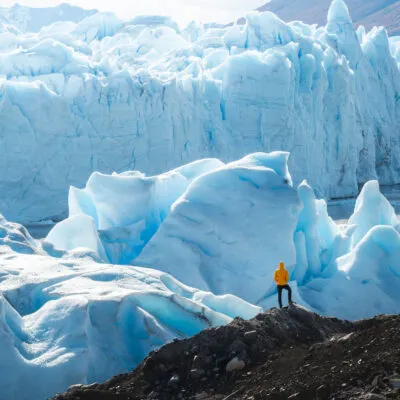
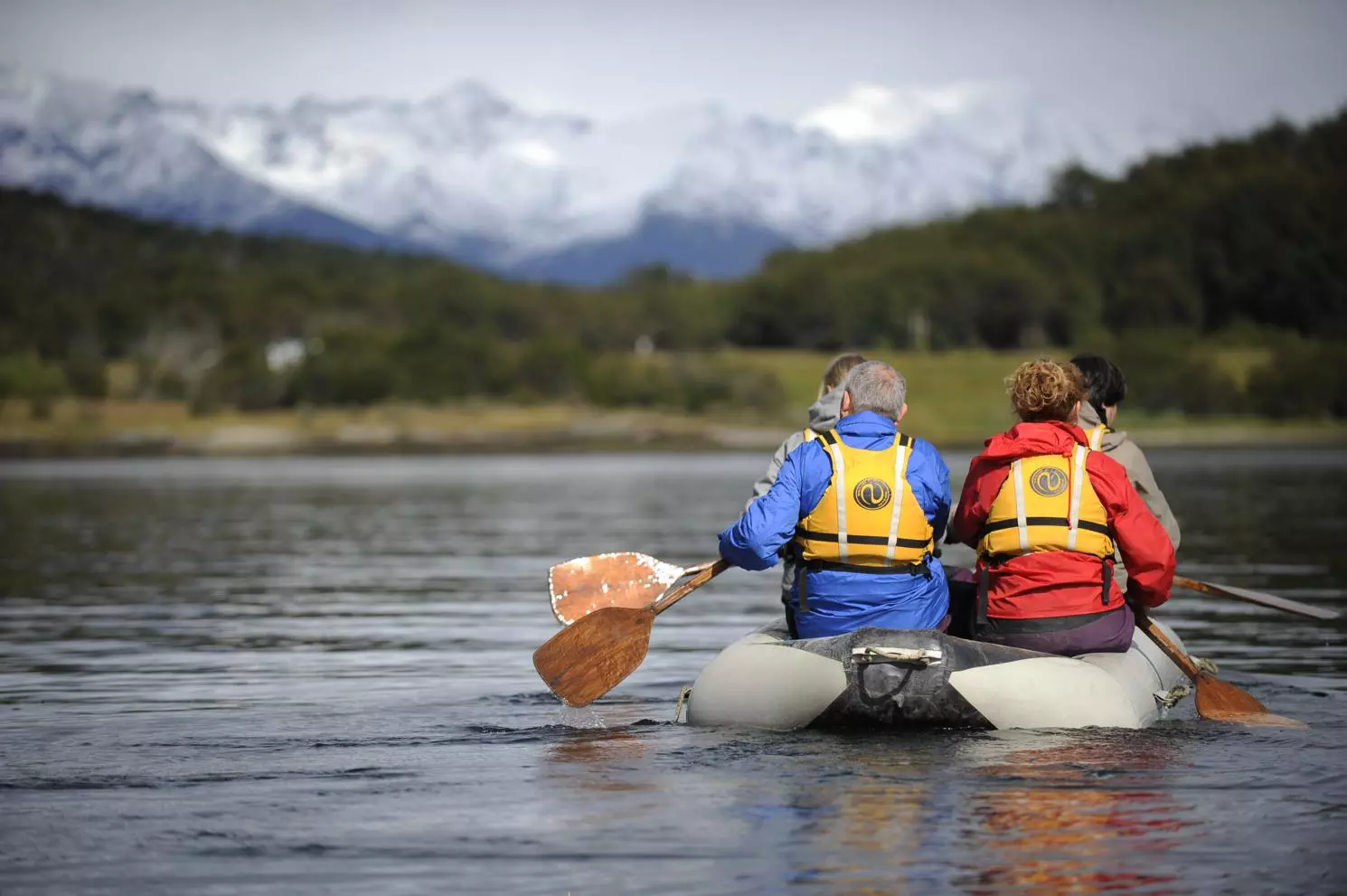
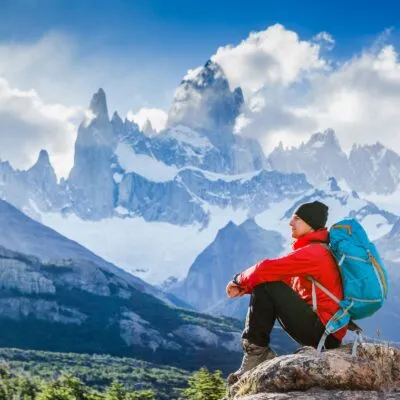
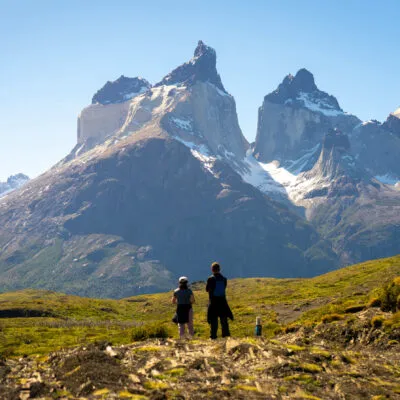
Patagonia is characterized by a cool and windy climate, with temperatures varying significantly between seasons. The best time to visit is from October to March, when days are longer, weather is milder, and outdoor activities such as trekking, glacier excursions, and wildlife spotting are most enjoyable. Destinations like El Calafate, El Chaltén, Bariloche, and Ushuaia offer stunning landscapes year-round, but summer provides the optimal conditions for exploring the region’s glaciers, lakes, and mountains, as well as experiencing the unique Patagonia weather at its most accessible.
The North (Salta, Jujuy, Iguazú)
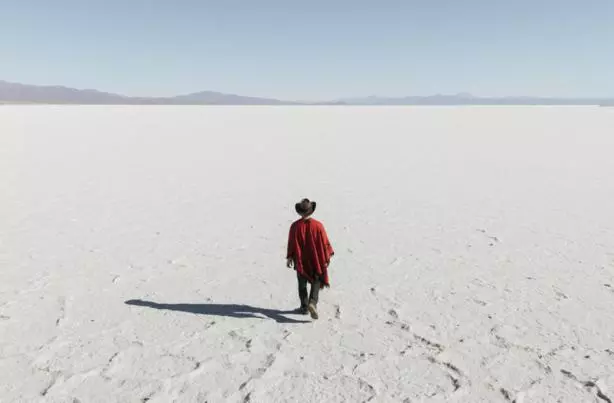
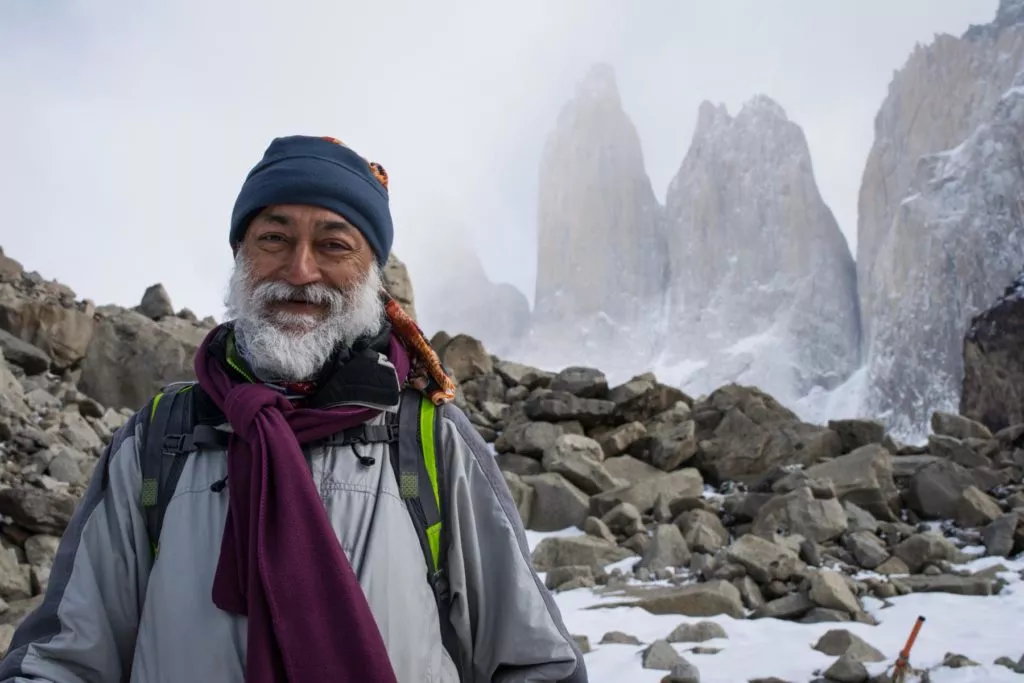
Northern Argentina features a warm and subtropical climate, with humid summers and mild, dry winters. The best time to visit is during March to May and August to October, when temperatures are comfortable and rainfall is lower, making it ideal for exploring the colorful landscapes of Salta and Jujuy or experiencing the majestic Iguazú Falls. These months provide pleasant conditions for hiking in the Andes, visiting colonial towns, and enjoying the lush rainforest without the heavy heat and humidity of peak summer.
Mendoza & Wine Country
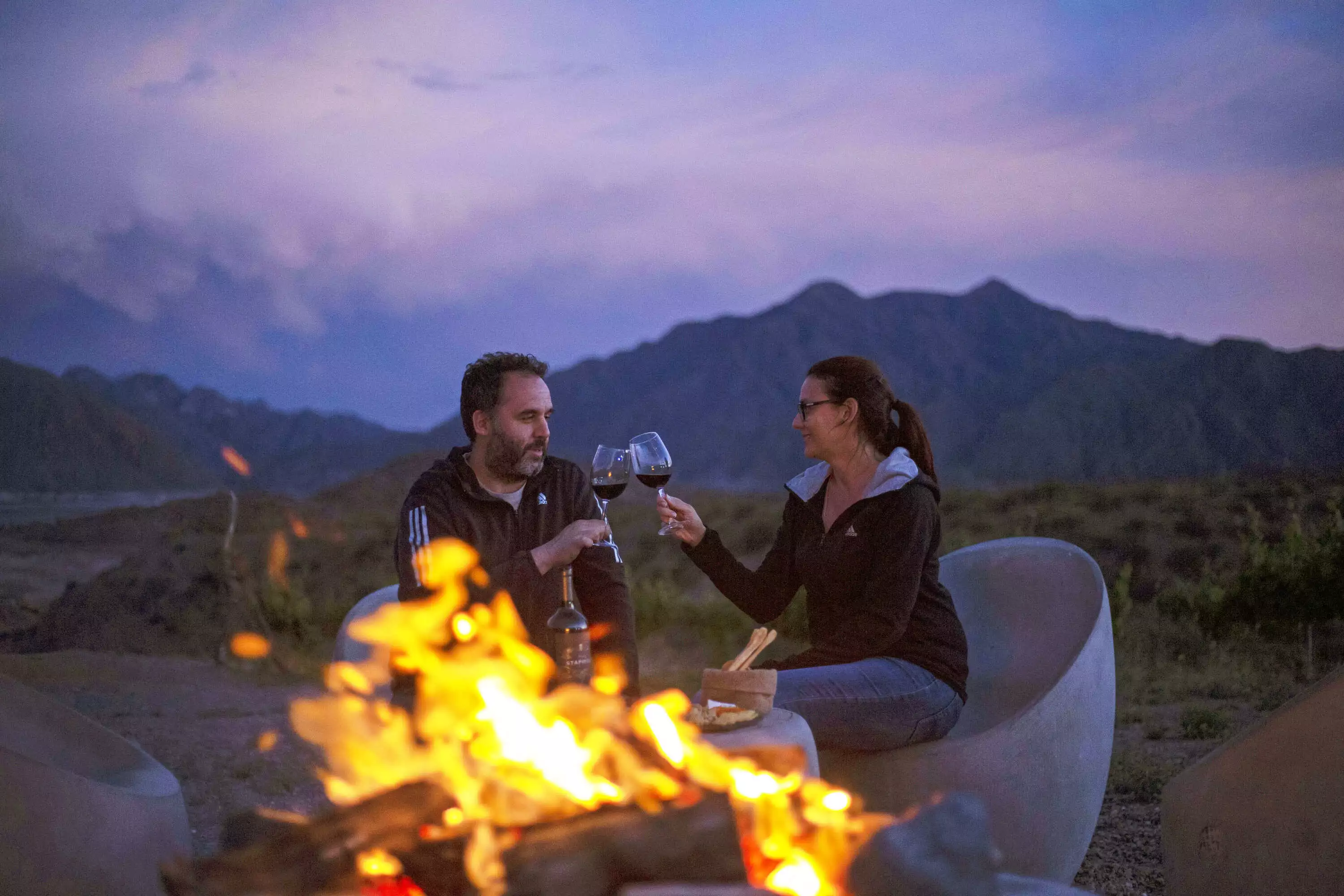
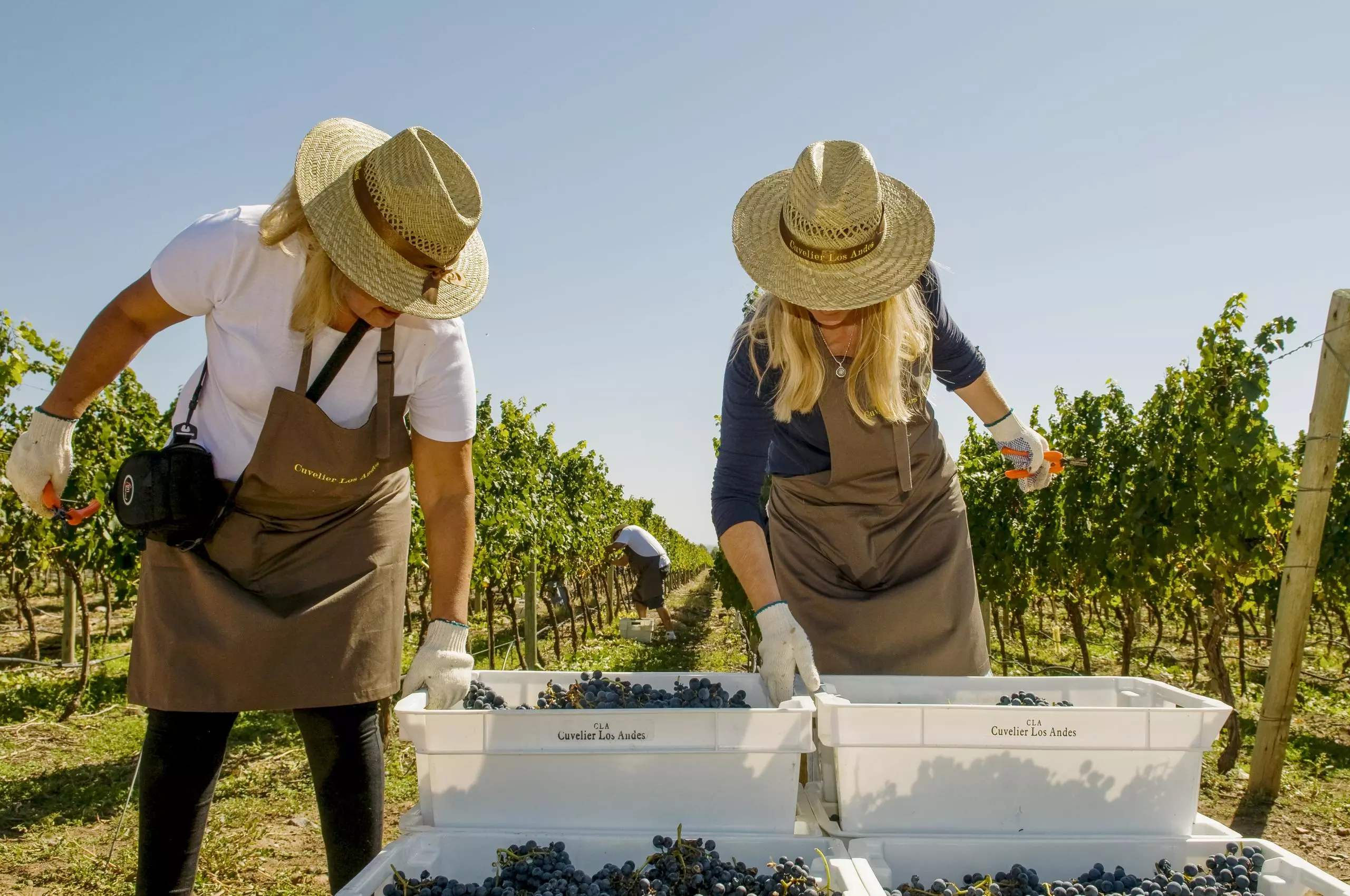
Mendoza and Argentina’s wine regions enjoy a Mediterranean climate with hot, dry summers and mild winters. The best time to visit is from September to April, which includes the grape harvest season in March and April, perfect for wine tours and vineyard visits. During these months, travelers can enjoy outdoor activities such as hiking, cycling through the vineyards, and exploring the Andes foothills, all while experiencing the region’s warm and sunny Argentina weather.
Best Time to Visit Argentina (Month-by-Month)
| Month | Buenos Aires & Central Argentina | Patagonia | North (Iguazú, Salta, Jujuy) | Mendoza & Wine Country |
| January | Hot and humid | Warm, longer days, ideal for trekking | Hot and humid | Hot and dry |
| February | Hot and humid | Warm, occasional rain | Hot and humid | Hot and dry |
| March | Mild and pleasant | Cooler, good for outdoor activities | Comfortable, lower rainfall | Warm, harvest season begins |
| April | Mild and pleasant | Cooling temperatures, fewer tourists | Comfortable, ideal for sightseeing | Warm, perfect for wine tours |
| May | Cooler, less humidity | Cooler, trekking still possible | Mild, dry | Mild and sunny |
| June | Cool, low rainfall | Cold, snow possible in southern Patagonia | Mild, dry | Cooler |
| July | Cool, low rainfall | Coldest month, snow likely | Mild, dry | Cooler |
| August | Cool, dry | Cold, snow possible | Mild, dry, ideal for visits | Starting to warm |
| September | Warming up, spring blooms | Warming, ideal for trekking | Pleasant, dry | Warm, sunny |
| October | Pleasant, springtime | Warmer, trekking and sightseeing excellent | Pleasant, dry | Warm, sunny |
| November | Warm, low humidity | Warmer, longer daylight | Comfortable, dry | Warm, sunny |
| December | Hot and humid | Warming, summer activities begin | Hot and humid | Hot and dry |
What to pack for each season
Packing for Argentina depends on the season and the regions you plan to visit. In summer (December–February), lightweight clothing, sun protection, and comfortable shoes are essential, especially for Buenos Aires and northern Argentina, where temperatures can be hot and humid. Autumn (March–May) brings milder temperatures, so layers, a light jacket, and rain gear are recommended for city sightseeing and Patagonia excursions. Winter (June–August) can be cold in Patagonia and the southern regions, so warm clothing, insulated jackets, and waterproof boots are necessary, while central and northern Argentina remain relatively mild. In spring (September–November), layering is key, as temperatures can vary, and a mix of light and warm clothes ensures comfort for exploring both urban and outdoor destinations. Considering regional variations will help you enjoy Argentina’s diverse climates comfortably, from Buenos Aires weather to Patagonia weather.
Frequently Asked Questions
What is the best time to visit Argentina?
Packing for Argentina depends on the season and the regions you plan to visit. In summer (December–February), lightweight clothing, sun protection, and comfortable shoes are essential, especially for Buenos Aires and northern Argentina, where temperatures can be hot and humid. Autumn (March–May) brings milder temperatures, so layers, a light jacket, and rain gear are recommended for city sightseeing and Patagonia excursions. Winter (June–August) can be cold in Patagonia and the southern regions, so warm clothing, insulated jackets, and waterproof boots are necessary, while central and northern Argentina remain relatively mild. In spring (September–November), layering is key, as temperatures can vary, and a mix of light and warm clothes ensures comfort for exploring both urban and outdoor destinations. Considering regional variations will help you enjoy Argentina’s diverse climates comfortably and what to wear in Buenos Aires and what in Patagonia.
What are the seasons in Argentina?
Argentina’s seasons are opposite to the Northern Hemisphere:
- Summer: December – February
- Autumn: March – May
- Winter: June – August
- Spring: September – November
Does it snow in Argentina?
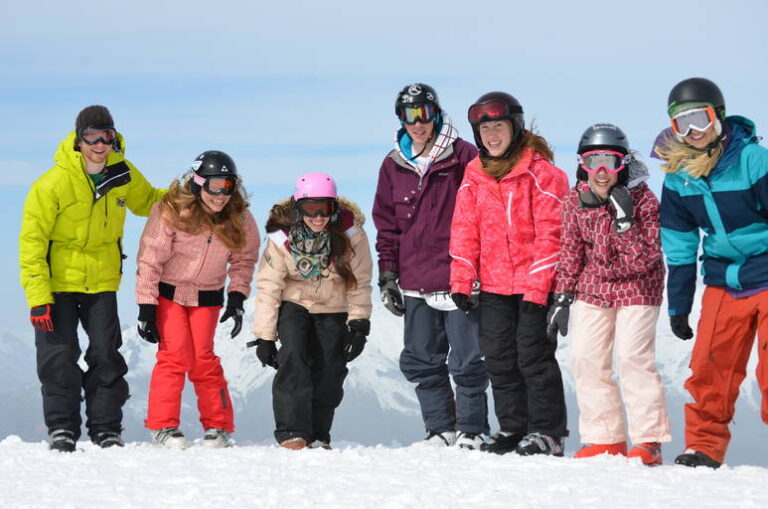
Yes, snow is common in Patagonia, especially in Ushuaia, Bariloche, and the Andes during winter (June–August). Snow is rare in Buenos Aires, Mendoza, and the northern regions.
What is the weather like in Patagonia?
Patagonia has a cool and windy climate. Summer (October–March) brings milder temperatures, longer days, and ideal conditions for trekking, glaciers, and wildlife. Winter can be cold with snow, particularly in the southern and mountainous areas.
When is the rainy season in Iguazú?
Iguazú experiences its rainy season in December to February, with hot, humid weather and heavy showers. The best time to visit for comfortable conditions is March–May or August–October, when rainfall is lower but the waterfalls remain impressive.
For further information about the weather in Argentina, tours in Argentina, or Argentina travel specials, contact local Argentina travel experts: Say Hueque – Tours in Argentina.