Ask a few seasoned Patagonia guides which month they would pick for a long trek, and a surprising number will say February. It rarely gets the headlines that December and January do, yet it quietly combines many of the things that matter most to a trekker: warmth, stability, long days, and a peak that is beginning, gently, to ease.
February is high summer still, so the weather is reliably warm and the trails are all open. But as the month goes on, the intensity of the holiday and January rush starts to soften, and the sense of the trails being shoulder-to-shoulder gradually fades. It can feel like the peak with the pressure slowly coming off.
Is it truly the best month for trekking in Patagonia? That depends on what you want. But the case for February is strong, and it is a serious contender for anyone whose trip is built around walking the great routes.
This guide looks at what trekking Patagonia in February really offers — the weather, the trail conditions, the easing crowds, and the big W-versus-O decision — so you can judge whether it deserves the quiet reputation it holds.
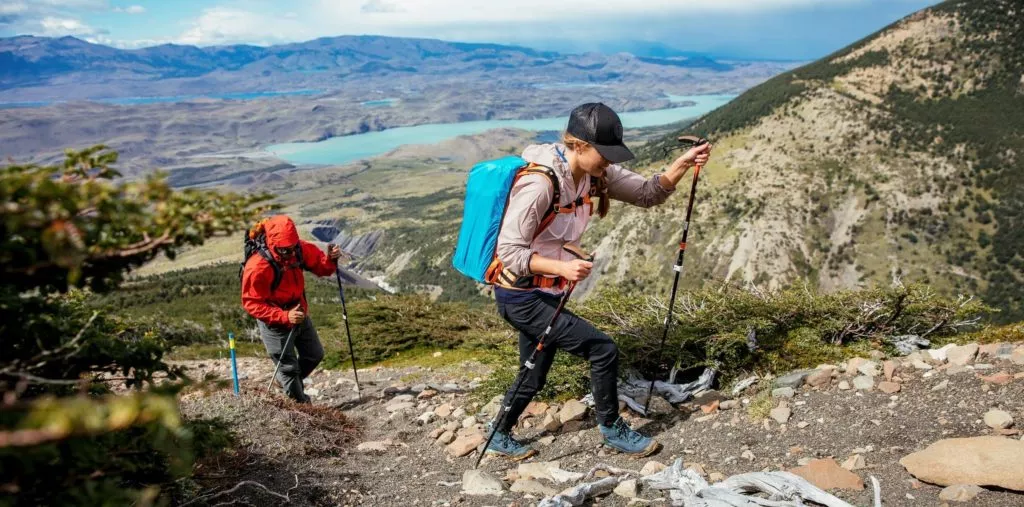
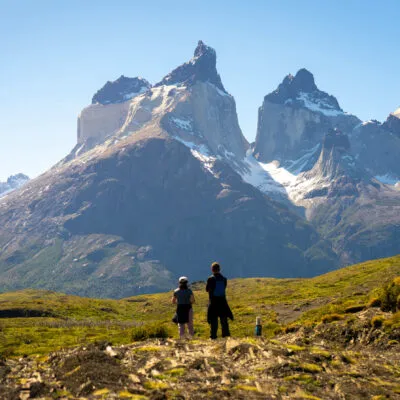
Many seasoned trekkers quietly call February the best month in Patagonia — warm, stable, and easing off the peak.
1. The Weather in Patagonia in February
February is one of the warmest and most settled months of the Patagonian year, running neck and neck with January. Daytime highs sit around 16 to 19°C (61 to 66°F), the evenings are mild, and long, sunny stretches are common.
There is one quiet advantage over the deep peak: the famous wind, while still very much present, often feels a touch less relentless as February progresses than at the height of January. It remains strong on exposed terrain, but the edge can soften slightly.
Rain is relatively infrequent and usually brief, and the ground is dry and firm after the summer. For trekking, that combination of warmth, stability and drier trails is close to ideal. Patagonia February weather is, for many, the most comfortable walking weather of the season.
The days are still long, at around fourteen to fifteen hours, giving generous windows for long stages and for timing the exposed sections around the calmer parts of the day.
2. Trail Conditions and Why February Shines for Trekking
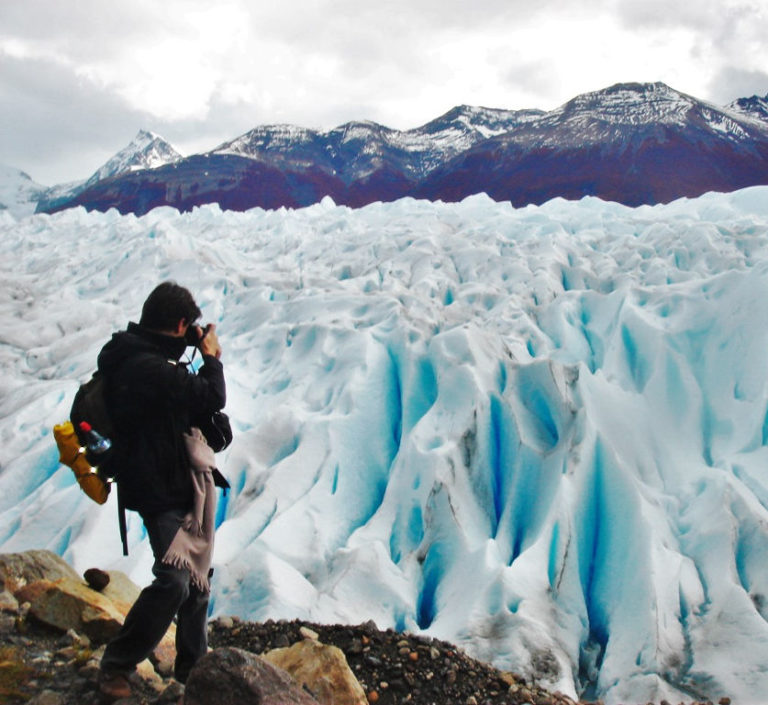
Every classic route is open and in excellent shape in February. The El Chaltén day hikes, the full W route and the longer O circuit in Torres del Paine are all fully in season, with dry, firm trails and warm conditions underfoot.
What makes February shine for trekking specifically is the blend of factors. The warmth and stability of the peak are still here, the late snow is long gone, and the days remain long — but the trails start to feel a little less congested as the month moves on, particularly in the second half.
For multi-day trekkers, that is a near-perfect mix: prime conditions for walking combined with a slightly gentler sense of pressure than the absolute peak. It is a month that rewards ambition on the long routes.
Our Patagonia trekking tours are built to make the most of exactly this window, pairing the finest trail conditions of the season with the booking groundwork the great circuits still require.
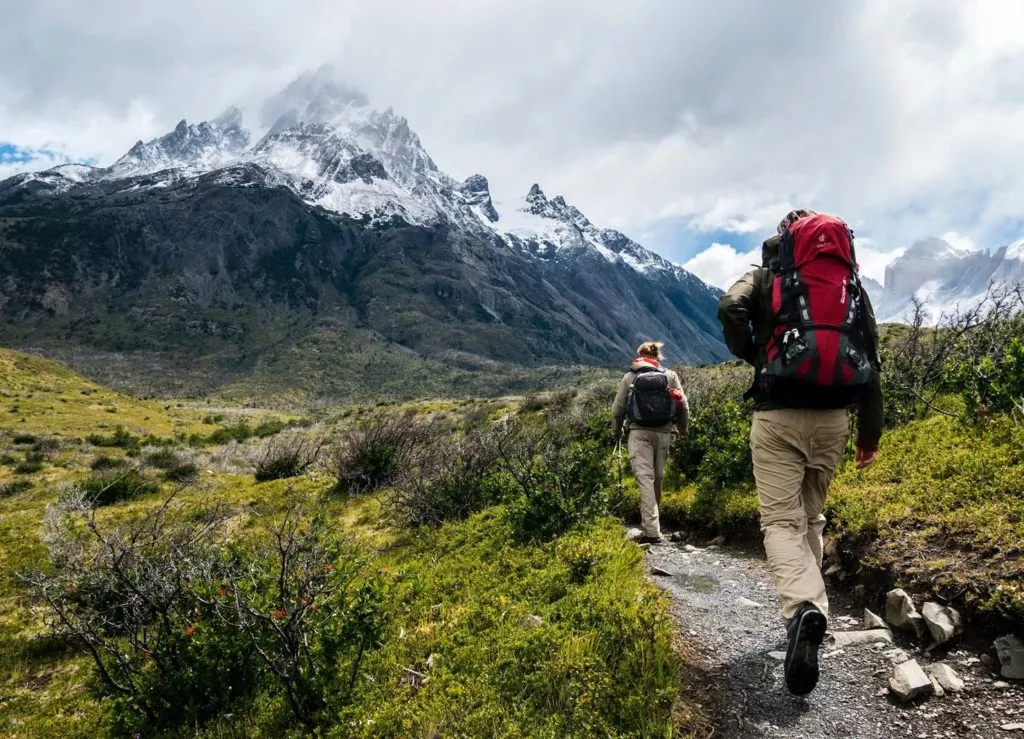
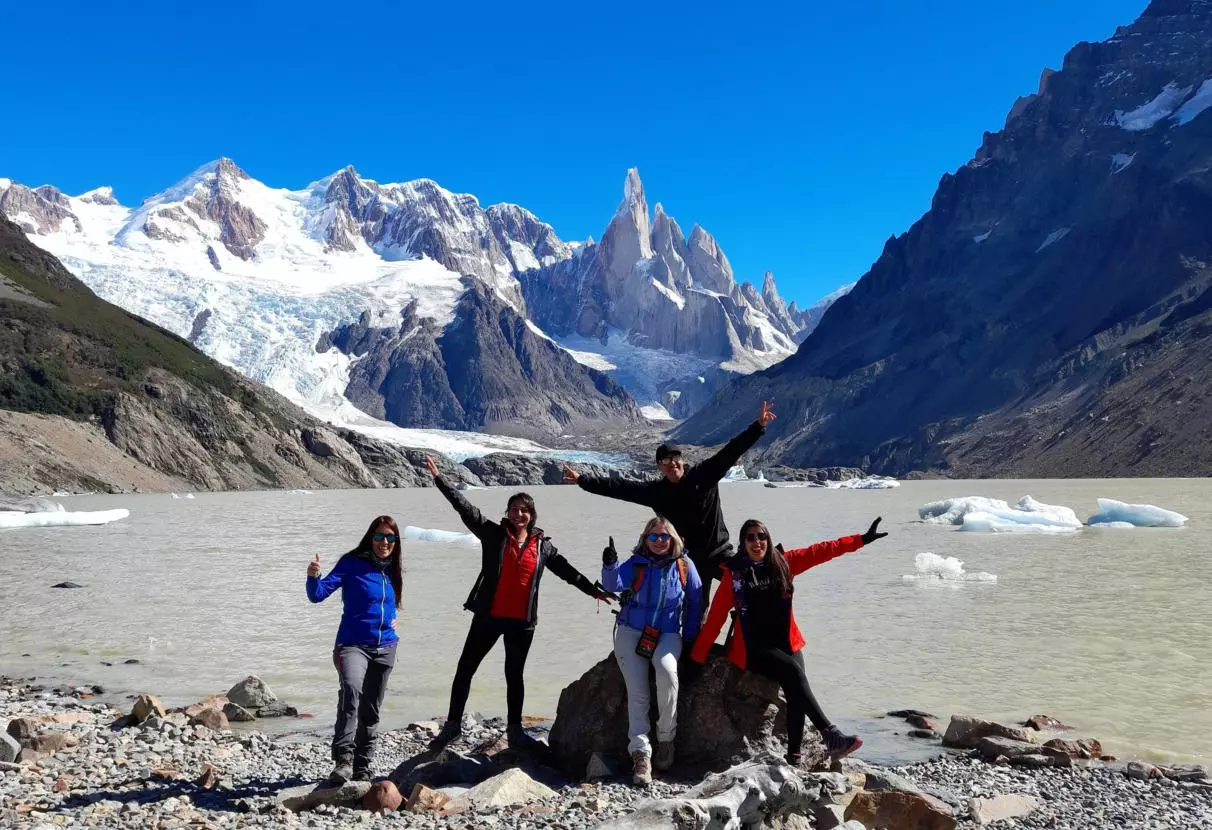
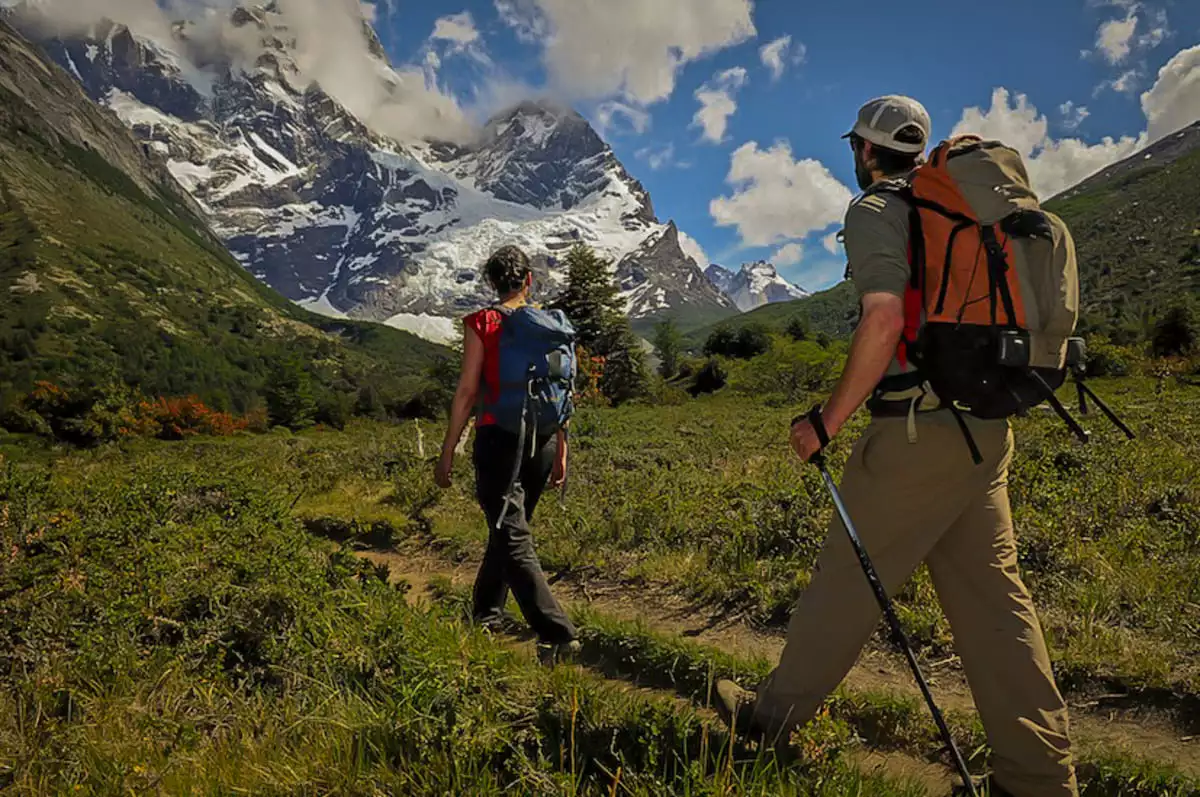
Warm, dry, firm trails make February one of the finest months for the long multi-day routes.
Crowds Beginning to Ease
February starts busy — it is still high season, and the early weeks carry much of January’s energy. But as the month progresses, the peak begins to release its grip, and by late February the trails and towns feel noticeably calmer than at Christmas and New Year.
This gradual easing is part of February’s appeal. You get peak-season conditions with a sense that the crowd is slowly thinning, especially toward the end of the month as the southern summer holidays wind down.
Booking is still important, as refuges and prime lodges remain in demand, but the pressure is a step below the frenzy of the holidays. Late February, in particular, can feel like a well-kept secret: warm, open, and quieter.
For trekkers who want the best conditions without the very worst of the crowds, timing a trip for the second half of February is one of the smarter moves on the Patagonian calendar.
Now you can choose your type of trip:
Type of trip



3. The Big Decision: W Trek or O Circuit?
February’s superb conditions make it a natural month to take on one of Torres del Paine’s signature multi-day treks — which raises the classic question of the W route versus the O circuit.
The W route, taking four to five days, threads the park’s three great valleys and hits the headline sights. The O circuit adds a remote back section over eight to nine days, for experienced trekkers who want solitude and the full loop. Both are in prime shape in February.
Choosing between them comes down to your time, fitness and appetite for the remote. Our guide to the W Trek versus O Circuit in Torres del Paine lays out the trade-offs in detail to help you decide.
Whichever you choose, preparation matters as much as timing. Our Torres del Paine W Trek preparation guide covers the fitness, gear and logistics that turn a great February weather window into a great trek. For a wider Chilean Patagonia trip around the park, our Chilean Patagonia tours build it all into one route.
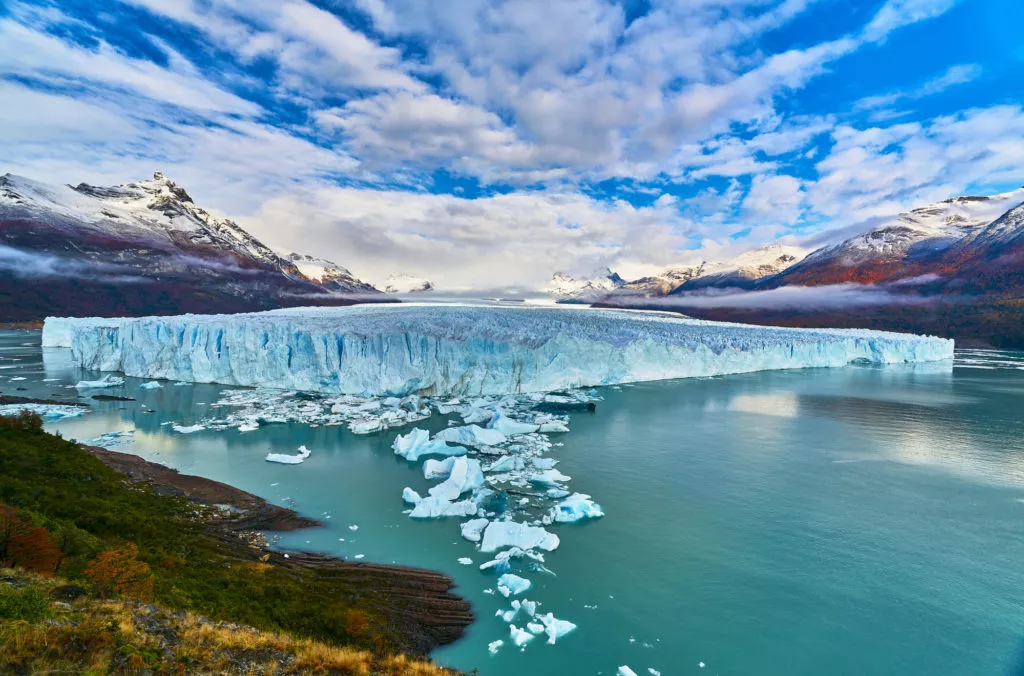
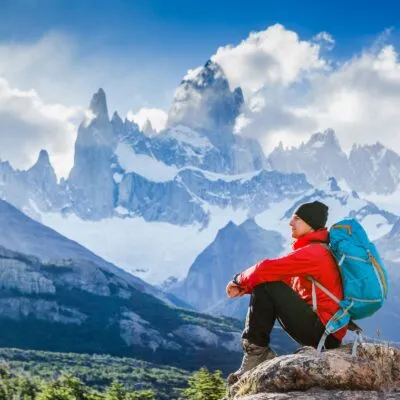
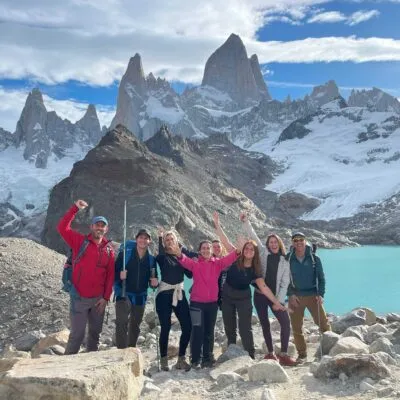
February’s prime conditions make it a great month to commit to the W or the longer O circuit in Torres del Paine.
Who February Suits Best
February suits trekkers above all. If your trip is built around walking the great multi-day routes, the combination of warm, stable weather, dry trails, long days and gradually easing crowds is arguably the best the season offers.
It is also a smart pick for travelers who want peak-season conditions with a little more breathing room than the holidays allow, especially those who can time the second half of the month. The weather is reliable and everything is open.
Who might choose differently? Those seeking the longest possible daylight or the quietest trails and lowest prices may prefer December’s first weeks or the shoulder months of November and March. But for pure trekking quality, February is a leading candidate for the best month of all.
February in Patagonia at a Glance
| What to expect | In February |
| Season | High season, easing in the second half |
| Daytime temperatures | Roughly 16–19°C (61–66°F) |
| Daylight | Long — around 14–15 hours |
| Wind | Strong, but can ease slightly late in the month |
| Crowds | Busy early, calmer by late February |
| Trails | Fully open and in prime trekking condition |
| Best for | Multi-day trekkers, the W and O circuits |
4. FAQs About Patagonia in February: Is It the Best Month for Trekking?
For many trekkers, February is a strong candidate for the best month. It combines the warm, stable weather of high summer with dry, firm trails, long days, and crowds that begin to ease as the month progresses, especially in the second half.
Every classic route is open and in prime condition, from the El Chaltén day hikes to the full W and O circuits in Torres del Paine, and the wind, while still strong, can feel a touch less relentless than at the January peak.
Whether it is the single best month depends on your priorities, but for travelers whose trip is built around multi-day trekking, February is hard to beat.
It can be, especially later in the month. February begins busy, carrying much of January’s peak-season energy, but as the southern summer holidays wind down, the trails and towns gradually grow calmer.
By late February, the sense of congestion at the famous viewpoints noticeably eases compared with the Christmas, New Year and January peak, while the weather and trail conditions remain excellent.
Booking is still necessary, as refuges and prime lodges stay in demand, but the pressure is a step below the holiday frenzy. For travelers who want peak-season conditions with a little more space, timing a trip for the second half of February is a smart choice.
Yes. February is one of the best months for both. The weather is warm and stable, the trails are dry and firm, the days are long, and any late snow on the high passes has long since cleared, so both routes are in prime condition.
The W route takes four to five days through the park’s three great valleys, while the O circuit adds a remote back section over eight to nine days for experienced trekkers seeking the full loop and more solitude.
Both depend on booking a continuous chain of refuges or campsites, which remain in demand even as the peak eases, so securing the route in advance is still important. February’s conditions make it an ideal month to take on either trek.
February is one of the warmest, most settled months in Patagonia, similar to January. Daytime highs sit around 16 to 19°C (61 to 66°F), evenings are mild, and long sunny spells are common.
Wind remains the defining feature and is still strong on exposed terrain, though it can feel slightly less relentless as the month goes on. Rain is relatively infrequent and usually brief, and the trails are dry and firm.
Daylight stays long at around fourteen to fifteen hours. Overall, Patagonia February weather offers some of the most comfortable trekking conditions of the year, though layers and a windproof shell remain essential for the exposed sections.
Even with February’s favourable weather, preparation is key. Build up your fitness in advance for the daily distances, especially if you are attempting the multi-day W or O circuits, and break in your hiking boots thoroughly before the trip.
Pack layered clothing, a reliable waterproof and windproof shell, sun protection and trekking poles, as conditions can still shift and the wind remains strong on exposed sections. Carrying water and snacks for long stages is essential.
Just as important is securing the refuge and lodge bookings that the great circuits require, and planning the route around the calmer parts of the day. Good preparation turns February’s excellent conditions into a genuinely rewarding trek.