- 1. What “Tailor-Made” Actually Means
- 2. Benefit 1: Access You Can’t Book Yourself
- 3. Benefit 2: Sequencing Across Punishing Distances
- 4. Benefit 3: Flexibility When the Weather Turns
- 5. Benefit 4: One Person Who Owns the Whole Trip
- 6. The Objection: Isn’t It More Expensive?
- 7. When a Package Is Actually the Better Choice
- 8. So, Is It Worth It?
- 9. Frequently Asked Questions
- Is tailor-made travel in Argentina and Chile worth the extra cost?
- What’s the difference between tailor-made and a package tour?
- What are the main benefits of a custom trip to Patagonia?
- When is a package tour better than a tailor-made trip?
- Does tailor-made travel cost a lot more than a package?
- Is a custom trip worth it for a two-country Argentina and Chile itinerary?
It’s a reasonable question, and usually an unspoken one: is tailor-made travel actually worth the money, or is it just a more expensive way to see the same places a package would show you?
The honest answer is that it depends on where you’re going — and in Argentina and Chile specifically, the case for tailor-made is stronger than almost anywhere. These are enormous countries with punishing distances, thin infrastructure, and weather that rewrites plans, and that combination is exactly where a bespoke trip earns its cost.
But “tailor-made” has become a marketing word, stamped on itineraries that are really fixed packages with a night moved around. So this article is about the genuine benefits — what a real custom trip does that a package can’t — and, just as honestly, when it isn’t worth it.
It’s written for the traveler weighing custom vs a package tour for Argentina and Chile, trying to work out whether the premium buys something real or just a nicer brochure.
We’ll look at what tailor-made actually means, the specific benefits that matter in these two countries, the objection that it’s too expensive, and the traveler for whom a package genuinely is the better choice.
The short version: tailor-made travel in Argentina and Chile is worth it when the trip’s value lives in access, sequencing and flexibility — which, in this part of the world, is most of the time.

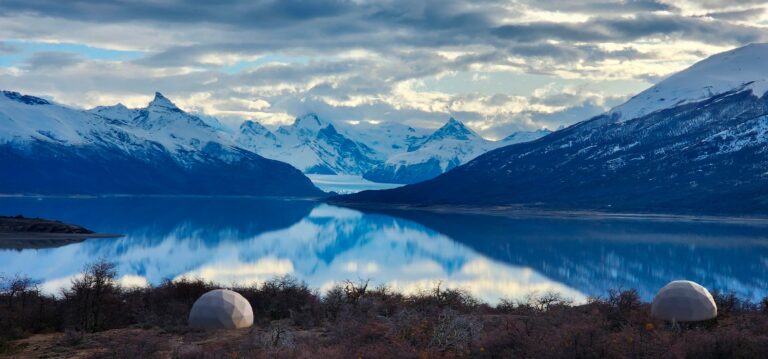
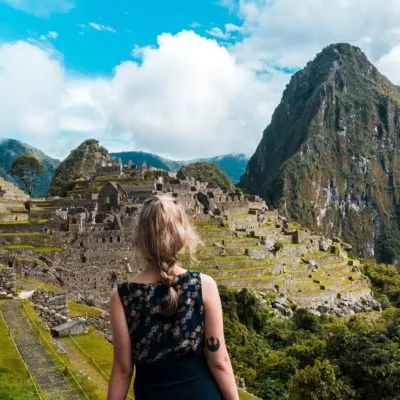
Argentina and Chile span glaciers, wine country and cities — the case for tailor-made travel is really a case about how they fit together.
1. What “Tailor-Made” Actually Means
Before the benefits, a definition, because the word has been worn smooth by overuse.
A genuinely tailor-made trip is designed around you: your dates, your pace, your interests, your fitness, built from scratch rather than pulled off a shelf. There are no fixed departures to slot you into, and the itinerary changes as you and the planner refine it.
A fixed package is the opposite: a set route on set dates that everyone follows, sometimes with a night or two swapped and the result called “customised.” It’s cheaper because it’s standardised, and there’s nothing wrong with that — but it’s a different product.
The tell is the process. A tailor-made planner opens with questions about you; a package seller opens with an itinerary. One is designing; the other is selling.
That distinction — designing versus selling — is the heart of our checklist for what to look for in a custom travel agency, and it’s the first thing to establish before deciding whether tailor-made is worth it for your trip.
2. Benefit 1: Access You Can’t Book Yourself
The first and largest benefit of tailor-made travel in Argentina and Chile is not luxury — it’s access.
The best experiences in these countries aren’t bookable from a laptop. The lodge inside Torres del Paine that puts you on the trail before the crowds, the Mendoza bodega that doesn’t take walk-in visitors, the small-group ice trek on the Perito Moreno Glacier — these are arranged through relationships, not booking sites.
A good planner holds those relationships, which means your trip includes doors that a self-booked itinerary simply can’t open. This is the clearest way tailor-made pays for itself: not in thread count, but in what you actually get to do.
It’s the same logic that runs through the top-rated luxury tours in Argentina, where the value is measured in access and expertise rather than opulence.
For travelers whose priority is genuine, hard-to-reach experiences rather than a checklist of sights, this benefit alone often justifies the tailor-made premium.

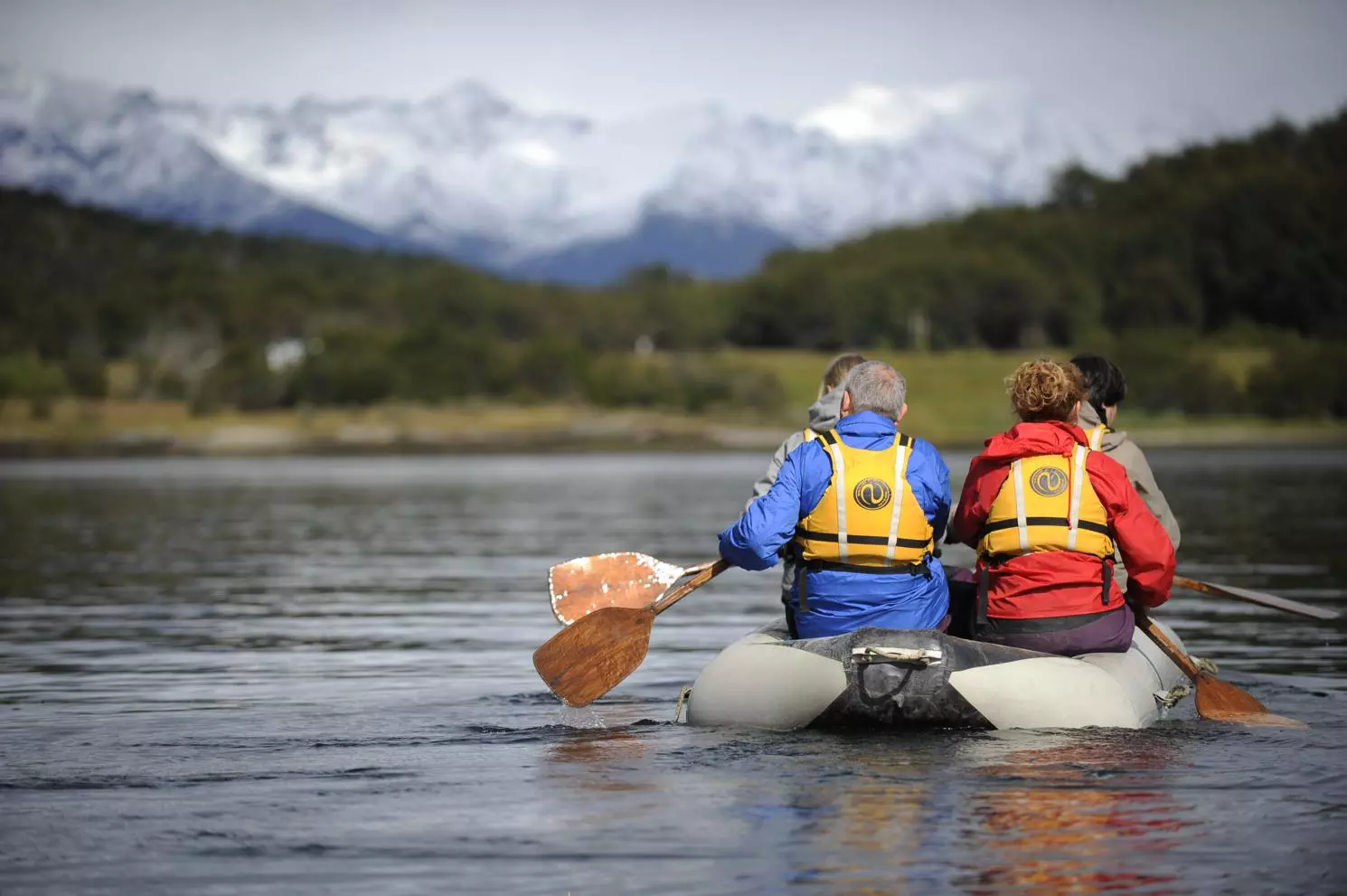
In Argentina and Chile, the premium buys access — the ice trek, the bodega that doesn’t take walk-ins, the room inside the park.
3. Benefit 2: Sequencing Across Punishing Distances
The second benefit is invisible on a brochure and decisive in practice: sequencing.
Argentina and Chile are vast, and their internal flights are limited and their distances punishing. The order in which you visit places determines how much of your trip you spend in the air rather than on the ground — and getting it wrong costs days.
A tailor-made planner sequences the route around real constraints: flight availability, the border crossings between the two countries, altitude if you’re heading north, and the seasons, which peak at different times in Patagonia, Mendoza and the north.
A well-sequenced twelve days can deliver more than a badly sequenced eighteen. This is the quiet, expert work that a package can’t replicate, because a package is built for the average traveler on fixed dates, not for your specific combination of places and time.
The stakes rise further on multi-country routes, where the connections between countries are where trips break — something we cover in the best companies for multi-country tours in South America.
4. Benefit 3: Flexibility When the Weather Turns
The third benefit is the one travelers appreciate most in hindsight: flexibility.
In Patagonia especially, the weather will break at least one plan on any honest itinerary. A trail closes, a flight cancels, a boat is grounded. On a fixed package, the itinerary adapts for everyone or not at all. On a tailor-made trip with a local team behind it, someone rebuilds your day in real time.
That flexibility extends to your own preferences, too. Loved a place and want an extra night? Tired and want to slow down? A bespoke trip bends to you in a way a fixed departure can’t, because there’s no group to hold to a schedule.
This is where the local presence behind a tailor-made trip proves its worth. The value isn’t only in the planning — it’s in having someone on the ground who can fix the day when it goes wrong, which in Argentina and Chile it periodically will.
What that support actually looks like, and why it matters more than the itinerary itself, is something we explore in our guide to the top custom travel agencies for Argentina trips.

A tailor-made trip can be rebuilt in real time — the day the weather turns, or the evening a bodega opens its doors.
5. Benefit 4: One Person Who Owns the Whole Trip
The fourth benefit is continuity, and it matters more than it sounds.
On a tailor-made trip, one person owns the whole trip — from the first conversation to the last transfer. When something changes, there’s a single point of contact who knows your itinerary and can act on it, rather than a chain of unconnected providers pointing at each other.
This is especially valuable across two countries. An Argentina-and-Chile trip involves a border, two sets of logistics, and multiple moving parts, and the seams between them are exactly where a fragmented booking falls apart.
A package spreads that responsibility across whoever happens to be running each segment. A tailor-made trip concentrates it in one team that has designed the whole arc and is accountable for all of it.
For a trip with this many connections, that single line of ownership is not a luxury — it’s the thing that keeps the trip intact when a link breaks.
6. The Objection: Isn’t It More Expensive?
Here’s the honest reckoning, because the price objection is the real reason people hesitate.
Yes, tailor-made travel usually costs more per day than a fixed package — private guiding and private transfers genuinely cost more than shared ones. That’s a structural difference, not a markup.
But the comparison is often unfair. Packages frequently exclude internal flights and park fees, which are substantial in countries this size, so the headline gap narrows once you normalise both quotes. A cheap package that leaves out three domestic flights isn’t cheaper — it’s incomplete.
And a tailor-made trip can be cheaper in practice, because a good planner will talk you out of destinations that aren’t worth the flight and concentrate your budget where it changes the experience. The right question is value, not price.
| Tailor-made | Fixed package | |
| Cost per day | Higher | Lower |
| Access to hard-to-book experiences | Yes, via relationships | Limited to what’s standardised |
| Sequencing around your dates | Built around you | Fixed for the average traveler |
| Flexibility when plans break | Rebuilt in real time | Adapts for everyone or not at all |
| Best for | Particular tastes, two-country routes, specific dates | Tight budgets, simple routes, sociable travelers |
How those inclusions and exclusions actually break down is worth understanding, and we lay it out in what’s included in a Patagonia tour.
7. When a Package Is Actually the Better Choice
Tailor-made isn’t always the right answer, and it’s only fair to say when a package genuinely wins.
If your budget is the binding constraint, a fixed departure is the most economical way to travel well, and there’s no shame in it. Sharing a guide and a vehicle across a group brings the per-person cost down in a way a private trip can’t match.
If your route is simple — a single region, a straightforward week — the sequencing and flexibility benefits shrink, and a package covers it perfectly well.
And if you actively want company, a group departure builds it in. Solo travelers and sociable couples often prefer the ready-made social side of a fixed trip to the privacy of a bespoke one.
The decision between them, and how to read what each really offers, is exactly what we cover in how to choose a Patagonia package that fits your trip.

A package can be the right call — for a tight budget, a simple route, or a traveler who wants company built in.
8. So, Is It Worth It?
For most travelers taking on Argentina and Chile together, tailor-made travel is worth it — and the reason is the specific nature of these two countries.
The value doesn’t live in luxury for its own sake. It lives in access to experiences you can’t book yourself, in sequencing that saves you days across enormous distances, in flexibility when Patagonian weather intervenes, and in one team owning a trip that crosses a border.
The traveler for whom it isn’t worth it is real but specific: tight budget, simple route, a desire for company over control. For everyone else, the premium buys something a package structurally cannot.
If you’d like to see what a bespoke trip across the two countries would look like, our Argentina and Chile combined tours and broader Argentina trips are built exactly this way, and our travel specialists will tell you honestly whether tailor-made is the right call for your route — including when it isn’t.
Because the real measure of a trip like this isn’t what you paid per day. It’s whether the days fit together, and whether someone was there to fix them when they didn’t.
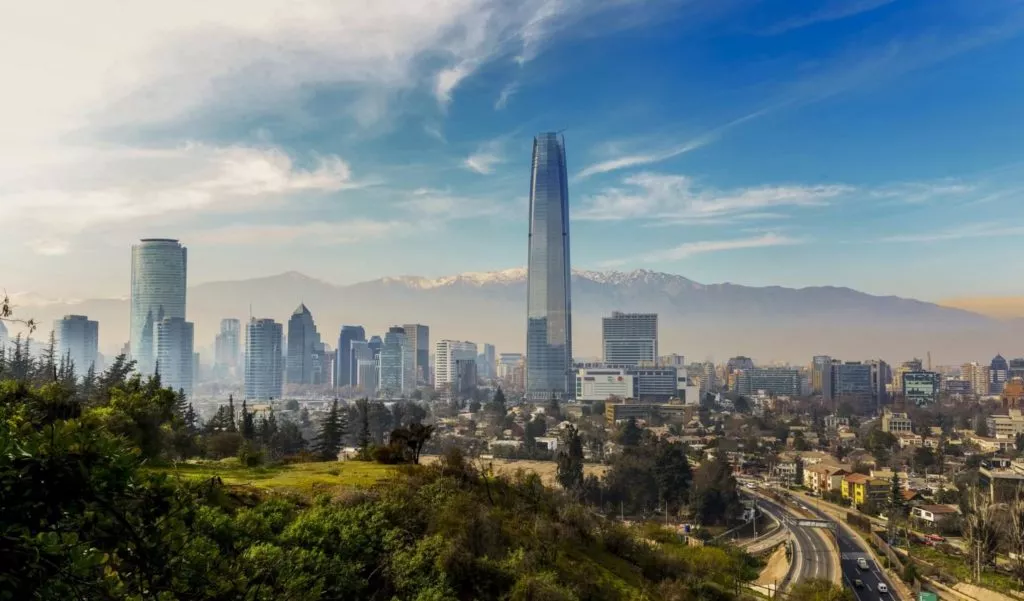
For a two-country trip across Argentina and Chile, tailor-made is usually worth it — the value lives in the connections.
9. Frequently Asked Questions
Is tailor-made travel in Argentina and Chile worth the extra cost?
For most travelers taking on both countries, yes. The value isn’t luxury for its own sake — it’s access to experiences you can’t book yourself, sequencing that saves days across enormous distances, and flexibility when the weather breaks a plan.
Tailor-made does cost more per day than a fixed package, because private guiding and transfers genuinely cost more. But packages often exclude internal flights and park fees, so the gap narrows once you compare like with like.
The right question is value rather than price. For particular tastes, two-country routes, or specific dates, the premium buys something a package structurally can’t.
What’s the difference between tailor-made and a package tour?
A tailor-made trip is designed around you — your dates, pace, interests and fitness — and built from scratch, with no fixed departures and an itinerary that changes as you refine it.
A package is a set route on set dates that everyone follows, sometimes with a night swapped and called “customised.” It’s cheaper because it’s standardised.
The clearest tell is the process: a tailor-made planner opens with questions about you, while a package seller opens with an itinerary. One is designing your trip; the other is selling you theirs.
What are the main benefits of a custom trip to Patagonia?
Four stand out. Access, because the best lodges, bodegas and small-group excursions are arranged through relationships rather than booking sites. Sequencing, because the order of a route across huge distances determines how much time you spend in transit.
Flexibility, because a local team can rebuild your day when Patagonian weather closes a trail or cancels a flight. And continuity, because one person owns the whole trip rather than a chain of unconnected providers.
Together, these are why tailor-made suits Argentina and Chile specifically — countries where distance, weather and border logistics make bespoke planning genuinely valuable.
When is a package tour better than a tailor-made trip?
When budget is the binding constraint, a fixed departure is the most economical way to travel well — sharing a guide and vehicle across a group brings the per-person cost down in a way a private trip can’t.
When your route is simple — a single region or a straightforward week — the sequencing and flexibility benefits shrink, and a package covers it perfectly.
And when you actively want company, a group departure builds it in, which many solo travelers and sociable couples prefer. For these travelers, a package is genuinely the better choice, not a compromise.
Does tailor-made travel cost a lot more than a package?
Per day, usually yes, because private guiding and private transfers cost more than shared ones — that’s a structural difference rather than a markup.
But the comparison is often unfair. Packages frequently leave out internal flights and park fees, which are substantial in countries this size, so the headline gap narrows once both quotes include the same things.
A tailor-made trip can also be cheaper in practice, because a good planner talks you out of destinations that aren’t worth the flight and concentrates your budget where it changes the experience. Compare value, not just the sticker price.
Is a custom trip worth it for a two-country Argentina and Chile itinerary?
It’s exactly the case where tailor-made makes the most sense. A trip across both countries involves a border crossing, two sets of logistics, and connections that are precisely where fragmented bookings fall apart.
A bespoke trip concentrates responsibility in one team that has designed the whole arc and can fix any part of it, rather than spreading it across unconnected providers.
Add the sequencing across long distances and the flexibility for Patagonian weather, and the benefits compound on a two-country route. For most travelers doing Argentina and Chile together, it’s worth it.