- 1. What “Top-Rated” Actually Means in Argentine Luxury Travel
- 2. Patagonia: Where Argentina’s Luxury Travel Reaches Its Peak
- 3. El Calafate, Perito Moreno and El Chaltén in Style
- 4. Estancias: Argentina’s Original Luxury
- 5. Mendoza and the High-Altitude Wine Country
- 6. Iguazú Falls: Sleeping Inside the National Park
- 7. The Northwest: Salta, Jujuy and the Great Salt Flats
- 8. Buenos Aires: The Cultural Overture
- 9. What Sets the Best Experiences Apart
- 10. When to Go, How Long to Stay, and When to Book
- 11. Frequently Asked Questions
- What makes a luxury tour in Argentina worth the price?
- When is the best time to take a luxury tour in Argentina?
- How many days do I need for a luxury trip to Argentina?
- Which region of Argentina is best for a first luxury visit?
- How far in advance should I book a luxury Argentina tour?
- Can a top-rated Argentina tour be fully customized?
Argentina is a country that refuses to be seen quickly. It stretches almost 3,700 kilometers, from the subtropical spray of Iguazú to the wind-scoured channels near Cape Horn.
Somewhere in that span sit glaciers, vineyards at the foot of the Andes, high deserts the color of rust, and a capital that still argues about tango at two in the morning.
For travelers used to choosing carefully, the question is rarely what to see. It’s how to see it well — and that is where the top-rated luxury tours in Argentina separate themselves from everything else on offer.
Because luxury here doesn’t announce itself the way it does in Europe or the Gulf. There are few grand hotels in the classical sense, and the country’s finest lodges are often small, remote, and deliberately understated.
What you are buying instead is access: the private guide who knows which trail empties at five in the afternoon, the estancia that opens its gates to eight guests, the winemaker who pours from a barrel rather than a list.
That is the real answer to what’s different about luxury Argentina travel. It is measured in proximity and expertise, not in marble.
This guide walks through the destinations where Argentina delivers at its highest level — Patagonia, Mendoza, Iguazú, the Northwest, Buenos Aires — and then examines the details that quietly separate the best luxury tours in Argentina from the merely expensive ones.
Along the way: when to go, how long you need, and when to book, so the trip you imagine is still available when you reach for it.
1. What “Top-Rated” Actually Means in Argentine Luxury Travel
Ratings are easy to game and hard to interpret. A five-star label in Argentina can mean a genuinely world-class lodge, or simply a hotel with a spa and a marketing budget.
So it’s worth defining the standard before spending against it. In practice, the top-rated luxury tours in Argentina share four traits, and none of them is thread count.
The first is access — the ability to reach places, at times, that ordinary itineraries cannot.
The second is guiding: not a narrator with a clipboard, but a naturalist or mountain guide who has spent a career in one valley.
The third is timing, which in Argentina is everything. The same viewpoint that feels like a bus terminal at eleven in the morning is often empty and luminous at seven in the evening.
The fourth is design — an itinerary shaped around one traveler rather than a fixed departure, with enough slack in it to survive Patagonian weather or a delayed flight without collapsing.
Every option in our Argentina luxury travel collection is built against those four tests, because in a country this large and this remote, they determine whether a trip actually works.
Everything else — the linens, the tasting menu, the view from the tub — tends to follow from getting those four right. Rarely the other way around.
2. Patagonia: Where Argentina’s Luxury Travel Reaches Its Peak
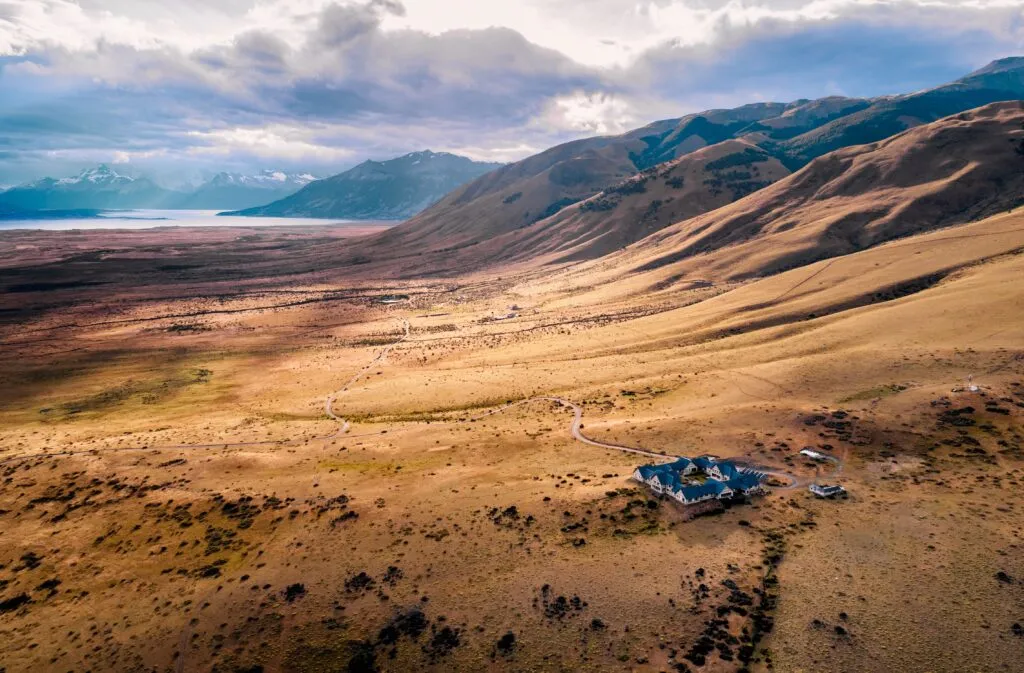
If Argentina has a headline, it is Patagonia. The region occupies the country’s southern third and holds its most concentrated collection of high-end lodges, private guides, and genuinely remote experiences.
This is where the arithmetic of luxury changes. Distances are enormous, infrastructure is thin, and the weather does as it likes — which means the value of good planning rises sharply.
A well-designed Patagonia trip feels effortless precisely because someone absorbed the difficulty on your behalf: the transfers, the border timing, the guide who reads a forecast and quietly reorders your week.
A poorly designed one feels like a series of long drives punctuated by crowded viewpoints.
The lodges here are architecturally restrained — low against the wind, glass turned toward the mountains, service warm rather than formal. This is a region of pioneers, not palaces, and the best properties know it.
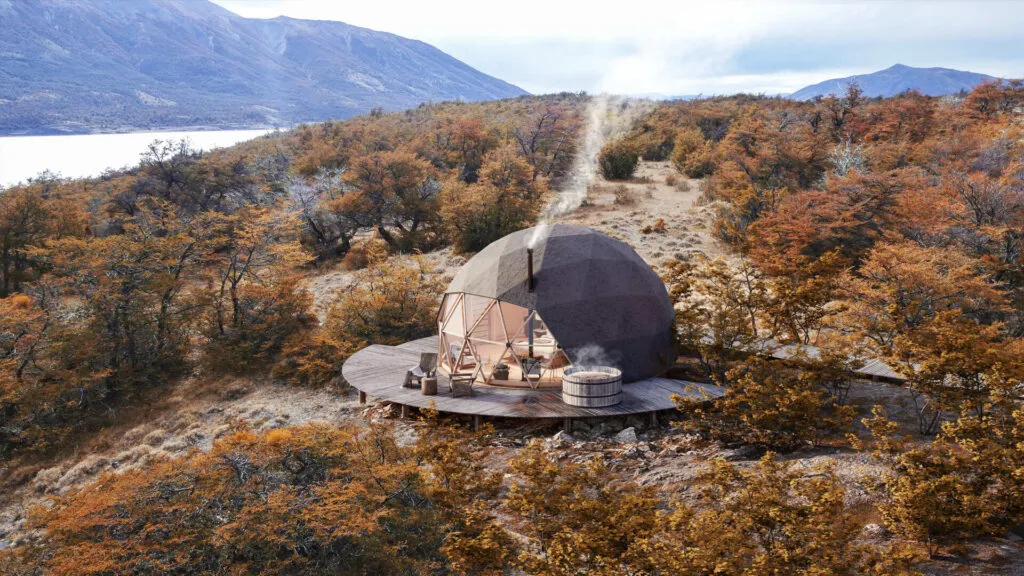
Routes such as the Luxury Patagonia Adventure and Exclusive Patagonia, a journey of luxury and hikes are built on that logic, and the design-led Pristine Camps experience takes it further still.
They exist as frameworks rather than fixed packages — starting points a specialist then reshapes around your pace and your interests.
For most travelers, Patagonia is not one stop on an Argentine itinerary. It is the reason the itinerary exists.
3. El Calafate, Perito Moreno and El Chaltén in Style
Argentine Patagonia’s two great anchors sit three hours apart, and the best trips treat them as one movement rather than two separate stops.
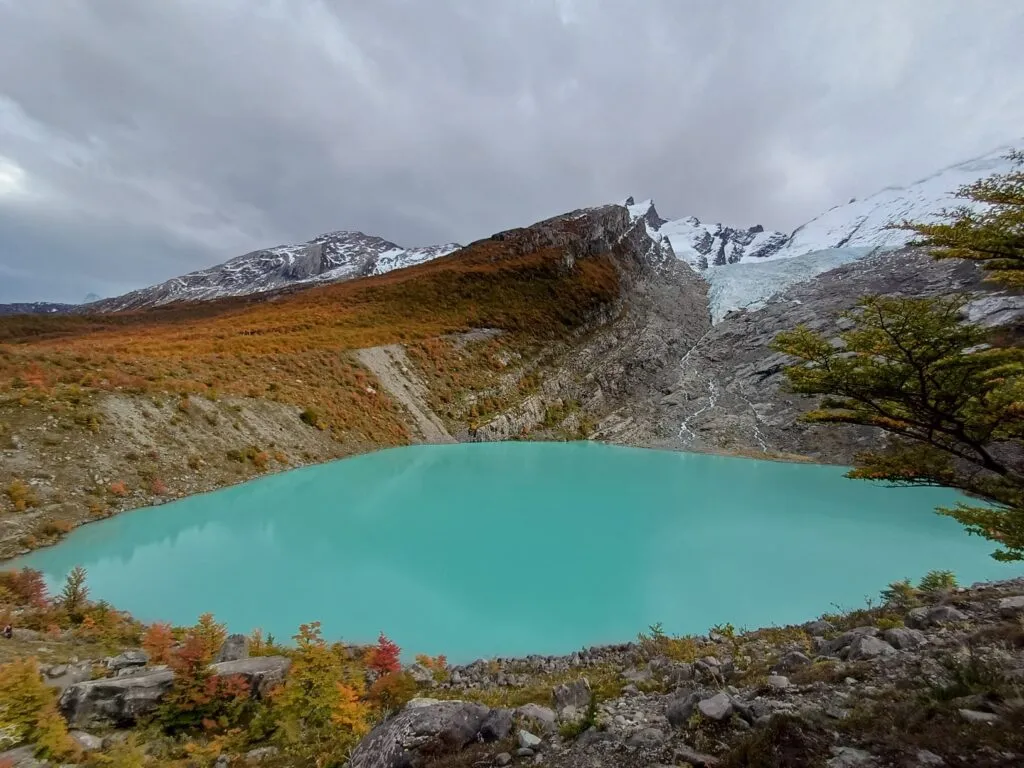
El Calafate is the gateway to the Perito Moreno Glacier, one of the few advancing glaciers on earth — a five-kilometer wall of ice that periodically drops building-sized blocks into the lake below.
The crowds gather on the boardwalks. The luxury version doesn’t. It puts you on the ice itself with a small guided group, or on a private boat working the glacier’s flank among the icebergs.
Boutique lodges outside town trade proximity for silence, with long views over Lake Argentino, and our El Calafate tours are usually built to flow straight onward rather than double back.
That onward is El Chaltén, the village Argentina founded as its national trekking capital, sitting at the foot of the Fitz Roy massif.
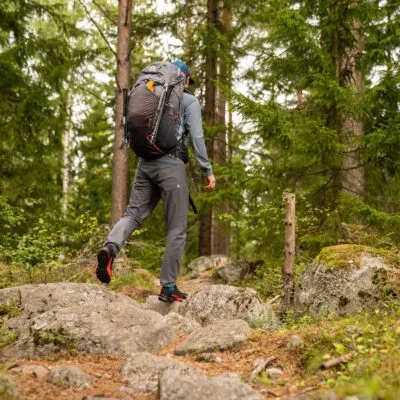
Luxury here is more intimate — design-led boutique hotels and private guiding rather than sprawling estates. The trails begin at the edge of town, which is rarer than it sounds.
A private guide will time your climb toward the Laguna de los Tres viewpoint to reach Fitz Roy as the crowds thin, and our El Chaltén trips are shaped to keep those short, spectacular days unhurried.
4. Estancias: Argentina’s Original Luxury
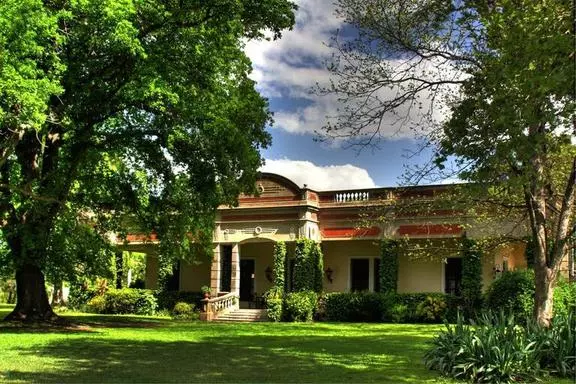
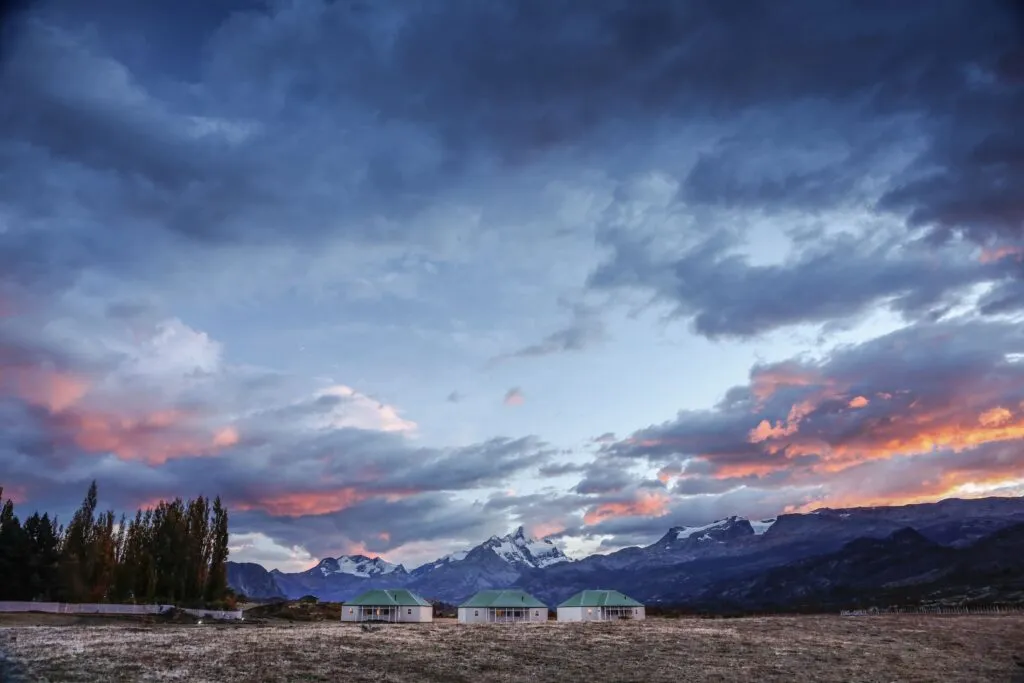
Long before boutique lodges arrived, Argentina’s version of grand living was the estancia — the vast ranches that pioneers carved out of the pampas and the Patagonian steppe.
Staying on a working estancia remains one of the most quietly luxurious things you can do here, precisely because it cannot be manufactured.
These are real homes with real histories. The horizon belongs to you, and the day still follows the land rather than a schedule.
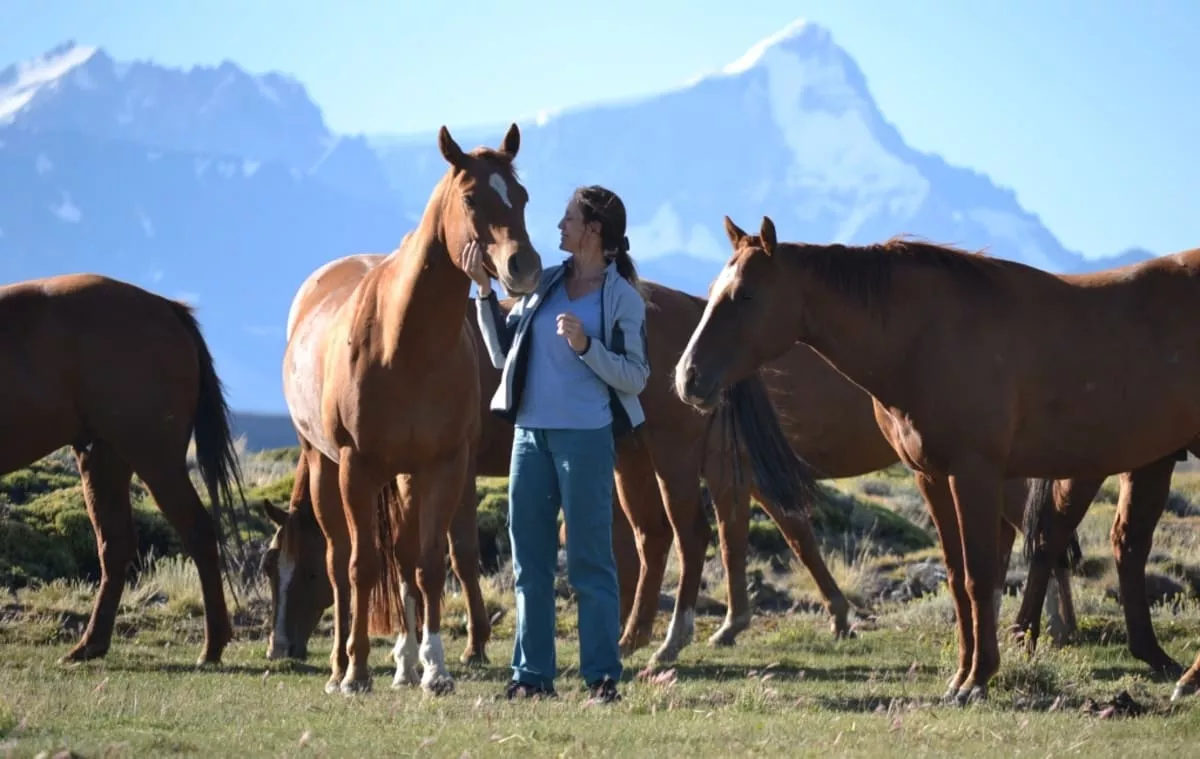
A refined stay might mean riding out with a gaucho at dawn, watching a sheep-shearing demonstration, and sitting down to a lamb asado cooked slowly over open flame in a stone quincho.
The rooms are elegant but unpretentious. The real luxury is exclusivity and immersion — often a handful of guests across an estate the size of a small country.
For travelers who want comfort wrapped in genuine culture rather than polished anonymity, a Patagonian estancia journey offers the feeling of being let into a way of life, not booked into a room.
It is also, notably, the one Argentine luxury experience that has changed least in a century.
5. Mendoza and the High-Altitude Wine Country
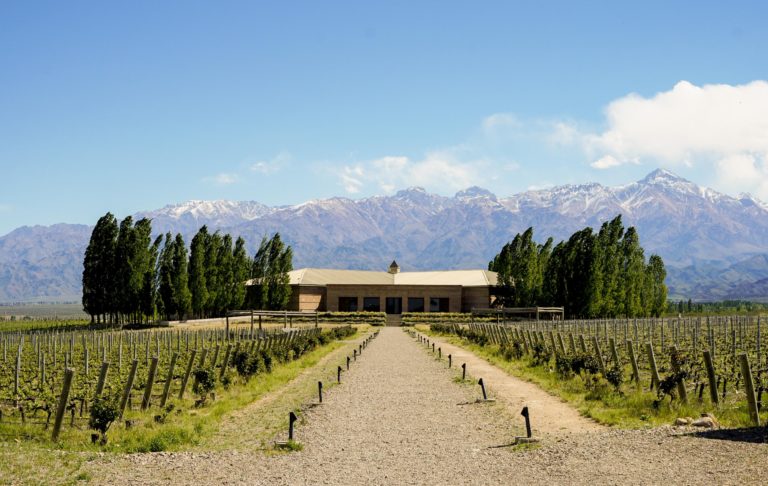
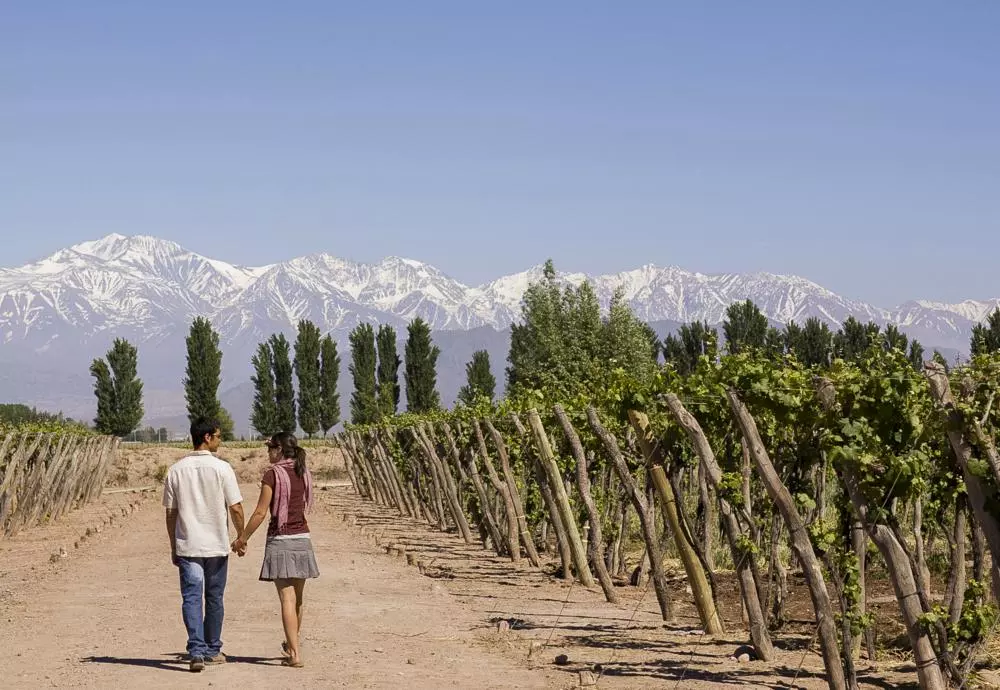
Mendoza sits at the foot of the Andes, and its vineyards climb to altitudes that would be considered eccentric almost anywhere else — some above 1,500 meters, with Aconcagua on the skyline.
That altitude is the whole point. Thin air, intense sun, and cold nights concentrate the fruit, which is why Argentine Malbec tastes the way it does and why the region is a serious wine destination rather than a novelty.
The luxury tier here is unusually well developed. Vineyard lodges offer a handful of rooms among the vines, kitchens run by chefs who take the local produce seriously, and tastings held with the winemaker rather than a host.
The difference between a good Mendoza day and a great one is almost entirely a matter of doors. Many of the finest bodegas do not accept walk-in visitors at all.
Access is arranged, not purchased at the gate — which is exactly why our Mendoza wine tours are built around private visits rather than a fixed tasting circuit.
Beyond the glass, the region is genuinely alpine: horseback rides into the foothills, high mountain passes, and a lunch table under a canopy that runs comfortably into the late afternoon.
For many travelers it becomes the trip’s unexpected favorite — the counterweight to Patagonia’s severity.
6. Iguazú Falls: Sleeping Inside the National Park
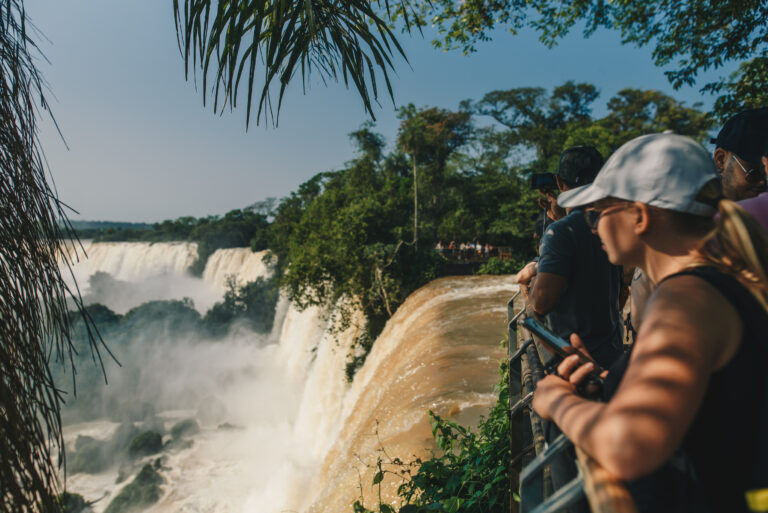
Iguazú is Argentina’s other undeniable landmark, and a genuinely overwhelming one: 275 individual falls spread across nearly three kilometers of subtropical jungle.
Most visitors see it in a single day, from the middle of a crowd, at the hottest hour. This is the clearest example in the country of how luxury and access are the same thing.
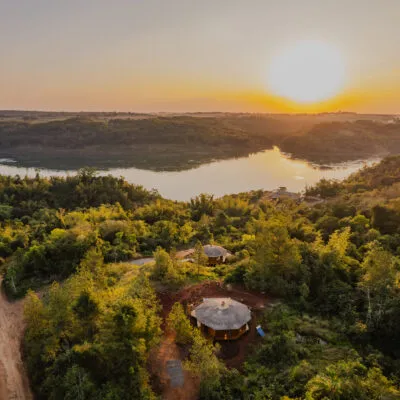
Because there is lodging inside the national park itself, and staying there changes the experience entirely.
You walk out to the falls before the gates open to day visitors, and you are still there after they close — the catwalks empty, the noise enormous, coatis and toucans getting on with their morning.
That is the whole proposition behind staying inside the park at Iguazú, and it is difficult to overstate the difference it makes.
The Devil’s Throat at first light, with nobody on the platform, is one of the few sights in South America that lives up to its own reputation.
Two nights is the right number. One is a photograph; two is a place. It also pairs unusually well with Patagonia — jungle heat against glacial cold.

7. The Northwest: Salta, Jujuy and the Great Salt Flats
Argentina’s northwest is the country’s least understood region and, for repeat travelers, often its most rewarding.
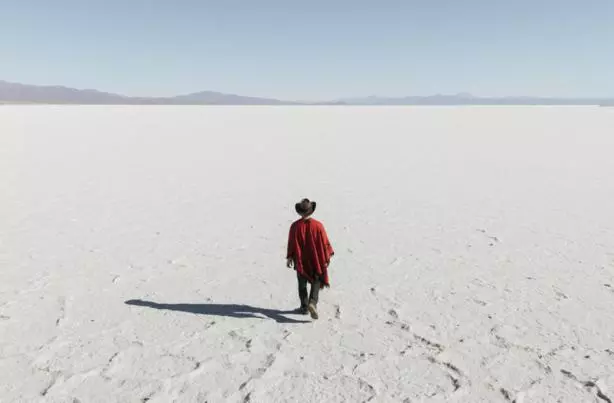
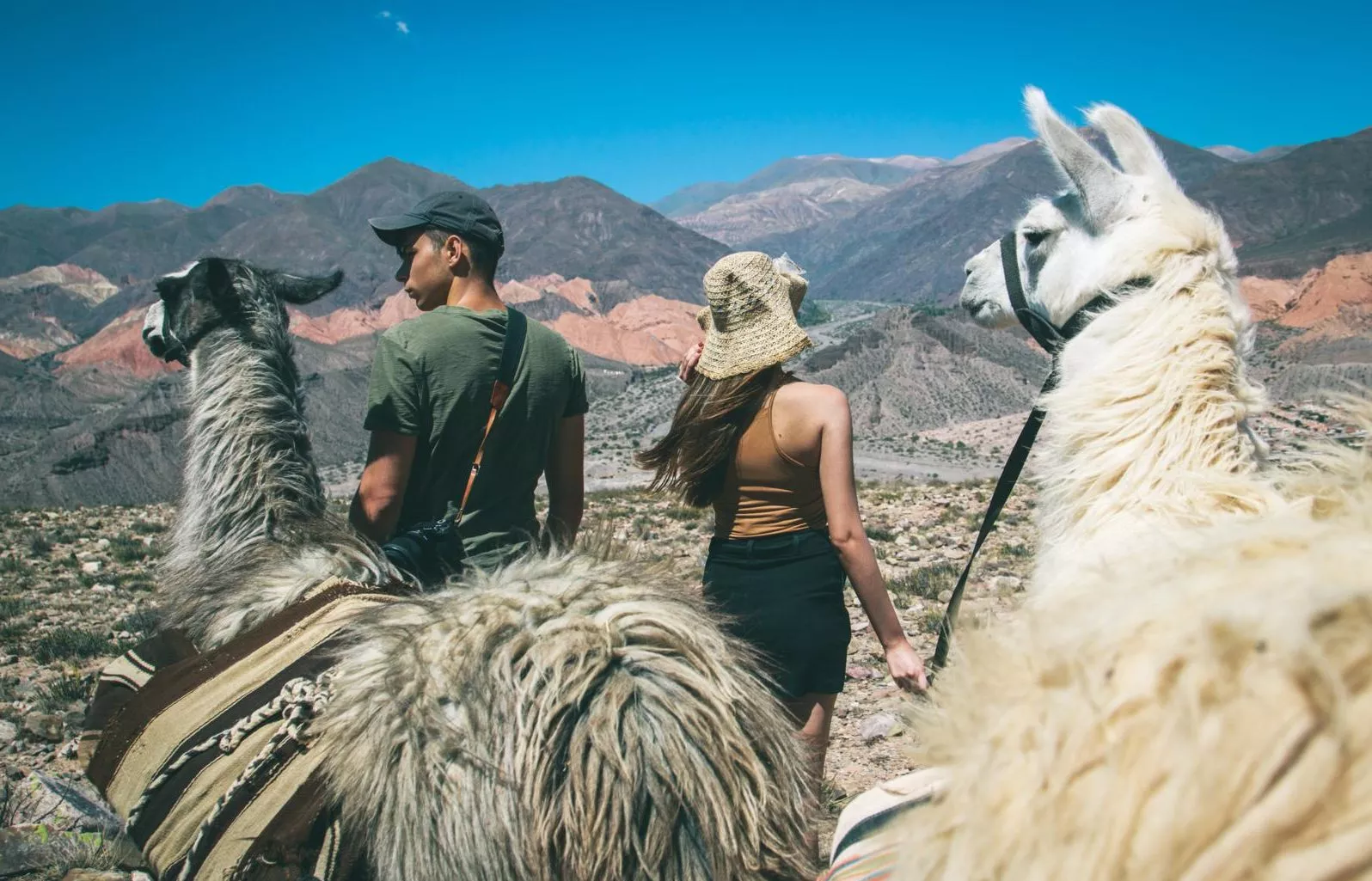
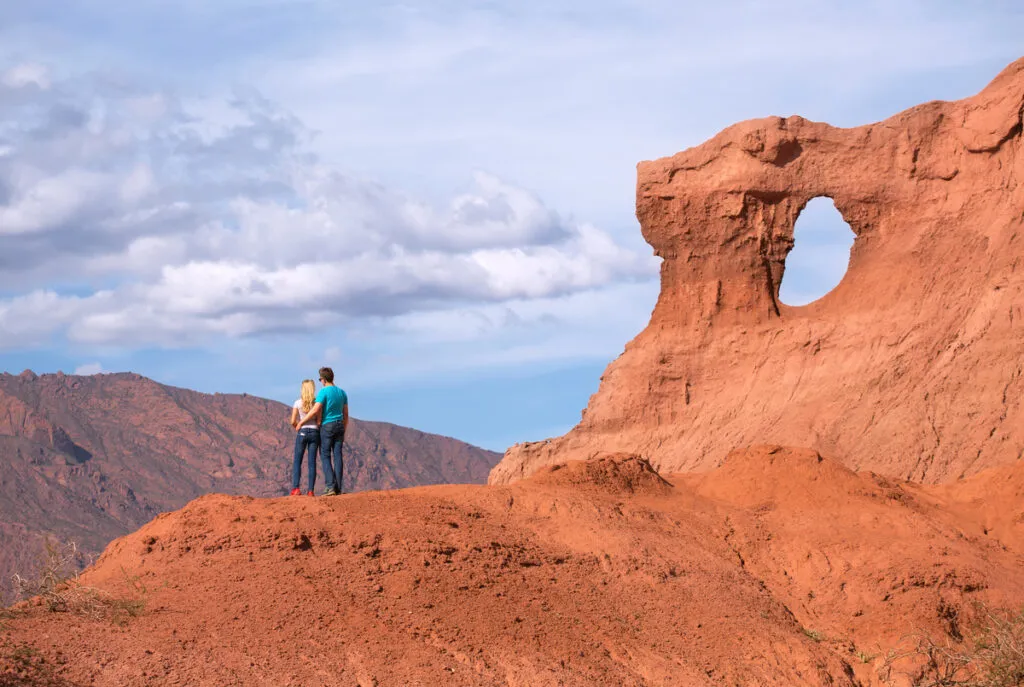
This is high desert: red rock canyons, cactus-studded valleys, colonial towns at 2,000 meters, and the blinding white expanse of the Salinas Grandes salt flats.
The culture shifts too. The Andes press in, the food turns to empanadas and llama, and the Spanish carries an accent closer to Bolivia than to Buenos Aires.
Luxury in the Northwest is a newer arrival and still relatively scarce, which is part of its appeal. The best options are small, design-driven, and often built into restored colonial estates or set alone in the desert.
A glamping camp at the Salinas Grandes salt flats is the most striking of them — sleeping on the salt itself, under a sky with no competition for hundreds of kilometers.
The broader northern Argentina itineraries work best at an unhurried pace, because the region’s pleasure is in the driving as much as the arriving.
For a first visit to Argentina, the Northwest is optional. For a second, it is usually the reason.
8. Buenos Aires: The Cultural Overture
Almost every Argentine itinerary begins in Buenos Aires, and a surprising number of them waste it.
The default is two nights, a tango show, and a steak — which is roughly like reducing Paris to a bus tour and a crêpe.
The city rewards a slower read. It is a place of European bones and South American temperament, where the bookshops are cathedrals and dinner starts at ten.
The luxury version is less about the hotel — though Recoleta and Palermo have genuinely excellent ones — than about who opens the doors.
A private guide with an architectural background reads the city differently than a headset tour. So does a chef who walks you through a market before cooking in a closed kitchen.
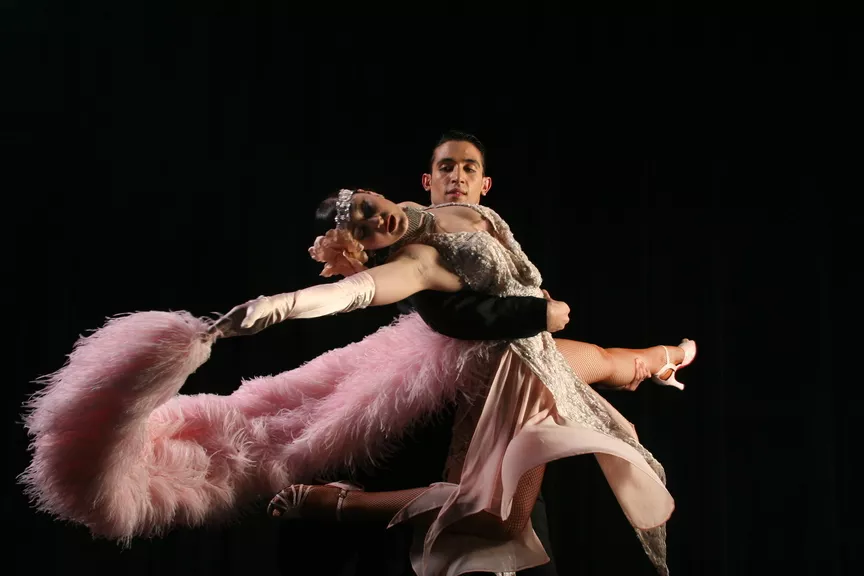
A tango experience in a milonga where locals actually dance bears no resemblance to the dinner-theater version sold at the hotel desk.
Three nights is the honest minimum, and our Buenos Aires trips are built to use them properly — at the start, when jet lag makes a city day welcome, rather than as an afterthought at the end.
9. What Sets the Best Experiences Apart
Strip away the brochures and the difference between a good Argentine trip and a top-rated one comes down to a short, unglamorous list.
Guides, first. In Argentina the guide is not an accessory to the itinerary — the guide largely is the itinerary.
The gap between a licensed generalist and a specialist who has worked one glacier, one vineyard, or one massif for twenty years is the single widest quality gap in the country.
Sequencing, second. Argentina’s internal flights are limited and its distances punishing, and the order of a route determines how much of it you spend in the air rather than on the ground.
A well-sequenced twelve days can deliver more than a badly sequenced eighteen. This is invisible work, and it is where most of the value quietly hides.
Access, third — the bodega that doesn’t take walk-ins, the park lodging that books a year out, the estancia with eight rooms. None of these are secured late.
And flexibility, fourth. Patagonian weather will break at least one plan on any honest itinerary, and the difference between an inconvenience and a ruined week is whether someone local can rebuild the day by lunchtime.
That is what’s different about luxury Argentina travel, and it is why Say Hueque has built tailor-made Argentina itineraries around local travel experts for more than two decades rather than selling fixed departures.
The lodges matter. They simply matter less than the people arranging them.
10. When to Go, How Long to Stay, and When to Book
Argentina spans so much latitude that there is no single best season — only a best season for each region, and the art is in overlapping them.
Patagonia’s window runs from late October to March, when the trails are open and the light stretches past ten at night. December to February is warmest and busiest; November and March bring softer light and thinner crowds.
Mendoza peaks around the March and April harvest, when the vineyards turn gold and the cellars are working. Iguazú and the Northwest are better in the cooler, drier months from April to September, when the subtropical heat relents.
A trip built across late October or March tends to catch the most regions in reasonable form at once. The table below is a rough orientation for matching time to ambition.
| Days | Suggested focus | Best suited to |
| 7–9 | Buenos Aires + Patagonia (El Calafate and El Chaltén) | A first visit with limited time |
| 10–12 | Buenos Aires + Patagonia + Iguazú or Mendoza | The classic luxury circuit |
| 14–18 | Buenos Aires, Patagonia, Mendoza, Iguazú and the Northwest | Comprehensive and unhurried |
| 20+ | Full Argentina extended with an Antarctica voyage from Ushuaia | Once-in-a-lifetime |
On booking: the properties that make these trips worth taking are small, and they go early. Eight to twelve months ahead is normal for peak Patagonian dates, and the best guides are reserved before the rooms are.
This is the most common reason a considered trip turns into a compromised one, and it is entirely avoidable.
The broader Argentina travel guide is a useful place to check the seasonal detail before committing to dates.
11. Frequently Asked Questions
What makes a luxury tour in Argentina worth the price?
The premium in Argentina buys access and expertise rather than ornament. Remoteness drives real cost — transfers, small-scale lodging, and career specialists all carry a genuine price in a country this large.
What you get in return is the empty viewpoint, the bodega that doesn’t take walk-ins, the guide who has read that glacier for twenty years.
The travelers who feel their money was well spent are almost always the ones who prioritized guiding and access over hotel category. The reverse is the most common regret.
When is the best time to take a luxury tour in Argentina?
It depends on the region, which is why the sequencing matters. Patagonia runs from late October to March; Mendoza is at its best around the March and April harvest.
Iguazú and the Northwest are more comfortable between April and September, when the subtropical heat eases.
If you want several regions in one trip, late October or March usually catches the most of them in good form. Whichever window you choose, book early — the best lodges are small and fill eight to twelve months ahead.
How many days do I need for a luxury trip to Argentina?
Seven to nine days covers Buenos Aires and Patagonia’s highlights without rushing, which is a solid first visit for travelers with limited time.
Ten to twelve lets you add either Iguazú or Mendoza, and that is the classic luxury circuit. Fourteen to eighteen opens the Northwest and lets the whole thing breathe.
The mistake is compressing. Argentina’s distances are punishing, and an over-packed itinerary spends its best hours in airports rather than in the landscape.
Which region of Argentina is best for a first luxury visit?
Patagonia, almost without exception. It holds the country’s most concentrated collection of high-end lodges and private guiding, and it delivers the landscapes most travelers came for.
Buenos Aires works best as the opening — three nights at the start, when jet lag makes a city day welcome.
Mendoza and Iguazú are the strongest additions from there, depending on whether you lean toward wine or wilderness. The Northwest tends to be a second-visit region, and rewards those who return.
How far in advance should I book a luxury Argentina tour?
Eight to twelve months ahead for peak Patagonian dates, and earlier still if you want specific rooms or a particular guide.
The inventory that makes these trips worth taking is genuinely scarce — estancias with eight rooms, park lodging that sells out a year out, bodegas with limited private slots.
Booking early is not urgency for its own sake. In a country with this little supply and this much demand, it is simply how the finest experiences are secured before they disappear.
Can a top-rated Argentina tour be fully customized?
Yes, and in practice the best ones always are. Because the finest lodges and guides are limited in number, a genuinely refined trip is assembled around your dates, pace, and interests rather than pulled off a shelf.
A tailor-made approach also builds in the flexibility Argentina demands, particularly in Patagonia, where weather regularly rewrites a day.
Fixed departures can serve as inspiration, but the character of a top-rated Argentina trip comes from the personalization a local travel specialist brings to it.