Planning a trip to Colonia del Sacramento from Buenos Aires? Discover how to get there by ferry, whether to visit for a day or stay overnight, what to see in its historic quarter, and practical tips to make the most of your visit to Uruguay.
- How to Get to Colonia del Sacramento from Buenos Aires
- Day Trip or Overnight Stay?
- What to See in the Barrio Histórico
- Portón de Campo: The Historic City Gate
- Calle de los Suspiros: Colonia's Most Famous Street
- Faro de Colonia: Panoramic Views of the City
- Plaza Mayor: The Heart of the Historic Quarter
- Basílica del Santísimo Sacramento
- Colonia's Historic Museums
- Rambla Costanera: A Walk Along the Río de la Plata
- How to Explore the Barrio Histórico
- Where to Eat in Colonia del Sacramento
- Practical Tips Before You Go
- 1. Check Entry Requirements and Travel Documents
- 2. Arrive at the Ferry Terminal Early
- 3. Book Your Ferry in Advance
- 4. Bring Some Uruguayan Pesos
- 5. Wear Comfortable Shoes
- 6. Check Museum and Lighthouse Opening Hours
- 7. Plan Your Return Journey Carefully
- 8. Consider Including Colonia in a Longer South American Trip
- Frequently Asked Questions
Just across the Río de la Plata from Buenos Aires, Colonia del Sacramento, Uruguay, is one of the easiest international getaways to add to an Argentina itinerary. The most convenient way to get there is by ferry, with direct crossings taking approximately 1 hour and 15 minutes. This makes it possible to visit Colonia on a day trip or spend a night exploring the town at a more relaxed pace.
Known for its cobblestone streets, colonial architecture, historic buildings, and peaceful riverside atmosphere, Colonia offers a charming contrast to the energy of Buenos Aires. Its UNESCO-listed Barrio Histórico is the main attraction, with picturesque streets, small museums, traditional restaurants, and beautiful views of the Río de la Plata.
In this guide, you will find everything you need for planning a trip to Colonia del Sacramento, including ferry options, recommended travel times, the main attractions to visit, where to eat, and practical advice to make your journey across the river as smooth as possible.

How to Get to Colonia del Sacramento from Buenos Aires
The easiest way to get to Colonia del Sacramento from Buenos Aires is by ferry across the Río de la Plata. Two companies, Buquebus and Colonia Express, operate direct services between the cities, making the journey a convenient option for a day trip or a longer stay in Uruguay.
The crossing takes approximately 1 hour to 1 hour and 15 minutes, depending on the vessel and service. Both companies offer regular departures, although schedules and frequencies vary according to the season and travel date.
Ferry Companies: Buquebus vs. Colonia Express
There are two main ferry operators connecting Buenos Aires with Colonia:
Buquebus operates from its terminal in Puerto Madero, in Dársena Norte, Buenos Aires. Its terminal in Colonia is conveniently located near the historic center, making it easy to continue exploring on foot after arrival.
Colonia Express departs from Puerto Madero Sur, at Av. Elvira Rawson de Dellepiane 155, and arrives at the Port of Colonia, within walking distance of the Barrio Histórico.
Both companies offer direct crossings, so you do not need to take a connecting bus when your destination is Colonia itself.
| Ferry company | Buenos Aires terminal | Approx. crossing time | Colonia arrival |
| Buquebus | Puerto Madero, Dársena Norte | Around 1 hour | Port of Colonia |
| Colonia Express | Puerto Madero Sur | Around 1 hour 15 minutes | Port of Colonia |
Ferry Schedules and Booking
Ferry departures are available at different times throughout the day, including morning, afternoon, and evening services. Schedules and frequencies vary depending on the ferry operator, season, and travel date, so it is always best to check the latest information before planning your visit.
You can consult departure times, ticket availability, and fares directly on the official websites of Buquebus and Colonia Express.

If you are planning a day trip, we recommend booking an early morning departure from Buenos Aires and an afternoon or evening return from Colonia. Reserving both legs in advance will help you organize your visit and make the most of your time in the city.
Where Do You Board the Ferry?
Both terminals are located in the Puerto Madero area, although they are not at the same address. Make sure you check your ticket carefully to avoid going to the wrong terminal.
In Colonia, both services arrive at the city’s port, a short distance from the historic center. Once you complete the arrival procedures, you can walk toward the Barrio Histórico and begin exploring.
Important: Ferry travel involves international border controls. Check the entry requirements for Uruguay according to your nationality and make sure you carry the required travel documents. Buquebus recommends arriving at its terminal two hours before departure, with check-in closing 25 minutes before sailing.
Day Trip or Overnight Stay?
One of the best things about visiting Colonia del Sacramento is that you can explore its main attractions in a single day. However, staying overnight allows you to experience the city at a slower pace and enjoy its restaurants, waterfront, and quieter streets after the day visitors have returned to Buenos Aires.
The best option depends on your available time and the kind of experience you are looking for.
Visiting Colonia on a Day Trip
A day trip to Colonia del Sacramento from Buenos Aires is a convenient option if you have limited time or want to add a different destination to your Argentina itinerary.
With an early ferry departure, you can spend most of the day exploring the Barrio Histórico, visiting its main landmarks, stopping for lunch, and walking along the waterfront before returning to Buenos Aires.

A typical day trip could look like this:
- Morning: Take an early ferry from Buenos Aires and arrive in Colonia after approximately one hour to one hour and fifteen minutes.
- Late morning: Explore the Portón de Campo, Calle de los Suspiros, and Plaza Mayor.
- Lunch: Stop at a traditional restaurant in the historic quarter.
- Afternoon: Visit the lighthouse, museums, and Basilica, or enjoy a walk along the Río de la Plata.
- Evening: Return to the port for your scheduled ferry to Buenos Aires.
A day trip is generally enough to discover the main historic attractions, especially if you organize your walking route in advance. However, remember to leave enough time to return to the port and complete boarding procedures.
Staying Overnight in Colonia
If you have more flexibility, spending one night in Colonia is a great way to enjoy the city beyond its main sightseeing circuit.
After the day-trippers leave, the Barrio Histórico becomes quieter, and its cobblestone streets and old buildings take on a different atmosphere in the evening. You can enjoy a relaxed dinner, stay in a boutique hotel or historic inn, and take your time exploring the following morning.
An overnight stay also gives you the opportunity to visit attractions outside the historic center, such as the Real de San Carlos area, or simply enjoy the coastal scenery without rushing.
What to See in the Barrio Histórico
The Barrio Histórico is the main attraction in Colonia del Sacramento and a UNESCO World Heritage Site. Its cobblestone streets, colonial buildings, old fortifications, and mix of Portuguese and Spanish architectural influences tell the story of a city that changed hands several times throughout its history.
The historic quarter is compact and easy to explore on foot. Most of its main attractions are located within a short walking distance of one another, making it ideal for a self-guided visit or a walking tour.
Here are the main places to include in your itinerary.
Portón de Campo: The Historic City Gate
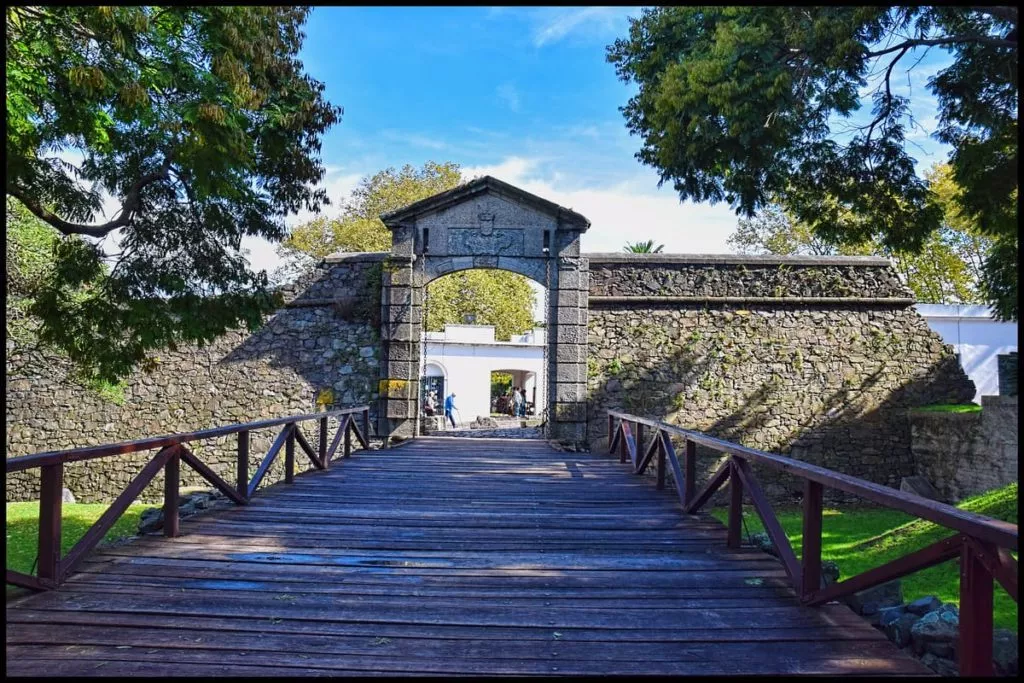
The Portón de Campo is one of the most recognizable landmarks in Colonia. It was part of the city’s former defensive system and marks the entrance to the historic quarter.
The stone walls, wooden bridge, and surrounding fortifications offer a glimpse into Colonia’s colonial past. It is also a natural starting point for exploring the old town.
Calle de los Suspiros: Colonia’s Most Famous Street
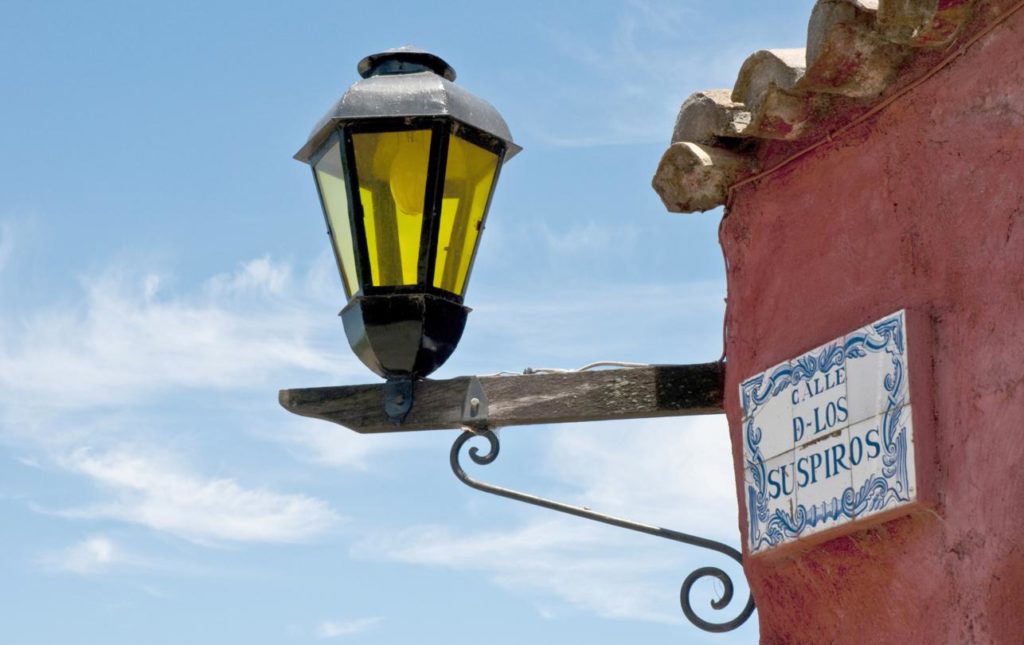
Calle de los Suspiros is probably the most photographed street in Colonia del Sacramento. Its narrow cobblestone surface, low colonial houses, and colorful facades create one of the most distinctive scenes in the historic quarter.
Walking along this street is one of the highlights of any visit. Its traditional architecture and preserved atmosphere make it a particularly interesting place for photography.
Faro de Colonia: Panoramic Views of the City
The Colonia Lighthouse stands beside the ruins of the former Convent of San Francisco and is another important landmark in the historic district.
If it is open during your visit, you can climb to the top for panoramic views over the rooftops of Colonia and the Río de la Plata. The lighthouse is especially appealing on clear days, when the surrounding coastline becomes more visible.
Check opening times locally, as access and visiting hours may vary.
Plaza Mayor: The Heart of the Historic Quarter
Plaza Mayor, also known as Plaza 25 de Mayo, is one of the central gathering places in the Barrio Histórico.
Surrounded by historic buildings, restaurants, and museums, it is a pleasant place to stop during your walk. Several of Colonia’s most important attractions are located nearby, making it a convenient point from which to continue exploring.
Basílica del Santísimo Sacramento
The Basílica del Santísimo Sacramento, commonly known as the Iglesia Matriz, is one of the oldest churches in Uruguay.
Located near Plaza de Armas, the church has been rebuilt and restored several times throughout its history. Its simple architecture and historical importance make it worth including in your walking tour.
Colonia’s Historic Museums
If you want to understand more about the city’s Portuguese and Spanish heritage, consider visiting some of the museums in the Barrio Histórico.
Among the most interesting are:
- Portuguese Museum: Displays objects and historical information related to the Portuguese presence in Colonia.
- Municipal Museum: Presents collections connected to the city’s history and archaeology.
- Tile Museum: Features traditional decorative tiles and examples of local architectural heritage.
- Spanish Museum: Explores the Spanish influence on the region.
Some museums operate with shared admission arrangements or specific opening schedules. Check current availability before planning your visit.
Rambla Costanera: A Walk Along the Río de la Plata
After exploring the historic streets, head toward the waterfront for a relaxing walk along the Rambla Costanera.
The riverside promenade offers open views across the Río de la Plata and is particularly pleasant in the late afternoon. It is also one of the best places to enjoy the sunset, making it a lovely way to finish a day in Colonia.
How to Explore the Barrio Histórico
The best way to discover the historic quarter is on foot. Its main attractions are close together, and walking allows you to appreciate details that you might otherwise miss.
You can explore independently, join a guided walking tour, or rent a bicycle if you want to visit areas beyond the historic center. Wear comfortable shoes, as the original cobblestone streets can be uneven.
The Barrio Histórico was recognized as a UNESCO World Heritage Site in 1995, reflecting its cultural and architectural importance. You can find additional information about its heritage and visitor facilities through the UNESCO Uruguay Commission.
Where to Eat in Colonia del Sacramento
Colonia del Sacramento is also a lovely destination for discovering Uruguayan food. Its historic quarter has a variety of restaurants, traditional eateries, cafés, and wine bars, many set inside colonial buildings with charming courtyards and outdoor terraces.
Whether you are visiting for a few hours or staying overnight, taking time for a meal is part of the experience.
Try Traditional Uruguayan Cuisine
If you want to experience local gastronomy, look for restaurants serving traditional Uruguayan dishes and regional specialties.
Some things worth trying include:
- Asado: Traditional grilled meat, an important part of Uruguayan food culture.
- Chivito: A popular Uruguayan sandwich typically made with beef, ham, cheese, egg, and other toppings.
- Empanadas: Baked or fried pastries filled with meat, cheese, or vegetables.
- Fresh fish and seafood: A good option in a riverside destination such as Colonia.
- Local cheeses and wines: Uruguay is particularly known for its Tannat wines and regional dairy products.
Restaurants and Cafés in the Barrio Histórico
The streets around Plaza Mayor and Calle de los Suspiros are among the best areas to find restaurants and cafés. You can choose between traditional dining rooms, casual lunch spots, and places with outdoor seating.
For a day trip, consider having lunch in the historic quarter rather than leaving the area to eat elsewhere. This allows you to make the most of your time while enjoying the atmosphere of the old town.
If you are staying overnight, consider reserving a table for dinner and taking the opportunity to try local wines alongside traditional dishes.
Enjoy a Coffee or a Relaxed Afternoon
Colonia is also a good place to slow down between sightseeing stops. Small cafés and historic courtyards offer pleasant settings for a coffee, dessert, or a glass of wine.
If you have time, take a break after exploring the main attractions and enjoy the slower rhythm of the city. This is one of the things that makes Colonia such a pleasant contrast to Buenos Aires.
Practical Tips Before You Go
A little preparation can make your trip to Colonia del Sacramento much easier, especially if you are visiting from Buenos Aires for just one day.
Here are some practical recommendations to keep in mind before crossing the Río de la Plata.
1. Check Entry Requirements and Travel Documents
Colonia del Sacramento is in Uruguay, so you will need to complete international border procedures when traveling from Argentina.
Check the entry requirements according to your nationality before departure. Depending on your citizenship, you may be able to travel with a national identity document or may need a valid passport. If you are traveling with children, additional documentation or authorization may be required.
Make sure the names and document details on your ferry reservation match your travel documents.
2. Arrive at the Ferry Terminal Early
Do not leave your arrival at the port until the last minute. International ferry services require check-in and immigration procedures before boarding.
Buquebus recommends arriving two hours before departure, with check-in closing 25 minutes before sailing. Always follow the instructions on your own ticket, as requirements may differ between operators and services.
3. Book Your Ferry in Advance
Ferry tickets can become more expensive or sell out during weekends, holidays, and peak travel periods.
Booking in advance is particularly useful if you want to take an early ferry and return on a specific evening service. Compare departure times and conditions directly with Buquebus and Colonia Express.
Remember that published schedules change throughout the year, so always confirm the timetable for your travel date.
4. Bring Some Uruguayan Pesos
The local currency is the Uruguayan peso (UYU). Credit and debit cards are accepted in many restaurants, hotels, and shops, but carrying some cash is useful for small purchases and places that do not accept cards.
You may also find businesses displaying prices in different currencies, so check which currency is being used before paying.
5. Wear Comfortable Shoes
The Barrio Histórico is best explored on foot, but its original cobblestone streets can be uneven. Comfortable walking shoes are a good idea, particularly if you plan to spend several hours exploring the historic quarter.
If you are visiting in summer, bring sunscreen, sunglasses, and a hat. During cooler months, a light jacket is useful, especially along the waterfront.
6. Check Museum and Lighthouse Opening Hours
Not every attraction is open every day or throughout the same hours. Museums and the lighthouse may have different schedules depending on the season, public holidays, or local arrangements.
If visiting a particular museum or climbing the lighthouse is important to you, check its opening times before choosing your ferry schedule.
7. Plan Your Return Journey Carefully
If you are visiting for one day, keep an eye on the departure time of your return ferry. Allow enough time to walk back to the port, complete check-in, and go through the required border procedures.
It is better to finish sightseeing with some extra time than to risk missing your scheduled departure.
8. Consider Including Colonia in a Longer South American Trip
Colonia is easy to combine with Buenos Aires and other destinations in Uruguay. If you have more time, you can continue toward Montevideo, explore the country’s coastal towns, or discover its wine regions.
For travelers planning a broader South American journey, our South America Gems itinerary combines Uruguay with Buenos Aires, Iguazú Falls, and Rio de Janeiro.
You can also discover more places worth visiting in our guide to the top destinations in Uruguay or explore the country’s main attractions in our Uruguay highlights guide.
With its compact historic center, easy ferry connections, and relaxed riverside atmosphere, Colonia del Sacramento is one of the most convenient international escapes from Buenos Aires. Whether you visit for a day or stay overnight, it is an excellent opportunity to discover a different side of the Río de la Plata.
Frequently Asked Questions
How do you get from Buenos Aires to Colonia?
The easiest way to travel from Buenos Aires to Colonia del Sacramento is by ferry across the Río de la Plata. Buquebus and Colonia Express operate direct services between the two cities, with crossings taking approximately 1 hour to 1 hour and 15 minutes. Both companies depart from terminals in Puerto Madero and arrive at the port of Colonia, within walking distance of the historic center.
Is one day enough in Colonia del Sacramento?
Yes! One day is enough to explore the main attractions of Colonia del Sacramento, particularly the Barrio Histórico. With an early morning ferry, you can visit Calle de los Suspiros, the Portón de Campo, the lighthouse, Plaza Mayor, and the waterfront, while enjoying lunch at a traditional restaurant. However, staying overnight allows you to explore at a more relaxed pace and enjoy the city’s atmosphere in the evening.
Do I need a passport to visit Colonia del Sacramento?
Colonia del Sacramento is in Uruguay, so travelers arriving from Argentina must complete international border procedures. Whether you need a passport or can travel with a national identity document depends on your nationality and applicable entry requirements. Check the official immigration requirements for Uruguay before departure and make sure your documents are valid for the entire journey.
What is the best time of year to visit Colonia del Sacramento?
Colonia del Sacramento can be visited throughout the year. Spring (September to November) and autumn (March to May) are particularly pleasant, with mild temperatures and comfortable conditions for walking around the historic quarter. Summer (December to February) is warmer and livelier, while winter (June to August) offers a quieter atmosphere, although temperatures can be cooler and some days rainy.