- 1. What Changes When You Finally Have Time to Travel?
- 2. Spending Your Money on Something You Will Remember
- 3. Patagonia Tours for Seniors: Adventure Does Not Have to Mean Roughing It
- 4. Is South America Safe for Independent Travelers?
- 5. What Happens If Something Goes Wrong?
- 6. Technology Should Make Your Trip Easier, Not Become Your Trip
- 7. Traveling Solo Without Being on Your Own
- 8. Why South America Works So Well for a Longer Journey
- 9. Slow Down. Stay Longer. Change Your Mind.
- 10. The Real Luxury? Peace of Mind
- 11. Maybe This Is the Time for the Big Trip
- 12. FAQs About Retirement Travel in South America
There is a funny idea many of us carry around for years: that the really big adventures belong to our 20s and 30s.
Then life gets busy. Careers happen. Families happen. Two-week vacations never seem quite long enough for Patagonia, the Atacama Desert, Buenos Aires, the Andes, and all those places that have been sitting on the travel wish list for years.
And then, one day, something changes: you have time.
Retirement can open a completely different way of traveling. Not necessarily slower. Certainly not less adventurous. Just with more freedom to decide where to go, how long to stay, what is worth spending money on, and what you would rather leave out.
South America is an enormous continent, so there is no meaningful single answer that applies to every country, city or neighborhood. The practical approach is to understand each destination, take the same common-sense precautions you would elsewhere, and have reliable local information rather than relying on assumptions.
For many travelers, Patagonia is the trip that stayed on the wish list for years. And today, Patagonia tours for seniors do not have to mean slower, simpler or less adventurous travel. They can mean something much better: having the time and freedom to experience the region at your own pace.
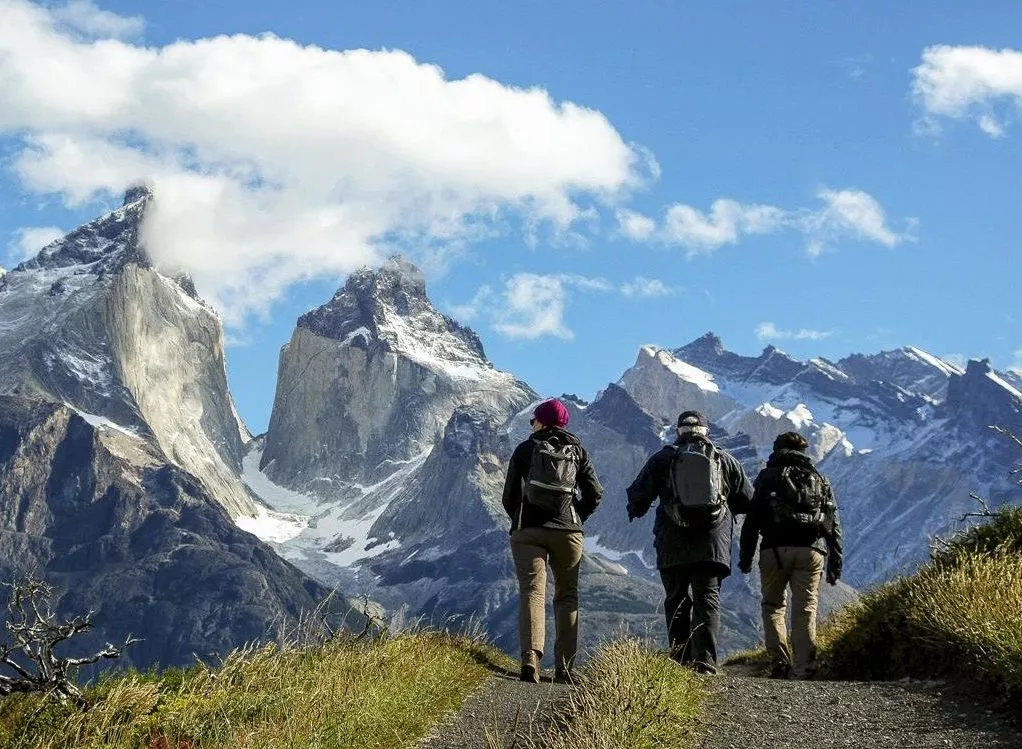
You can walk beside a glacier in Patagonia and come back to a comfortable hotel and a great glass of Malbec. Spend a few days hiking in the mountains and follow them with long lunches in Buenos Aires. Cross the Andes into Chile, watch the night sky in the Atacama Desert, or simply decide that today is a good day to do nothing.
Perhaps the big trip was never supposed to happen at 30.
Perhaps it was waiting until you had the time to do it your way.
1. What Changes When You Finally Have Time to Travel?
For most of our working lives, travel is shaped by a scarce resource: vacation days.
That changes when your calendar finally belongs to you.
Instead of trying to squeeze Argentina and Chile into ten frantic days, you can spend three nights somewhere simply because you like it. You can add a free day after a long hike. You can travel overland when the journey is beautiful and fly when the distance is simply too great.
You also have more freedom to travel outside the busiest periods, when some destinations feel quieter and schedules can be more flexible.
Most importantly, you can stop treating travel as a checklist.
South America rewards that.

Distances here are enormous, and many of the best experiences happen when you give a place enough time. Patagonia alone stretches across Argentina and Chile, with mountains, glaciers, steppe, forests, lakes, fjords and small towns that feel completely different from one another.
Having more time does not mean you need to spend months everywhere. It simply means you can build the journey around what interests you instead of around how many vacation days you have left.
And having more freedom can also change who you travel with. Some journeys might be yours alone; others become an opportunity to bring several generations together. Patagonia can work particularly well for this because different travelers can experience the same destination at different rhythms. Our story about a multigenerational Christmas in Patagonia is a good example.
Now you can choose your type of trip:
Type of trip


2. Spending Your Money on Something You Will Remember
There comes a point when the question changes from How much can I save? to What do I want my money to make possible?
Travel can be one of those answers.
That does not mean spending carelessly. Quite the opposite. A well-designed South America trip is about knowing where your money actually improves the experience.
Sometimes that means choosing a boutique hotel with a wonderful location rather than the most expensive room in town. Sometimes it means paying for a private transfer instead of navigating several connections after a long international flight.
It might mean hiring an excellent guide for a day in Patagonia, taking a flight instead of losing a full day on the road, or spending an extra night somewhere so you are not packing your suitcase again just hours after arriving.
And sometimes the smartest decision is not spending more at all.
After more than 20 years designing trips around Argentina and South America, we have learned that value and price are not the same thing. Good travel planning is about spending where it makes the journey better—and saving where it does not.
3. Patagonia Tours for Seniors: Adventure Does Not Have to Mean Roughing It
Here is another idea worth leaving behind: adventure is not measured by how uncomfortable you are.
You do not have to sleep in a tent for a week to experience Patagonia.
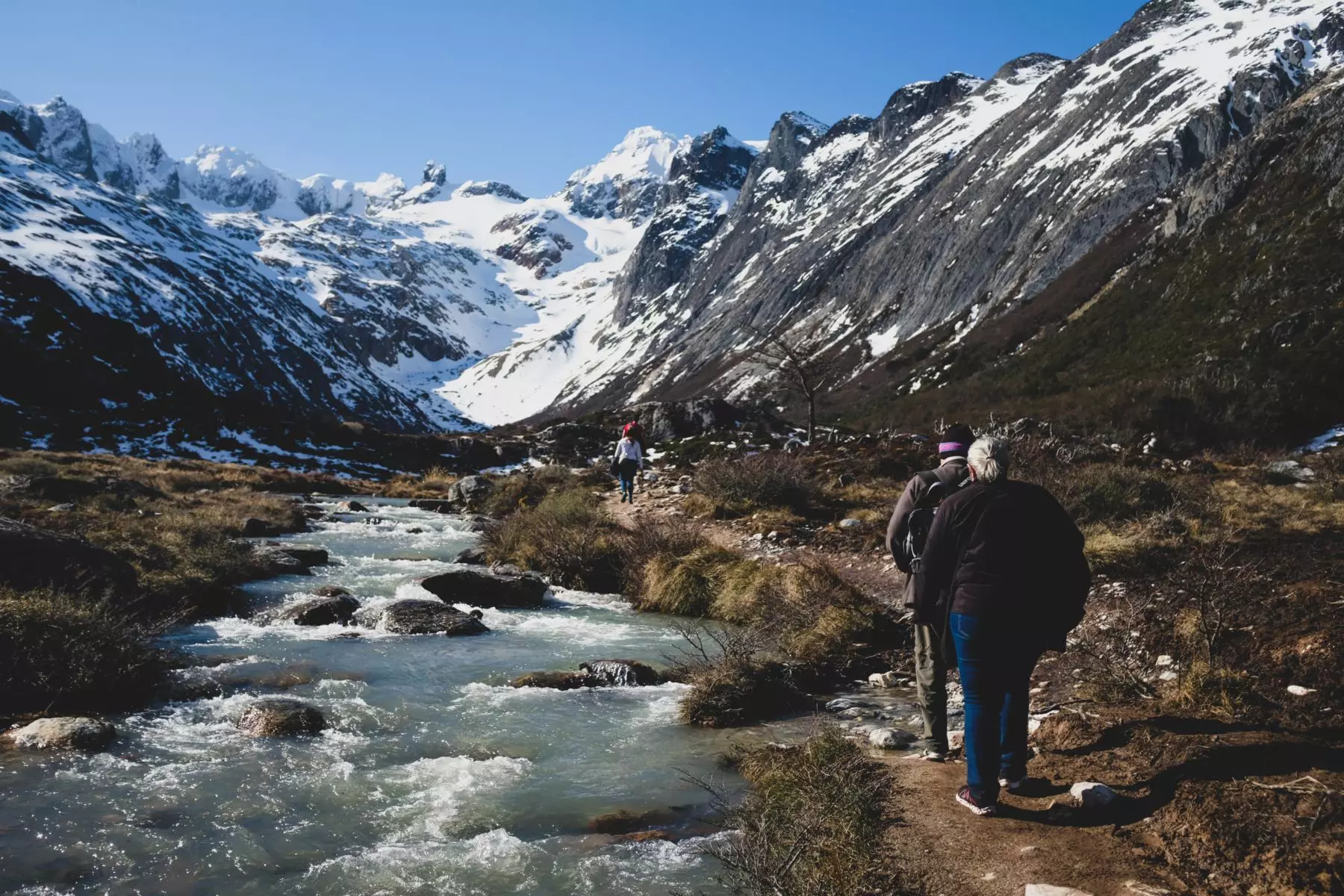
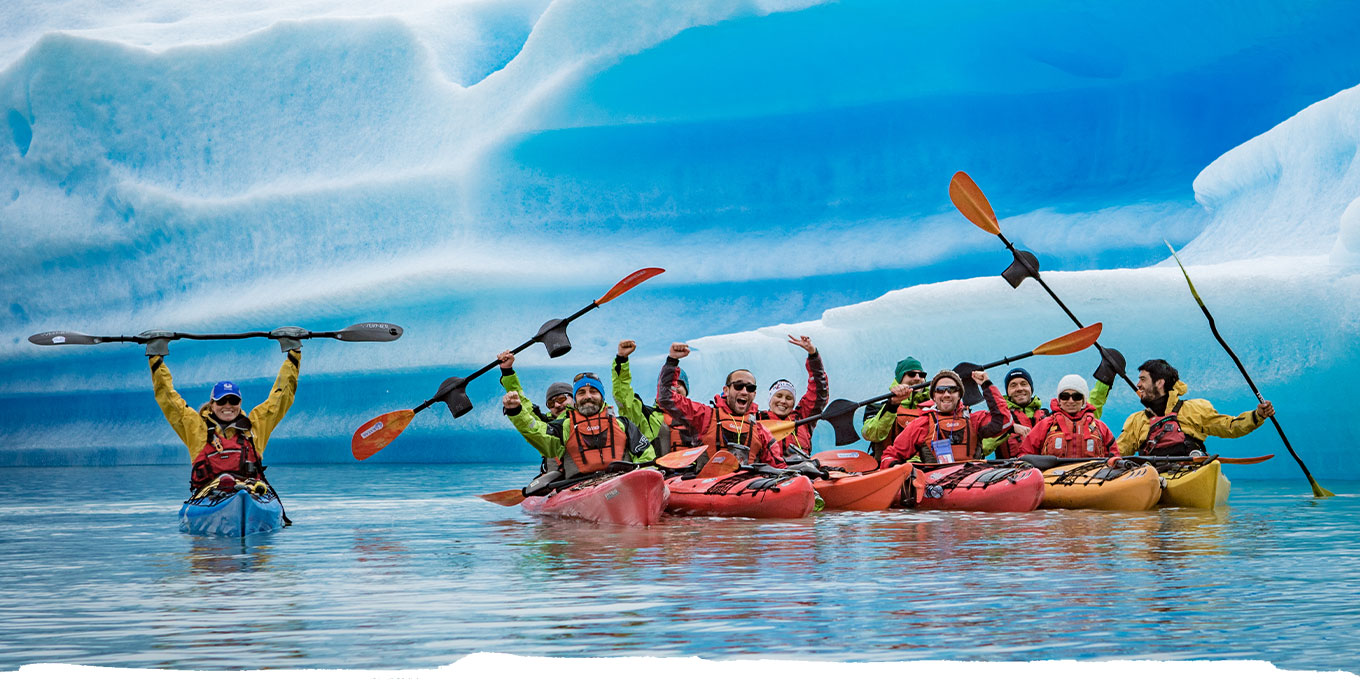
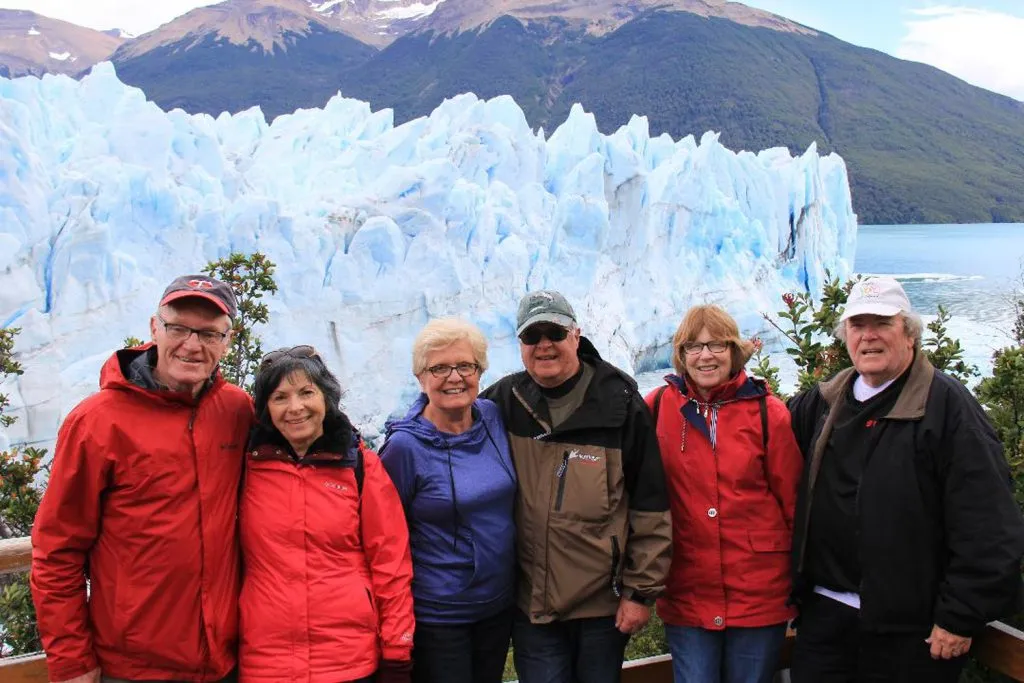
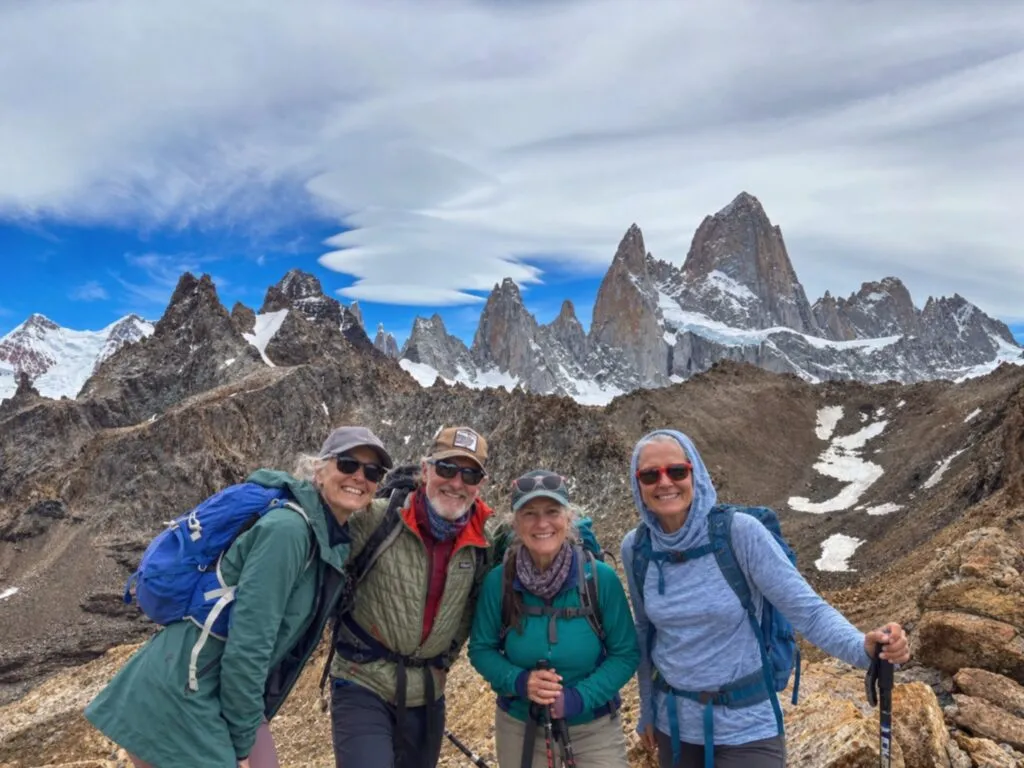
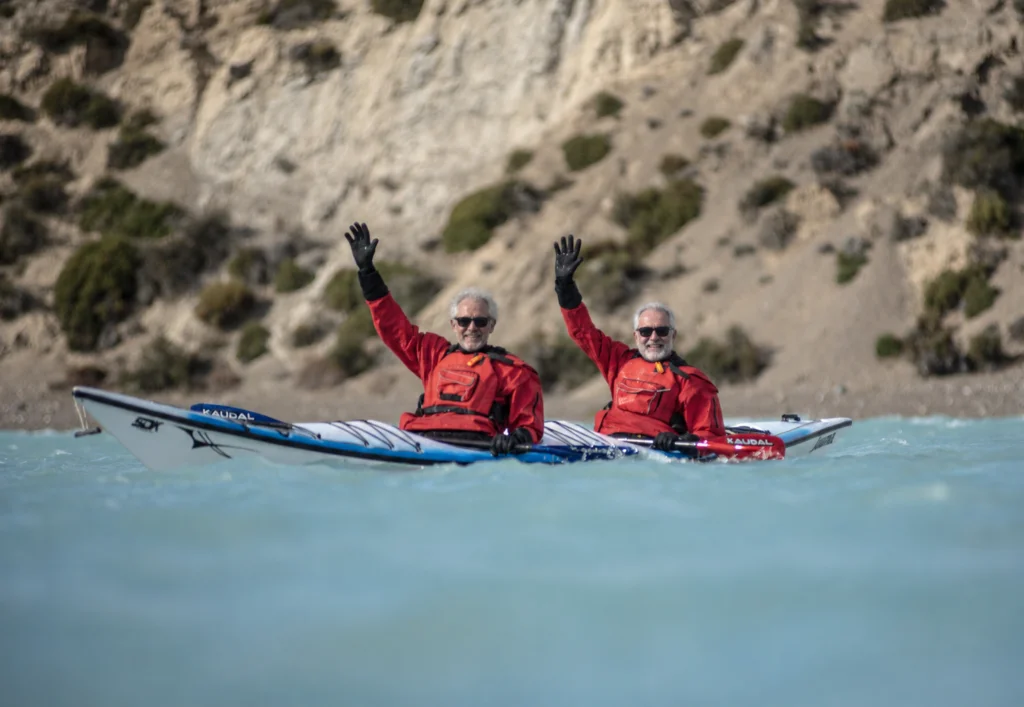
You can hike beneath Fitz Roy and return to a comfortable hotel in El Chaltén. Walk the trails overlooking Perito Moreno Glacier and enjoy dinner back in El Calafate. Kayak, ride horses through the Andes, watch wildlife, explore the desert or spend the day among vineyards.
The same applies to physical activity.
A trip through Patagonia can include serious trekking if that is what you love. But it can just as easily combine shorter hikes, scenic navigation, wildlife watching, food experiences, cultural encounters and days when the most demanding activity is deciding which wine to order.
If hiking is part of your dream, start with what feels right for you rather than what somebody says you should hike. Our guide to the best Patagonia hiking tours can help you explore different possibilities.
The point is not to prove anything.
It is to keep discovering things.
4. Is South America Safe for Independent Travelers?
This is one of the questions we hear often, and it is a sensible one.
Buenos Aires, for example, can be a wonderful first landing point: cosmopolitan, culturally rich and diverse. Travelers interested in another side of the city’s identity can explore our guide to LGBT travel in Buenos Aires.
There is also a big difference between being independent and having to manage every detail independently.
You might want complete freedom during an afternoon in Buenos Aires but prefer knowing someone will meet you at the airport. You may be perfectly comfortable exploring Mendoza on your own but appreciate having transportation arranged for a day of wine tasting. In Patagonia, you may want to hike independently one day and head into the mountains with a local guide the next.
That balance is often the sweet spot: your trip still feels like yours, but you are not alone when you need help.
5. What Happens If Something Goes Wrong?
This may not be the most exciting part of planning a trip, but it is one of the most important.
What happens if your flight is canceled? If bad weather changes tomorrow’s excursion? If your luggage stays in Santiago while you continue to Patagonia? If you need a doctor?
Good planning cannot guarantee that nothing unexpected will happen. Travel does not work that way.
What it can do is make those moments much easier to handle.
Before a longer South America trip, comprehensive travel insurance is important, particularly coverage for overseas medical treatment, evacuation, trip disruption and any adventure activities you plan to do. Travelers should also check how pre-existing conditions are treated by their policy and carry enough prescription medication for their trip, along with the necessary documentation.
It is also worth remembering that an ambitious itinerary does not need to be an exhausting one. Rest days, sensible connections and some breathing room between major activities are not wasted time. They are part of smart trip design.
And having someone local to call when plans change can make an enormous difference.
This becomes particularly important on a journey involving several countries. Borders, domestic flights, different suppliers and long distances create more moving parts. If you are considering Argentina, Chile and perhaps Peru, Brazil or Bolivia in the same journey, our guide to choosing a multi-country South America travel company explains what travelers should consider before trusting someone with the whole trip.
6. Technology Should Make Your Trip Easier, Not Become Your Trip
Travel has become incredibly digital.
Boarding passes live on phones. Restaurants use QR codes. Airlines want you to download their apps. Tickets arrive by email. Hotels message through WhatsApp. Maps are digital. Reservations have confirmation numbers buried somewhere in your inbox.
Useful? Absolutely.
But nobody travels halfway around the world because they dreamed of spending their afternoon managing apps and passwords.
You should not need to become the operations manager of your own vacation.
Before leaving home, it helps to organize the essentials: international phone coverage or a local eSIM, offline maps, important documents stored somewhere accessible, emergency contacts and the communication apps you will actually use.
For everything else, good local support can remove a surprising amount of friction.
If a pickup time changes, you should know where to look. If you cannot find your driver, there should be someone to contact. If weather affects an excursion, you should not have to spend half the morning figuring out what happens next.
Technology should give you more independence, not more homework.
7. Traveling Solo Without Being on Your Own
Having the freedom to travel does not always mean having someone available to travel with you.
And that should not decide whether the trip happens.
South America can work beautifully for independent travelers because traveling solo does not require doing everything alone.
You can have your own room and your own schedule, then join other travelers for a hike, navigation or food experience. You can spend a morning with a private guide and have the evening entirely to yourself. You can meet people along the way without committing to a traditional group tour for three weeks.
There is a wonderful kind of freedom in waking up and knowing the day belongs entirely to you.
The important distinction is between traveling solo and being unsupported.
Those are not the same thing.
Can I customize a South America trip instead of joining a group tour?
Absolutely. A tailor-made journey can combine pre-arranged hotels, transportation and selected activities with plenty of free time. For many independent travelers, this offers a comfortable middle ground between a fixed group itinerary and organizing every element of a complex multi-destination trip themselves.
8. Why South America Works So Well for a Longer Journey
South America is made for travelers who have time to explore.
Argentina and Chile alone can fill weeks without feeling repetitive. You can concentrate on Argentine Patagonia, explore Chilean Patagonia, or cross the Andes and experience both.
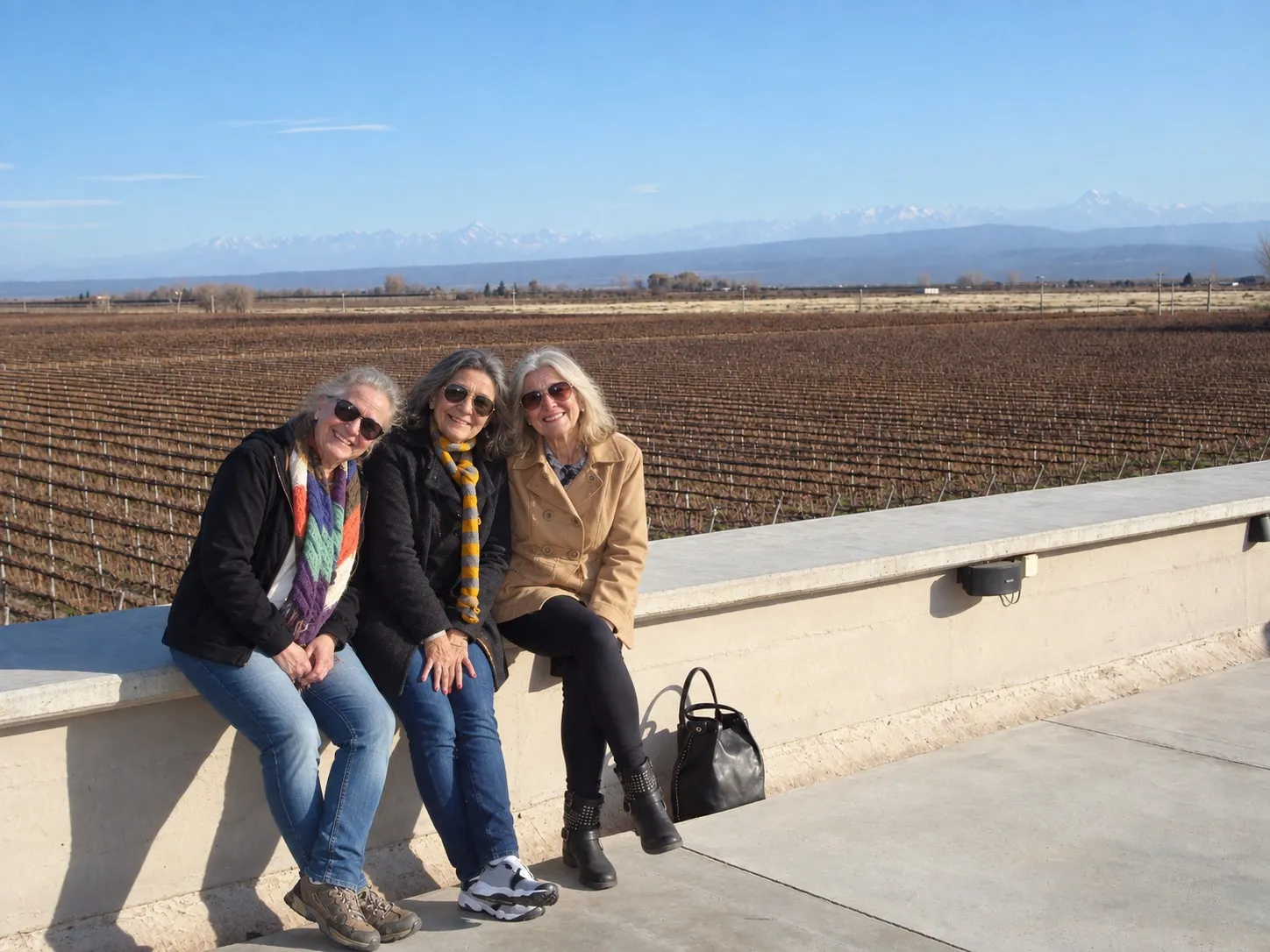
Start with Buenos Aires for neighborhoods, food, architecture and tango. Head west to Mendoza for wine and the Andes. Continue south to Patagonia for glaciers, mountains and wildlife. Cross into Chile for Torres del Paine, then perhaps travel north toward the Atacama Desert.
Or do something completely different.
Spend longer in fewer places. Add the Lake District. Go north to Salta and Jujuy. Build a journey around wildlife. Combine Argentina with Chile, Brazil or Peru. Make hiking the thread that connects the trip—or food, wine, photography or nature.
If you are still at the dreaming stage, browsing our South America trips can help you see which destinations work naturally together. Think of those itineraries as starting points rather than rules: the journey can be shaped around your time, interests and travel style.
The privilege of having time is that the itinerary no longer needs to look like everybody else’s.
9. Slow Down. Stay Longer. Change Your Mind.
Some of our favorite moments in travel are the ones nobody planned.
The café you return to the next morning because the owner remembered your name. The extra night you add because you are not ready to leave the mountains. The afternoon when the weather turns and, instead of being frustrated, you sit by a window with a book and watch Patagonia do what Patagonia does.
Longer travel creates room for those moments.
It also makes practical sense in places where weather matters. Patagonia is famously changeable, and building some flexibility into an itinerary can make the difference between constantly racing the forecast and simply adapting to it.
This is one of the great luxuries of having more control over your time:
You can change your mind.
10. The Real Luxury? Peace of Mind
Luxury means different things to different travelers.
For some, it is a beautiful lodge overlooking the mountains. For others, it is a private guide, an unforgettable meal or a room where they can hear nothing but the wind outside.
But there is another kind of luxury that becomes increasingly valuable on a long trip: not having to worry about every detail.
Knowing the transfer will be there.
Knowing the hotel has been checked.
Knowing the itinerary makes geographical sense.
Knowing there is a real person to contact if something changes.
Knowing you can ask a question without navigating a chatbot, searching through old emails or wondering whether you booked the right bus across the border.
At Say Hueque, we have spent more than two decades traveling these routes ourselves and designing journeys throughout Argentina and South America. We know the distances that look short on a map but are not. We know where an extra night makes sense, when a private transfer is worth the money, when a guide transforms an experience and when you are better off exploring on your own.
That is what local expertise should do.
Not take away your independence.
Give you the confidence to enjoy it.
11. Maybe This Is the Time for the Big Trip
For years, South America may have been the trip you would take someday.
When work was quieter.
When you had more vacation days.
When coordinating everyone’s schedules became easier.
When you had more time.
Well, maybe now you do.
There are glaciers to walk beside, wines you have never tasted, people you have not met yet and landscapes that look nothing like home. There are mornings worth waking up early for and afternoons worth leaving completely unplanned.
You do not need to travel younger.
You just need to stay curious.
And if that big South America trip has been sitting on your list for years, perhaps someday has finally arrived.
12. FAQs About Retirement Travel in South America
The best Patagonia trip is less about age and more about your interests, fitness level and preferred travel pace. You might spend your days hiking around El Chaltén, combine shorter walks with glacier cruises in El Calafate, explore Torres del Paine with a local guide, or mix active days with comfortable hotels and scenic transfers.
A tailor-made itinerary lets you decide how adventurous—or relaxed—you want each day to be.
Yes, particularly for travelers interested in combining nature, culture, food and soft adventure in one longer journey. Argentina and Chile alone offer dramatically different landscapes and experiences, while longer trips can naturally incorporate countries such as Peru, Brazil, Bolivia and Uruguay.
There is no ideal length. Two or three weeks can cover several highlights, while four weeks or longer allows for a more relaxed pace and fewer rushed connections. If you have the flexibility, adding extra nights and rest days can be particularly valuable in large regions such as Patagonia.
Arrange comprehensive travel insurance before departure and confirm what overseas medical treatment, evacuation and pre-existing conditions are covered. If you take prescription medication, bring an adequate supply and the appropriate documentation. It is also useful to know how to contact local assistance at each stage of your journey.
Absolutely. Hiking is only one way to experience Patagonia. Scenic drives, boat trips, glacier viewpoints, wildlife watching and shorter walks offer plenty of ways to experience its landscapes without committing to demanding full-day treks. Bariloche and the Lake District, El Chaltén, El Calafate, Ushuaia, Puerto Madryn all offer good options apart from strenuous hikes.
Safety varies significantly by country, city and neighborhood, so research each destination individually and check current travel advice before departure. Organized transfers, experienced local guides and reliable in-destination support can make unfamiliar places easier to navigate without sacrificing independenc
No. Patagonia is famous for trekking, but hiking is only one way to experience it. Your itinerary can combine walks appropriate to your fitness level with boat trips, glacier viewpoints, scenic drives, wildlife experiences and plenty of downtim
It can be. Solo travelers can combine independent time with guided excursions, shared activities, private transfers and local assistance. This creates a comfortable middle ground: plenty of freedom and privacy without having to handle every logistical detail alone.