If you’ve ever dreamed of endless horizons, open skies, and the steady rhythm of hooves across golden plains, you’re already on your way to understanding Argentina’s cowboy culture. Here, the cowboy isn’t just a nostalgic symbol — he’s the gaucho, a living icon of freedom, resilience, and deep connection to the land.
- Who is the gaucho?
- A brief history of the gaucho
- Gaucho clothing & tools
- Gaucho Traditions: asado, mate & folk music
- Where to see Cowboys in Argentina?
- Estancias: the best way to experience Gaucho Traditions
- Best Ranches to visit in San Antonio de Areco
- Where to find Gauchos in Argentina
- What do Argentinians call their Cowboys?
- Are there Rodeos in Argentina?
- Why Gauchos matter to Argentina
- Frequently Asked Questions
For centuries, the gaucho has been one of Argentina’s most iconic cultural figures, representing the connection between people, horses, and the vast landscapes of the countryside. Often described as the “Argentine cowboy,” the gaucho is much more than a skilled horse rider: it is a symbol of rural traditions, independence, and a deep relationship with the land.
From the open plains of the Pampas to traditional estancias across the country, gaucho culture in Argentina continues to be celebrated through horseback riding, asado, mate, folk music, and countryside traditions. While the lifestyle has evolved over time, the spirit of the gaucho remains an important part of Argentine identity.
In this guide, you will discover what a gaucho is, the history behind this legendary figure, their traditional clothing and tools, and where to experience authentic gaucho traditions in Argentina.
Who is the gaucho?
A gaucho is a traditional Argentine horseman who historically lived and worked in the vast rural areas of the country, especially across the Pampas plains. Known for their skills with horses, cattle handling, and survival in open landscapes, gauchos became an essential part of Argentina’s countryside identity.
The word “gaucho” refers not only to a rural worker, but also to a cultural figure associated with values such as independence, resilience, hospitality, and a strong connection with nature. For generations, gauchos moved through the countryside caring for livestock, navigating long distances, and developing a unique way of life shaped by the rhythms of rural Argentina.
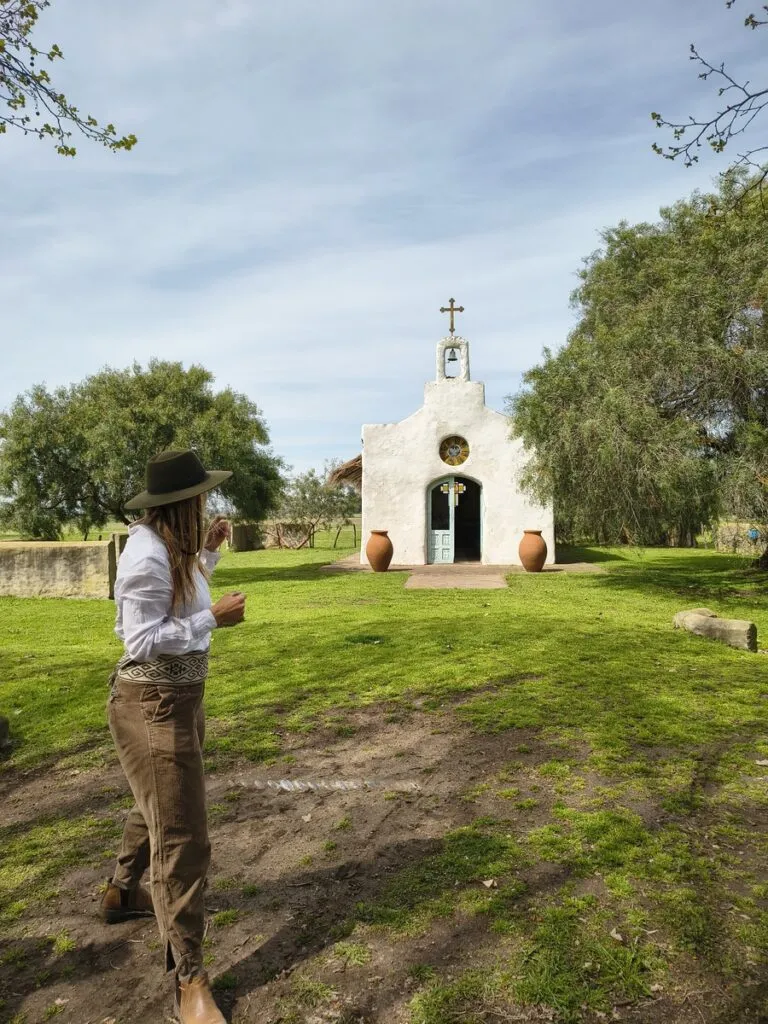
Today, the traditional gaucho lifestyle has changed, but its influence remains deeply present in Argentine culture. Gaucho traditions can still be experienced through estancias, rural festivals, horseback riding, folk music, and traditional cuisine, where visitors can discover the customs that continue to define this iconic figure.
For more context about Argentina’s regions, landscapes, and traditions, explore our Argentina travel guide.
A brief history of the gaucho
The history of the gaucho is deeply connected to Argentina’s rural landscapes and cattle-raising traditions. The first gauchos appeared during the colonial period, living in the vast plains of the Pampas and developing unique skills in horseback riding, cattle handling, and survival in remote areas.
During the 18th and 19th centuries, gauchos became important figures in Argentina’s countryside and played a role in the country’s independence movements thanks to their knowledge of the land and riding abilities.
Although modernization changed the traditional gaucho lifestyle, their influence remains a key part of Argentine identity. Today, gaucho traditions continue through rural work, estancias, festivals, folk music, and cultural experiences across the country.
Gaucho clothing & tools
The traditional clothing and tools of the gaucho were designed for life in the countryside, combining practicality, protection, and cultural identity. Each element reflects the skills needed to work with horses, manage cattle, and adapt to the wide landscapes of Argentina.
Bombachas, Poncho & Boina
One of the most recognizable elements of gaucho clothing is the bombacha de campo, a loose-fitting pair of trousers designed to provide comfort and freedom of movement while riding. Traditionally worn with a wide belt or sash, these trousers became a symbol of rural Argentine identity.
The poncho was an essential piece for protection against wind, rain, and cold temperatures during long days outdoors. Often made from wool and featuring regional designs, it also became a distinctive part of gaucho culture.
The boina (beret) or traditional hat completed the gaucho outfit, providing protection from the sun while adding a characteristic style that varies between different regions of Argentina.

Facón, Rebenque & Boleadora
Beyond clothing, gauchos carried tools that were essential for their daily work. The facón, a long knife traditionally worn at the back of the belt, was both a practical tool and a symbol of the gaucho. It was used for everyday tasks in the countryside, such as preparing food or working with materials.
The rebenque, a short whip used while riding, helped guide horses and became another recognizable element of the gaucho’s equipment. The boleadora, originally developed by Indigenous peoples of the region and later adopted by gauchos, consisted of weighted cords used to capture animals across open landscapes.
Together, these garments and tools represent the adaptability, skill, and connection with the land that define gaucho culture in Argentina.
Gaucho Traditions: asado, mate & folk music
Gaucho culture is not only defined by horseback riding and rural work, but also by the traditions, flavors, and customs that have been passed down through generations. Food, music, and social gatherings continue to play an important role in keeping the spirit of the countryside alive.
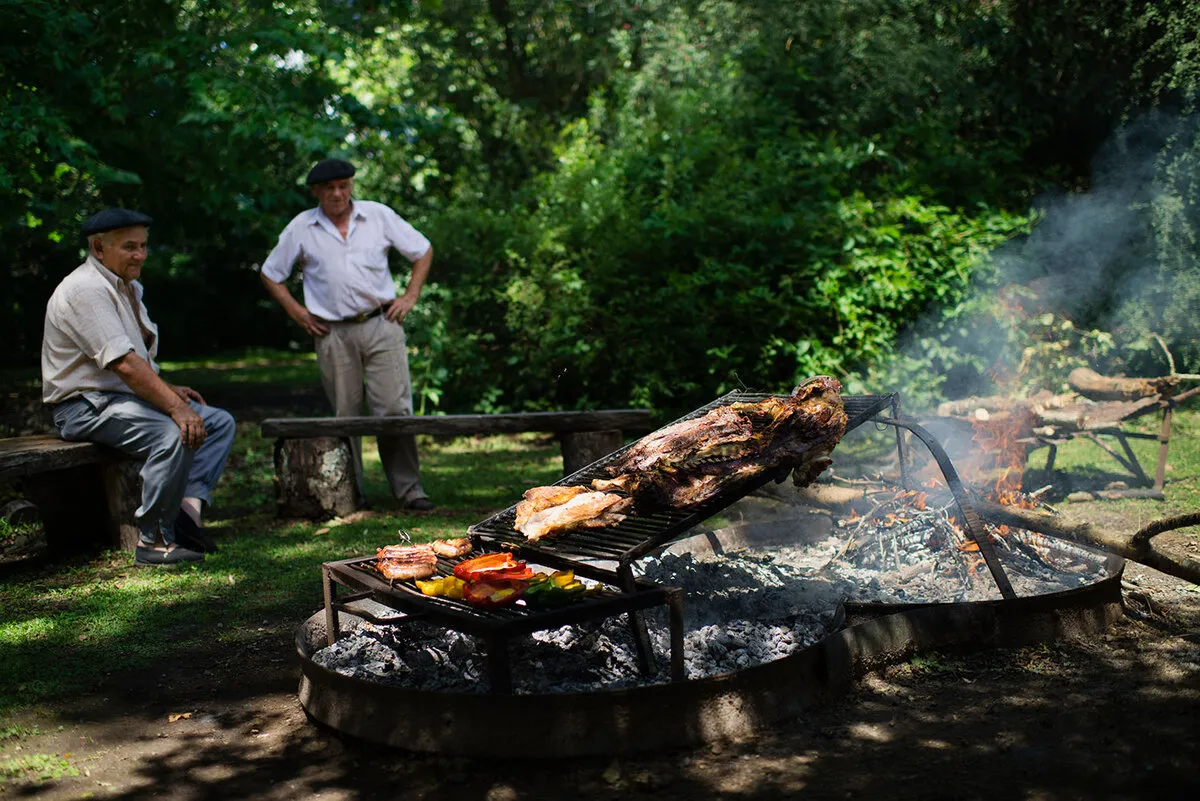
Asado is one of the most representative traditions of Argentine rural life. More than just a meal, it is a social experience where family, friends, and communities gather around the fire to share grilled meats and conversation.
Mate, the traditional Argentine herbal infusion, is another essential part of daily life in the countryside. Sharing mate is a symbol of hospitality and connection, reflecting the importance of community among gauchos.
Music and poetry are also central to gaucho identity. Through folk music and payadas (improvised poetic duels), gauchos expressed stories, emotions, and experiences from rural life. Today, these traditions can still be experienced at estancias and festivals throughout Argentina.
Where to see Cowboys in Argentina?
One of the best ways to understand gaucho culture in Argentina is to experience it firsthand in the countryside. Just a short trip from Buenos Aires, travelers can visit traditional estancias (ranches), meet local gauchos, enjoy a typical asado, ride horses, and discover the traditions that have shaped rural Argentina for generations.
The Pampas region is where gaucho culture remains deeply rooted, and places such as San Antonio de Areco offer an authentic glimpse into this way of life.
San Antonio de Areco & the Día de la Tradición
Located in the Pampas countryside, San Antonio de Areco is considered the cradle of gaucho culture in Argentina. Its cobblestone streets, historic workshops, traditional celebrations, and surrounding estancias make it one of the best destinations to discover Argentina’s rural heritage.
Every November, the town celebrates the Día de la Tradición, one of the most important gaucho festivals in Argentina. During the celebration, hundreds of gauchos arrive on horseback wearing traditional clothing to honor Argentine customs through parades, folk music, dancing, and traditional food.
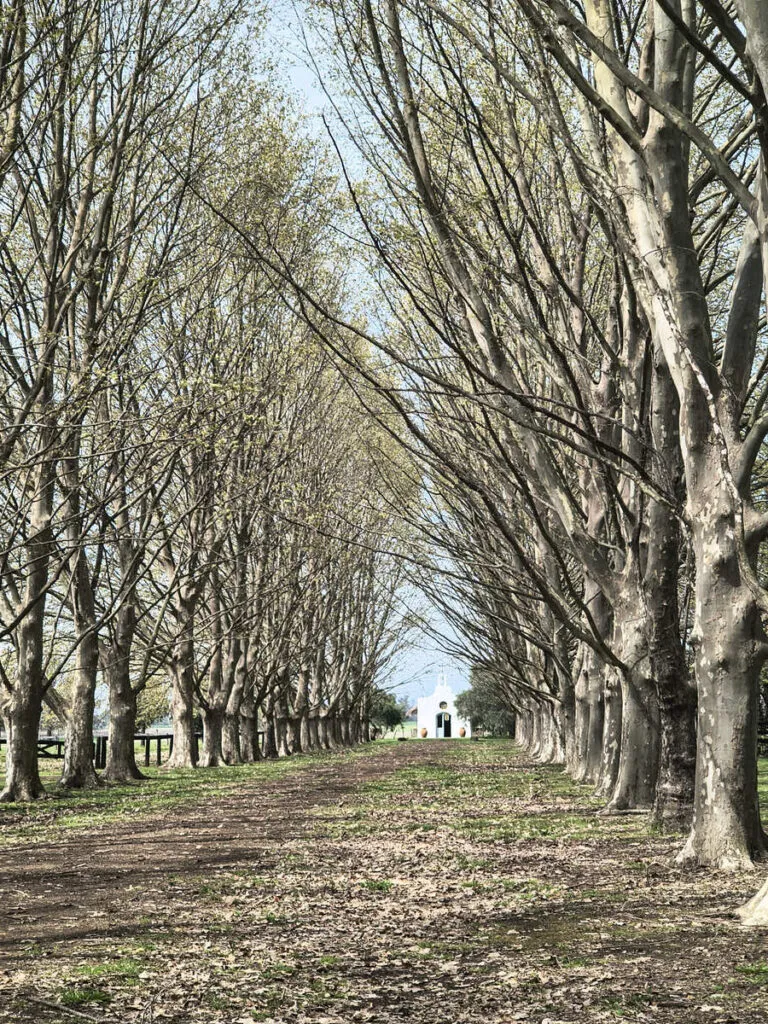
A visit to San Antonio de Areco can easily be combined with a day trip from Buenos Aires and a stay or visit to a traditional estancia.
Discover more about this experience with our guide to a San Antonio de Areco day trip from Buenos Aires.
Estancias: the best way to experience Gaucho Traditions
Every estancia offers something unique, from elegant historic properties to more rustic countryside experiences. These ranches are not just places to observe gaucho traditions — they are working environments where rural life continues every day.
A typical day begins early, often with mate shared among friends before heading out to work with horses and cattle.
Best Ranches to visit in San Antonio de Areco
Estancia La Bamba de Areco: Tradition, Polo & Doma India
A luxurious experience that combines heritage and sophistication, Estancia La Bamba de Areco is a historic polo ranch offering refined cuisine, elegant hospitality, and authentic countryside traditions.
One of the highlights is the traditional doma india, a unique demonstration that reflects the trust and harmony between horse and rider.
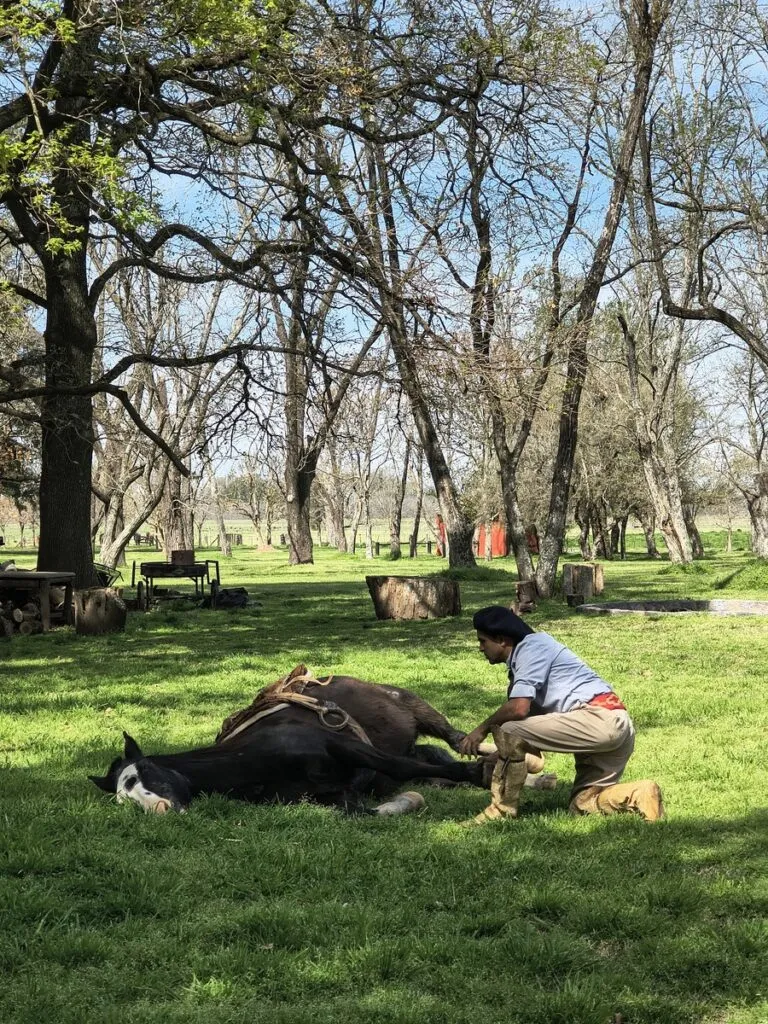
Born and raised in San Antonio de Areco, horse trainer José Luis Ledesma comes from a long line of horsemen. During the experience, guests witness a quiet dialogue between human and animal, where patience and connection are more important than force.
“Not all horses are the same,” José Luis explains. “Some can be pushed further; others take time. This one’s a teacher — she’s been with me for years.”
His advice is simple: “The first thing is to approach the horse calmly. Let them feel your calm before anything else.”
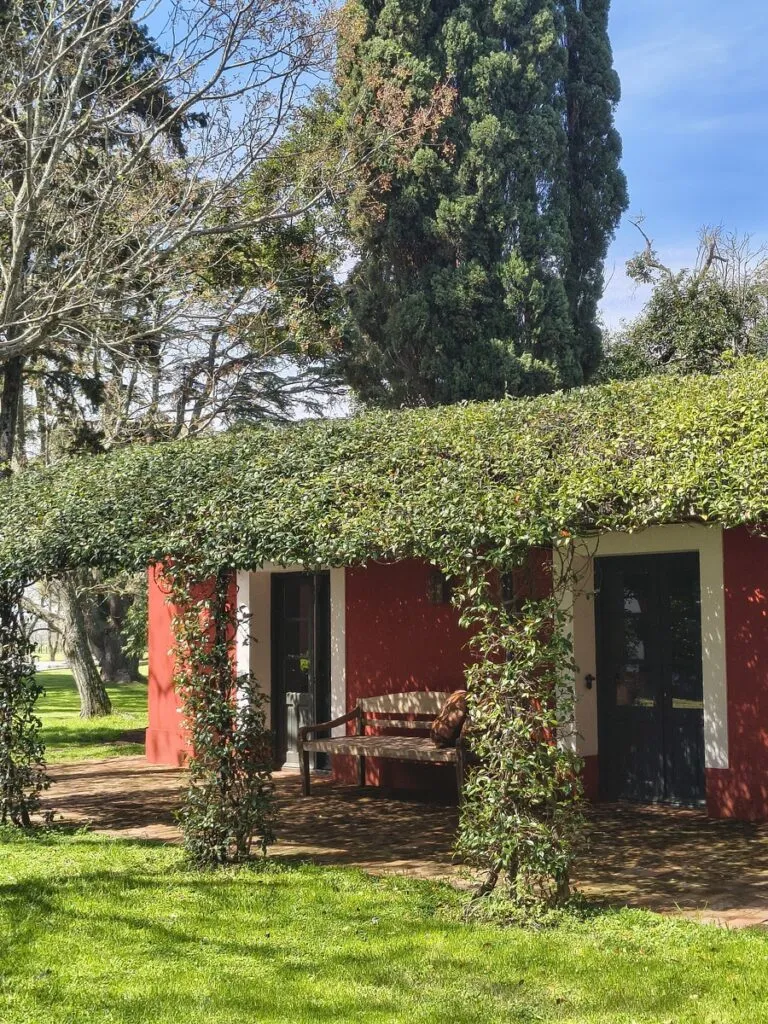
Estancia El Ombú: A Family-Friendly Gaucho Experience
Estancia El Ombú offers a welcoming countryside atmosphere where visitors can experience gaucho traditions in a relaxed and authentic setting.
Guests can enjoy local cuisine, traditional folk music, horseback riding, and rural activities surrounded by the peaceful landscapes of the Pampas. The doma india performance is also part of the experience.
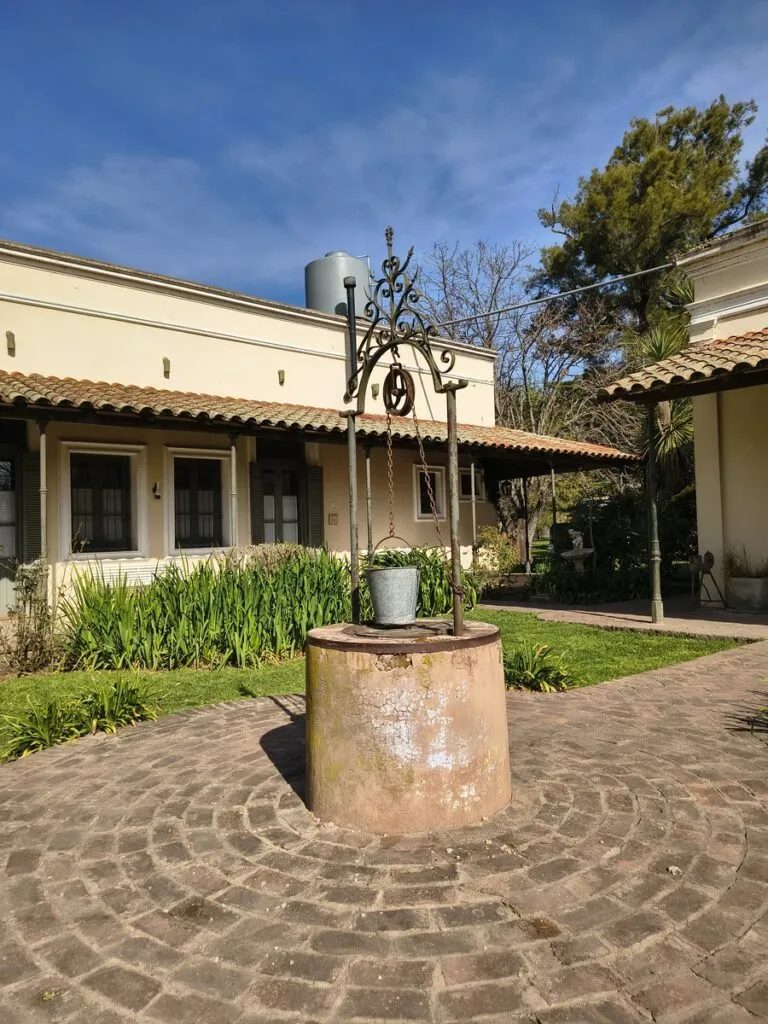
Its warm atmosphere makes it an excellent option for families looking to introduce children to Argentina’s countryside traditions.
Discover more family-friendly countryside experiences through our guide to estancias with kids.
Estancia El Milagro: Living the Gaucho Way
With deep roots in San Antonio de Areco, Estancia El Milagro offers one of the most authentic ways to understand modern gaucho life.
Originally a thoroughbred horse ranch owned by the Pisanú family, El Milagro has been part of the Areco landscape for more than 30 years. Today, the family continues to live on the property while sharing their traditions with travelers.
“Our goal is to help visitors experience what it truly means to be an Argentine gaucho,” explains Paz Ingarami, a local who helped open the ranch to visitors.
The Matera: where Gauchos share Mate and Stories
One of the most special places at El Milagro is the matera, a traditional open-air shelter where gauchos gather around the fire to share mate, food, and conversation.
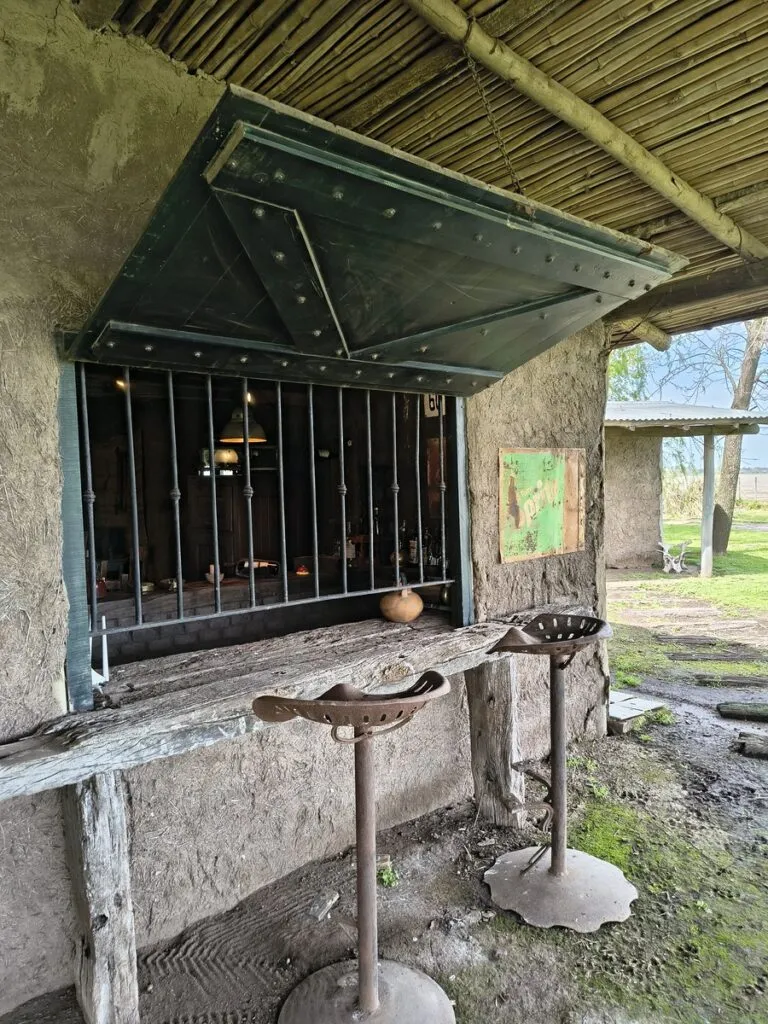
“The gauchos live here,” Paz explains. “They’re all local — from Areco and nearby Dugan. They work here, they live here.”
When visitors arrive, the gauchos prepare the asado, bring the horses, and welcome everyone in, just like they would during a family weekend in the countryside.
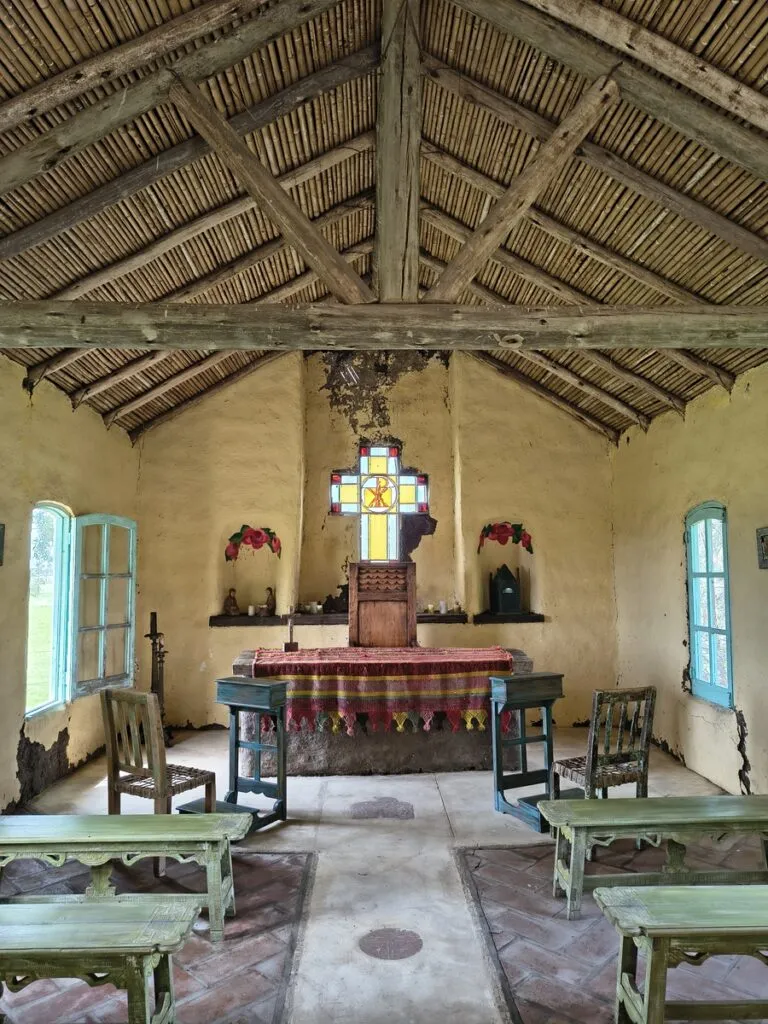
The matera itself was built to preserve traditional rural architecture, with adobe walls and a thatched roof inspired by the old shelters used by gauchos in the fields.
The Modern Gaucho’s Work
Among those who keep El Milagro alive is Fermín Hurtado, a gaucho who has worked at the ranch since its beginnings. Today, he works alongside Paz, the Pisanú family, and his own sons, continuing to care for cattle and horses.
“They used to plow the land by hand, but that’s all automated now,” Paz explains. “Still, there’s no machine that can replace a gaucho when it comes to working with animals.”
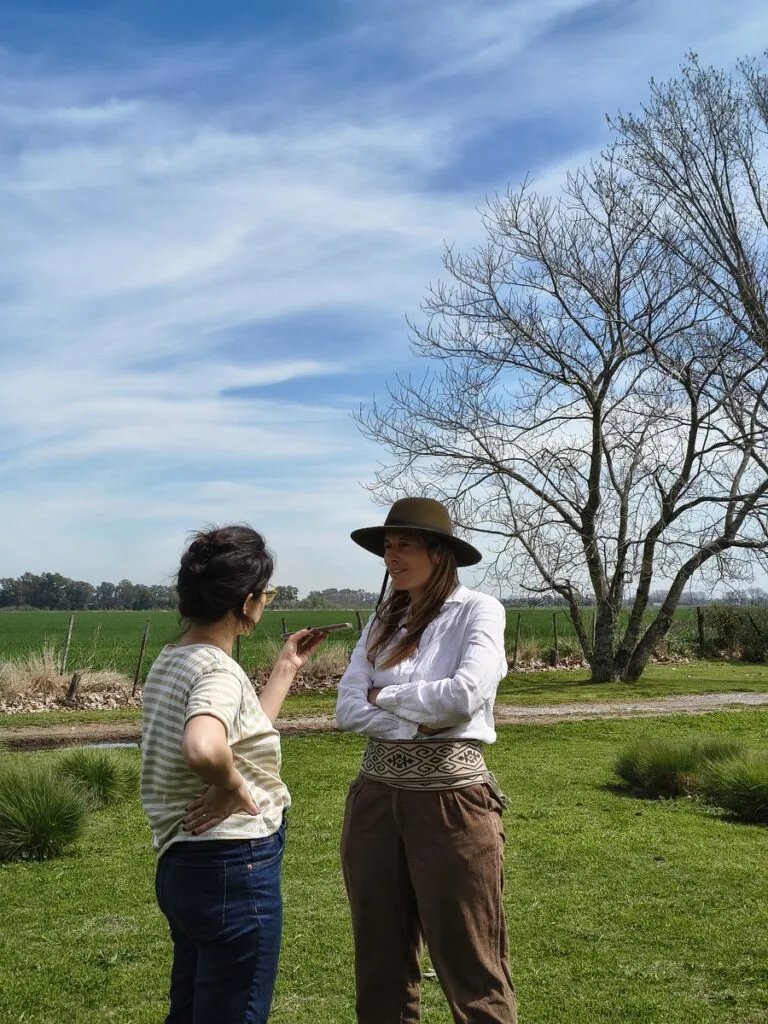
For Paz, tourism is not about creating a performance — it is about preserving a living tradition.
“A real gaucho wakes up early, works with cattle, then stops for an asado and a glass of wine. That’s real life.”
Gaucho Games and Rural Traditions
Many activities visitors see at estancias are not simply demonstrations — they are traditions that have been part of rural life for generations.
Games such as juego de la sortija (ring game), barrel races, and other horseback challenges were originally everyday activities among gauchos.
“At home, I have the barrels and drums for the races,” Paz explains. “We set them up, race our horses, and whoever finishes first wins.”
For many gauchos, these traditions remain part of daily life. After finishing their work, they return to the fields, ride horses, and share time with family and friends.
Where to find Gauchos in Argentina
Although gaucho culture is strongly associated with Buenos Aires Province and the Pampas, traditions connected to these horsemen can be found in different regions of Argentina.
San Antonio de Areco, Buenos Aires Province is one of the most famous destinations to discover gaucho heritage, thanks to its estancias, festivals, and preserved traditions.
In La Pampa, gaucho culture remains closely connected to cattle ranching and rural life, while in Patagonia, travelers can find similar traditions in estancias around destinations such as El Calafate and El Chaltén.
Across the Andes in Chile, the equivalent figure is the huaso, the traditional Chilean horseman who shares some similarities with the Argentine gaucho.
What do Argentinians call their Cowboys?
In Argentina, cowboys are called gauchos (pronounced “gau-chow”).
Historically, they lived simply, moving across the countryside, working with cattle, taming horses, and following values based on independence, loyalty, and hospitality.
While North America had cowboys, Argentina had gauchos, who became a symbol of the country’s identity. Their image was immortalized in Martín Fierro, the famous epic poem by José Hernández, which portrayed the gaucho as brave, free, and connected to the land.
Are there Rodeos in Argentina?
Argentina does not have rodeos exactly like those found in North America, but it does have its own traditions celebrating horsemanship and rural culture.
Across the country, towns celebrate Fiestas Gauchas with horseback parades, traditional food, folk music, and competitions that showcase gaucho skills.
One of the most famous celebrations is the Festival de la Tradición in San Antonio de Areco, where hundreds of gauchos gather to honor their heritage.
The sounds of guitars, zamba and chacarera dances, and the smell of asado create an atmosphere where the spirit of the Pampas comes alive.
Why Gauchos matter to Argentina
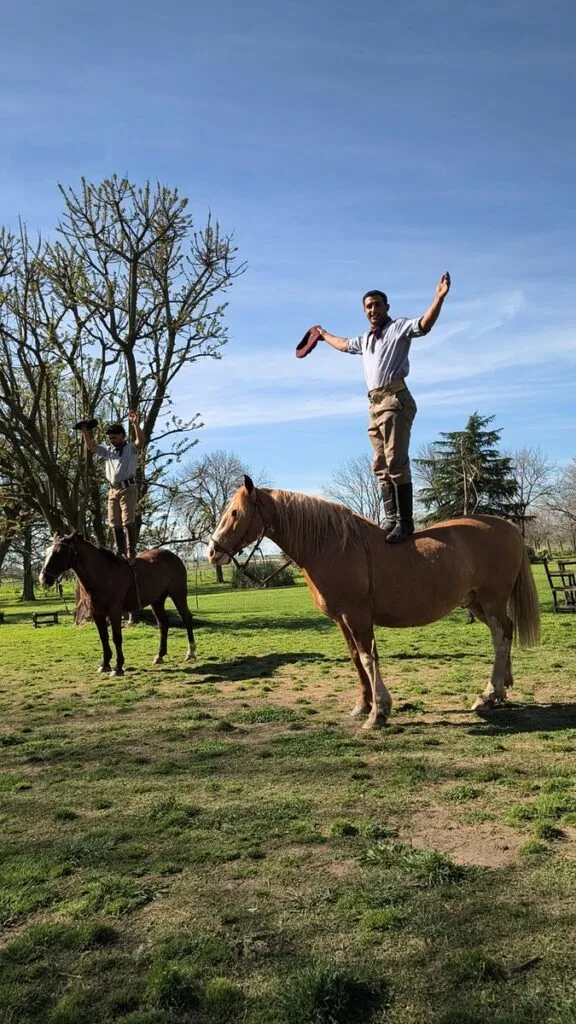
Gaucho culture represents values that go far beyond horses and cattle. Freedom, loyalty, friendship, hospitality, and a deep connection with the land continue to define this iconic Argentine figure.
If you travel through the countryside, you may be invited to share an asado, drink mate, and listen to stories around the fire — traditions that reflect the importance of community in rural Argentina.
The gaucho remains one of Argentina’s strongest cultural symbols: humble, proud, and deeply connected to the landscapes that shaped their way of life.
In the end, Argentina’s cowboy culture is not only about horses and cattle. It is about authenticity, connection, and the shared moments that happen when people open their homes, their traditions, and their land to others.
Frequently Asked Questions
What is a gaucho?
A gaucho is a traditional Argentine horseman who historically worked in the countryside, especially across the Pampas plains. More than a rural worker, the gaucho became a cultural symbol of independence, resilience, hospitality, and connection with the land.
What is the difference between a gaucho and a cowboy?
Both gauchos and cowboys are skilled horsemen connected to cattle-raising traditions, but they developed in different cultural contexts. Cowboys are associated mainly with North America, while gauchos are part of Argentina’s rural heritage, with their own traditions, clothing, music, food, and way of life.
Where can you see gauchos in Argentina?
The best places to experience gaucho culture are in the Pampas region, especially around San Antonio de Areco in Buenos Aires Province. Visitors can also discover gaucho traditions at estancias in regions such as La Pampa and Patagonia, where horseback riding, rural activities, and traditional cuisine are part of everyday life.
What do gauchos wear?
Traditional gaucho clothing includes the bombacha de campo (loose trousers), poncho, boina or traditional hat, leather boots, and accessories such as the facón and rebenque. These elements were originally designed for working in the countryside and became important symbols of Argentine identity.
What is an estancia?
An estancia is a traditional Argentine ranch or country estate, historically dedicated to cattle raising and agriculture. Today, many estancias welcome visitors, offering experiences such as horseback riding, asado, folk music, and the opportunity to learn about gaucho traditions.
🤠 Do you want to experience what is cowboy culture in Argentina?