If Argentina is lacking in any areas, food is definitely not one of them. I’ve been to restaurants where I’ve sneakily undone my zipper to keep filling up my plate at a Tenedor Libre (all-you-can-eat buffet). I’ve been invited to dinner parties where I nonchalantly ask the host how on God’s green earth did they make such good food, and they’ve replied “Are you kidding? This is one of the most traditional meals here!” The Argentina dishes are my weakness.lthough it is mainly known for being the cradle of Malbec grape, the most iconic wine of Argentina, the western province of Mendoza can also be “tasted” through its mountains and rivers.
Argentine cuisine is a reflection of the country’s diverse landscapes, history, and cultural influences. From the famous asado cooked over an open fire to homemade empanadas, comforting family recipes, and the essential ritual of sharing mate, traditional Argentine food is deeply connected to everyday life and social gatherings.
Influenced by Indigenous traditions, Spanish heritage, and Italian immigration, Argentine food combines simple ingredients with strong flavors and meaningful traditions. Many dishes are not only meals but also moments to gather with family and friends, celebrate special occasions, and share stories around the table.
In this guide, you will discover the most representative traditional Argentine dishes, what they are, when Argentines usually eat them, and where to experience the flavors that make Argentina one of South America’s most fascinating culinary destinations.
What Is Argentine Food Like?
Argentine food is a reflection of the country’s history, geography, and cultural diversity. While Argentina is internationally known for its high-quality beef and famous asado, its cuisine goes far beyond grilled meat, combining Indigenous traditions, Spanish influences, and the strong impact of Italian immigration.
Food in Argentina is deeply connected to social moments. A Sunday lunch with family, a barbecue shared with friends, homemade pasta on the 29th of the month, or a round of mate passed between people are all part of the country’s culinary identity.

Each region of Argentina has its own specialties. The Pampas are known for their beef and rural traditions, the northwest for dishes such as locro and empanadas, Patagonia for its lamb and mountain flavors, and cities like Buenos Aires for their mix of local traditions and European influences.
From everyday comfort food to iconic dishes enjoyed during celebrations, exploring traditional Argentine dishes is one of the best ways to understand the country’s culture. Discover more about Argentina’s landscapes, traditions, and regions with our Argentina travel guide.
Savory Classics
Argentine cuisine is famous for its comforting and flavorful savory dishes, many of which are deeply connected to family gatherings, celebrations, and everyday traditions. From open-fire barbecues to handmade pastries and homemade recipes passed down through generations, these dishes represent some of the most iconic flavors of Argentina.
Asado
The asado is Argentina’s most famous culinary tradition and much more than a simple barbecue. It is a social ritual where family and friends gather around the fire to share different cuts of meat, conversation, and time together.
Traditionally prepared on a parrilla (grill) or over an open fire, Argentine asado usually includes cuts such as ribs, vacío, chorizo, morcilla, and other regional specialties. The cooking process is slow and requires patience, as the goal is to highlight the natural flavor of the meat.
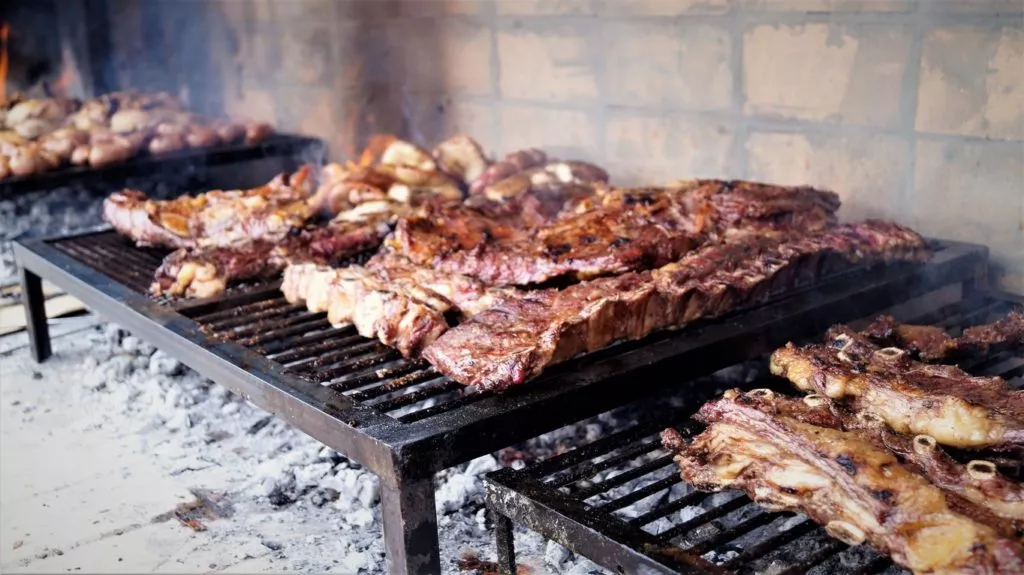
Asado is enjoyed throughout the country, from family homes to traditional parrillas and rural estancias. It is especially common during weekends, celebrations, and long gatherings around the table.
Learn more about this iconic tradition in our guide to Argentine asado, or discover where to enjoy some of the best steak in Buenos Aires.
Empanadas
Empanadas are one of the most popular traditional Argentine dishes and can be found everywhere, from local bakeries to family gatherings and restaurants. These small baked or fried pastries are made with dough filled with different ingredients, with each region of Argentina adding its own style.
Some of the most famous varieties include beef empanadas from Salta, juicy Tucumán-style empanadas, and versions filled with cheese, ham, chicken, or vegetables.

Often enjoyed as a quick meal, appetizer, or part of a larger celebration, empanadas are also a great way to discover the regional diversity of Argentine cuisine.
Milanesa
The milanesa is one of Argentina’s most beloved comfort foods, with strong influences from Italian immigration. Similar to a schnitzel, it consists of a thin slice of meat covered in breadcrumbs and fried or baked until golden.
Usually made with beef or chicken, milanesa is commonly served with french fries, salad, or topped with tomato sauce, ham, and melted cheese to create the famous milanesa napolitana.
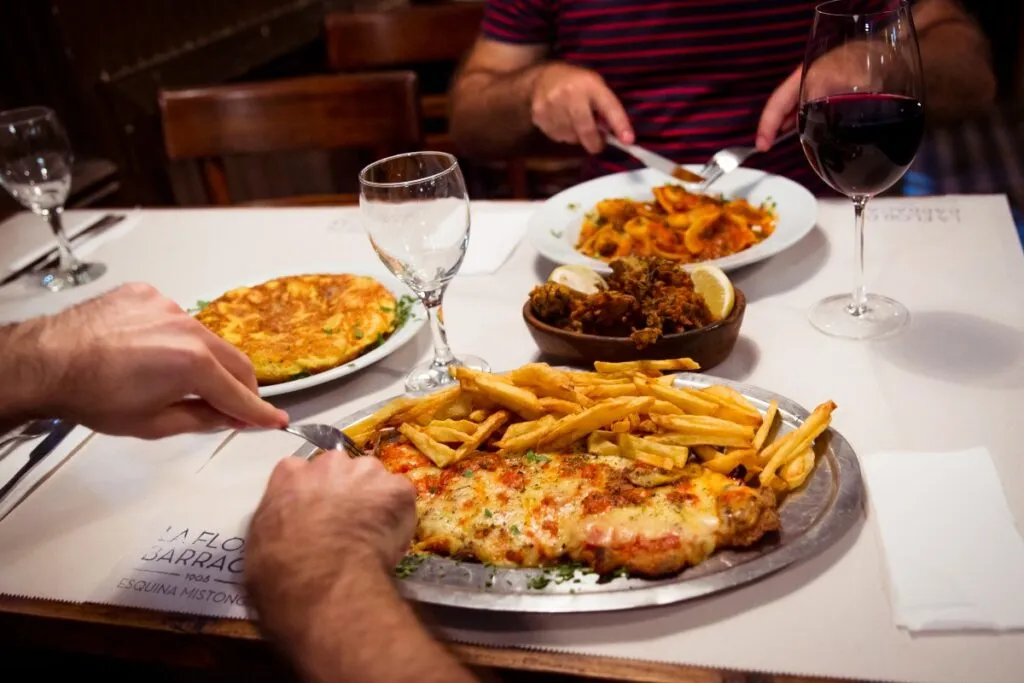
A staple in Argentine homes, restaurants, and bodegones, milanesa represents the everyday side of Argentine food: simple, generous, and deeply connected to family meals.
Locro
Locro is a traditional Argentine stew with Indigenous and Andean roots, especially popular in the northwest of the country. Made with corn, beans, pumpkin, and different types of meat, this hearty dish is known for its rich flavors and comforting texture.
Because of its historical importance, locro is strongly associated with national celebrations, especially May 25th, Argentina’s Independence Day celebrations. Families often prepare large portions to share during cold winter days and special occasions.
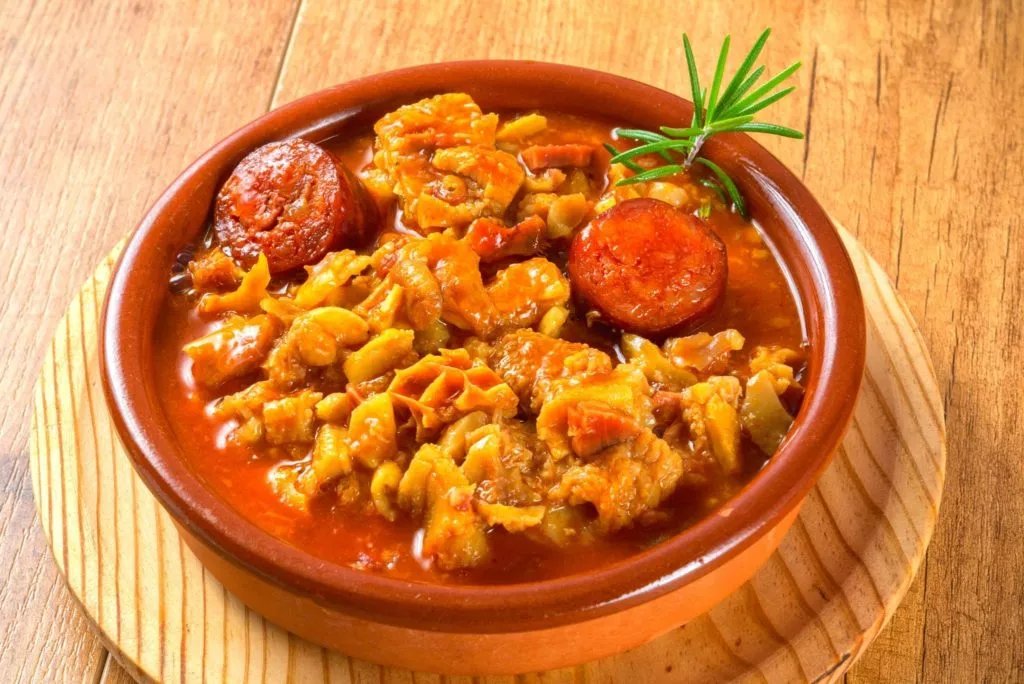
Regional variations exist throughout Argentina, but the essence remains the same: a dish that represents tradition, community, and the country’s cultural heritage.
Choripán
The choripán is one of Argentina’s most iconic street foods. Its name comes from the combination of chorizo (sausage) and pan (bread), creating a simple but unforgettable sandwich usually served with chimichurri sauce.
Commonly enjoyed at football matches, outdoor gatherings, festivals, and roadside parrillas, choripán is a favorite among locals because of its flavor, simplicity, and connection with informal social moments.
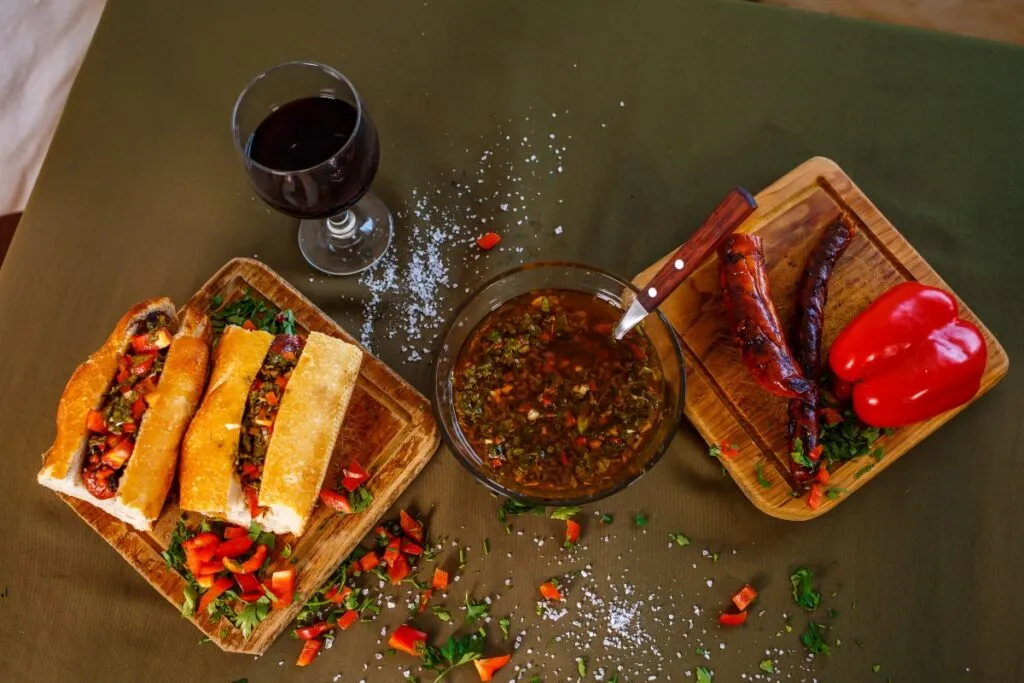
Although it may seem simple, choripán represents an essential part of Argentine food culture: gathering around good food and enjoying the moment together.
Comfort Food at Home
Beyond famous dishes enjoyed at restaurants and celebrations, many traditional Argentine dishes are connected to family life and homemade cooking. These are the meals that bring people together around the table, often prepared with simple ingredients and recipes passed down through generations.
Influenced by European immigration and local traditions, Argentine comfort food reflects the importance of home cooking, family gatherings, and shared moments.
Ñoquis (and the 29th Tradition)
Ñoquis (gnocchi) are one of the most beloved examples of Italian influence on Argentine cuisine. Made with potatoes, flour, and sometimes cheese or other ingredients, these soft pasta pieces are usually served with tomato sauce, pesto, or a variety of homemade sauces.
In Argentina, ñoquis have a special tradition: on the 29th of every month, families and friends gather to eat ñoquis together. According to the custom, placing a coin or bill under the plate is believed to bring prosperity and good fortune for the following month.
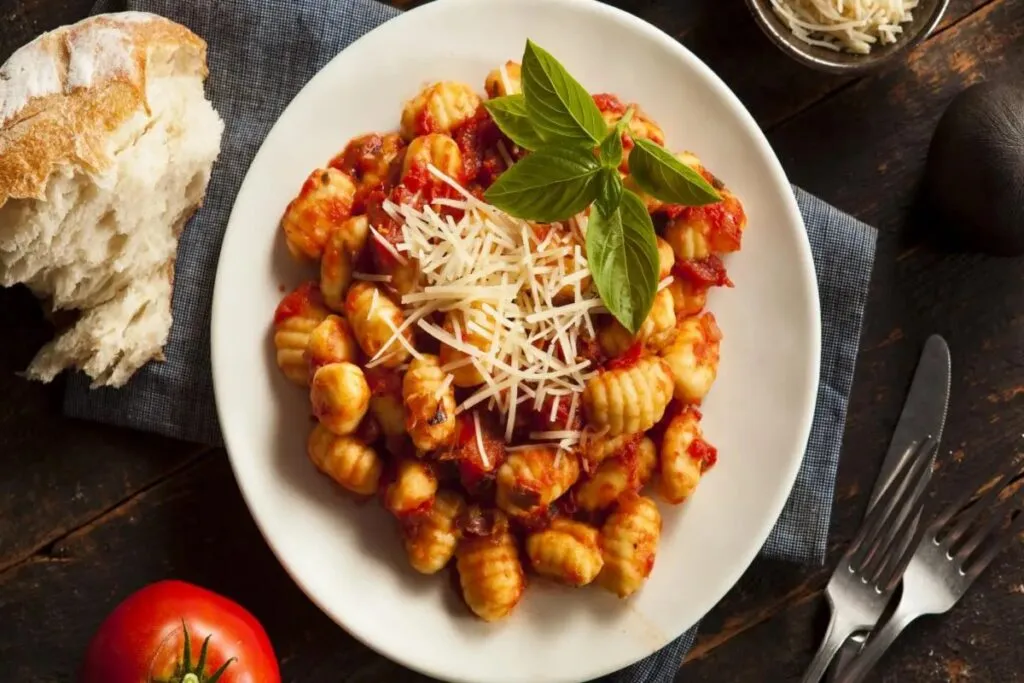
The tradition is linked to Italian immigration and has become a unique part of Argentine culture. Today, the “día de los ñoquis” is not only about food but also about sharing a homemade meal and maintaining a connection with family traditions.
Pastel de Papa
Pastel de papa is a classic Argentine comfort dish made with layers of seasoned minced meat, onions, and spices covered with creamy mashed potatoes. Similar to shepherd’s pie, this recipe is a favorite homemade meal, especially during colder months.
Every family often has its own version, with variations that may include olives, boiled eggs, raisins, or different seasonings. Its popularity comes from being affordable, comforting, and easy to prepare for large gatherings.

Like many Argentine recipes, pastel de papa represents the heart of home cooking: simple ingredients transformed into a dish meant to be shared.
Sweets & Drinks
Argentine cuisine is not only about savory dishes. Sweet flavors and traditional drinks are also an essential part of everyday life, from afternoon snacks shared with family to long conversations around a cup of mate.
Many of these traditions reflect Argentina’s cultural influences and have become symbols of national identity, enjoyed across generations.
Dulce de Leche & Alfajores
Dulce de leche is one of Argentina’s most iconic sweet creations. Made by slowly cooking milk and sugar until it reaches a creamy caramel-like consistency, it is found in countless desserts and everyday treats.
Argentines enjoy dulce de leche spread on toast, included in pastries, served with ice cream, or used as the main filling for alfajores, one of the country’s most famous sweets.


Alfajores are soft sandwich cookies traditionally filled with dulce de leche and covered with chocolate, sugar, or meringue. Although they can be found throughout South America, Argentina has developed a strong alfajor culture, with different regional styles and flavors.
They are a popular snack with coffee or mate and are also one of the most common souvenirs travelers bring home after visiting Argentina.
Mate
More than a drink, mate is one of Argentina’s most important social traditions. This herbal infusion, prepared with yerba mate leaves and hot water, is shared between friends, families, and even colleagues as a symbol of connection and hospitality.
The ritual of drinking mate goes beyond the beverage itself. The person who prepares it, known as the cebador, fills the mate, adds hot water, and passes it around the group, creating a moment of conversation and togetherness.

Mate is enjoyed throughout the country, at home, in parks, during road trips, and even while working. For many Argentines, sharing mate is a simple but meaningful way of creating bonds and spending time together.
Where to try these Dishes in Argentina
The best way to discover traditional Argentine dishes is by experiencing them where they are part of everyday life. From classic neighborhood restaurants and historic bodegones to local markets, wineries, and countryside estancias, each place offers a different perspective on Argentine food culture.
Buenos Aires is one of the best destinations to explore Argentine cuisine, combining traditional recipes with modern interpretations. Visitors can enjoy everything from classic parrillas and homemade pasta to regional dishes and gastronomic experiences that showcase the country’s culinary heritage.
For travelers interested in exploring the capital through its flavors, our Buenos Aires food and wine experience is a great way to discover local markets, traditional dishes, and Argentina’s famous wine culture.

Beyond Buenos Aires, each region has its own specialties. The northwest is ideal for discovering Andean dishes such as locro and regional empanadas, Mendoza combines gastronomy with world-famous wines, and Patagonia offers unique flavors such as lamb, trout, and locally inspired cuisine.
Argentina’s food scene also includes a wide range of places to eat, from elegant restaurants to traditional bodegones, where homemade recipes and classic dishes remain at the center of the experience. Discover more about the different styles of dining in Argentina with our guide to fancy restaurants vs. traditional bodegones.
If you want to explore more destinations through their local flavors, discover some of the best food destinations in Argentina and find inspiration for your next culinary journey.
Frequently Asked Questions
What is the national dish of Argentina?
Argentina does not have one official national dish, but asado is widely considered the country’s most iconic food tradition. Other dishes such as empanadas, locro, and mate are also deeply connected to Argentine identity and culture.
What food is Argentina famous for?
Argentina is famous for its high-quality beef, especially asado, as well as dishes such as empanadas, milanesa, choripán, alfajores, and dulce de leche. The country is also known for its wine, particularly Malbec from the Mendoza region.
What is an asado?
An asado is Argentina’s traditional barbecue and one of the most important culinary experiences in the country. It involves cooking different cuts of meat slowly over a grill or open fire, usually enjoyed during long social gatherings with family and friends.
Why do Argentines eat ñoquis on the 29th?
The tradition of eating ñoquis on the 29th of every month comes from Italian immigration and has become part of Argentine culture. According to the custom, placing a coin or bill under the plate while eating ñoquis is believed to bring prosperity and good fortune.
What should I eat on my first trip to Argentina?
For a first visit, some essential Argentine dishes to try are asado, empanadas, milanesa, choripán, alfajores, dulce de leche, and mate. To experience Argentina’s food culture beyond individual dishes, try a traditional parrilla, visit a local market, or join a food and wine experience in Buenos Aires.