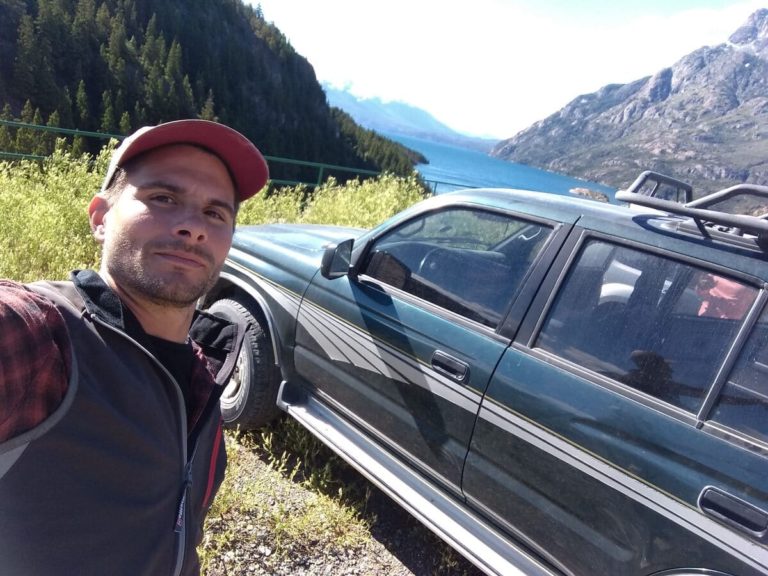
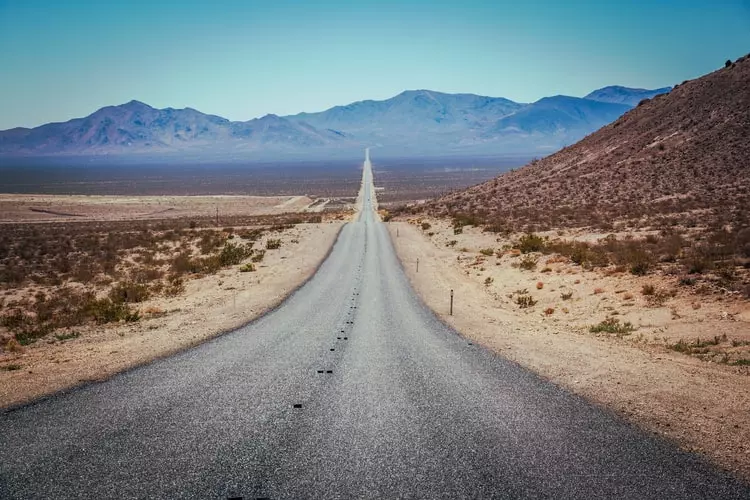
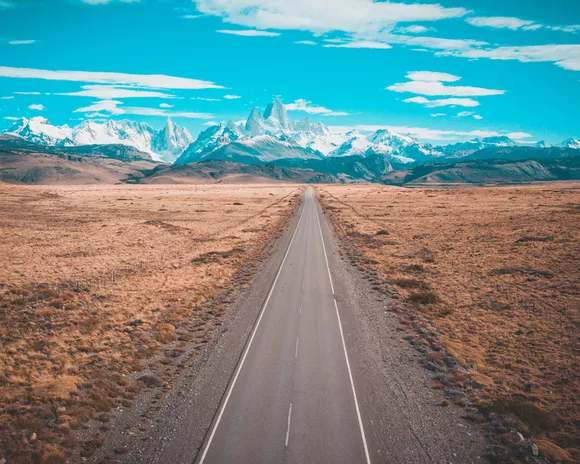
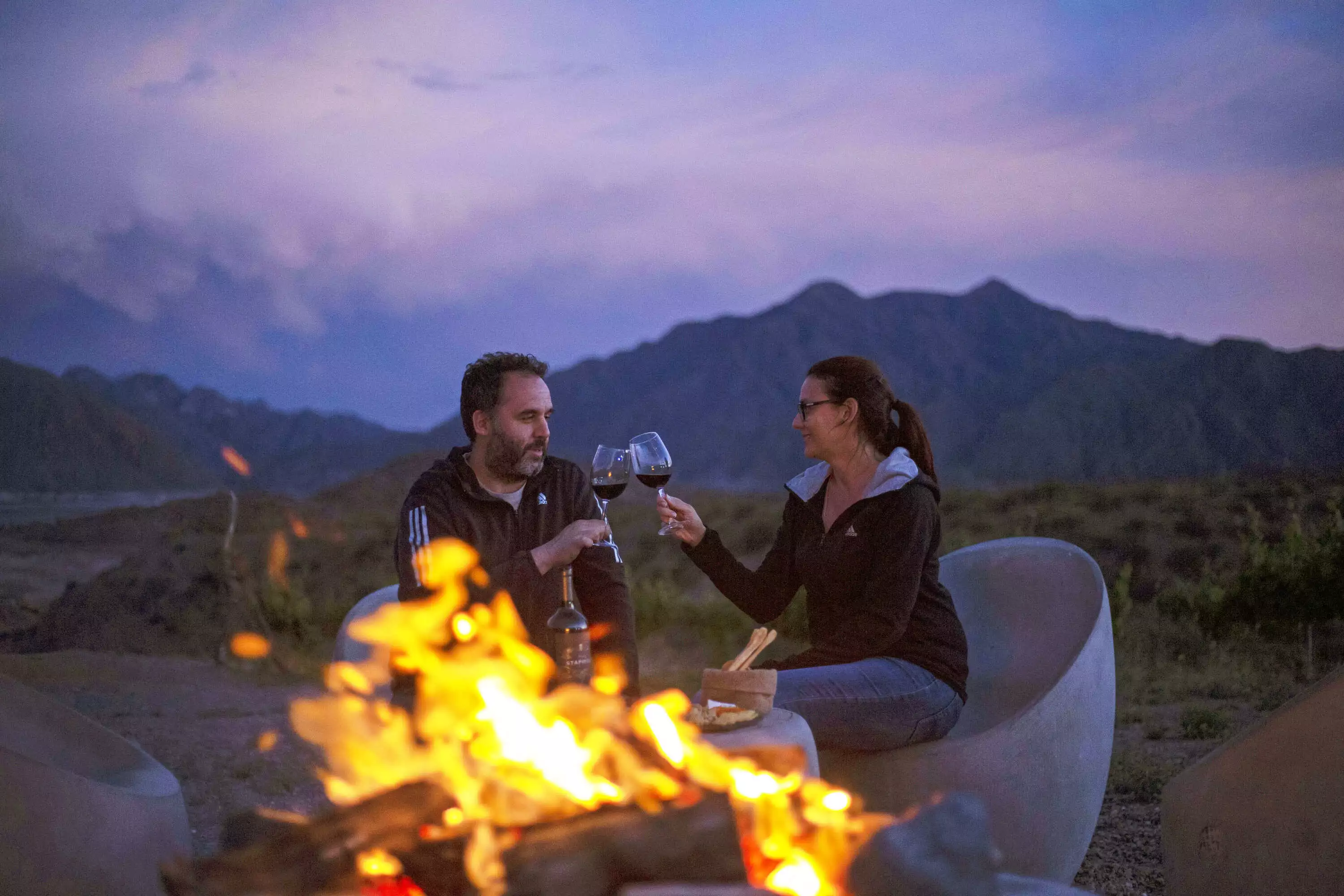
If there is something beautiful in this life, it is traveling by car through Argentina. The enormous extensions of territory that comprise Argentina, range from Pampean plains and extensive coasts to Patagonian forests and deserts. If you are planning to make a road trip in Argentina, how lucky of you to find this article!
- 1. Choose the right vehicle (paved vs. gravel roads)
- 2. Driver's License & Documentation
- 3. Check the car before you go
- 4. Plan Your Fuel Stops (Remote Stretches)
- 5. Road Conditions & Altitude
- 6. Best Road Trip Routes in Argentina
- 7. Distances & Driving Times
- 8. Safety, Tolls & Emergencies
- 9. What to Pack
- 10. Book with Local Support
- Frequently Asked Questions
Embarking on a road trip in Argentina is one of the best ways to explore the country’s diverse landscapes, from the windswept plains of Patagonia to the dramatic Andes mountains and the vibrant north. A self-drive adventure offers freedom and flexibility, allowing you to stop at hidden gems, sample local cuisine, and experience Argentina at your own pace. Whether you’re planning a long journey along the legendary Ruta 40, a scenic drive through the Siete Lagos, or exploring the historic Valles Calchaquíes, understanding the practical aspects of driving in Argentina is essential for a safe and enjoyable journey.
1. Choose the right vehicle (paved vs. gravel roads)
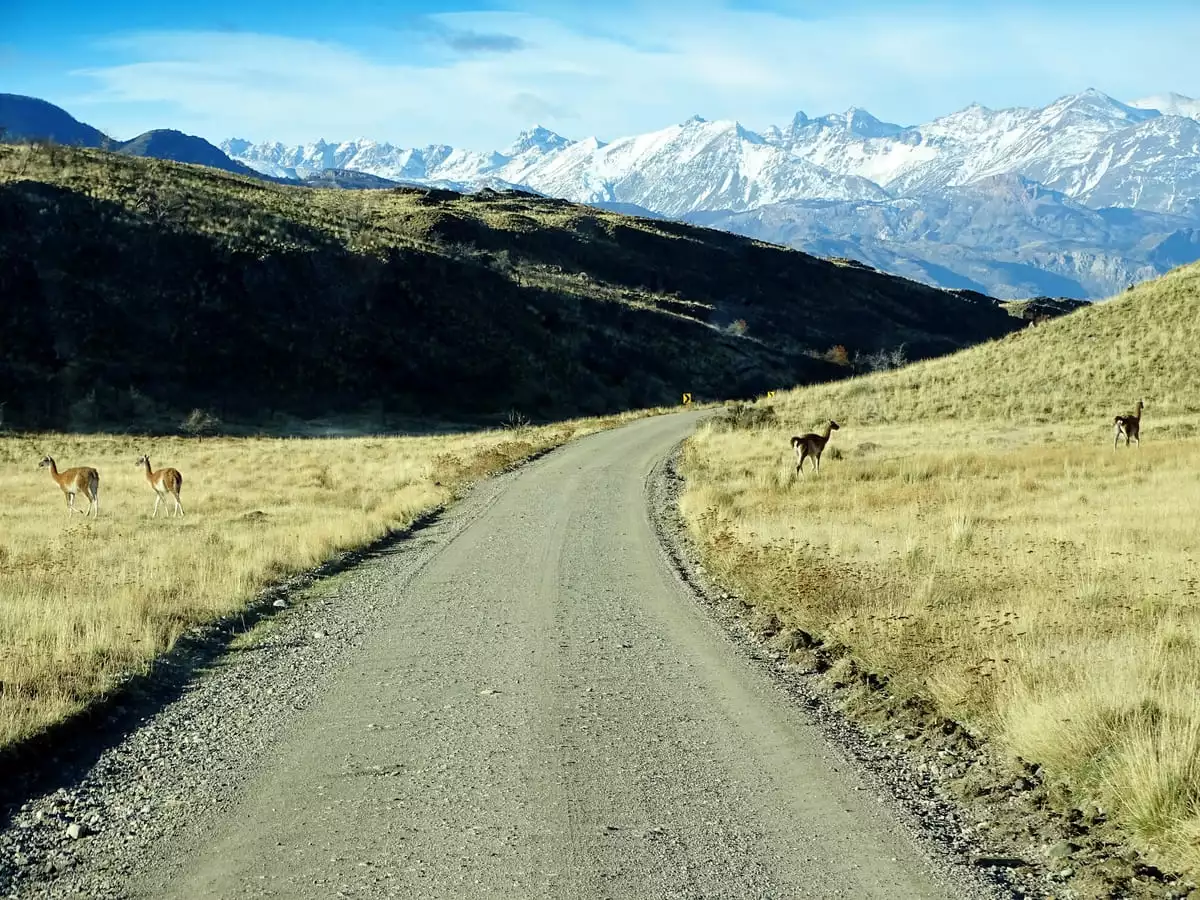
Selecting the appropriate vehicle is one of the first steps for a successful road trip in Argentina. Most major highways, including parts of Ruta 40 and the scenic Siete Lagos route, are paved, but many stretches in Patagonia, the Valles Calchaquíes, and other remote areas include gravel or unpaved roads. For these sections, a 4×4 or high-clearance vehicle is highly recommended.
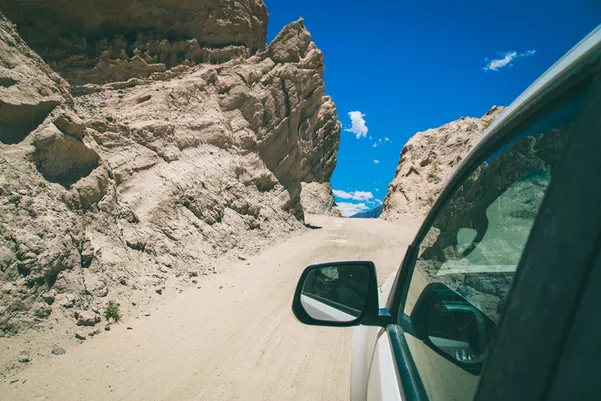
Consider the type of journey you want: a small car is fine for city exploration or short day trips, but a larger or more robust vehicle provides more comfort, stability, and safety on long drives or uneven terrain. Renting a car from a reputable agency ensures that your vehicle is well-equipped for both paved and gravel roads and comes with proper insurance, which is essential for Argentina self-drive adventures.
Additionally, check whether your chosen route has fuel stations and service areas; some stretches of Ruta 40 or the Patagonian roads can be very long without refueling options. Planning your vehicle choice with road conditions in mind will make your driving in Argentina experience much smoother and enjoyable.
2. Driver’s License & Documentation
Before hitting the road, make sure you have all the necessary documentation for driving in Argentina. Travelers from abroad should carry a valid international driver’s license along with their home country license. Your passport or ID is also required, and rental agencies will typically ask for a credit card in the driver’s name.
If you’re renting a car, verify that the insurance coverage includes both paved and unpaved roads, and consider additional protection for high-altitude or remote areas. Having all documents in order not only ensures compliance with local regulations but also provides peace of mind during your Argentina self-drive journey. Keep copies of your paperwork accessible, as police checkpoints and tolls are common on long routes like Ruta 40 and the Siete Lagos route.
3. Check the car before you go
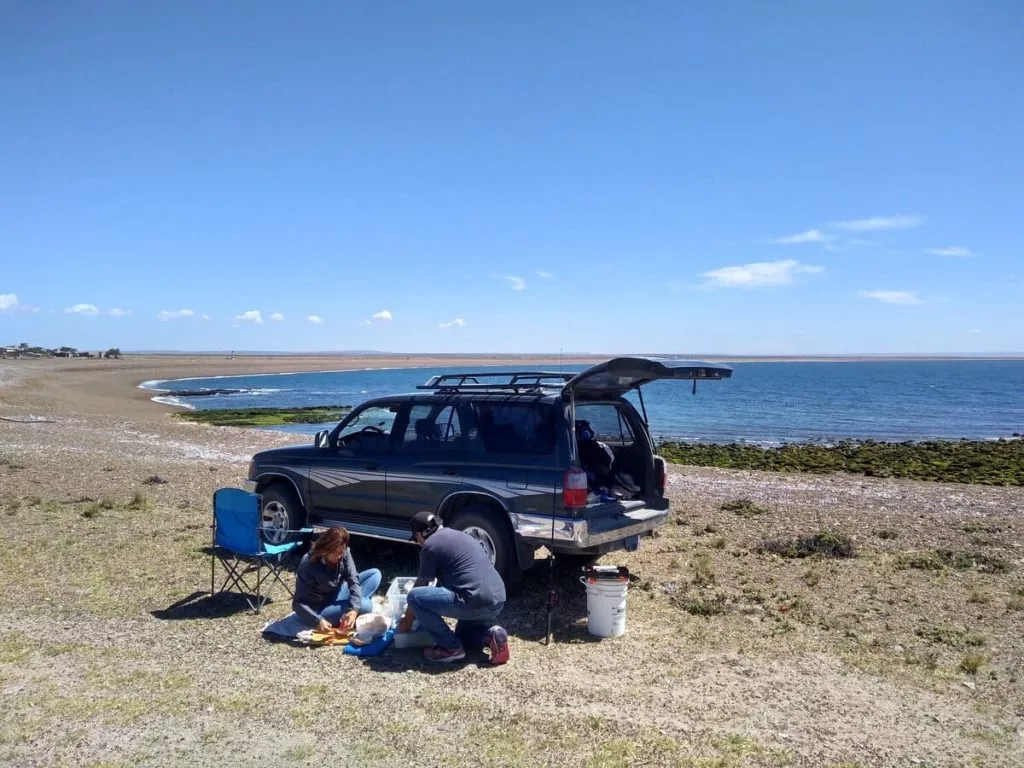
Before starting your road trip in Argentina, inspect your rental vehicle thoroughly. Check the fuel level, tire condition (including the spare), brakes, lights, and windshield wipers. Make sure the car rental agency provides a full breakdown of insurance coverage, emergency contacts, and roadside assistance.
If you’re planning to drive on remote routes like Ruta 40 or through the Valles Calchaquíes, confirm that the vehicle has enough clearance for gravel roads and that it comes with essential tools, a jack, and a spare tire. A quick pre-trip check ensures a safer and smoother Argentina self-drive experience and helps avoid unexpected delays in areas with long stretches without service stations.
4. Plan Your Fuel Stops (Remote Stretches)
When embarking on a road trip in Argentina, it’s important to plan ahead for fuel, especially on long or remote routes like Ruta 40, the Siete Lagos, or stretches in Patagonia and the Valles Calchaquíes. Gas stations can be far apart, sometimes exceeding 200–300 kilometers between stops, and cell phone reception is limited in many areas.
Always start the day with a full tank and carry extra fuel if possible. Keep track of your route and refueling points using maps or GPS, and consider adjusting your itinerary to ensure you don’t run low in isolated areas. Careful planning of fuel stops is essential for a safe and stress-free Argentina self-drive adventure.
5. Road Conditions & Altitude
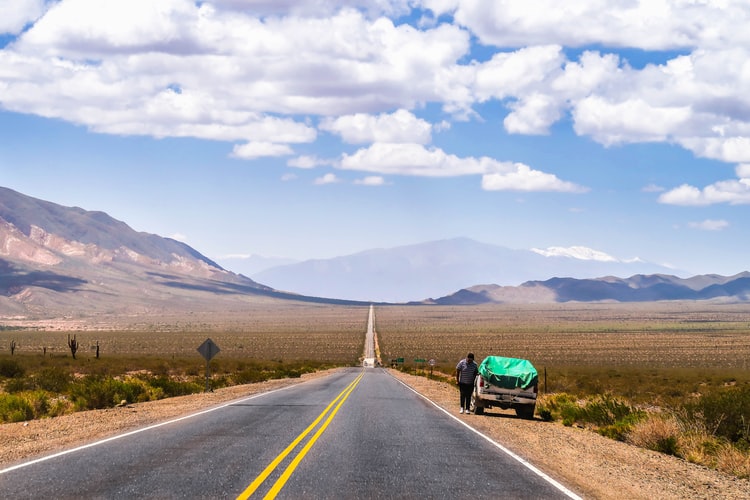
Argentina’s roads vary widely, from well-paved highways to gravel or dirt tracks in remote regions. Routes like Ruta 40, the Siete Lagos, and the Valles Calchaquíes offer stunning scenery but can include challenging sections, especially after rain or during winter. Driving on these roads requires caution, slower speeds on unpaved stretches, and awareness of local traffic conditions.
Altitude is another factor to consider, particularly in the northwestern regions and high Andean passes. Some areas exceed 3,000 meters above sea level, where travelers may experience mild altitude sickness. Plan your route to allow for acclimatization, carry water, and take breaks when necessary. Understanding road conditions and altitude is key to a safe and enjoyable road trip in Argentina.
6. Best Road Trip Routes in Argentina
Argentina offers a variety of scenic routes perfect for a road trip in Argentina, each with unique landscapes and experiences:
- Ruta 40 Road Trip – Stretching over 5,000 kilometers from north to south, Ruta 40 is Argentina’s most iconic highway. It passes through Patagonia, high Andean passes, desert landscapes, and quaint towns. Plan fuel stops carefully and consider a 4×4 for remote sections.
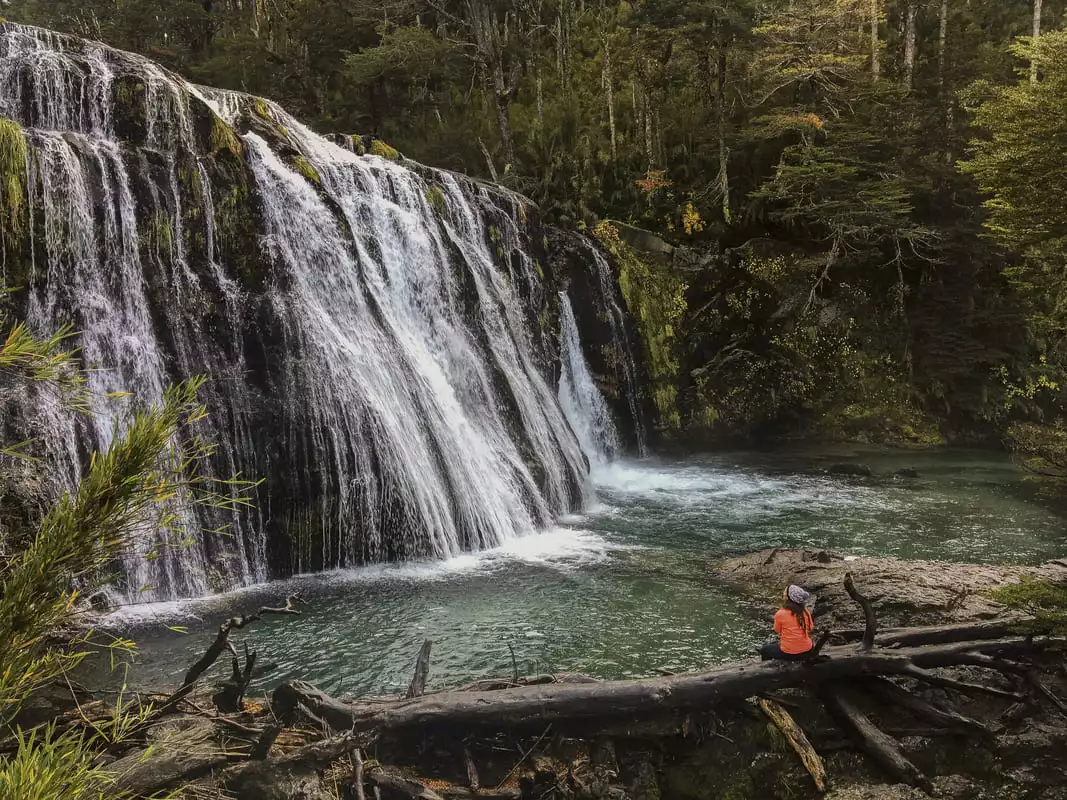
- Siete Lagos Route – This seven-lake scenic drive in northern Patagonia connects San Martín de los Andes with Bariloche, offering breathtaking lakes, forests, and mountain vistas. Well-paved roads make it ideal for both small cars and SUVs.
- Valles Calchaquíes – Located in northwestern Argentina, this route winds through vineyards, colonial towns, and desert landscapes between Salta and Cafayate. Expect winding roads and occasional unpaved stretches.
These routes are popular choices for Argentina self-drive travelers. For added convenience, our self-drive tours provide fully planned itineraries, including accommodations, suggested stops, and route guidance, ensuring a seamless and memorable driving adventure.
7. Distances & Driving Times
When planning a road trip in Argentina, it’s important to understand the country’s vast distances. Many routes cover hundreds of kilometers between towns, and some stretches—especially along Ruta 40 or in Patagonia—may have limited fuel stations or cell reception.
Here are some typical driving times to help you plan:
- Buenos Aires → Mendoza: ~1,000 km, 12–14 hours by car
- San Carlos de Bariloche → El Calafate: ~1,500 km, 20–22 hours by car
- Salta → Cafayate (Valles Calchaquíes): ~170 km, 3–4 hours
When driving in Argentina, it’s wise to plan your stops for fuel, meals, and rest, especially on remote routes. Booking a self-drive tour can simplify logistics and ensure you cover the most scenic routes safely while enjoying your journey.
8. Safety, Tolls & Emergencies
Driving in Argentina requires awareness of both road conditions and local driving norms. Always obey speed limits, watch for animals on rural roads, and avoid driving at night in remote areas. Major highways, including Ruta 40 and scenic routes like Siete Lagos, often have tolls (peajes), so carry cash or a credit card to cover fees.
Keep emergency numbers handy and ensure your rental includes roadside assistance. In remote regions, mobile reception can be limited, so plan ahead and let someone know your route. Following these Argentina driving tips will help make your road trip in Argentina safer and more enjoyable. For a stress-free experience, consider booking one of our self-drive tours with pre-planned routes and support.
9. What to Pack
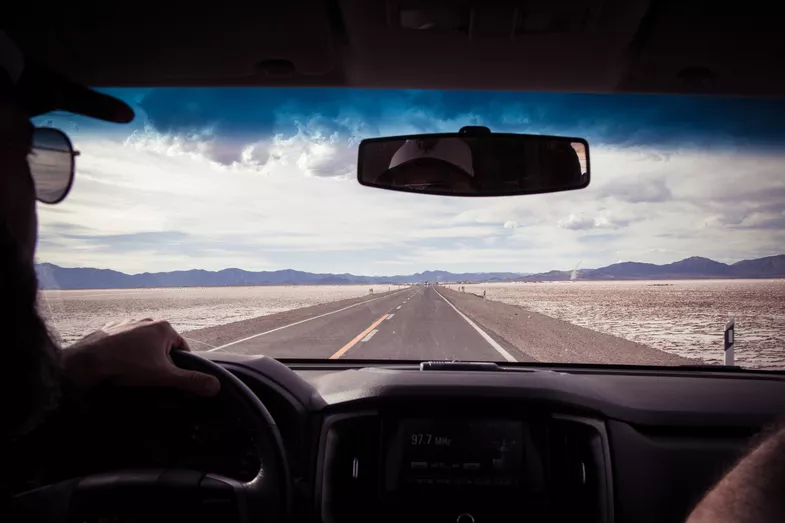
Packing for a road trip in Argentina requires planning for diverse climates and long driving days. Essentials include comfortable clothing for both warm and cooler regions, sturdy shoes for walking and exploring, and a hat and sunscreen for sunny days. Bring a reusable water bottle, snacks for long stretches without services, and a small first aid kit.
For routes that include high-altitude areas, like the Valles Calchaquíes or Patagonian passes along Ruta 40, pack layers to adapt to temperature changes, sunglasses, and any medications needed for altitude adjustment. Having these items on hand ensures a safe, comfortable, and enjoyable Argentina self-drive adventure.
10. Book with Local Support
While a road trip in Argentina offers freedom and flexibility, having local support can make the experience smoother and more enjoyable. Working with a trusted agency ensures that accommodations, route guidance, and essential information about fuel stops, tolls, and road conditions are taken care of.
Booking one of our Argentina self-drive tours provides pre-planned itineraries, expert tips, and on-the-ground support, allowing you to focus on the adventure while exploring iconic routes like Ruta 40, the Siete Lagos, and the Valles Calchaquíes safely and confidently.
Frequently Asked Questions
Do I need an international driver’s license to drive in Argentina?
Yes. Visitors from abroad should carry a valid international driver’s license along with their home country license to rent and drive a car legally in Argentina.
Are roads in Argentina paved?
Most major highways and scenic routes, such as Ruta 40 and the Siete Lagos route, are paved. However, some stretches in remote regions, Patagonia, and the Valles Calchaquíes are gravel or dirt roads, where a 4×4 vehicle is recommended.
Is it safe to drive in Argentina?
Driving in Argentina is generally safe if you follow traffic laws, avoid driving at night on remote roads, watch for animals, and plan fuel stops carefully. Booking a guided self-drive tour can add extra safety and peace of mind.
Iconic routes include Ruta 40, the Siete Lagos route, and the Valles Calchaquíes. These roads offer breathtaking scenery, cultural stops, and adventure opportunities for an unforgettable Argentina self-drive experience.
How far apart are gas stations in Patagonia?
In Patagonia, some stretches of Ruta 40 and other remote roads can exceed 200–300 kilometers between fuel stations. Planning ahead and filling up whenever possible is essential for a smooth road trip in Argentina.