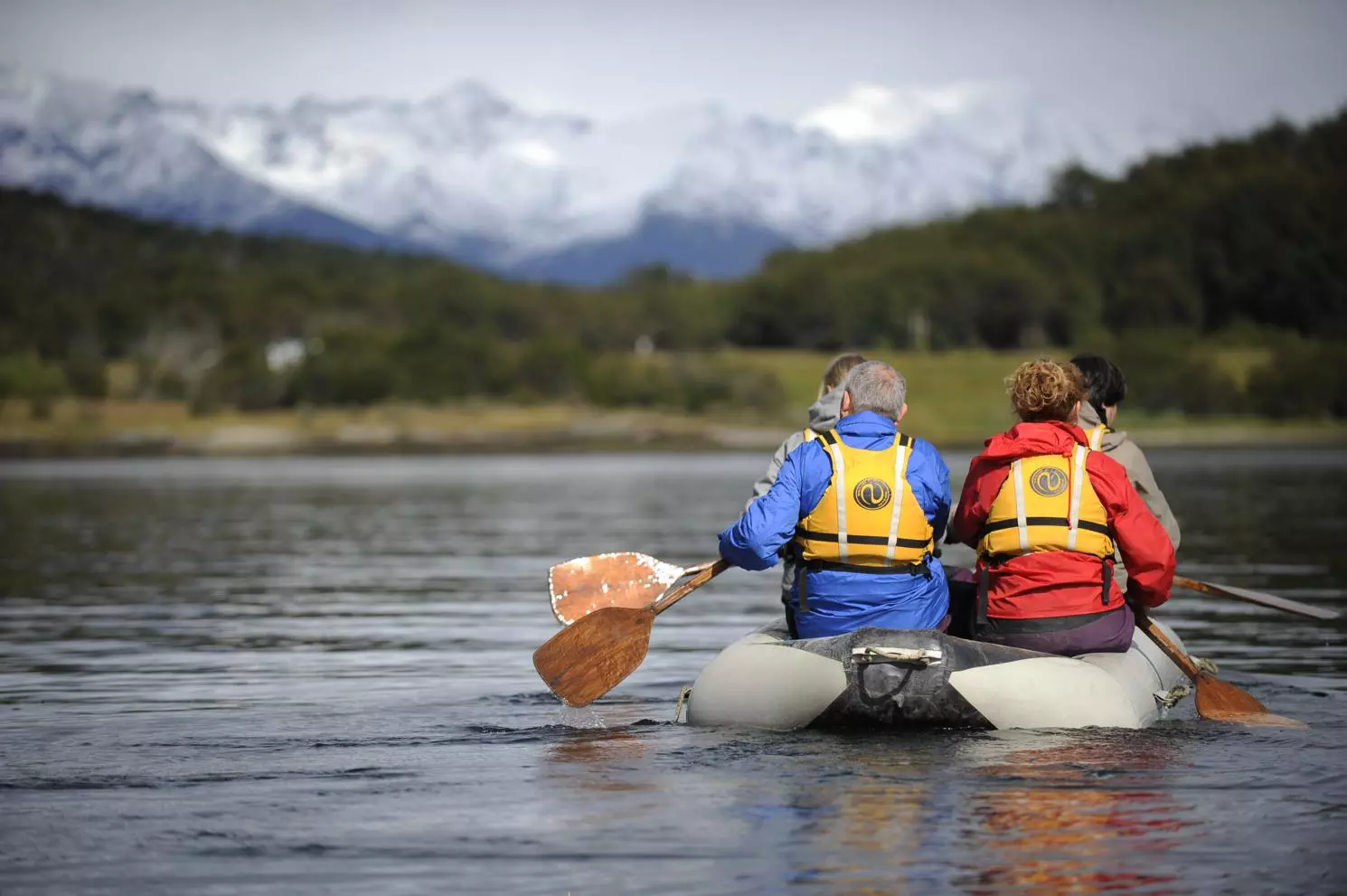
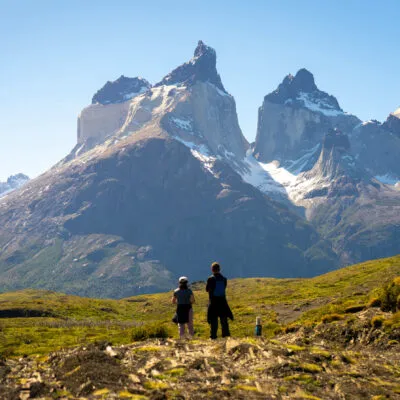
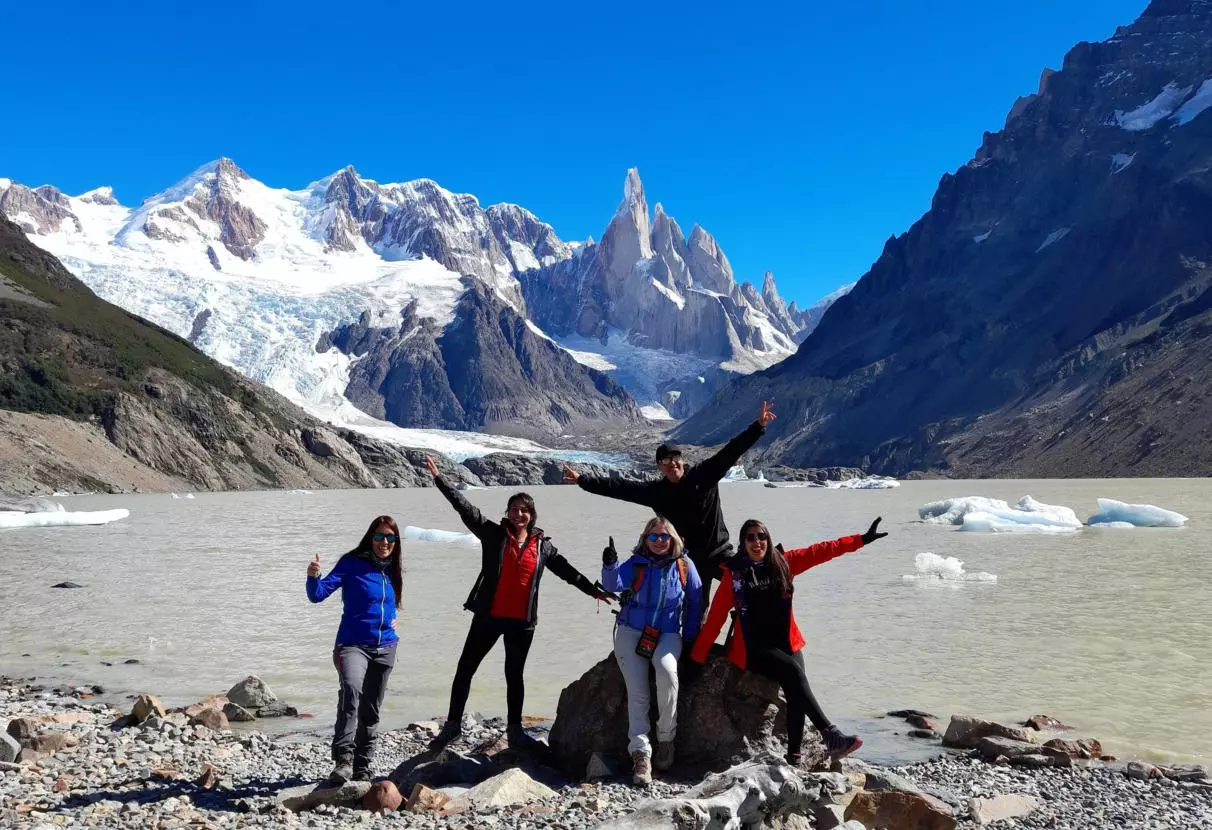
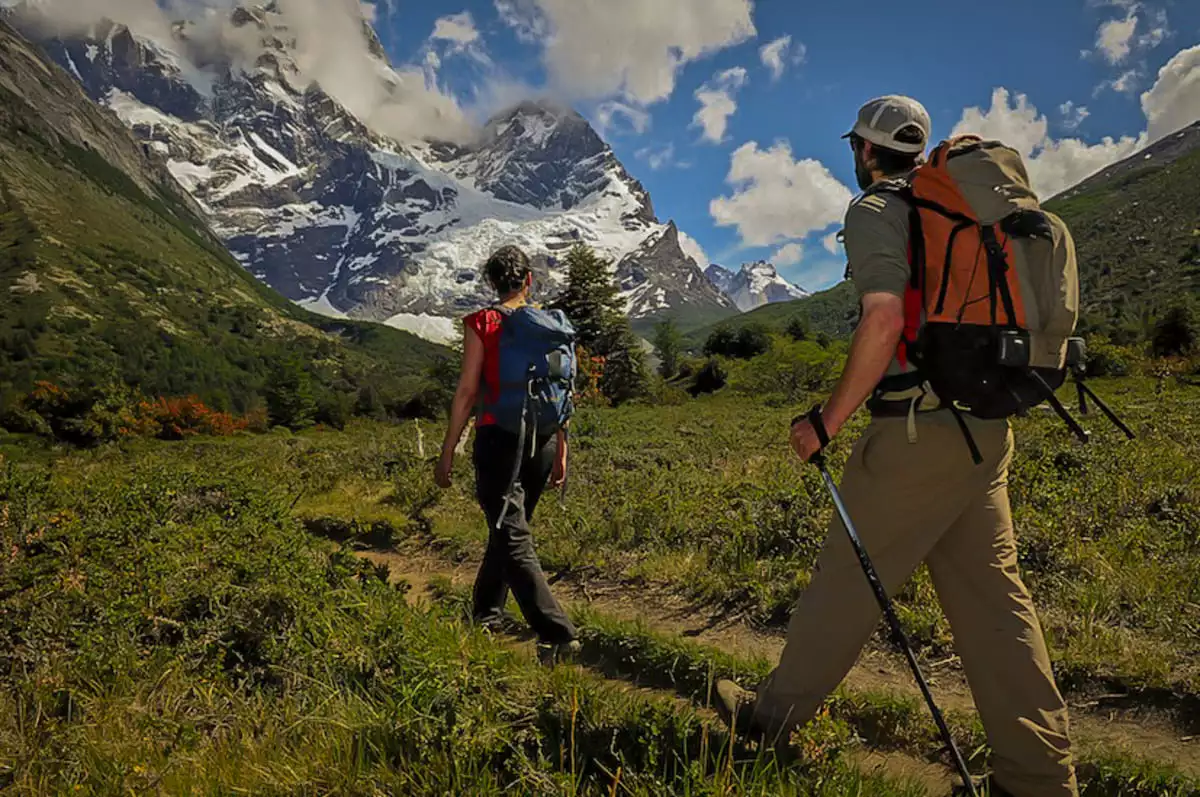
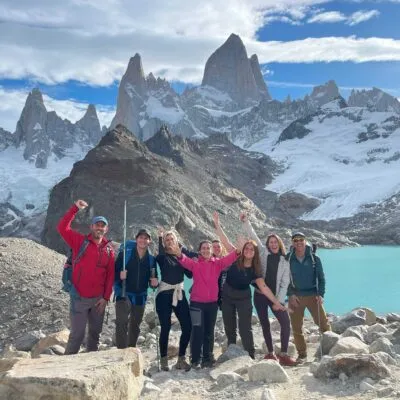
Argentina is less a destination than a continent of one: the tango and steak of Buenos Aires, the vineyards and Andes of Mendoza, the subtropical Iguazú Falls, the glaciers and peaks of Patagonia, the red deserts of the north. Seeing it well means crossing enormous distances and stitching together very different regions, which is exactly why the company you travel with shapes the whole trip.
From a website, the companies selling Argentina look interchangeable — the same glaciers, the same promise of authentic experiences. The real differences are structural: whether you’re buying from a company with its own people in Argentina or from a platform reselling other operators, and whether your trip is designed around you or picked off a shelf.
So this is an honest look at the best companies to travel to Argentina, and how to compare them. Transparency first: Say Hueque is one of the companies below, and this is our blog. Rather than pose as a neutral referee, we’ve described each company accurately and said who it genuinely suits.
We’ll cover what actually separates a good Argentina company from the rest, then look at three that work very differently — a specialist operator with its own teams, a marketplace of tours and activities, and a marketplace of multi-day organised tours.
The aim is to match the kind of company to the trip you want — whether that turns out to be us or not.
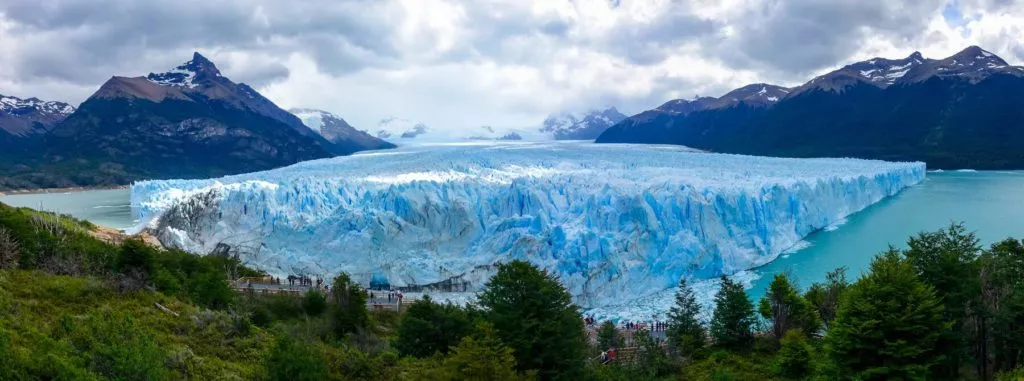
Argentina is a continent of a country — and the company you choose shapes how much of it you actually feel.
1. What Separates a Good Argentina Company
Argentina’s scale and variety make a few things matter more than they would in a smaller country.
The first is presence on the ground. A company with its own teams in Argentina can deliver the local touches, react when a flight slips, and open doors a foreign reseller can’t — which matters across a country this spread out.
The second is how the trip is built. A tailor-made itinerary is shaped around your interests and pace; a fixed departure or a stack of pre-packaged activities moves you on someone else’s schedule. Neither is wrong, but they’re different products.
The third is sequencing the distances. Argentina’s regions are separated by continental distances and internal flights, and a good company routes them so you spend your time in the places, not in transit.
These are the tests we set out in our checklist for choosing a travel agency, and they matter more in a country this large and varied.
2. Say Hueque — The Argentina Specialist
We’ll go first and try to earn it. Say Hueque has designed trips across Argentina for more than two decades, with its own teams on the ground rather than partners it doesn’t control — which is exactly what a country this spread out rewards.
That in-country presence is what delivers the local touches, reacts when an internal flight slips, and opens doors a foreign reseller can’t. The company knows how to sequence Buenos Aires, Mendoza, Iguazú and Patagonia so the distances work for you rather than against you.
Everything is tailor-made, so a trip is built around whether you want cities and wine, ice and mountains, waterfalls and desert, or a blend — at your own pace. Our Argentina tours span the whole country, and our Patagonia trips anchor the region most travelers come for.
Because seeing Argentina well is really a sequencing problem, how the regions connect matters — a theme we develop in our guide to the top custom travel agencies for Argentina trips. The honest limit: if you’d rather assemble a trip yourself from individual tours and activities, a marketplace may suit you better.

From Iguazú to Patagonia, a specialist sequences the distances so you spend your time in the places, not in transit.
3. Project Expedition — A Marketplace of Tours and Activities
Project Expedition approaches Argentina with a different model: an online marketplace for tours, day trips and activities.
The platform lets you browse and book individual experiences — a Buenos Aires city tour, a glacier excursion, a wine day in Mendoza — from a range of local providers, assembling your own trip piece by piece. For an independent traveler who wants to book activities around their own flights and hotels, that flexibility is genuinely useful.
The trade-off is that Project Expedition is a marketplace, not an operator: you’re buying individual activities from various providers rather than a designed, connected itinerary, so the sequencing and the whole-trip support are on you. You can explore it at projectexpedition.com.
It suits independent travelers who plan their own route and want to add vetted local activities along the way.
Now you can choose your type of trip:
Type of trip






4. TourRadar — A Marketplace of Organised Tours
TourRadar rounds out the three with another marketplace model, aimed at multi-day organised tours.
The platform aggregates multi-day, mostly group tours from many operators worldwide, letting you compare and book a set departure to Argentina in one place, with reviews and platform support. For a traveler who wants the structure of an organised tour and likes to compare many at once, that’s a convenient shop window.
The trade-off is the nature of the product: these are largely fixed group departures run by third-party operators, so the pace, group size and itinerary are set, and your experience depends on whichever operator runs the tour you pick. You can see the range at tourradar.com.
It suits travelers who prefer a ready-made group tour and want to compare many operators through a single platform.
How the Three Compare
None is objectively best; they’re genuinely different products, and the right one depends on how you like to travel.
| Company | Model | Strongest for |
| Say Hueque | Direct operator, own teams in Argentina | A tailor-made trip across the country, fully supported |
| Project Expedition | Marketplace of tours and activities | Independent travelers assembling their own route |
| TourRadar | Marketplace of multi-day organised tours | Comparing and booking a ready-made group tour |
In short: for a designed, connected trip with real support on the ground, the specialist operator fits; for booking individual activities around your own plans, the activities marketplace; and for a ready-made group departure, the organised-tour marketplace.
How to Plan an Argentina Trip, and How to Choose
Whichever company you choose, the first decision is which slices of Argentina to include, because the country is too big to see in one trip. A common first visit pairs Buenos Aires with Patagonia, or adds Mendoza or Iguazú if time allows — each an internal flight apart.
Ten days to two weeks suits most first trips. A good company — or your own planning, if you go the marketplace route — should route the regions so the distances don’t swallow the days.
Ask any company the same questions: do you have your own team in Argentina, is this tailor-made or a fixed product, and who supports me if a flight slips? The answers reveal whether you’re buying a designed trip or assembling one yourself.
If you’d like to run them past us, our travel specialists answer them before anyone mentions a price, and the practical groundwork is covered in our guide to how to prepare for a trip to Argentina.

City, wine, waterfalls, ice — the art of an Argentina trip is choosing which regions, not trying for all of them.
5. FAQs The Best Companies to Travel to Argentina
There’s no single best company — only the best for how you like to travel. For a designed, connected trip across a country this large, with local touches and real support when an internal flight slips, a specialist operator with its own teams on the ground, such as Say Hueque, offers the strongest planning.
For independent travelers who prefer to assemble their own route, a tours-and-activities marketplace like Project Expedition fits, while those who want a ready-made group tour to compare may lean toward an organised-tour marketplace like TourRadar.
The real question is whether you want a trip designed for you or one you build yourself from individual pieces.
Ten days to two weeks suits most first trips. That’s enough to pair Buenos Aires with Patagonia and perhaps add Mendoza or Iguazú, without spending the whole time in transit between regions.
A week forces a tighter focus, usually the capital plus one other region, since the internal distances are large.
The art is choosing which slices of the country to include rather than trying to see it all, and a good company — or careful self-planning — routes them so the flights don’t eat the days.
It depends on how you like to travel. A tailor-made trip is built around your interests and pace, with the regions sequenced for you and support on the ground — ideal if you want the country shaped to you.
A group tour or a self-assembled set of activities can cost less and suits travelers who are happy with a fixed pace or who enjoy planning their own route.
The trade-off is control versus convenience and price: a specialist operator gives you a designed, supported trip, while a marketplace gives you flexibility and comparison but leaves the sequencing and whole-trip support largely to you.
Not strictly, but the country’s scale makes one more valuable than in a compact destination. Argentina’s regions are separated by continental distances and internal flights, so the logistics of stitching them together — and recovering when a connection slips — are considerable.
Independent travel is entirely possible, especially if you book individual activities through a marketplace around your own flights and hotels.
A specialist operator adds most value when you want the regions sequenced for you, local access delivered and someone reachable throughout, which many travelers find worth it on a trip this big.
It depends where you’re going, because Argentina spans many climates. For Patagonia the window is roughly October to April; Mendoza is loveliest in the warmer months and around the February-to-April harvest; Iguazú is warm year-round; and Buenos Aires is most comfortable in spring and autumn.
Because the regions peak at different times, there’s rarely one perfect month for a multi-region trip.
A good company — or your own planning — will align the route with the seasons so each region is caught at a sensible time rather than forcing everything into one window.