Discover sustainable tours in Argentina, from low-impact adventures in Patagonia to community-led experiences in the Northwest. Learn how to travel responsibly, support local communities, and explore the country’s remarkable landscapes while minimizing your environmental footprint.
Sustainable tours in Argentina offer travelers a way to explore the country’s extraordinary landscapes and cultural heritage while supporting local communities and minimizing negative environmental impacts. From low-impact trekking in Patagonia to community-based tourism in the Northwest and responsible wildlife watching, there are many ways to discover Argentina with greater awareness of the places and people that make each destination unique.
Responsible travel goes beyond choosing an eco-friendly activity. It also means considering how tourism affects local economies, natural environments, wildlife, and cultural traditions. By choosing experiences that prioritize these factors, travelers can make more informed decisions about where they go, who they travel with, and how their spending benefits the destinations they visit.


In this guide, you will discover sustainable travel experiences across Argentina, learn how to identify responsible tour operators, and find practical ways to reduce your impact while making the most of your journey.
What Is Sustainable Travel?
Sustainable travel means exploring destinations in ways that minimize negative environmental, social, and economic impacts while maximizing the benefits for local communities and the places being visited. It encourages travelers and tourism businesses to protect natural environments, respect cultural traditions, and ensure that tourism contributes positively to local economies over the long term.
In Argentina, this approach is particularly relevant because the country encompasses diverse ecosystems, from Patagonia’s glaciers and forests to the wetlands of the Iberá region and the high-altitude landscapes of the Northwest. These environments support unique wildlife and local communities, making responsible tourism practices essential to preserving their natural and cultural heritage.
The Three Pillars of Sustainable Tourism
Sustainable travel is commonly understood through three interconnected dimensions:
- Environmental responsibility: Reducing waste, conserving water and energy, protecting biodiversity, and minimizing disturbance to natural habitats. In Patagonia, for example, this can mean following marked trails, respecting wildlife viewing distances, and choosing activities that follow local conservation guidelines.
- Social and cultural responsibility: Respecting local customs, supporting cultural heritage, and ensuring that tourism benefits the people who live in each destination. Community-led experiences, local guides, and visits to regional producers can help travelers engage with a place more meaningfully.
- Economic sustainability: Directing tourism spending toward local businesses, workers, artisans, and producers so that a greater share of the economic benefits remains within the destination.
What Makes a Tour Truly Sustainable?
A tour is not automatically sustainable simply because it takes place outdoors or is described as eco-friendly. Responsible tourism depends on how the experience is organized, who benefits from it, and what measures are in place to manage its impacts.
When evaluating sustainable tours in Argentina, look for practical evidence of responsible operations: trained local guides, transparent environmental policies, respect for wildlife, fair working conditions, and meaningful collaboration with local communities. Credible operators should be able to explain their practices rather than relying on broad sustainability claims.
Travelers can also make a difference through their own choices, from reducing single-use plastics to respecting cultural protocols and selecting locally owned accommodation and restaurants. For a more personalized approach, tailor-made travel in Argentina can help align an itinerary with individual interests while considering local experiences, travel logistics, and the needs of each destination.
Sustainable Experiences in Argentina
Argentina offers many ways to explore its natural landscapes and cultural heritage while supporting local communities and respecting the environment. From trekking through protected areas to discovering regional food traditions and observing wildlife responsibly, sustainable experiences can take many forms depending on the destination.
The key is to look beyond the activity itself and consider how it is managed, who benefits from it, and what measures are taken to protect the surrounding environment. These are some of the most rewarding ways to experience responsible tourism in Argentina.
Patagonia: Low-Impact Adventures and Local Experiences
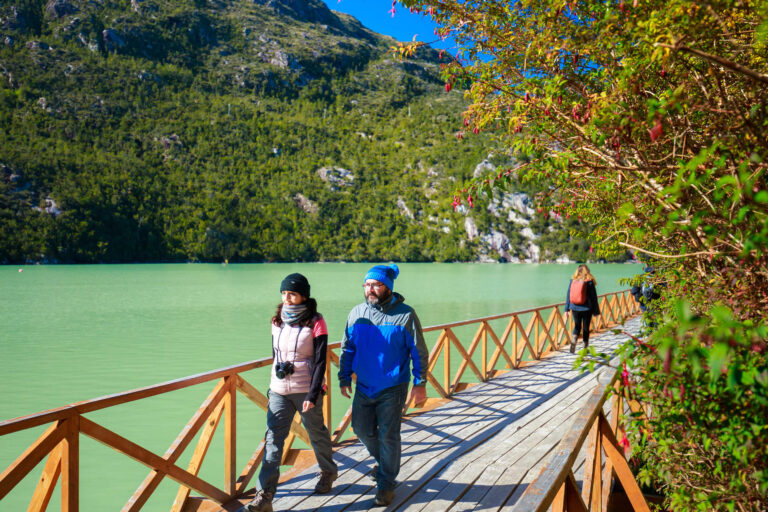
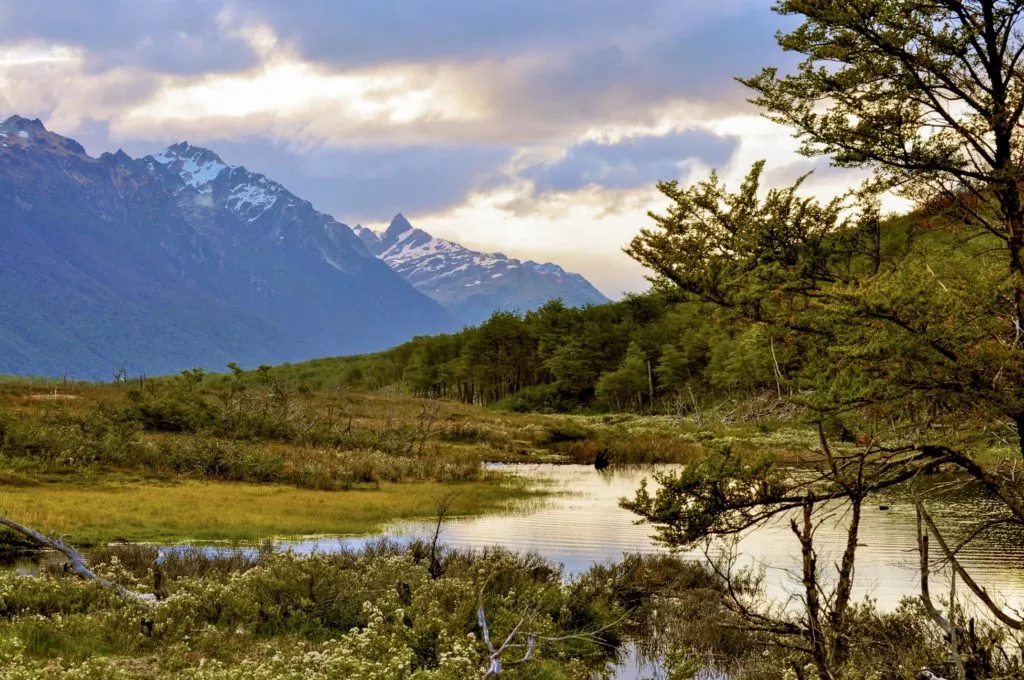
Patagonia is known for its glaciers, mountains, forests, and vast open spaces. Exploring this region responsibly means enjoying its landscapes while helping preserve fragile ecosystems and supporting the communities that live there.

Some experiences to consider include:
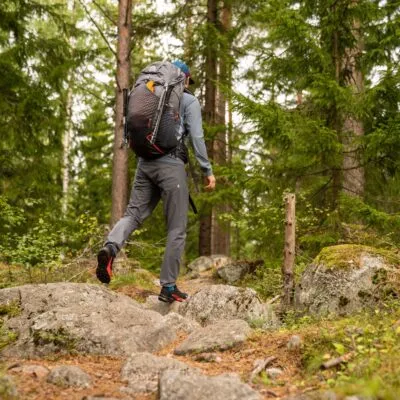
- Low-impact trekking: Hiking with knowledgeable local guides, staying on marked trails, and following park regulations helps reduce erosion and disturbance to vegetation and wildlife.
- Community-based experiences: Visiting local producers, learning about regional traditions, or participating in cultural activities can help tourism spending reach smaller businesses and communities.
- Responsible estancia visits: Experiences at traditional Patagonian ranches can introduce travelers to local food, rural heritage, and regional ways of life. Look for operators that explain their land-management practices and treat animals responsibly.
- Nature-focused stays: Some accommodations prioritize energy and water efficiency, waste reduction, and locally sourced products. Ask about specific measures rather than relying solely on labels such as eco-lodge.
Patagonia’s protected areas also depend on visitors following conservation guidelines, respecting wildlife distances, and taking all waste away from trails. Travelers planning to explore the region can discover a range of Patagonia tours and choose experiences that fit their interests while respecting the natural environment.
Northwest Argentina: Community Tourism and Regional Traditions
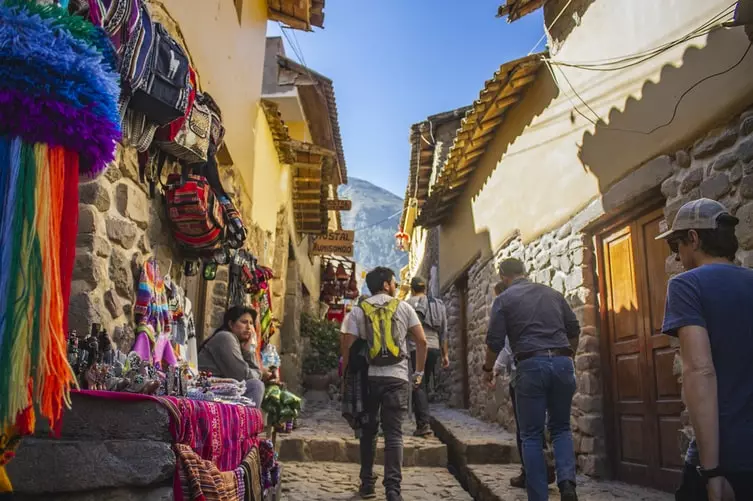
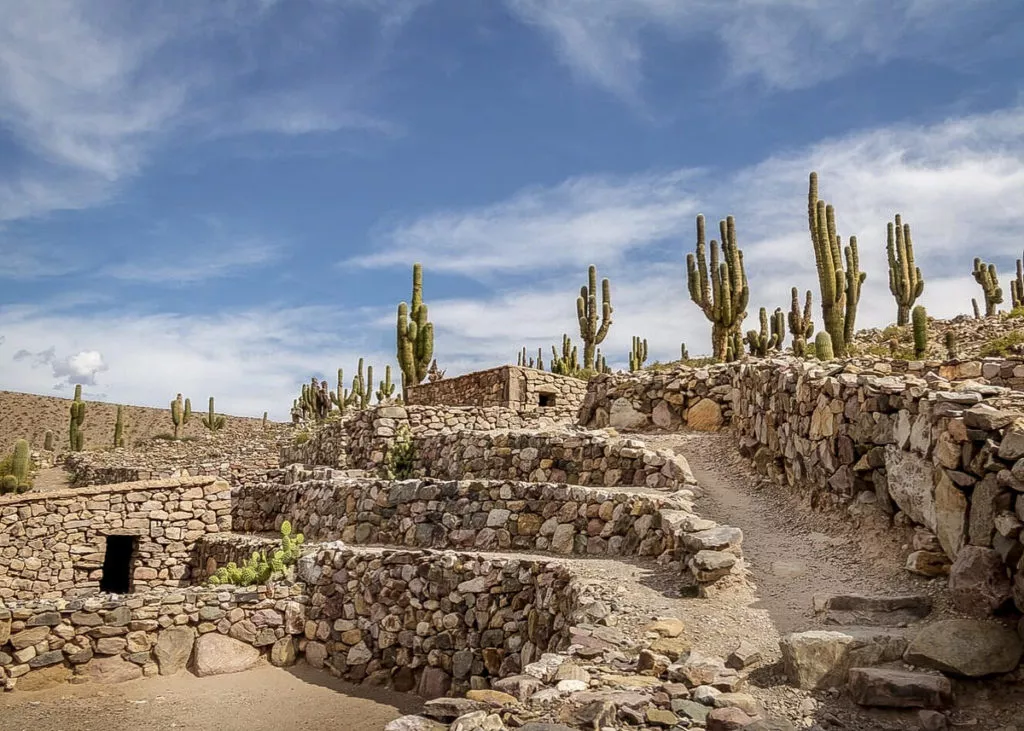
The Northwest, including provinces such as Salta and Jujuy, offers a different perspective on sustainable travel. Here, colorful mountain landscapes, historic villages, agricultural traditions, and regional gastronomy create opportunities to connect with local culture.
Responsible experiences in this region may include:
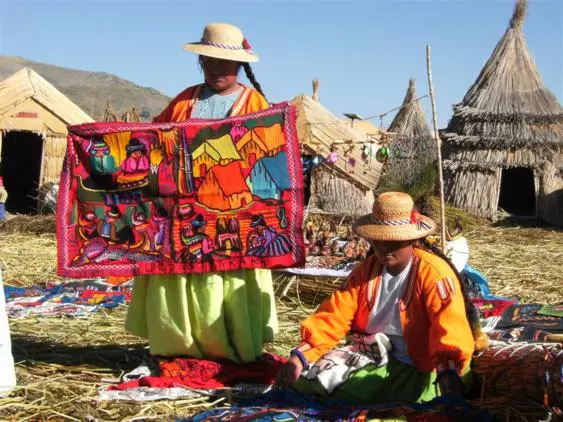
- Community-led tourism: Visits organized in collaboration with local communities can provide income directly to residents while allowing them to share their traditions on their own terms.
- Local food and regional products: Eating at locally owned restaurants, visiting small-scale producers, and purchasing crafts directly from artisans can help keep tourism spending within the region.
- Cultural experiences: Learning about local history, traditional crafts, and regional customs provides a deeper understanding of the destination when activities are developed with the participation and consent of the people involved.
- Small-group excursions: Traveling in smaller groups can make it easier to reduce pressure on sensitive sites and create more meaningful interactions, provided the operator follows responsible practices.

When visiting rural communities, ask permission before taking photographs of people, respect local customs, and follow guidance about sacred or culturally significant places. Buying directly from artisans and producers can also be a practical way to support local livelihoods without treating cultural traditions as tourist attractions alone.
Wildlife Experiences: Observe Animals Responsibly
Argentina’s varied ecosystems provide opportunities to observe wildlife, from marine mammals along the Atlantic coast to birds in wetlands and native species in Patagonia. Responsible wildlife tourism puts animal welfare and habitat protection first, allowing visitors to appreciate animals without unnecessarily disturbing them.
Experiences to consider include:
- Wildlife watching with trained guides: Local naturalists can help visitors identify species and understand their behavior while following appropriate observation distances.
- Birdwatching in protected areas: Observing birds in their natural habitats can offer a rewarding experience with relatively little disturbance when visitors stay on designated paths and avoid approaching nests.
- Marine wildlife excursions: Boat trips to observe whales, sea lions, or penguins should follow applicable regulations and responsible viewing practices, including limits on proximity and disturbance.
- Nature-based experiences in wetlands: Guided excursions in areas such as the Iberá wetlands can introduce travelers to native wildlife and the importance of conserving these ecosystems.
Always choose operators that explain their wildlife guidelines and comply with local regulations. Avoid experiences that involve touching, feeding, chasing, or handling wild animals for entertainment, and be cautious of attractions that guarantee close encounters regardless of the animals’ natural behavior.
Responsible wildlife tourism is not just about seeing animals; it is about allowing them to remain wild. By choosing well-managed excursions and respecting the limits of observation, travelers can enjoy Argentina’s biodiversity while helping protect the habitats that sustain it.
How to Choose a Responsible Tour Operator in Argentina
Choosing a responsible tour operator is one of the most effective ways to make your trip to Argentina more sustainable. The right provider does more than organize activities: it considers the environmental impact of each experience, works fairly with local communities, and helps travelers understand how to visit a destination respectfully.
However, sustainability claims can vary widely. Rather than relying on labels such as eco-friendly, green, or responsible, look for concrete practices and transparent information about how the company operates.
1. Look for Specific, Verifiable Commitments
Responsible operators should be able to explain what they do to reduce their environmental impact and support the destinations they visit. Look for clear information about waste management, resource consumption, wildlife protection, community partnerships, or conservation initiatives.
Certifications and third-party assessments can provide additional evidence, provided they come from credible organizations and apply to the relevant business or activity. A sustainability statement alone is not proof of responsible practices.
2. Check How the Company Works with Local Communities
Tourism can support local livelihoods when businesses collaborate fairly with people who live in the destinations they visit. Look for operators that hire local guides, work with regional accommodation providers, recommend locally owned restaurants, and source products from local businesses where possible.
Community involvement should be meaningful, not simply a marketing claim. Responsible operators respect local customs, obtain permission for cultural activities, and avoid presenting communities or traditions as attractions without considering the people involved.
3. Ask How Wildlife and Natural Areas Are Protected
If an excursion involves trekking, national parks, marine wildlife, or other sensitive environments, find out how the operator manages its impact.
Useful questions include:
- Do guides explain and enforce local conservation rules?
- Are group sizes appropriate for the activity and environment?
- Does the experience follow wildlife viewing regulations and maintain suitable distances?
- Are visitors instructed to stay on designated trails and take their waste with them?
A responsible operator should prioritize the well-being of wildlife and the protection of natural habitats over guaranteed sightings or close encounters.

4. Consider Working Conditions and Group Sizes
Sustainable tourism also includes the people who make each experience possible. Look for companies that work with qualified guides, communicate clearly about safety, and demonstrate respect for their staff and suppliers.
Smaller groups can sometimes reduce pressure on sensitive sites and allow for more personal experiences, although group size alone does not guarantee sustainability. What matters is how the activity is planned and managed.
5. Choose an Operator That Plans Around Your Priorities
A well-designed itinerary can make responsible travel easier by considering travel distances, local logistics, seasonal conditions, and the types of experiences that matter most to you. For example, combining nearby activities may reduce unnecessary transfers, while including locally led experiences can help distribute tourism spending.
Working with a local travel agency can also make it easier to understand regional conditions and identify suitable providers. Our guide on why booking with an Argentina travel agency makes a difference explains how local knowledge and on-the-ground coordination can contribute to a better-planned journey.
Ultimately, the best choice is an operator that can explain its practices clearly, acknowledge the limitations of its impact, and demonstrate how it works to make tourism more beneficial for the places and people involved.
Tips to Travel More Sustainably in Argentina
Traveling more sustainably does not mean giving up memorable experiences. It means making thoughtful decisions that help protect the places you visit, support local livelihoods, and reduce unnecessary environmental impacts. Whether you are exploring Buenos Aires, hiking in Patagonia, or visiting villages in the Northwest, small choices can make your trip more responsible.
Here are some practical ways to make a difference during your journey.
1. Support Local Businesses
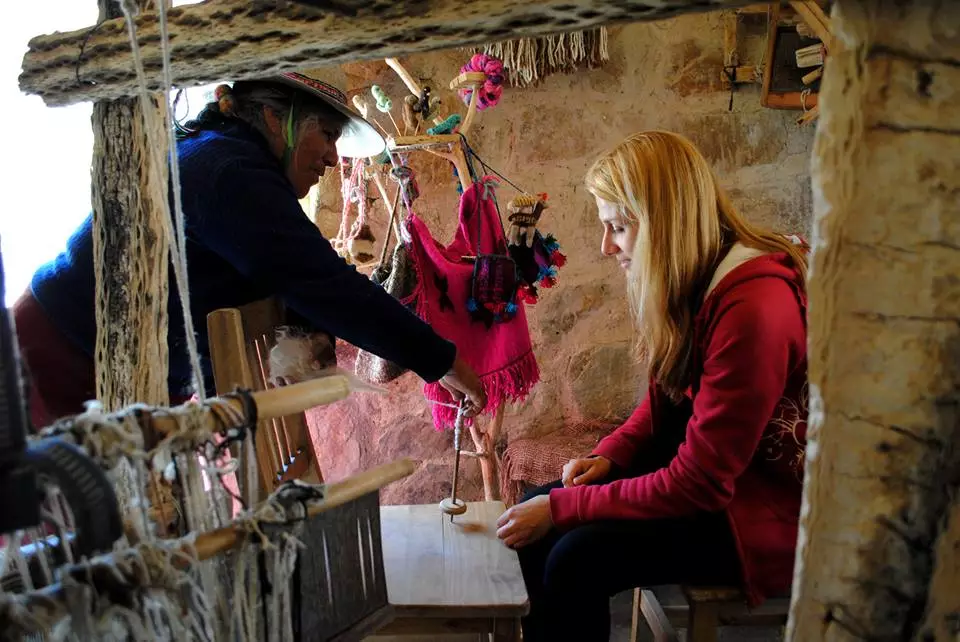
Where you spend your money matters. Choose locally owned restaurants, stay in accommodation that employs people from the area, purchase crafts directly from artisans, and consider experiences led by local guides. These choices can help keep more tourism revenue within the destination.
Trying regional dishes and buying locally made products can also introduce you to the culture and traditions of each place. In Argentina, this might mean enjoying regional cuisine in the Northwest, visiting a small producer, or choosing a locally guided experience in Patagonia.
2. Reduce Waste and Single-Use Plastics
Carry a reusable water bottle, bring a reusable bag for shopping, and avoid disposable products when practical. Use refill stations where available, and follow local guidance on drinking water safety and waste disposal.
In natural areas, take all your rubbish with you, including food scraps. Organic waste can affect wildlife and ecosystems, even when it appears harmless.
3. Respect Wildlife and Natural Habitats
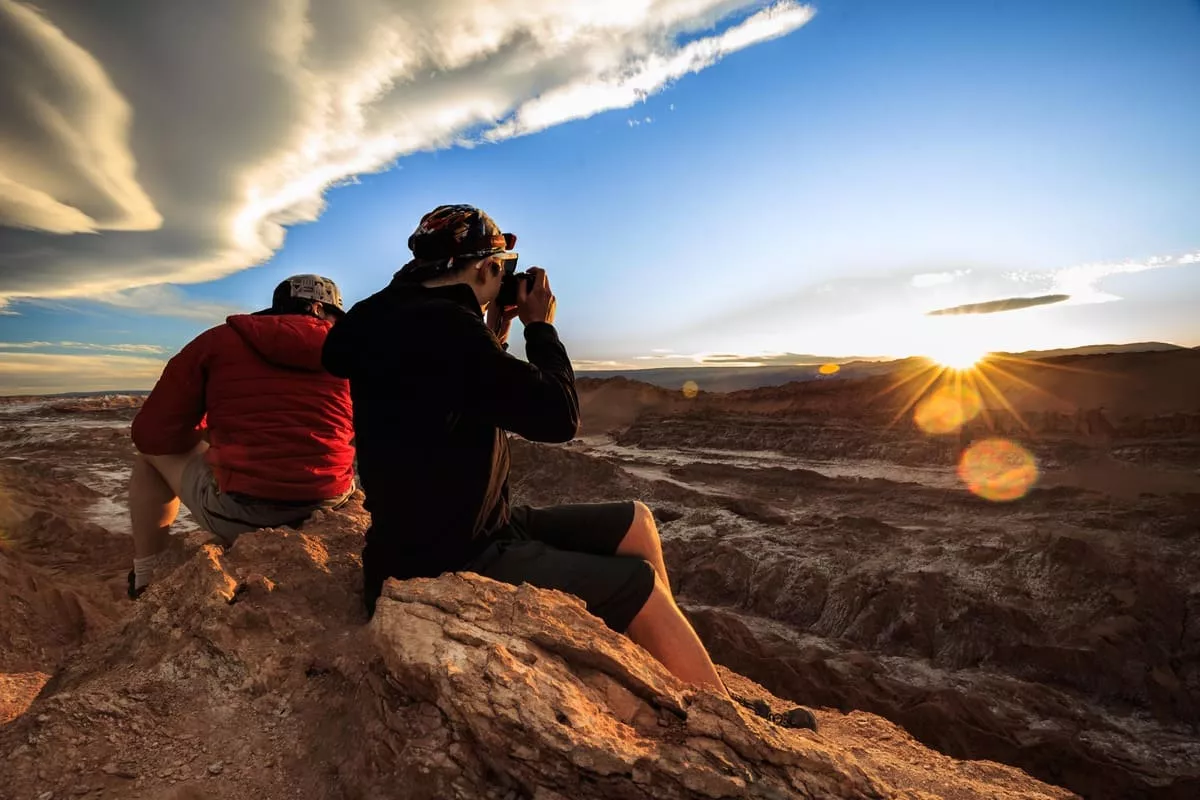
Observe animals from a suitable distance, never feed them, and avoid touching or pursuing them for photographs. Follow your guide’s instructions and the rules of national parks and protected areas.
When hiking, stay on marked trails, avoid picking plants, and leave natural objects where you find them. These simple practices help protect fragile environments for both wildlife and future visitors.
4. Plan Transport and Activities Thoughtfully
Travel distances in Argentina can be substantial, especially when combining Patagonia, the Northwest, and Buenos Aires. Planning a logical route can reduce unnecessary transfers, save time, and make the journey more comfortable.
When practical, consider walking or using public transportation to explore cities, sharing transfers, or grouping nearby activities together. For longer distances, compare available transport options while considering travel time, safety, accessibility, and environmental impact.

5. Respect Local Cultures and Traditions
Learn a little about local customs before arriving, ask permission before photographing people, and follow guidance when visiting culturally significant places. If an experience takes place within a local community, choose providers that involve residents meaningfully and respect their preferences about what they share with visitors.
Responsible travel is based on mutual respect, not just reducing your environmental footprint.
6. Choose Experiences That Match Your Values
Look beyond marketing labels and ask questions about how an activity is organized. Does it support local businesses? Are wildlife encounters managed responsibly? Can the operator explain its environmental practices?
A thoughtfully planned itinerary can make these choices easier. Exploring Argentina’s travel experiences allows you to consider different regions and activities, while tailoring your route to your interests can help you prioritize local experiences and avoid unnecessary travel between destinations.
Ultimately, responsible travel is about making informed choices throughout your journey. You do not need to do everything perfectly: supporting local businesses, respecting nature, and traveling with awareness are meaningful steps toward a more sustainable way to discover Argentina.
Frequently Asked Questions
What is sustainable tourism?
Sustainable tourism aims to minimize negative environmental, social, and economic impacts while maximizing benefits for local communities and destinations. It includes protecting natural habitats, respecting cultural traditions, supporting local businesses, and managing tourism responsibly so that places remain healthy and welcoming for future generations.
Is Argentina good for eco travel?
Yes. Argentina’s diverse landscapes offer many opportunities for nature-based and responsible travel, from trekking in Patagonia and birdwatching in wetlands to community-led experiences and regional food tours in the Northwest. The key is to choose activities and providers that follow conservation guidelines, respect local communities, and can demonstrate responsible practices.
How do I choose a responsible tour operator?
Look for specific, verifiable commitments rather than relying solely on labels such as eco-friendly. Ask how the operator protects wildlife, works with local communities, treats staff and suppliers, manages waste, and reduces its environmental impact. Credible certifications and transparent reporting can provide additional evidence, but the company’s actual practices matter most.
What are examples of sustainable travel in Patagonia?
Examples include trekking on marked trails with knowledgeable local guides, staying at accommodations that manage water and energy responsibly, supporting locally owned businesses, visiting traditional estancias that respect animal welfare, and joining wildlife-watching excursions that follow conservation guidelines. Choosing well-managed activities and respecting protected-area rules helps reduce your impact while experiencing Patagonia’s landscapes.