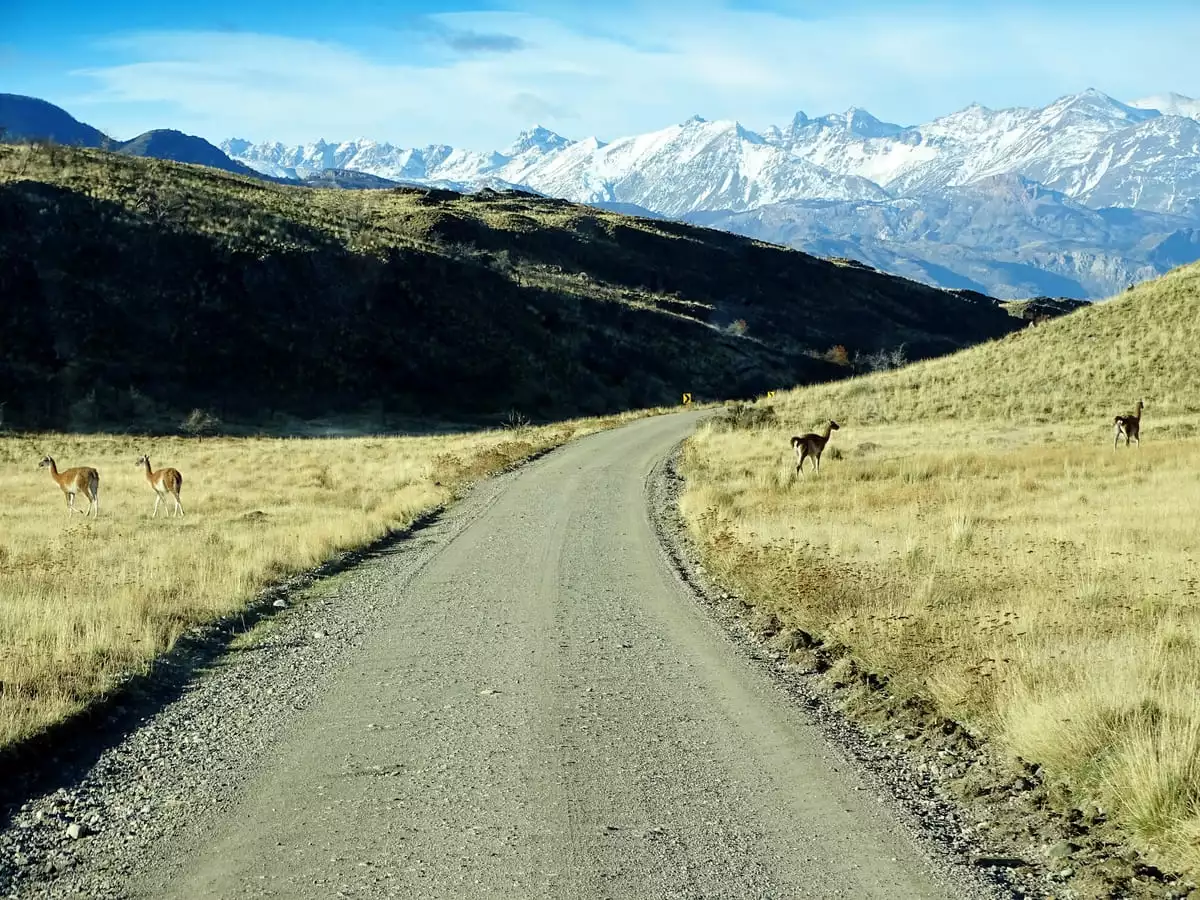
Knowing the jargons of the countries are essential to be able to communicate in the correct way when we travel. In this case, if you are going to travel to Chile, we are going to tell you the words that you should know.
Traveling through Chile is not only about discovering incredible landscapes, from the Atacama Desert to Patagonia, but also about experiencing the local way of speaking. Chilean Spanish is known for its unique expressions, fast rhythm, and informal words that can sometimes sound completely different from the Spanish taught in textbooks.
From the famous “po” at the end of sentences to expressions like “cachai” and “bacán,” learning a few examples of Chilean slang can make conversations easier and help you connect with locals during your trip.
In this guide, we will explore some of the most common Chilean slang words and phrases, explain what they mean, and show you how they are used in everyday conversations — so you can better understand the language and culture you will encounter while traveling in Chile.

Why Chilean Spanish Sounds So Different
Even for fluent Spanish speakers, Chilean Spanish can take some time to understand. The country’s unique accent, fast rhythm, and extensive use of local expressions make it one of the most distinctive varieties of Spanish in Latin America.
The way Chileans speak has been shaped by history, geography, and everyday communication. Over time, informal expressions, shortened words, and local pronunciation patterns became an essential part of Chilean identity.
Speaking Fast and Connecting Words
One of the first things visitors notice is that Chileans often speak quickly and connect words together. In casual conversations, some sounds are shortened or dropped, which can make familiar Spanish words seem completely different.
For example:
- “Para” may sound closer to “pa’”.
- “Estoy” can become “toy” in informal speech.
- “Nada” may sound like “na’a”.
This relaxed pronunciation is common in everyday conversations, but it does not mean Chileans are speaking incorrectly — it is simply part of the local accent.
The Famous “-ai” Ending
One of the most recognizable features of Chilean Spanish is the use of the “-ai” ending in informal speech.
Instead of standard forms such as:
- ¿Cómo estás? → ¿Cómo estái?
- ¿Qué haces? → ¿Qué hacís?
These endings are especially common in conversations between friends and are a key part of Chilean Spanish.
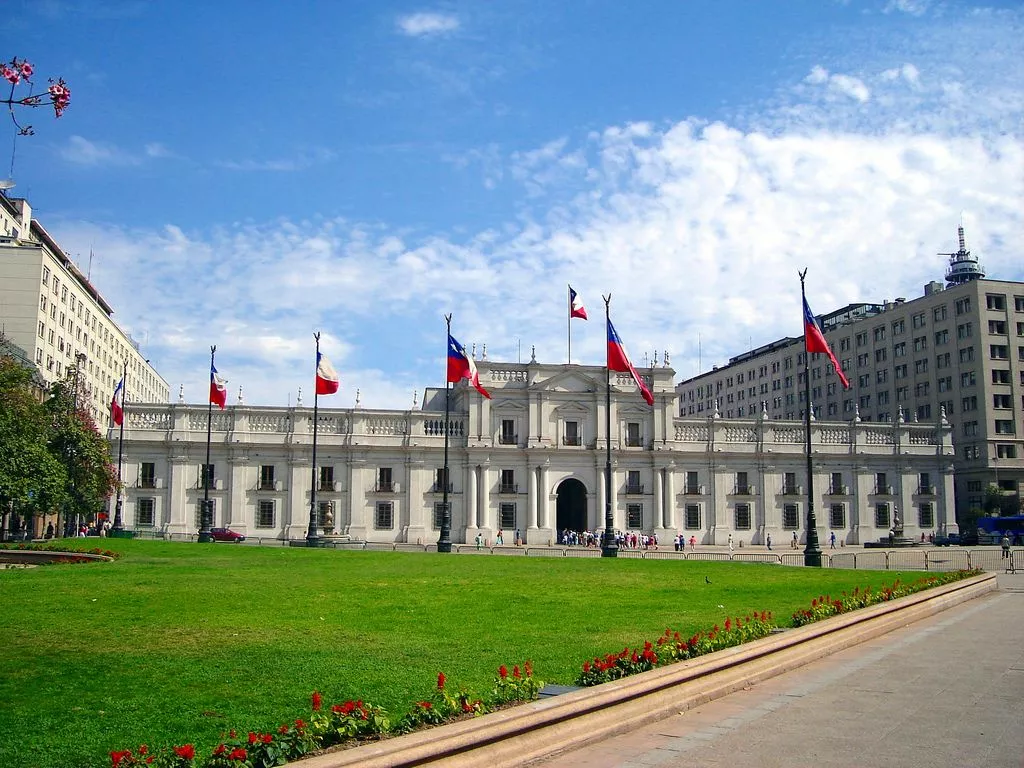
Why Do Chileans Say “Po”?
The word “po” is probably the most famous Chilean expression. It comes from the word “pues” and is used as a conversational particle to add emphasis or a sense of familiarity.
Examples:
- Sí po → “Yes, of course.”
- No po → “No, obviously.”
- Vamos po → “Let’s go.”
It does not have a direct translation, but it is one of the expressions visitors will hear constantly while traveling through Chile.
For more context about the country’s culture, landscapes, and local experiences, explore our Chile travel guide.
Everyday Slang (with Examples)
The best way to understand Chilean slang is to see how it is used in everyday conversations. Many of these expressions are informal and are mostly used among friends, family, or in relaxed situations, so context and tone are always important.
Here are some of the most common Chilean slang words you are likely to hear while traveling through Chile.
Po
Po is probably the most recognizable Chilean expression. It comes from “pues” and is used as a conversational particle to add emphasis, familiarity, or emotion to a sentence.
It does not change the meaning of the sentence completely, but it makes the expression sound more naturally Chilean.
Examples:
- Sí po → “Yes, of course.”
- No po → “No, obviously.”
- Vamos po → “Let’s go.”
Visitors will hear po everywhere in Chile, from casual conversations between friends to everyday interactions in shops and restaurants.
Cachai
Cachai comes from the English word “catch” and is one of the most common expressions in Chilean Spanish. It means “do you understand?”, “you know?”, or “get it?”
It is often placed at the end of a sentence when someone wants to check that the other person is following the conversation.
Examples:
- Está lejos, cachai? → “It is far, you know?”
- Es una tradición chilena, cachai. → “It is a Chilean tradition, you understand.”
If you spend time in Chile, this is one of the first words you will recognize.
Weón / Weá
Weón (also written as hueón or weon) is one of the most versatile — and confusing — Chilean expressions. Depending on the context and tone, it can mean “guy,” “person,” “friend,” or even be used as an insult.
Among close friends, it can be used affectionately:
- Ese weón es mi amigo. → “That guy is my friend.”
- Hola, weón. → “Hey, man.”
However, the same word can sound offensive if used with someone you do not know well or in the wrong situation.
Weá is another informal expression derived from the same word family and is often used to refer to a thing or object, similar to “thing” or “stuff.”
Example:
- Pásame esa weá. → “Pass me that thing.”
These are very common words in casual Chilean conversations, but travelers should be careful using them until they understand the context.

Bacán & La Raja
Both bacán and la raja are expressions used to say that something is excellent, impressive, or very enjoyable.
Bacán is similar to saying “cool,” “great,” or “awesome.”
Examples:
- El paisaje está bacán. → “The landscape is amazing.”
- Ese restaurante está bacán. → “That restaurant is great.”
La raja is a stronger and more informal expression, similar to “awesome” or “incredible.”
Examples:
- El viaje estuvo la raja. → “The trip was amazing.”
- La vista es la raja. → “The view is incredible.”
Both expressions are common among Chileans, especially when talking about experiences, places, or activities.
Pololo / Polola
In Chile, pololo means boyfriend and polola means girlfriend. These words are commonly used in everyday conversations and are a distinctive part of Chilean Spanish.
Examples:
- Mi polola vive en Santiago. → “My girlfriend lives in Santiago.”
- Voy a viajar con mi pololo. → “I am traveling with my boyfriend.”
Unlike in many other Spanish-speaking countries, where words like novio or novia are more common, Chileans often use pololo/polola in casual speech.
Slang for Going Out & Food
Food and social life are a big part of Chilean culture, and many everyday expressions appear around meals, drinks, and plans with friends. Understanding these Chilean slang words will help you follow conversations when locals invite you out, recommend a place, or talk about a typical Chilean experience.
Here are some useful expressions you are likely to hear:
Carrete
Carrete means a party, gathering, or night out with friends. It is one of the most common Chilean words for social events.
Examples:
- Vamos a un carrete esta noche. → “We are going to a party tonight.”
- El carrete estuvo muy bueno. → “The party was really good.”
A carrete can refer to anything from a casual gathering at someone’s home to a bigger celebration.
Copete
Copete refers to alcoholic drinks or beverages, especially when talking about going out or socializing.
Examples:
- ¿Compramos copete para la noche? → “Should we buy drinks for tonight?”
- Hay mucho copete en la fiesta. → “There are many drinks at the party.”
You will often hear this word when Chileans talk about celebrations, gatherings, or weekends.
Once
The once is a traditional Chilean afternoon meal that usually takes place in the evening, somewhere between a snack and dinner. It often includes bread, cheese, avocado, jam, tea, coffee, and other simple foods shared at home.
Examples:
- Vamos a tomar once. → “Let’s have once.”
- Mi familia se junta para la once. → “My family gets together for the afternoon meal.”
For many Chileans, la once is not just a meal but a social tradition.
Completo
A completo is Chile’s famous version of the hot dog and one of the country’s most popular fast foods. While the word itself simply means “complete,” in Chile it usually refers to a hot dog topped with ingredients such as tomato, avocado, mayonnaise, and other sauces.
Examples:
- Me voy a comer un completo italiano. → “I am going to eat an Italian-style completo.”
- Los completos son muy típicos en Chile. → “Completo hot dogs are very typical in Chile.”
Palta
Palta means avocado and is a word you will hear constantly when ordering food in Chile.
Examples:
- Un completo con palta, por favor. → “A hot dog with avocado, please.”
- ¿Quieres pan con palta? → “Do you want bread with avocado?”
While many Spanish-speaking countries use aguacate, Chileans commonly say palta.
Learning these expressions will make ordering food and joining local conversations much easier — especially when exploring Chile’s restaurants, markets, and traditional dishes.
Useful Phrases for Travelers
Learning a few local expressions can make everyday interactions easier and help you connect with people during your trip. While standard Spanish will always be understood, using some common Chilean Spanish phrases can make conversations feel more natural and show appreciation for the local culture.
Here are some expressions that can be especially useful while traveling in Chile:
| Chilean phrase | Meaning | When to use it |
| ¿Cachai? | “Do you understand?” / “You know?” | Used at the end of a sentence to check if someone is following the conversation |
| Al tiro | Right away / immediately | Useful when someone tells you they will do something quickly. Example: Te ayudo al tiro (“I’ll help you right away”) |
| Buena onda | Nice, friendly, good vibes | Used to describe a person, place, or situation. Example: El guía fue muy buena onda (“The guide was really nice”) |
| Está bacán | It is great / awesome | Used to express that something is impressive or enjoyable. Example: La vista está bacán (“The view is amazing”) |
| No pasa na’ | No problem / it is okay | A casual way to say that everything is fine |
| ¿Cuánto sale? | How much does it cost? | A very common way to ask for a price |
| ¿Me puede ayudar? | Can you help me? | A useful polite phrase when asking for assistance |
| ¿Dónde queda…? | Where is… located? | Useful when asking for directions |
A few additional expressions you may hear while exploring Chile include:
- Buena onda → used frequently to describe friendly people and positive experiences.
- De una → “Sure” or “absolutely.”
- Ya → can mean “okay,” “alright,” or “I understand,” depending on the context.
- Al tiro → one of the most useful expressions for daily interactions, especially when someone tells you something will happen quickly.
Using these phrases is not about speaking perfect Chilean Spanish — it is about understanding local conversations and creating more authentic connections during your journey.
Words to Use with Care
Some Chilean slang words are very common among locals but can be tricky for visitors because their meaning depends heavily on context, tone, and the relationship between the people speaking.
Learning these expressions is useful for understanding conversations, but it is always better to hear how locals use them before adding them to your own vocabulary.
Weón / Weona
As explained earlier, weón is one of the most common Chilean expressions, but also one of the easiest to misuse.
Among friends, it can be similar to saying “mate,” “dude,” or “guy”:
- Ese weón es mi amigo. → “That guy is my friend.”
However, when said with the wrong tone or toward someone you do not know, it can become offensive.
As a traveler, it is better to understand the word rather than use it immediately.
Weá
Weá is an extremely informal way to refer to a thing, object, or situation. It is similar to saying “thing” or “stuff,” but it belongs to very casual conversations.
Examples:
- ¿Dónde está esa weá? → “Where is that thing?”
- Qué weá más rara. → “What a strange thing.”
Because of its informal nature, it is not appropriate for professional situations, formal conversations, or when speaking with people you have just met.
Huevón / Huevada
You may also see these words written with h (hueón, huevada), which are alternative spellings of the same expressions. Their meaning changes depending on the context and the speaker’s intention.
They can be:
- Friendly between close friends.
- Humorous in casual conversations.
- Offensive if used aggressively.
Chilean Slang Is About Context
The most important rule with chilenismos is that the same word can sound completely different depending on who says it, how they say it, and who they are talking to.
As a visitor, using simple expressions like po, cachai, or bacán can be a fun way to connect with locals, while stronger slang is best learned through listening first.
Understanding these nuances is part of discovering Chile’s culture and communication style — just as important as exploring its landscapes, food, and traditions.
Frequently Asked Questions
What does “cachai” mean?
Cachai means “do you understand?”, “you know?”, or “get it?” in Chilean Spanish. It comes from the English word “catch” and is commonly used at the end of sentences to check if someone is following the conversation. For example: “Es una tradición chilena, cachai?” means “It is a Chilean tradition, you know?”
Why do Chileans say “po”?
Chileans use po as a conversational particle that adds emphasis or familiarity to a sentence. It comes from the word pues and does not have a direct translation. Expressions like “sí po” or “no po” are some of the most recognizable examples of Chilean Spanish.
What does “weón” mean in Chile?
Weón is one of the most common and versatile Chilean slang words. Depending on the context, it can mean “guy,” “person,” “friend,” or be used as an insult. Among close friends it can be affectionate, but visitors should be careful using it because tone and relationship are essential.
Is Chilean Spanish hard to understand?
Chilean Spanish can be challenging at first, even for people who already speak Spanish. The fast speaking rhythm, dropped sounds, shortened words, and large number of local expressions make it different from other varieties of Spanish. However, after spending some time in Chile, most travelers quickly become familiar with the accent and common phrases.
What does “pololo” mean?
Pololo means boyfriend and polola means girlfriend in Chile. These words are commonly used in everyday conversations and are one of the most distinctive examples of Chilean Spanish compared with other Spanish-speaking countries, where words like novio or novia are more common.