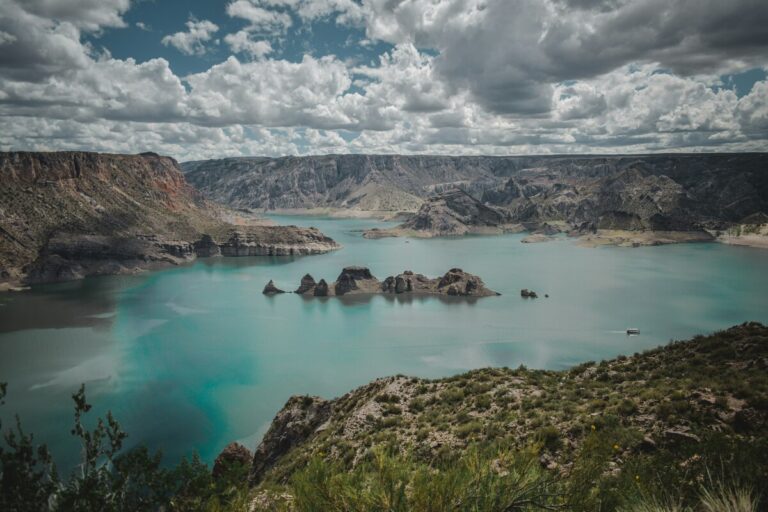
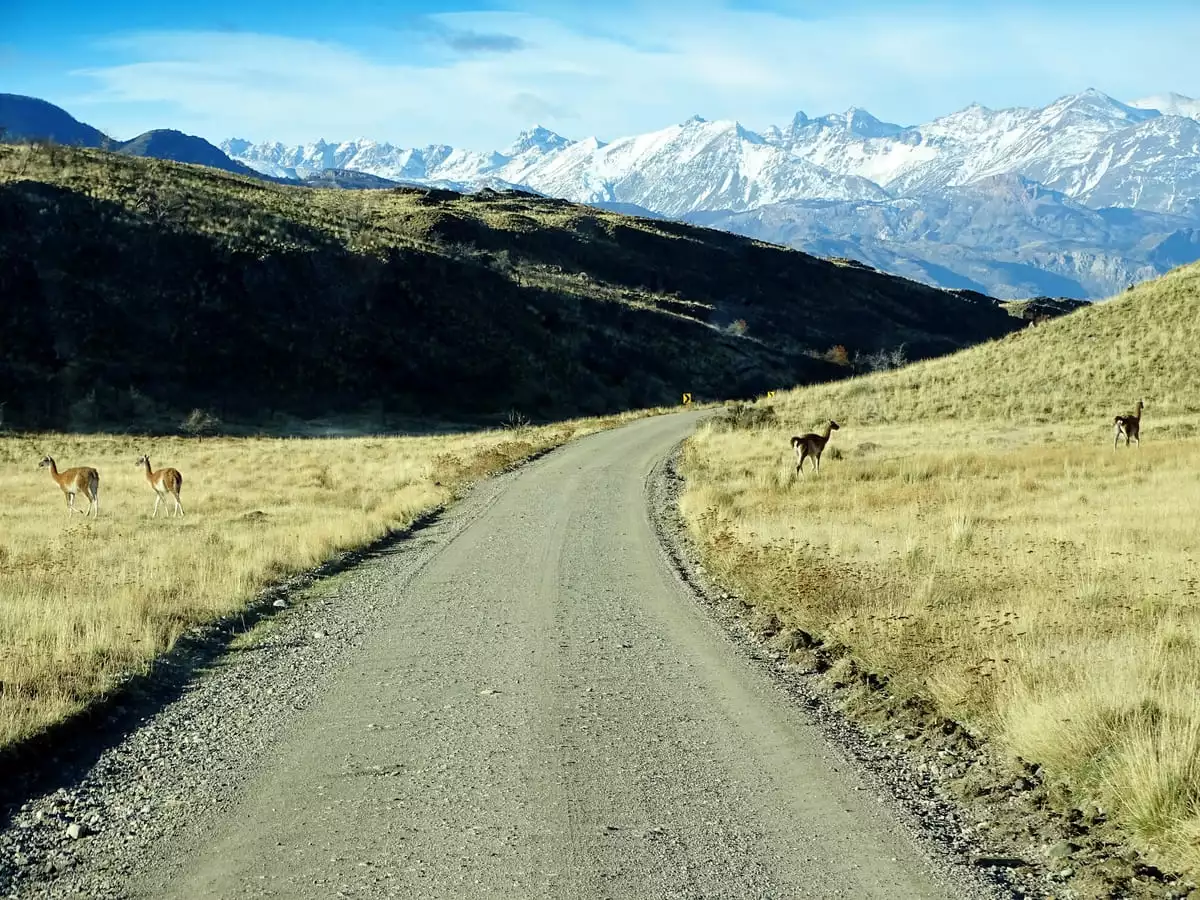
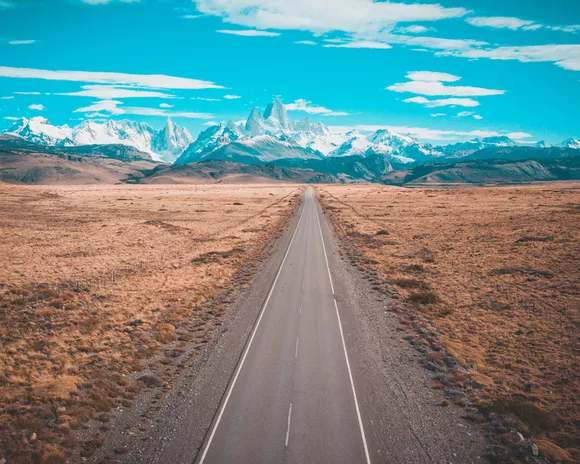
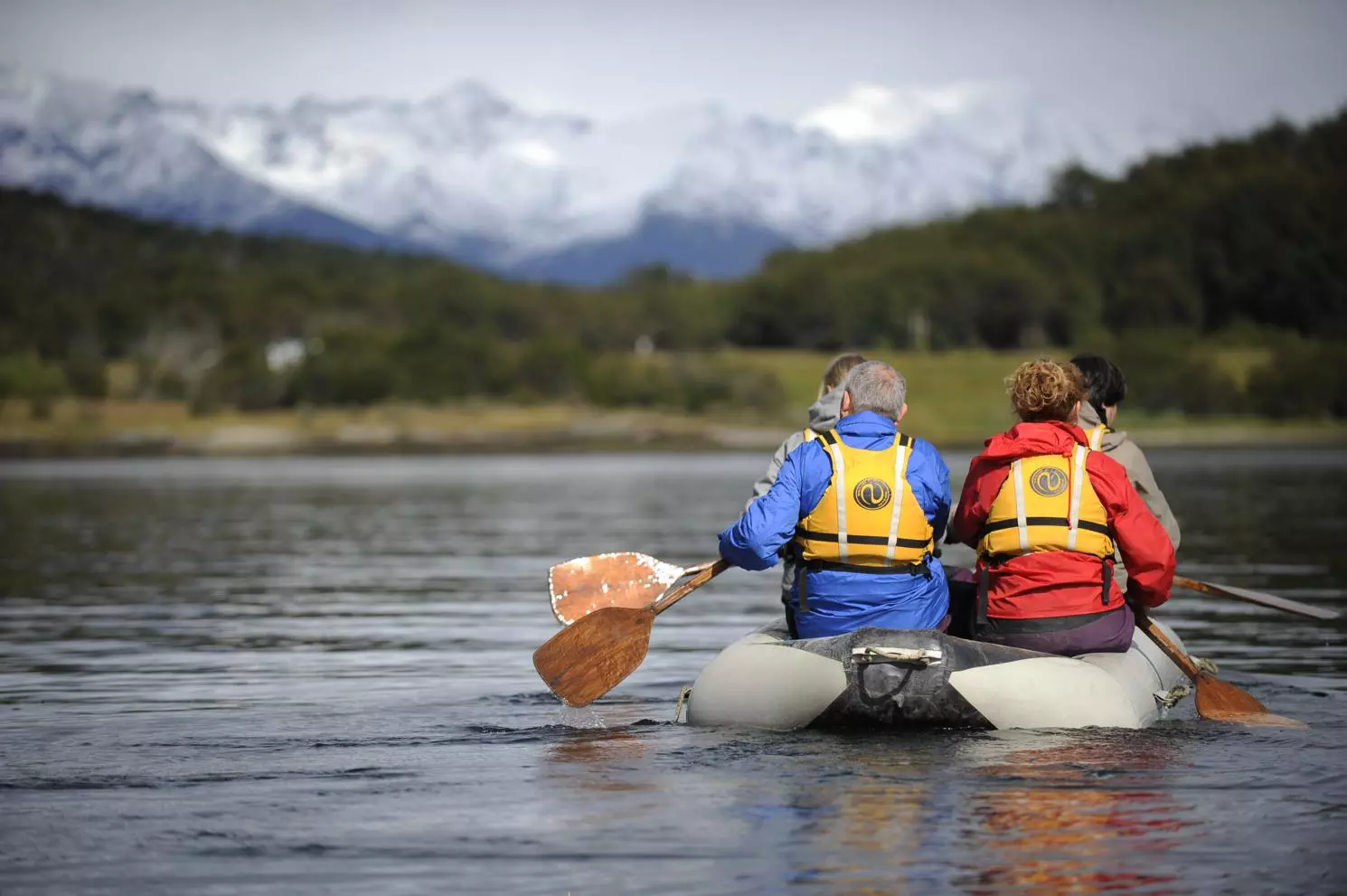
What makes the Route of the 7 lakes in Argentina so special? Well, it’s the most scenic route in the country and the first choice for anyone who would like to venture into a 180-kilometer self-drive trip experience. There are many villages and natural highlights to visit along this road. In 6 days you can travel from Bariloche to San Martín de Los Andes. What would you find on the road? Let’s see!
The Route of the 7 Lakes Argentina is one of the most scenic road trips in Patagonia, connecting crystal-clear lakes, ancient forests, and mountain landscapes along one of the most beautiful sections of Argentina’s famous Route 40.
Stretching between Villa La Angostura and San Martín de los Andes, this unforgettable drive takes travelers through the heart of Argentina’s Lake District, with panoramic viewpoints, hidden beaches, and some of the most spectacular scenery in the Andes.
Whether you are planning a self-drive adventure or looking for a way to include this route in a wider Patagonia itinerary, this guide covers everything you need to know: the seven lakes in order, distances, recommended stops, the best time to visit, and practical tips for driving the route.
What is the Route of the 7 Lakes?
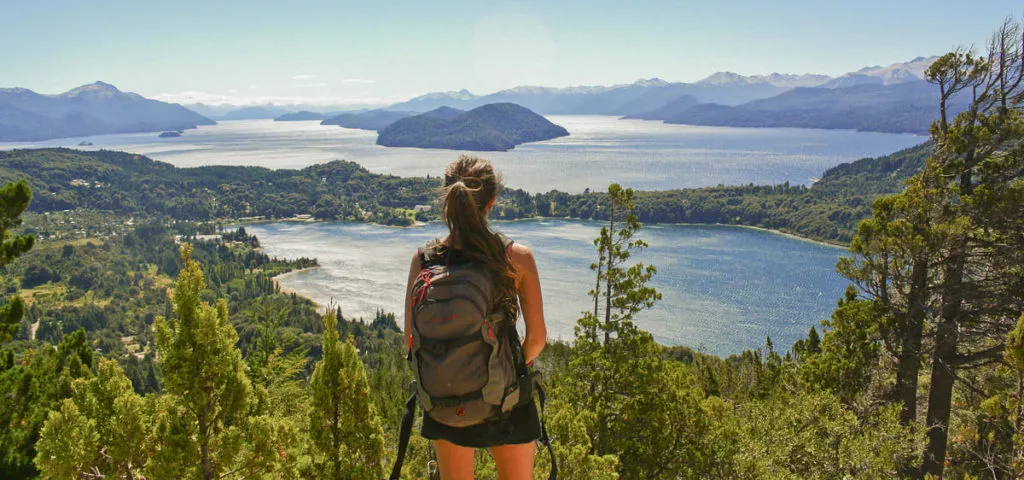
The Route of the 7 Lakes (Ruta de los Siete Lagos) is one of the most famous scenic drives in Argentina, crossing the northern area of Patagonia’s Lake District along a spectacular section of National Route 40.
The route connects Villa La Angostura in Neuquén Province with San Martín de los Andes, passing through turquoise lakes, lenga forests, mountain viewpoints, and protected natural areas such as Nahuel Huapi National Park and the surrounding Andean landscapes.
Although it is known as the “7 Lakes Route,” the journey is about much more than the lakes themselves. Along the way, travelers can stop at viewpoints, walk through native forests, enjoy peaceful beaches, and discover some of the most beautiful scenery in northern Patagonia.
The route is approximately 110 kilometers (68 miles) long and can be completed in a few hours, but most travelers choose to take a full day or more to enjoy the landscapes and stops along the way. It is one of the highlights of an Argentina Lake District road trip and a perfect complement to exploring destinations such as Bariloche, Villa La Angostura, and San Martín de los Andes.
The 7 lakes in order
One of the most common questions when planning the Route of the 7 Lakes Argentina is knowing the exact order of the lakes along the road. Driving from Villa La Angostura to San Martín de los Andes, the route follows a sequence of seven main lakes, each offering its own landscapes, viewpoints, and opportunities to stop.
The traditional order of the Seven Lakes Route Argentina is:
1. Lago Correntoso
Located just outside Villa La Angostura, Lago Correntoso is often the first stop of the route. Known for its turquoise waters and mountain views, it is one of the most photographed lakes in the area and a great place to begin the journey.
2. Lago Espejo
Meaning “Mirror Lake,” Lago Espejo is famous for its calm waters that reflect the surrounding Andes. It offers beautiful viewpoints and one of the most accessible beaches along the route, making it a popular place for a short stop or picnic.
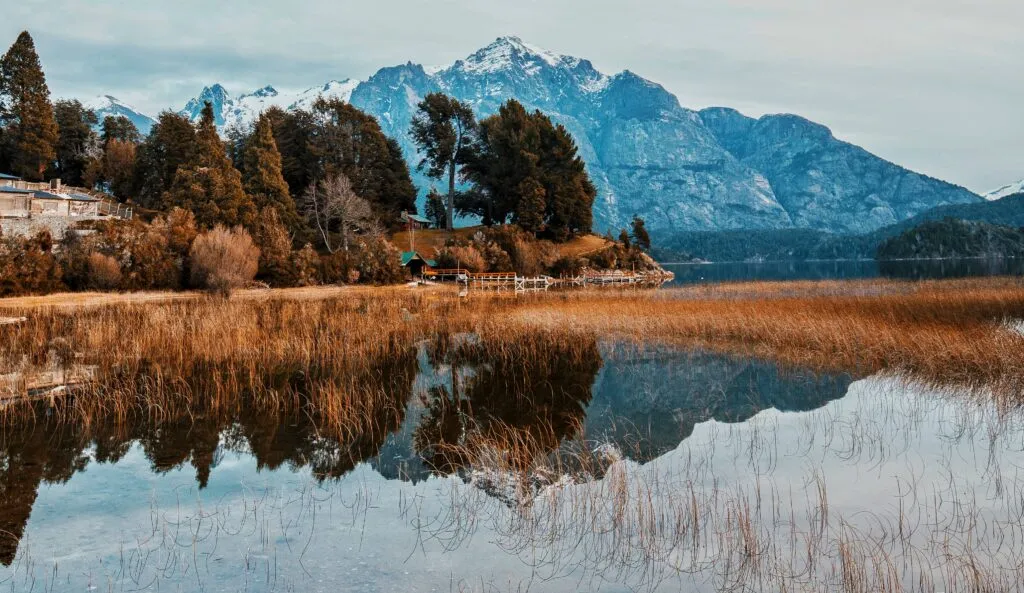
3. Lago Escondido
Hidden among forests, Lago Escondido is a smaller but charming lake surrounded by native vegetation. Its viewpoint from the road provides a peaceful perspective of Patagonia’s untouched landscapes.
4. Lago Villarino
Connected to Lago Falkner, Lago Villarino offers impressive views of deep blue waters surrounded by mountains. The area is ideal for taking photos and enjoying the contrast between forests, cliffs, and the lake.
5. Lago Falkner
One of the most scenic stops on the route, Lago Falkner is known for its dramatic mountain backdrop and wide beaches. Many travelers choose this area for a longer break, enjoying the views or having lunch surrounded by nature.
6. Lago Machónico
Located closer to San Martín de los Andes, Lago Machónico is a smaller lake with a spectacular viewpoint overlooking its emerald waters. It is a short but rewarding stop before reaching the final destination.
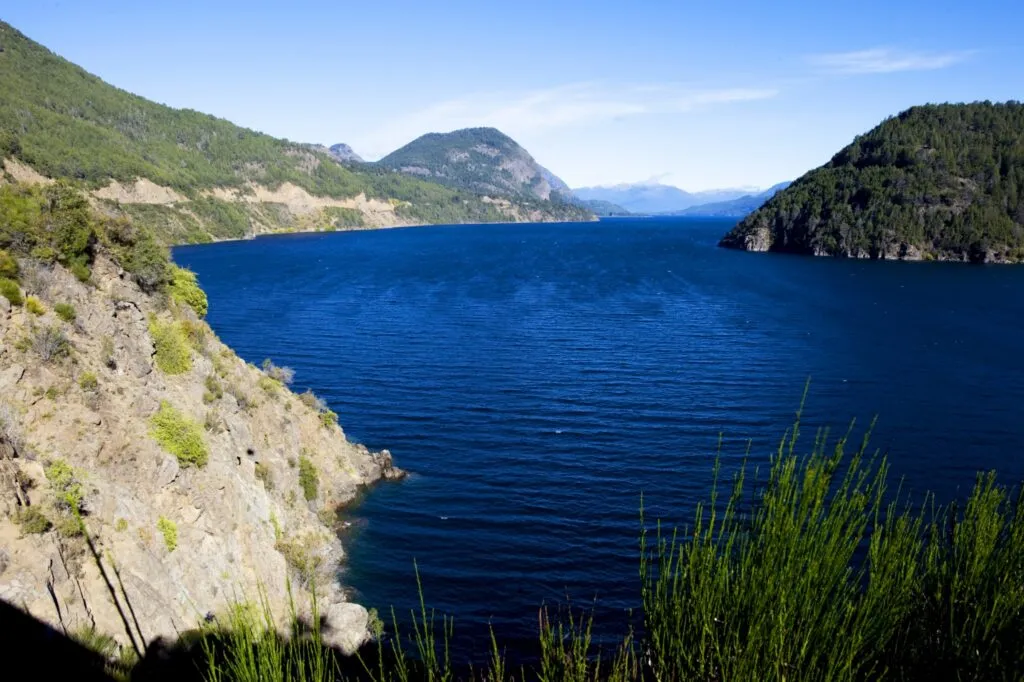
7. Lago Lácar
The final lake of the route is Lago Lácar, located at the entrance of San Martín de los Andes. Surrounded by mountains and forests, it marks the end of one of Patagonia’s most scenic road trips.
Although these seven lakes give the route its name, travelers will also encounter rivers, waterfalls, viewpoints, and additional landscapes along the way. Taking time to stop and explore is what makes this journey one of the most memorable experiences in Argentina’s Lake District.
How long does the drive take?
The Route of the 7 Lakes Argentina covers approximately 110 kilometers (68 miles) between Villa La Angostura and San Martín de los Andes. Without stops, the drive can take around 2 to 3 hours, but most travelers should plan for a full day to enjoy the viewpoints, beaches, and natural landscapes along the way.
The beauty of this road trip is not only reaching the final destination, but taking the time to stop and explore. Depending on your travel style, the route can be done in different ways:
- One-day trip: The most common option, allowing enough time to stop at the main viewpoints, take photos, and enjoy the lakes at a relaxed pace.
- Two-day road trip: A better choice for travelers who want to spend more time in nature, visit less crowded areas, or stay overnight along the route.
- Part of a larger Patagonia itinerary: Many travelers combine the route with destinations such as Bariloche, Villa La Angostura, and San Martín de los Andes as part of a wider Patagonia road trip.
Before starting your journey, it is useful to plan fuel stops, road conditions, and driving times. For more practical advice about traveling by car in Argentina, check our guide on things to know before doing a road trip in Argentina.
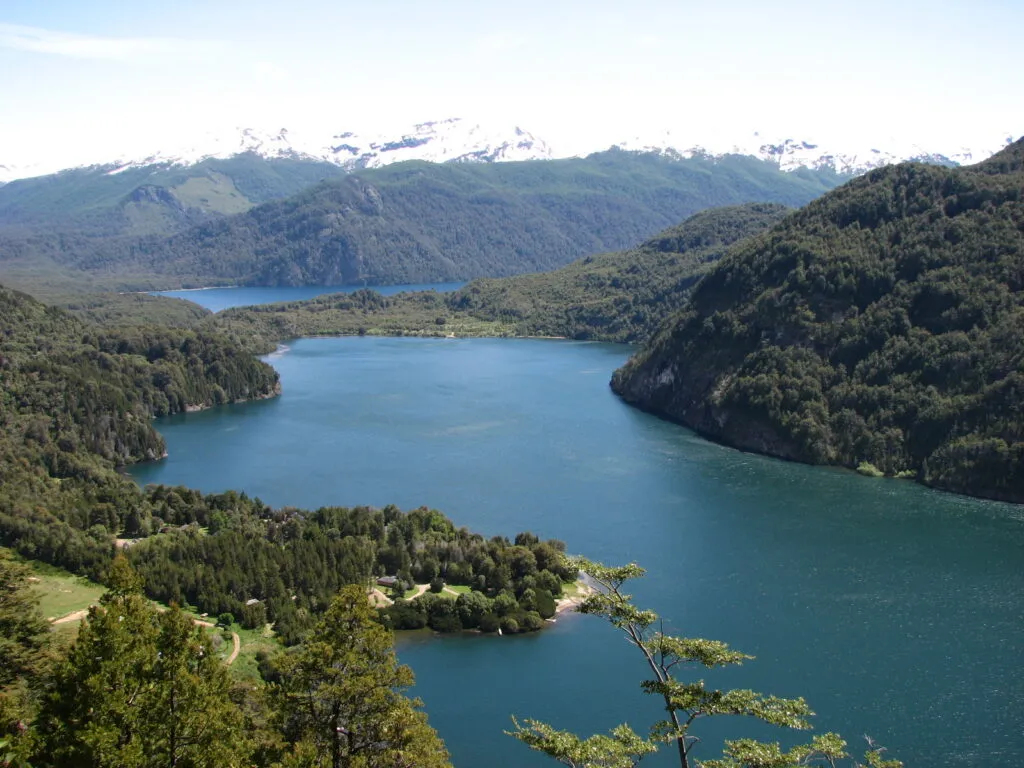
Where to start: Bariloche, Villa La Angostura or San Martín de los Andes
The Route of the 7 Lakes Argentina can be driven in either direction, but the best starting point depends on your itinerary and the destinations you want to combine it with. The classic route connects Villa La Angostura and San Martín de los Andes, but many travelers begin their journey from Bariloche, the main gateway to Argentina’s Lake District.
Starting from Bariloche
Starting from Bariloche is a popular option for travelers arriving by plane or exploring the Lake District. From Bariloche, you can reach Villa La Angostura in approximately 80 kilometers (50 miles), following scenic roads along Lake Nahuel Huapi before beginning the official Seven Lakes Route.
This option works especially well if you want to combine the route with other experiences in the region. Explore more about this destination with our Bariloche travel guide.
Starting from Villa La Angostura
Villa La Angostura is the official starting point of the Route of the 7 Lakes when traveling north toward San Martín de los Andes. This charming mountain village is surrounded by forests, lakes, and protected natural areas, making it an ideal place to spend a few nights before beginning the drive.
Starting here allows you to follow the traditional order of the seven lakes and gradually move through some of Patagonia’s most iconic landscapes.
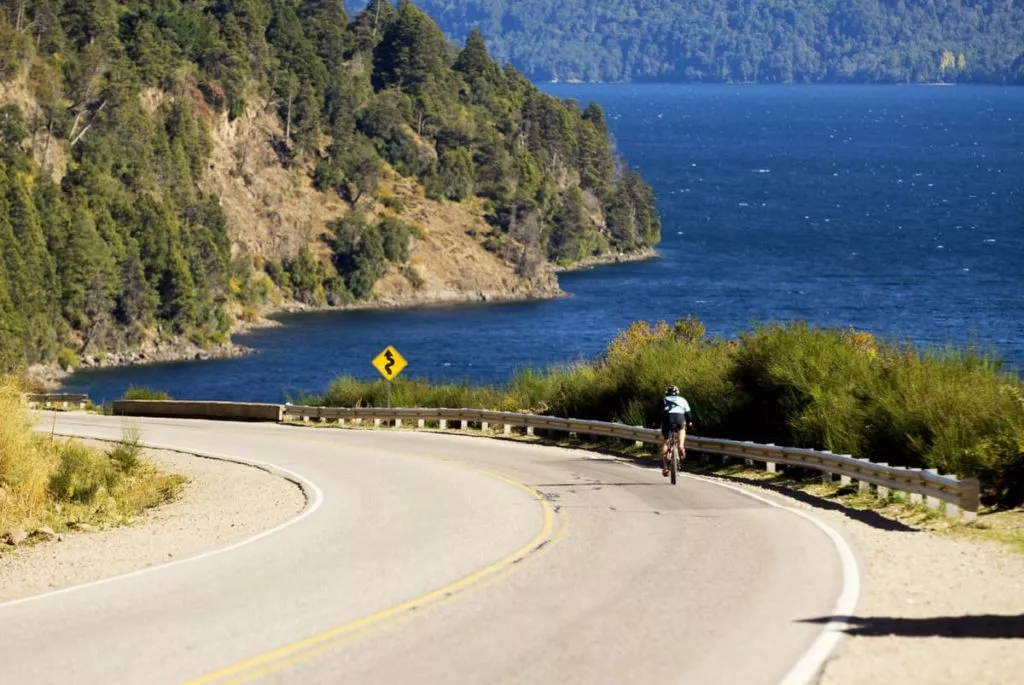
Ending in San Martín de los Andes
The route finishes in San Martín de los Andes, a picturesque mountain town located on the shores of Lago Lácar. It is a great place to relax after the drive, explore local trails, enjoy regional cuisine, or continue traveling through northern Patagonia.
For travelers with more time, the route can be part of a larger Lake District road trip, connecting destinations such as Bariloche, Villa La Angostura, and San Martín de los Andes.
Best Stops & Viewpoints Along the Way
One of the highlights of the Route of the 7 Lakes Argentina is that the journey is not only about reaching the final destination, but also about enjoying the landscapes along the way. Scenic viewpoints, peaceful beaches, native forests, and hidden corners make every stop part of the experience.
While the seven lakes are the main attraction, there are several places worth adding to your itinerary, especially if you have enough time to explore beyond the main viewpoints.
Bosque de Arrayanes
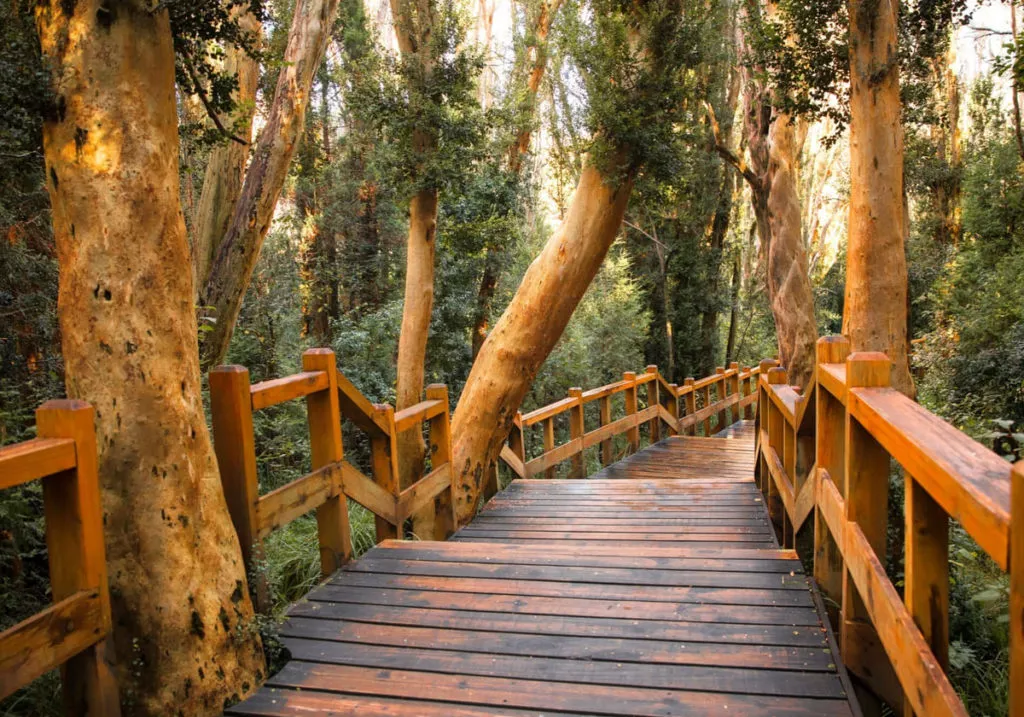
Located on the Quetrihué Peninsula near Villa La Angostura, the Bosque de Arrayanes is one of the most unique natural attractions in the region. This protected forest is famous for its ancient arrayán trees, recognizable by their cinnamon-colored bark and twisted shapes.
Although it is not directly on the main Route of the 7 Lakes road, many travelers include it before starting the drive from Villa La Angostura. The forest can be visited through a scenic boat ride on Nahuel Huapi Lake or by walking along a wooden trail that crosses the protected area.
The combination of native forest, lake views, and unusual trees makes this one of the most memorable experiences in Argentina’s Lake District. You can learn more about this area through our guide to Nahuel Huapi National Park.
Lago Espejo & Lago Correntoso
Two of the most beautiful stops at the beginning of the route are Lago Correntoso and Lago Espejo, both located close to Villa La Angostura.
Lago Correntoso is known for its turquoise waters, mountain views, and peaceful beaches. It is a great place to take photos, enjoy a short walk, or simply appreciate the scenery before continuing the drive.
A few kilometers further, Lago Espejo offers one of the most iconic viewpoints along the route. Its name (“Mirror Lake”) comes from the calm surface that often reflects the surrounding Andes, creating a spectacular landscape.
Both lakes are excellent places to slow down, enjoy Patagonia’s natural beauty, and understand why this road trip is considered one of Argentina’s most scenic journeys.
Best time of year to drive it
The Route of the 7 Lakes Argentina can be enjoyed throughout the year, but each season offers a different experience. The best time to drive the route depends on the type of landscapes you want to see, the weather conditions you prefer, and your travel plans in Patagonia.
Summer (December to March): Best for Longer Stops
Summer is the most popular season to explore the Seven Lakes Route. Days are longer, temperatures are milder, and the weather is ideal for hiking, visiting beaches, having picnics, and spending more time at each viewpoint.
This is also the busiest time of year, especially in January and February, so it is recommended to book accommodations in advance and start the drive early to enjoy the route with fewer crowds.
Autumn (April to May): Colors and Fewer Visitors
Autumn is one of the most beautiful seasons for this road trip. The forests surrounding the lakes transform into shades of orange, yellow, and red, creating spectacular scenery along the route.
With fewer visitors than summer, travelers can enjoy a quieter experience while still finding good conditions for driving.
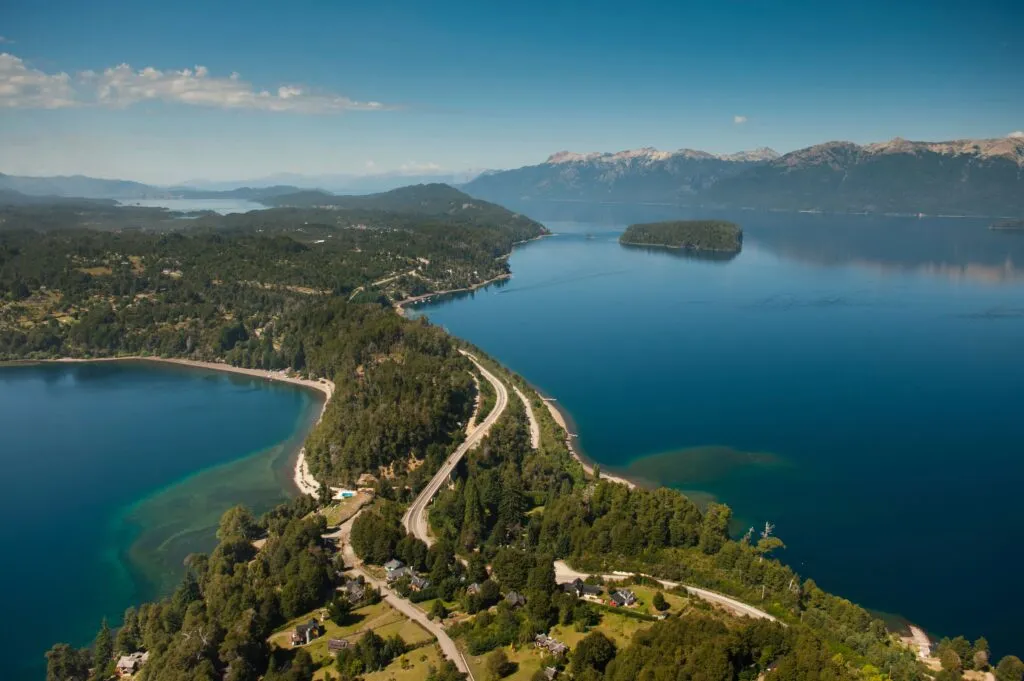
Spring (September to November): Nature Awakens
Spring brings blooming landscapes, greener forests, and increasing temperatures. It is a great season for travelers looking for a peaceful experience before the summer crowds arrive.
Some mountain areas may still have cooler temperatures, especially in the mornings and evenings, so bringing warm layers is recommended.
Winter (June to August): A Snowy Patagonia Experience
Winter transforms the Route of the 7 Lakes into a snowy landscape, offering a completely different perspective of the region. However, weather conditions can be more challenging, with possible snow, ice, and reduced visibility.
Before driving in winter, check road conditions and consider using appropriate equipment if needed.
Overall, the ideal months for a Route of the 7 Lakes road trip are generally October to April, when weather conditions are more favorable and most services are operating normally.
Driving tips (fuel, road conditions, high season)
Driving the Route of the 7 Lakes Argentina is a rewarding experience, but a little preparation will make the journey safer and more enjoyable. Although the route is scenic and accessible, it is important to consider fuel, weather conditions, and seasonal traffic before starting your road trip.
Fuel & Planning Your Stops
Fuel stations are limited along the route, so it is recommended to start the drive with a full tank, especially if you are traveling during low season or planning additional detours.
The safest option is to fill up in Villa La Angostura or San Martín de los Andes before beginning the route. If you are starting from Bariloche, make sure to organize your fuel stop before reaching the Seven Lakes section.
It is also a good idea to carry water, snacks, and basic supplies, as some stretches of the route have limited services.
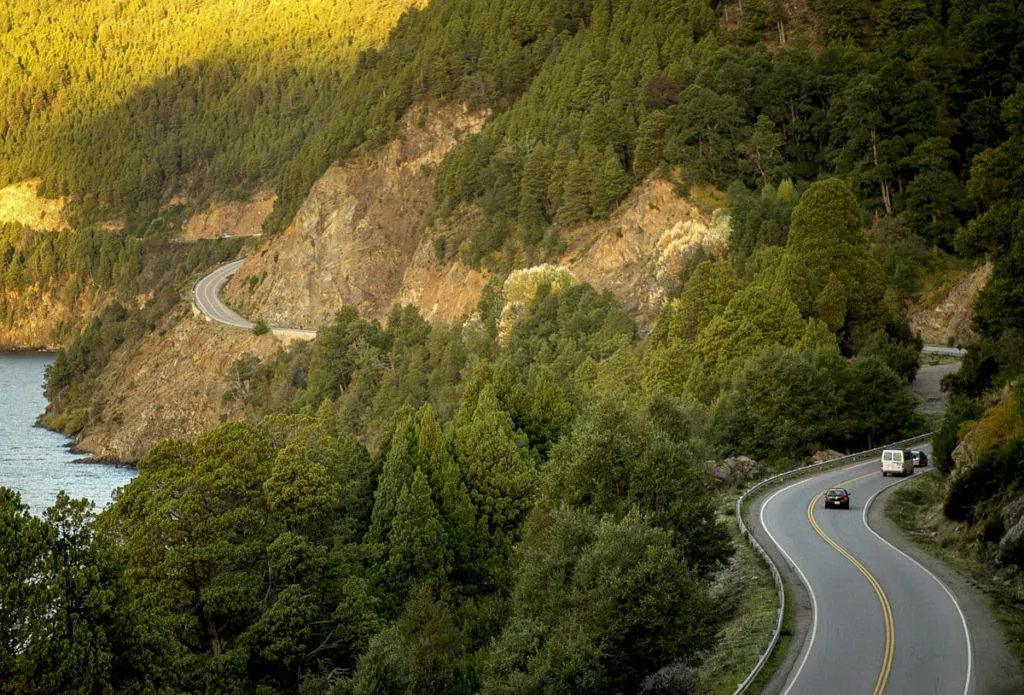
Road Conditions & Driving Tips
The Route of the 7 Lakes is mostly paved and suitable for regular vehicles. However, Patagonia weather can change quickly, and conditions may vary depending on the season.
During winter months, snow and ice can affect driving conditions, especially in higher areas. Always check the latest road conditions before traveling and drive carefully in rain, fog, or strong winds.
Some useful tips:
- Start early to enjoy the viewpoints with fewer visitors.
- Avoid rushing between stops; the scenery is the main attraction.
- Keep your camera accessible, as viewpoints appear frequently along the route.
- Download offline maps, as mobile signal can be limited in some areas.
For more practical advice about driving in Argentina, check our guide on things to know before doing a road trip in Argentina.
High Season & Reservations
Summer (especially January and February) is the busiest season for the Seven Lakes Route. During these months, viewpoints, beaches, and nearby towns can be more crowded, and accommodations in Villa La Angostura and San Martín de los Andes often fill up quickly.
If you are planning a summer road trip, booking accommodation in advance is recommended. Traveling during spring or autumn can be a great alternative, offering beautiful landscapes with fewer visitors.
For travelers who prefer to enjoy the route without organizing every detail, a Lake District self-drive tour can combine the freedom of driving with carefully planned logistics, accommodations, and local support.
Frequently Asked Questions
How long is the Route of the 7 Lakes?
The Route of the 7 Lakes Argentina is approximately 110 kilometers (68 miles) long, connecting Villa La Angostura and San Martín de los Andes through one of the most scenic sections of Patagonia’s Lake District. The drive itself takes around 2 to 3 hours without stops, but most travelers spend a full day enjoying the viewpoints and landscapes along the way.
Which are the 7 lakes?
The seven main lakes along the route, traveling from Villa La Angostura to San Martín de los Andes, are: Lago Correntoso, Lago Espejo, Lago Escondido, Lago Villarino, Lago Falkner, Lago Machónico, and Lago Lácar.
Can you drive the Route of the 7 Lakes in one day?
Yes, the Route of the 7 Lakes can be completed in one day, and this is the most common option for travelers. However, allowing extra time for viewpoints, beaches, short walks, and photo stops will make the experience much more enjoyable.
Is the Route of the 7 Lakes paved?
Yes, the main Route of the 7 Lakes is paved and suitable for regular vehicles. However, weather conditions can affect driving, especially during winter when snow and ice may appear. It is always recommended to check road conditions before starting the journey.
What is the best time of year to drive it?
The best time to drive the Route of the 7 Lakes is generally between October and April, when weather conditions are more favorable and most services are operating normally. Summer offers longer days and easier access, while spring and autumn provide beautiful landscapes with fewer visitors.