- 1. Why Mendoza Is a Serious Wine Destination
- 2. The Three Wine Regions, and How They Differ
- 3. What Kind of Wine Tour to Book
- 4. The Detail That Catches Everyone: Bodegas Don’t Take Walk-Ins
- 5. When to Go: The Harvest and the Seasons
- 6. How Long to Spend, and Combining Mendoza
- 7. Frequently Asked Questions
Mendoza is Argentina’s wine capital, and it isn’t close. More than seventy per cent of the country’s wine comes from here, the Malbec that made Argentine wine famous is at its best in these valleys, and the setting — vineyards climbing toward the snow-capped Andes — is among the most beautiful in the wine world.
But “doing Mendoza” badly is surprisingly easy. The region is large, spread across three distinct wine areas, and its finest wineries don’t accept walk-in visitors at all. Turn up without a plan and you’ll see the wrong bodegas at the wrong pace, and miss most of what makes the place extraordinary.
So this is a guide to the best Argentina wine tours in Mendoza: which regions to visit, what kind of tour to book, and — crucially — when to go, because the timing changes the experience as much as the itinerary does.
It’s written for the traveler who wants Mendoza to be a highlight rather than a blur of tastings, and who’d rather understand the region before booking than sort it out on arrival.
We’ll cover the three wine regions and how they differ, the types of tour worth booking, the harvest season, and how to fit Mendoza into a wider Argentina trip. Here’s what to book, and when.
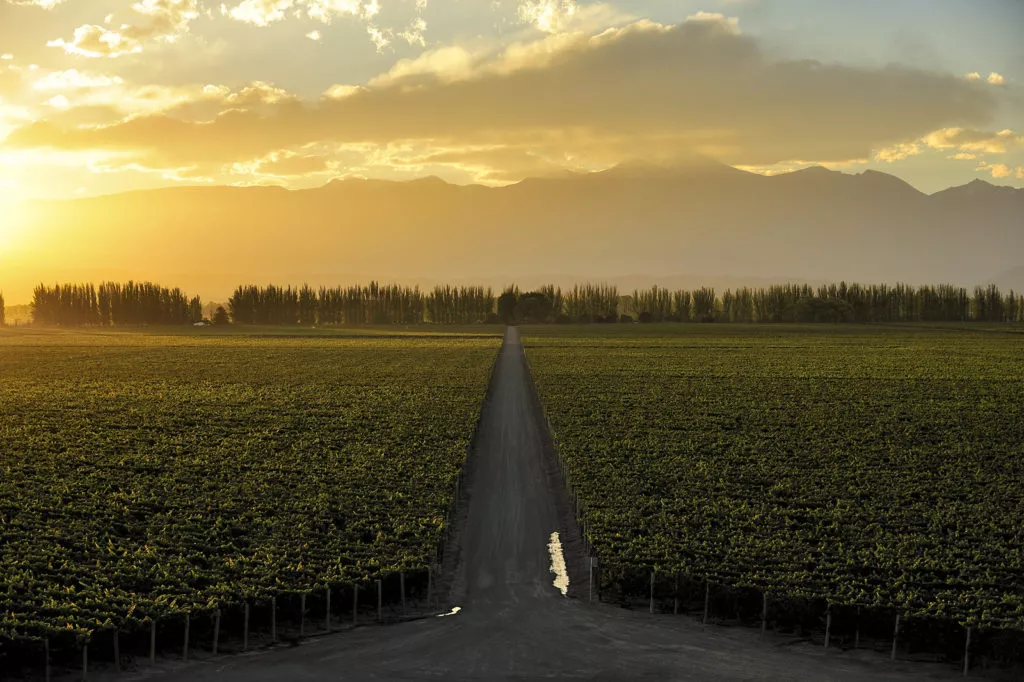
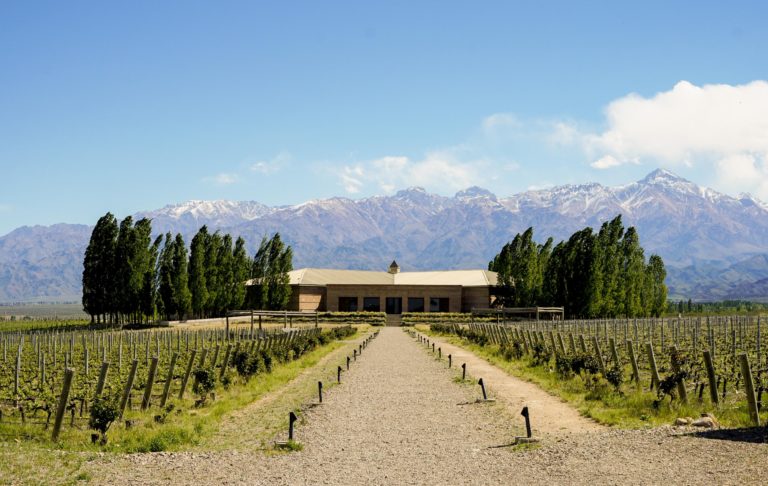
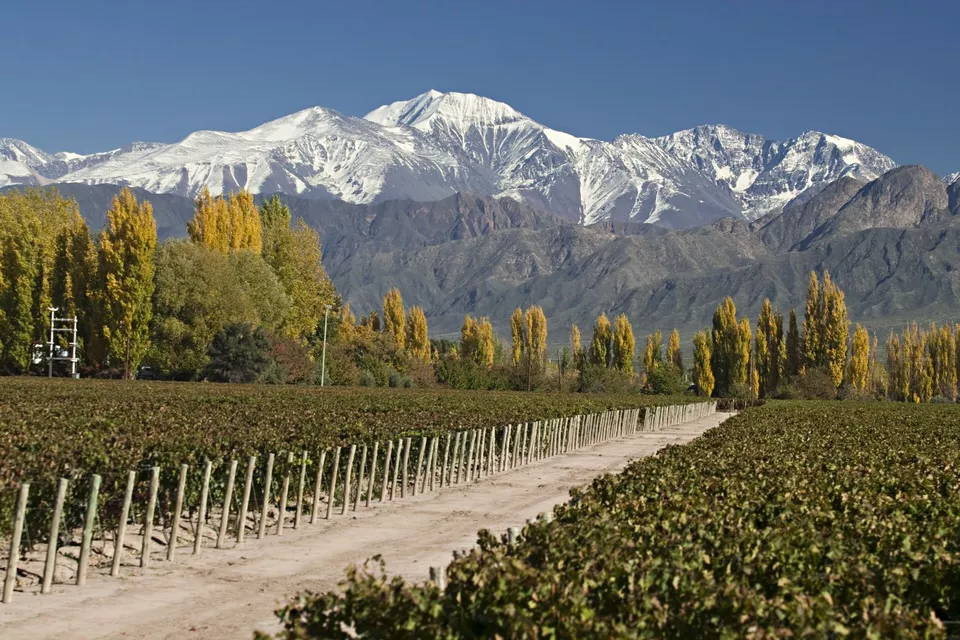
Mendoza’s vineyards climb to altitudes that would be eccentric anywhere else — with the Andes on the skyline.
1. Why Mendoza Is a Serious Wine Destination
Mendoza isn’t a novelty stop on an Argentine itinerary — it’s a genuine wine destination that rewards the same attention you’d give Tuscany or the Napa Valley.
The reason is altitude. Mendoza’s vineyards sit high — some above 1,500 metres, with the Andes on the skyline — and that altitude is the whole point. Thin air, intense sun and cold nights concentrate the fruit, which is why Argentine Malbec tastes the way it does and why the region produces wines taken seriously worldwide.
It’s also more than a glass. Mendoza is genuinely alpine, offering horseback rides into the foothills, high mountain passes, and long lunches under a canopy that run comfortably into the afternoon. The wine is the anchor, but the landscape is half the experience.
For travelers building a higher-end trip, Mendoza’s vineyard lodges are among Argentina’s best, as we cover in the top-rated luxury tours in Argentina.
Understand it as a wine region rather than a day trip, and Mendoza frequently becomes the unexpected favourite of an Argentina trip — the counterweight to Patagonia’s severity.
2. The Three Wine Regions, and How They Differ
The most useful thing to know before booking is that Mendoza isn’t one place. It’s three wine regions, each with a different character and a different feel, and a good tour usually focuses rather than trying to cover all of them.
Maipú is the closest to the city and the most historic — the birthplace of Mendoza wine, with traditional bodegas, olive groves, and an easy, accessible feel. It’s the most convenient for a short visit or a first taste.
Luján de Cuyo is the heart of premium Malbec, a little further out, with established estates and a reputation for the region’s benchmark reds. It’s where many of the serious names sit.
The Uco Valley is the highest, newest and most dramatic — vineyards at altitude with the Andes rising directly behind them, home to many of the region’s most celebrated modern wineries and its most striking architecture. It’s farther from the city, about an hour and a half, and worth the drive.
| Region | Character | Best for |
| Maipú | Historic, traditional, close to the city | A short visit or a first taste of Mendoza |
| Luján de Cuyo | The heart of premium Malbec | Benchmark reds and established estates |
| Uco Valley | High-altitude, dramatic, modern | Celebrated wineries and the best scenery |
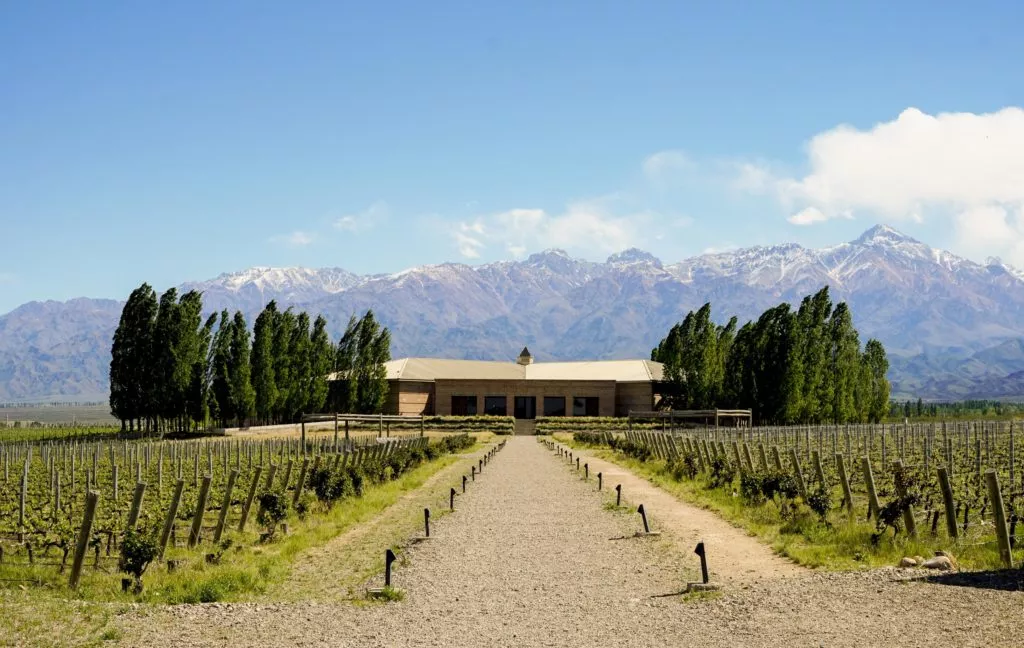
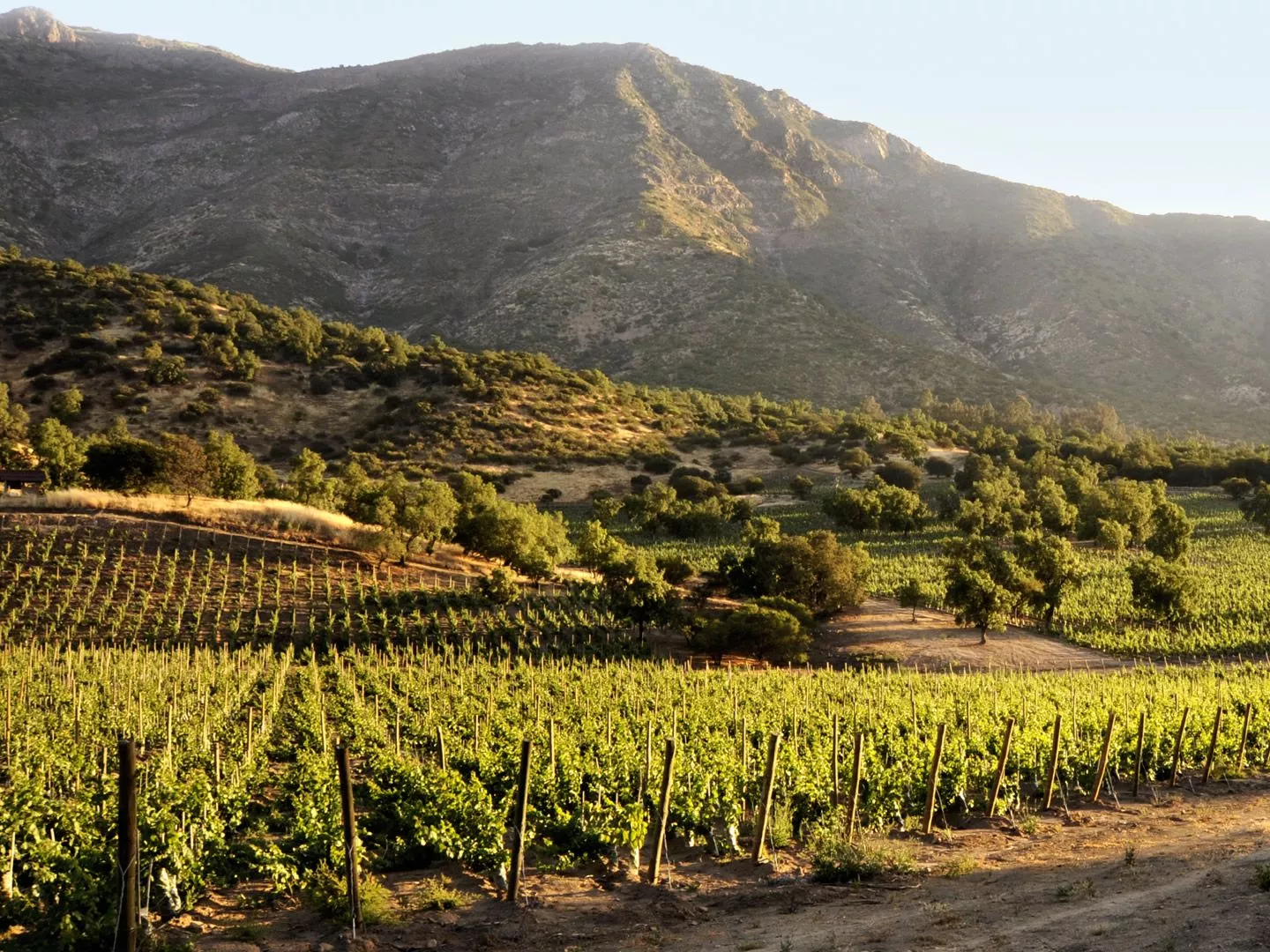
Mendoza is really three wine regions — Maipú, Luján de Cuyo and the Uco Valley — each with its own character.
3. What Kind of Wine Tour to Book
Mendoza wine tours come in several forms, and the right one depends on how deep you want to go and how much freedom you want.
Small-group day tours are the most economical, taking you to two or three wineries in one region with a shared guide. They’re a good introduction, with the trade-off that you move at the group’s pace.
Private tours are where Mendoza opens up. With a private guide and driver, you visit wineries chosen for your taste, at your pace, with time to linger — and, crucially, access to the estates that don’t take groups.
The standout format is the winemaker visit. The best Mendoza experiences aren’t tastings at a counter — they’re visits held with the winemaker, walking the vineyard and tasting from the barrel. These are arranged, not bought at the gate, which is exactly why a good tour matters.
This is the same access principle that runs through high-end Argentine travel: the value is in the doors that open, not the price of the pour. Our Mendoza wine tours are built around private visits for this reason.
4. The Detail That Catches Everyone: Bodegas Don’t Take Walk-Ins
Here’s the single most important practical fact about visiting Mendoza, and the one that catches independent travelers out.
Many of the finest bodegas don’t take walk-ins. Visits are by appointment only, arranged in advance, and the most sought-after estates book up — especially in high season. You cannot simply drive up to a great winery and expect to get in.
This is why a wine tour in Mendoza is genuinely worth it rather than an unnecessary expense. The difference between a good day and a great one is almost entirely a matter of doors, and those doors are opened by relationships and advance booking, not by turning up.
It also means spontaneity has limits here. You can wander into some of the larger, more commercial wineries, but the intimate, memorable visits — the ones with the winemaker, the barrel tastings, the estates with a handful of guests a day — require planning.
Book ahead, and Mendoza delivers its best. Improvise, and you’ll spend the day at whichever bodegas happen to take casual visitors, which is rarely where the magic is.
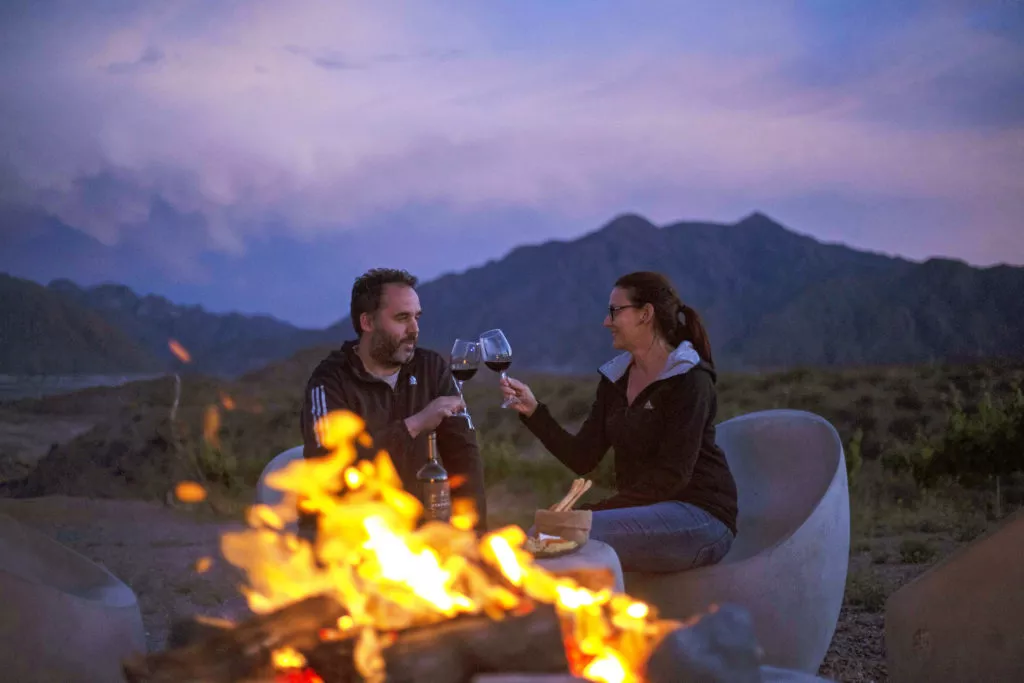
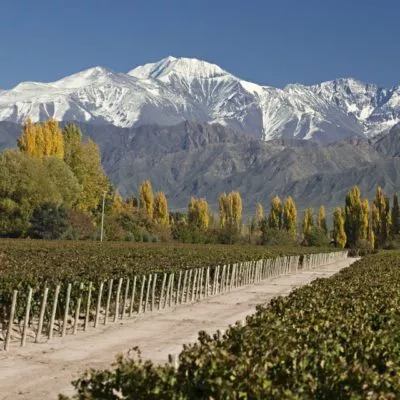
Mendoza’s finest bodegas don’t take walk-in visitors — access is arranged in advance, not bought at the gate.
5. When to Go: The Harvest and the Seasons
Timing shapes a Mendoza trip more than most travelers expect, and one season stands above the rest.
The March and April harvest — the vendimia — is Mendoza at its peak. The vineyards turn gold, the cellars are working, the region celebrates with festivals, and there’s an energy to the place you won’t find at any other time. If you can travel then, do.
Summer, from December to February, is warm and lush and perfectly good for visiting, though hotter. Autumn beyond the harvest brings spectacular colour as the vines turn. Winter, from June to August, is quiet and cool, with the Andes under snow and a stark beauty of its own — and it’s low season, so easier to book.
Spring, from September to November, sees the vineyards come back to life and is a lovely, uncrowded time to visit.
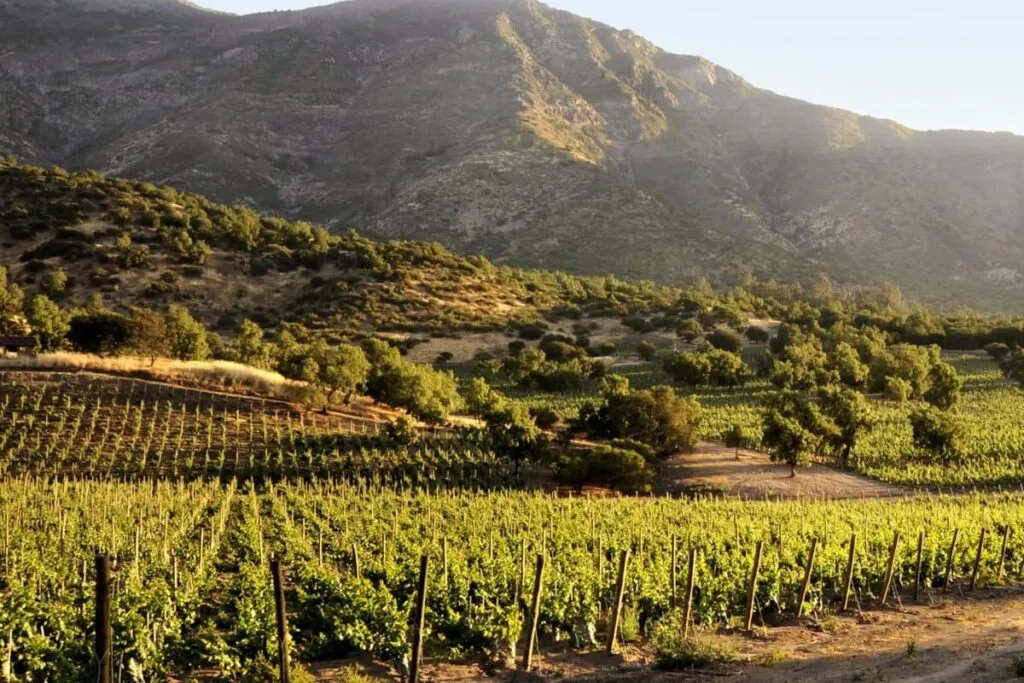
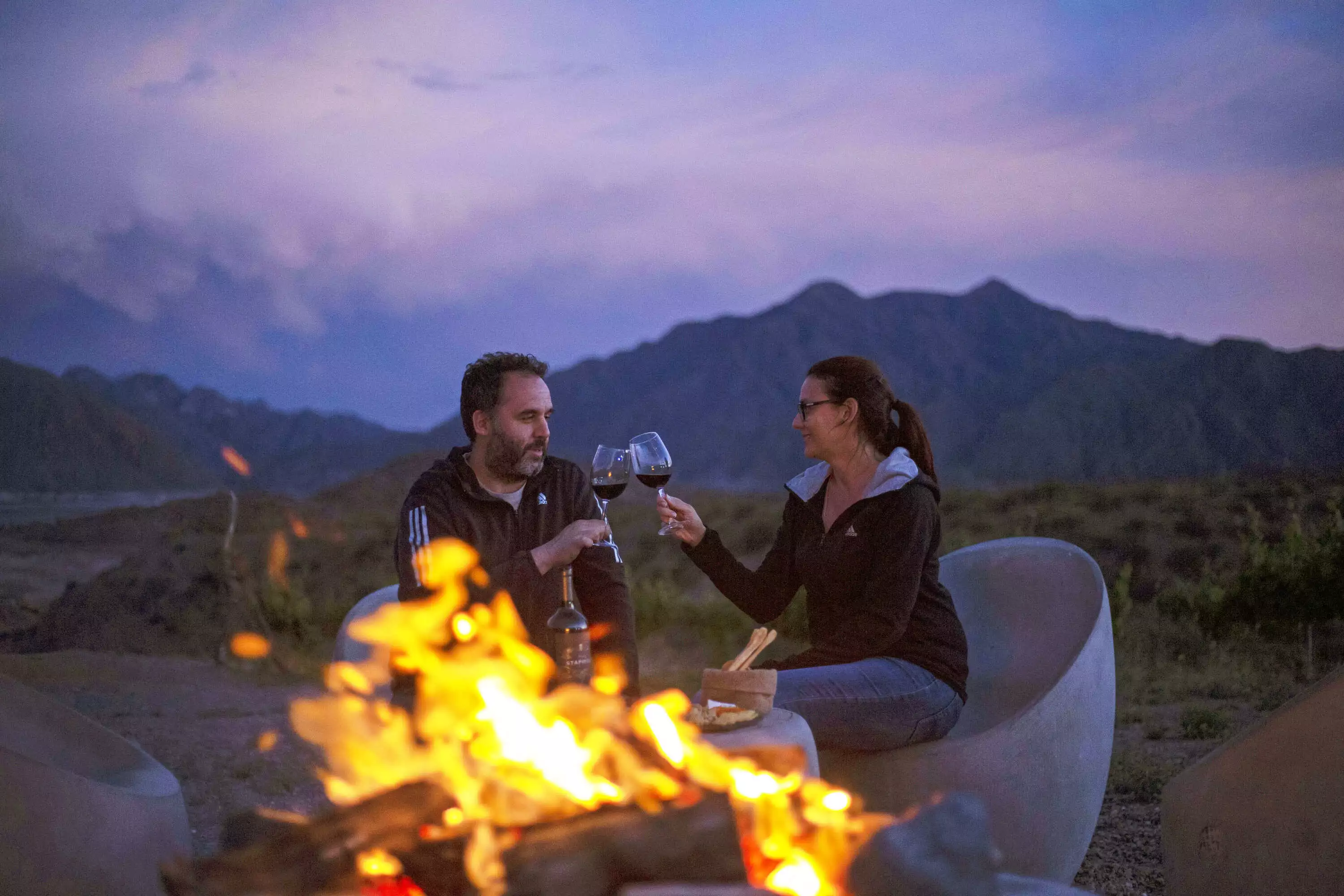
Each Mendoza season offers a different experience — from the working cellars of harvest to the snow-capped quiet of winter.
Because Mendoza’s peak differs from Patagonia’s and the north’s, timing a multi-region Argentina trip takes some thought — the kind of sequencing we cover in the best companies for multi-country tours in South America.
6. How Long to Spend, and Combining Mendoza
Mendoza rewards more than a rushed day, and the most common mistake is treating it as a single-day stop.
Two days is a sensible minimum: one for a region like Luján de Cuyo or Maipú close to the city, and one for the Uco Valley farther out, with its dramatic scenery and celebrated wineries. Three days lets you add a non-wine day — horseback riding in the foothills, a high-mountain drive toward Aconcagua, or simply a slower pace.
Mendoza combines beautifully with the rest of Argentina. It’s a short flight from Buenos Aires and pairs especially well with Patagonia, balancing the severity of the ice and granite with the ease of the wine country — a contrast travelers consistently remember.
For couples in particular, Mendoza is a highlight, as we note in our guide to the top couple trips in South America.
Our Mendoza trips and broader Argentina tours build the wine country into a wider route, and the Argentina travel guide helps you picture how it fits.
Two to three days lets Mendoza breathe — enough for two regions and a day beyond the glass.
7. Frequently Asked Questions
What are the best wine tours in Mendoza?
The best Mendoza wine tours are private visits built around your taste, because they give you access to the finest estates — including the ones that don’t take walk-in visitors — and time to linger with a winemaker rather than rushing a counter tasting.
Small-group day tours are a good, economical introduction, covering two or three wineries in one region. The standout experiences are winemaker-led visits with barrel tastings and vineyard walks.
Which region you choose matters too: Maipú for history and convenience, Luján de Cuyo for premium Malbec, and the Uco Valley for the most celebrated modern wineries and the best scenery.
When is the best time to visit Mendoza for wine?
The March and April harvest — the vendimia — is Mendoza at its absolute best. The vineyards turn gold, the cellars are working, and the region celebrates with festivals and an energy you won’t find at any other time.
Summer (December to February) is warm and perfectly good for visiting, if hotter. Autumn brings spectacular vine colour, spring sees the vineyards come to life, and winter is quiet, cool and easier to book.
If you can time your trip for the harvest, do — but Mendoza is a rewarding, beautiful destination year-round, and the quieter seasons make the sought-after wineries easier to reserve.
Do I need to book Mendoza wineries in advance?
Yes, and this is the most important practical thing to know. Many of Mendoza’s finest bodegas don’t take walk-ins — visits are by appointment only, and the most sought-after estates book up, especially in high season.
You cannot simply drive up to a great winery and expect to get in. The intimate, memorable visits — with the winemaker, tasting from the barrel — require advance arrangement.
This is exactly why a wine tour is worth it in Mendoza. The difference between a good day and a great one is a matter of doors, and those are opened by relationships and booking ahead, not by turning up.
How many days do you need in Mendoza?
Two days is a sensible minimum: one for a region close to the city like Luján de Cuyo or Maipú, and one for the Uco Valley farther out, with its dramatic high-altitude scenery and celebrated wineries.
Three days is better, letting you add a non-wine day — horseback riding in the Andean foothills, a high-mountain drive, or simply a slower pace.
A single day under-uses the region, since Mendoza is spread across three distinct wine areas and the best of it takes time. It combines well with a wider Argentina trip, being a short flight from Buenos Aires.
Which Mendoza wine region is the best to visit?
It depends on what you want. Maipú, closest to the city, is historic and convenient — the birthplace of Mendoza wine and a good first taste. Luján de Cuyo is the heart of premium Malbec, home to many benchmark reds and established estates.
The Uco Valley is the highest, newest and most dramatic, with vineyards at altitude beneath the Andes and many of the region’s most celebrated modern wineries and striking architecture.
A good two-day visit combines one region near the city with the Uco Valley farther out, giving you both the tradition and the spectacle. A tour focused on one or two regions beats trying to cover all three.
Is Mendoza worth visiting on an Argentina trip?
Very much so. Mendoza is a serious wine destination, producing the Malbec that made Argentine wine famous, with vineyards climbing toward the snow-capped Andes in one of the most beautiful settings in the wine world.
It’s also more than the wine — genuinely alpine, with horseback riding, high mountain passes, and long vineyard lunches. Many travelers plan it as an afterthought and remember it as a highlight.
It combines especially well with Patagonia, balancing the severity of the ice and granite with the ease of the wine country. A short flight from Buenos Aires, it slots naturally into a wider Argentina itinerary.