Planning a trip to Chile? Discover essential travel tips about the country’s regions, weather, currency, safety, local customs, transportation, and what to pack before exploring everything from the Atacama Desert to Patagonia.
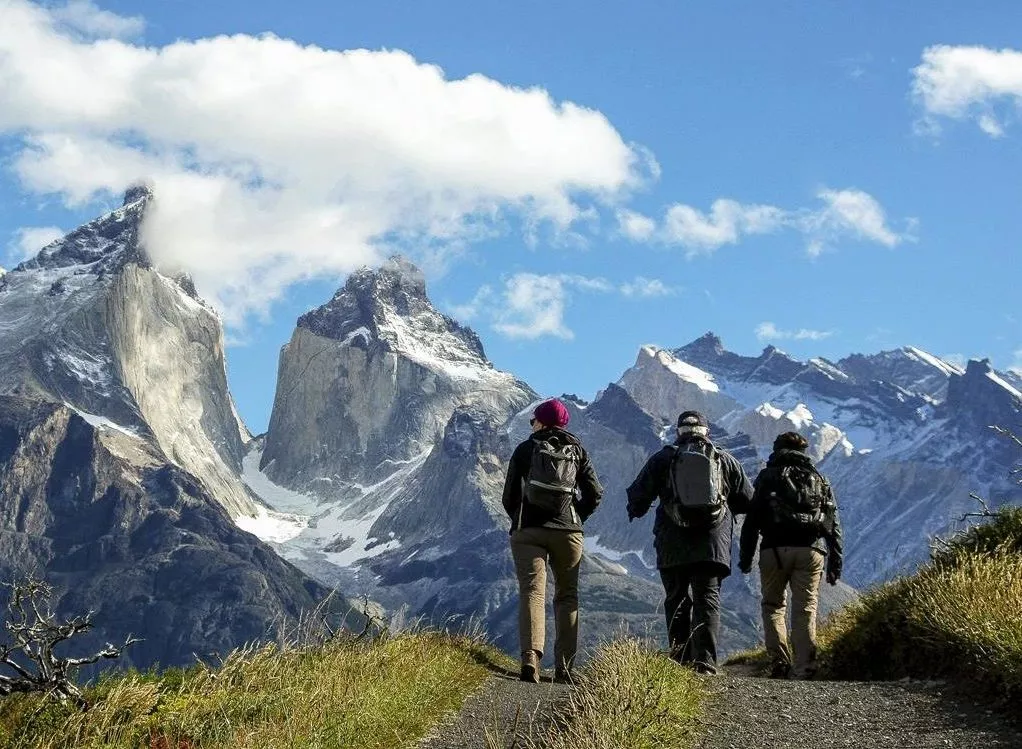
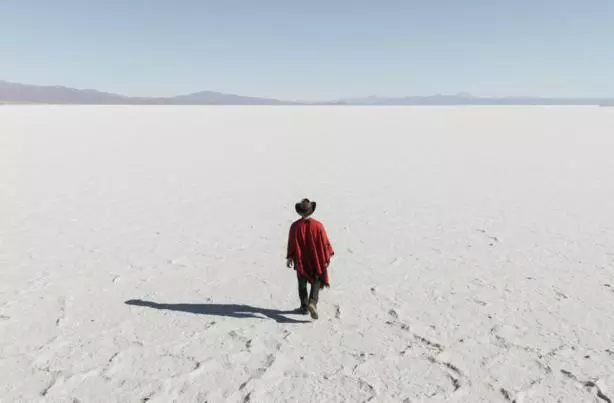
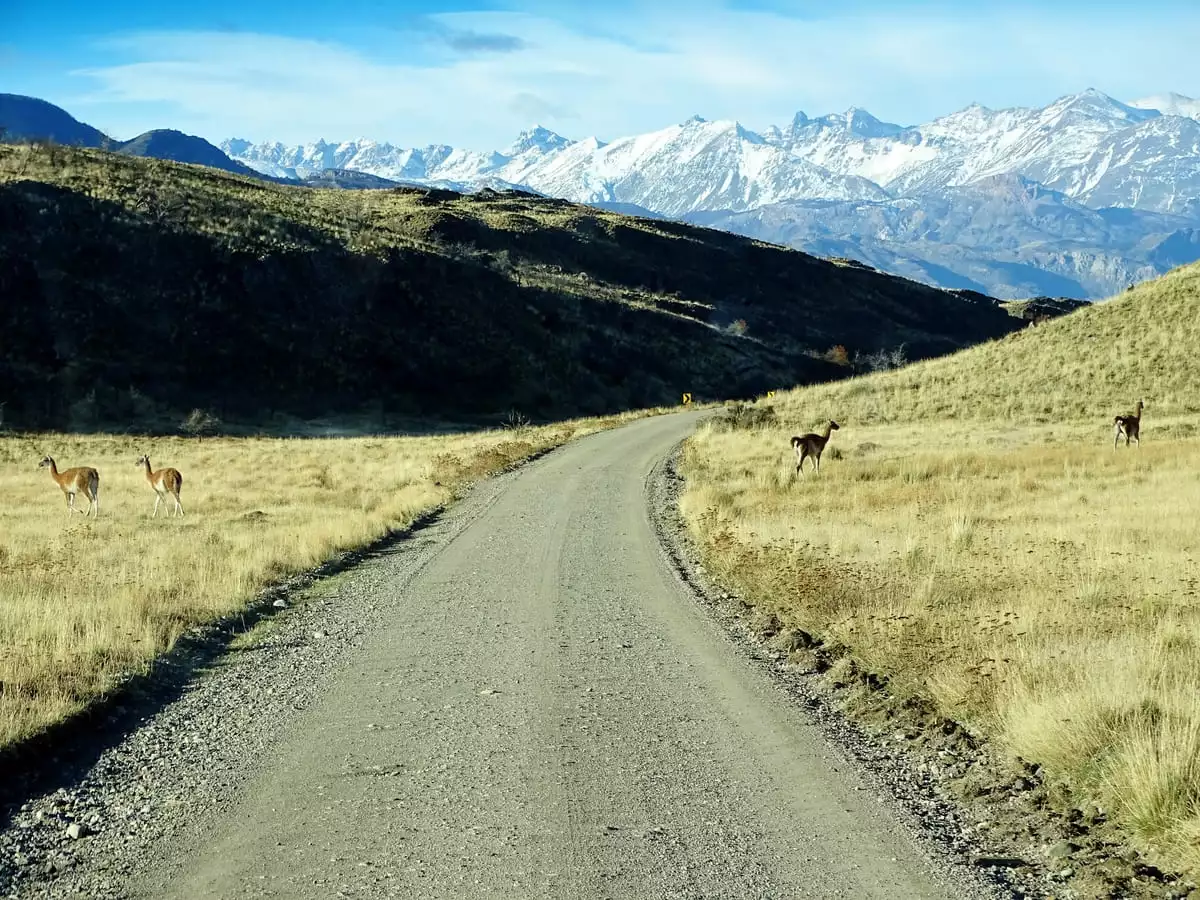
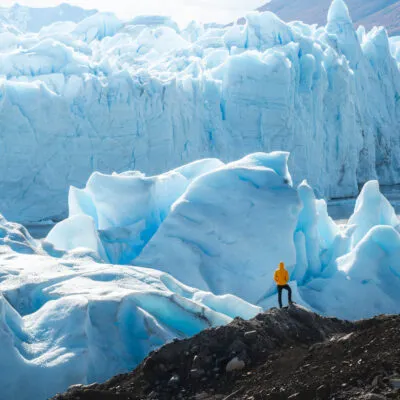
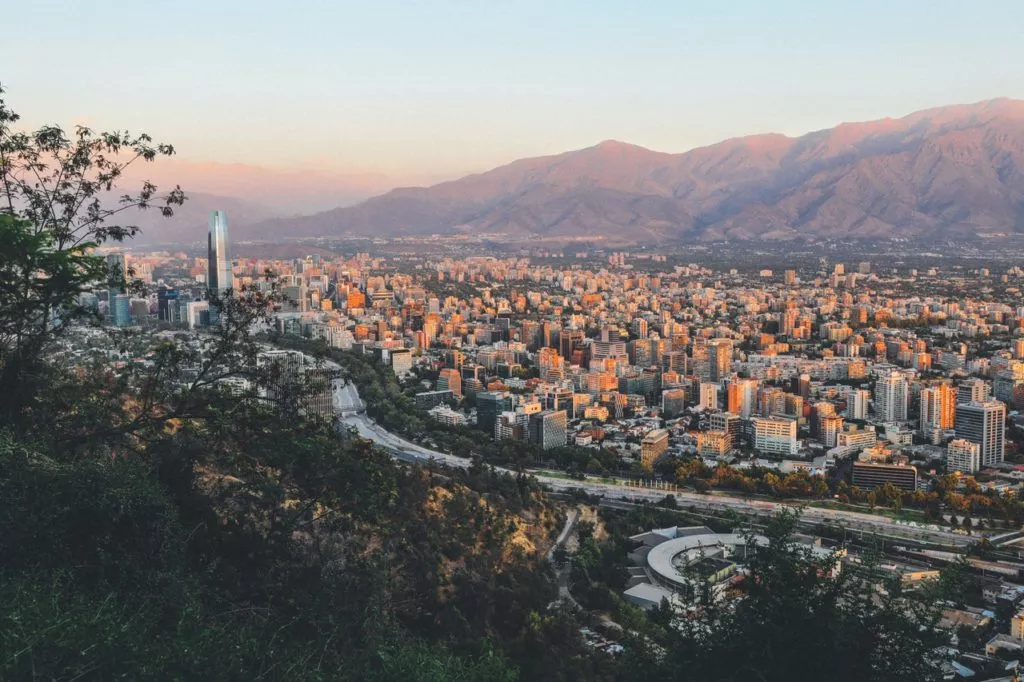
Chile is one of South America’s most geographically diverse destinations, stretching from the world’s driest desert in the north to the glaciers and fjords of Patagonia in the south. Whether you are planning to explore the Atacama Desert, discover Santiago and its surroundings, visit the Lake District, or travel through Torres del Paine, there are a few important things to know before traveling to Chile.
Understanding the country’s seasons, currency, transportation options, local customs, and regional differences can make planning your trip much easier. Distances between destinations are considerable, weather conditions vary significantly, and some experiences require advance reservations, particularly during the high season.
In this guide, we cover the essential Chile travel tips you should know before departure, including the best time to visit, how to manage your money, safety recommendations, local culture, transportation, and practical packing advice to help you prepare for your journey.
What Should I Know Before Traveling to Chile?
Before traveling to Chile, it is worth understanding a few practical details that can make a big difference to your experience. The country is relatively easy to explore, but its geography, regional climates, and long distances require some planning, especially if you want to combine destinations in the north and south.
Here are some essential things to know before visiting Chile:
- Chile is a very long country: Its territory stretches for more than 4,000 km from north to south, with very different landscapes and climates. Visiting the Atacama Desert and Patagonia in the same trip requires careful planning.
- Seasons are opposite to the Northern Hemisphere: Summer runs from December to February, while winter lasts from June to August. This is particularly important when planning outdoor activities.
- The local currency is the Chilean peso: Prices are generally displayed in CLP. International credit and debit cards are widely accepted in cities and tourist areas, but carrying some cash is useful.
- Spanish is the official language: Chileans speak Spanish with a distinctive accent and many local expressions. English is more common in tourist-oriented businesses than in everyday interactions.
- Distances can be considerable: Domestic flights are often the most practical way to travel between distant regions, while buses and rental cars are useful for shorter routes.
- Chile has strict agricultural customs regulations: Travelers must declare products of plant or animal origin when required. Food, seeds, plants, and certain agricultural products may be restricted or prohibited.
- Tipping is customary in restaurants: A 10% tip is commonly suggested, although you should check the bill and decide whether the service deserves it.
- Weather can change quickly: This is especially true in Patagonia and the Andes. Dressing in layers is essential, even during summer.
- Public transportation is useful in major cities: Santiago has an extensive metro and bus network, while other destinations may require taxis, transfers, or rental cars.
- Popular national parks require advance planning: Some parks and excursions have capacity limits, seasonal schedules, or advance ticketing requirements. Check official information before traveling.
These basics will help you organize your itinerary and avoid common surprises. You can also explore our Chile travel experiences to get an idea of how different regions can be combined into one journey.
Best Time to Visit Chile
The best time to visit Chile depends on which regions you want to explore and the activities you have in mind. Because the country stretches across several climate zones, there is no single ideal season for the entire territory.
In general, spring and summer (September to March) are popular for exploring much of Chile, although the best travel window varies considerably between the desert, central valleys, the Lake District, and Patagonia.
Northern Chile: Atacama Desert
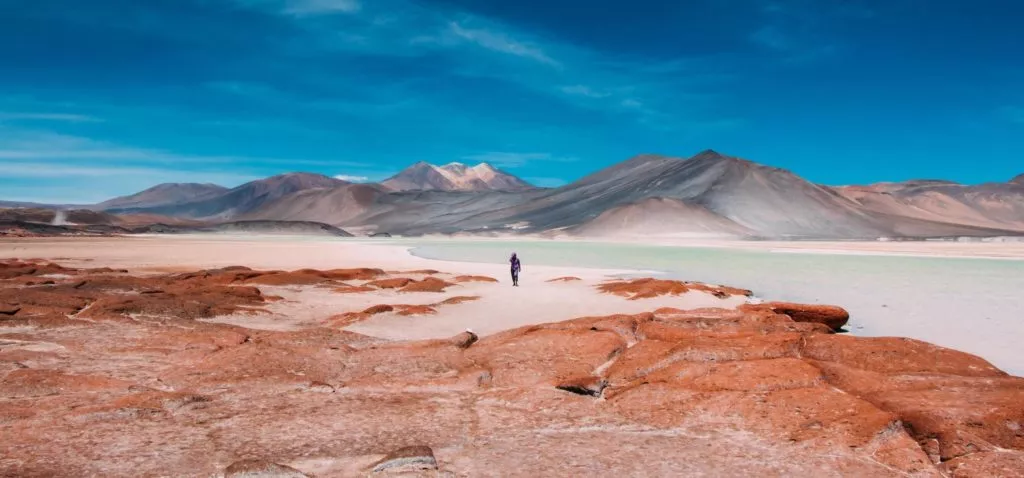
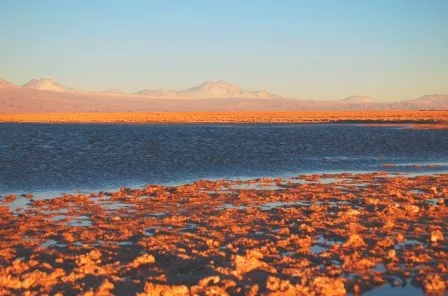
The Atacama Desert can be visited throughout the year. Days are generally sunny, but temperatures can drop considerably at night, particularly at higher elevations.
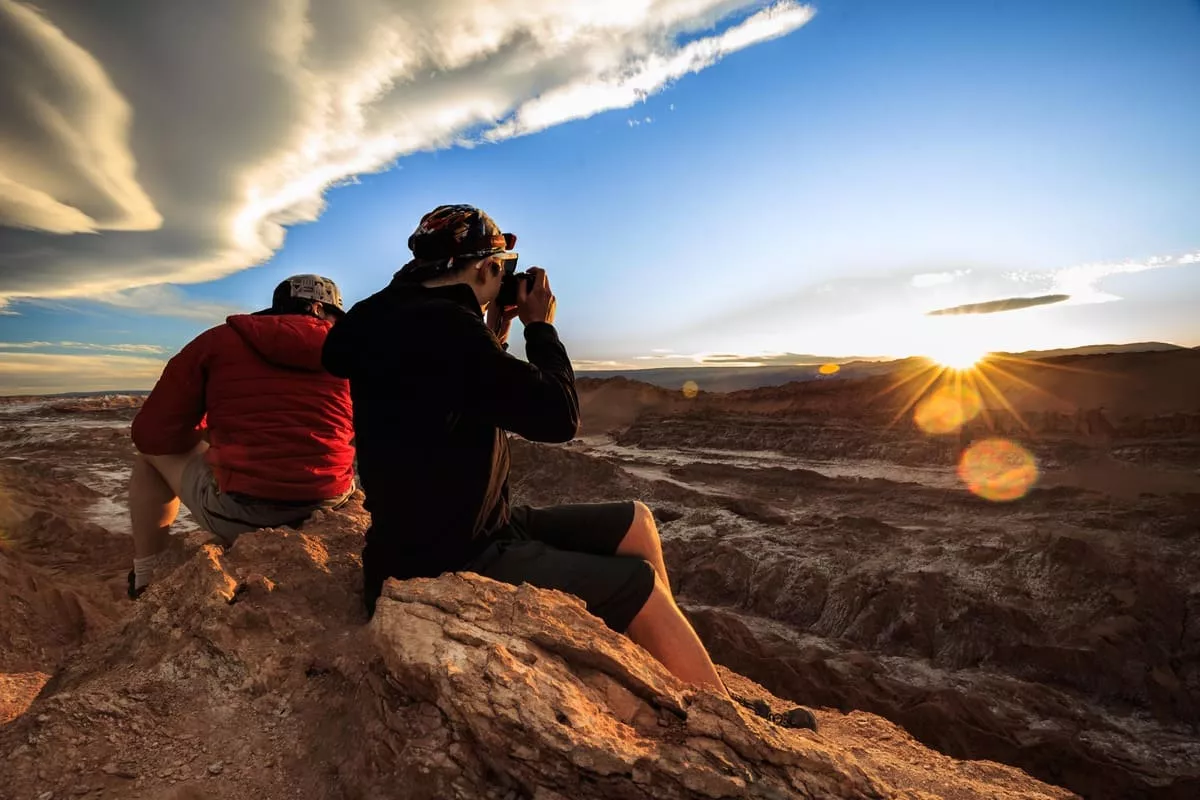
Spring and autumn offer comfortable conditions for exploring San Pedro de Atacama, while summer brings the possibility of afternoon rainfall in the high-altitude areas due to the Altiplanic winter phenomenon. Winter has colder nights but often clear skies, making it attractive for stargazing.
Central Chile: Santiago and Valparaíso
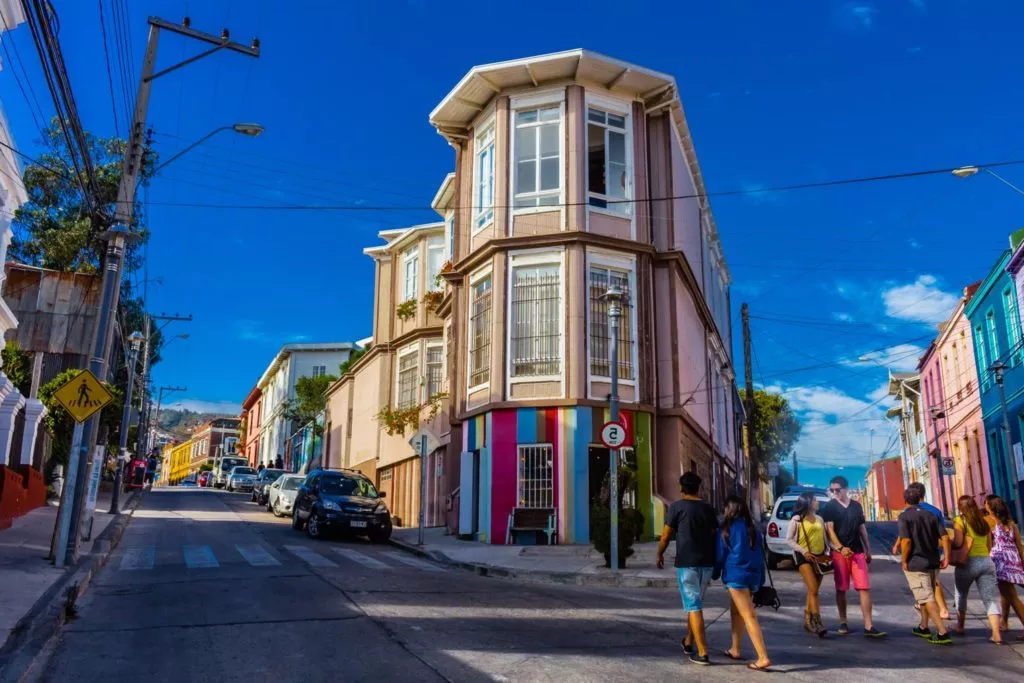
Spring (September to November) and autumn (March to May) are particularly pleasant for visiting Santiago, Valparaíso, and the surrounding wine regions. Temperatures are generally moderate, making these seasons suitable for city sightseeing, cultural activities, and outdoor excursions.
Summer is warmer and drier, while winter brings cooler temperatures and rainfall, especially in Santiago.
Southern Chile: Lake District and Patagonia
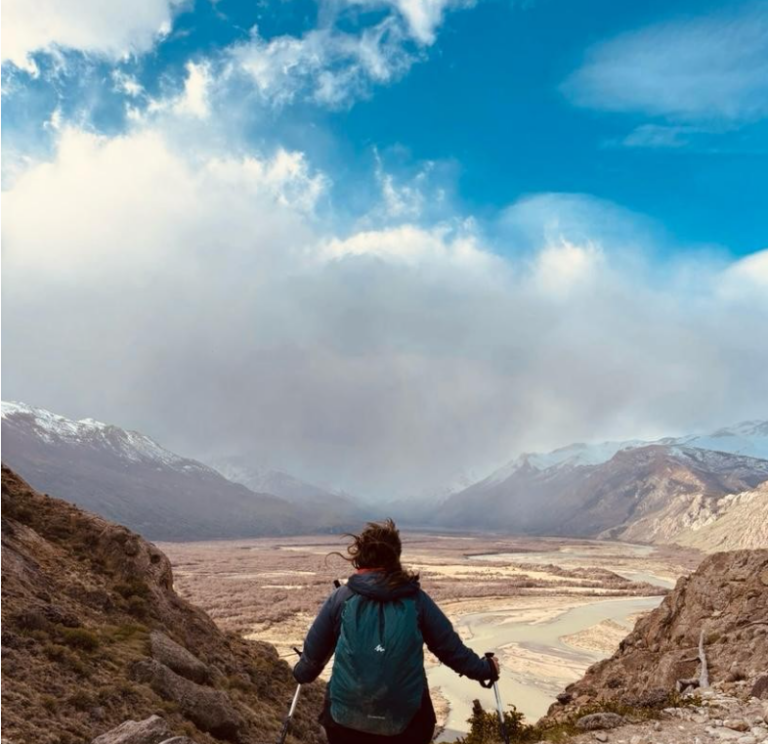
For the Lake District and Patagonia, December to March is generally the most convenient period for outdoor activities. Longer daylight hours and milder temperatures make it easier to explore national parks, hike, and enjoy scenic drives.
October and November are also appealing, with spring landscapes and fewer visitors in some destinations. March and April bring autumn colors, although some excursions and accommodation begin reducing their operating schedules.
Winter is a different experience, with snow, colder conditions, and limited access to certain trails and remote areas. It is more suitable for travelers interested in winter activities or destinations such as ski resorts.

If Patagonia is part of your itinerary, explore our Patagonia travel experiences to understand which destinations and activities are available during your preferred travel season.
Money & Costs
Chile uses the Chilean peso (CLP) as its official currency. Prices in shops, restaurants, hotels, and transportation services are generally displayed in pesos, so it is useful to become familiar with the currency before arriving.
Chile is often considered one of the more expensive destinations in South America, although costs vary depending on the region, travel season, accommodation category, and activities you choose.
Currency and Payment Methods
International credit and debit cards are widely accepted in Santiago and other major tourist destinations. Visa and Mastercard are commonly used, while acceptance of other card networks can vary.
A few practical recommendations:
- Carry some Chilean pesos: Useful for small purchases, local markets, tips, and businesses that do not accept cards.
- Check your bank fees: Foreign transaction fees and currency conversion rates depend on your card issuer.
- Use authorized ATMs: Check withdrawal limits and fees before taking out cash.
- Bring a backup payment method: Having a second card or some cash is helpful if a payment is declined.
- Choose local currency when paying by card: If a terminal offers to charge you in your home currency, compare the conversion terms carefully. Dynamic currency conversion can include an unfavorable exchange rate.
Is Chile Expensive for Tourists?
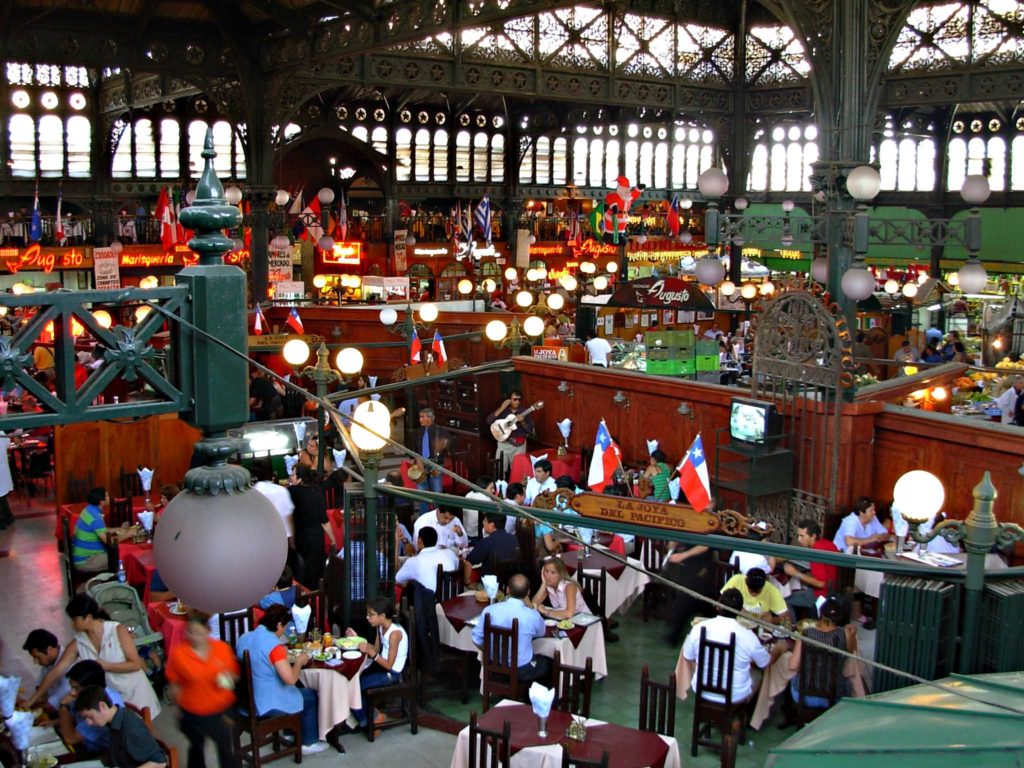
Costs depend heavily on your travel style. Santiago offers a wide range of accommodation and dining options, while remote destinations such as Torres del Paine and the Atacama Desert can require higher budgets because of transportation, specialized excursions, and limited accommodation availability.
Some expenses to consider when preparing your budget include:
- Accommodation and meals.
- Domestic flights and intercity transportation.
- National park entrance fees.
- Guided excursions and outdoor activities.
- Airport transfers and local transportation.
- Travel insurance.
Booking accommodation and popular excursions in advance can help you secure better availability, particularly during the summer season in Patagonia and other high-demand destinations.
Tipping in Chile
Tipping is customary in restaurants, where a 10% tip (propina) is commonly suggested. You may see it included as a suggested amount on the bill, but it is generally voluntary.
For guides, drivers, hotel staff, and other service providers, tipping is also appreciated but not universally mandatory. The amount depends on the type of service and your satisfaction with the experience.
Safety
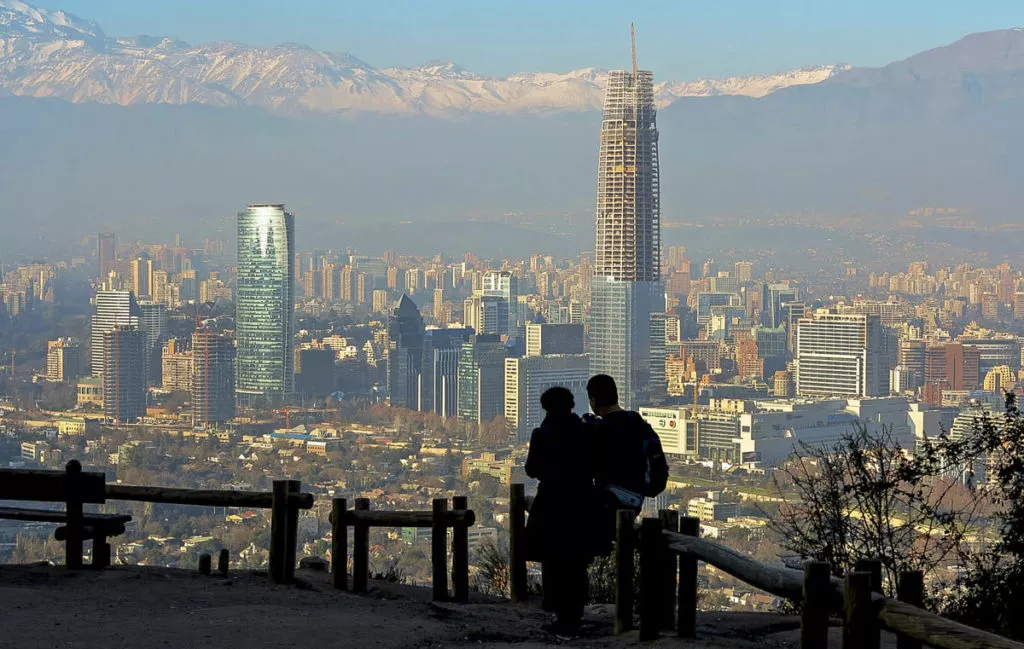
Chile is generally a manageable destination for international tourists, but, as in any country, it is important to take sensible precautions. Most travelers visit without major problems, although petty theft, particularly in busy urban areas, is something to be aware of.
Safety in Cities
In Santiago, Valparaíso, and other larger cities, keep an eye on your belongings in crowded areas, public transportation, markets, and tourist attractions.
A few useful precautions include:
- Keep phones, cameras, and wallets secure, especially in crowded places.
- Avoid displaying valuable belongings unnecessarily.
- Use official taxis, reputable ride-hailing services, or prearranged transfers.
- Be cautious when using ATMs in isolated areas.
- Avoid walking alone through unfamiliar or poorly lit areas late at night.
- Keep digital and physical copies of important travel documents.
Safety in Nature and National Parks
Chile’s natural environments can present different challenges from those found in cities. Weather changes, remote locations, altitude, and difficult terrain require preparation.
If you plan to hike or explore national parks:
- Check weather forecasts and trail conditions before departing.
- Follow marked trails and park regulations.
- Carry sufficient water, food, and appropriate clothing.
- Inform someone about your route when undertaking independent hikes.
- Respect park closures and instructions from rangers.
- Consider hiring a qualified local guide for demanding or remote excursions.
In the Atacama Desert, altitude can also be a concern during visits to high-altitude lagoons and geysers. Allow time to acclimatize and avoid strenuous activity if you experience symptoms of altitude sickness.
Emergency Numbers
Keep these numbers accessible during your trip:
| Service | Emergency number |
| Carabineros (Police) | Daily from 9:00 AM to 6:00 PM |
| Ambulance (SAMU) | A separate entrance fee applies and must be paid directly to Los Huemules Reserve. It is not included with the Los Glaciares National Park pass. |
| Firefighters | Approx. 17 km from El Chaltén |
It is also advisable to have travel insurance covering medical assistance and outdoor activities, particularly if you plan to go trekking, skiing, or participate in adventure excursions.
Spanish is the official language of Chile, but visitors may notice that Chilean Spanish sounds quite different from the Spanish spoken in other South American countries. The accent is fast, informal, and full of local expressions that can be confusing even for travelers who already speak Spanish.
Chilean Spanish and Local Expressions
Chileans frequently shorten words, use informal expressions, and incorporate local slang into everyday conversations. Some words you may hear include:
| Expression | Meaning |
| Hola, ¿cómo estai? | Hi, how are you? |
| Cachai | Do you understand? / You get it? |
| Bacán | Great / Awesome |
| Po | An expression used for emphasis |
| Al tiro | Right away / Immediately |
| Pololo / Polola | Boyfriend / Girlfriend |
| Luca | 1,000 Chilean pesos |
English is spoken in many hotels, tour companies, and tourist-oriented businesses, particularly in Santiago and popular destinations. However, learning a few Spanish expressions can make everyday interactions easier and help you connect with local people.
Chilean Customs and Social Etiquette
Chileans are generally welcoming, and visitors will find that social interactions often involve informal greetings and friendly conversation.
A few cultural details worth knowing:
- Greetings: A handshake is common when meeting someone for the first time. Among friends and acquaintances, a single cheek kiss is customary in many social situations.
- Punctuality: It is appreciated in professional settings, although social gatherings may be more flexible with time.
- Dining habits: Lunch is often the main meal of the day, and dinner can take place later in the evening, particularly in restaurants.
- Food culture: Seafood, empanadas, wine, and traditional dishes such as pastel de choclo are important parts of Chilean gastronomy.
- Tipping: As mentioned earlier, a 10% tip is commonly suggested in restaurants.
Food is also a great way to understand local traditions. If you are spending time in Santiago, explore our guide to must-try foods in the Chilean capital for ideas on what to order and where to discover regional flavors.
Geography & Getting Around
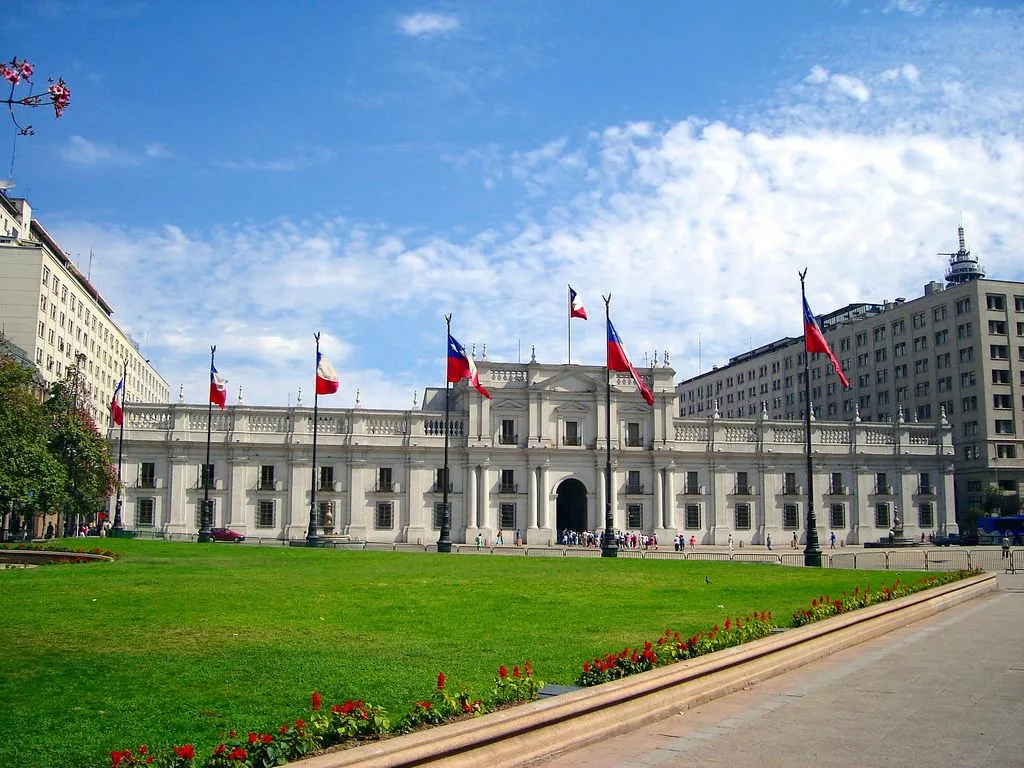
One of the most important things to understand before traveling to Chile is its geography. The country stretches more than 4,000 km from north to south, while remaining relatively narrow from east to west. This means that traveling between distant destinations can involve considerable distances and different transportation methods.
Chile shares borders with Peru, Bolivia, and Argentina, and its landscapes range from the Atacama Desert and the Andes Mountains to temperate forests, lakes, glaciers, and fjords.
How to Get Around Chile
The best transportation option depends on your itinerary, the distances involved, and how much flexibility you want.
Domestic flights
Flying is generally the most practical option for covering long distances. Santiago is the main domestic aviation hub, with connections to destinations such as Calama (for the Atacama Desert), Puerto Montt, Punta Arenas, and other regional airports.
If you want to explore northern and southern Chile in one trip, domestic flights can save considerable travel time.
Long-distance buses
Chile has an extensive intercity bus network connecting major cities and regional destinations. Buses are often comfortable and offer different seating categories, making them a practical option for medium and long journeys.
They are particularly useful for traveling between Santiago, Valparaíso, La Serena, and other cities along the central and northern coast.
Rental cars
Renting a car provides greater independence, especially in destinations where attractions are spread across large areas.
It can be a good option for exploring the Lake District, the Carretera Austral, and parts of Patagonia. However, always consider road conditions, fuel availability, weather, and driving distances before choosing a self-drive itinerary.
Private transfers and guided excursions
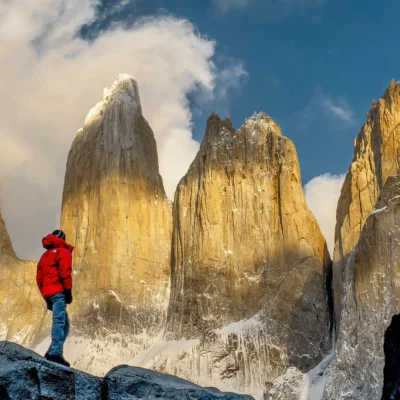
In remote destinations such as Torres del Paine and the Atacama Desert, private transfers and organized excursions can simplify logistics. They are particularly useful when attractions are far from accommodation or public transportation is limited.
Understanding Distances in Chile
The following examples illustrate why transportation planning matters. Distances and travel times are approximate and depend on the route, road conditions, and transportation method.
| Route | Approx. distance | Approx. travel time |
| Santiago – Valparaíso | 120 km | 1.5–2 hours by car |
| Santiago – La Serena | 470 km | 5–6 hours by car |
| Santiago – Puerto Varas | 1,000 km | 11–12 hours by car |
| Puerto Natales – Torres del Paine | 80 km | 1.5–2 hours by car |
| Puerto Natales – Punta Arenas | 250 km | 3–3.5 hours by car |
For longer journeys, flying can be considerably more convenient. For example, Santiago to Punta Arenas takes approximately 3–3.5 hours by direct flight, compared with more than a full day of driving.
Traveling Between Chile and Argentina
Many travelers combine Chile and Argentina in one Patagonia itinerary. Popular combinations include El Calafate and Torres del Paine, or Bariloche and the Chilean Lake District.
Border crossings can be made by road at designated international checkpoints, but journey times depend on the route, weather, and immigration procedures. Remember to carry the required travel documents and check customs regulations before crossing.
When organizing a multi-destination itinerary, allow enough time for transfers and border formalities rather than scheduling connections too closely.
Practical Packing Tips
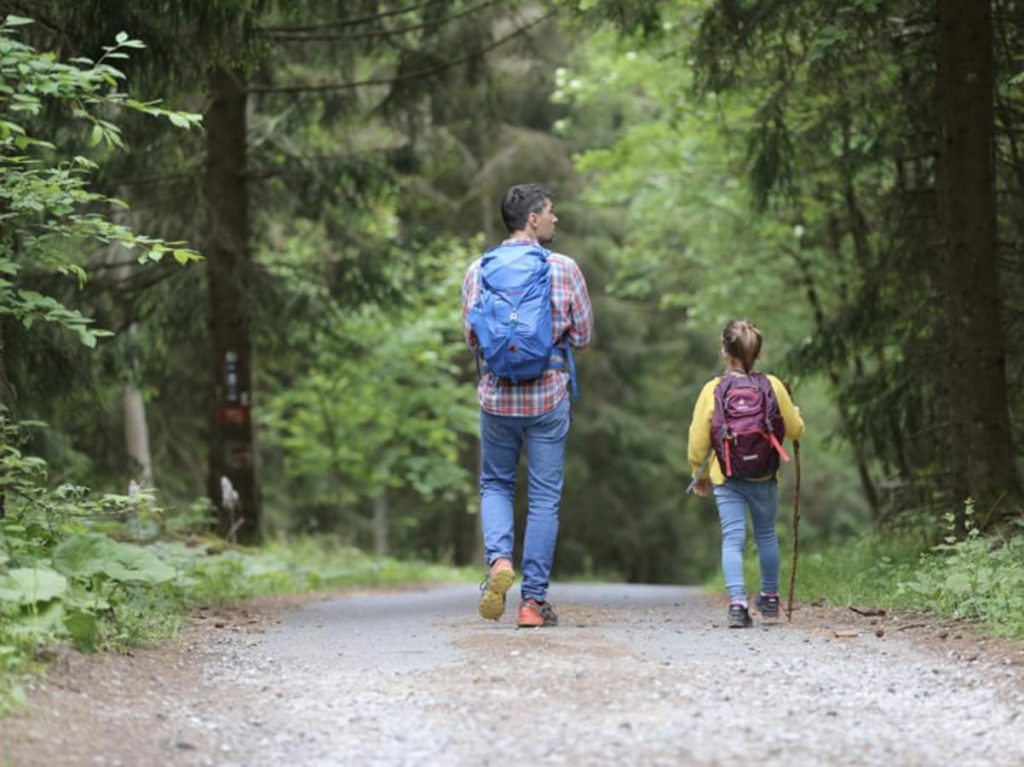
What you should pack for Chile depends largely on the regions you plan to visit and the time of year. A trip combining Santiago, the Atacama Desert, and Patagonia requires different clothing and equipment because temperatures, altitude, and weather conditions can vary considerably.
The most useful general recommendation is to pack in layers, allowing you to adapt to changing conditions throughout the day.
Clothing and Footwear
- Lightweight layers: Useful for changing temperatures, particularly in the mountains and desert.
- Warm jacket: Essential for Patagonia, high-altitude excursions, and cold evenings.
- Waterproof jacket: Particularly important in southern Chile, where rain and strong winds are common.
- Comfortable walking shoes: Suitable for city sightseeing and everyday excursions.
- Hiking boots: Recommended for trekking and uneven terrain.
- Sun protection: Sunglasses, a hat, and sunscreen are important throughout the country.
Destination-Specific Packing Tips
Atacama Desert
Days can be sunny and warm, while nights are often cold. Bring lightweight clothing, a warm jacket, comfortable walking shoes, sunglasses, sunscreen, and lip balm. If you plan to visit high-altitude lagoons or El Tatio Geysers, pack extra layers because temperatures can be very low before sunrise.
You can explore our Atacama Desert experiences to get an idea of the activities and conditions you may encounter.
Santiago and Central Chile
For city sightseeing, comfortable walking shoes and casual clothing are generally sufficient. During summer, pack light clothing, sunglasses, and sun protection. In winter, bring a warmer jacket and layers for cooler evenings.
Patagonia and Southern Chile
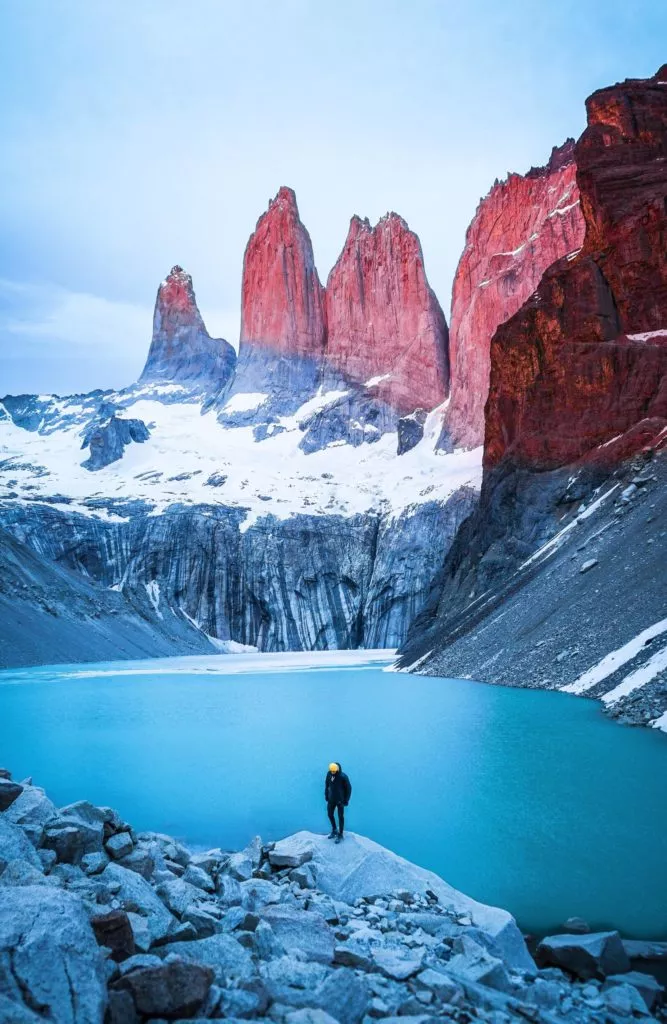
Patagonia requires more preparation because of its unpredictable weather. Even in summer, temperatures can drop quickly, and strong winds are common. Bring thermal layers, a fleece or insulating jacket, a waterproof and windproof outer layer, hiking footwear, and accessories such as gloves and a hat.
Other Essentials to Bring
- Travel documents: Passport or accepted identification, visa documentation if applicable, and copies of reservations.
- Travel insurance: Make sure your policy covers the activities you plan to undertake.
- Power adapter: Chile generally uses Type C and L plugs, with a standard voltage of 220V and frequency of 50Hz.
- Reusable water bottle: Useful for staying hydrated, particularly during outdoor activities.
- Personal medication: Bring any prescription medication you need, along with relevant documentation.
- Portable charger: Helpful during long excursions and road trips.
A final tip: avoid overpacking if you are combining several destinations. Choose versatile clothing that can be layered and reused throughout your journey.
Frequently Asked Questions
Is Chile safe for tourists?
Chile is generally a manageable destination for tourists, although petty theft and pickpocketing can occur, particularly in crowded areas of Santiago, Valparaíso, and other cities. Keep your belongings secure, use reputable transportation services, and take normal precautions when exploring unfamiliar neighborhoods. If you plan to hike or visit remote areas, check weather conditions, trail access, and park regulations before setting out.
What is the best time to visit Chile?
The best time depends on the regions you want to explore. Spring and summer (September to March) are generally ideal for outdoor activities across much of the country. December to March is particularly suitable for Patagonia, while the Atacama Desert can be visited year-round. Spring and autumn are also excellent for exploring Santiago and central Chile, thanks to their milder temperatures.
Do I need cash in Chile?
You do not need to rely entirely on cash, as international credit and debit cards are widely accepted in major cities and tourist destinations. However, carrying some Chilean pesos (CLP) is useful for small purchases, local markets, tips, and businesses that do not accept cards. Check your bank’s international transaction fees and exchange rates before traveling.
What language do they speak in Chile?
Spanish is the official language of Chile. Chileans have a distinctive accent and use many local expressions and informal words that may be unfamiliar to visitors from other Spanish-speaking countries. English is spoken in many hotels and tourist-oriented businesses, particularly in popular destinations, but knowing some basic Spanish phrases can make everyday interactions easier.