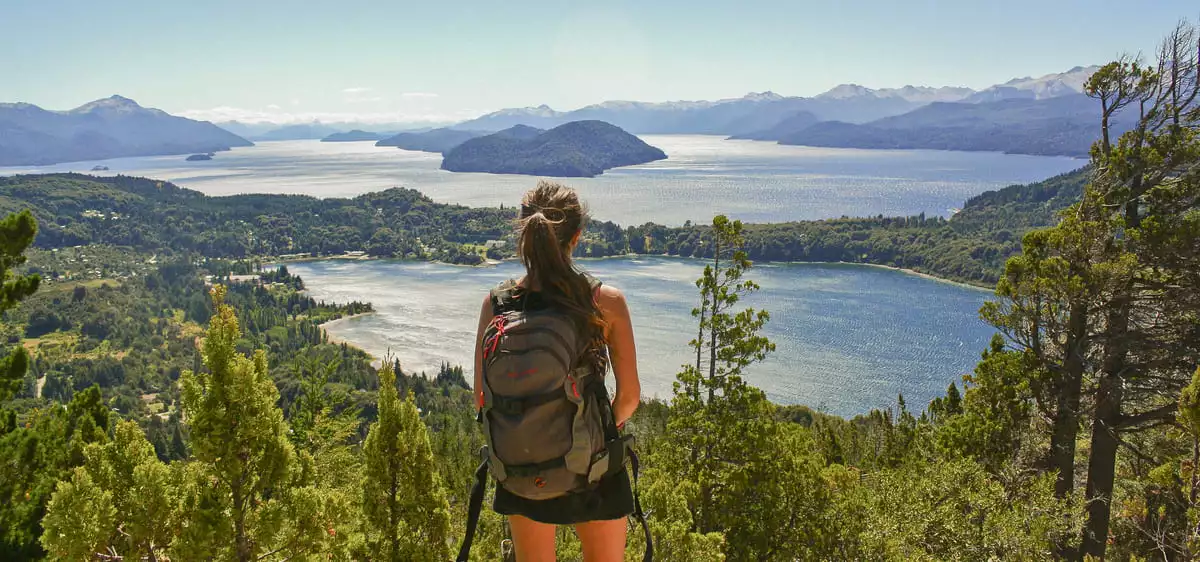
Mendoza is the heart of Argentine wine, a high-altitude region where the vineyards run to the foot of the Andes and the Malbec is among the best on the planet. But here’s the thing first-timers often discover too late: you can’t simply turn up at the famous wineries. The best of them — especially the small, family–run bodegas — work by advance reservation only. Knowing how and where to book your Mendoza wine tour is half the battle.
Get it right and you’ll spend your days being welcomed into cellars, tasting with winemakers and lunching among the vines. Get it wrong and you’ll find doors closed. The difference comes down to planning ahead and choosing the right way to book.
This guide covers your booking options, the three wine valleys, when to go, and practical tips to secure your spot in Argentina’s wine country.
Here’s how to plan a Mendoza wine tour that actually opens the right doors.
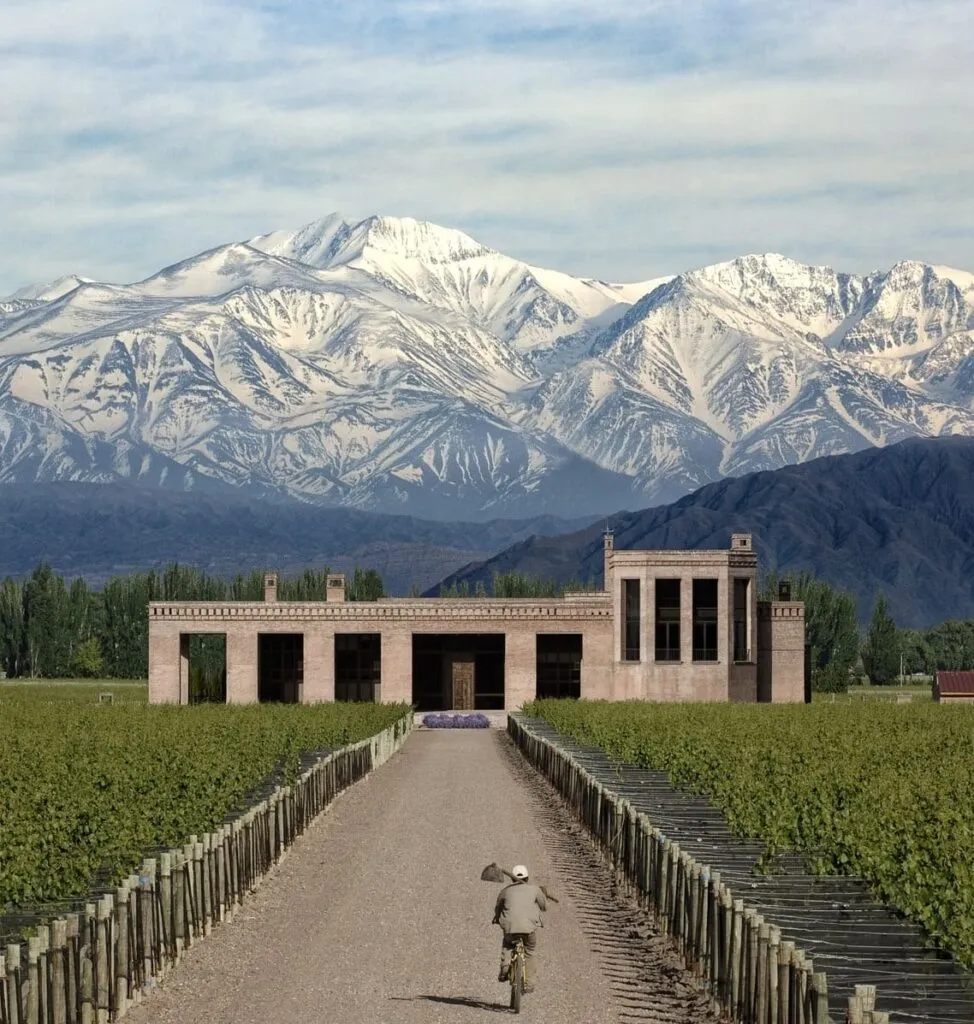
Mendoza’s best wineries aren’t walk-in affairs — knowing how and where to book is half the experience.
1. Your Booking Options
There are three main ways to arrange a Mendoza wine tour. You can book directly with individual wineries, which works for the larger bodegas that accept reservations online but is piecemeal and misses many of the smaller ones. You can join a group day tour, which is budget-friendly but fixed in pace and route. Or you can arrange a private, custom tour through a specialist.
The private route is the one that opens the most doors. Because specialists hold relationships with the boutique bodegas — the ones that don’t take walk-ins — they can build a day around your taste, with a guide and a driver so no one has to skip the tasting.
For many travelers, that access and the freedom from logistics are worth it. Our Mendoza wine tours are built on exactly those relationships.
Travelers said:



2. The Three Wine Valleys
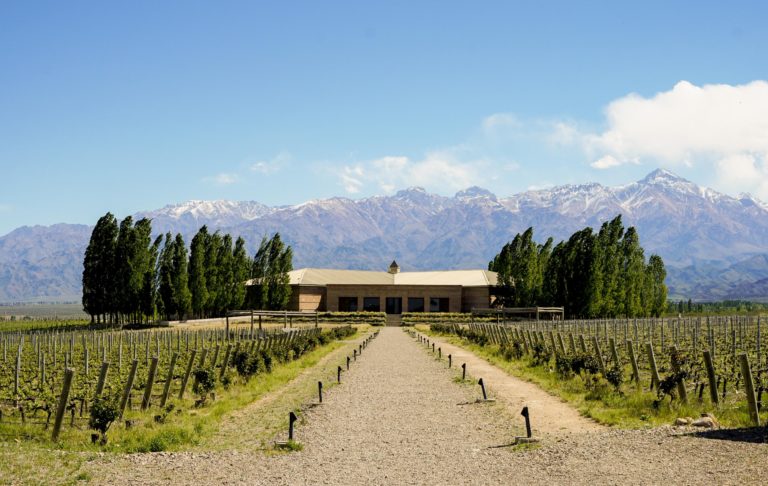
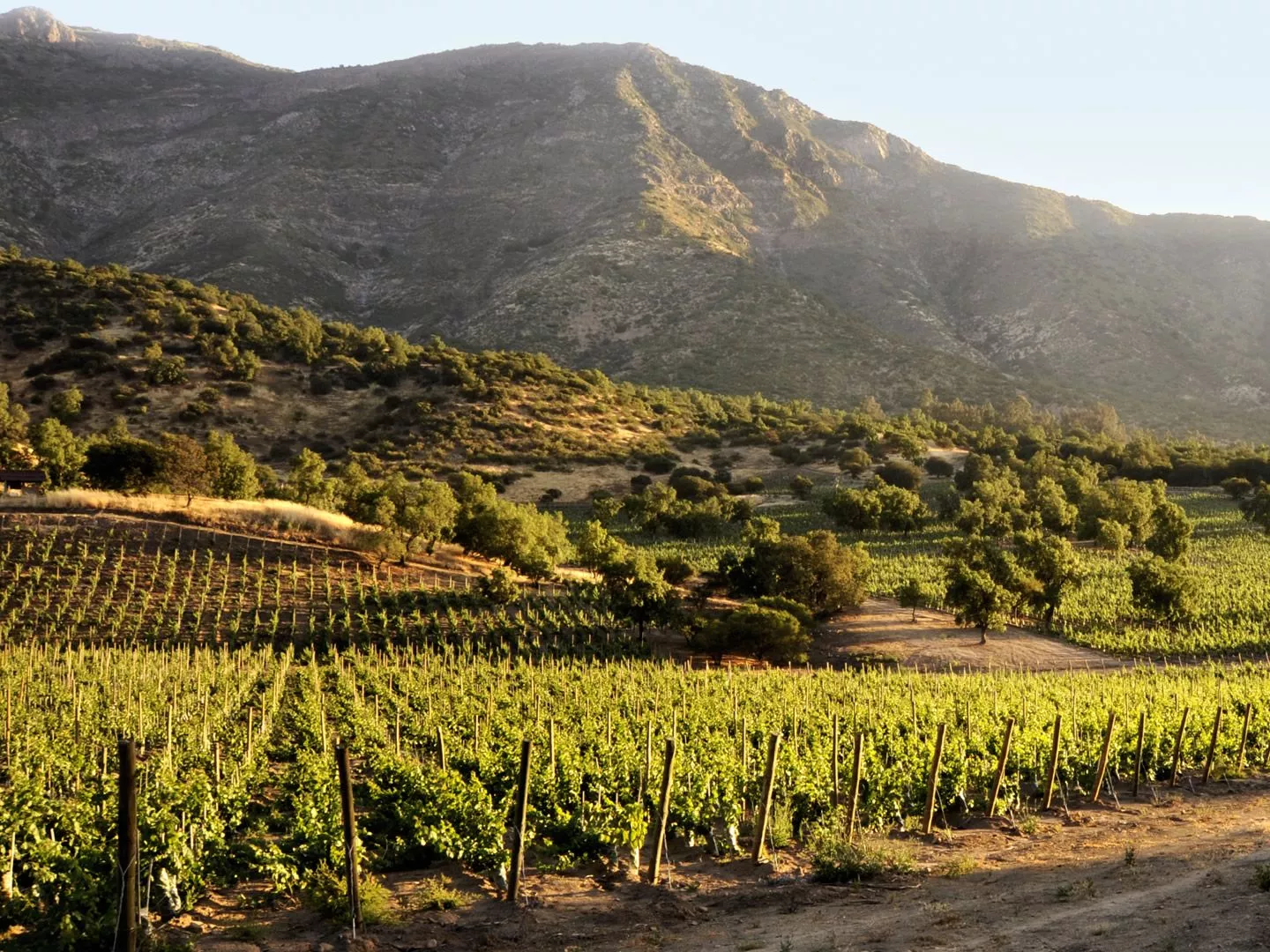
Where you book matters as much as how. Mendoza’s wine isn’t one place but three main areas, each with its own character. Luján de Cuyo, close to the city, is the traditional home of Argentine Malbec, with established estates. Maipú, also near the city, is the historic heart, easy to reach and rich in classic bodegas.
The higher, cooler Uco Valley, about ninety minutes out, grows many of the most celebrated recent wines, with dramatic Andes backdrops and striking modern wineries. It’s the choice for travelers chasing the newest, most talked-about labels.
A good tour sequences these to your taste rather than defaulting to the closest. Deciding which valley suits you is part of the planning a specialist can help with.
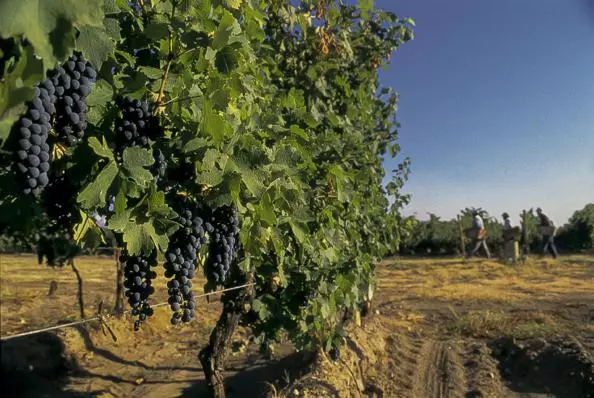
Luján de Cuyo, Maipú and the high Uco Valley each grow differently — where you book shapes the day.
3. When to Go and How Many Days
Mendoza is a year-round destination, but the most atmospheric time is the harvest, from late February to April, when the vineyards are busy and the Vendimia festival celebrates the grape. The broader warm season runs roughly October to April, with spring bringing blossom and quieter cellars.
For how long, two days is the sweet spot: enough to pair a day among the classic estates of Luján de Cuyo and Maipú with a day in the higher Uco Valley, without turning either into a rush of back-to-back tastings.
One day covers a single region and a long lunch — a good taste, but it leaves the dramatic high-altitude vineyards unseen. Most travelers fold Mendoza into a wider Argentina trip, pairing it with Buenos Aires or Patagonia — our Argentina tours make that easy.
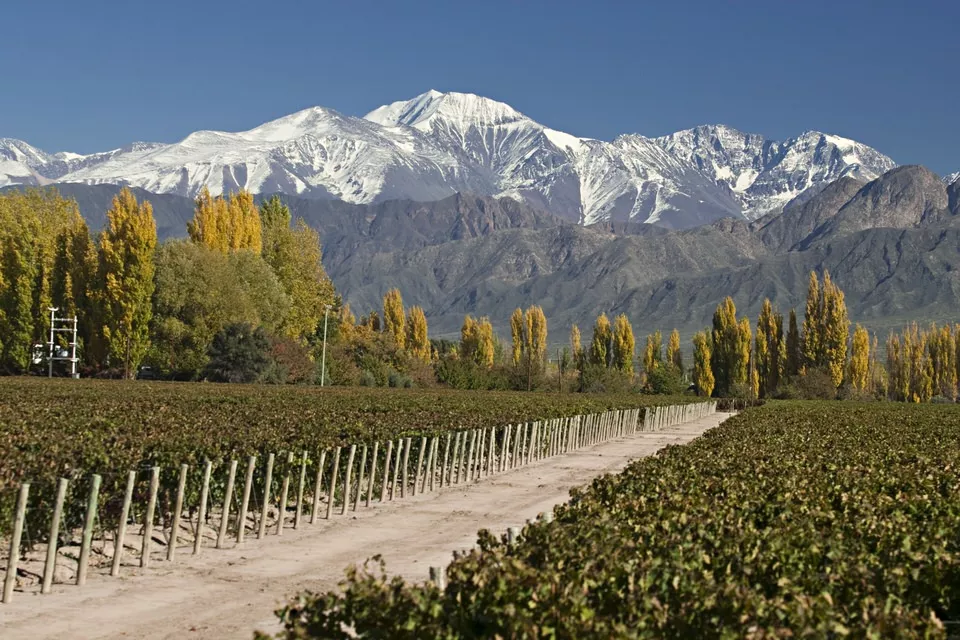
Harvest, from late February to April, is the most atmospheric time in the vineyards.
4. Tips to Secure Your Spot
The single most important tip is to book ahead. The best bodegas take only a handful of guests a day by prior arrangement, and they fill up — especially around the harvest and in peak season. Leaving it to the last minute means missing the most memorable wineries.
Arrange a guide and a separate driver so tasting means not driving, and be clear about your taste — big names or small family wineries, reds or a broader range — so the day is built around you. Lunch at a winery is a highlight worth reserving too.
If you’d like help, a specialist can secure the hard-to-book cellars and handle the logistics — just get in touch to start planning your Mendoza wine tour.
Booking a Mendoza Wine Tour at a Glance
| Element | What to know |
| Booking options | Direct (big bodegas), group day tour, or private custom tour |
| Best access | Private/specialist tours open the boutique, reservation-only wineries |
| Valleys | Luján de Cuyo, Maipú (near city); Uco Valley (higher, ~90 min) |
| When to go | Year-round; harvest (late Feb–Apr) is most atmospheric |
| Days | Two to combine the valleys without rushing |
| Golden rule | Book ahead — the best cellars take few guests a day |
Choose your type of trip:
Type of trip








5. FAQs About How and Where to Book a Mendoza Wine Tour in Argentina
There are three main ways. You can book directly with individual wineries, which works for the larger bodegas that take online reservations but misses many of the smaller ones. You can join a group day tour, which is budget-friendly but fixed in route and pace. Or you can arrange a private, custom tour through a specialist.
The private route opens the most doors, because specialists hold relationships with the boutique, reservation-only bodegas and can build the day around your taste, with a guide and driver.
Whichever you choose, the key is to book ahead, as the best wineries take only a handful of guests a day and fill up quickly.
Two days is ideal for most travelers. That lets you pair a day among the classic estates of Luján de Cuyo and Maipú, close to the city, with a day in the higher Uco Valley, without cramming in back-to-back tastings.
One day covers a single region and a long lunch — enough for a taste, but it leaves the dramatic, high-altitude Uco Valley unseen.
Most travelers fold Mendoza into a wider Argentina trip, since it pairs naturally with Buenos Aires or a journey on toward Patagonia. A couple of days lets you enjoy the wine country without rushing.
It depends on your taste. Luján de Cuyo is the traditional home of Argentine Malbec, with established estates close to the city, while Maipú is the historic heart, easy to reach and full of classic bodegas.
The Uco Valley, higher and cooler and about ninety minutes out, produces many of the most celebrated recent wines, with striking modern wineries and dramatic Andes views.
A good tour steers you toward the region that fits your palate and time rather than simply the closest, and with two days you can combine the classic estates with the high-altitude Uco Valley for the full picture.
For the best wineries, yes. Many of the small, family-run bodegas that travelers remember most don’t accept walk-ins and take only a limited number of guests a day by prior arrangement, so reservations are essential.
Some larger bodegas accept visitors with less notice, but even they get busy in peak season and around the harvest. Leaving booking to the last minute often means missing the most memorable cellars.
The safest approach is to plan ahead, ideally arranging your wineries, a guide and a driver before you arrive. A specialist can secure the hard-to-book bodegas on your behalf.
The harvest, from late February to April, is the most atmospheric time, when the vineyards are busy and the Vendimia festival celebrates the grape. The weather is warm and the bodegas are at their liveliest.
The broader warm season runs from roughly October to April, with spring bringing blossom and quieter cellars. Mendoza is genuinely a year-round destination for wine.
A good tour aligns your visit with what you want — the harvest energy or the calmer shoulder season — and secures the boutique bookings early, since the best cellars fill up fastest around the harvest and in peak months.