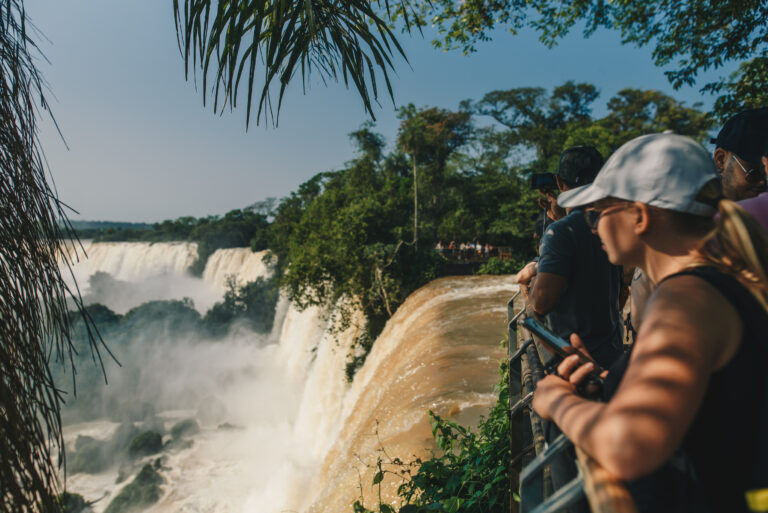
Iguazu is one of the largest waterfalls in the world. Not a bad meeting point for the countries. As you might imagine, this Argentina attraction is not your average waterfall. So, every traveler that gets to this paradise looks for the best view of the Iguazu Falls.
One of the most common questions travelers ask when planning a visit to Iguazú Falls is: which side offers the best views, Argentina or Brazil? The answer depends on the type of experience you are looking for, because each side reveals a different perspective of this incredible natural wonder.
The Argentine side offers a closer and more immersive experience, with extensive walkways that take you through the rainforest and closer to the different waterfalls, including the spectacular Devil’s Throat. The Brazilian side provides the most panoramic views, allowing you to admire the full scale of the falls from across the river.
For the most complete experience, visiting both sides is highly recommended. Together, they offer two complementary ways to discover one of the world’s largest waterfall systems, combining close encounters, unforgettable viewpoints, and the unique biodiversity of the Iguazú National Park.

Argentina or Brazil: Which Side Has the Best Views?
Both sides of Iguazú Falls offer incredible views, but they provide completely different experiences. The Argentine side is best for travelers who want to walk among the waterfalls and experience their power up close, while the Brazilian side is ideal for those looking for the most impressive panoramic view of the entire system.
Rather than choosing one over the other, the best way to appreciate Iguazú Falls is to understand what makes each side unique.
| Argentine Side | Brazilian Side | |
| Best for | Immersive experience and close-up views | Panoramic views and photography |
| Main highlights | Devil’s Throat, Upper Circuit, Lower Circuit | Complete view of the waterfall system |
| Experience | Walk through the rainforest and along different viewpoints | Admire the falls from across the river |
| Recommended time | Full day | Half day |
| Distance from the waterfalls | Closer to the falls | Better perspective of the entire landscape |
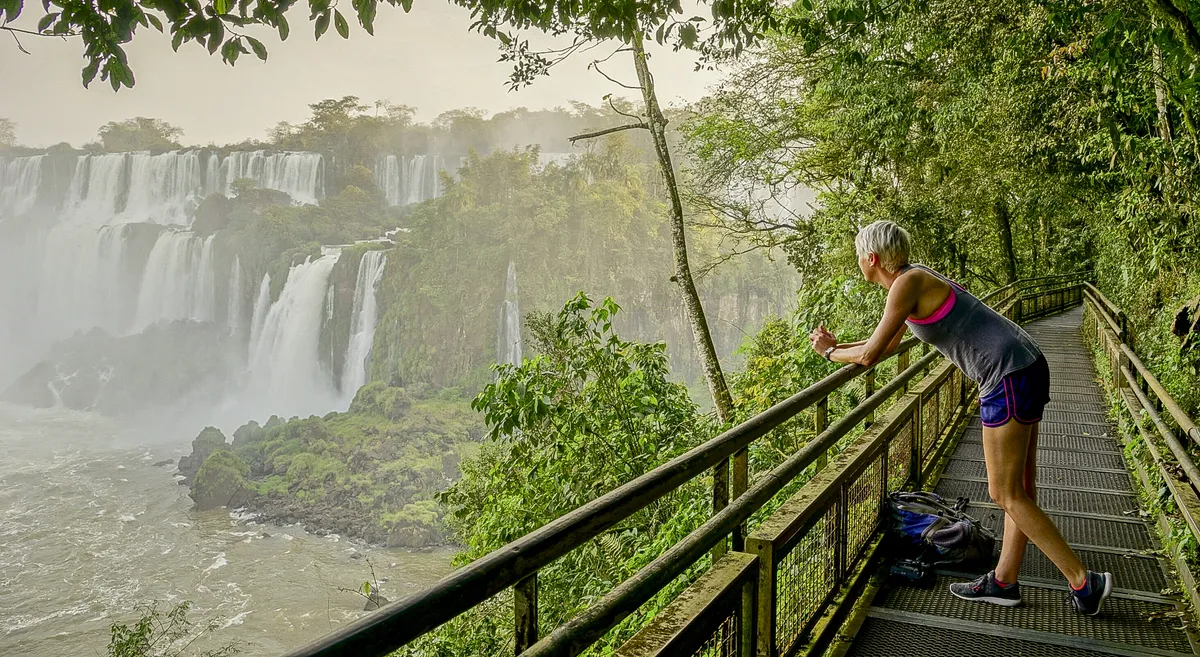
The Argentine Side: Closer to the Action
The Argentine side allows visitors to explore the falls through a network of walkways and trails inside Iguazú National Park. You can approach different sections of the waterfalls, feel the mist, hear the power of the water, and discover the surrounding rainforest at your own pace.
This side includes some of the most iconic viewpoints, such as Devil’s Throat, where visitors stand above one of the most impressive sections of the falls.
The Brazilian Side: The Classic Panoramic View
The Brazilian side offers the view that often appears in photographs: a wide perspective of multiple waterfalls cascading across the landscape. From the walkways, visitors can appreciate the full scale of Iguazú Falls and understand the magnitude of the entire system.
It is a shorter visit compared to the Argentine side, making it a great option for travelers who want the most iconic panoramic views.
For more information about visiting the falls, including activities, practical tips, and travel planning, explore our Iguazú Falls travel guide.
The Argentine Side
The Argentine side of Iguazú Falls offers the most immersive way to experience this natural wonder. Located inside Iguazú National Park, it features an extensive network of walkways that allows visitors to explore different areas of the rainforest and approach the waterfalls from multiple perspectives.
Unlike the Brazilian side, where the main attraction is the panoramic view, the Argentine side lets travelers feel surrounded by the falls. Visitors can spend several hours exploring its different circuits, each offering a unique viewpoint of the water, the jungle, and the wildlife of the park.
Devil’s Throat
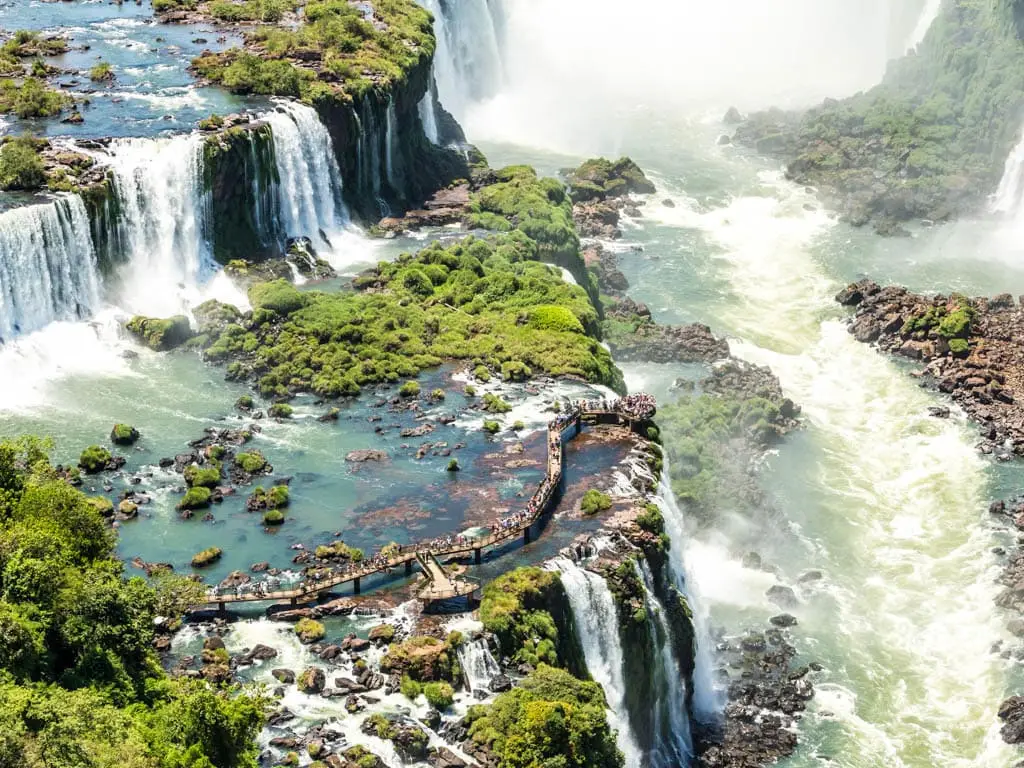
The Devil’s Throat (Garganta del Diablo) is the most iconic viewpoint on the Argentine side and one of the most spectacular experiences at Iguazú Falls.
To reach it, visitors take the ecological train inside the park and continue along a walkable footbridge above the Iguazú River. The trail crosses islands and lush rainforest before arriving at a viewing platform directly above the largest and most powerful section of the falls.
Standing above the Devil’s Throat, travelers can see millions of liters of water rushing into the canyon below while feeling the mist and hearing the immense force of the falls. It is considered one of the highlights of any visit to Iguazú.
Upper Circuit
The Upper Circuit offers a different perspective, with elevated walkways that take visitors above several of the waterfalls. This route is ideal for appreciating the size and beauty of the falls from above.
Along the approximately one-hour walk, travelers can enjoy viewpoints over iconic sections such as Dos Hermanas, Bosetti, and other cascades, while surrounded by the vegetation of the Atlantic Forest.
This circuit is relatively easy and accessible, making it a great option for travelers who want impressive views without a demanding hike.

Lower Circuit
The Lower Circuit provides a closer and more dramatic experience of the waterfalls. This trail descends into the rainforest and brings visitors nearer to the base of several cascades, where the sound, power, and mist of the falls become much more intense.
The route includes viewpoints where travelers can appreciate the waterfalls from below and feel a stronger connection with the landscape. Some sections involve stairs and uneven terrain, so comfortable footwear is recommended.
For many visitors, the Lower Circuit is one of the most memorable parts of the Argentine side because it combines rainforest scenery with a true sense of being surrounded by Iguazú Falls.
The Brazilian Side (The Panoramic View)
The Brazilian side of Iguazú Falls is famous for offering the most iconic panoramic perspective of the waterfalls. While the Argentine side allows visitors to get closer to the cascades, the Brazilian side provides a wider view of the entire system, making it one of the best places for photography and appreciating the full scale of Iguazú Falls.
Located inside Iguaçu National Park, the visit follows a shorter scenic walkway along the edge of the river, with several viewpoints overlooking the waterfalls across the border. From this side, travelers can see dozens of cascades spread across the landscape, including impressive views of Devil’s Throat from a distance.
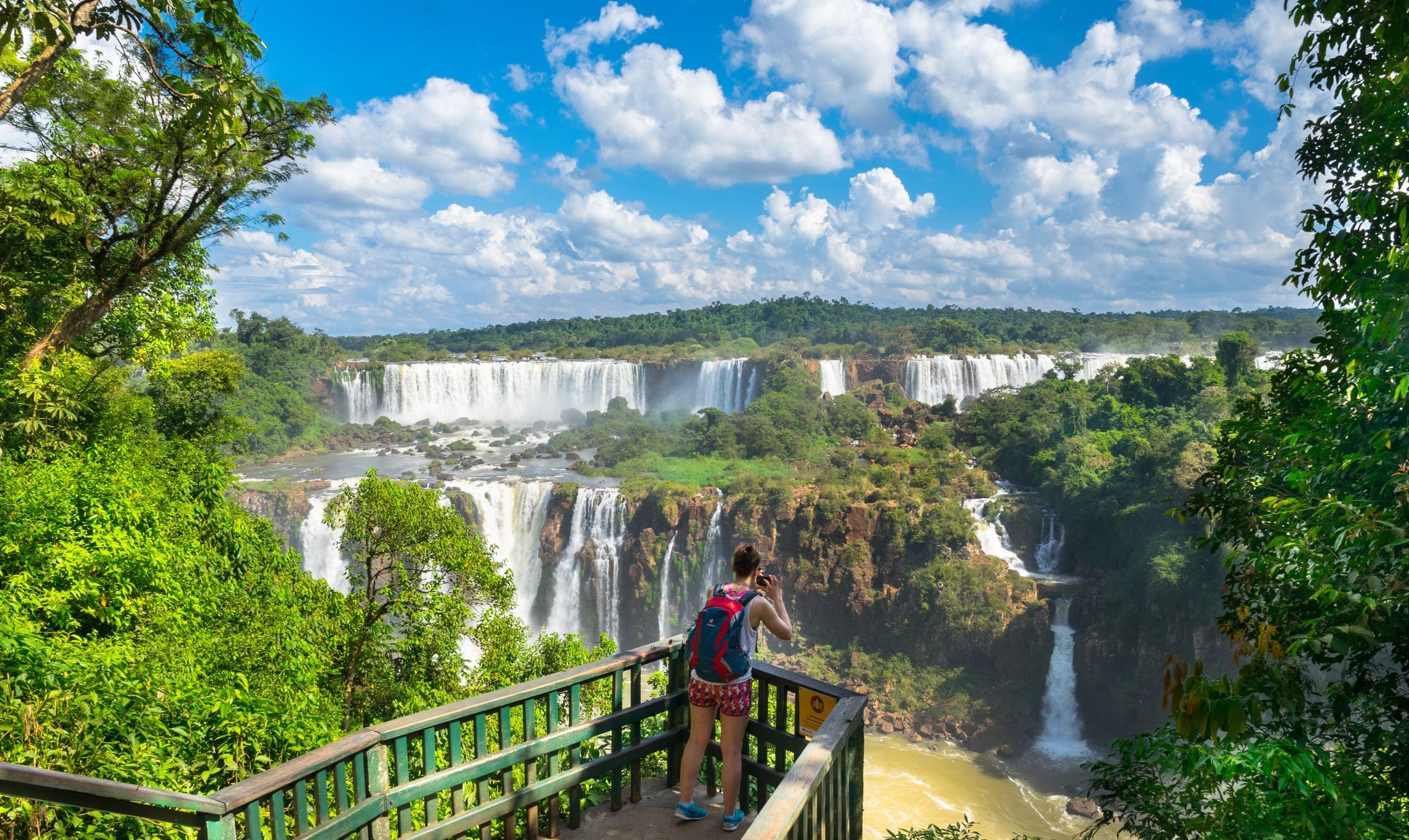
The experience usually takes less time than the Argentine side, making it possible to visit Brazil’s side in half a day. The main highlights include:
- Panoramic viewpoints: Ideal for understanding the size and beauty of the entire waterfall system.
- Scenic walkways: A comfortable route with spectacular photo opportunities along the way.
- Devil’s Throat viewpoint: A different perspective of the most powerful section of Iguazú Falls.
- Final viewpoint near the falls: A closer look at the water and mist before completing the visit.
The Brazilian side is especially recommended for travelers who want the classic postcard view of Iguazú Falls. Many visitors find that combining both sides provides the complete experience: Brazil offers the perspective, while Argentina offers the immersion.
For travelers looking to explore Iguazú from both countries, discover our Iguazú Falls experiences and find the best way to include this natural wonder in your itinerary.
How Many Days Do You Need at Iguazú Falls?
The ideal amount of time to visit Iguazú Falls depends on how much of the experience you want to enjoy. While it is possible to see one side of the falls in a single day, spending two days is the best option for most travelers, allowing enough time to explore both the Argentine and Brazilian sides without rushing.
One Day at Iguazú Falls
If you only have one day, it is possible to visit one side of the falls and enjoy the main viewpoints. The Argentine side usually requires a full day because of its extensive circuits, walking trails, and the visit to Devil’s Throat.
A one-day visit works well for travelers with limited time, but you will need to choose between the immersive experience of Argentina or the panoramic views of Brazil.
Two Days: The Recommended Option
Two days is the ideal amount of time to experience Iguazú Falls from both countries.
A recommended itinerary:
Day 1: Argentine Side
- Devil’s Throat.
- Upper Circuit.
- Lower Circuit.
- Time to explore the rainforest and viewpoints.

Day 2: Brazilian Side
- Panoramic walkway.
- Best viewpoints for photography.
- Optional additional activities in the surrounding area.
Visiting both sides provides the complete Iguazú experience, combining close encounters with the waterfalls and the most iconic panoramic views.
Three Days or More: Add Extra Experiences
With additional time, travelers can explore more of the region beyond the main viewpoints. Options include:
- Boat adventures near the falls.
- Wildlife and rainforest experiences.
- Visits to attractions around Puerto Iguazú.
- Relaxing time to enjoy the destination at a slower pace.
For first-time visitors, a stay of two or three nights allows a more comfortable experience while avoiding a rushed visit. Discover our Iguazú Falls trips to find different ways to include this destination in your journey through Argentina.
Best Time of Year to Visit Iguazú Falls
Iguazú Falls can be visited all year round, and each season offers a different experience. Located in a subtropical rainforest, the destination has warm temperatures, changing water levels, and lush vegetation throughout the year.
The best time to visit depends on what you value most: higher water volume, more comfortable weather, fewer visitors, or better conditions for exploring the trails.
Summer (December to March): Powerful Falls and Lush Landscapes
Summer is one of the most impressive times to visit Iguazú Falls. During these months, rainfall is more frequent, which can increase the volume of water and create a spectacular display of the waterfalls.
However, visitors should expect:
- Higher temperatures and humidity.
- More visitors, especially during holidays.
- Occasional rain showers.
The combination of abundant water, intense greenery, and mist creates a dramatic rainforest atmosphere.
Autumn (April to June): Comfortable Weather and Fewer Crowds
Autumn is often considered one of the best times to explore Iguazú Falls. Temperatures are more pleasant, humidity decreases, and the parks are usually less crowded than during peak summer months.
This season is ideal for travelers who want to comfortably walk the circuits, enjoy viewpoints, and take their time exploring the rainforest.
Winter (July to September): Cooler Days and Lower Humidity
Winter offers some of the most comfortable conditions for visiting the falls. Days are generally cooler and drier, making long walks through the Argentine circuits more enjoyable.
Advantages include:
- Less humidity.
- Comfortable temperatures.
- Fewer insects compared to warmer months.
The waterfalls remain impressive throughout the season, even though water levels can vary.
Spring (October to November): Nature and Wildlife
Spring brings warmer temperatures, renewed vegetation, and increased wildlife activity in the surrounding rainforest.
It is a great season for travelers looking for:
- Pleasant weather.
- Beautiful landscapes.
- Good conditions for exploring both sides of the falls.
Ultimately, there is no bad time to visit Iguazú Falls. The destination’s beauty changes with the seasons, and the best choice depends on whether you prefer dramatic water flow, comfortable temperatures, or a quieter experience.
Practical Information: Tickets, Hours & The Ecological Train
Planning your visit to Iguazú Falls is easier when you know how each park works. Both the Argentine and Brazilian sides have their own entrances, ticket systems, transportation, and walking routes, so it is important to organize your visit in advance.
Argentine Side: Iguazú National Park
The Argentine side is located inside Iguazú National Park, where visitors can explore several circuits connected by walking trails and the park’s ecological train.
The visit includes:
- Entrance ticket to Iguazú National Park.
- Access to the ecological train, which connects the main areas of the park.
- Walking circuits such as the Upper Circuit, Lower Circuit, and Devil’s Throat walkway.
- Visitor facilities including rest areas, restaurants, and services.
The ecological train is an important part of the experience, especially because it allows visitors to reach the Devil’s Throat area without a long walk through the forest. From the train station, travelers continue along a pedestrian walkway to one of the most impressive viewpoints of the falls.
The Argentine park usually requires several hours to explore properly, so arriving early is recommended, especially during high season.

Brazilian Side: Iguaçu National Park
The Brazilian side is located inside Iguaçu National Park and follows a shorter panoramic route along the waterfalls.
The visit includes:
- Entrance ticket to the national park.
- Internal transportation from the visitor center to the beginning of the trail.
- Scenic walkways with panoramic viewpoints.
- Final viewpoints near the waterfalls.
Because the Brazilian side is more compact, most visitors can complete the experience in a few hours while enjoying some of the best overall views of Iguazú Falls.
Tickets and Opening Hours
Ticket prices and opening hours can change depending on the season, so it is always recommended to check the official park websites before visiting.
As a general guideline:
- The Argentine side is usually visited during daytime hours and requires enough time to complete the different circuits.
- The Brazilian side typically has a shorter visit duration and can be combined with other activities in the area.
For travelers planning a complete visit, combining both parks over two days is the best way to experience the different perspectives of Iguazú Falls. For more planning tips and travel ideas, explore our Iguazú Falls travel guide.
Frequently Asked Questions
Is the Argentina or Brazil side of Iguazú Falls better?
Neither side is necessarily better — they offer different experiences. The Argentine side provides a closer and more immersive visit, with walkways that take you near the waterfalls and allow you to explore different circuits. The Brazilian side offers the best panoramic views, allowing visitors to appreciate the full scale of Iguazú Falls from across the river. Visiting both sides is the best way to experience the falls completely.
How many days do you need at Iguazú Falls?
Most travelers should plan for two days at Iguazú Falls to visit both the Argentine and Brazilian sides without rushing. One day is possible if you only choose one side, while three days or more allow time for additional activities such as boat rides, rainforest experiences, or exploring the surrounding area.
What is the Devil’s Throat?
The Devil’s Throat (Garganta del Diablo) is the largest and most impressive section of Iguazú Falls. Located on the Argentine side, it is a massive U-shaped cascade where an enormous volume of water falls into the canyon below. Visitors reach the viewpoint through a scenic walkway after taking the ecological train inside Iguazú National Park.
When is the best time to visit Iguazú Falls?
Iguazú Falls can be visited throughout the year. Summer offers lush vegetation and potentially higher water levels, while autumn and winter provide more comfortable temperatures for walking. Spring is also a great season, with pleasant weather and vibrant landscapes.
Can you visit both sides of Iguazú Falls in one day?
It is technically possible, but it is not the recommended option. Visiting both sides in one day requires crossing the international border, managing transportation, and limiting the time spent at each park. For a better experience, it is recommended to dedicate one day to the Argentine side and another day to the Brazilian side.