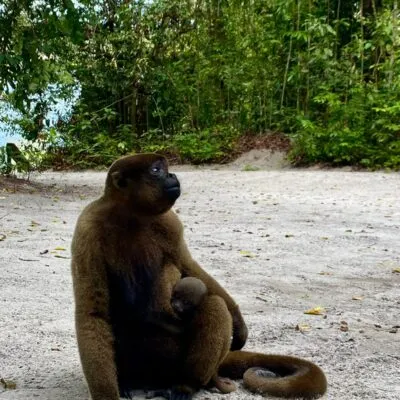
Known for its diverse wildlife and tranquil setting, Iberá is a rising destination for travelers looking to immerse themselves in secluded, unspoiled nature. Before you go, here are “10 things you didn’t know about the Iberá Wetlands” that lend context to this magical place.
- 1. The Second-Largest Wetland in the World
- 2. The Name Means “Bright Water” in Guaraní
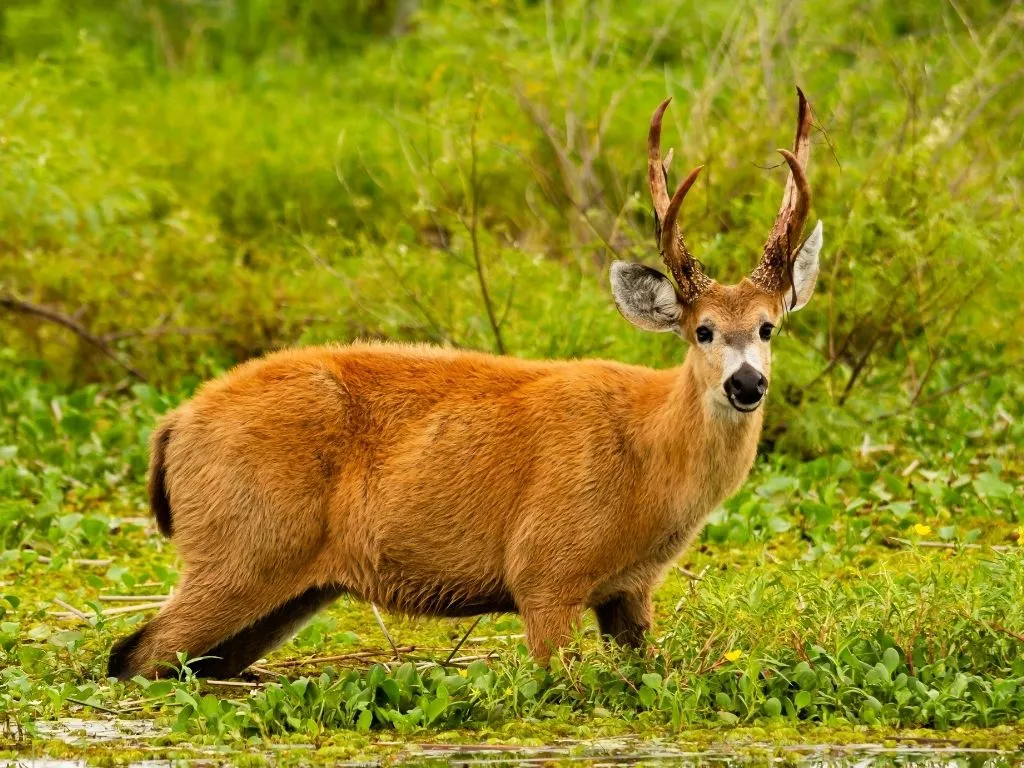
- 3. The Wildlife (Capybara, Caiman, Marsh Deer, 350+ Birds)
- 4. The Jaguar Rewilding Project
- 5. It’s Now a National Park
- 6. How to Get There
- 7. Best Time to Visit
- 8. Where to Stay
- 9. Floating Islands (Embalsados)
- 10. How to Combine It with Iguazú
- Frequently Asked Questions
Located in the northeastern province of Corrientes, the Iberá Wetlands (Esteros del Iberá) are one of Argentina’s most remarkable natural destinations and one of the largest freshwater wetland systems in the world. This vast ecosystem of lagoons, marshes, and floating islands is home to incredible wildlife, including capybaras, caimans, marsh deer, and hundreds of bird species.
Beyond its landscapes and biodiversity, Iberá is also a conservation success story, with important projects such as the reintroduction of the jaguar and the creation of Iberá National Park. As part of a broader journey through the country, this remote natural wonder can be combined with other destinations across Argentina. Discover more ideas for planning your adventure in our Argentina travel guide, and continue reading to learn everything you need to know before visiting the Iberá Wetlands.
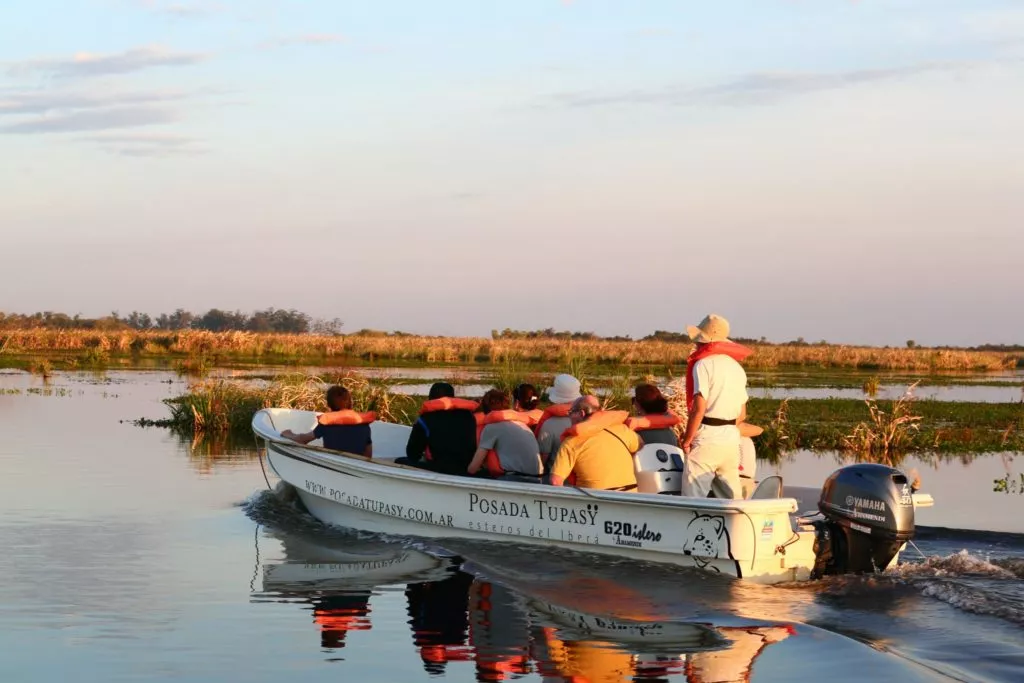
1. The Second-Largest Wetland in the World
Covering more than 1.3 million hectares, the Iberá Wetlands (Esteros del Iberá) are one of the largest wetland ecosystems on the planet, second only in size to the Pantanal in Brazil. Located in the province of Corrientes, this vast natural area is made up of lagoons, marshes, grasslands, and waterways that create a unique environment for wildlife and conservation.
This incredible ecosystem plays a key role in preserving biodiversity and maintaining the region’s natural balance. Its combination of freshwater landscapes, rich vegetation, and protected areas makes Iberá one of Argentina’s most important destinations for nature lovers, offering visitors the opportunity to explore a remote and pristine side of the country.
2. The Name Means “Bright Water” in Guaraní
The name Iberá comes from the Guaraní language and means “bright water” (Y vera), referring to the shimmering waters that cover much of this extraordinary wetland system. The Guaraní people, one of the original Indigenous communities of the region, have a deep cultural connection with this landscape and its natural resources.
This name perfectly captures the essence of the Esteros del Iberá, where countless lagoons, rivers, and waterways reflect the sunlight and create a unique environment shaped by the relationship between water, wildlife, and local traditions. Beyond its natural beauty, Iberá offers visitors the opportunity to discover the cultural heritage of northeastern Argentina while exploring one of the country’s most fascinating ecosystems.
3. The Wildlife (Capybara, Caiman, Marsh Deer, 350+ Birds)

The Iberá Wetlands are one of the best destinations in Argentina for wildlife observation, offering the opportunity to see animals in their natural environment. This protected ecosystem is home to an incredible variety of species, including capybaras, caimans, marsh deer, and more than 350 species of birds, making it a paradise for nature lovers, photographers, and birdwatchers.
During boat excursions, wildlife safaris, and guided walks, visitors can spot capybaras resting along the waterways, caimans sunbathing on the shores, marsh deer moving through the grasslands, and countless bird species such as herons, ibises, and kingfishers. The combination of lagoons, grasslands, and floating vegetation creates the perfect habitat for some of Argentina’s most iconic animals.
Exploring the wetlands with local guides is highly recommended to better understand this fragile ecosystem and discover its hidden wildlife. For travelers interested in birdwatching and nature experiences, the Iberá Wetlands offer some of the most rewarding wildlife encounters in Argentina. Learn more about the best experiences in our guide to Iberá Wetlands tours and bird watching.
4. The Jaguar Rewilding Project
The Iberá Wetlands are at the center of one of Argentina’s most ambitious conservation projects: the reintroduction of the jaguar (yaguareté) into its historic habitat. Once widespread across the country, this iconic feline disappeared from many regions due to habitat loss and hunting. Today, conservation efforts are helping restore the species to the Iberá ecosystem, where it plays an essential role in maintaining the balance of the environment.
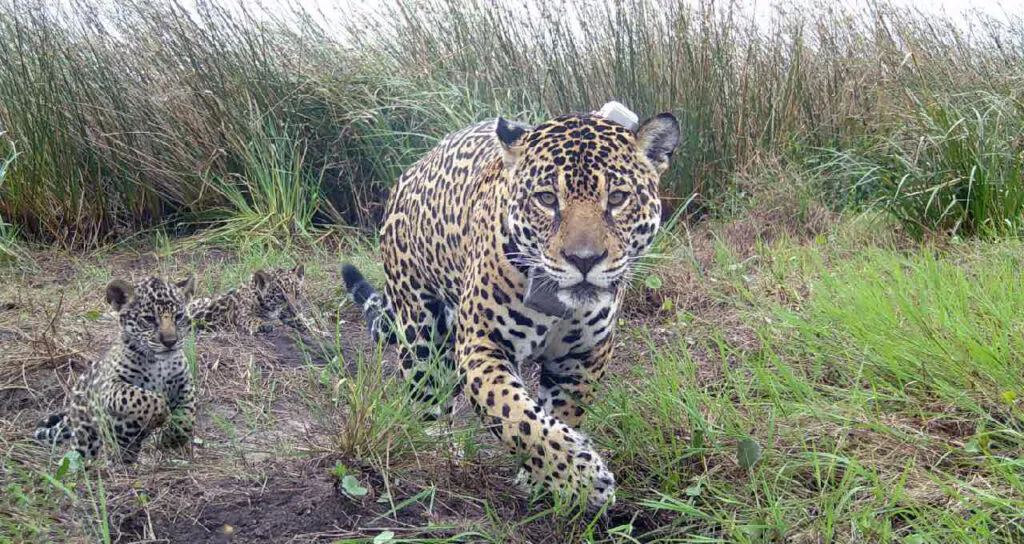
Led by conservation organizations in collaboration with local communities, the jaguar rewilding project focuses on breeding, rehabilitation, and the gradual return of these animals to the wild. The first jaguars were released in Iberá after more than 70 years of absence from the area, marking a major milestone for wildlife conservation in Argentina.
This initiative is part of a broader effort to restore Iberá’s biodiversity, alongside the reintroduction of other native species such as the giant anteater and the collared peccary. Visiting the wetlands means not only discovering incredible landscapes and wildlife but also witnessing a remarkable example of how conservation can help recover Argentina’s natural heritage.
5. It’s Now a National Park
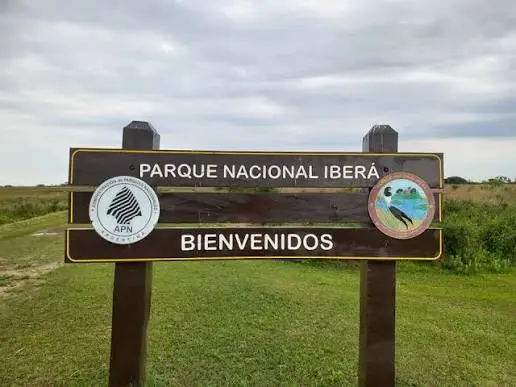
The Iberá Wetlands became a National Park in 2018, marking an important milestone in the protection of one of Argentina’s most valuable natural ecosystems. The creation of Iberá National Park helped strengthen conservation efforts in the region, preserving vast areas of wetlands, grasslands, forests, and lagoons while supporting the recovery of native species.
Together with the provincial reserve, the national park forms one of the largest protected areas in Argentina. This conservation model combines environmental protection with sustainable tourism, allowing visitors to explore the wetlands through responsible activities such as wildlife observation, boat excursions, and guided walks.
Today, Iberá represents one of Argentina’s greatest examples of nature restoration, where conservation projects, local communities, and tourism work together to protect biodiversity and showcase this unique landscape.
6. How to Get There
Visiting the Iberá Wetlands requires some planning, as this remote natural area is located away from Argentina’s main cities. The most common access point is through the towns of Mercedes or Posadas, depending on your itinerary and the area of Iberá you plan to visit.
The main gateway for travelers is Colonia Carlos Pellegrini, a small village located on the shores of Laguna Iberá and the most popular base for exploring the wetlands. From Mercedes, the journey takes around 4–5 hours, with the final stretch including approximately 120 km of gravel roads that can become challenging after heavy rains. Private transfers or 4×4 vehicles are recommended for a more comfortable and reliable journey. From Posadas, the drive takes around 5–6 hours and is another common option, especially when combining Iberá with other destinations in northern Argentina.
Due to the remote location and limited public transportation, many travelers choose an organized experience that includes transfers, accommodation, and guided excursions. Explore our Iberá Wetlands and Iguazú Falls trip to discover both destinations together with local support and carefully planned logistics.
7. Best Time to Visit
The best time to visit the Iberá Wetlands is generally between March and November, when temperatures are milder, rainfall is lower, and wildlife observation is especially enjoyable. During these months, the comfortable weather makes it easier to explore the wetlands through boat rides, hiking trails, and guided safaris.
Spring (September–November) is one of the best seasons for nature lovers, with pleasant temperatures and increased activity among many animal species. Autumn (March–May) offers cooler days and excellent conditions for exploring, while summer (December–February) can be hot and humid, with higher chances of rain, although it is also a great time for birdwatching and observing the lush landscapes.
Wildlife can be seen year-round in the Iberá Wetlands, but the experience changes with the seasons. For travelers interested in photography, birdwatching, and discovering Iberá wildlife, choosing the right time of year can make the experience even more rewarding. You can also explore our guide to Iberá Wetlands tours and bird watching for more inspiration.
8. Where to Stay
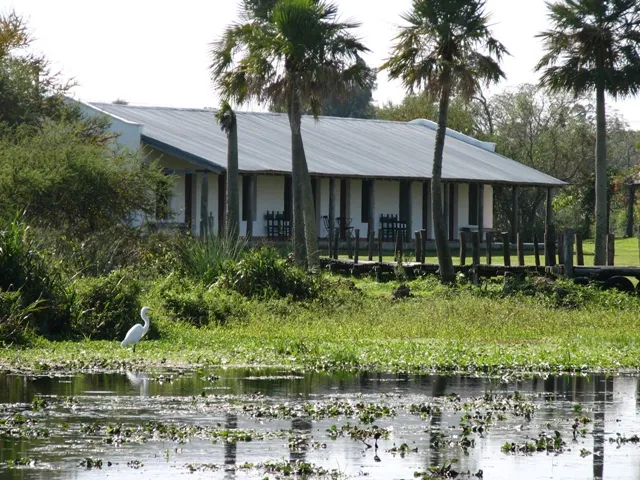
The best place to stay when visiting the Iberá Wetlands is Colonia Carlos Pellegrini, a small village located on the edge of Laguna Iberá and the main base for exploring the area. From here, travelers can easily access boat excursions, wildlife safaris, birdwatching experiences, and guided walks through the wetlands.
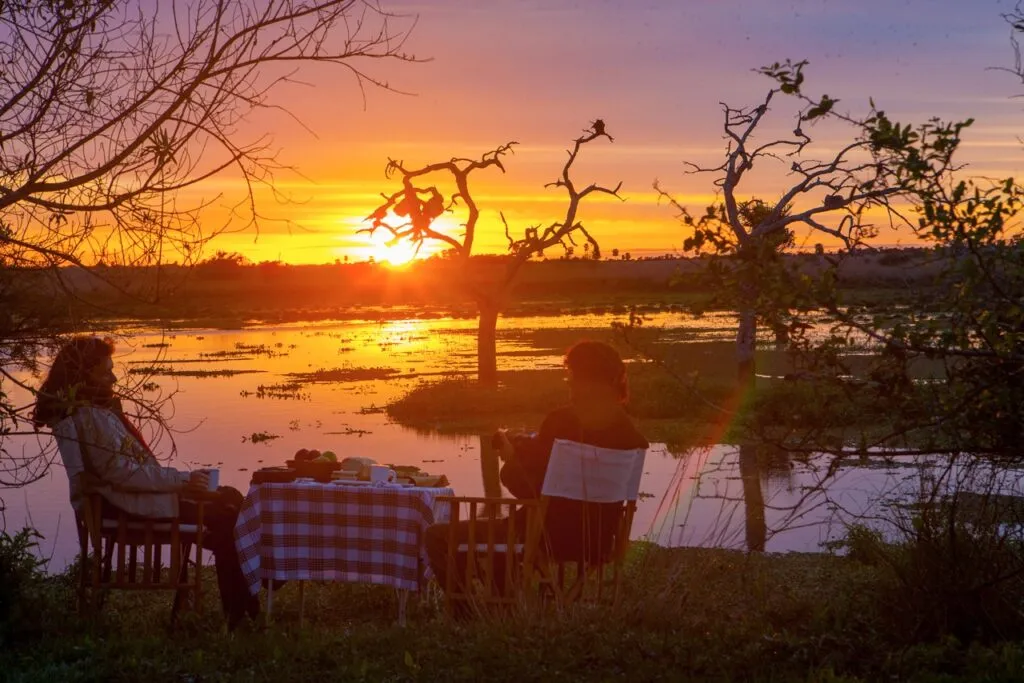
Accommodation options in Colonia Carlos Pellegrini range from cozy guesthouses and family-run lodges to boutique stays focused on nature experiences. Many lodges include meals, local guides, and excursions, making them a convenient choice given the remote location of the wetlands. Staying inside the reserve area also allows visitors to enjoy the peaceful atmosphere of Iberá, with opportunities to observe wildlife from early morning until sunset.
For travelers planning a broader itinerary through northern Argentina, Iberá can be combined with destinations such as Iguazú Falls, Salta, and Jujuy. Explore our Highlights of North Argentina itinerary for more inspiration on combining nature, culture, and landscapes in this region.
9. Floating Islands (Embalsados)
One of the most fascinating features of the Iberá Wetlands is the presence of embalsados, natural floating islands made from layers of aquatic vegetation, roots, and organic matter that accumulate over time. These floating formations can move slowly across the lagoons, shaped by wind and water currents, creating a unique landscape found in few places around the world.
The embalsados are not only a remarkable natural phenomenon but also an essential part of the wetland ecosystem. They provide shelter and breeding areas for many species, including birds, reptiles, and small mammals, contributing to the incredible biodiversity of Iberá wildlife.
Exploring the wetlands by boat is one of the best ways to observe these floating islands up close while discovering how water, vegetation, and animals interact in this extraordinary environment.
10. How to Combine It with Iguazú
Combining the Iberá Wetlands with Iguazú Falls is one of the best ways to experience the natural diversity of northern Argentina. While Iguazú impresses with the power and scale of its waterfalls, Iberá offers a completely different landscape of quiet lagoons, grasslands, and close wildlife encounters. Together, these destinations create a unique journey that combines adventure, biodiversity, and conservation.
The two destinations can be connected as part of a broader itinerary through northeastern Argentina, allowing travelers to discover both iconic attractions and lesser-known natural wonders. After exploring the trails and viewpoints of Iguazú, the peaceful atmosphere of the wetlands provides the perfect contrast, with opportunities for boat rides, birdwatching, and wildlife observation.
For travelers looking to experience both destinations in one trip, our Iguazú Falls and Iberá Wetlands trip combines guided experiences, local expertise, and carefully planned logistics to explore two of Argentina’s most extraordinary natural treasures.
Frequently Asked Questions
How do you get to the Iberá Wetlands?
The main gateway is Colonia Carlos Pellegrini, which can be reached from Mercedes or Posadas. Due to the remote location and gravel roads, private transfers or organized tours are recommended.
What is the best time to visit Iberá?
The best time to visit is generally from March to November, when temperatures are milder and conditions are ideal for wildlife observation and outdoor activities.
What animals can you see in the Iberá Wetlands?
Visitors can spot a wide variety of Iberá wildlife, including capybaras, caimans, marsh deer, giant anteaters, and more than 350 bird species.
Where do you stay in Iberá?
Most travelers stay in Colonia Carlos Pellegrini, the main village for exploring the wetlands. The area offers small lodges, guesthouses, and nature-focused accommodations with access to guided excursions.
Can you see jaguars in Iberá?
Jaguars have been successfully reintroduced to the Iberá ecosystem through a major conservation project. While sightings in the wild are still rare, the rewilding program represents an important step in restoring this iconic species to Argentina.