- 1. Start Here: Book the Wineries First
- 2. How Many Wineries in a Day?
- 3. Structure the Day by Region, Not Distance
- 4. Getting Around: Don’t Drive Yourself
- 5. Don’t Forget Lunch
- 6. A Sensible Order for the Wines
- 7. Putting the Day Together
- 8. Frequently Asked Questions
- How do I plan a Mendoza wine tour?
- How many wineries should I visit in a day in Mendoza?
- Should I drive myself between wineries in Mendoza?
- How should I structure a day of wine tasting in Mendoza?
- Do I need to book lunch at a Mendoza winery in advance?
- How far in advance should I plan a Mendoza wine tour?
The wine in Mendoza is the easy part. What separates a memorable day in the vineyards from a frustrating one is everything around the glass: how many wineries you book, in which region, how you get between them, and whether lunch is sorted before you arrive.
Most travelers underestimate this. They picture a relaxed day of tastings and end up rushing between bodegas an hour apart, arriving late because a winery required an appointment they didn’t have, and driving when they shouldn’t be.
So this is a practical guide to how to plan a Mendoza wine tour in Argentina — the logistics, from tastings to transfers — so the day works as smoothly as the wine deserves.
It’s written for the traveler who has decided on Mendoza and now has to build the actual day, and who’d rather get the mechanics right than learn them the hard way at a locked winery gate.
We’ll cover how many wineries to visit, how to structure the day, how to get around, lunch, and the mistakes that turn a great region into a stressful one. This is the Mendoza wine tour planning guide, in the order the decisions actually come.

A good Mendoza wine tour is mostly a matter of planning — the tastings are easy; the logistics are where days go wrong.
1. Start Here: Book the Wineries First
The single most important planning rule in Mendoza reverses most people’s instinct: book the wineries first, then build the day around them.
This is because many of Mendoza’s best bodegas are by appointment only and don’t accept walk-ins. The sought-after estates fill up, especially in high season, so your itinerary is constrained by what you can actually get into — not the other way around.
Decide which wineries you most want to visit, secure the appointments, and only then work out the route, the timing and the transfers between them. Trying to plan the logistics before the bookings is how people end up with an elegant-looking day that no winery will honour.
This is also the strongest argument for using a tour or a specialist: they hold the relationships and know which estates take visitors, which are worth the drive, and which appointments actually connect into a sensible day.
What’s included when you book through a specialist — and what isn’t — is worth understanding, and the same logic applies as in what’s included in a Patagonia tour.
2. How Many Wineries in a Day?
The most common planning mistake is trying to see too many wineries, and it ruins more Mendoza days than any other error.
Three or four wineries is the sweet spot for a full day. That’s enough to get a real sense of a region and to compare styles, while leaving time to actually enjoy each visit rather than rushing to the next appointment.
A proper winery visit isn’t a quick tasting — it’s a tour of the vineyard and cellar, a guided tasting, often with the winemaker, and frequently a long lunch. Two of those in a morning is a comfortable pace; five in a day is a blur you won’t remember.
Quality beats quantity here comprehensively. One unhurried visit with the winemaker, tasting from the barrel, is worth more than three rushed counter tastings. Plan for depth, not a checklist.
And build in buffer time. Wineries run to their own schedule, tastings overrun in the best way, and the distances between estates — especially out to the Uco Valley — are longer than they look.

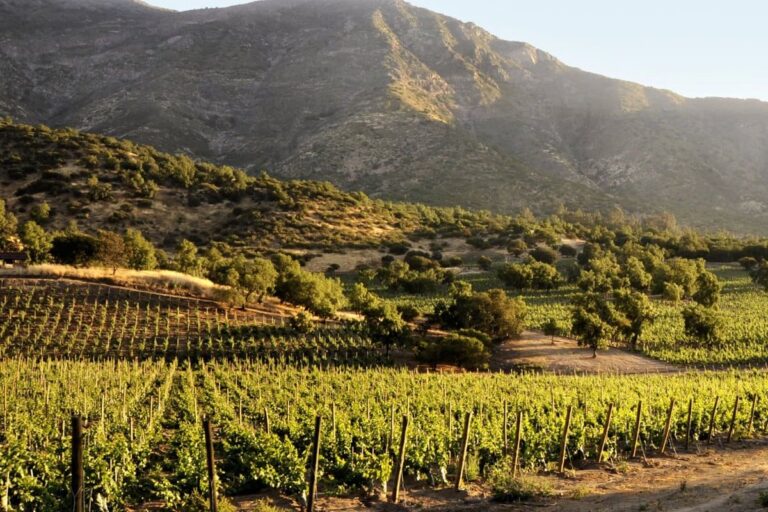
Three or four wineries is the sweet spot — enough to compare, few enough to enjoy each one.
3. Structure the Day by Region, Not Distance
Mendoza is spread across three wine regions, and the golden rule of planning is one region per day. Don’t try to combine wineries from different regions in a single day — the driving will eat your time.
Maipú and Luján de Cuyo are closer to the city, making them the easier options for a first day, with shorter transfers between estates. The Uco Valley is farther — about an hour and a half from the city — so it deserves its own full day rather than being tacked onto another region.
If you have two days, a sensible structure is one day in Luján de Cuyo or Maipú near the city, and one full day dedicated to the Uco Valley’s dramatic high-altitude wineries. Three days lets you add depth or a non-wine day.
Within a day, plan the geography so you’re not doubling back. A good tour sequences the wineries in a logical loop; if you’re arranging it yourself, map the appointments before you commit to times.
The mistake to avoid is an ambitious itinerary that looks great on paper and collapses under real driving times. In Mendoza, don’t over-schedule.
4. Getting Around: Don’t Drive Yourself
Here’s the transfer question that shapes the whole day, and it has an obvious answer that travelers still get wrong: don’t drive yourself.
You’ll be tasting wine all day. Argentina has strict drink-driving limits, the routes to some wineries are unfamiliar, and the point of the day is to relax — none of which is compatible with being behind the wheel.
The standard solution is a private driver or a guided tour that handles all the transfers. This is genuinely the norm in Mendoza, not a luxury, and it removes the single biggest logistical headache — and safety risk — of a wine day.
The alternatives are weaker. Small-group tours include transport but fix your pace and wineries. Bike tours exist for the compact, winery-dense parts of Maipú and are fun for a casual day, but they limit you to a small area and a few nearby estates.
For most travelers, a private driver or a private tour is the right call: you keep control of the pace and the winery choices while someone else handles the roads and the responsibility.

The obvious reason not to self-drive in wine country: you’ll be tasting all day. A private driver is the norm.
5. Don’t Forget Lunch
Lunch is not an afterthought in Mendoza — it’s often the highlight of the day, and it needs to be planned as deliberately as the tastings.
Many of the best bodegas have exceptional restaurants, and a long lunch at a winery, paired with its wines and looking out over the vineyards toward the Andes, is one of the region’s great experiences. These book up and should be reserved in advance.
Structurally, lunch anchors the day: two wineries in the morning, a leisurely lunch at a third estate, and perhaps one more visit in the afternoon is a near-perfect rhythm. It also paces the wine sensibly, putting food in the middle of the day rather than tasting on an empty stomach.
Build the lunch reservation into your plan at the same time as the winery appointments, not as something to sort out on the day. In high season, the best winery restaurants are as hard to get into as the tastings.
6. A Sensible Order for the Wines
A small detail that improves the day: think about the order of what you taste, the way you would structure a meal.
Start with lighter wines and work toward the fuller ones. Beginning with a bodega known for whites or lighter reds and building toward the big, structured Malbecs means your palate isn’t overwhelmed early and can appreciate the more powerful wines later.
Pace yourself, too. Spit if you want to stay sharp across several tastings — it’s entirely normal at wineries and not considered rude. Drink water between visits, and treat lunch as a reset rather than more drinking.
None of this is essential, but it’s the difference between remembering the wines and remembering only the first two. A good guide will structure the day this way instinctively.
For couples planning a slower, more romantic version of the day, Mendoza is a highlight of our guide to the top couple trips in South America.

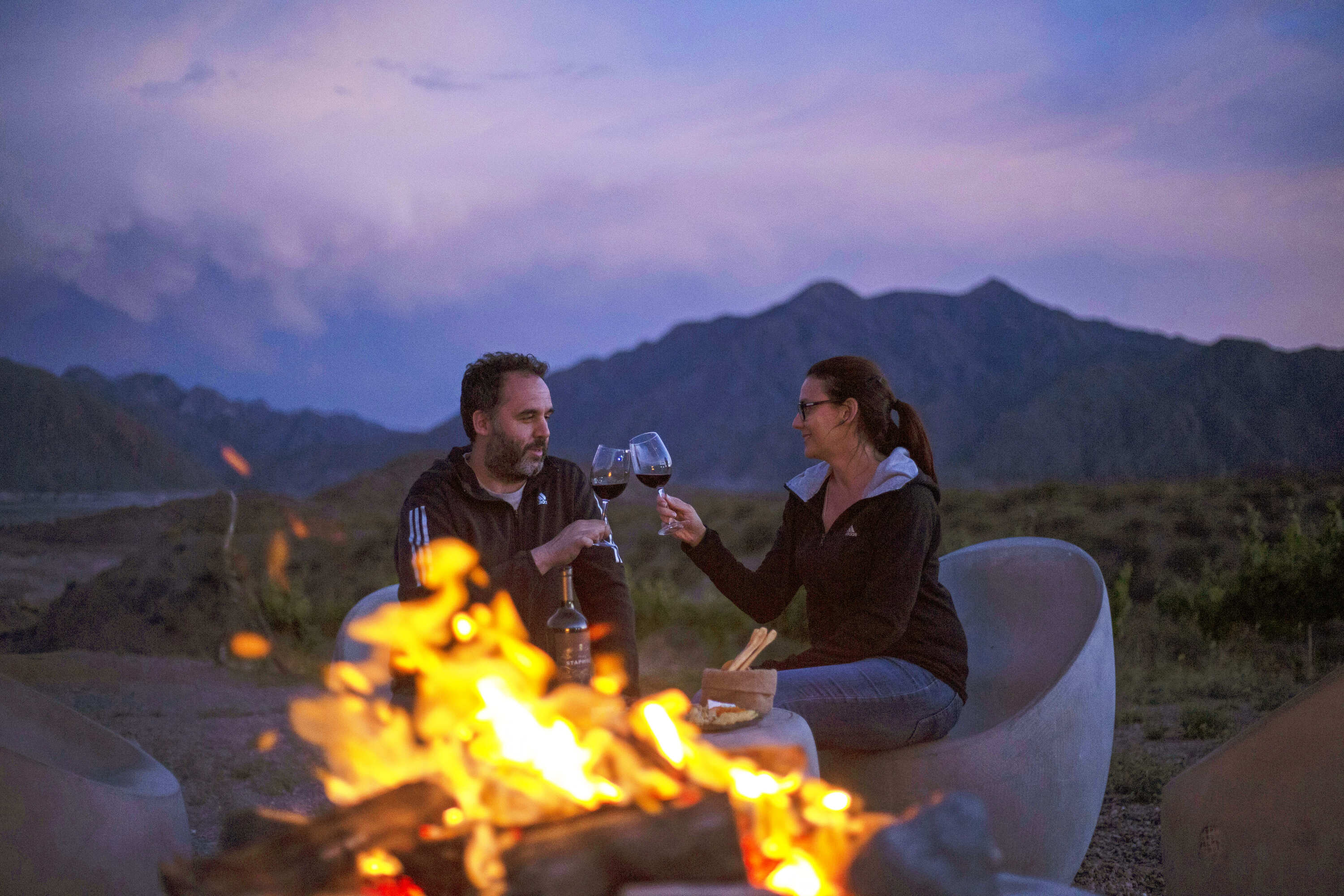
Structure the tastings like a good meal — lighter wines first, the big Malbecs later.
7. Putting the Day Together
Everything above, assembled into a plan you can actually follow.
| Planning step | The rule |
| 1. Book the wineries first | By appointment; the sought-after estates fill up early |
| 2. One region per day | Maipú/Luján near the city; the Uco Valley its own full day |
| 3. Three or four wineries | Depth over a checklist; build in buffer time |
| 4. Arrange a private driver | Never self-drive a tasting day |
| 5. Reserve lunch at a bodega | Often the highlight; anchors the day |
| 6. Order the tastings | Lighter wines first, big Malbecs later |
If you’d rather have all of this handled, our Mendoza wine tours and broader Mendoza trips arrange the appointments, transfers and lunches around your taste, and our travel specialists build the wine country into a wider Argentina route.
The broader practical preparation for an Argentina trip — money, timing, logistics — is covered in how to prepare for a trip to Argentina.
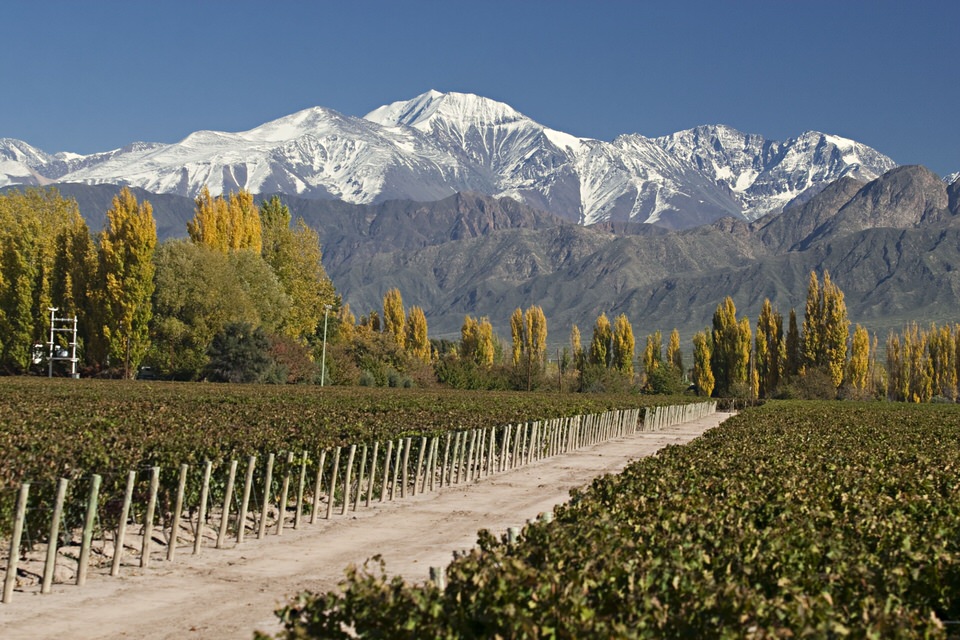
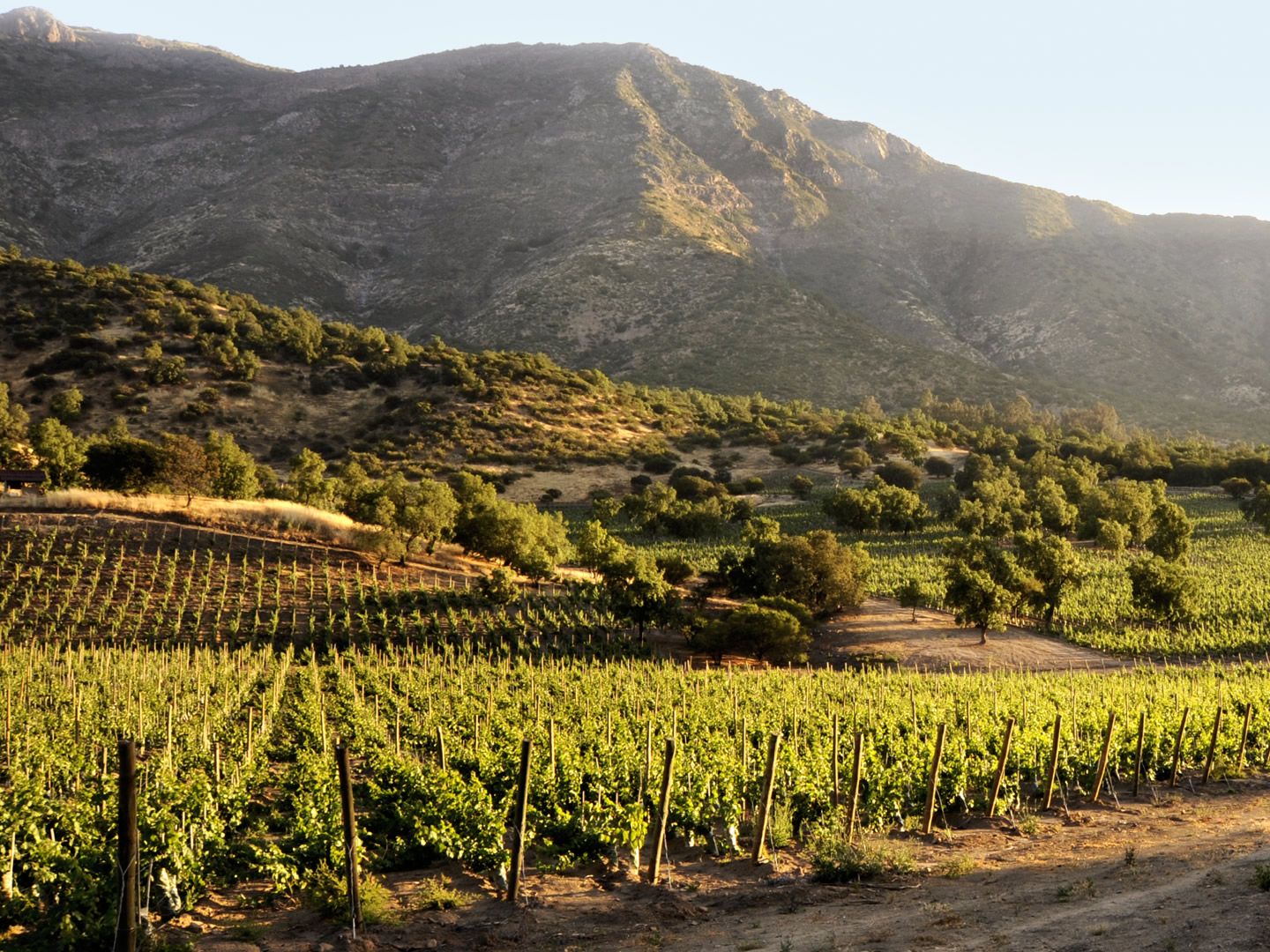
A well-planned Mendoza day: one region, three or four estates, a long lunch, a private driver, and no rushing.
8. Frequently Asked Questions
How do I plan a Mendoza wine tour?
Start by booking the wineries first, then build the day around them. Many of Mendoza’s best bodegas are by appointment only and don’t take walk-ins, so your itinerary is constrained by what you can actually get into.
Plan one region per day — Maipú or Luján de Cuyo near the city, the Uco Valley as its own full day — and aim for three or four wineries, not more, with buffer time built in.
Arrange a private driver or a guided tour rather than driving yourself, reserve lunch at a bodega in advance, and structure the tastings from lighter wines to the big Malbecs. That sequence turns a good day into a great one.
How many wineries should I visit in a day in Mendoza?
Three or four is the sweet spot for a full day. That’s enough to get a real sense of a region and compare styles, while leaving time to enjoy each visit rather than rushing to the next appointment.
A proper winery visit is a vineyard and cellar tour, a guided tasting often with the winemaker, and frequently a long lunch — not a quick pour. Two in a morning is comfortable; five in a day is a blur.
Quality beats quantity comprehensively. One unhurried visit tasting from the barrel is worth more than three rushed counter tastings, so plan for depth rather than a checklist.
Should I drive myself between wineries in Mendoza?
No. You’ll be tasting wine all day, Argentina has strict drink-driving limits, and the routes to some wineries are unfamiliar. Driving yourself is both a safety risk and at odds with the point of the day.
The standard solution is a private driver or a guided tour that handles all the transfers — this is the norm in Mendoza, not a luxury.
Small-group tours include transport but fix your pace and winery choices, and bike tours work only for the compact, winery-dense parts of Maipú. For most travelers, a private driver keeps control of the pace while removing the roads and the responsibility.
How should I structure a day of wine tasting in Mendoza?
Focus on one region to avoid long drives, and plan a logical loop so you’re not doubling back. A strong rhythm is two wineries in the morning, a long lunch at a third estate, and perhaps one more visit in the afternoon.
Order the tastings like a meal — lighter wines first, building toward the big, structured Malbecs — so your palate isn’t overwhelmed early. Pace yourself, spit if you want to stay sharp, and drink water between visits.
Build in buffer time, because wineries run to their own schedule and the distances, especially to the Uco Valley, are longer than they look. Don’t over-schedule an ambitious itinerary that collapses under real driving times.
Do I need to book lunch at a Mendoza winery in advance?
Yes. Many of the best bodegas have exceptional restaurants, and a long lunch paired with the winery’s wines, looking over the vineyards toward the Andes, is one of the region’s great experiences — and it books up.
Reserve lunch at the same time as your winery appointments, not as something to sort out on the day. In high season, the best winery restaurants are as hard to get into as the tastings themselves.
Lunch also anchors the day structurally, pacing the wine sensibly by putting food in the middle rather than tasting on an empty stomach. Treat it as a highlight to plan for, not an afterthought.
How far in advance should I plan a Mendoza wine tour?
For high season and the March–April harvest, several months ahead is sensible, because the sought-after wineries and their restaurants book up and visits are by appointment only.
In quieter seasons you have more flexibility, but the best estates still reward advance booking. The key is that the wineries, not the logistics, drive the timeline — you can only build a day around the appointments you can secure.
Using a tour or specialist shortcuts this, since they hold the relationships and know which estates take visitors and which appointments connect into a sensible day. Either way, plan the bookings first and the route second.