- 1. What “Luxury” Actually Means in Patagonia
- 2. Torres del Paine: The Crown of Chilean Patagonia
- 3. El Calafate and the Perito Moreno Glacier in Style
- 4. El Chaltén: The Trekking Capital with a Refined Base
- 5. Estancias: Patagonia’s Original Luxury
- 6. Luxury Glamping and Design-Forward Wild Camps
- 7. Cruising Patagonia — and Extending to Antarctica
- 8. Best Time to Visit and When to Book
- 9. How Many Days You Need and How to Combine Destinations
- 10. Why a Local Travel Specialist Changes a Luxury Patagonia Trip
- 11. Frequently Asked Questions10.
- What is the best luxury lodge experience in Patagonia?
- How much does a luxury trip to Patagonia cost?
- When is the best time to visit Patagonia for a luxury trip?
- How many days do I need to see Patagonia properly?
- Is it better to visit Argentine or Chilean Patagonia?
- Can a luxury Patagonia trip be fully customized?
Patagonia has a way of rearranging your sense of scale. You arrive thinking you understand distance and silence, and within a day the region quietly corrects you.
A granite spire catching first light, a glacier calving into milk-blue water, a valley so wide it seems to curve with the earth.
For travelers who have already seen a great deal of the world, this is precisely the appeal. Patagonia doesn’t compete on landmarks; it competes on feeling.
And the best luxury travel options in Patagonia are the ones that protect that feeling rather than smother it in gloss and gold.
That distinction matters here more than almost anywhere else. Luxury at the end of the world is not about marble lobbies or crowded infinity pools.
It’s about waking in a design-forward lodge with nothing but steppe and mountain outside your window, about a private guide who knows which trail will be empty at golden hour.
In a place this remote, comfort and access are the real currency — and getting them right requires local knowledge that no glossy brochure can fake.
This guide is built for the traveler who values authenticity over excess: someone drawn to nature, to genuine experiences, and to a trip designed by people who have stood where you’re about to stand.
Below, we walk through the finest lodges, the signature landscapes, the estancias, the cruises, and the practical details — when to go, how many days you need, and how to weave it all together.
The aim is simple: to show what a truly refined Patagonian journey looks like, and how the top luxury Patagonia experiences are quietly assembled behind the scenes.
1. What “Luxury” Actually Means in Patagonia
It’s worth pausing on the word itself, because Patagonia rewrites its definition. In most destinations, luxury is measured in thread counts and Michelin stars.
Here, the ingredients are rarer and harder to buy: solitude, access, timing, and the expertise to use all three.
A luxury Patagonia trip is one where you hike a celebrated trail without seeing another soul, where a naturalist explains a glacier as you stand at its face, where a private 4×4 opens a valley most visitors never reach.
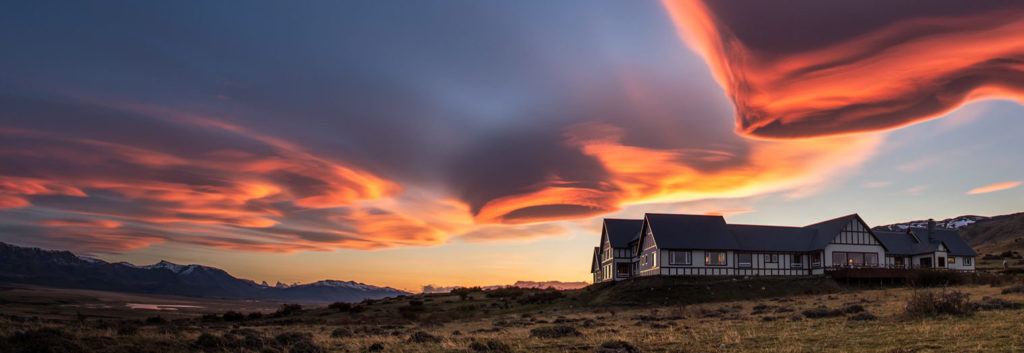
The finest lodges understand this. They are architecturally restrained, built low against the wind, with floor-to-ceiling windows that treat the landscape as the only decoration worth having.
Meals lean on Patagonian lamb, king crab from the Beagle Channel, and high-altitude Argentine wines. Service is warm rather than formal — this is a region of pioneers and estancieros, not palaces.
The luxury, in other words, is experiential. It’s the difference between watching Patagonia through a window and being genuinely inside it, guided by someone who can read the weather, the wildlife, and the light.
2. Torres del Paine: The Crown of Chilean Patagonia
If there is one place that concentrates everything travelers dream of when they picture Patagonia, it is Torres del Paine.
The three granite towers that give the Chilean national park its name rise almost vertically from the steppe, framed by glaciers, turquoise lakes, and herds of guanaco.
It is, by wide agreement, the emotional center of the region — and the epicenter of Patagonian luxury lodging.
Here, all-inclusive lodges have perfected a particular art: they place you at the threshold of the wilderness and hand you a menu of guided excursions to match your energy on any given morning.
You might trek toward the base of the towers one day and drift by boat past the Grey Glacier the next, returning each evening to a hot soak, a glass of Carménère, and a fine dinner.
For travelers who want the drama of the famous W trek without carrying a pack or sleeping in a refugio, this is the answer — its greatest viewpoints delivered with a bed and a fire waiting.
Our selection of Torres del Paine tours spans this full range, and the Torres del Paine travel guide is a good place to understand the park’s geography before you commit to a base.
3. El Calafate and the Perito Moreno Glacier in Style
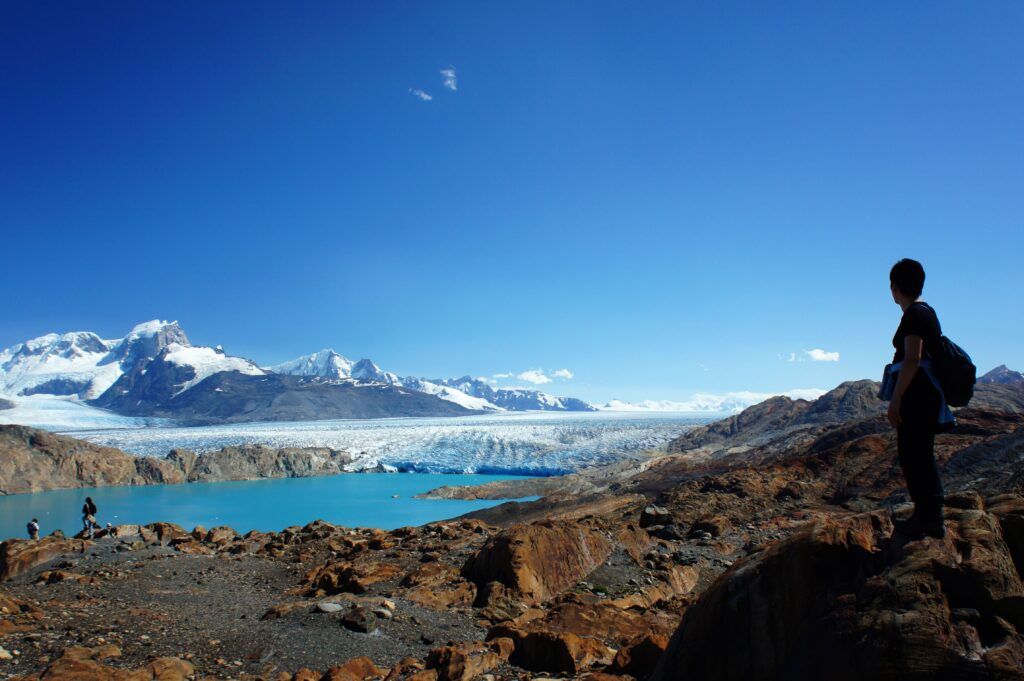
Cross the border into Argentine Patagonia and the landscape shifts from jagged peaks to the vast, luminous ice of the Southern Patagonian Ice Field.
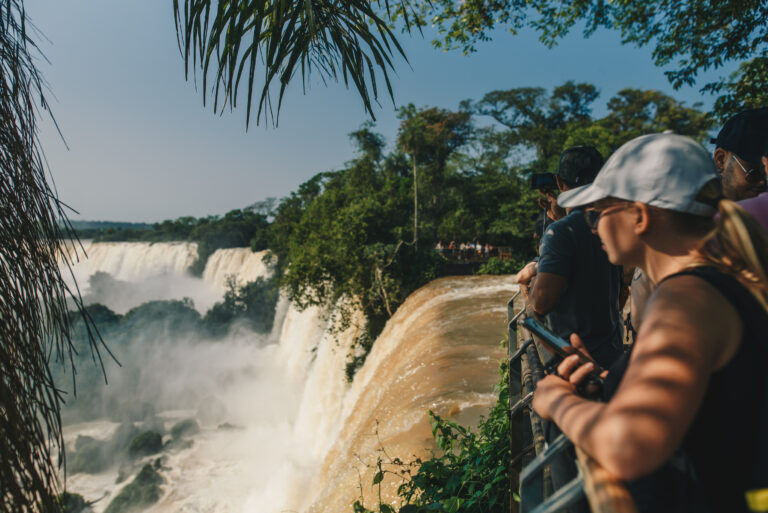
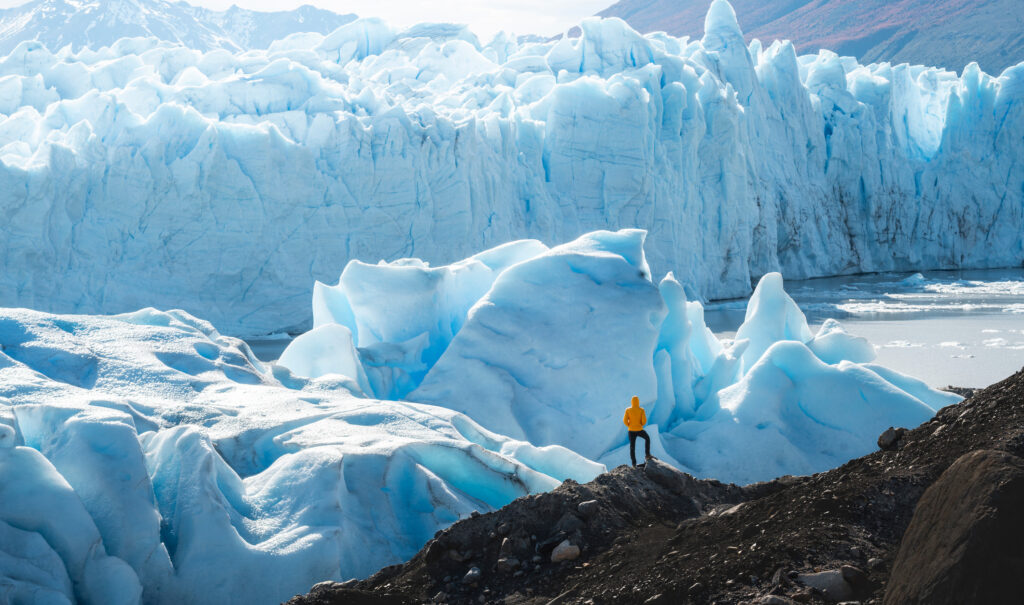
El Calafate is the gateway, and its headline act — the Perito Moreno Glacier — is one of the few advancing glaciers on earth, a five-kilometer wall of ice that sheds building-sized blocks into the lake below.
Standing on the boardwalks as a tower of ice collapses into the water is one of those moments that recalibrates you.
The luxury here is in the access. Rather than sharing the main viewpoints with day-tour crowds, a well-designed trip puts you on the ice itself, or on a private boat weaving between icebergs at the glacier’s flank.
Boutique lodges outside town trade proximity for silence, offering long views over Lake Argentino and easy transfers to the park.
It’s also the natural launch point for combining ice with granite: many of our travelers pair the glaciers with the mountains just up the road.
Our El Calafate tours are frequently built to flow directly into El Chaltén, turning two remarkable places into one coherent journey rather than two disconnected stops.
4. El Chaltén: The Trekking Capital with a Refined Base
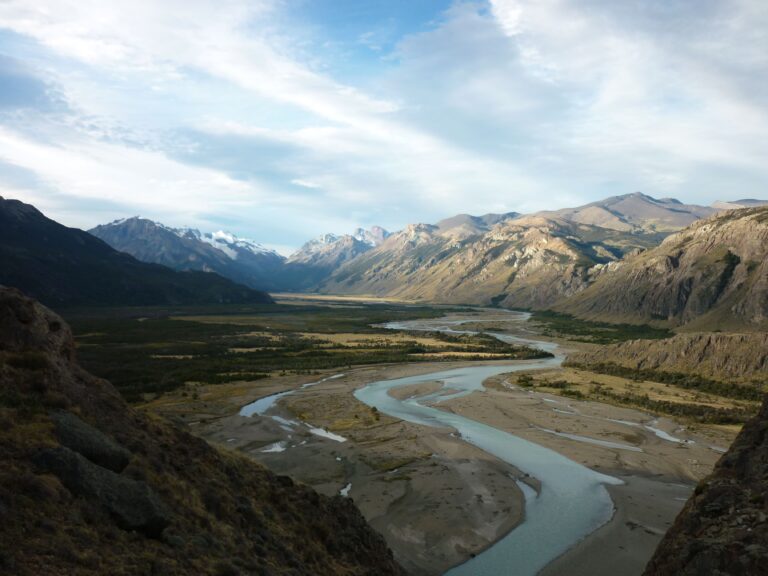
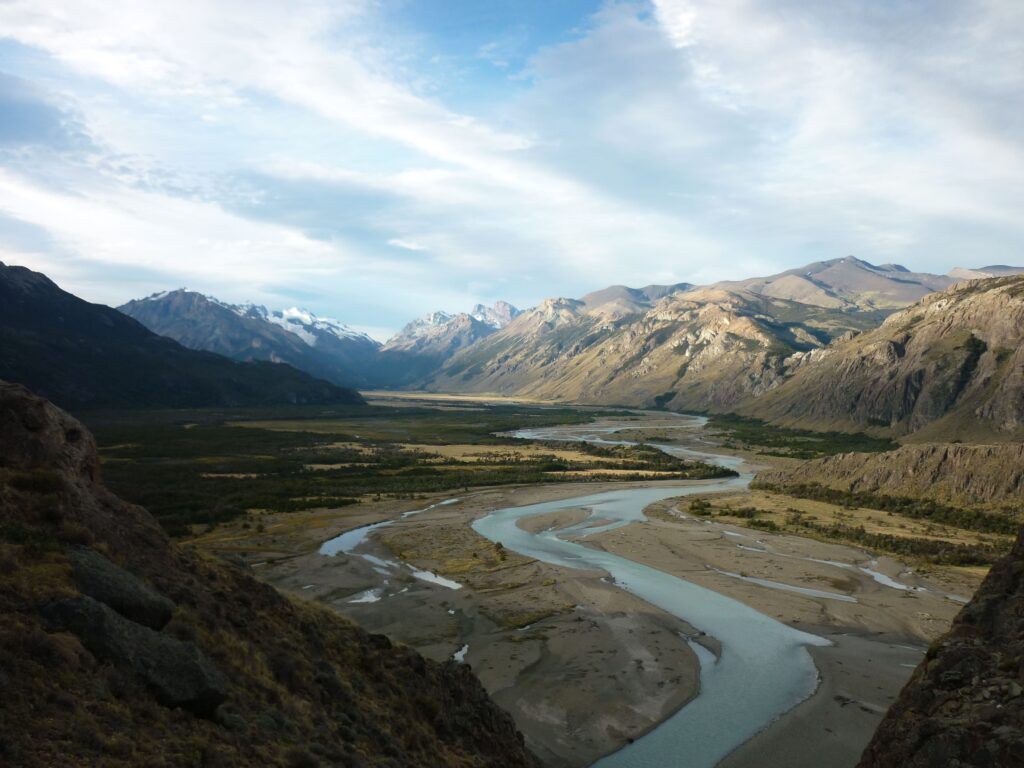
Three hours north of El Calafate sits El Chaltén, a small mountain village that Argentina officially founded as its national trekking capital — and it earns the title.
This is the base for the Fitz Roy massif, whose serrated skyline is so iconic it inspired a well-known outdoor brand’s logo.
The trails here are extraordinary and, crucially, walkable directly from town, so you can spend your days deep in the mountains and your evenings somewhere genuinely comfortable.
Luxury in El Chaltén is more intimate than in Torres del Paine — think design-led boutique hotels and private guiding rather than sprawling all-inclusive estates. That intimacy is part of the appeal.
A private guide will time your ascent toward the Laguna de los Tres viewpoint to reach Fitz Roy as the crowds thin, read the fickle weather to choose the right day, and adjust the pace to you.
For travelers who want to feel the mountains without roughing it, the village strikes a rare balance, and our El Chaltén trips make the most of its short, spectacular trails while keeping the experience unhurried and personal.
5. Estancias: Patagonia’s Original Luxury
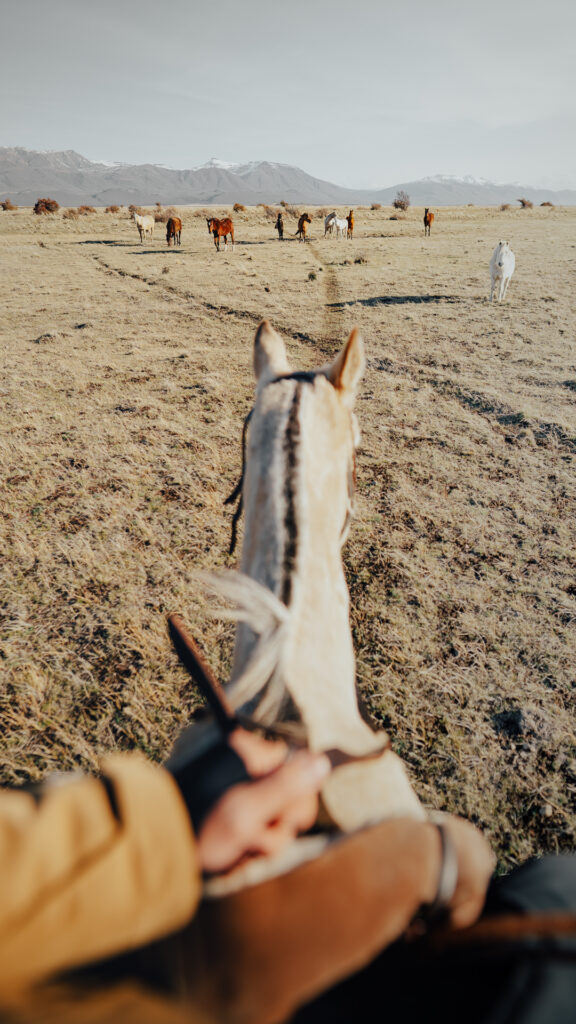
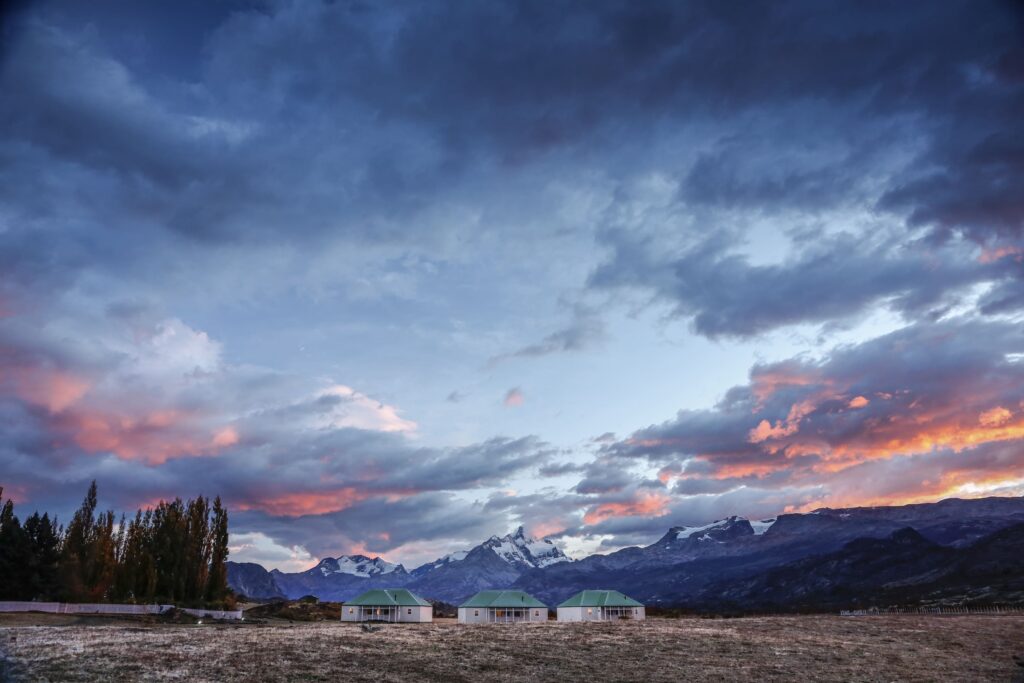
Long before boutique lodges arrived, Patagonia’s version of grand living was the estancia — the vast sheep and cattle ranches that pioneers carved out of the steppe a century ago.
Staying on a working estancia remains one of the most authentic and quietly luxurious things you can do in the region, precisely because it can’t be manufactured.
These are real homes with real histories, where the horizon belongs to you and the rhythm of the day still follows the land.
A refined estancia stay might involve riding out with a gaucho at dawn, watching a sheep-shearing demonstration, and sitting down to a lamb asado cooked slowly over open flame in a stone quincho.
The rooms are elegant but unpretentious; the true luxury is exclusivity and immersion — often just a handful of guests across an estate the size of a small country.
For travelers who want their comfort wrapped in genuine culture rather than polished anonymity, a Patagonian estancia journey offers the feeling of being let into a way of life, not merely booked into a room.
6. Luxury Glamping and Design-Forward Wild Camps
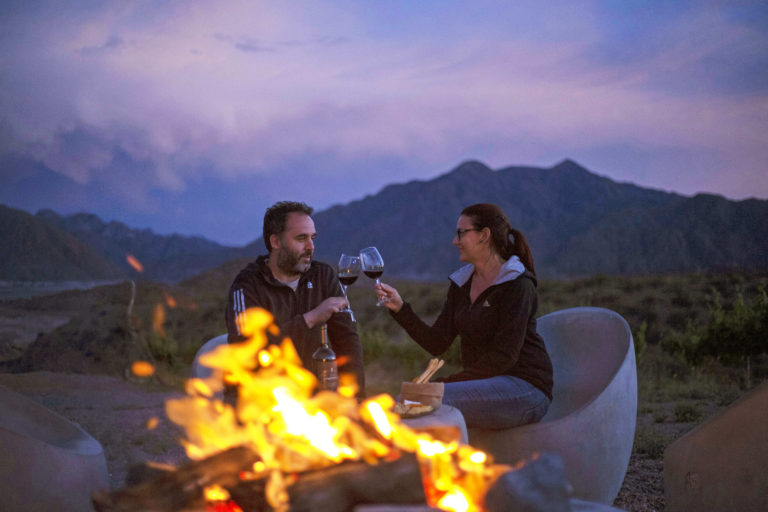
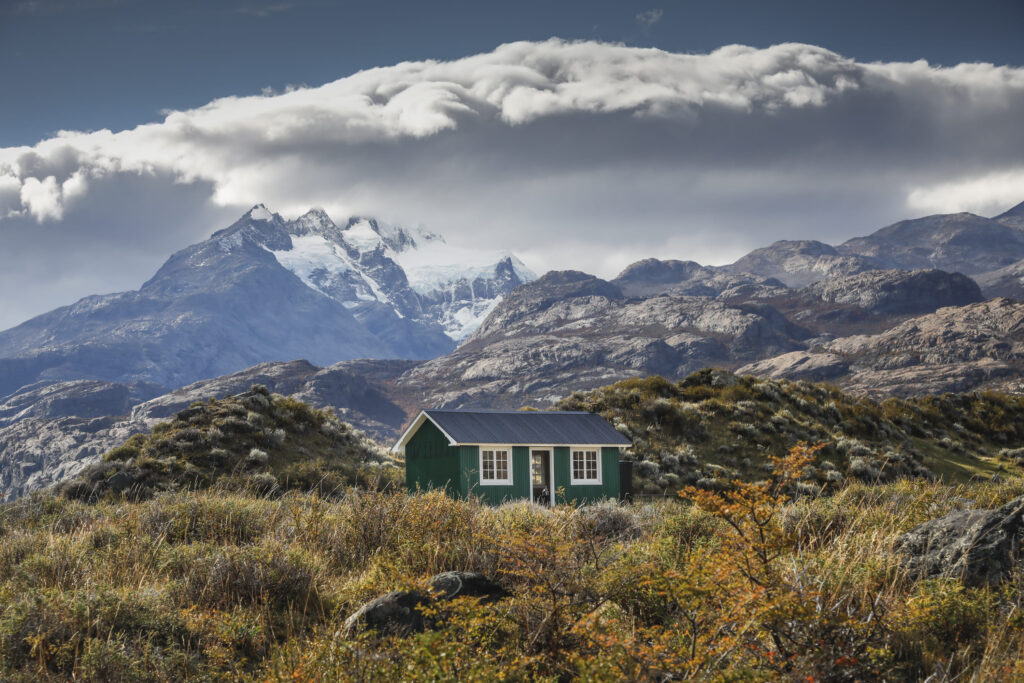
For travelers who want to sleep closer to the wilderness without surrendering comfort, Patagonia has quietly become one of the world’s most compelling glamping destinations. This is not camping in any traditional sense.
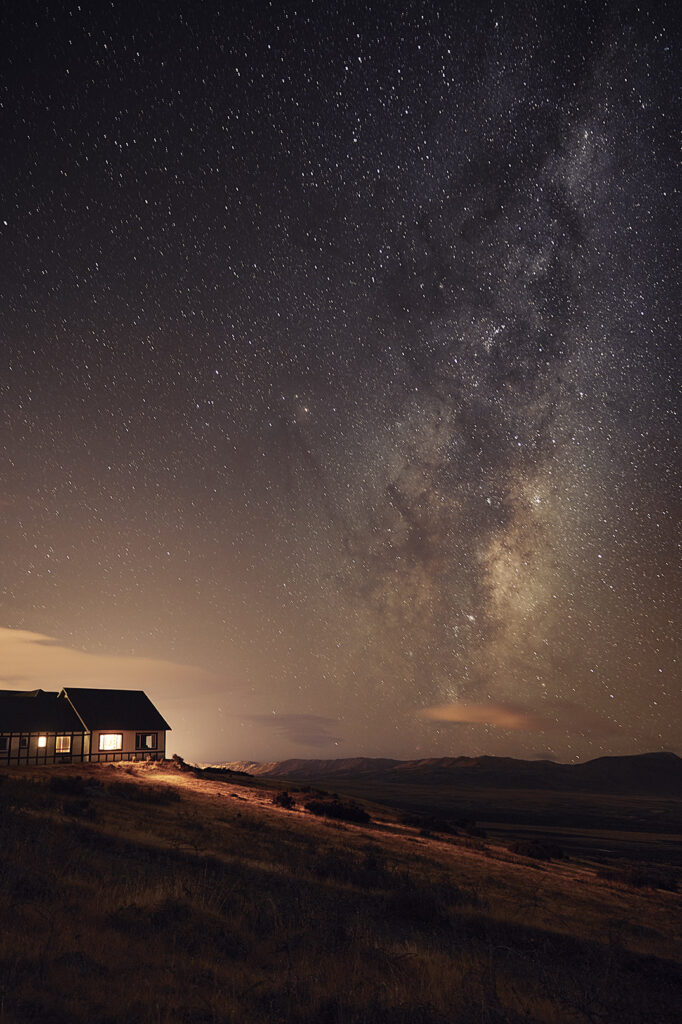
Picture geodesic domes and canvas suites with proper beds, wood stoves, and private decks — placed in locations so remote that the nearest artificial light is a hundred kilometers away, and the night sky becomes an event.
The best of these camps are engineered to tread lightly, running on renewable energy and designed to be dismantled without a trace.
What you gain is intimacy no lodge can match: the sound of wind on canvas, the shock of the Milky Way, the sense of being a guest in the wild rather than a spectator behind glass.
It’s an especially good fit for couples and for travelers who want their sense of adventure intact but their evenings warm and well-fed.
A cross-border glamping journey through Argentine and Chilean Patagonia stitches together design-driven camps on both sides of the Andes into a single, seamless arc.

7. Cruising Patagonia — and Extending to Antarctica
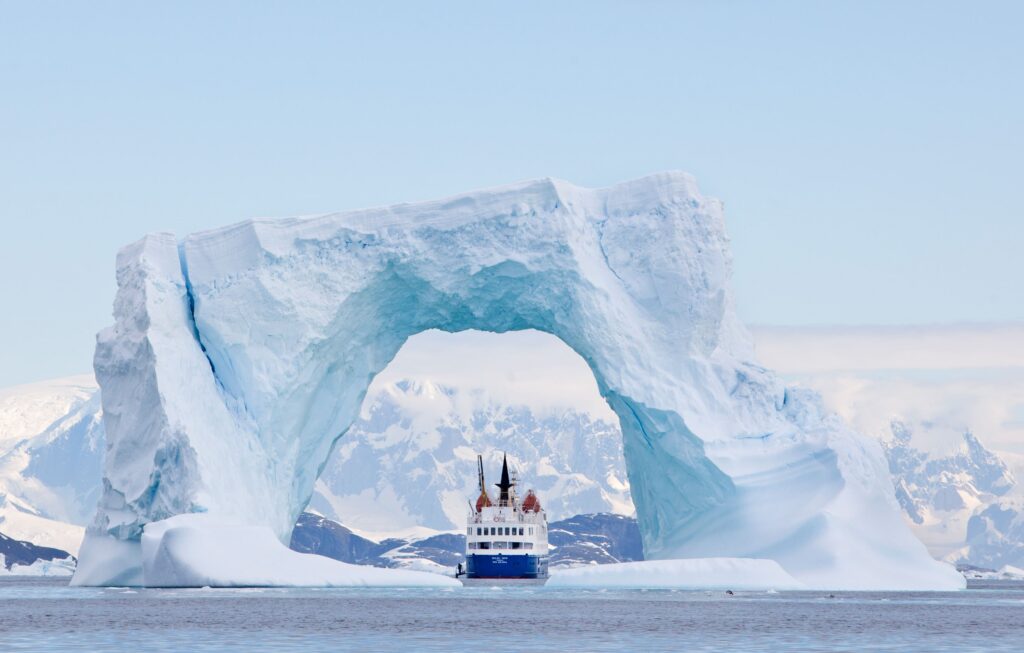
Some of Patagonia’s most dramatic scenery is only reachable by water, and small-ship cruising is where luxury and genuine expedition meet.
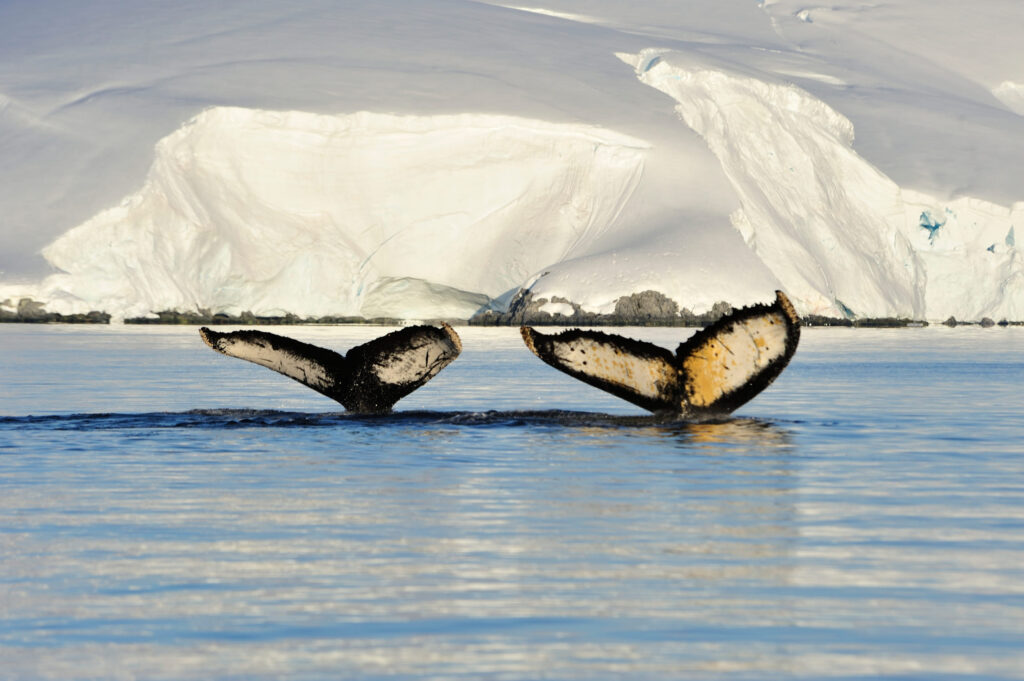
Voyages through the southern fjords thread past glaciers that spill directly into the sea, penguin colonies, and channels named by the explorers who first charted them.
Because the ships are small, the experience stays intimate — expert naturalists, Zodiac landings, and the constant possibility of whales or sea lions off the bow.
For the most ambitious travelers, Patagonia is also the doorway to the White Continent.
Ushuaia, the world’s southernmost city and the tip of Argentine Patagonia, is the departure point for most Antarctic expeditions, and pairing an overland journey with a voyage south is a great luxury combination.
It turns a single trip into a crossing of two of the planet’s last true wildernesses. Our Antarctica cruise options range from classic crossings to longer expeditions, slotting naturally onto the end of a Patagonia itinerary.

8. Best Time to Visit and When to Book
Timing is one of the details that separates a good Patagonia trip from a frustrating one, and it’s where local guidance earns its keep.
The prime season runs from roughly late September through March — the Southern Hemisphere’s spring and summer — when the days stretch long, the trails are open, and the wildlife is most active.
December to February is the warmest and busiest window; November March and April reward you with thinner crowds, softer light, and often better wildlife viewing, though the weather is less predictable.
The more important point, especially for luxury travelers, is that the best lodges and estancias are small and book out remarkably early — frequently eight to twelve months ahead for peak dates.
The signature rooms and the most sought-after guides are gone first. This is the single most common reason a dream Patagonia trip becomes a compromised one, and it’s entirely avoidable with early planning.
Booking well in advance isn’t about urgency for its own sake; in a region with this little inventory and this much demand, it’s simply how the finest experiences are secured before they disappear.
9. How Many Days You Need and How to Combine Destinations
Patagonia is enormous, and distances are deceptive — two headline sights can sit a full day’s travel apart. The most common mistake is trying to do too much, turning a restorative trip into a logistics marathon.
As a rule of thumb, a focused first visit works beautifully in nine to eleven days, while a comprehensive journey linking the Argentine and Chilean sides usually wants twelve to sixteen.
Our 13-day Best of Patagonia itinerary is a good illustration of that fuller arc, and the broader Patagonia travel guide helps set expectations before you plan.
The table below offers a simple orientation for matching your time and travel style to the right combination.
| Days available | Suggested focus | Best suited to |
| 5–7 | One anchor: El Calafate + El Chaltén, or Torres del Paine | First-timers, add-on to Buenos Aires |
| 9–11 | Argentine ice & peaks + a Chilean crossing to Torres del Paine | Classic luxury first visit |
| 12–16 | Argentine + Chilean Patagonia, estancias, glaciers, and fjords | Immersive, unhurried journeys |
| 16+ | Full Patagonia overland extended with an Antarctica voyage | Bucket-list, once-in-a-lifetime |
Because the two countries connect at just a few border crossings, sequencing matters enormously — the difference between an elegant route and a day lost to backtracking.
This is exactly the kind of detail that benefits from someone who plans these crossings routinely, and our full range of luxury Patagonia journeys is built around getting that flow right.
10. Why a Local Travel Specialist Changes a Luxury Patagonia Trip
You can, in theory, assemble a Patagonia trip from a laptop. But the gap between a self-booked itinerary and one shaped by local travel experts is widest precisely at the luxury end.
That’s where value lives in details you can’t see from a distance — which lodge’s east-facing rooms catch the sunrise, which guide is worth requesting by name, how to time a border crossing so you don’t lose an afternoon.
Say Hueque has specialized in Argentine and Chilean Patagonia for more than two decades, designing tailor-made itineraries around each traveler rather than selling fixed packages.
That means a journey built to your pace and interests, flexible enough to adapt when the famous Patagonian weather has other plans, and supported by a team that knows the region first-hand.
Signature routes like the Luxury Patagonia Adventure, the Exclusive Patagonia journey of luxury and hikes, and the Pristine Camps luxury experience exist as starting points a specialist then refines into something genuinely yours.
In a destination where the best options are scarce and the logistics unforgiving, that expert guidance is not a luxury add-on. It is the luxury.
11. Frequently Asked Questions10.
What is the best luxury lodge experience in Patagonia?
There is no single answer, because the finest experience depends on what moves you. Travelers drawn to dramatic peaks and all-inclusive convenience tend to favor the lodges in and around Torres del Paine.
Those seeking authenticity often prefer a working estancia, while couples chasing solitude gravitate toward design-forward glamping camps.
The common thread is location and access rather than opulence — a great Patagonian lodge earns its reputation through the wilderness at its doorstep and the quality of its guiding, not its interiors.
How much does a luxury trip to Patagonia cost?
Costs vary widely with season, lodge, and level of private guiding, but luxury Patagonia travel sits at the premium end because remoteness drives everything — transfers, small-scale lodging, and expert guides all carry a genuine cost.
Rather than a fixed price, it’s more useful to think in terms of value: where your budget delivers the most meaningful access and comfort.
A specialist can concentrate spending on what matters most to you, whether that’s private glacier excursions, a standout lodge, or a longer, slower journey across both countries.
When is the best time to visit Patagonia for a luxury trip?
The prime window runs from late September to April, during the Southern Hemisphere’s spring and summer, when trails are open and daylight is long.
December through February offers the warmest, most reliable weather but also the largest crowds. Many seasoned travelers prefer November or March, when the light is softer and the region feels quieter.
Whichever window you choose, the crucial detail is booking early — the best lodges and estancias are small and often reserved eight to twelve months ahead for peak dates.
How many days do I need to see Patagonia properly?
For a focused first visit, nine to eleven days lets you experience the Argentine glaciers and peaks or the Chilean highlights without rushing.
To connect both sides — combining El Calafate, El Chaltén, and Torres del Paine — plan for twelve to sixteen days, which absorbs the long internal distances gracefully.
Compressing the region into less time usually means more hours in transit than in the landscape. To extend toward Antarctica from Ushuaia, add at least another eight to ten days.
Is it better to visit Argentine or Chilean Patagonia?
Both are extraordinary, and the most rewarding luxury trips usually combine them rather than choosing.
Argentine Patagonia offers the immense glaciers around El Calafate and the trekking mecca of El Chaltén, while Chilean Patagonia is defined by the concentrated grandeur of Torres del Paine.
Because the two sit close together across the border, a well-designed itinerary links them into a single journey, giving you ice, granite, steppe, and fjord in one seamless arc.
Can a luxury Patagonia trip be fully customized?
Yes — and in practice, the best ones always are. Because Patagonia’s finest lodges, guides, and estancias are limited in number, a genuinely refined trip is assembled around your dates, pace, and interests.
A tailor-made approach lets you weave together exactly the elements that matter to you, adjust for the region’s unpredictable weather, and travel with support both before and during the journey.
Fixed packages can serve as inspiration, but the character of a luxury Patagonia trip comes precisely from the personalization a local travel specialist brings to it.