- 1. First: What Does “The Real Experience” Actually Mean?
- 2. How Long Should You Plan for Patagonia?
- 3. Combining Patagonia with Chile or Argentina
- 4. What Separates Good Tours from the Best Patagonia Tours?
- 5. Is Patagonia Better in Argentina or Chile?
- 6. Planning for Weather and Season
- 7. So, What’s the Right Length for You?
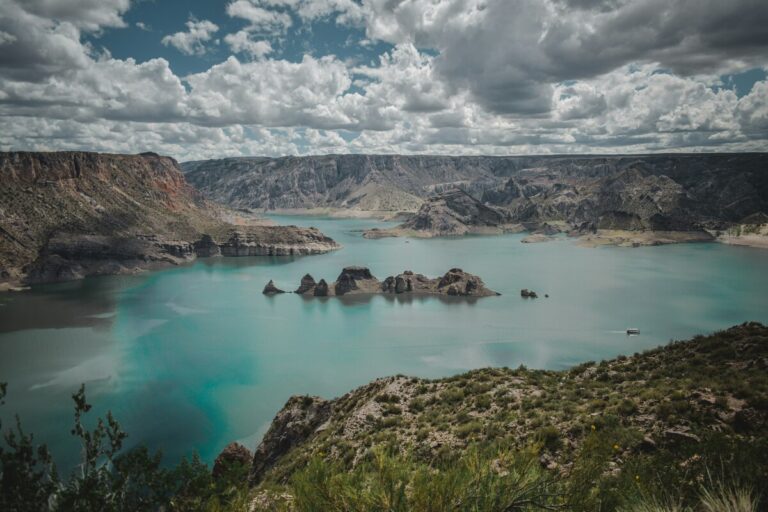
Patagonia is not a place you “visit.” It’s a place you move through slowly — across wind-shaped steppe, along glacier-fed lakes, beneath granite spires that seem almost unreal in scale.
If you’re searching for the best Patagonia tours, chances are you’re not looking for a rushed overview. You want something immersive. Something that feels less like checking destinations off a list and more like understanding the landscape from within.
The real question isn’t just which itinerary to choose. It’s how long you should plan for — and what kind of experience you want to build into those days.
1. First: What Does “The Real Experience” Actually Mean?
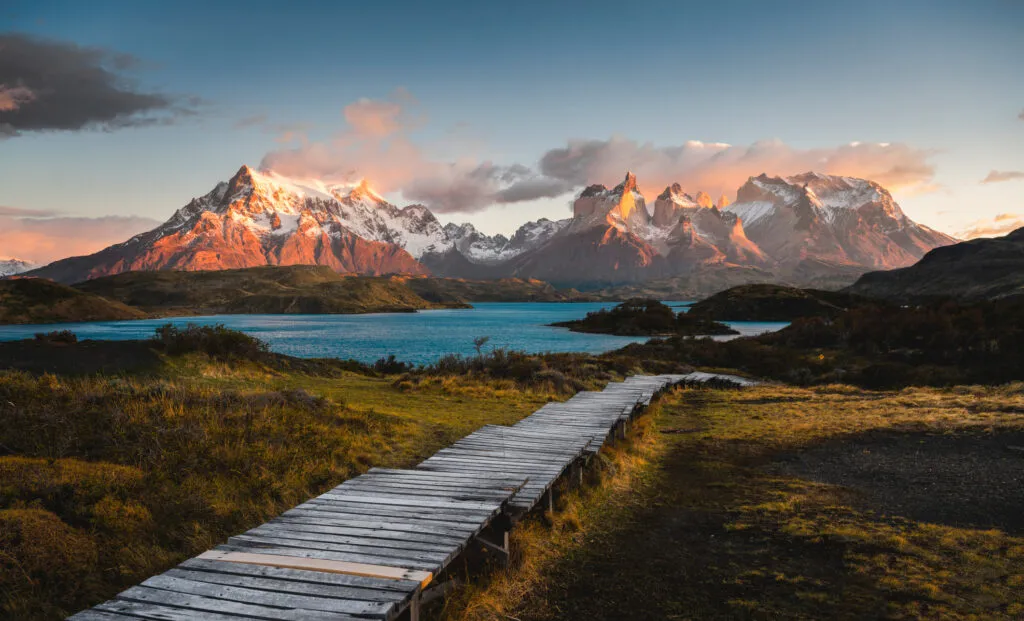
Patagonia spans both Argentina and Chile, divided by the Andes but connected by the same elemental forces: wind, ice, silence, distance.
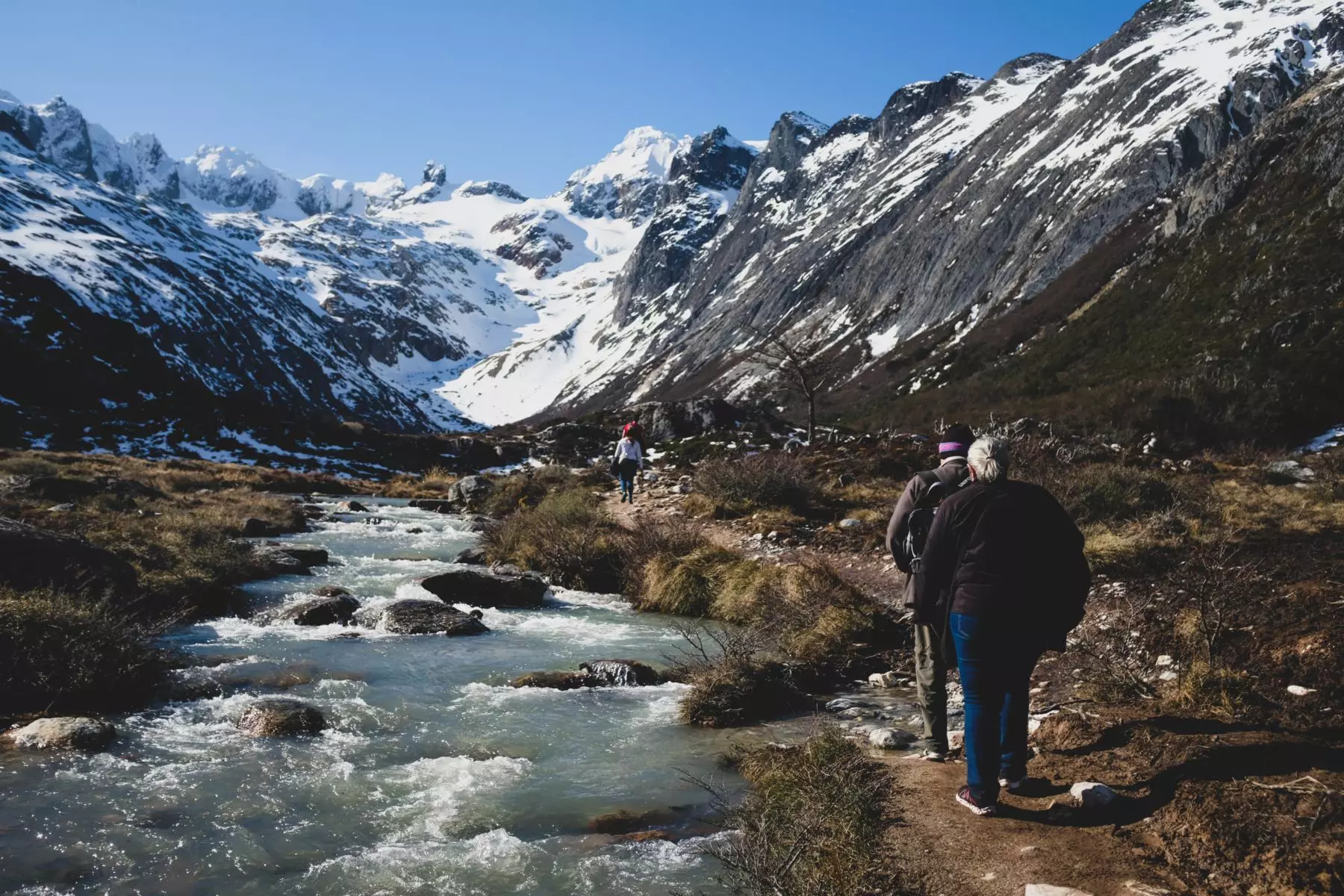
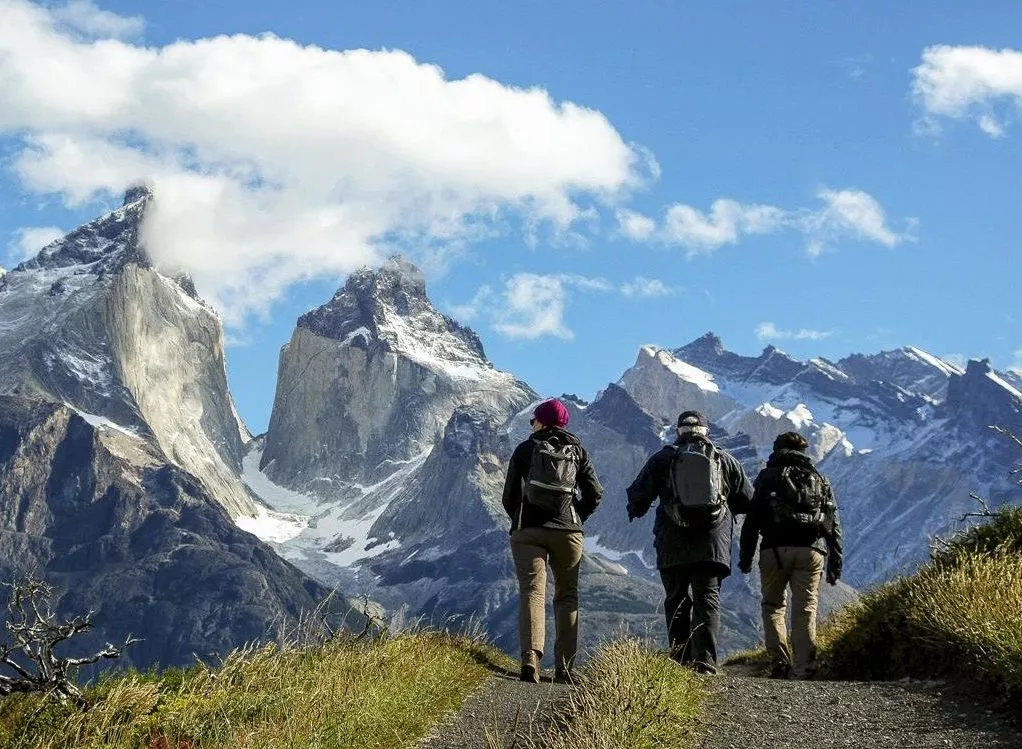
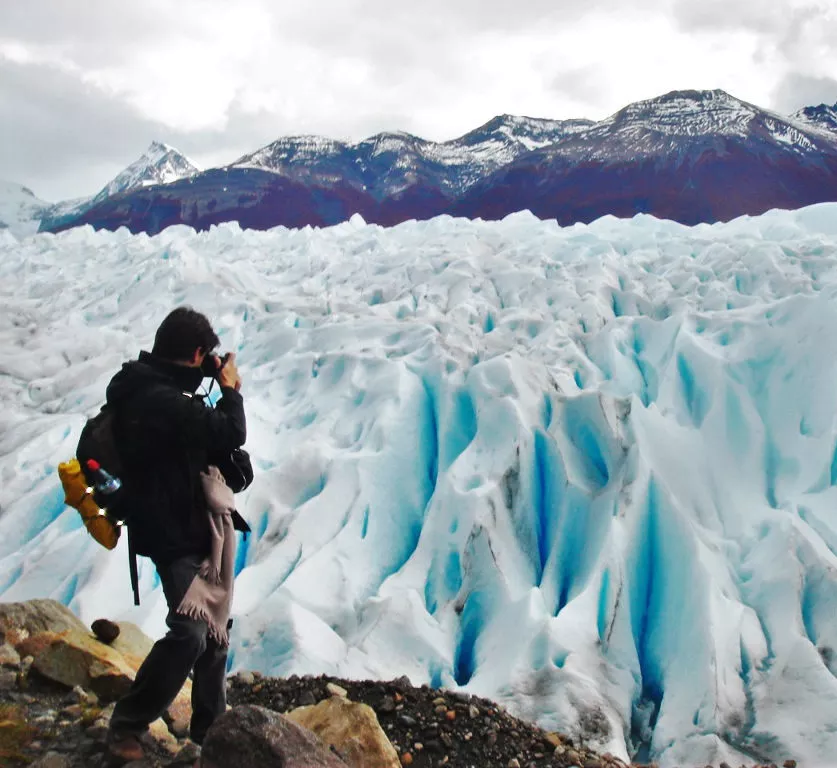
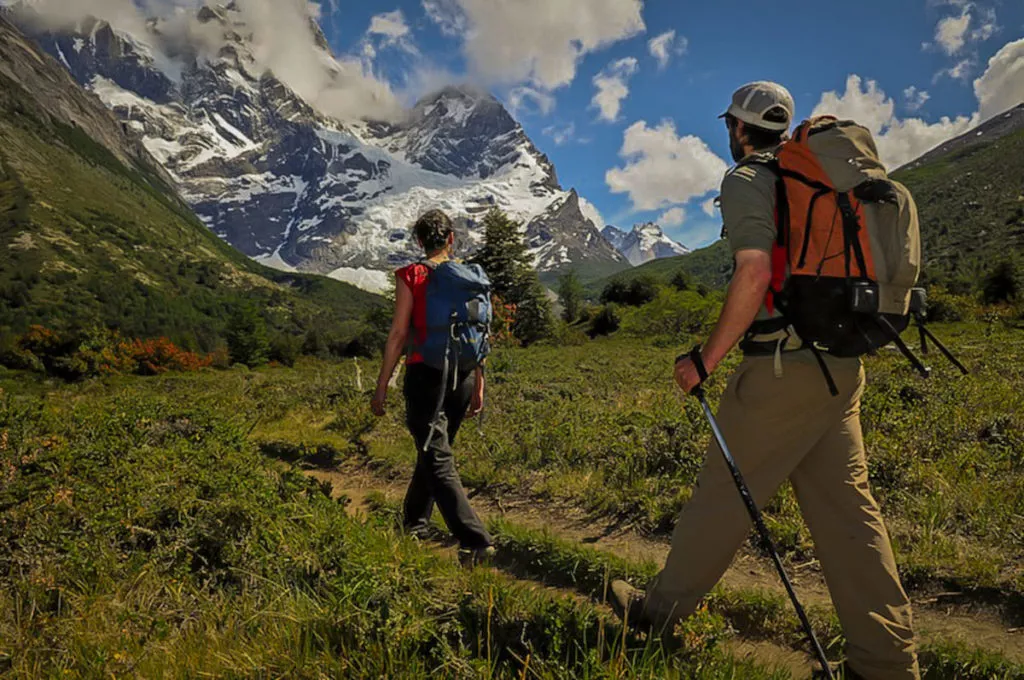
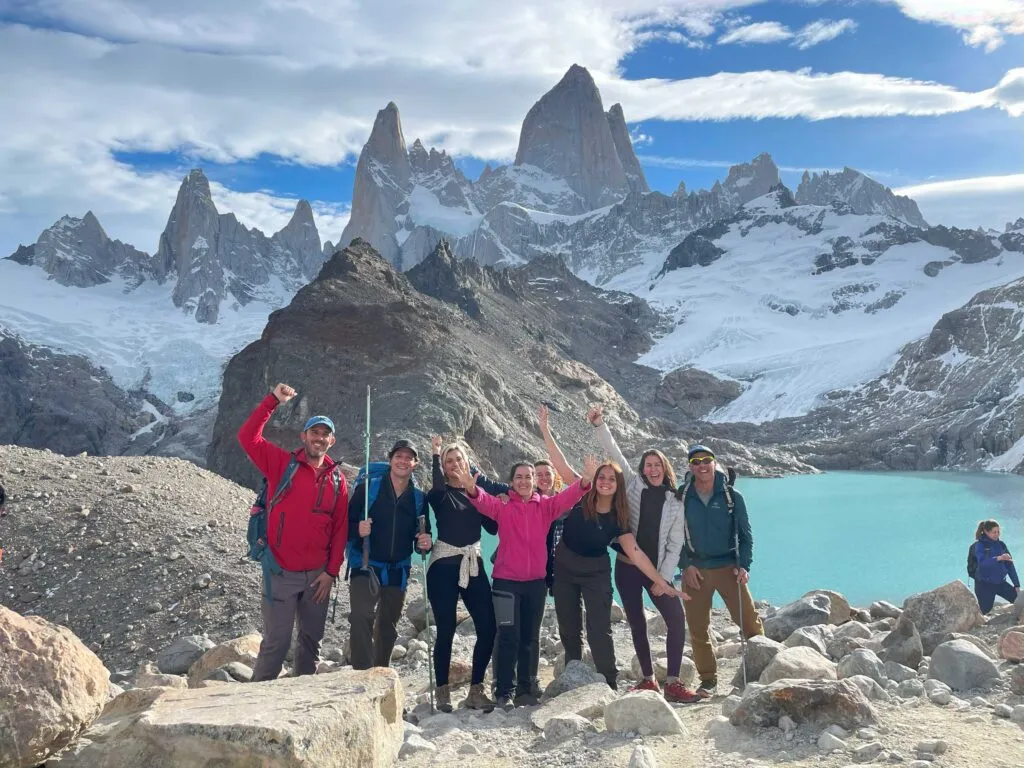
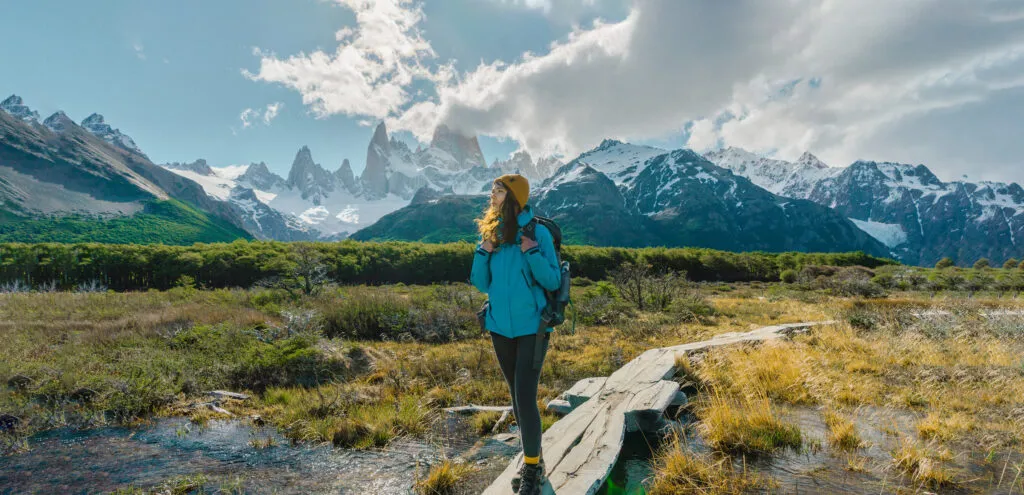
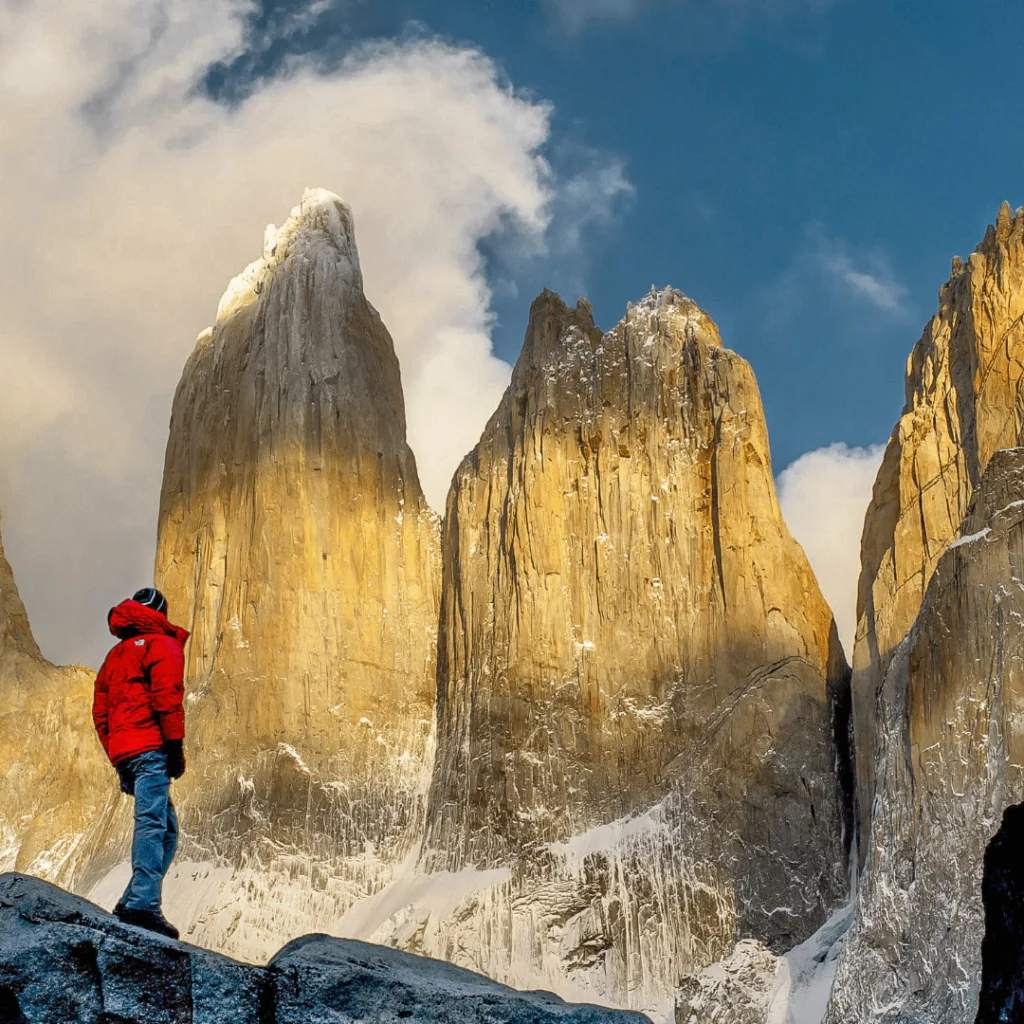
For some travelers, the real experience means hiking beneath Mount Fitz Roy in El Chaltén. For others, it’s navigating toward Grey Glacier in Torres del Paine. For many, it’s the combination of both sides — understanding how Argentine openness contrasts with Chilean intensity.
The best Patagonia tours are not necessarily the longest or the most expensive. They are the ones designed with realistic pacing, geographic logic, and enough time in each location to absorb it properly.
2. How Long Should You Plan for Patagonia?
This is where most travelers underestimate the region.
Patagonia is vast. Transfers take time. Weather can shift quickly. Distances that look short on a map often require half a day of travel.
Here’s how to think about it realistically.
9 Days: A Focused Introduction
A well-designed 9-day journey allows you to experience one side of Patagonia deeply or combine highlights from both Argentina and Chile without rushing.
An itinerary like the Best of Patagonia 9 Days typically includes El Calafate, El Chaltén, and Torres del Paine — a strong balance of glacier encounters and hiking.
Nine days works well if:
- You’re combining Patagonia with Buenos Aires or Santiago.
- You prefer a structured route.
- You’re comfortable focusing on key highlights rather than remote extensions.
This timeframe gives you the essence — but not the full scope.
13 Days: The Ideal Balance
For many experienced travelers, 12 to 14 days is the sweet spot.
A route similar to the Best of Patagonia 13 Days allows for deeper immersion. Instead of moving quickly between destinations, you can spend multiple nights in each base, allowing for weather flexibility and varied activities.
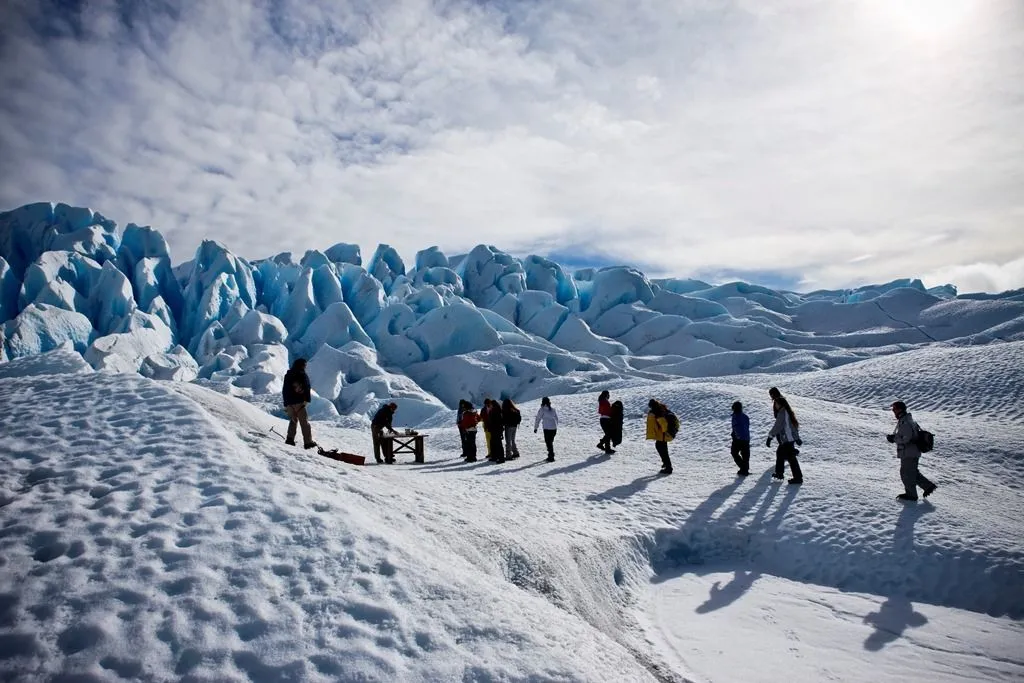
With nearly two weeks, Patagonia begins to feel less like a destination and more like a rhythm.
You can:
- Hike at different intensities.
- Add navigation experiences.
- Explore both the Argentine and Chilean sides without compressing the journey.
This is often what travelers mean when they say they want the “real experience.”
3. Combining Patagonia with Chile or Argentina
Some of the most rewarding Patagonia journeys extend beyond the mountains.
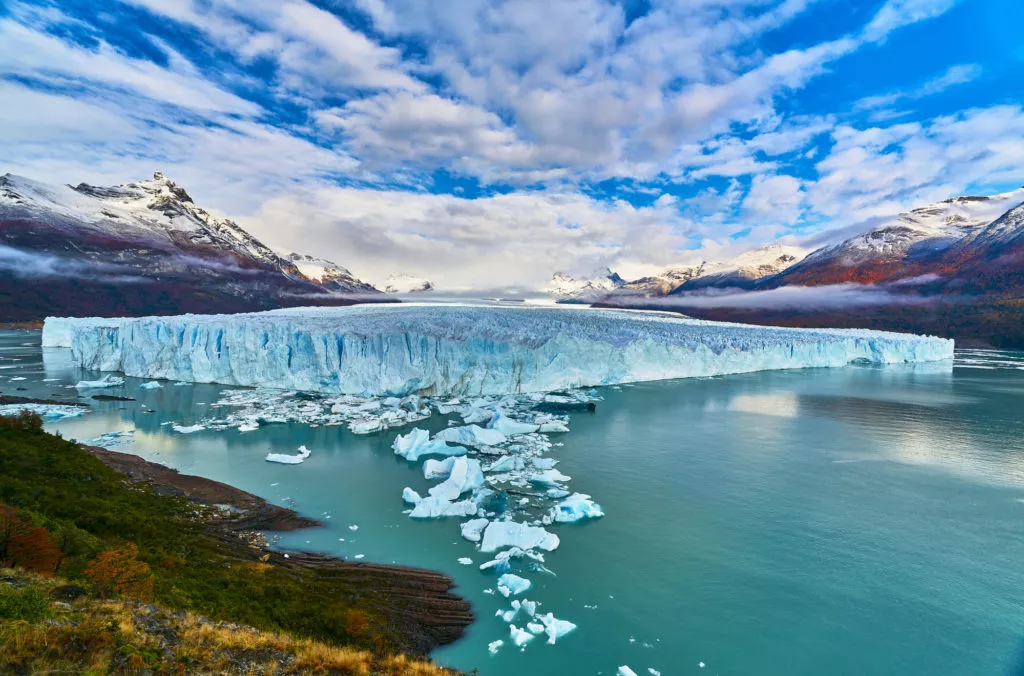
An itinerary such as Patagonia and Chile Combined adds cultural contrast — pairing glacial landscapes with Santiago or Valparaíso.
This type of combination works especially well for travelers who want nature and city balance. It also makes long-haul travel more worthwhile by creating a broader South American perspective.
When evaluating the best Patagonia tours, thinking beyond the park boundaries often leads to a richer overall journey.
4. What Separates Good Tours from the Best Patagonia Tours?
It’s not just about destinations.
The best Patagonia tours consider:
- Realistic travel times between locations.
- Weather flexibility.
- Local expertise in both Argentina and Chile.
- The balance between guided and independent exploration.
- Accommodation choices that enhance immersion rather than isolate you from the landscape.
Travelers researching the best Patagonia tour companies often focus on price or hotel categories. But what truly matters is logistical intelligence — understanding border crossings, seasonal conditions, and how to build days that feel fluid rather than fragmented.
In Patagonia, thoughtful design makes all the difference.
5. Is Patagonia Better in Argentina or Chile?
This question comes up constantly — and the answer depends on your travel style.
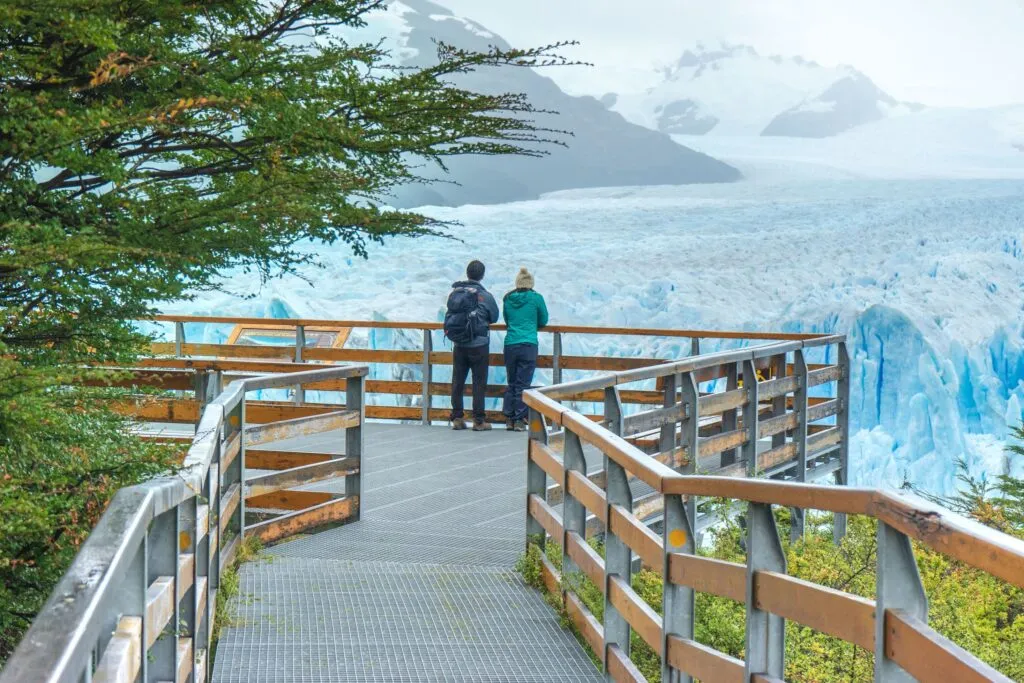
Argentine Patagonia feels open and expansive, with easier road connections and flexible hiking around towns like El Chaltén.
Chilean Patagonia feels more vertical and dramatic, especially in Torres del Paine, where routes are structured and landscapes feel intensely sculpted.
The best Patagonia tours often combine both sides because the contrast itself is part of the experience.
6. Planning for Weather and Season
Patagonia’s main season runs from October through April. December to February brings longer daylight hours and milder conditions, but also higher demand.
Shoulder months — October, November, March — often offer fewer crowds and dynamic skies, though weather can be more unpredictable.
Because accommodations in key areas are limited, booking 6–9 months in advance is generally advisable for peak season travel. For December and January departures, planning closer to a year ahead ensures better availability in smaller lodges and boutique properties.
Patagonia rewards preparation — not spontaneity.
7. So, What’s the Right Length for You?
If you have limited time, 9 days can provide a powerful introduction.
If Patagonia is the primary focus of your South American journey, 13 days allows for a much deeper connection.
If you’re seeking the most complete understanding of the region — crossing between Argentina and Chile and allowing for weather flexibility — planning closer to two weeks is ideal.
The best Patagonia tours are not defined by a fixed number of days. They’re defined by pacing, balance, and alignment with how you prefer to travel.
Patagonia isn’t about rushing. It’s about standing still long enough to let the landscape work on you.
And that takes time.