Are you planning your next trip to Chile and want to know which are the best beaches in the country? Here are our recommendations and some travel tips to spend the best time on the Pacific Chilean shores and in other hidden beaches, you must visit!
Yes, Chile has beautiful beaches, with a coastline that stretches for more than 4,000 kilometers along the Pacific Ocean. While Chile is not known for tropical beaches with warm Caribbean waters, its coast offers incredible diversity, from turquoise waters and desert landscapes in the north to scenic bays, fishing villages, and wild shores in the south.
The best beaches in Chile are found across different regions, each offering a unique experience. Northern Chile is ideal for sunny days and dramatic ocean views beside the Atacama Desert, the central coast offers easy beach escapes near Santiago, and southern shores showcase untouched landscapes and a closer connection with nature.
In this guide, you will discover the best beaches in Chile, where to find them, what makes each destination special, and the best time to visit the country’s Pacific coastline.
Does Chile Have Good Beaches?
Yes, Chile has some of the most impressive beaches in South America, but they offer a different experience from tropical destinations. Instead of warm Caribbean-style waters, Chile’s coastline is known for its dramatic landscapes, Pacific Ocean views, fresh seafood, surfing, wildlife, and the contrast between the sea and the country’s unique geography.
Stretching along more than 4,000 kilometers of coastline, Chile’s beaches vary greatly from north to south. The country’s geography creates completely different coastal experiences depending on the region:
- Northern Chile: The coast is shaped by the Atacama Desert, offering sunny weather, clear skies, and beaches with calm waters. Destinations such as Bahía Inglesa and Iquique are popular for swimming, water activities, and combining beach time with desert landscapes.
- Central Chile: The coastline near Santiago is the easiest to access and offers a mix of beaches, seaside towns, restaurants, and cultural attractions. Viña del Mar, Concón, and Zapallar are popular choices for both locals and visitors.
- Southern Chile: The beaches become wilder and more remote, with dramatic scenery, forests, islands, and abundant nature. Here, the experience is more about landscapes and exploration than traditional beach holidays.
The best beach destination in Chile depends on what you are looking for. Travelers seeking sunny weather and relaxation may prefer the north, while those interested in culture, gastronomy, or nature will find unique experiences along the central and southern coasts.
For more inspiration on planning a trip through the country, explore our Chile trips and discover the landscapes, cities, and experiences that make Chile such a diverse destination.
Best Beaches in Northern Chile
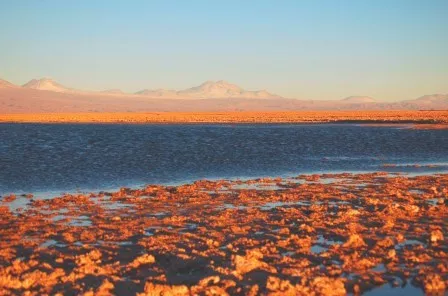
Northern Chile is home to some of the country’s most surprising coastal landscapes, where the Atacama Desert meets the Pacific Ocean. Thanks to its dry climate, this region enjoys many sunny days throughout the year, making it one of the best areas in Chile for travelers looking for beaches, outdoor activities, and unique scenery.
Unlike tropical destinations, northern Chile’s beaches stand out for their clear waters, dramatic desert surroundings, and peaceful atmosphere. Some coastal towns also offer excellent opportunities for combining beach time with other experiences, such as astronomy, gastronomy, and desert exploration.
Bahía Inglesa
Located near the city of Copiapó, Bahía Inglesa is often considered one of the most beautiful beaches in Chile. Its turquoise waters, white sand, and small bays create a landscape that feels very different from the rest of the country’s coastline.
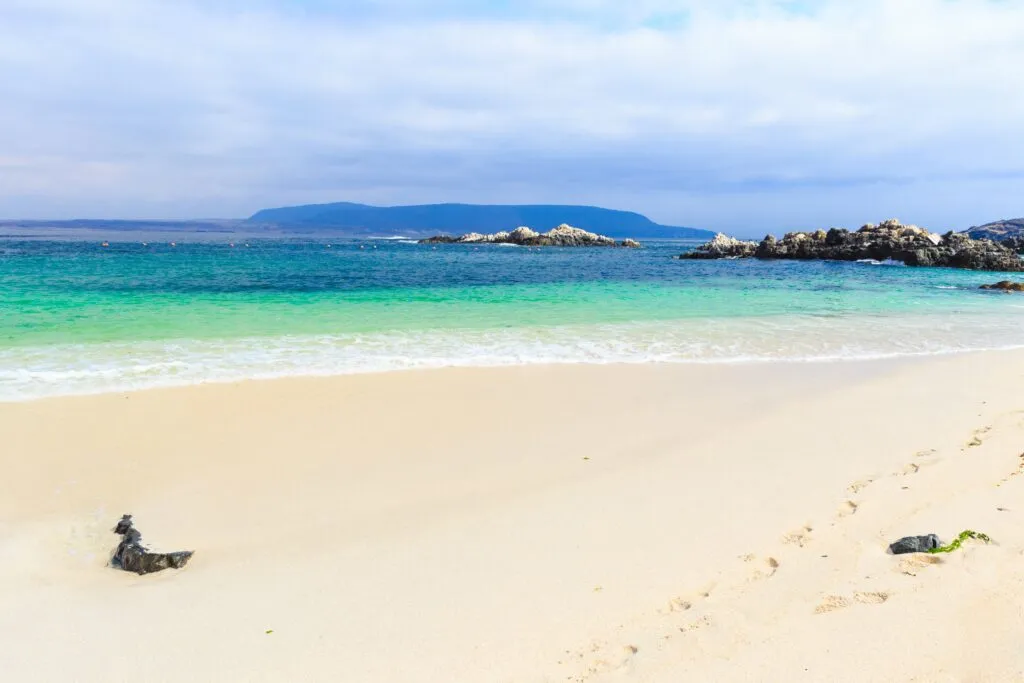
The calm waters make it a popular destination for swimming, relaxing, and enjoying seafood by the ocean. The area is also a great stop for travelers exploring the Atacama Desert region.
Best for: Swimming, relaxation, families, and scenic coastal views.
Best time to visit: December to March, when temperatures are warmer and beach conditions are ideal.
La Serena & Coquimbo
The coastal cities of La Serena and Coquimbo offer one of the most accessible beach experiences in northern Chile. Located just a short distance from the Elqui Valley, this area combines seaside landscapes with cultural attractions, local gastronomy, and nearby natural experiences.
La Serena’s long coastline includes several beaches, while Coquimbo is known for its port, seafood restaurants, and coastal viewpoints. The region is also a popular base for exploring nearby observatories and the landscapes of the Elqui Valley.
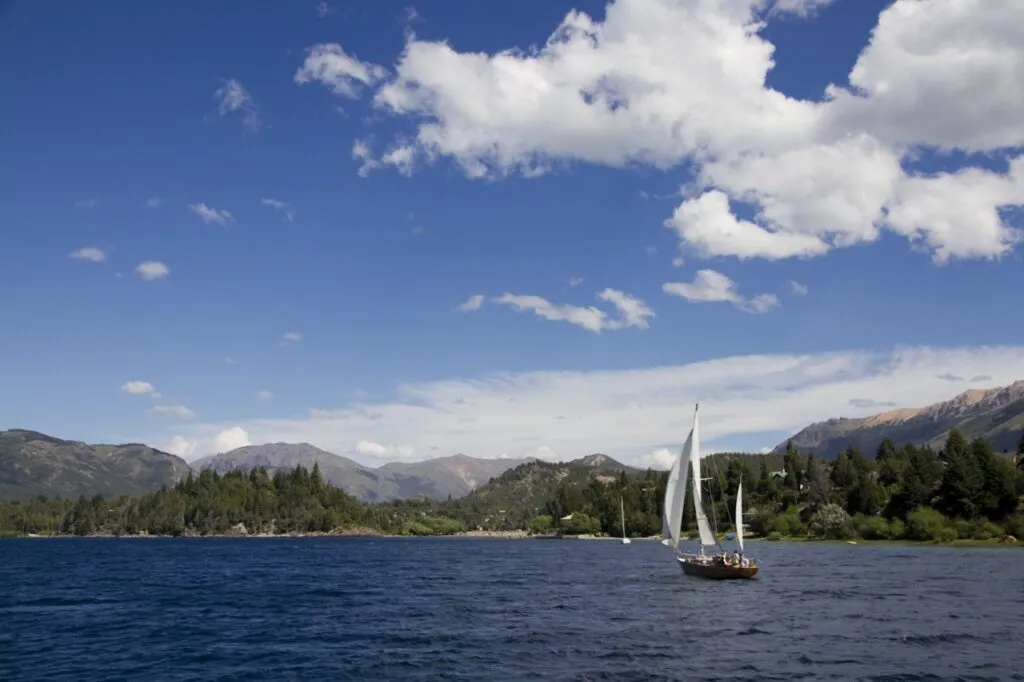
Best for: Travelers looking for beaches combined with city comforts and nearby excursions.
Best time to visit: December to February for classic summer beach weather.
For travelers interested in exploring this region, discover more about the destination in our Chile travel guide.
Iquique
Surrounded by the Atacama Desert, Iquique offers a unique combination of ocean, adventure, and desert landscapes. Its beaches are known for their long coastline, waves, and excellent conditions for surfing and other water sports.
Popular beaches such as Playa Cavancha provide easy access to restaurants, accommodations, and city services, while the surrounding area offers opportunities to combine coastal activities with desert adventures.
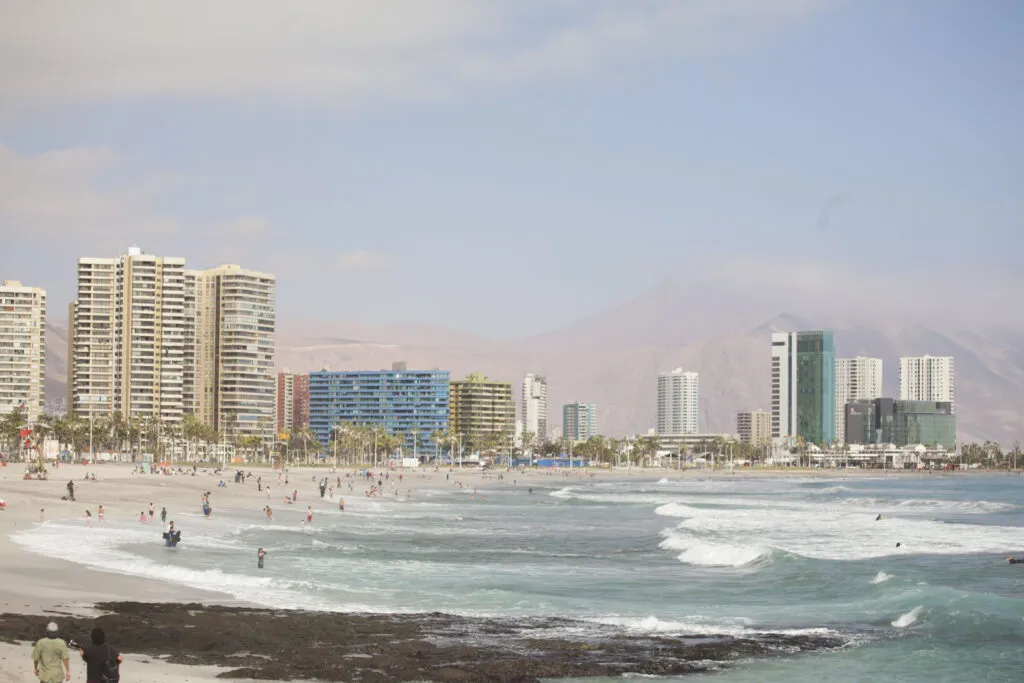
Iquique is also a great addition to a northern Chile itinerary that includes the Atacama region, where travelers can experience one of the world’s most extraordinary desert landscapes.
Best for: Surfing, adventure travelers, and combining beaches with desert exploration.
Best time to visit: Year-round, thanks to the region’s mild and dry climate.
Learn more about the landscapes of northern Chile in our guide to the Atacama Desert.
Central Coast & Near Santiago
Chile’s central coast is the most accessible beach region for international travelers, especially those arriving in Santiago. Located just a short drive from the capital, these seaside destinations combine beaches with charming coastal towns, excellent seafood, cultural attractions, and a relaxed atmosphere.
While the Pacific waters remain cool throughout the year, the central coast is a favorite summer escape for Chileans and a great addition to a Santiago itinerary. From lively beach towns to quieter coastal retreats, there are options for different travel styles.
Viña del Mar
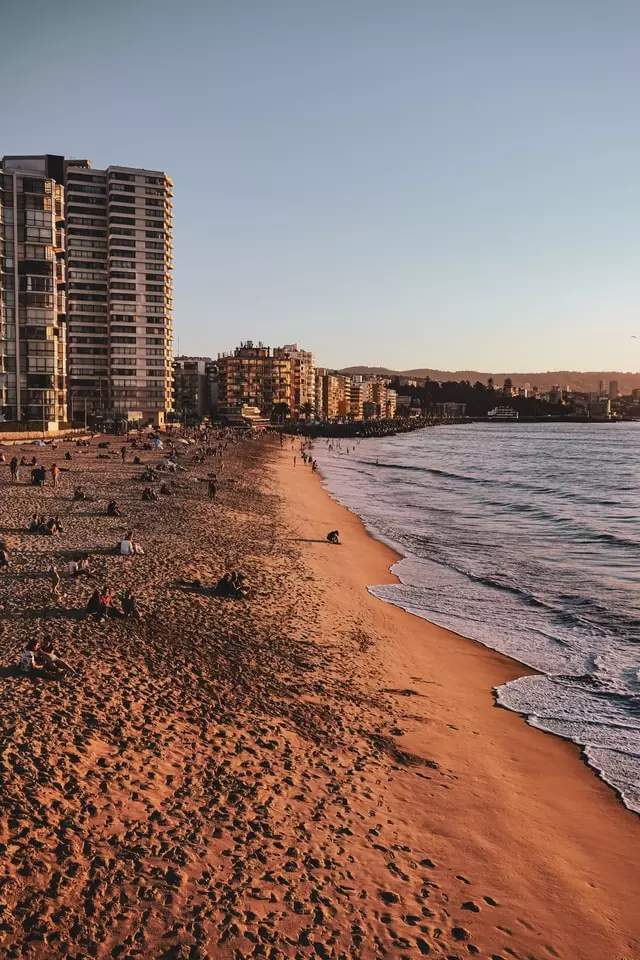
Known as the “Garden City,” Viña del Mar is one of Chile’s most famous beach destinations. Located next to Valparaíso, it combines urban beaches, restaurants, gardens, and cultural attractions.
Popular beaches such as Playa Acapulco and Playa Reñaca offer easy access to the ocean, while the city provides plenty of options for travelers looking for comfort and entertainment.
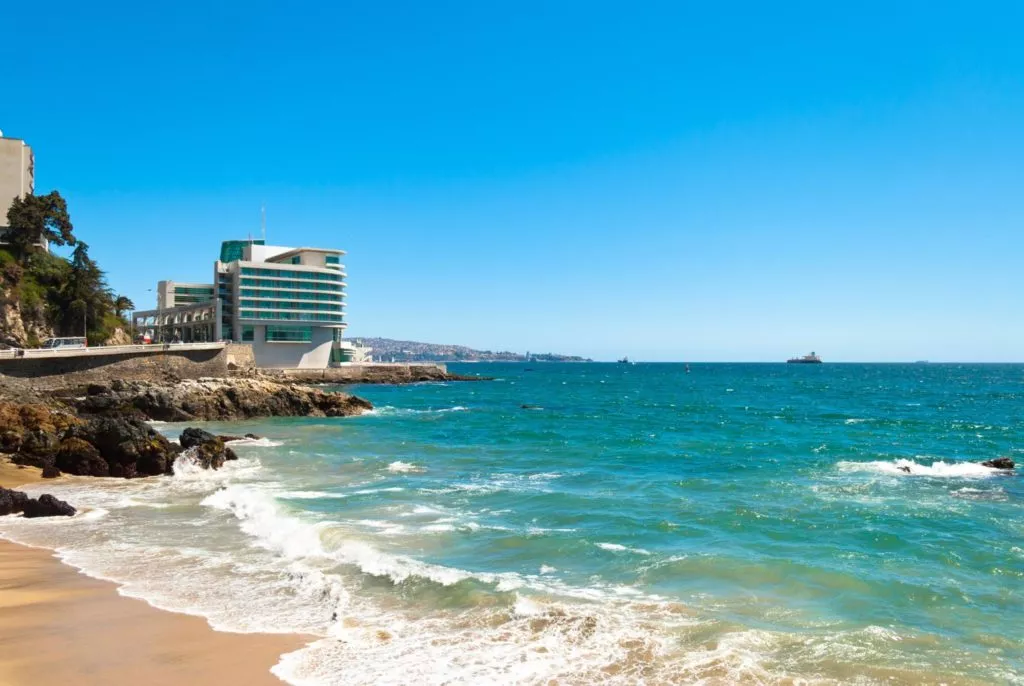
Viña del Mar is also commonly combined with a visit to Valparaíso, making it one of the easiest coastal day trips from Santiago.
Best for: First-time visitors, city comforts, restaurants, and combining beaches with culture.
Best time to visit: December to February, during the Chilean summer.
Concón
Located north of Viña del Mar, Concón is known for its coastal landscapes, seafood restaurants, and impressive sand dunes overlooking the Pacific Ocean.
The area offers a more relaxed atmosphere than nearby Viña del Mar and is especially popular for enjoying fresh seafood, coastal walks, and sunset views.
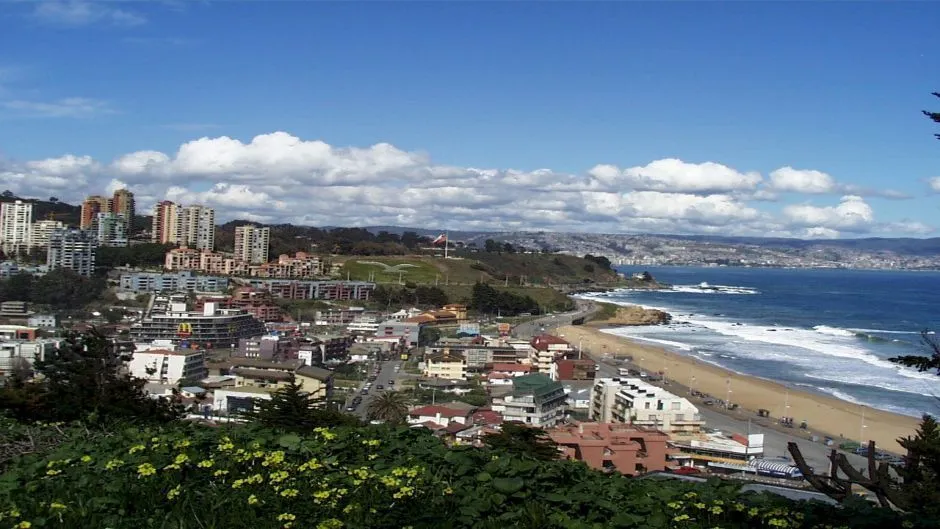
Concón is also a great option for travelers who want to experience the coast without traveling far from Santiago.
Best for: Food lovers, nature, and a quieter coastal experience.
Best time to visit: Summer months for the best beach weather.
Zapallar & Cachagua
For travelers looking for a more peaceful and scenic coastal escape, Zapallar and Cachagua offer some of the most beautiful landscapes along Chile’s central coast.
These destinations are known for their forested hills, elegant seaside homes, walking trails, and quieter beaches. Nearby Cachagua Island is also an important wildlife area where visitors can spot marine birds and other coastal species.
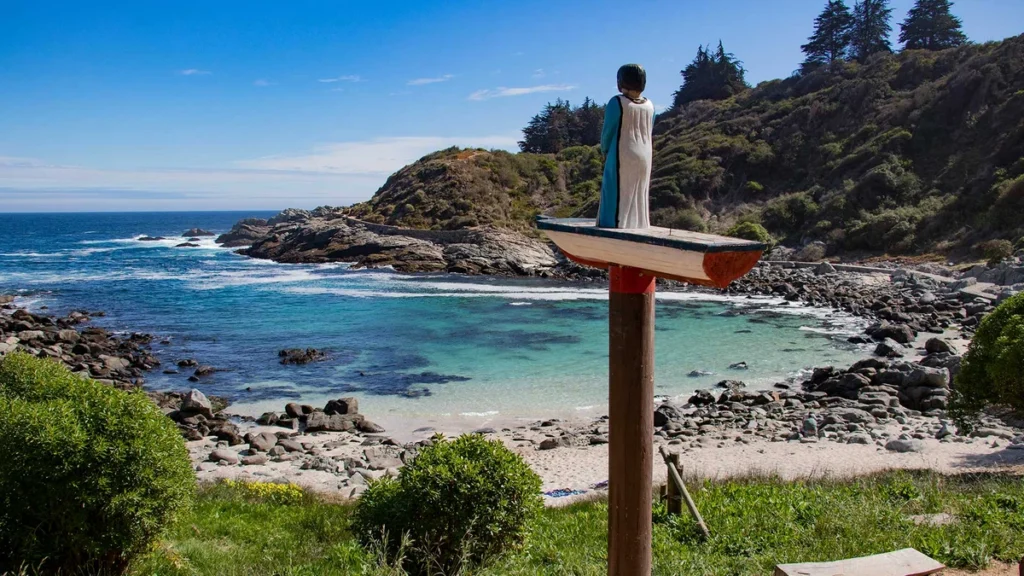
Compared with larger beach towns, Zapallar provides a more tranquil experience focused on nature, relaxation, and scenic surroundings.
Best for: Couples, nature lovers, and travelers seeking a more exclusive coastal atmosphere.
Best time to visit: December to March, when temperatures are most pleasant.
The central coast is an excellent complement to a visit to Santiago, offering an easy way to experience Chile’s Pacific landscapes while discovering another side of the country.
For more ideas on combining the capital with nearby destinations, explore our Chile trips.
Southern Chile & the Patagonian Coast
Southern Chile offers a completely different type of coastal experience. Instead of traditional beach destinations focused on swimming and sunbathing, the southern coastline is about dramatic landscapes, untouched nature, islands, forests, and encounters with wildlife.
Here, the Pacific Ocean meets some of Chile’s most spectacular environments, creating a coastline shaped by fjords, channels, volcanic landscapes, and remote communities. Travelers visiting the south can discover quiet shores, scenic viewpoints, and unique ecosystems far from the crowds.
Chiloé Island
Chiloé Island is one of the most fascinating coastal destinations in southern Chile. Known for its wooden churches, traditional culture, colorful villages, and unique landscapes, the island also offers beautiful beaches surrounded by wild scenery.
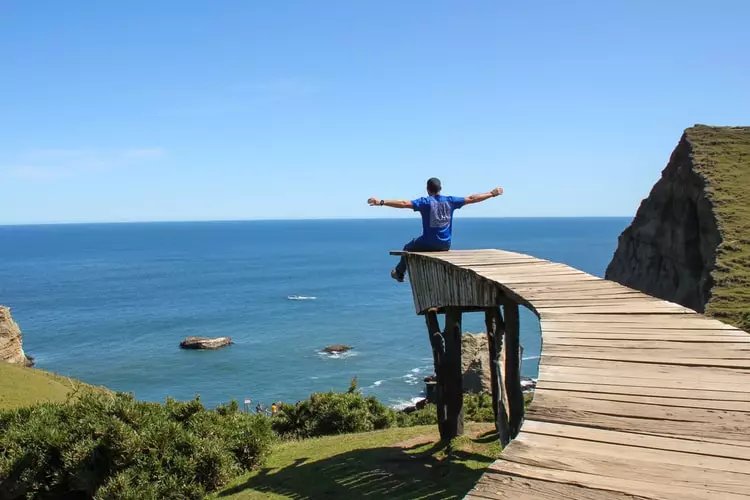
The beaches of Chiloé are not typical resort beaches, but they are ideal for travelers who enjoy walking along wide sandy shores, observing marine birds, and experiencing the connection between local communities and the sea.
Best for: Culture, nature, photography, and slow travel.
Best time to visit: December to March, when weather conditions are generally more favorable.
Patagonia’s Coastal Landscapes
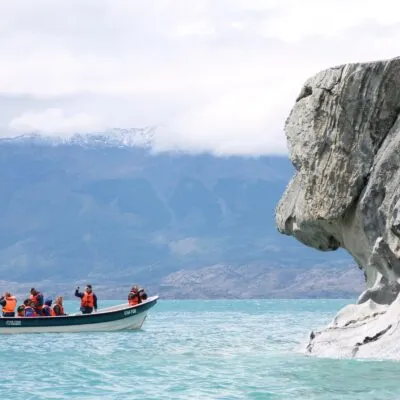
The Patagonian coast of Chile offers some of the country’s most remote and impressive seaside scenery. Rather than classic beaches, visitors will find fjords, islands, glaciers, forests, and protected areas where land and sea ecosystems meet.
Destinations such as Aysén and the coastal areas of southern Patagonia are ideal for travelers interested in adventure, wildlife, and landscapes shaped by nature. Depending on the location, it is possible to spot marine birds, sea lions, dolphins, and other coastal wildlife.
Best for: Adventure travelers, nature lovers, and those looking for remote landscapes.
Best time to visit: November to March, during the warmer months with longer daylight hours.
Southern Chile’s coastline shows another side of the country: less about classic beach holidays and more about exploring some of the most pristine environments in South America.
For travelers interested in discovering Chile’s southern landscapes, explore our Chilean Patagonia tours and experience the region’s mountains, forests, and coastal wilderness.
Best Time to Visit the Coast
The best time to visit the beaches of Chile depends on the region and the type of experience you are looking for. Since Chile’s coastline stretches across different climates, the ideal season for enjoying the ocean in the north is not necessarily the same as for exploring the southern coast.
In general, the Chilean summer (December to March) offers the best conditions for beach activities, with warmer temperatures, longer daylight hours, and the most pleasant weather along much of the coast.
| Region | Best months | What to expect |
| Northern Chile | December to March | Warm temperatures, sunny days, and ideal conditions for swimming and relaxing by the sea |
| Central Coast | December to February | Summer beach season, lively coastal towns, and good conditions for seaside activities |
| Southern Chile | November to March | Better weather for exploring wild coastlines, islands, and outdoor activities |
Summer: The Classic Beach Season
From December to March, Chile’s coastal destinations are at their liveliest. Locals often travel to the coast during these months, especially in January and February, when schools are on summer break.
This is the best period for:
- Swimming in northern beaches such as Bahía Inglesa.
- Enjoying coastal towns like Viña del Mar and Concón.
- Exploring southern landscapes with longer daylight hours.
Keep in mind that the Pacific Ocean remains relatively cool even during summer, especially along the central and southern coasts.
Shoulder Seasons: Fewer Crowds and Scenic Landscapes
Spring and autumn can also be excellent times to explore Chile’s coastline, especially for travelers more interested in landscapes, photography, food, and cultural experiences than spending the entire day in the water.
These seasons often bring:
- Fewer visitors.
- Pleasant temperatures for walking and exploring.
- A more relaxed atmosphere in coastal towns.
Winter: Best for Northern Coast Escapes
Winter (June to August) is not the traditional beach season in Chile, but the northern coast can still be enjoyable thanks to its dry climate and mild temperatures. Destinations near the Atacama Desert often offer sunny days even during the colder months.
For more information about planning your trip through the country, explore our Chile travel guide.
Frequently Asked Questions
Does Chile have nice beaches?
Yes, Chile has many beautiful beaches along its Pacific coastline. While the country is not a tropical beach destination, its shores offer unique landscapes, from turquoise waters and desert scenery in the north to coastal towns, surfing spots, and wild nature areas further south.
Where are the best beaches in Chile?
The best beaches in Chile depend on the type of experience you are looking for. Northern Chile, including destinations such as Bahía Inglesa, La Serena, and Iquique, is known for sunny weather and dramatic desert-meets-ocean landscapes. The central coast, including Viña del Mar, Concón, and Zapallar, offers easy access from Santiago, while the southern coast is ideal for travelers seeking remote landscapes and nature.
Is the water warm on Chilean beaches?
Generally, no. The Pacific Ocean along the Chilean coast is influenced by the Humboldt Current, which keeps water temperatures relatively cool throughout the year. Northern beaches tend to feel more comfortable during the summer months, while central and southern beaches are better suited for coastal walks, surfing, and enjoying the scenery rather than long swims.
Which beach is closest to Santiago?
Some of the closest beach destinations to Santiago are Viña del Mar, Concón, and the central coast near Valparaíso, located approximately 120 kilometers (75 miles) from the capital. They can be reached in a few hours by road, making them popular choices for day trips or short coastal escapes.