One of the first questions travelers ask when planning a journey to Patagonia is also one of the hardest to answer: should you explore Patagonia in Chile or in Argentina?
- 1. One Region, Two Very Different Rhythms
- 2. Traveling Through Argentine Patagonia
- 3. Experiencing Chilean Patagonia
- 4. Argentina vs. Chile: Two Ways of Experiencing Patagonia
- 5. Hiking: Two Philosophies of the Outdoors
- 6. Travel Pace and Logistics
- 7. Wildlife and Natural Encounters
- 8. So, Which Patagonia Is Better?
- This dilemma comes up especially often among travelers considering a combined journey through both sides of the Andes, like those interested in a carefully planned travel experience through Argentine and Chilean Patagonia that captures the region as a whole rather than as two separate destinations.
- The truth is, Patagonia doesn’t really belong to one country or the other. It’s a single, vast region shaped by the Andes, glaciers, wind, and distance. What changes from one side to the other is not the beauty, but the way you experience it.
1. One Region, Two Very Different Rhythms
Patagonia stretches across southern Argentina and Chile, divided by the Andes Mountains. On a map, the distance might seem small. On the ground, the experience feels completely different.
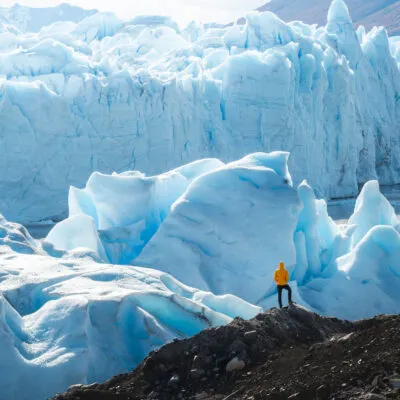
Argentine Patagonia opens slowly. The land is wide, the horizon feels endless, and distances are covered mostly by road. Chilean Patagonia, on the other hand, feels compressed and dramatic. Mountains rise abruptly, water cuts through the landscape, and movement often depends on boats, ferries, or flights.
That contrast sets the tone for everything else.
2. Traveling Through Argentine Patagonia
Argentine Patagonia is defined by space. Long drives across the steppe are part of the experience, not something to rush through. Towns like El Calafate and El Chaltén work as natural bases, allowing travelers to settle in and explore at their own pace.
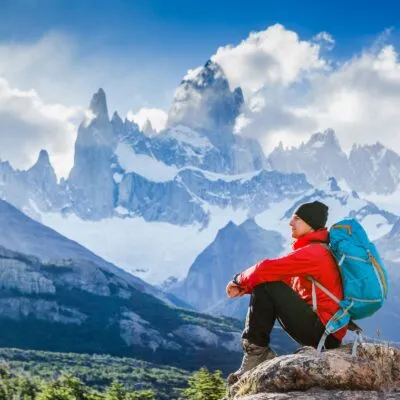
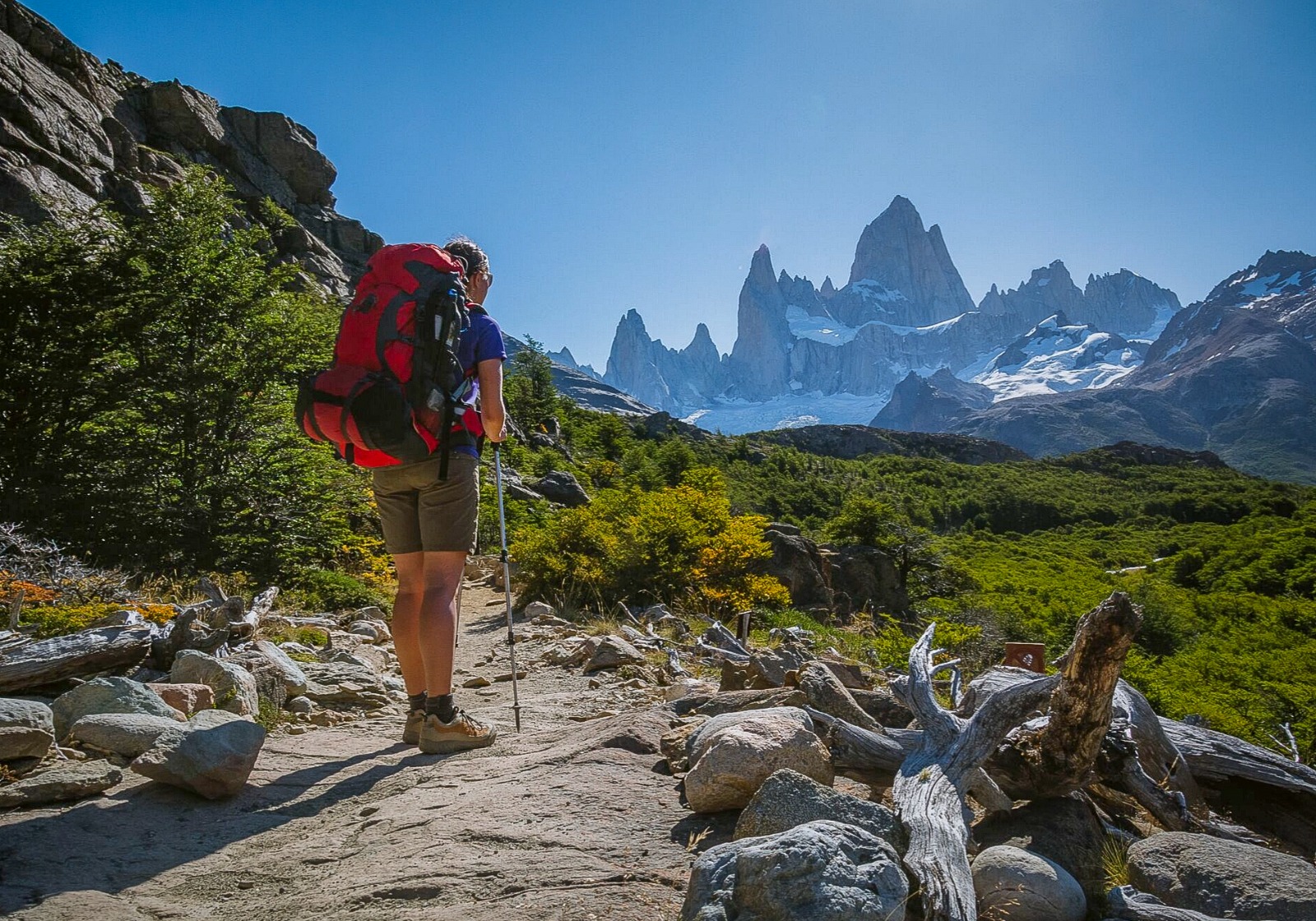
During one of our recent trips, driving from El Calafate to El Chaltén felt less like a transfer and more like a slow introduction to the landscape. Guanacos crossing the road, sudden changes in light, and Mount Fitz Roy appearing and disappearing behind clouds remind you that distance here is part of the story.
This side of Patagonia tends to suit travelers who enjoy flexibility. Hiking trails often start directly from town, especially around El Chaltén, where you can decide each morning how far you want to go, depending on weather and energy levels. There’s also a strong cultural layer, particularly when staying at traditional estancias that connect the landscape with local history.
Argentine Patagonia usually feels more forgiving in terms of logistics. Routes are clearer, schedules more flexible, and it’s easier to combine several destinations without feeling rushed.
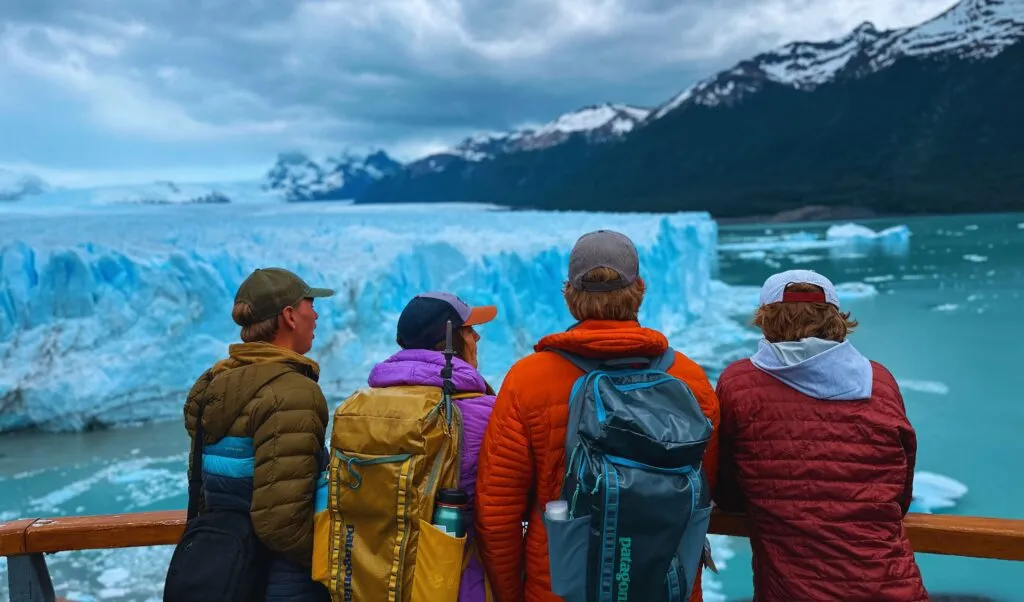
3. Experiencing Chilean Patagonia
Chilean Patagonia feels more intense from the moment you arrive. Geography dictates movement, and the journey itself becomes more structured.
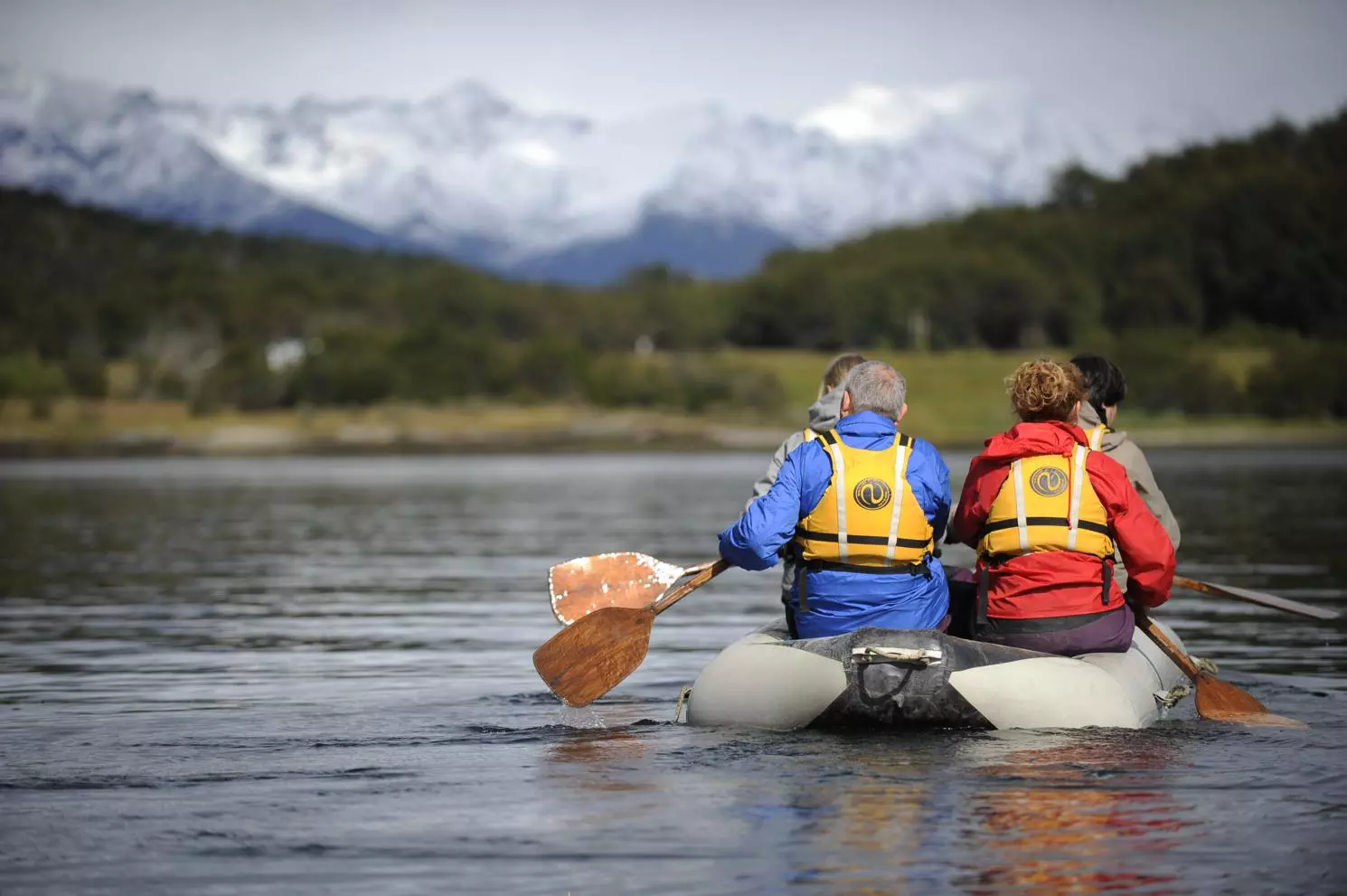
Here, travel often involves a combination of roads, ferries, and navigation through fjords. During a recent exploration along the Carretera Austral, our team experienced how weather, ferry schedules, and road conditions shape each day. Plans adapt constantly, and that unpredictability becomes part of the adventure.
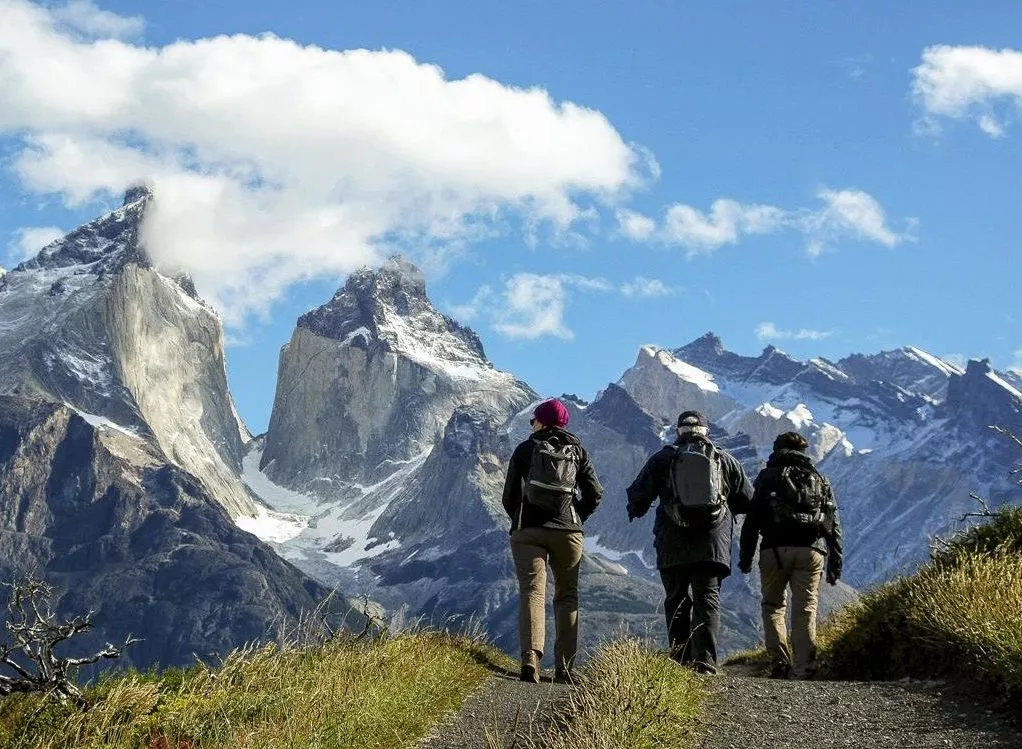
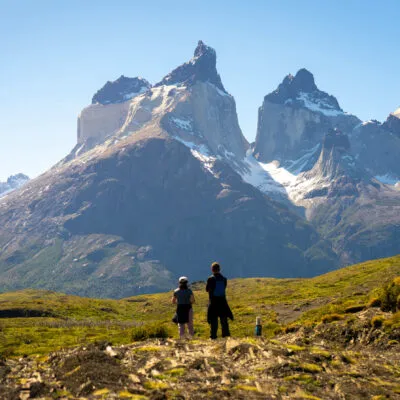
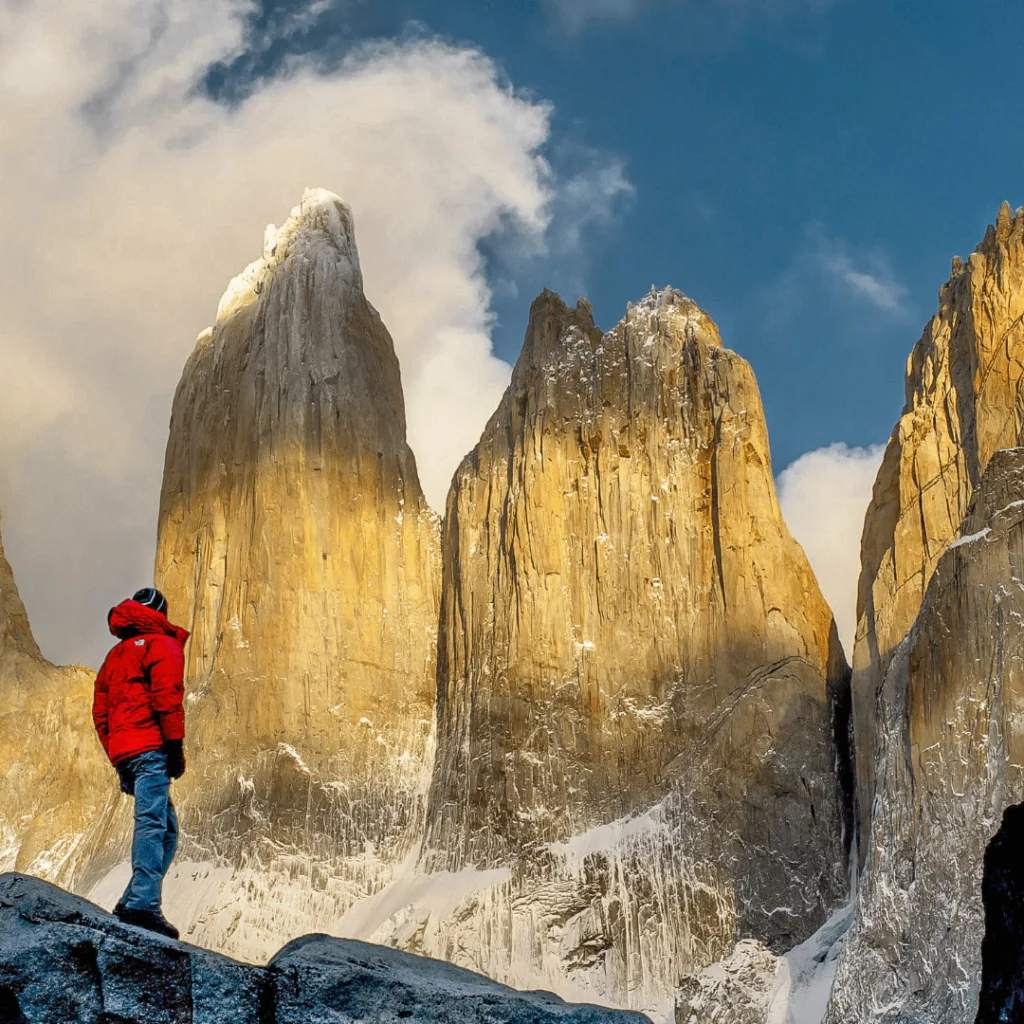
In places like Torres del Paine National Park, the landscape feels dramatic and vertical. Trails are carefully managed, access is regulated, and multi-day hikes follow a defined rhythm. This structure doesn’t limit the experience — it deepens it, turning each day into part of a larger journey through wilderness.
Chilean Patagonia tends to resonate with travelers who are comfortable with planning ahead, who value immersion over flexibility, and who are drawn to raw, isolated environments where nature feels overwhelming rather than expansive.
4. Argentina vs. Chile: Two Ways of Experiencing Patagonia
| Aspect | Argentine Patagonia | Chilean Patagonia |
| Overall feeling | Open, expansive, slow-paced | Dramatic, remote, intense |
| Landscape style | Wide valleys, steppe, long horizons | Fjords, glaciers, vertical mountains |
| How you move | Mostly by road, flexible routes | Combination of roads, ferries and boats |
| Hiking experience | Independent, flexible, town-based | Structured, regulated, expedition-style |
| Travel rhythm | Easier to adapt day by day | Requires advance planning |
| Sense of remoteness | Spacious but connected | Deeply isolated and wild |
| Ideal for travelers who… | Value freedom and flexibility | Seek immersion and raw wilderness |
5. Hiking: Two Philosophies of the Outdoors
Hiking highlights the differences between both sides better than anything else.
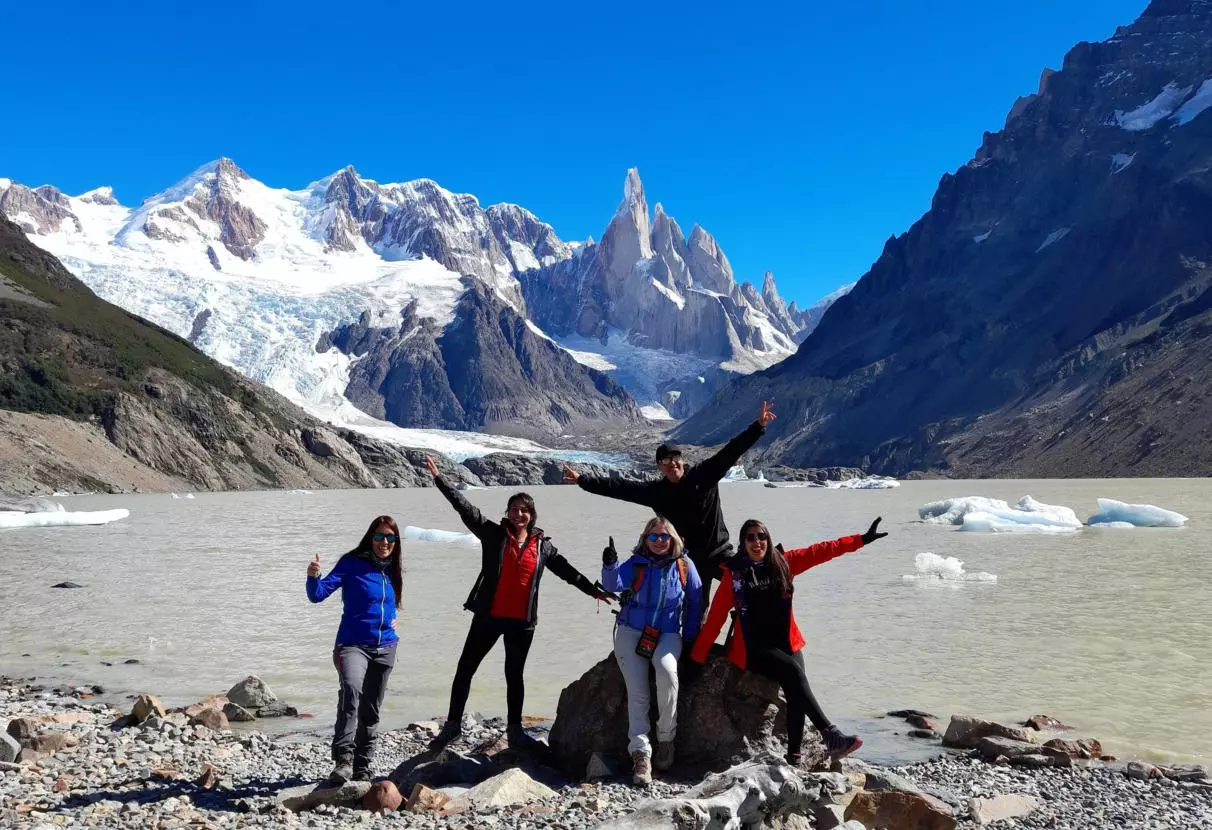
In Argentina, hiking often feels spontaneous. Trails near El Chaltén allow travelers to set their own pace, change plans easily, and explore without permits or complex logistics. It’s a style of hiking that feels open and adaptable.
In Chile, especially in Torres del Paine, hiking is more curated. Routes, campsites, and refugios are organized in advance, creating a more expedition-like experience. The reward is access to some of the most iconic landscapes in Patagonia, experienced with a strong sense of progression and continuity.
Check out this Chile itinerary!
Neither approach is better. They simply reflect two different ways of engaging with nature.
6. Travel Pace and Logistics
Time plays a major role in deciding which Patagonia fits better.
Argentine Patagonia generally allows for smoother transitions between destinations, making it a strong option for travelers with limited time or those who prefer fewer logistical layers. Chilean Patagonia, while more demanding in terms of planning, rewards travelers who are willing to slow down and adapt to the rhythm imposed by geography and weather.
This is often where trips are won or lost — not by scenery, but by how well the itinerary matches the traveler’s expectations.
7. Wildlife and Natural Encounters
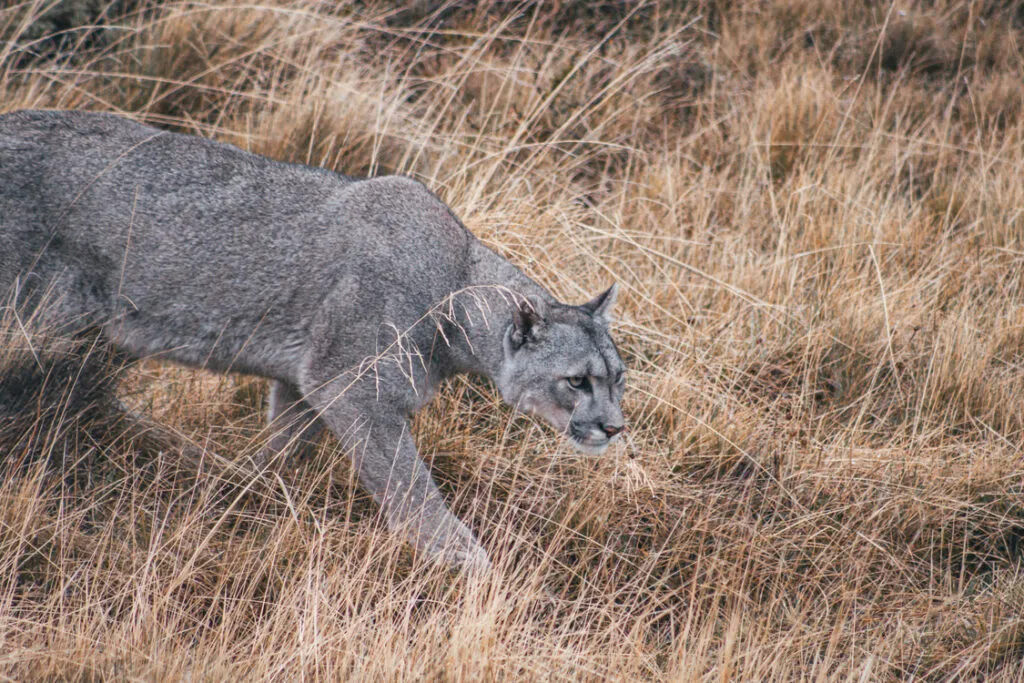
Wildlife exists on both sides, but in different forms. Argentina offers wide open spaces and coastal ecosystems, while Chile’s fjords and channels create opportunities for marine and glacier-based encounters.
In both cases, timing, location, and local knowledge matter far more than choosing one country over the other.
8. So, Which Patagonia Is Better?
Patagonia in Argentina offers openness, flexibility, and a strong sense of freedom. Patagonia in Chile delivers intensity, remoteness, and a deeper feeling of isolation.
For many travelers, the most meaningful experience comes from combining both. Crossing the Andes allows you to understand Patagonia as a whole, rather than as two separate destinations. It’s often the option we recommend for travelers who want a complete, balanced view of the region.
Travelers like to choose our Best of Patagonia Trips: