- 1. Step One: Decide How You Want to Cross the Drake Passage
- 2. Step Two: How Deep Do You Want to Go?
- 3. Step Three: Consider Your Time Frame
- 4. How Far in Advance Should You Book?
- 5. Departing from Ushuaia or Punta Arenas
- 6. What Actually Makes One Tour “Better” Than Another?
- 7. The Right Expedition Is the One That Matches Your Intent
Planning a trip to Antarctica is different from planning almost any other journey. There are no cities to compare, no “must-see” neighborhoods, and no easy way to improvise once you’re there. Every detail matters — from your departure point in South America to the length of the expedition and the style of navigation.
If you’re researching the best tours to Antarctica, the real question isn’t which one is “top-rated.” It’s which one matches your time, comfort level, and appetite for exploration.
Antarctica rewards thoughtful decisions.
1. Step One: Decide How You Want to Cross the Drake Passage
For many travelers, this is the defining choice.
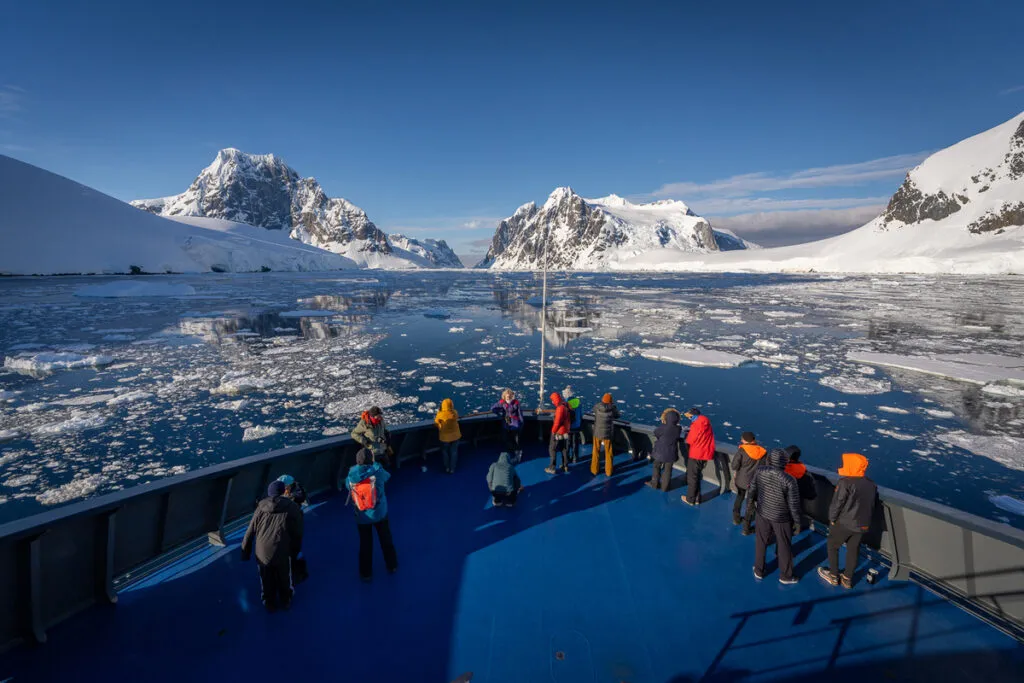
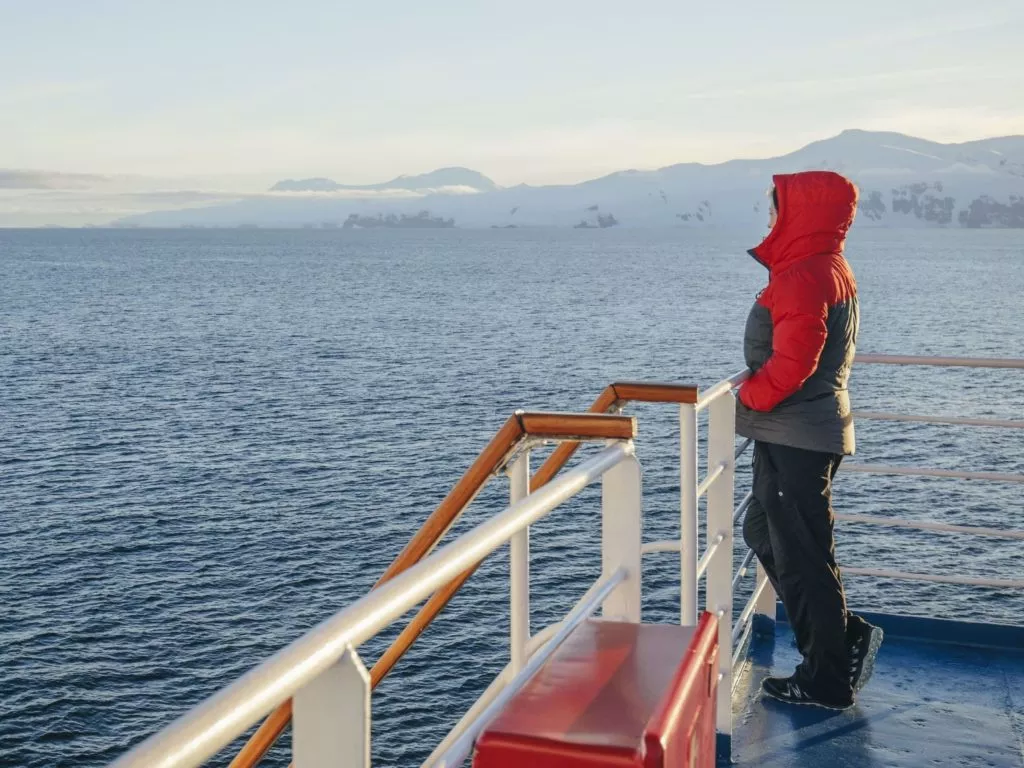
The classic route sails from Ushuaia, Argentina — the southernmost city in the world — crossing the Drake Passage before reaching the Antarctic Peninsula. This is the traditional expedition format and remains one of the most immersive ways to experience the continent.
An itinerary like the Classic Antarctica Short Trip offers a compact introduction. It’s ideal for travelers who want the full Drake crossing experience but have limited time. You sail, you learn from onboard naturalists, and you gradually enter the polar world.
For others, especially those concerned about seasickness or tight schedules, flying over the Drake from Punta Arenas in Chile is a strong alternative. The Antarctica Tour Air Cruise from Chile eliminates two sea days each way, placing you directly onto the Antarctic Peninsula by air before boarding the expedition vessel.
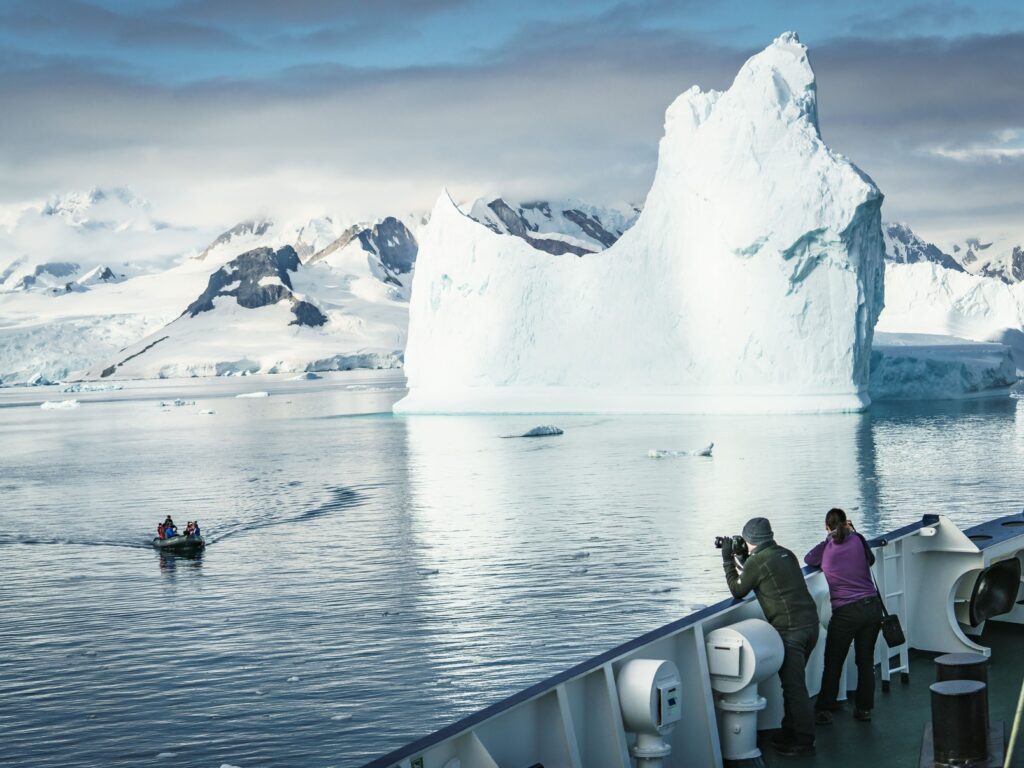
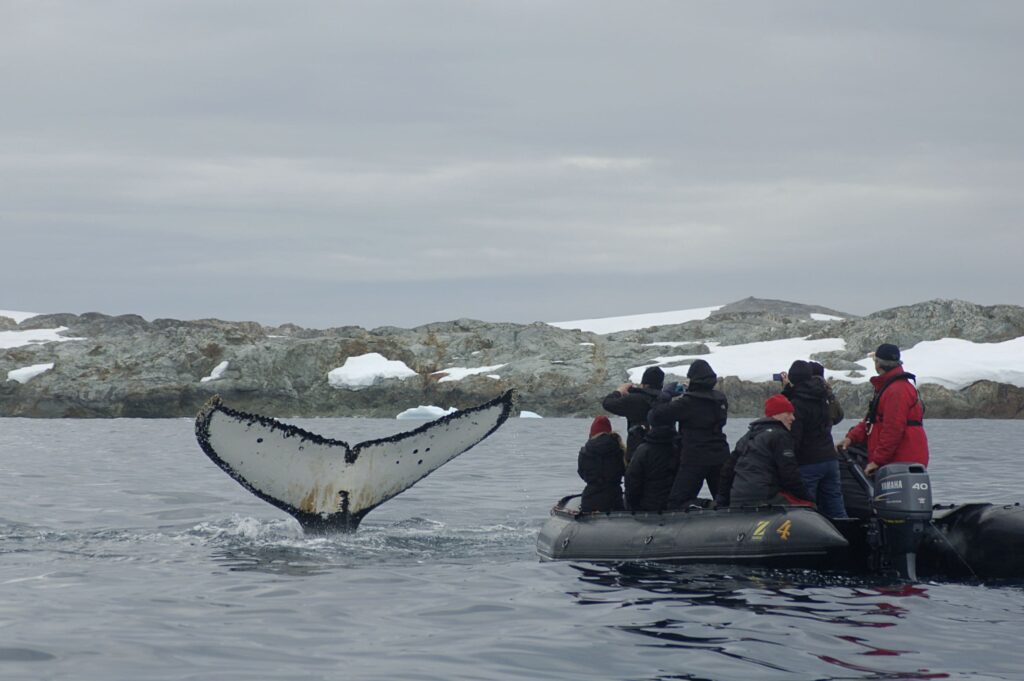
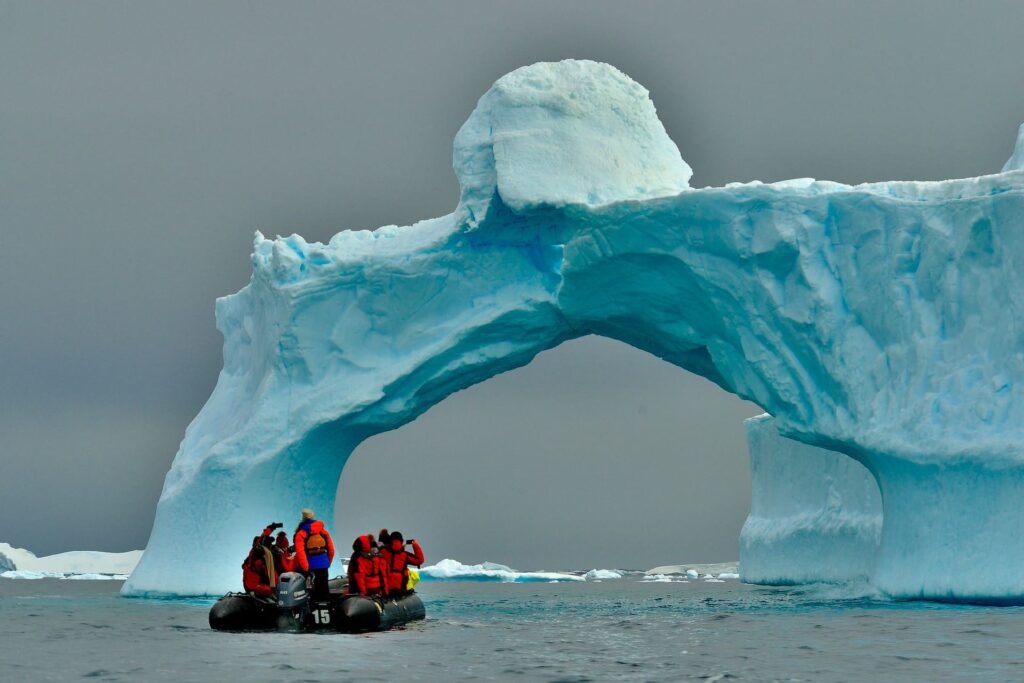
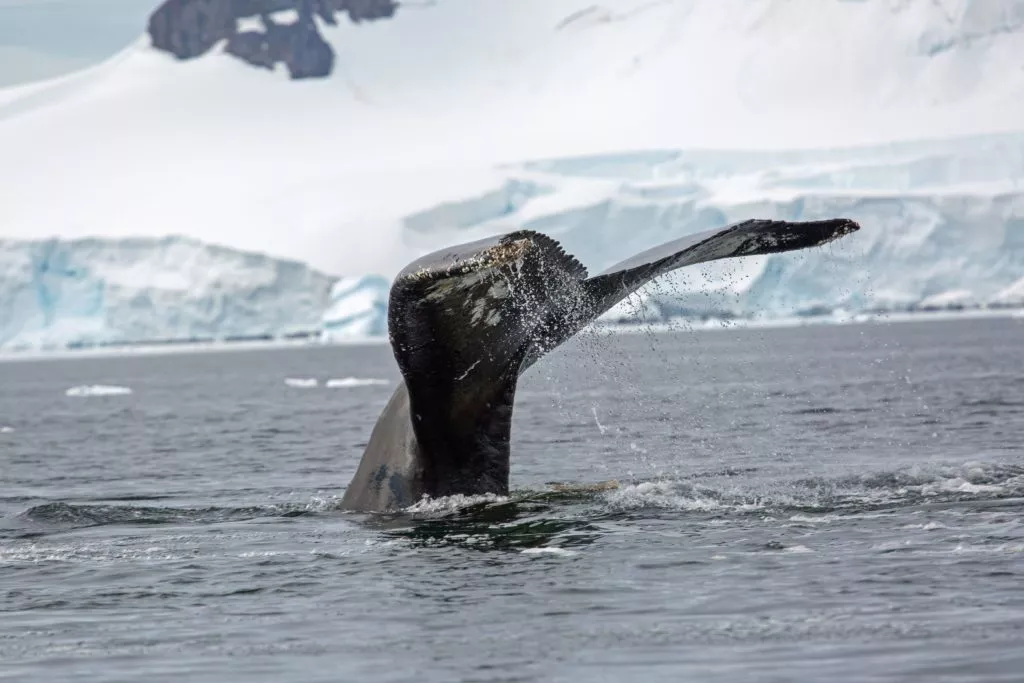
Both formats include zodiac landings, glacier encounters, and wildlife viewing. The difference lies in the journey’s rhythm. Sailing feels progressive and immersive. Flying feels efficient and streamlined.
2. Step Two: How Deep Do You Want to Go?
Not all Antarctica expeditions stop at the Peninsula.
For travelers who want something more remote and wildlife-intensive, extended itineraries reach beyond the Antarctic Peninsula to places like South Georgia and the Falkland Islands (Islas Malvinas). These journeys are longer, more demanding, and incredibly rewarding.
An expedition such as the Cruise to Antarctica, South Georgia & Islas Malvinas explores king penguin colonies numbering in the tens of thousands, dramatic subantarctic landscapes, and some of the most biodiverse polar ecosystems on the planet.
These voyages are typically around 18–20 days and are best suited for travelers who see Antarctica as a once-in-a-lifetime expedition and want the most comprehensive route possible.
On the other end of the spectrum, focused wildlife expeditions like the Antarctic Emperor Penguin journey appeal to travelers who are drawn to rare, specialized experiences. These itineraries are highly niche and require more physical adaptability — but the reward is access to one of the most iconic species on Earth in one of the most remote environments imaginable.
3. Step Three: Consider Your Time Frame
Time is often the biggest constraint when selecting the best tours to Antarctica.
Shorter expeditions (around 8–10 days) work well for travelers combining Antarctica with Patagonia or other South American destinations. These trips offer an immersive Antarctic Peninsula experience without requiring three full weeks.
Mid-length expeditions (10–13 days) provide a deeper Antarctic experience while remaining manageable for most schedules.
Long expeditions (18+ days) are for travelers who want to commit fully to the polar world, often including South Georgia and additional subantarctic islands.
The key is matching ambition with availability. Antarctica is extraordinary — but it demands time.
4. How Far in Advance Should You Book?
Antarctica has strict environmental regulations that limit the number of passengers allowed ashore at any one time. Ships are intentionally small. Cabins are finite.
For peak departures in December and January, booking 9–12 months in advance is strongly recommended. Smaller ships and air-cruise options fill especially quickly due to limited capacity.
November and March can offer slightly more flexibility, but availability is still limited compared to other global destinations.
If you’re building a broader itinerary through Argentina, Chile, or Patagonia around your expedition, early planning becomes even more important to coordinate flights, accommodations, and weather buffers.
Antarctica rewards foresight.
5. Departing from Ushuaia or Punta Arenas
Most traditional cruises depart from Ushuaia, Argentina. Many travelers combine their expedition with time exploring southern Patagonia before boarding.
Those choosing air-cruise departures will typically fly into Punta Arenas, Chile. This option works well for travelers prioritizing efficiency or wishing to avoid the Drake Passage entirely.
Both gateways are well connected to Buenos Aires and Santiago, making Antarctica surprisingly accessible — as long as the expedition itself is secured in advance.
6. What Actually Makes One Tour “Better” Than Another?
When comparing the best tours to Antarctica, price and cabin type shouldn’t be the only criteria.
Consider instead:
- Ship size and passenger capacity
- Guide-to-guest ratio
- Number of zodiac landings planned per day
- Flexibility of itinerary based on weather
- Wildlife focus vs. scenic cruising
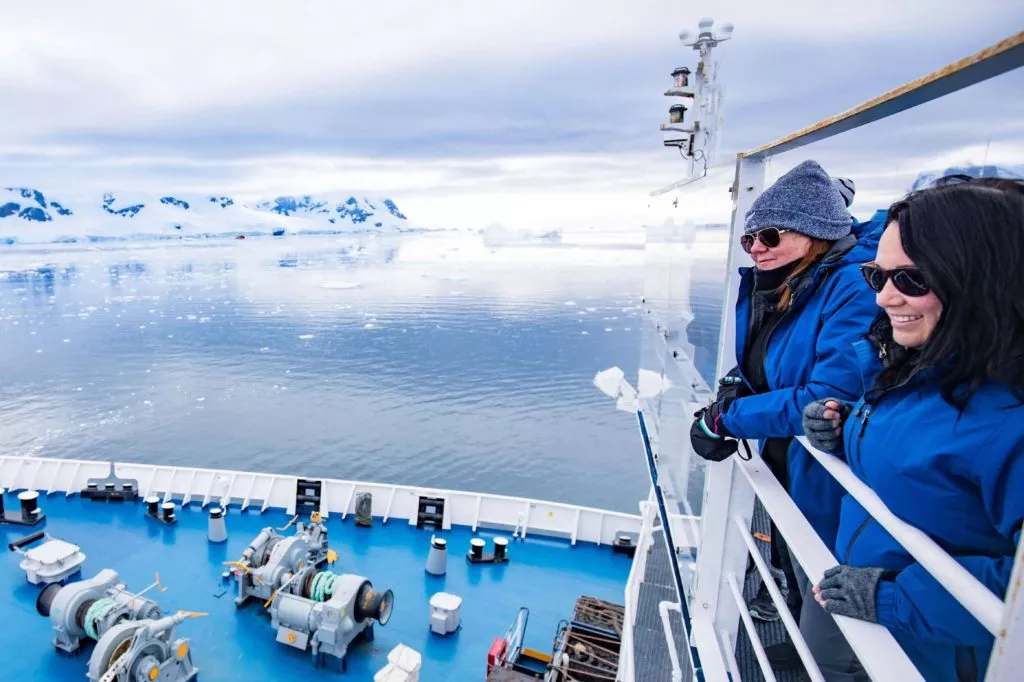
Smaller expedition ships often allow more frequent landings and a stronger sense of intimacy with the environment. Larger vessels may offer more onboard amenities but less flexibility ashore.
Antarctica isn’t about onboard luxury — it’s about access.


7. The Right Expedition Is the One That Matches Your Intent
Some travelers want the full Drake Passage narrative.
Some want efficiency.
Some want rare wildlife.
Some want the longest possible immersion.
There isn’t a universal “best” Antarctica tour. There is only the one that aligns with your expectations, your comfort level, and your time frame.
What makes Antarctica unforgettable isn’t the format you choose — it’s the moment you step onto the ice, look around, and realize there is nothing familiar in sight.
And that’s exactly the point.